

Tabelog Bronze #504
Our verdict
Vesta is a high-priced Tokyo steak address built around charcoal-grilled beef rather than the broader teppanyaki theatre familiar to visitors. The draw is its small 16-seat scale, repeated Tabelog Award recognition, OAD Japan placement, private-room flexibility, and a planning profile that rewards early decisions rather than casual same-day dining.

Pearl is the En Primeur Club membership app, where members save venues, book tables and use the concierge.
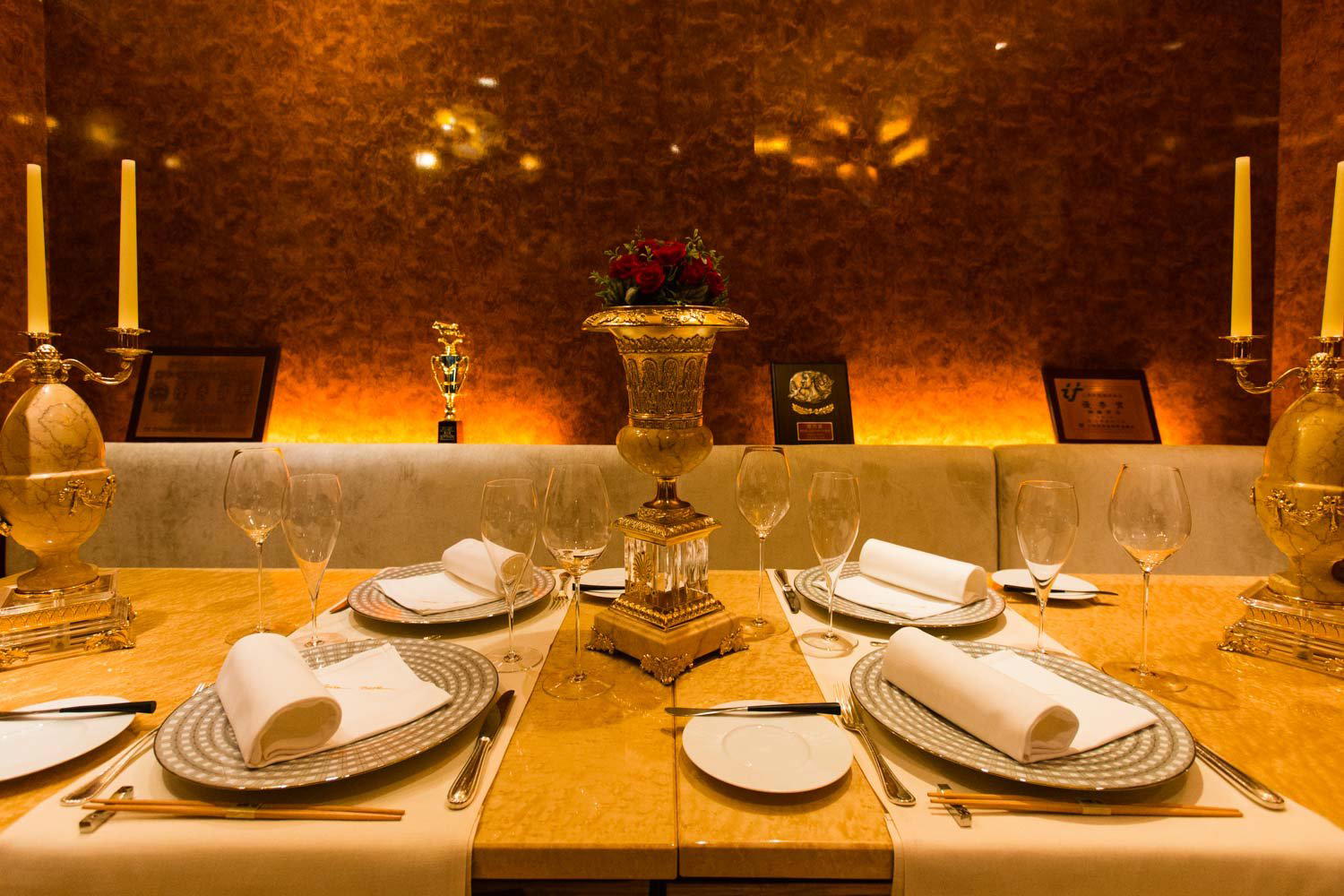
Tokyo’s serious dining rooms often announce themselves quietly: a controlled entrance, a composed room, and dinner engineered around pacing rather than spectacle. Vesta belongs to that category. Its appeal is not performance for its own sake, but the narrower kind of premium restaurant experience where service rhythm, product focus, and a sense of occasion define the evening.
In a city where destination dining splits into many formats, that distinction matters. Some meals lean ceremonial, others are casual and self-directed, and others turn cooking into theatre. Vesta reads differently: it asks less of the diner visually and more of the room’s overall control. Timing, atmosphere, and service cadence need to align without unnecessary drama. Vesta’s recognition places it in a serious Tokyo context, not the casual circuit.
Vesta in Tokyo's premium dining tier
Read Vesta as part of Tokyo’s premium restaurant culture, not an isolated address. Its category sits close to other polished dining rooms, but the experience has its own centre of gravity. Compared with established names such as Imahan or Shima, the choice is less about status in the abstract than format: tradition, precision, or a more focused evening shaped by Tokyo service expectations.
Awards separate serious intent from ordinary noise here. Vesta is represented in the Opinionated About Dining restaurant data for 2026, with the venue match identified at high confidence. For a Tokyo restaurant, that kind of recognition is enough to place it on the radar for diners who use external lists as a first filter, while still leaving the final decision to fit, timing, and appetite for the style of evening.
The planning psychology sharpens the point. Tokyo’s serious dining scene leaves little margin for walk-in spontaneity, group indecision, or late planning. Vesta is best approached by diners who know their date, party size, and appetite for a focused meal before comparing options. In that sense, the restaurant rewards decisiveness more than casual browsing.
The booking decision is the real filter
Tokyo has enough serious restaurants that cost alone no longer clarifies the right choice. The sharper question is the kind of evening desired. Vesta is for a focused meal where the room feels deliberate and the meal is the central argument. It is less suited to travellers trying to cover several parts of Tokyo in one night, or diners wanting a broad survey of the city’s restaurant culture in one sitting.
The planning details make it a “decide early” restaurant. Treat it as a reservation-led choice rather than a fallback, and confirm the current booking, payment, and service details directly before committing. That is especially important in Tokyo, where premium restaurants can vary in policy, availability, and suitability for different groups.
Seasonality is logistical rather than purely menu-led. Around major Japanese holiday periods, availability across restaurants, hotels, rail, and department-store dining can compress quickly. Travellers building an itinerary around New Year, summer breaks, or other peak windows should treat the calendar as a structural constraint, not an afterthought.
The surrounding dining context helps calibration. Nearby comparisons can range from accessible café formats such as LE CAFE de Joel Robuchon Nihonbashi takashimaya ten and AU BON VIEUX TEMPS Nihonbashi takashimaya ten to more traditional dining choices such as Hyoki Shabu-shabu Yaesu and Imahan. Vesta sits in a narrower lane: more deliberate, more destination-minded, and dependent on whether its specific style of evening is the main purpose.
How to place it inside a Tokyo itinerary
For visitors, the cleanest logic is not to treat Vesta as just another premium dinner slot. Tokyo’s dining calendar is crowded with counters, tasting menus, formal rooms, and late-night drinking. This is the focused restaurant night. Build the day lightly, avoid stacking another long meal beside it, and choose companions who want the same format rather than variety above all else.
That selectivity also applies when comparing broader Tokyo options. A traveller mapping categories can use Our full Tokyo restaurants guide for restaurant planning, then separate the evening economy through Our full Tokyo bars guide. For hotels, Our full Tokyo hotels guide keeps transfers realistic, while Our full Tokyo experiences guide and Our full Tokyo wineries guide cover days when dinner is not the only anchor.
Tokyo’s range is the real luxury. The same city moves from formal dining to casual counters, cafés, grills, and late-night rooms without losing seriousness. For contrast, look across unnamed Tokyo dining rooms rather than assuming one premium address can represent the whole city. Outside Tokyo, comparison becomes less about a single format than how Japan’s regional dining identities shift once the capital is no longer the only reference point.
For international readers comparing Japanese dining with Japanese-influenced rooms abroad, the lesson is that format travels unevenly. A focused restaurant night in Tokyo depends on local expectations around sourcing, room scale, service rhythm, and booking etiquette. Vesta is worth planning when the itinerary has space for that specificity.
Frequently asked questions
Is Vesta good for families?
Vesta may work for some families, but guests should confirm the current policy directly before booking. As with many premium Tokyo restaurants, suitability depends on the group, timing, and the style of meal expected.
What is the atmosphere like at Vesta?
Vesta is best understood as a polished, focused Tokyo dining room rather than a casual stop-in. Its OAD-linked recognition points to a restaurant that belongs on a serious itinerary, but diners should confirm current room details directly when reserving.
What days is Vesta closed?
Opening days and hours should be confirmed directly with Vesta before booking, especially around Japanese holiday periods or peak travel dates.
Where exactly is Vesta?
Tokyo.
Comparable venues nearby, for context on price, style, and recognition.
| Venue | Cuisine | Price | Awards | Notes |
|---|---|---|---|---|
| VestaThis venue (the venue you are viewing) | Luxury Japanese Kobe Beef Steakhouse | $500+ | Tabelog Bronze #504 | Not listed |
| Hirosaku | Traditional Japanese Kaiseki Kappo | $300–500 | Tabelog 100 #46 | Minato |
| Sushi Akira | Premium Omakase | $300–500 | Tabelog Silver #6 · Black Pearl 1 Diamond | Shibuya |
| Oryori Katsushi | Seasonal Kaiseki Kappo | $200–300 | Michelin Plate | Chūō |
| Kagurazaka Marutomi | Kaiseki with Iwate Wagyu | Not listed | Michelin Plate | Shinjuku |
| Umi | Edomae-style Omakase Sushi | $150–200 | Tabelog 100 #7 | Aoyama |
Recognition history
Dated appearances from independent guides and award organizations, with the underlying list record or original source where available.
Opinionated About Dining Top Restaurants in Japan Recommended
Opinionated About Dining
Tabelog Bronze #504
Tabelog
Full recognition history (7 entries)
Opinionated About Dining Top Restaurants in Japan Ranked #170
Opinionated About Dining
Tabelog Bronze
Tabelog
Tabelog 100 #13 · No. 13
Tabelog · Tabelog 100 - Steak / Teppanyaki - EAST - 2025
Opinionated About Dining Top Restaurants in Japan Ranked #82
Opinionated About Dining
Opinionated About Dining Top Restaurants in Japan Ranked #71
Opinionated About Dining
Continue exploring
More in Tokyo
Restaurants in Tokyo
All restaurants in Tokyo →

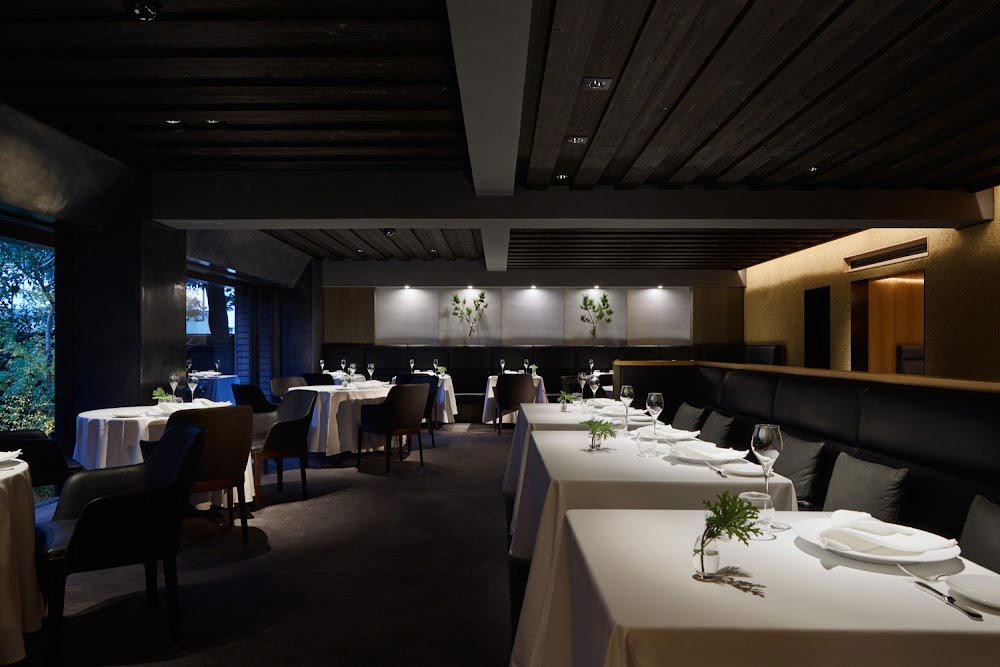





Vesta
The wine
- Wine program
- Deep wine list
- Extensive wine list
- Sommelier-led
Details
- Elegant
- Intimate
- Sophisticated
- Special Occasion
- Date Night
- Business Dinner
- Open Kitchen
- Extensive Wine List
- Sommelier Led
- Local Sourcing
- Wine
Current opening hours
- Monday
- 12–11 PM
- Tuesday
- 12–11 PM
- Wednesday
- 12–11 PM
- Thursday
- 12–11 PM
- Friday
- 12–11 PM
- Saturday
- 12–11 PM
- Sunday
- 12–11 PM
Hours can change for holidays and private events. Last verified .
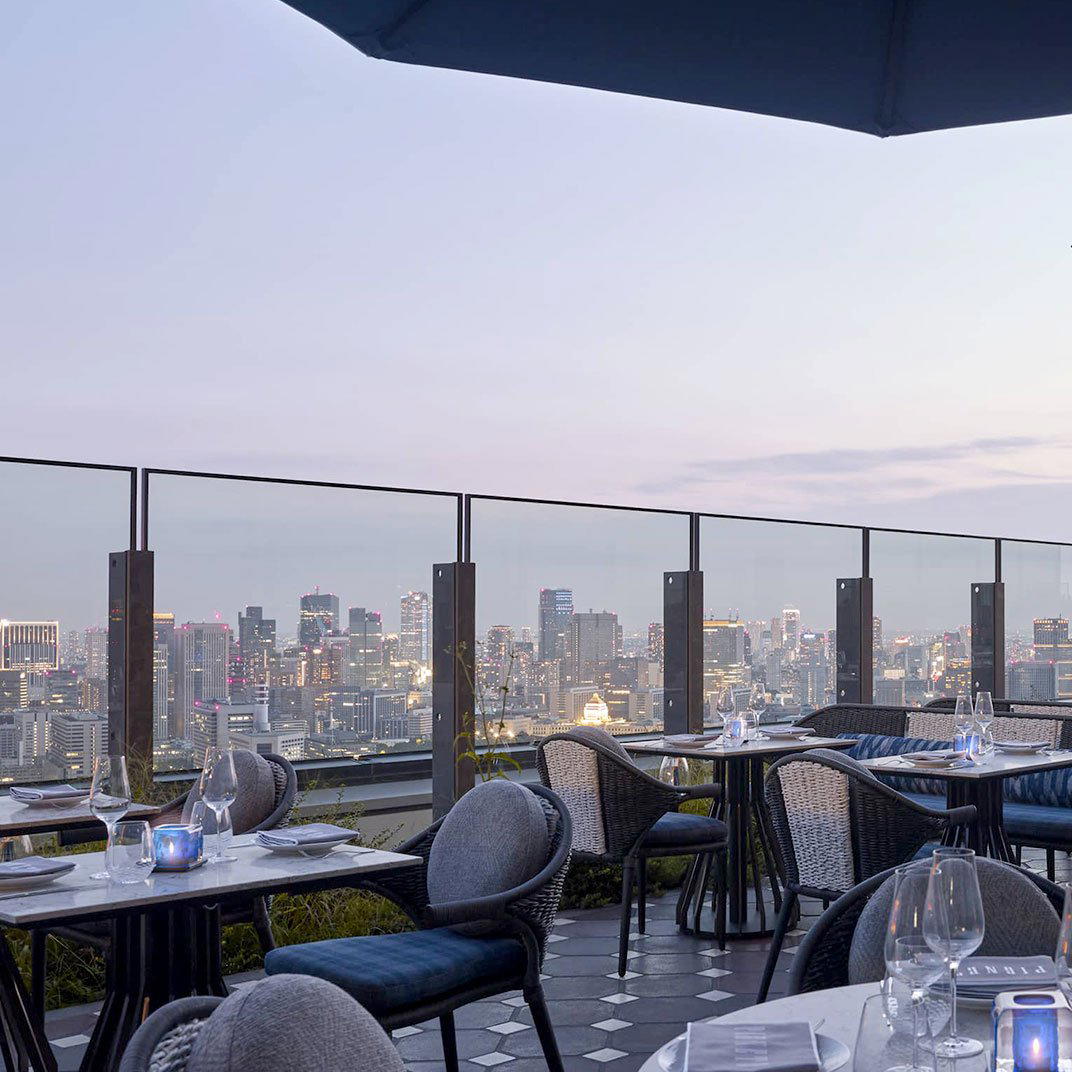
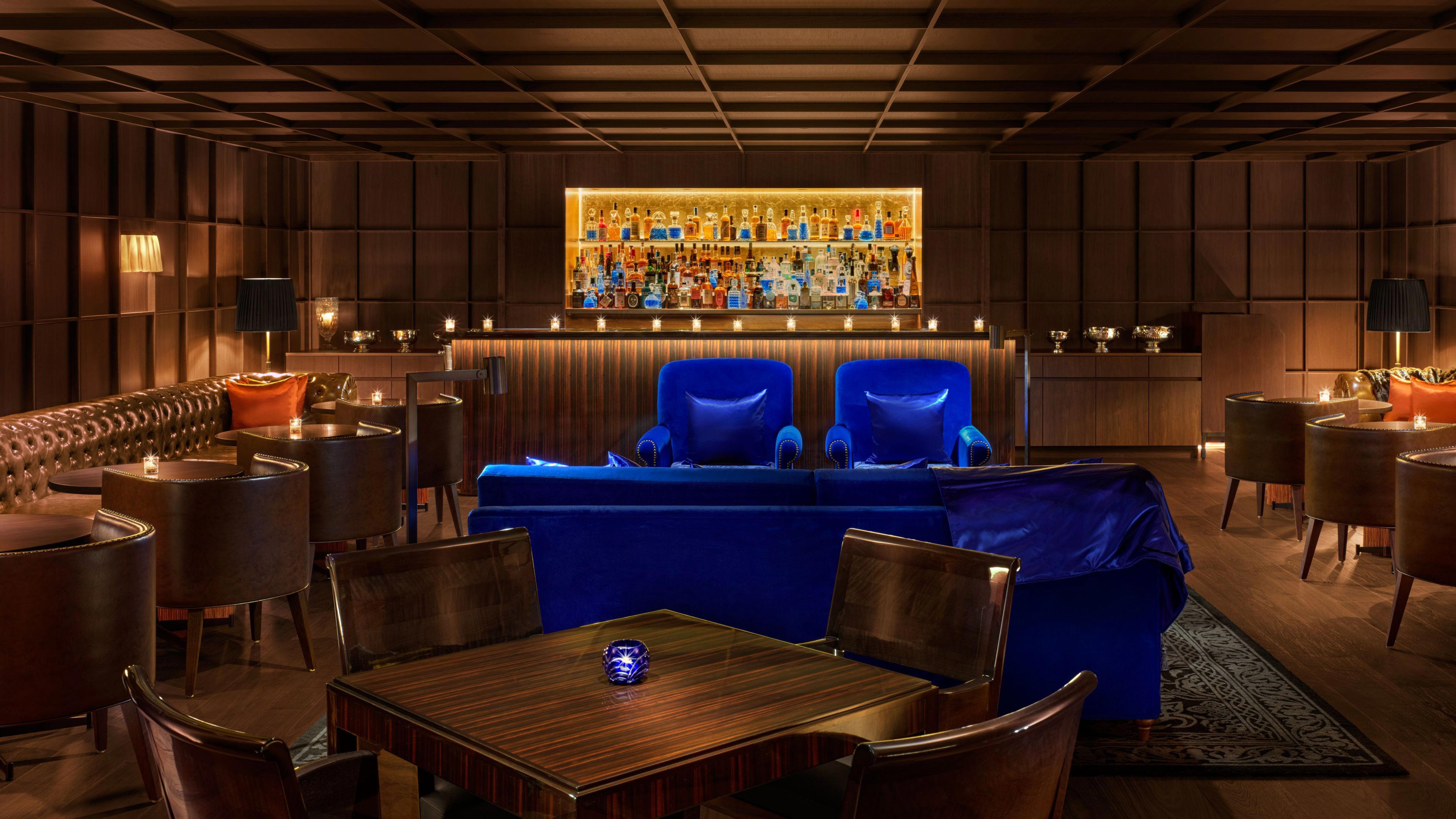
Polished wooden floors, gold chandeliers, marble candelabras, sparkling glass wine cellar, and artwork by Leonard Tsuguharu Foujita create a fancy yet friendly intimate atmosphere.