Skip to Main Content
Modern Italian Omakase
← Collection
Tokyo, Japan

Mesebaba

CuisineItalian
Executive ChefHajime Takayama
Price≈$600
Dress CodeSmart Casual
ServiceFormal
NoiseQuiet
CapacityIntimate
Opinionated About Dining

A Tokyo Italian address earning consecutive Opinionated About Dining recognition in 2023 and 2024, Mesebaba is where Japanese culinary precision meets the handmade pasta tradition. Chef Hajime Takayama works within a format that places pasta technique at the centre of the menu, positioning the restaurant inside a small but serious cohort of Italian kitchens in the city operating well outside the tourist circuit.

Pearl is the En Primeur Club membership app — saves, bookings, and concierge access live there. Same editors, same standards.

Mesebaba restaurant in Tokyo, Japan
About

Where Tokyo's Italian Tradition Gets Serious About Pasta

Tokyo's Italian restaurant scene has undergone a quiet but significant realignment over the past decade. The city that once imported Italian cooking wholesale — chef lineages, regional recipes, even Italian-born kitchen teams — has increasingly produced a generation of Japanese chefs who have absorbed the craft and are now reinterpreting it on their own terms. The result is a tier of Italian restaurants in Tokyo that sits at an interesting distance from both their European counterparts and from the tourist-facing trattorias of the hotel circuit. Mesebaba, earning an Opinionated About Dining recommendation in 2023 and a ranked position at #386 in 2024, belongs to this more serious cohort.

The Opinionated About Dining list is a useful calibration tool here. Unlike Michelin, which rewards service formality and kitchen consistency against a fixed template, OAD rankings are driven by votes from frequent diners and industry peers who eat widely and compare across borders. Consecutive recognition across two years , moving from recommended to ranked , signals a trajectory, not a lucky season. Among the full spread of Italian addresses in Tokyo, very few manage that kind of sustained peer-set acknowledgment.

The Pasta Tradition in Tokyo's Italian Kitchens

Handmade pasta has become the clearest dividing line in Tokyo's Italian scene. At one end, you have high-volume operations where dried pasta from reputable Italian producers does the work. At the other, a smaller number of kitchens where pasta-making is treated as the primary technical discipline , where the ratio of egg to flour, the resting time, and the cut width are decisions with culinary consequences rather than workflow shortcuts. This is the tradition within which Mesebaba operates.

Japanese kitchens have an obvious structural advantage in this area. The same culture of precision and repetition that produces consistent sushi-rice seasoning and perfectly julienned daikon applies directly to pasta craft. The ability to hold a shape to exact specification, to maintain pasta thickness across a service, and to calibrate sauce consistency against the pasta's own texture are skills that transfer cleanly. The question with any Tokyo Italian kitchen is not whether the technique is present, but what regional tradition it draws from and how the kitchen makes it their own.

Regional Italian pasta traditions offer an enormous range of reference points: the egg-rich tagliatelle of Emilia-Romagna, the semolina-water orecchiette of Puglia, the hand-rolled pici of Tuscany, and the trofie of Liguria that demand a specific rolled technique. Each shape implies a sauce logic, a texture expectation, and a regional context that a thoughtful kitchen either honors or deliberately subverts. Restaurants operating in this register , such as Aroma Fresca and Principio , tend to treat the pasta course as the structural centrepiece of the meal rather than one component among several.

Mesebaba in Its Competitive Set

Tokyo's Italian tier is more competitive than most international cities would suggest. The city has long-running Italian addresses with deep reputations, and the arrival of internationally branded concepts , Gucci Osteria da Massimo Bottura Tokyo being the most prominent , has added a high-visibility layer at the leading. Below that, a cluster of chef-led Italian kitchens compete on precision and restraint rather than brand recognition. PRISMA and AlCeppo occupy positions in this mid-to-upper tier, and Mesebaba's OAD ranking places it in the same general bracket.

What separates restaurants within this tier is usually either a strong regional Italian focus or a specific technique-led identity. A kitchen built around pasta signals the latter: the menu architecture, the mise en place requirements, and the kitchen's daily labour are all shaped by that central discipline. This is a different operating model from, say, a grill-led Italian or a seafood-focused address, and it tends to attract a different kind of regular diner , one who is eating Italian broadly and benchmarking quality against both Italian precedents and Tokyo peers.

For context on how Tokyo Italian compares across Japan, cenci in Kyoto represents a similar impulse applied with a distinctly Kyoto seasonal register. The comparison is useful: both kitchens are working in Italian forms but drawing on local ingredient culture and Japanese kitchen discipline. Across Asia, 8½ Otto e Mezzo Bombana in Hong Kong represents a different approach entirely , a European chef's vision transplanted to Asia, versus the Tokyo model of Japanese chefs trained in Italian technique.

Chef Hajime Takayama and the Kitchen's Approach

Chef Hajime Takayama leads the kitchen at Mesebaba. The name itself signals an informality that sits in deliberate contrast to the technical seriousness of the cooking , a positioning choice that many of Tokyo's stronger chef-led restaurants have made, differentiating themselves from the white-tablecloth formality of the hotel Italian tier. The broader Tokyo dining scene has moved decisively in this direction, with some of the city's most technically ambitious meals now served in spare, counter-forward rooms where the food does the work without the accompaniment of formal service theatre.

This shift mirrors what has happened in Tokyo's kaiseki and French dining scenes simultaneously. Restaurants like HAJIME in Osaka and Gion Sasaki in Kyoto have demonstrated that rigorous cooking and restrained environments can coexist, and the same logic applies to Italian in Tokyo. The investment is in the plate.

Planning a Visit

Mesebaba's Google rating of 3.8 across 56 reviews is a data point worth reading carefully. A low review count typically indicates a small, low-profile operation that is not drawing casual walk-in traffic , the opposite of a broadly popular neighbourhood restaurant. Restaurants earning OAD recognition with thin Google review profiles tend to operate on reservations for a tight regular clientele, which means booking ahead is a practical requirement rather than a suggestion. Given the OAD trajectory and the city's general difficulty around table availability at this level, planning at least several weeks in advance is sensible.

Mesebaba sits within Tokyo's wider Italian dining calendar, where autumn and winter menus tend to reflect the richest ingredient seasons for braised and pasta-forward cooking. If timing is flexible, the months between October and February typically align leading with the heavier pasta formats and sauce traditions that reward slow-cooked components.

For travellers building an itinerary around Japan's Italian scene more broadly, akordu in Nara takes the regional Italian reference in a different direction. Goh in Fukuoka, 1000 in Yokohama, and 6 in Okinawa round out the picture of how serious cooking is distributed across Japan's cities beyond Tokyo itself.

Know Before You Go

  • Location: Tokyo, Kanto, Japan
  • Cuisine: Italian, with a pasta-centred approach
  • Chef: Hajime Takayama
  • Recognition: Opinionated About Dining Leading Restaurants in Japan , Recommended (2023), Ranked #386 (2024)
  • Booking: Advance reservation advised; exact booking method not publicly listed , check current channels on arrival in Tokyo or via concierge
  • Leading season: Autumn through winter for the richest pasta-forward menu iterations
  • Peer set: Aroma Fresca, Principio, AlCeppo, PRISMA
Signature Dishes
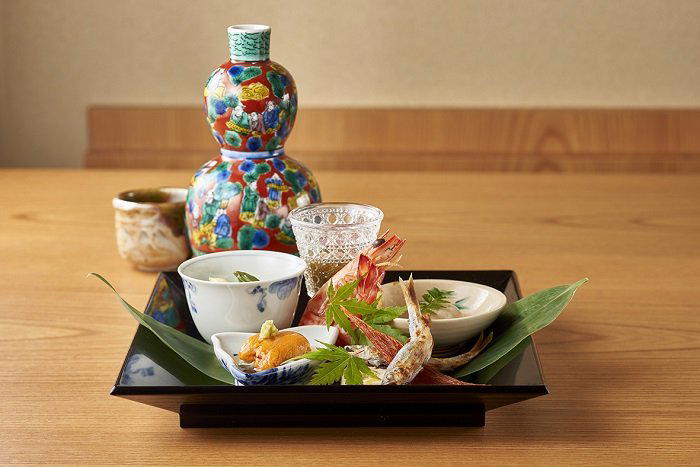
Seasonal pasta preparationsSourced seafood dishesVegetable-forward courses
Frequently asked questions

Peers in This Market

A quick peer check to anchor this venue’s price and recognition.

At a Glance
Vibe
  • Elegant
  • Intimate
  • Sophisticated
  • Quiet
Best For
  • Special Occasion
  • Date Night
Experience
  • Chefs Counter
  • Private Dining
Drink Program
  • Sommelier Led
Sourcing
  • Farm To Table
  • Local Sourcing
Dress CodeSmart Casual
Noise LevelQuiet
CapacityIntimate
Service StyleFormal
Meal PacingExtended Experience

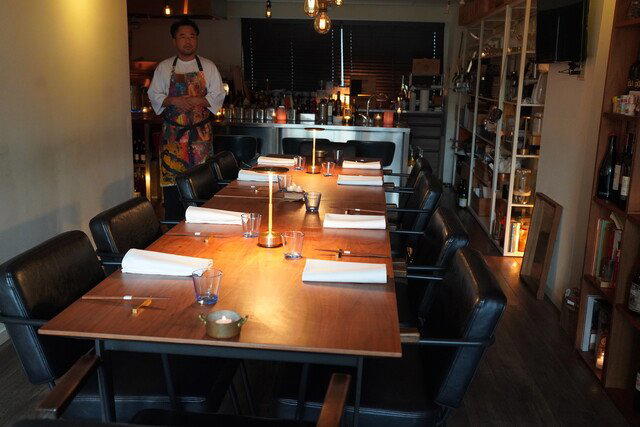
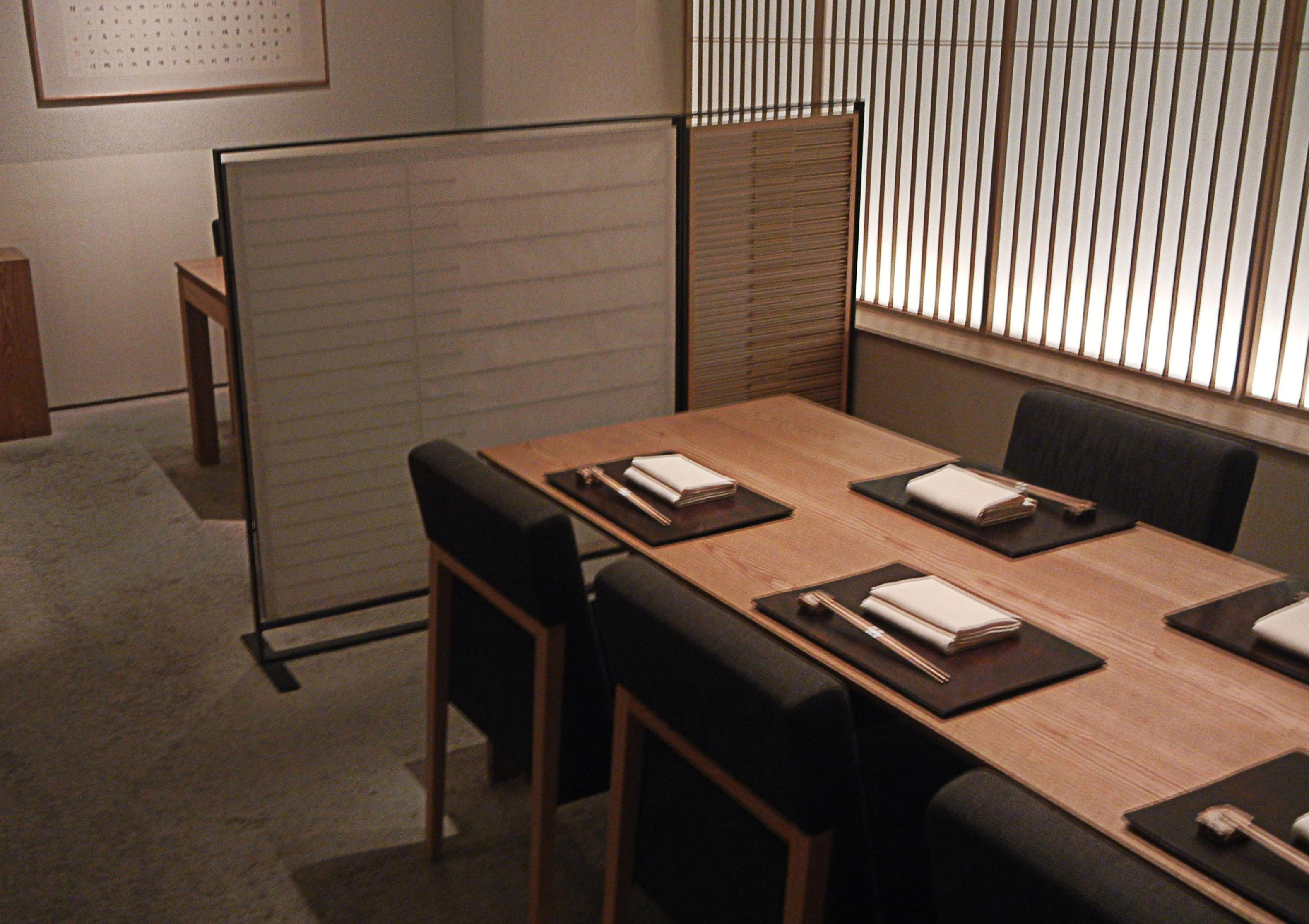
Amber-lit intimate dining room with tailored linens, hand-thrown ceramics, and weighted cutlery creating a sanctuary of considered refinement and unhurried conversation.

Signature Dishes
Seasonal pasta preparationsSourced seafood dishesVegetable-forward courses