
A wood-fired pizza address in Minakami where mountain-town dining, local water and casual Italian cooking meet with unusual credibility. Kamayaki Pizza no Mise La Bieru has Tabelog 100 Pizza selections in 2019, 2023 and 2025, placing a modest Gunma house restaurant inside a national conversation usually dominated by larger urban pizza scenes.
Pearl is the En Primeur Club membership app — saves, bookings, and concierge access live there. Same editors, same standards.
- Address
- 681-3 Yubara, Minakami, Tone District, Gunma 379-1617, Japan
- Phone
- +81 278-72-2959
- Website
- pizzalabiere.com
 Saves & bookings on Pearl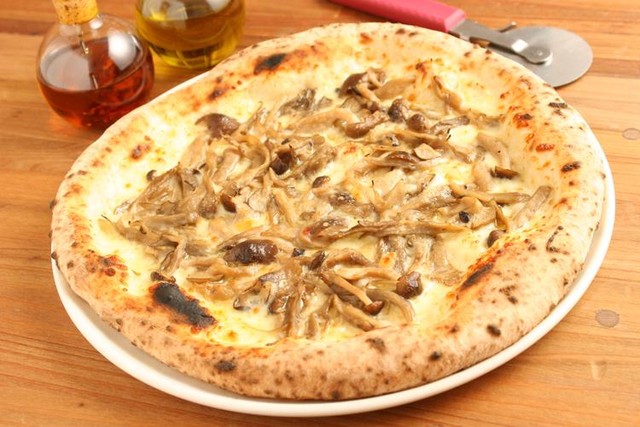
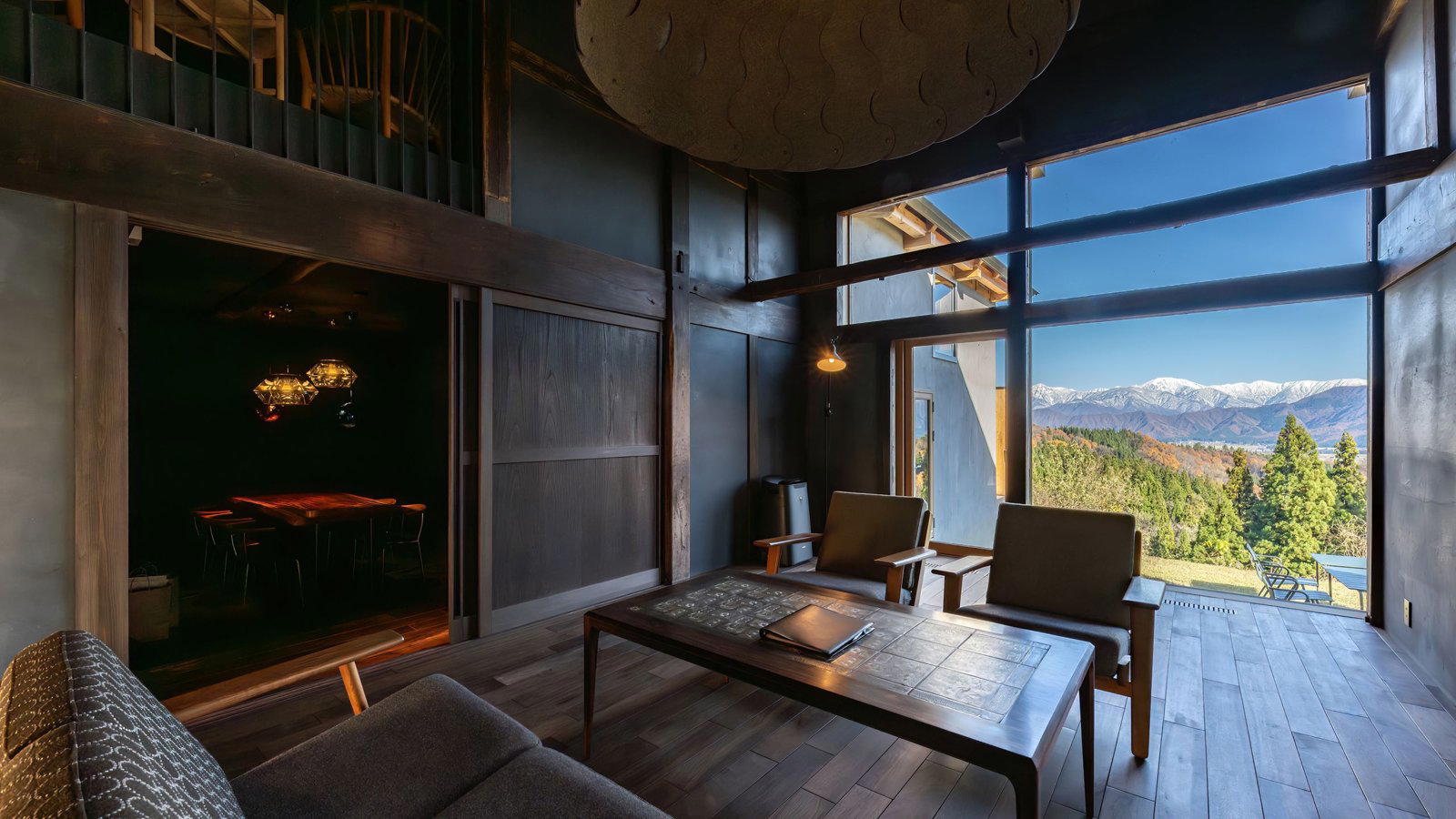
Approaching a house restaurant in Yubara, the signal is scale rather than metropolitan polish: a small dining room, an open terrace, and the quiet of Minakami, where hot springs, river valleys and mountain roads shape the rhythm of a meal. Pizza here reads differently from pizza in Tokyo or Osaka. The point is not speed, flash or dense counter culture, but how a wood-fired format absorbs its surroundings without becoming a theme restaurant.
Japan’s serious pizza scene has long borrowed from Naples, then adapted the craft through obsessive dough control, high-heat ovens and local produce. In Gunma, that adaptation has practical logic. Water matters to dough, and Minakami’s identity is tied to rivers and snowmelt rather than nightlife density. Kamayaki Pizza no Mise La Bieru belongs to the smaller category of regional pizzerias where the sourcing story is less about luxury ingredients than place: flour, hydration, heat and local water giving the dough its character.
Minakami water gives the pizza its argument
Neapolitan-style pizza depends on restraint. The dough must carry the meal before toppings enter the discussion, and the local claim here is river water used in the dough. That is not decorative. In a town associated with onsen travel and outdoor tourism, water becomes a culinary ingredient as much as a scenic asset. The restaurant emphasizes a crisp-chewy pizza texture, placing the craft in the familiar Japanese pizzeria register: char, elasticity and a base that holds toppings without becoming heavy.
The menu category is officially Pizza, Cafe and Italian, but the strongest editorial read is pizza first. A house format with 30 indoor seats and additional terrace seating when weather allows does not compete with formal Italian restaurants such as VENTINOVE in the same broad region, where pricing sits in a different tier. Nor is it trying to be a low-cost local canteen in the Nagai Shokudo mode. Its value is the middle lane: a focused pizza meal in a resort town where the surrounding trip may include hot springs, rail travel and family groups rather than a dedicated urban dining crawl.
The Tabelog 100 Pizza selections in 2019, 2023 and 2025 give that middle lane national weight. Tabelog’s Hyakumeiten lists are not casual popularity badges; they map category credibility across Japan. For a Minakami pizzeria to appear repeatedly shows how Japanese pizza recognition has spread beyond major dining capitals. It also changes the meal’s meaning. This is not simply a convenient stop near an onsen area; it belongs to a pizza conversation with technique-led specialists across the country.
A house-restaurant format, not a city pizzeria transplant
Room matters because it sets expectations. A house restaurant with terrace space and take-out service suits Tone-gun’s travel pattern: diners arrive by car, families mix with groups of friends, and a meal may sit between outdoor plans and hot-spring time. The pet-friendly terrace, unavailable in winter, underlines the format’s seasonality. This is regional hospitality rather than urban performance.
That difference helps when planning a Tone-gun food day. Pizza at this level gives Minakami a category anchor distinct from ryokan dining, soba stops or casual roadside meals. It also widens how visitors can read the area. A serious mountain meal need not mean kaiseki formality or beef-centered spending. Here, the evidence points to a lower-key Italian frame with enough recognition to justify building lunch or dinner around it, especially for travelers wanting one meal that works across ages and appetites.
Compared with PIZZERIA La locanda del pittoria, which operates in a higher spend bracket, this is the more accessible expression of regional pizza culture. The comparison is not about superiority, but use case. One sits closer to destination-restaurant spending, while La Bieru works as a practical, award-recognized meal within a Minakami itinerary. That distinction matters in Japan, where dining ambition often hides inside everyday formats rather than announcing itself through ceremony.
How it fits a Tone-gun itinerary
The strongest way to use this address is as a grounded counterpoint to the area’s resort and onsen infrastructure. Minakami’s appeal is dispersed: railway access, mountain roads, hot-spring districts and river activities pull visitors across a wider geography than a city dining quarter. A 30-seat house restaurant with reservations available and a nearby hot-spring-area parking setup fits that pattern. It rewards planning without demanding the ritual of a formal tasting-menu booking.
For EP Club readers mapping a broader stay, the restaurant sits inside a destination where dining, hotels and low-key regional experiences should be planned together rather than treated separately. Start with Our full Tone-gun restaurants guide, then pair the meal with Our full Tone-gun hotels guide, Our full Tone-gun bars guide, Our full Tone-gun wineries guide and Our full Tone-gun experiences guide. The point is not to chase volume, but to build a day where travel time, meal timing and local character line up.
Readers comparing Japanese dining across regions can use this page as a marker for how specific formats travel. For other contrasts in the EP Club restaurant library, see -Grilled beef Sukiyaki- KAMAKURA TANUKIAN 鎌倉 たぬき庵 in Kamakura, . 鮪と炭火焼き うお炭 秋葉原店 in Tokyo, .cafe in Osaka, .know in Kumamoto, (Shoku) Vietnam in Kawasaki, [Curry Senmon Ten] Maruyama Kyoju. in Sapporo, [ki:] in Kyoto, #肉といえば松田 奈良本店 in Kashihara, 1/3 HAMBURGER FACTORY in Kanazawa, 1000 in Yokohama, 1000mヒュッテ 1000m Hut in Kutchan, Jōdo Saké Bar in Los Angeles and Onigiri Time in Pasadena.
The editorial case for Kamayaki Pizza no Mise La Bieru is compact: a Minakami house restaurant, a wood-fired pizza format, a dough story tied to local water, and repeated Tabelog 100 Pizza recognition. That combination gives the meal seriousness without forcing it into fine-dining language. In a mountain town, that is the right kind of ambition.
Comparison Snapshot
Comparable venues by cuisine and price in the same metro.
| Venue | Cuisine | Price | Awards | Notes |
|---|---|---|---|---|
| Kamayaki Pizza no Mise La BieruThis venue — the venue you are viewing | Neapolitan-style pizza & Italian cafe | $$ | , | |
| The Kitchen | Neapolitan Pizza & Italian | $$ | , | Shimogyo-ku |
| 知床ごんた村豊倉店 | Local Ingredient Pizza | $$ | , | 豊倉 |
| PIZZERIA DA MAKI | Neapolitan Pizza | $$ | , | Nishikicho |
| PIZZERIA La locanda del pittoria | Traditional Italian Pizzeria with Wood-Fired Pizza | $$ | , | Yuzawa, Iwappara Ski Resort |
| IL PAPPALARDO (イル パッパラルド) | Authentic Italian Pizza and Pasta | $$ | , | Higashiyama-Ku |
Continue exploring
More in Tone-gun
Restaurants in Tone-gun
Browse all →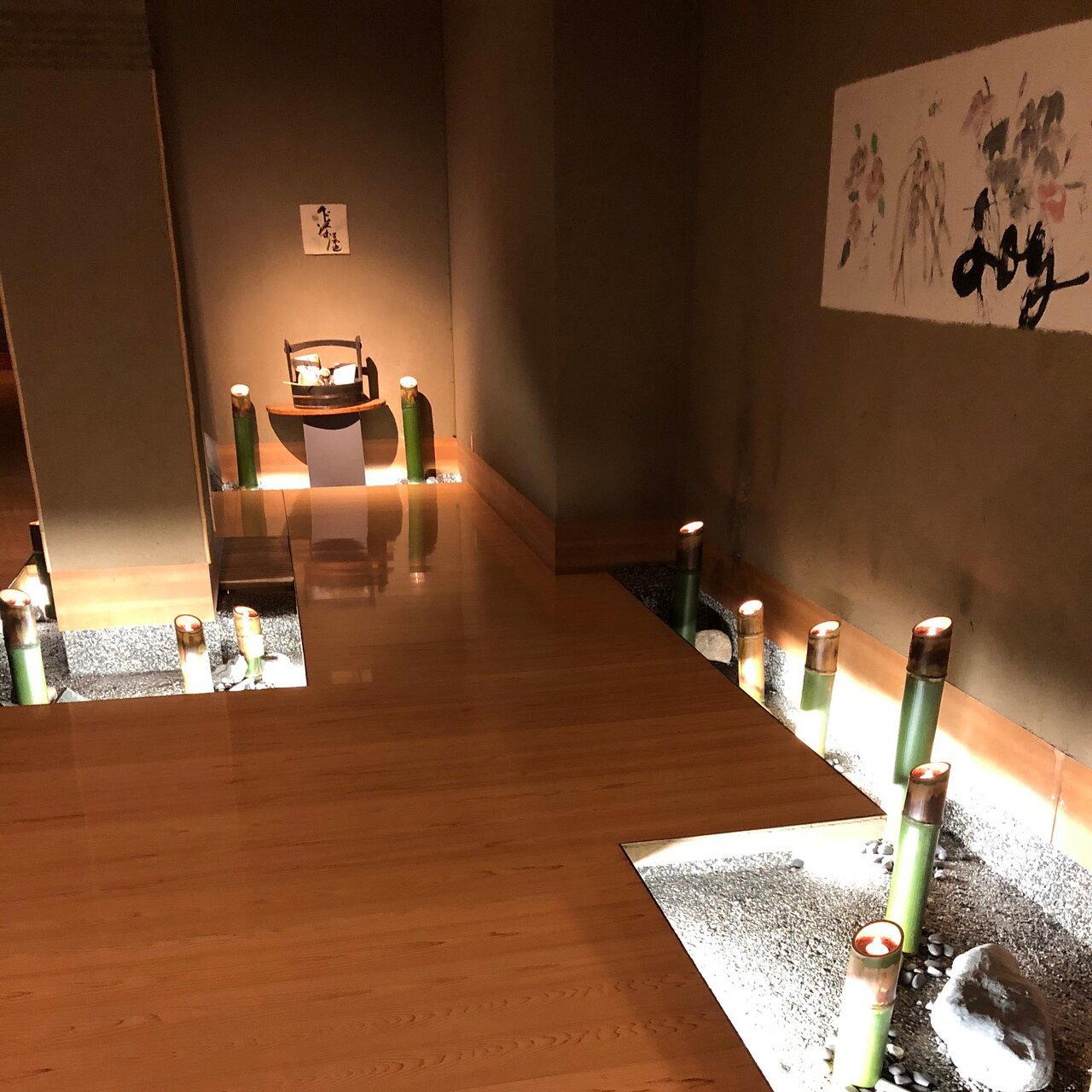
At a Glance
- Cozy
- Rustic
- Scenic
- Lively
- Hidden Gem
- Family
- Group Dining
- Casual Hangout
- Date Night
- Celebration
- Terrace
- Standalone
- Design Destination
- Beer Program
- Local Sourcing
- Mountain
- Street Scene
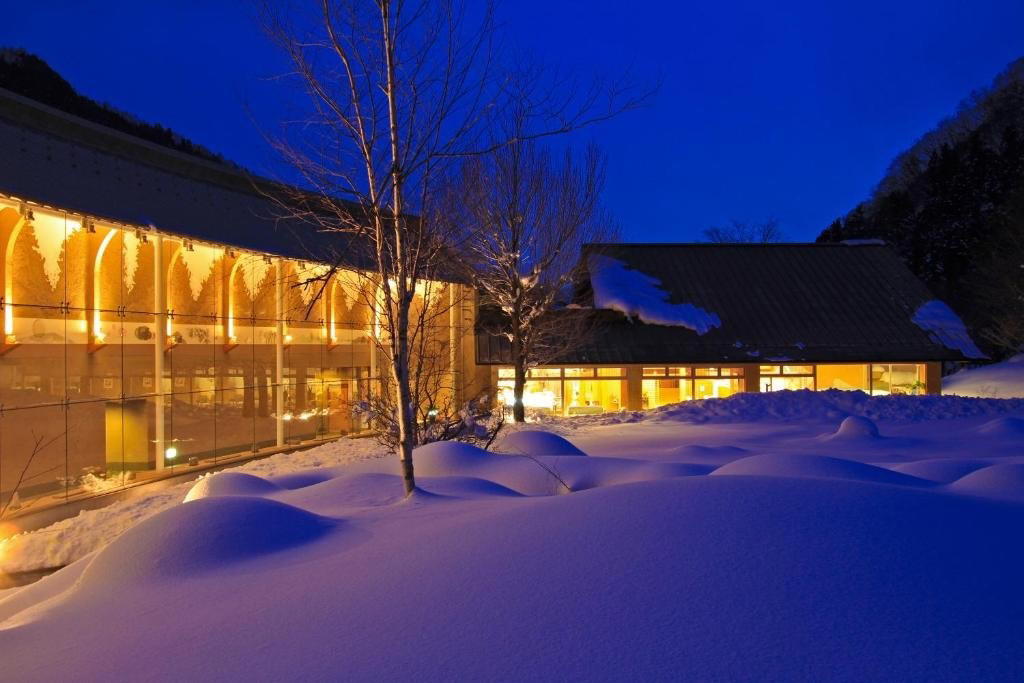
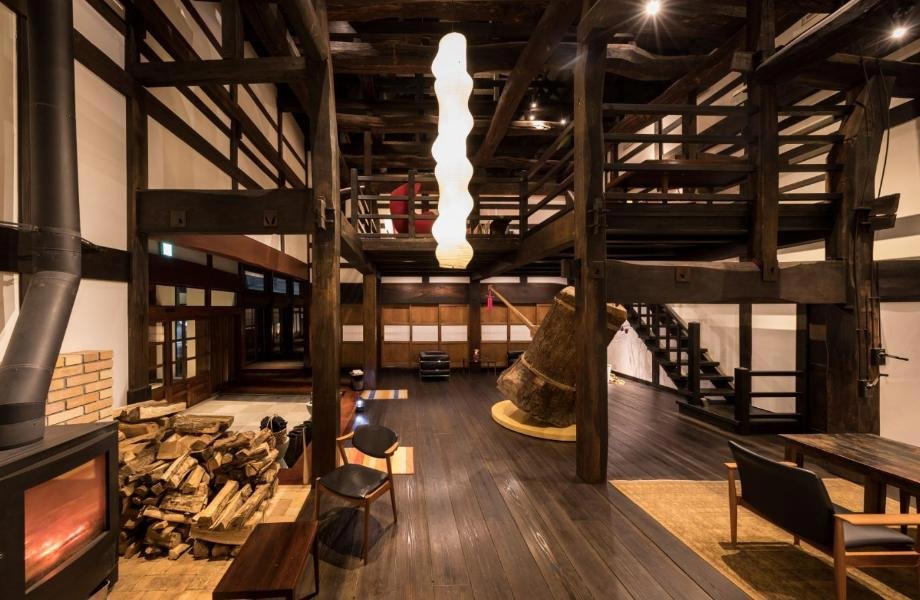
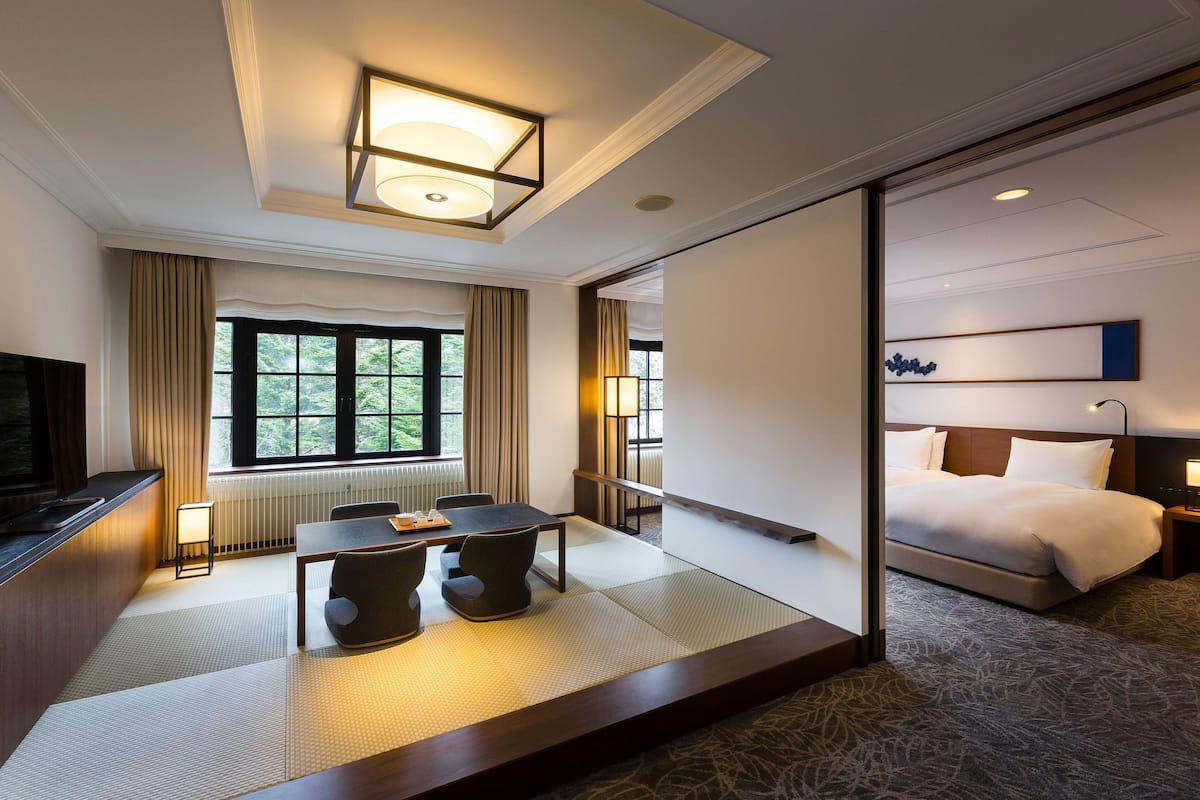
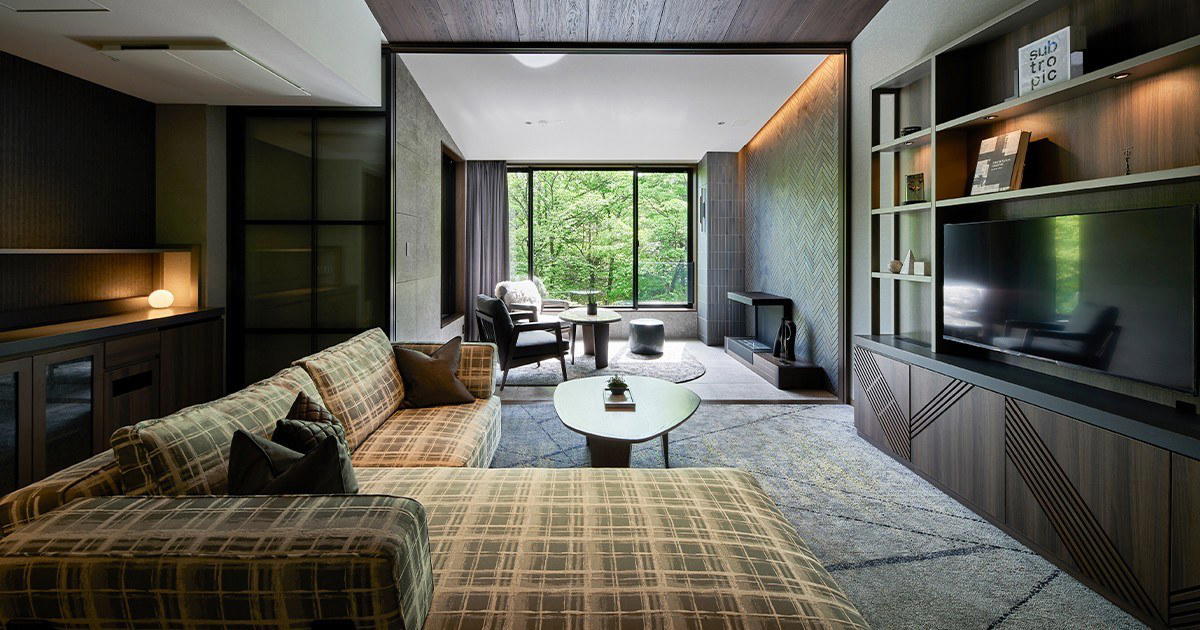
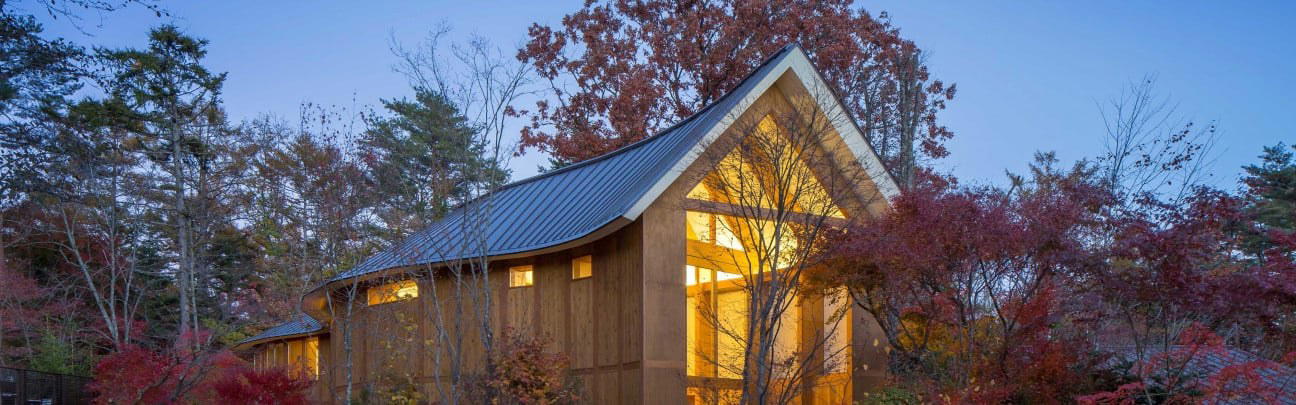
Casual and welcoming pizzeria with lots of natural wood and a handcrafted interior that gives off a cozy, resort-like feel; the atmosphere suits families and groups sharing hot pizzas straight from the oven, with a relaxed mountain-onsen town vibe rather than a formal Italian restaurant setting.