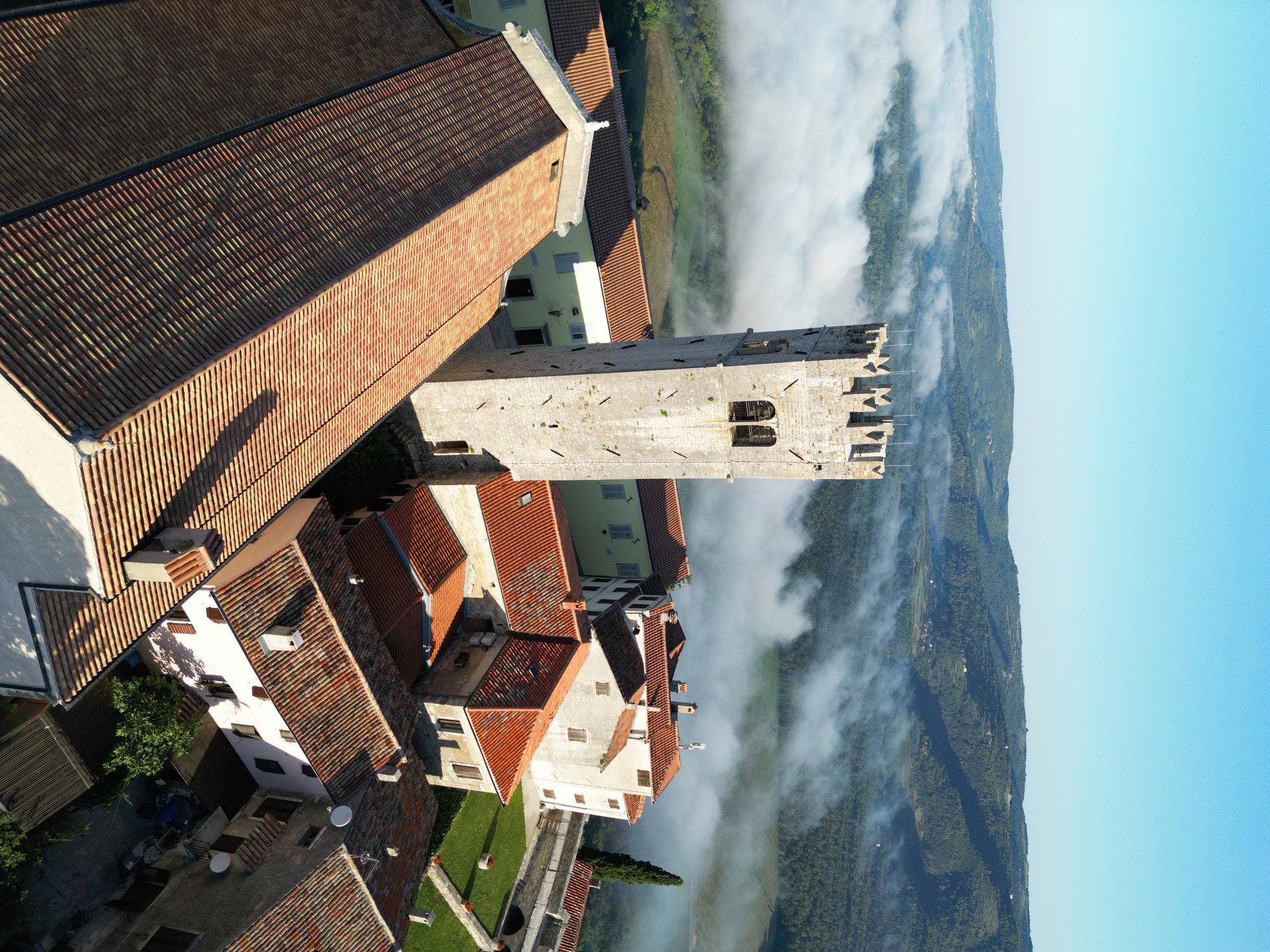
Vela Vrata sits in the medieval village of Beram in central Istria, a setting that frames how the region's kitchens have long operated: close to the land, shaped by proximity to truffle grounds, olive groves, and small producers. In a part of Croatia where ingredient provenance defines the dining conversation, Beram's address alone signals a particular kind of seriousness about what ends up on the plate.
Pearl is the En Primeur Club membership app — saves, bookings, and concierge access live there. Same editors, same standards.
- Address
- Beram 41, 52000, Beram, Croatia
- Phone
- +38552622801
- Website
- web.facebook.com
- Directions
- Get directions
 Saves & bookings on Pearl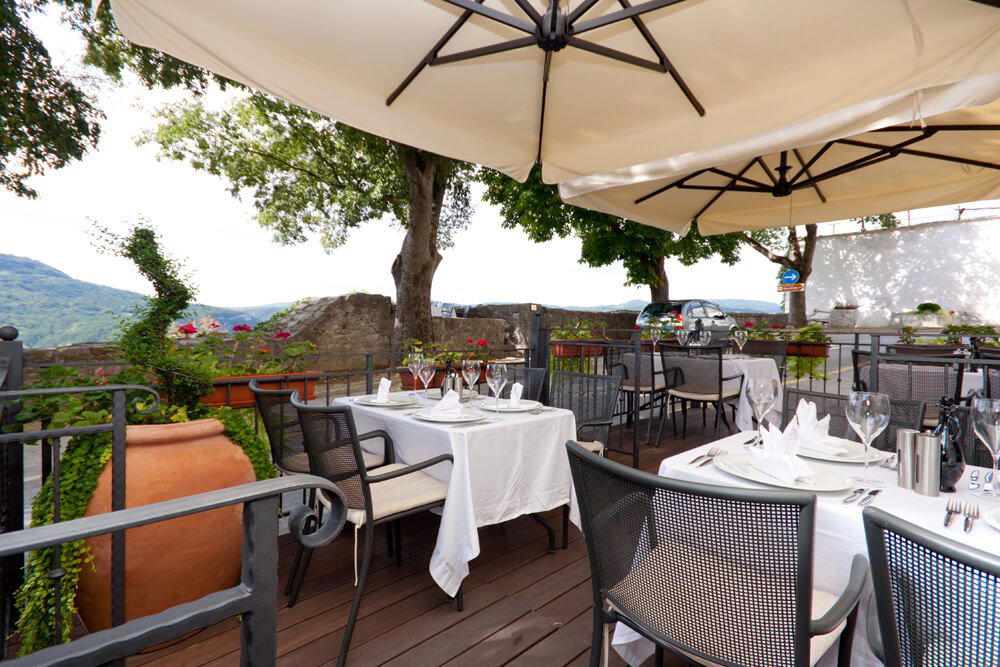
Stone, Forest, and the Istrian Larder
Central Istria operates on a different register from the coast. Where Rovinj and Dubrovnik draw visitors to waterfront terraces and Adriatic catch, the inland hill towns of Istria trade in forest ingredients, cured meats, and a kitchen culture shaped more by Venetian and Austro-Hungarian layering than by the sea. Beram sits within this interior tradition: a compact medieval settlement above the Mirna valley, surrounded by oak woodland where white truffle foraging still drives the local economy through autumn and early winter. Vela Vrata, addressed at Beram 41, occupies that context directly. For a reader considering where to eat in Istria, the village itself is the first piece of editorial information worth holding.
The broader inland Istrian dining pattern positions local producers as the primary supply chain. Truffles from the Motovun forest, Istrian prosciutto from small-scale curers, olive oil from groves that have supplied regional kitchens for centuries, and wines from the Malvazija and Teran grape traditions that define the peninsula's vineyards: these are the inputs that give this category of restaurant its competitive identity. Kitchens working at this latitude do not need to construct a sourcing philosophy; geography delivers one by default. The question that distinguishes one table from another here is how faithfully and intelligently that geography is translated onto the plate.
What the Beram Address Implies
Beram is not a dining destination in the way that Rovinj or Motovun function as magnets for visitors with restaurant reservations in hand. It is a working village with a small permanent population and a famous 15th-century fresco cycle in the Church of Saint Mary on the Rocks, which draws a specific kind of traveller: one who arrives with some intention and leaves with more than they expected. A restaurant in this location is not competing for passing footfall. It is positioned, by geography alone, as a reason to go somewhere rather than something you stumble across. That distinction matters when reading Vela Vrata's address.
For the inland Istrian dining circuit, Beram sits logistically between Pazin (the regional capital, roughly eight kilometres to the south) and the truffle-famous town of Motovun to the northwest. Visitors moving through this corridor, combining the frescoes, the truffle markets, and the Mirna valley vineyards, will find the village an efficient anchor point. From the coast, Poreč is approximately twenty kilometres to the west, making Beram accessible as a day destination from the main tourist belt without requiring a full relocation inland. This is worth factoring into any planning: Istria is compact enough that the interior and the coast do not require a choice between them.
Istrian Kitchens and Ingredient Logic
The sourcing patterns that define the strongest tables in this region set a useful benchmark. At Agli Amici Rovinj on the coast, Italian contemporary technique meets Istrian produce in a format priced at €€€€, with a menu that treats local ingredients as fine-dining material rather than rustic background. The inland version of that commitment tends to run with less technical architecture and more direct expression: a plate of fuži pasta with fresh truffle shavings in season, or a slow-braised pork cheek with Teran reduction, reflects fewer steps between land and table. Neither approach is more correct; they address different reader expectations and price tolerances.
The Istrian truffle season provides the clearest calendar signal for any visitor planning around ingredient quality. White truffles (Tuber magnatum pico) are harvested from late September through January, with peak aroma intensity typically in October and November. Black summer truffles extend availability through warmer months but carry a lower intensity. A kitchen operating in Beram during this window has first-mover proximity to the Motovun forest supply chain that coastal restaurants simply cannot replicate. For a visitor whose primary interest is truffle-forward cooking with minimal transport distance from source to plate, the inland hill town address is a structural advantage, not a marketing detail.
For comparable Croatian destinations operating at higher price points and with documented award recognition, Pelegrini in Sibenik and Restaurant 360 in Dubrovnik represent the national benchmark at the €€€€ tier. Nebo by Deni Srdoč in Rijeka and Boskinac in Novalja operate with strong regional identities and sustained editorial attention. These are the peer references that frame what serious Croatian cooking looks like at the level where provenance, technique, and format are deliberately aligned.
Those looking to build a fuller Istrian itinerary around this area can cross-reference our full Beram restaurants guide for a broader picture of the local scene, including options across price points and formats. For context on what Croatian kitchens are doing elsewhere in the country, Dubravkin Put in Zagreb, Krug in Split, and Korak in Jastrebarsko each illustrate a distinct regional register. On the island circuit, LD Restaurant in Korčula and Bodulo in Pag show how Croatian coastal kitchens handle similar sourcing logic with a maritime ingredient base. Further afield, Alfred Keller in Mali Losinj, Burin in Crikvenica, Cubo in Opatija, BioMania Bistro Bol in Bol, and Cantilly Garden Restaurant in Samobor round out the national picture for readers planning multi-stop itineraries across Croatia.
Planning Your Visit
Vela Vrata's current data record does not include confirmed hours, pricing, booking method, or contact details, which means one reliable approach is to verify current operational status through local tourism channels or by visiting in person during reasonable dining hours. The address, Beram 41, 52000 Beram, is specific enough to navigate to directly, and the village is small enough that orientation is not a challenge. Travelling by car from the coast or from Pazin is the practical option; public transport connections to Beram are limited. Autumn visits (October to November) align with peak truffle season and represent the highest-interest window for ingredient-focused travellers. Spring, when Istrian asparagus arrives and the landscape shifts from bare oak to green, offers a secondary season worth considering for those who prefer the region without its summer visitor density.
Comparable Spots, Quickly
Comparable venues nearby, for context on price, style, and recognition.
| Venue | Cuisine | Price | Notes |
|---|---|---|---|
| Vela VrataThis venue — the venue you are viewing | Traditional Istrian | $$ | Not listed |
| Velo Kafe | Traditional Istrian Mediterranean | $$ | Old Town |
| Veli Jože | Traditional Istrian Seafood | $$ | Old Town |
| Don Dino Restaurant | Modern Dalmatian Seafood | $$ | Trogir Old Town |
| Konoba Mare | Traditional Croatian Mediterranean | $$ | Osor |
| Konoba Galiola | Traditional Croatian Seafood | $$ | Liznjan |
Continue exploring
More in Beram
Restaurants in Beram
Browse all →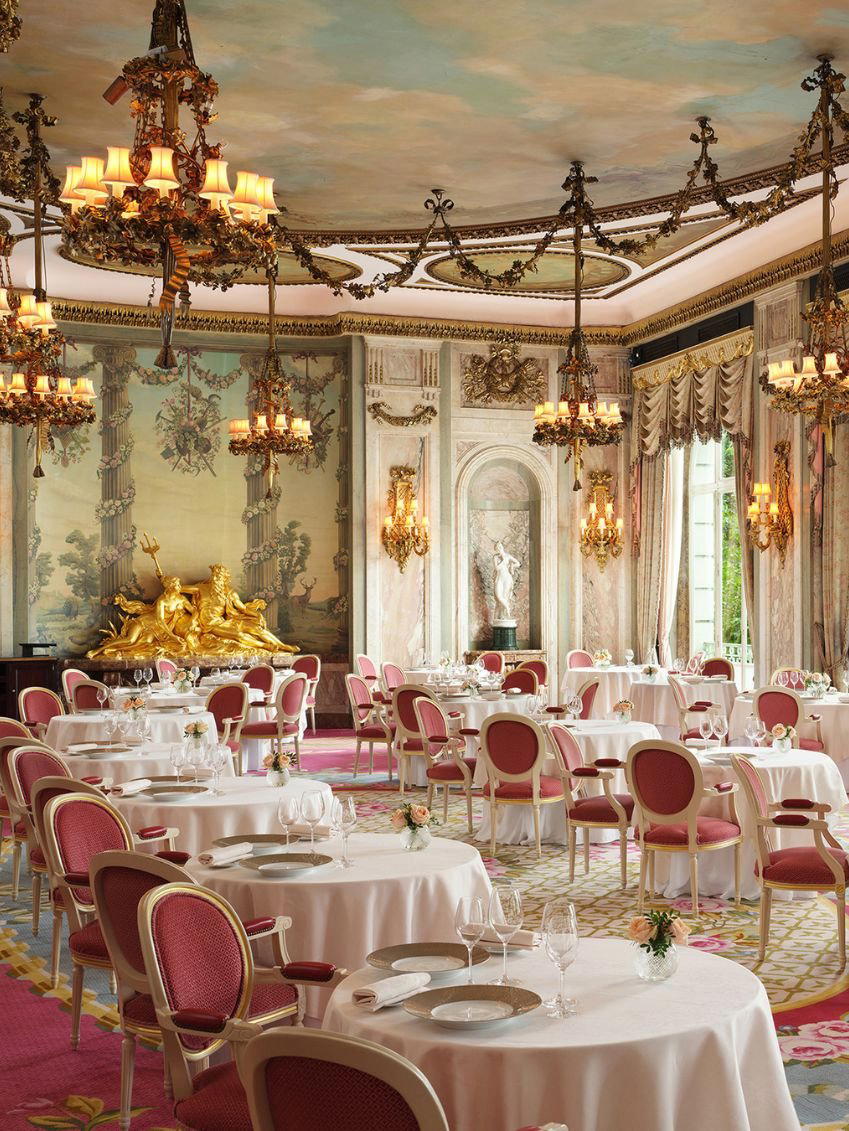
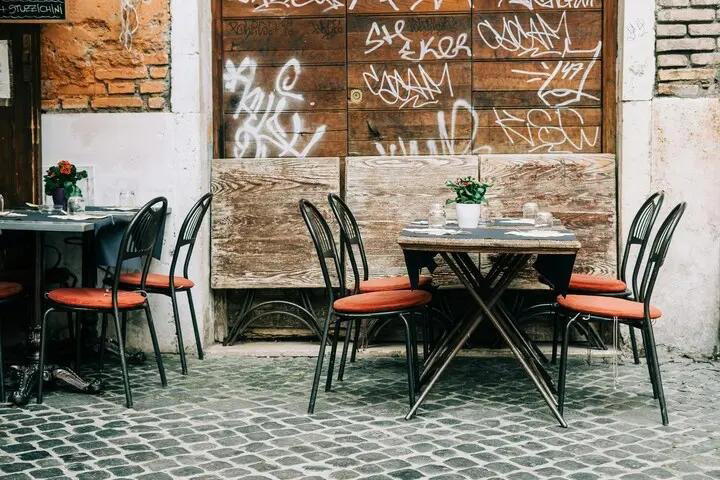
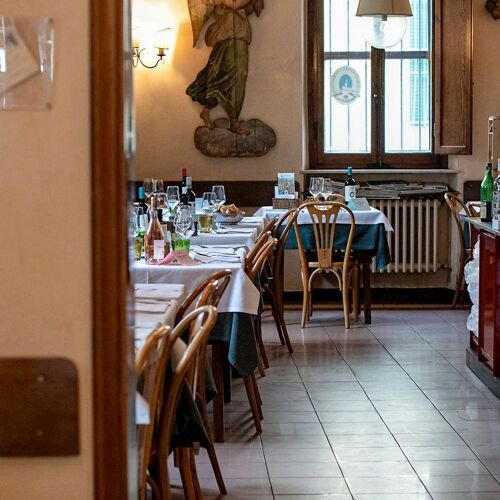
Bars in Beram
Browse all →
Hotels in Beram
Browse all →

At a Glance
- Rustic
- Cozy
- Intimate
- Family
- Special Occasion
- Historic Building
- Local Sourcing
Current opening hours
- Monday
- Closed
- Tuesday
- 11:30 AM–8 PM
- Wednesday
- 11:30 AM–8 PM
- Thursday
- 11:30 AM–8 PM
- Friday
- 11:30 AM–8 PM
- Saturday
- 11:30 AM–8 PM
- Sunday
- 12–7 PM
Hours can change for holidays and private events. Last verified .
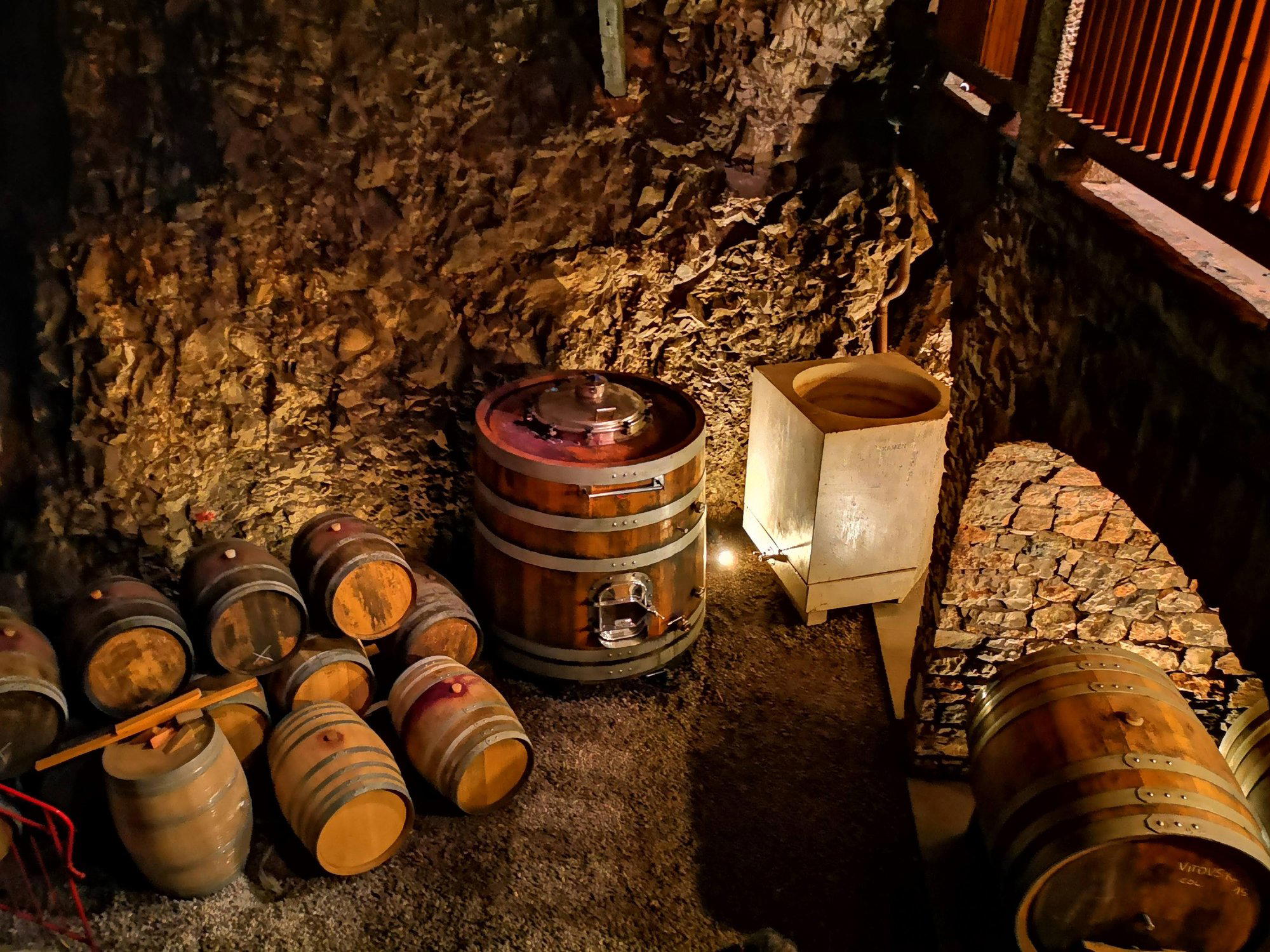
Cozy atmosphere with stone walls, wooden beams, and an open fireplace creating a warm, rustic, and romantic setting.