On the southeastern tip of Istria, Konoba Galiola sits on a fishing street in Ližnjan where the catch still shapes the menu by the day. The konoba format, informal, locally sourced, sea-facing, is one of Croatia's most consistent expressions of coastal hospitality, and Ližnjan remains less trafficked than Rovinj or Poreč, which means the kitchen answers to the harbour rather than the tour group.
Pearl is the En Primeur Club membership app — saves, bookings, and concierge access live there. Same editors, same standards.
- Address
- Ribarska ulica 31, 52204, Ližnjan, Croatia
- Phone
- +385953157640
- Directions
- Get directions
 Saves & bookings on Pearl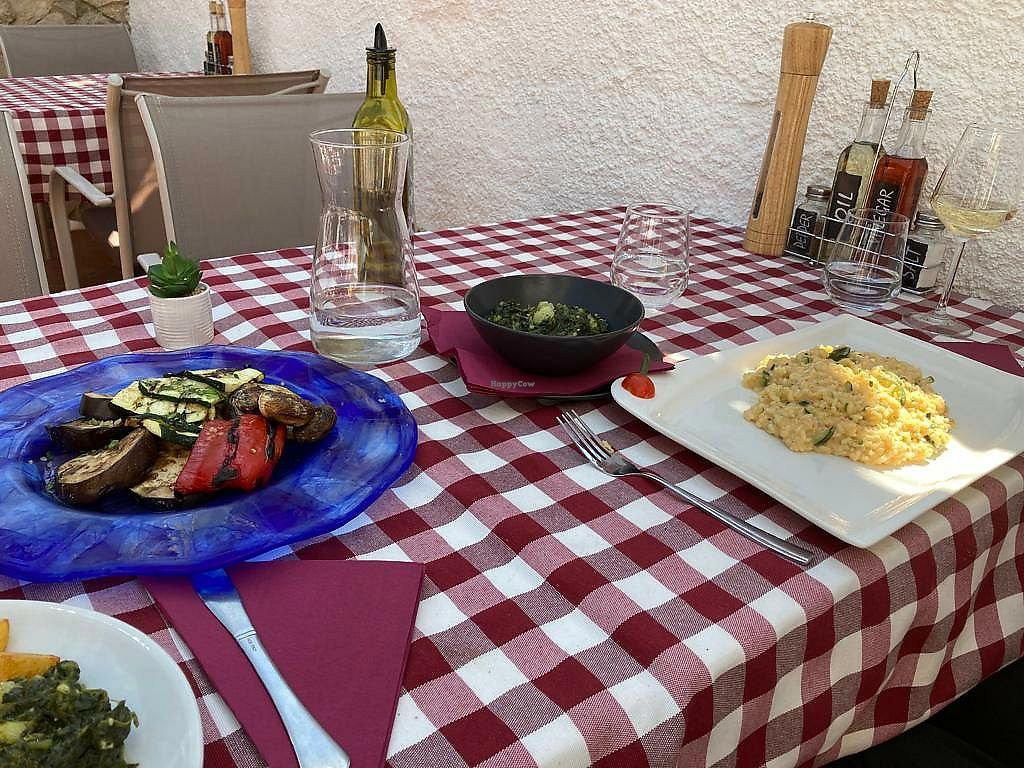
Where the Adriatic Informs the Menu
The Istrian peninsula's southern edge is a different proposition from the polished stone towns further north. Ližnjan is a working settlement rather than a curated destination, and the dining that has grown around its coastline reflects that, konobas that operate on the logic of what arrived at the dock, not what a seasonal menu dictated months in advance. Konoba Galiola is a restaurant serving Traditional Croatian Seafood in Ližnjan, Croatia. Konoba Galiola, on Ribarska ulica (Fishermen's Street), is embedded in that tradition. The address alone signals the kitchen's orientation: sourcing determined by proximity to water, preparation shaped by necessity rather than trend.
This matters more than it might first appear. Croatia's coastal restaurant scene has split into two recognisable tiers over the past decade. In Dubrovnik, Šibenik, and Rovinj, you find ambitious modern-cuisine rooms, places like Restaurant 360 in Dubrovnik or Pelegrini in Sibenik, where tasting menus frame local ingredients inside international culinary technique and four-figure price points. Below that tier, and largely operating outside it, is the konoba: a format defined by shared tables, wine poured from house bottles, and fish priced by weight from whatever the morning produced. Konoba Galiola operates in the latter tradition, and the distinction is not merely stylistic. It is a different set of values about what a coastal meal should be.
The Logic of the Konoba Format
The konoba as a category has been Croatia's most durable hospitality format. Originally a storage cellar or tavern, the konoba evolved along the Dalmatian and Istrian coasts into something closer to a French auberge or a Greek taverna: family-run, ingredient-led, priced for locals as much as visitors. The leading ones operate with a kind of structural honesty, the menu is short because the supply is seasonal; the wine list is brief because the house often produces or sources within a narrow regional radius; the fish is whole because filleting on order would be a contrivance the kitchen sees no reason to perform.
In southern Istria specifically, this format has survived precisely because the villages south of Pula, Ližnjan, Medulin, Premantura, have not experienced the same visitor volumes as the Poreč or Rovinj coastlines. That lower footfall has protected the kitchen's relationship with local fishermen. What arrives on the table has typically been caught in the waters between Ližnjan and the Premantura peninsula, an area where the Adriatic meets the Kvarner Gulf and produces a distinct catch profile: scorpionfish, sea bass, bream, cuttlefish, and the small oily fish, sardines, anchovies, that define Istrian coastal cooking as much as any prestige species.
Ingredient Sourcing as Editorial Principle
The sourcing logic at a konoba like Galiola is not the curated farm-to-table narrative that upscale restaurants deploy as marketing. It is structural. There is no cold chain intermediary because the proximity between water and kitchen is short enough to make one unnecessary. The same pattern appears at other well-regarded Croatian coastal tables, Agli Amici Rovinj in Rovinj works within a similar regional sourcing logic, though at a considerably higher price point and technical register. What separates the konoba from those more ambitious rooms is not the quality of the raw material, it can be identical, but what happens between sourcing and service. The konoba kitchen applies heat simply: grilled over wood, braised in wine, dressed in cold-pressed olive oil from Istrian producers whose groves are sometimes visible from the terrace.
Istrian olive oil deserves separate mention here. The peninsula has quietly built one of Europe's more credible cold-press industries, with producers around Vodnjan and the southern cape regularly placing in international competitions. At tables in this part of Istria, that oil functions less as a condiment and more as a structural ingredient, present in the brodetto (fish stew), used to finish grilled vegetables, and placed on the table with bread at the start of the meal in a way that immediately tells you something about the kitchen's orientation.
Ližnjan in the Broader Istrian Context
Ližnjan sits roughly twelve kilometres southeast of Pula, close enough to the peninsula's main city for a direct day trip but far enough outside the tourist circuit to have retained a different pace. Visitors who base themselves in Pula, or who drive down from Rovinj, will find that southern Istrian villages like Ližnjan operate without the infrastructure that higher-traffic areas assume: no reservation platforms, no English-language front-of-house by default, and often no website. Booking by phone or simply arriving and reading the room remains the operating norm. This is not a deficiency. It is the same structural feature that keeps the kitchen supply chain short and the pricing honest.
For travellers moving along Croatia's Adriatic coast, this part of Istria represents one of the cleaner breaks from the more visited itinerary. The restaurant culture in Rovinj, as represented by places like Agli Amici Rovinj, or in Rijeka, where Nebo by Deni Srdoč operates at the modern-cuisine tier, is a different proposition from what you find in Ližnjan. Those rooms reward advance planning and function inside the logic of a destination-dining decision. The southern Istrian konoba rewards spontaneity and a willingness to eat what the sea produced that morning rather than what you selected from a structured menu three weeks earlier.
Further along the Croatian coast, comparable sourcing-first approaches appear at Bodulo in Pag and Burin in Crikvenica, though both operate in distinct regional contexts. Boskinac in Novalja takes the island-sourcing logic into a more formal register.
Planning Your Visit
For those with broader appetite for Croatian dining, the ambitious end of the spectrum is represented by Krug in Split, Dubravkin Put in Zagreb, and LD Restaurant in Korčula.
In Context: Similar Options
Comparable venues nearby, for context on price, style, and recognition.
| Venue | Cuisine | Price | Notes |
|---|---|---|---|
| Konoba GaliolaThis venue — the venue you are viewing | Traditional Croatian Seafood | $$ | Not listed |
| Vorichi | Traditional Istrian Mediterranean | $$ | Orihi |
| More | Istrian Seafood & Mediterranean | $$ | Funtana |
| Konoba pud Brest | Traditional Croatian Farm-to-Table | $$ | Milohnići |
| Konoba Astarea | Traditional Istrian Seafood | $$ | Brtonigla |
| Konoba Barba | Traditional Dalmatian Seafood & Grill | $$ | Komiza |
Continue exploring
More in Liznjan
Restaurants in Liznjan
Browse all →
Bars in Liznjan
Browse all →
Hotels in Liznjan
Browse all →


At a Glance
- Rustic
- Romantic
- Cozy
- Date Night
- Family
- Casual Hangout
- Terrace
- Local Sourcing
Current opening hours
- Monday
- Closed
- Tuesday
- 1 PM–12 AM
- Wednesday
- 1 PM–12 AM
- Thursday
- 1 PM–12 AM
- Friday
- 1 PM–12 AM
- Saturday
- 1 PM–12 AM
- Sunday
- 1 PM–12 AM
Hours can change for holidays and private events. Last verified .
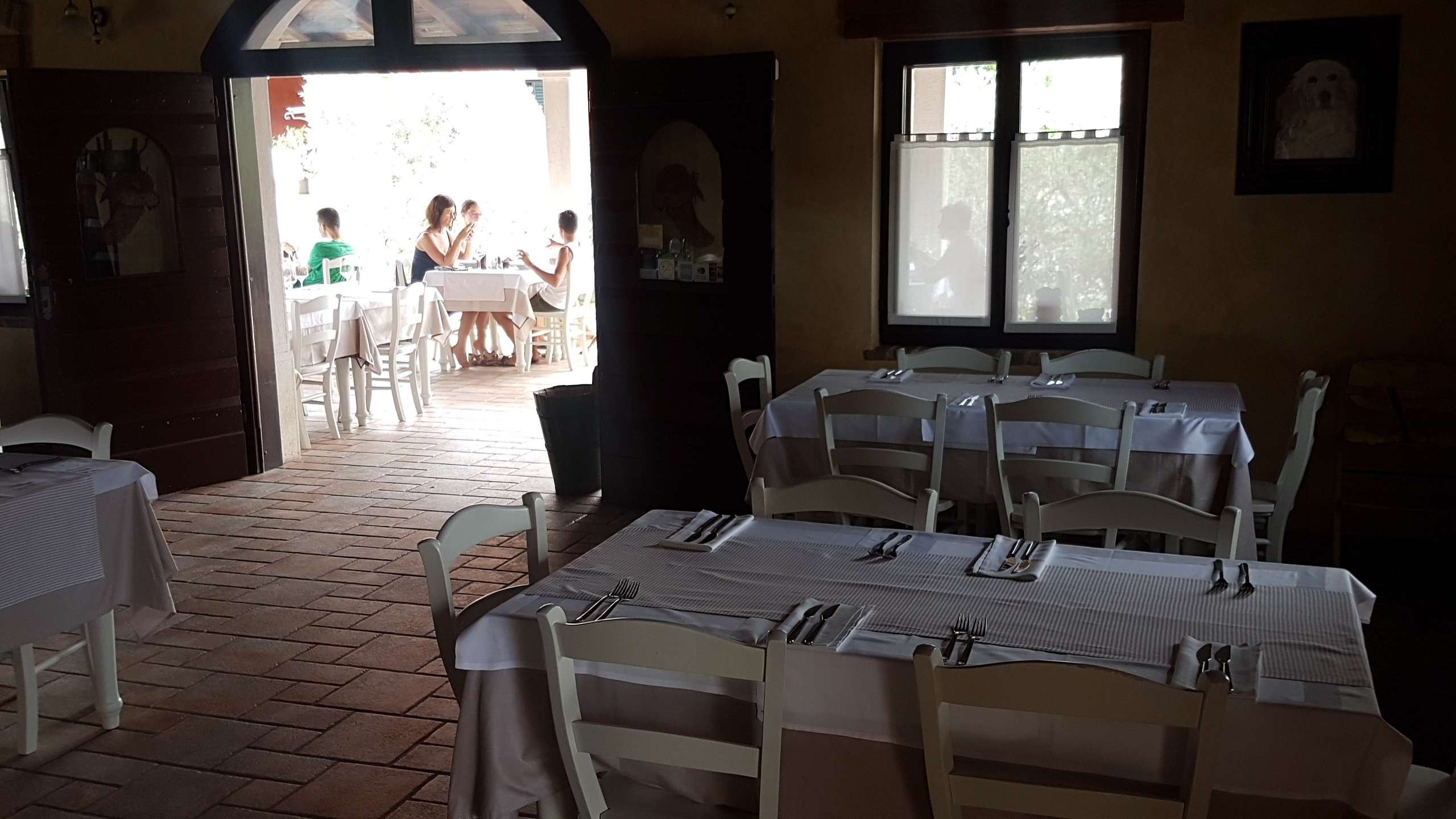
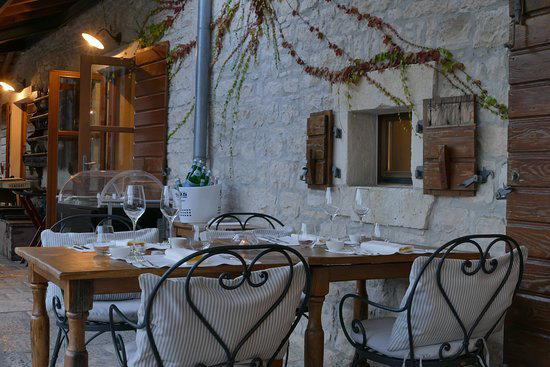
Romantic and authentic atmosphere with pleasant terrace dining during summer nights.