Veggiezz occupies a considered position in Vienna's First District plant-based dining scene, operating from Salzgries 9 in the historic Innere Stadt. Where the city's dominant fine-dining register skews toward meat-forward Austrian tradition, venues like Veggiezz represent a quieter but growing counter-movement. For visitors tracking Vienna's broader restaurant evolution, it sits in a different tier than the €€€€ creative houses nearby, offering a distinct entry point into the city's changing menu culture.
Pearl is the En Primeur Club membership app — saves, bookings, and concierge access live there. Same editors, same standards.
- Address
- Salzgries 9, 1010 Wien, Austria
- Phone
- +434315322650
- Website
- veggiezzsalzgries.at
- Directions
- Get directions
 Saves & bookings on Pearl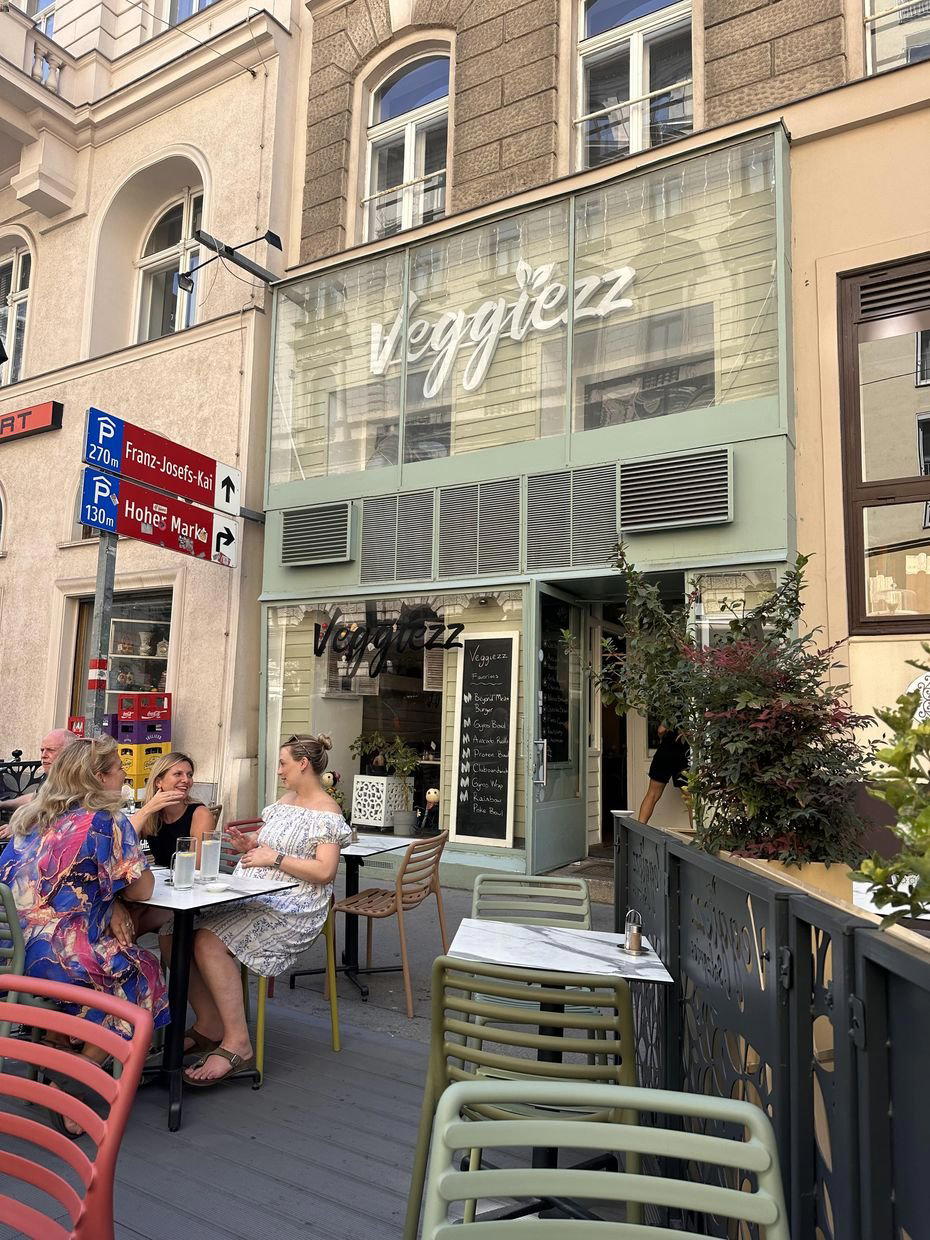
Vienna's Plant-Based Counter-Movement, From the First District
Vienna's dominant dining identity has long been constructed around Wiener Schnitzel, Tafelspitz, and the grand Beisl tradition. The city's most-decorated kitchens, the creative powerhouses at Steirereck im Stadtpark, Amador, and Konstantin Filippou, operate in a register where meat proteins anchor even particularly technically ambitious tasting menus. Against that backdrop, plant-based dining in Vienna has spent years developing in the margins, building a separate audience with different expectations and a different set of questions about what a restaurant should do. Veggiezz, at Salzgries 9 in the First District, is part of that counter-movement, positioned in the historic Innere Stadt where the gap between vegetable-focused cooking and the city's traditional identity is most visible.
The First District as Context
Salzgries is a short street running along the edge of the old city near the Schwedenplatz area, close to the Danube Canal. The First District is Vienna's most concentrated zone for both high-end dining and tourist-facing restaurants, which makes the presence of a plant-based venue there something worth noting. Vienna's vegetable-forward restaurant growth has historically tracked toward the Sixth and Seventh Districts, where a younger, more experimentally-minded demographic has supported cafes and mid-format restaurants built around seasonal produce. The First District draws a different mix: business travelers, international visitors, and Viennese who live or work in the center. A plant-based operation in this address is making an implicit argument about mainstream accessibility, not niche positioning.
For comparison, the city's highest-profile creative kitchens, including Mraz & Sohn and Doubek, operate at price points and formality levels that place them in a separate tier entirely. The €€€€ bracket in Vienna signals a commitment to multi-course formats, often with wine pairing, and a service structure built around extended dining time. Veggiezz is priced at about $15 per person, which positions it as an accessible reference point within a city where the gap between casual and formal dining can be wide.
Collaboration as the Operating Model in Vegetable-Focused Kitchens
The editorial angle that matters most for plant-based restaurants in general, and for venues like Veggiezz in particular, is the team dynamic that underpins how vegetable-focused menus actually function. In meat-centered kitchens, the brigade structure has centuries of established hierarchy: the butchery station, the grill station, the sauce work that defines classical French and Austrian cooking all have known roles. Plant-based kitchens have to build their internal logic differently, because the product itself demands more cross-disciplinary thinking.
Where a classically trained Austrian kitchen might defer to the chef de partie for protein decisions, a well-run vegetable kitchen requires the kitchen team and front-of-house to operate with more shared fluency. The server who can explain fermentation technique, seasonal sourcing rationale, or the textural reasoning behind a particular dish preparation adds a layer of value that compensates for the absence of a protein narrative that guests already understand. This is a broader trend visible across Europe's plant-based dining tier, from London's dedicated tasting-menu operations to the Scandinavian kitchens that have built international reputations on exactly this kind of integrated team knowledge. At the level of a neighborhood-accessible venue in the First District, that team fluency is what separates a place regulars return to from one they visit once out of curiosity.
Vienna's Fine Dining Reference Points and Where Plant-Based Fits
Austria's broader fine dining geography provides useful context for understanding where plant-based cooking sits in the national conversation. The country's most recognized kitchens, from Döllerer in Golling an der Salzach to Obauer in Werfen and Ikarus in Salzburg, are built on techniques and sourcing practices that incorporate regional produce at a high level, but they are not structured as plant-forward operations. The same applies to destination dining in Tyrol and Vorarlberg, where venues like Gourmetrestaurant Tannenhof in Sankt Anton am Arlberg, Griggeler Stuba in Lech, and Schwarzer Adler in Hall in Tirol draw visitors for regional product expression rather than plant-based philosophy.
Herb-forward cooking does appear in the Austrian fine dining record. Kräuterreich by Vitus Winkler in Sankt Veit im Pongau has built its identity around Alpine herbs and vegetable preparations, which represents the closest the recognized Austrian dining tier comes to the plant-focused model. Landhaus Bacher in Mautern an der Donau and Ois in Neufelden similarly demonstrate that regional Austrian cooking can carry strong vegetable and grain elements without abandoning its roots. Restaurant 141 by Joachim Jaud in Mieming rounds out the picture of a national scene where produce-led cooking is gaining credibility without yet displacing the meat-anchored tradition at the summit of the recognition ladder.
In Vienna specifically, the international frame matters too. Dedicated plant-based tasting formats at venues like Atomix in New York City and the fish-focused precision at Le Bernardin in New York City demonstrate how a single-minded product focus can generate sustained critical recognition. Vienna's plant-based tier has not yet produced an equivalent, but the growth of venues in this category across the city's districts suggests the demand base is developing.
Planning a Visit
Veggiezz is located at Salzgries 9, 1010 Wien, in the First District, within walking distance of Schwedenplatz U-Bahn station, which connects directly to the U1 and U4 lines. The First District is walkable from most central Vienna hotels, and the Salzgries address puts the restaurant near the canal-side area that has seen increased dining activity in recent years. For visitors building a broader Vienna itinerary that includes the city's higher-end creative restaurants, consulting our full Vienna restaurants guide will map the full range from accessible plant-based options through to the €€€€ creative houses. Veggiezz is walk-in friendly, and regular hours are Mon: 12 PM to 10 PM; Tue: 12 PM to 10 PM; Wed: 12 PM to 10 PM; Thu: 12 PM to 10 PM; Fri: 11 AM to 10 PM; Sat: 12 PM to 10 PM; Sun: 12 PM to 10 PM.
The Essentials
Comparable venues nearby, for context on price, style, and recognition.
| Venue | Cuisine | Price | Notes |
|---|---|---|---|
| VeggiezzThis venue — the venue you are viewing | Stephansdom, Vegan Fast Food | $$ | Not listed |
| Secret Garden | Not listed | $$ | Mariahilf, Organic Vegetarian & Vegan International |
| Nirvana | Stephansdom, Modern Indian Cuisine | $$ | Not listed |
| Le Bol Blanc | Stephansdom, French Bistro Café | $$ | Not listed |
| Tewa am Markt | Not listed | $$ | Praterstern Wien Nord, Organic Oriental-Mediterranean |
| PLAIN Vienna | Inner City, Modern Fusion Bowls | $$ | Not listed |
At a Glance
- Modern
- Trendy
- Casual Hangout
- Terrace
- Organic
- Street Scene
Current opening hours
- Monday
- 12–10 PM
- Tuesday
- 12–10 PM
- Wednesday
- 12–10 PM
- Thursday
- 12–10 PM
- Friday
- 11 AM–10 PM
- Saturday
- 12–10 PM
- Sunday
- 12–10 PM
Hours can change for holidays and private events. Last verified .
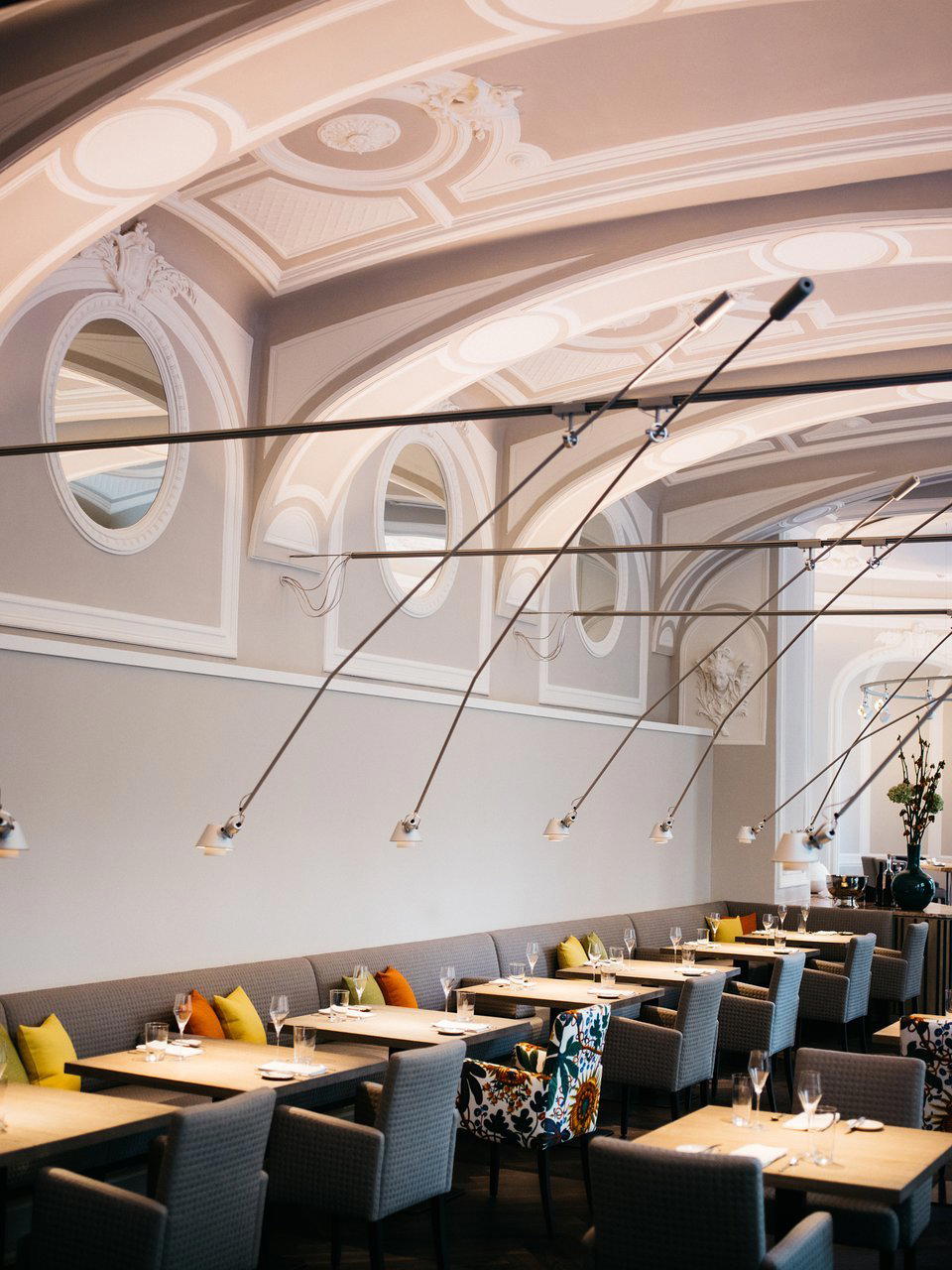
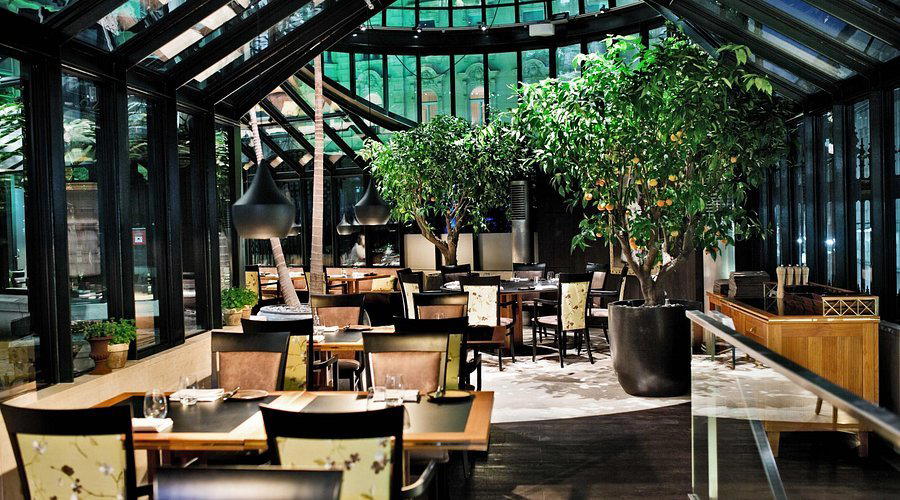
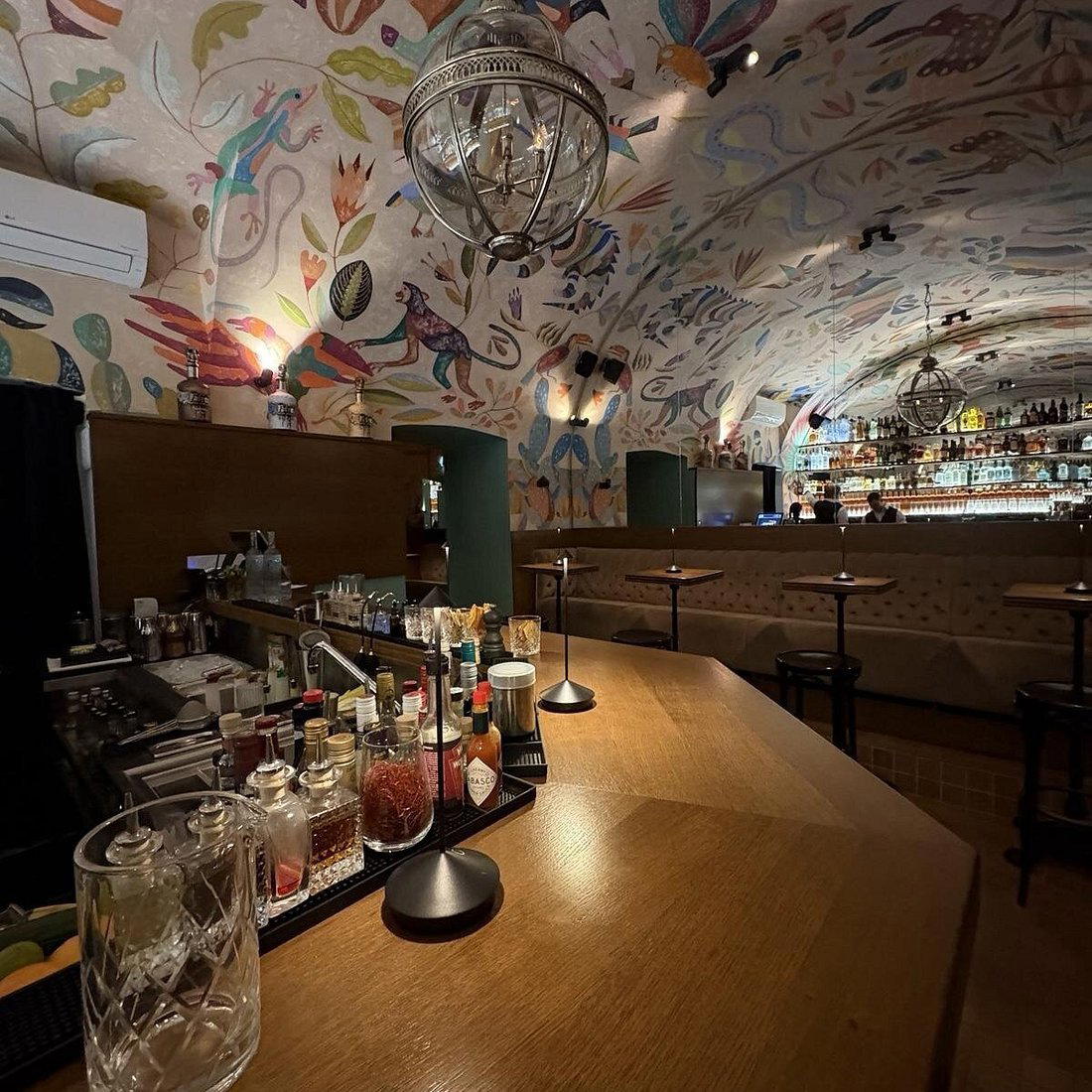
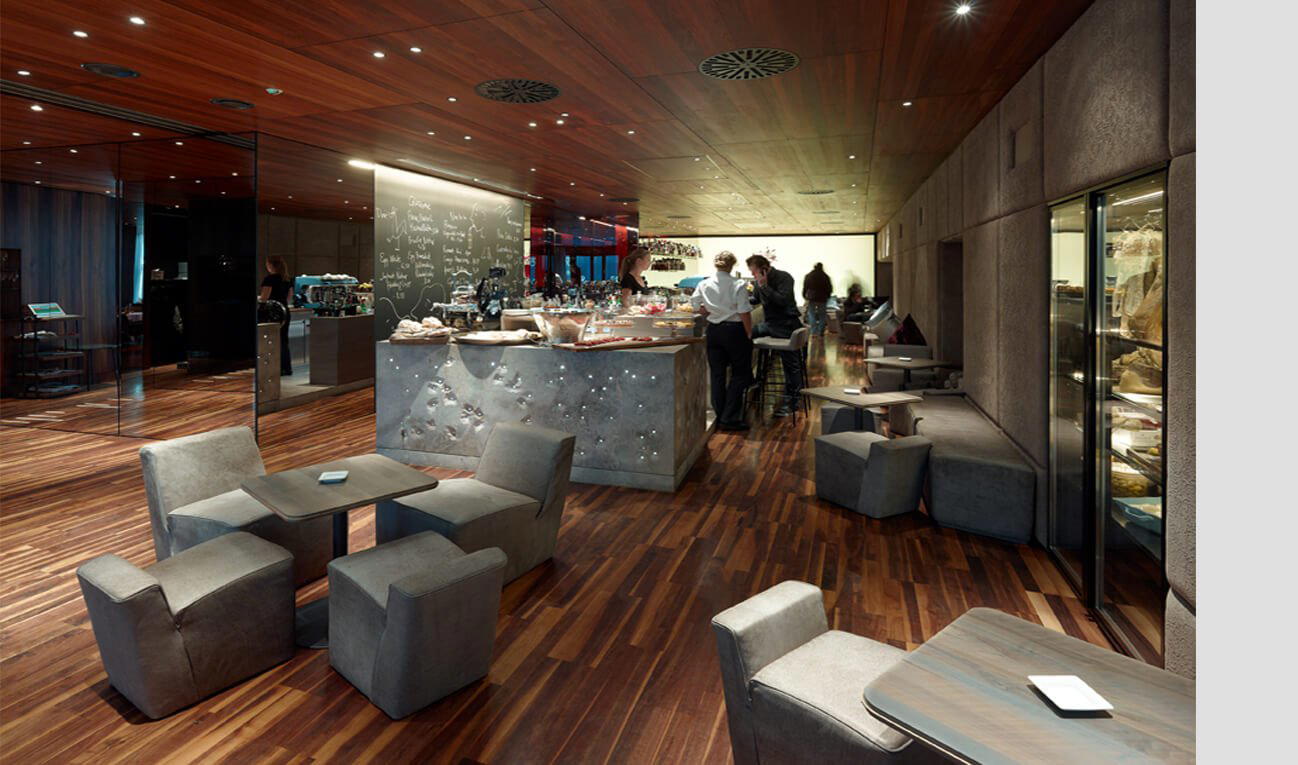
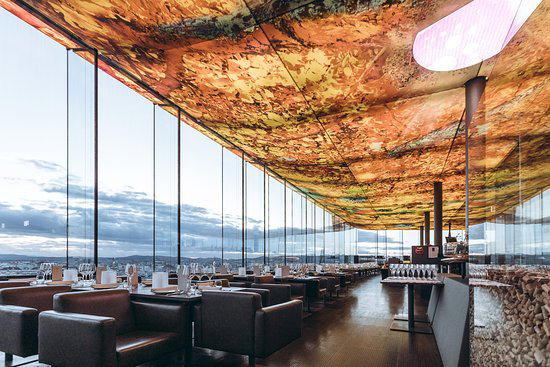
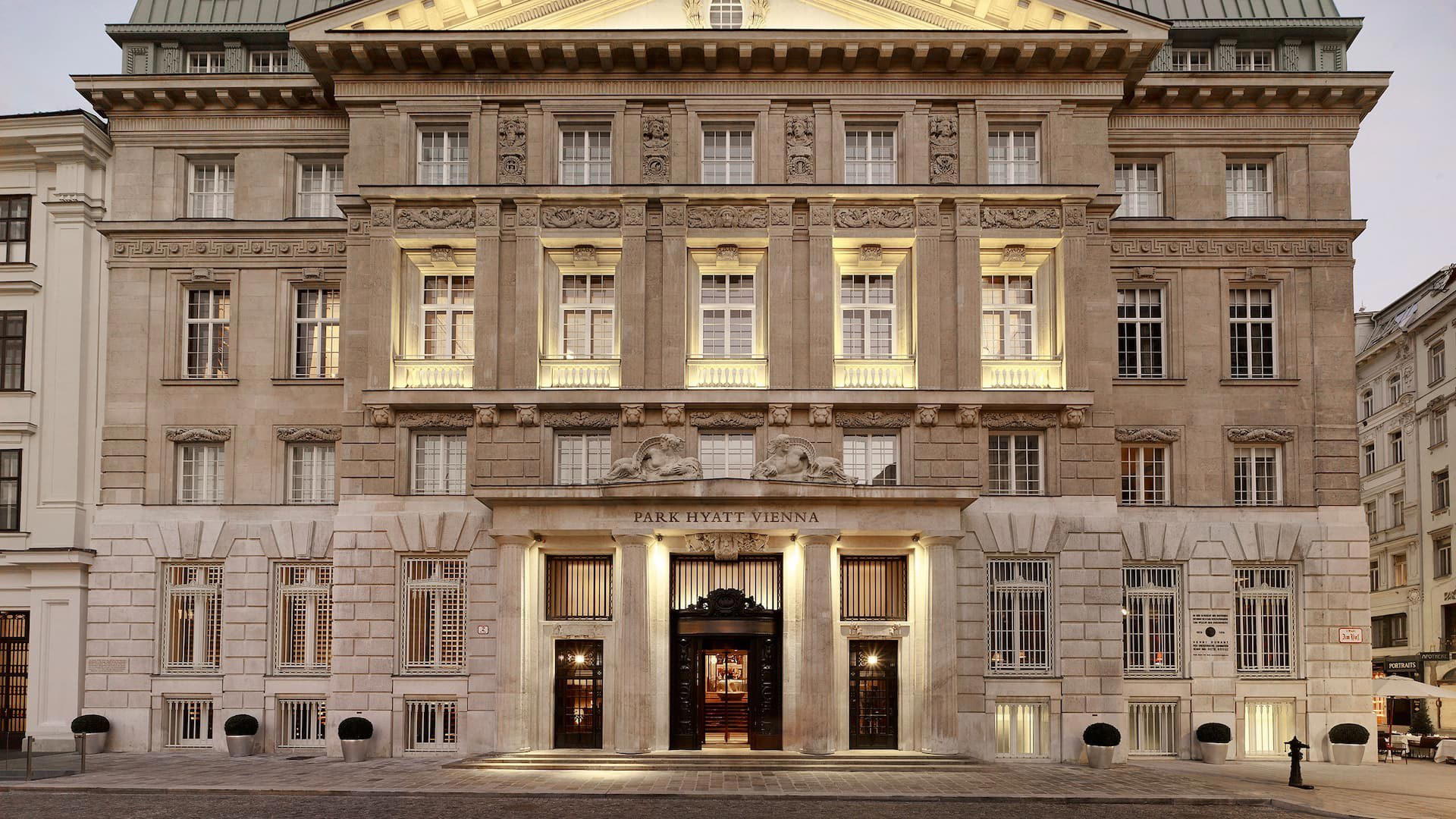
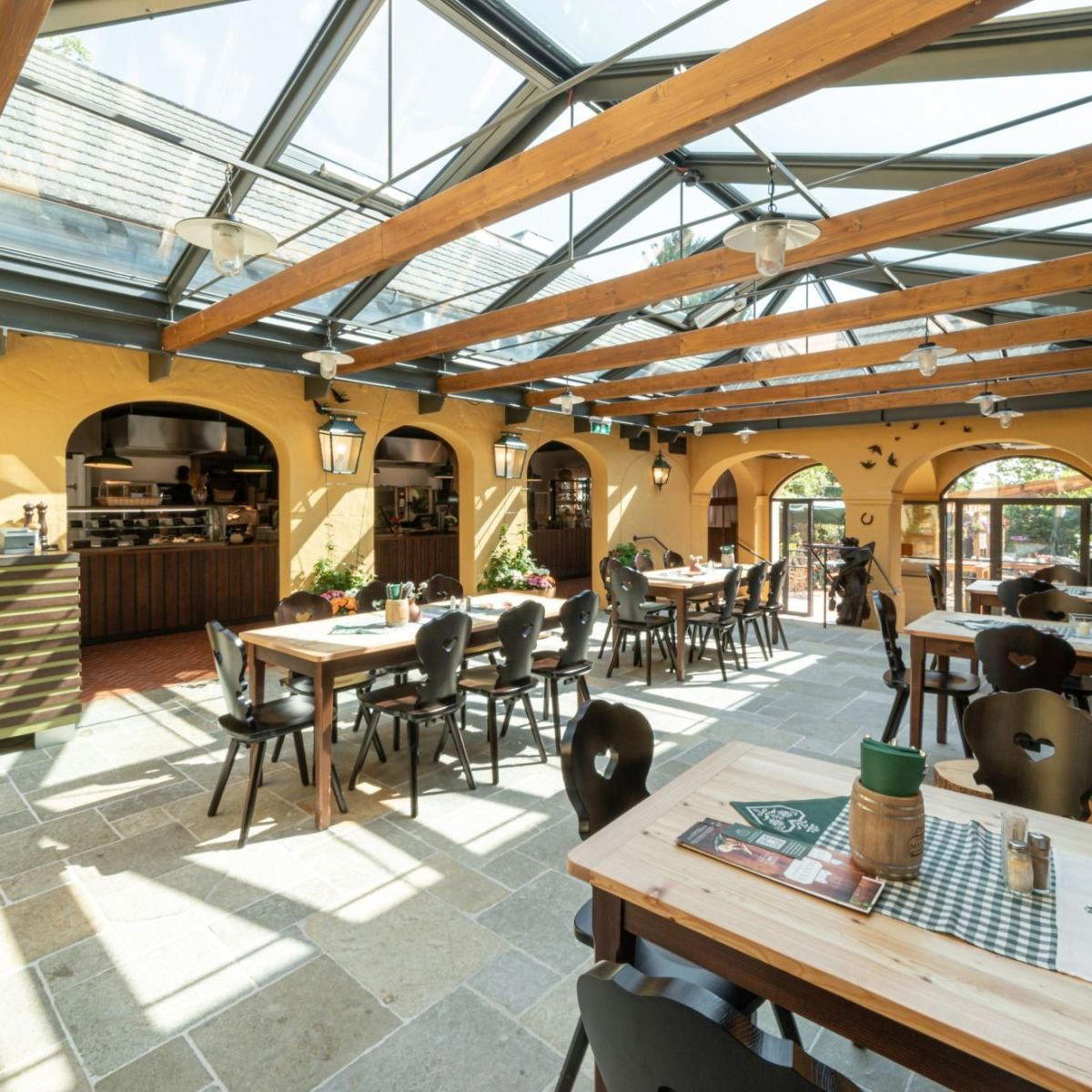
Modern fast-casual atmosphere with indoor seating and a pub garden for outdoor people-watching.