Le Bol Blanc serves French Bistro Café fare at Naglergasse 21, with Croque Monsieur, Croque Madame, quiche with salmon and spinach, and tartines for breakfast, brunch, or lunch.
Pearl is the En Primeur Club membership app — saves, bookings, and concierge access live there. Same editors, same standards.
- Address
- Naglergasse 21, 1010 Wien, Austria
- Phone
- +4369910301899
- Website
- lebol.at
- Directions
- Get directions
 Saves & bookings on Pearl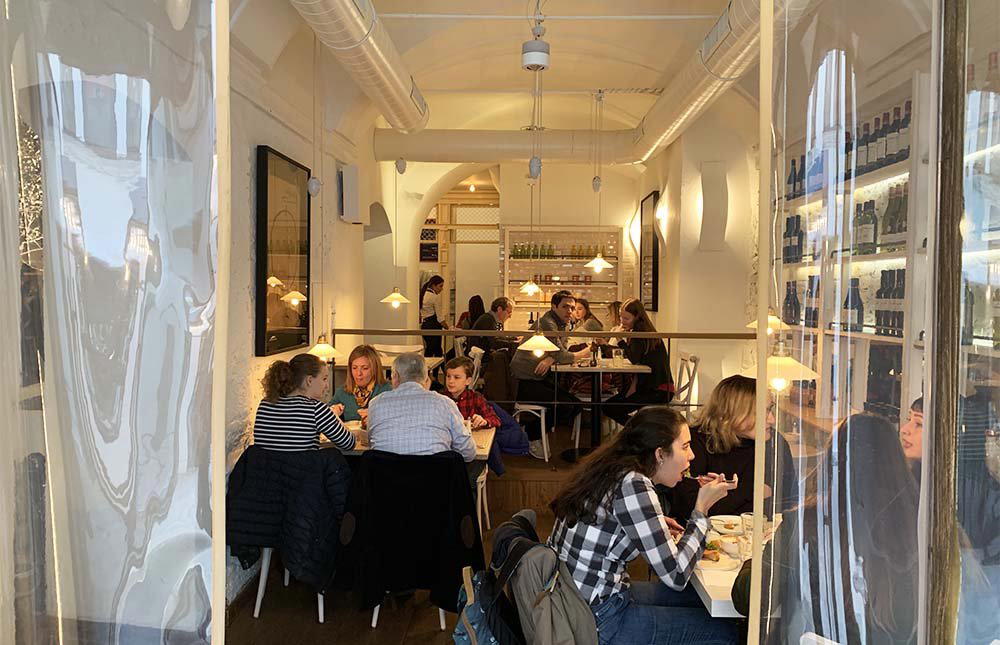
Naglergasse and the First District's Quieter Register
The First District of Vienna is built for grandeur: the Ringstrasse procession of imperial facades, the Habsburgian scale of its coffee houses, the formal weight that settles over the city's central core. Against that backdrop, Naglergasse operates at a different register. The street runs through the old merchant quarter just west of the Graben, and the buildings here sit closer together, the pace slower. Le Bol Blanc occupies a position on this street that reads as deliberately understated for the neighbourhood. That restraint, in a city where culinary ambition tends to announce itself, carries its own editorial interest.
What Ingredient-Driven Cooking Means in a Continental Capital
Across Europe's serious dining cities, the phrase "ingredient-driven" has been diluted by overuse. In Vienna, however, it retains specific meaning because Austria's sourcing geography is genuinely compressed: the Wachau wine and produce corridor is within easy reach to the west, the Styrian agricultural belt to the south supplies dairy and pumpkin-seed oils that feature in both high and mid-tier kitchens, and Alpine producers at altitude deliver game, herbs, and cured meats that do not travel far before arriving on a plate. A kitchen in the First District that commits to working within this radius is making a structural decision, not a marketing claim, because the alternative supply chains are equally available and considerably simpler to manage.
Le Bol Blanc's address places it squarely inside this context. The name itself, translating from French as "the white bowl," suggests a certain plainness of presentation: the bowl as vessel, the emphasis on what fills it rather than on the theatre of service around it. That framing aligns with a strand of contemporary Viennese dining that prizes sourcing clarity over spectacle. Restaurants like Steirereck im Stadtpark have long demonstrated that Austrian produce at its leading needs relatively little intervention, and that philosophy has filtered into smaller, less formally structured establishments throughout the city.
Vienna's Mid-Tier and What It Tells You About the City
Understanding where Le Bol Blanc sits requires a brief map of Vienna's current dining tiers. At the apex, a cluster of restaurants, Amador, Konstantin Filippou, and Mraz & Sohn, operate at the €€€€ tier with Michelin recognition and menus built around extended tasting formats. Below that bracket, the city sustains a genuinely capable mid-range, particularly in the First District and the districts immediately surrounding it, where the proximity to tourism supports enough volume to allow kitchens to source well without requiring tasting-menu price architecture to cover costs. The restaurant, reads as belonging to this second tier, where the question is not whether ingredients are good but how confidently a kitchen handles them without the scaffolding of ceremony.
That comparison matters because Vienna's mid-tier is stronger than many visitors assume. The city's coffee-house culture and its Beisln tradition, the informal neighbourhood restaurants serving refined Austrian standards, have kept cooking quality high across price points in a way that cities with more polarised dining scenes have not managed. Within the First District, Doubek represents a version of this tradition, and the wider Austrian dining circuit, from Landhaus Bacher in Mautern an der Donau to Obauer in Werfen, confirms that serious ingredient work is not confined to the capital or to its most formally decorated addresses.
The Bowl as Format: Simplicity and Its Demands
The bowl format, if that is indeed the conceptual anchor the name implies, is an interesting choice for a Viennese context. It suggests a move away from the three-component plated presentations that dominated the city's ambitious mid-range through the 2010s and toward a mode of cooking where broth, grain, or pulse carries as much weight as any protein. This shift tracks with a broader European recalibration: kitchens from Copenhagen to Lyon have spent the past decade rediscovering that the discipline required to make a simple preparation work, where there is nowhere to hide a poorly sourced ingredient, is more demanding, not less, than technique-heavy plating. If the restaurant operates inside that logic, it is making an argument that requires the sourcing to be correct every time, because the format offers no camouflage.
Austria's produce calendar supports this approach well. Spring brings asparagus from Lower Austria, summer delivers soft herbs and river fish, autumn's game season from the Alpine foothills is among the more productive in central Europe, and winter pushes kitchens toward root vegetables, fermentation, and the preserved flavours that Austrian households have relied on for centuries. A kitchen working through those seasons with a bowl-centred format has a coherent editorial logic across the year, one that connects to the culinary traditions of the region more directly than a menu built around French classical techniques or imported luxury ingredients.
Planning a Visit: What to Expect Logistically
The restaurant sits at Naglergasse 21 in the 1010 postal district, the First District's central core, and is reachable on foot from either the Stephansplatz or Herrengasse U-Bahn stations in under ten minutes. The street is narrow and largely pedestrian-friendly, which means arrival by car is impractical; the city's public transport network makes it unnecessary in any case. For visitors assembling a broader Vienna itinerary around serious eating, the First District concentration of good restaurants means that the restaurant can sit naturally within a day that also includes the Naschmarkt for morning sourcing context or a visit to the Dorotheum for the city's other form of connoisseurship. Booking details, hours, and current pricing are best checked directly before arrival. Austria's broader dining circuit rewards planning: addresses like Ikarus in Salzburg, Griggeler Stuba in Lech, Kräuterreich by Vitus Winkler in Sankt Veit im Pongau, Döllerer in Golling an der Salzach, Schwarzer Adler in Hall in Tirol, Gourmetrestaurant Tannenhof in Sankt Anton am Arlberg, Restaurant 141 by Joachim Jaud in Mieming, and Ois in Neufelden require forward planning, particularly during ski season and the summer festival window.
- Croque Monsieur
- Croque Madame
- Quiche with Salmon and Spinach
- Tartines
- Moules Frites
- Mediterranean Salad
Quick Comparison
Comparable venues nearby, for context on price, style, and recognition.
| Venue | Cuisine | Price | Notes |
|---|---|---|---|
| Le Bol BlancThis venue — the venue you are viewing | French Bistro Café | $$ | Not listed |
| La Crêperie | French Crêperie | $$ | Brigittenauer Brucke |
| ASPIC | Creative French Bistro | $$ | Alsergrund |
| Cafe Francais | French Bistro | $$ | Inner City |
| IKO | Modern Japanese Sushi & Asian Fusion | $$ | Stephansdom |
| Vietthao | Authentic Vietnamese | $$ | Staatsoper |
Continue exploring
More in Vienna
Restaurants in Vienna
Browse all →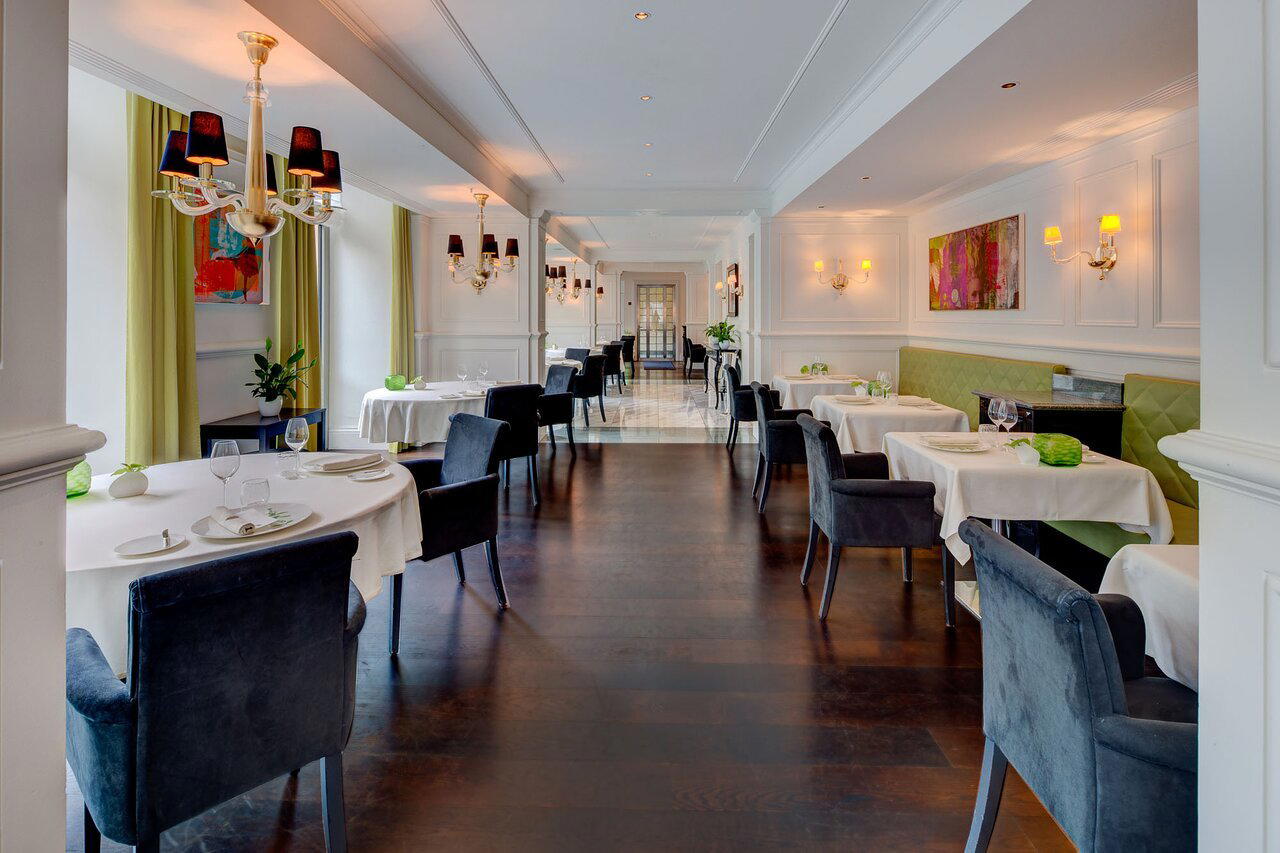
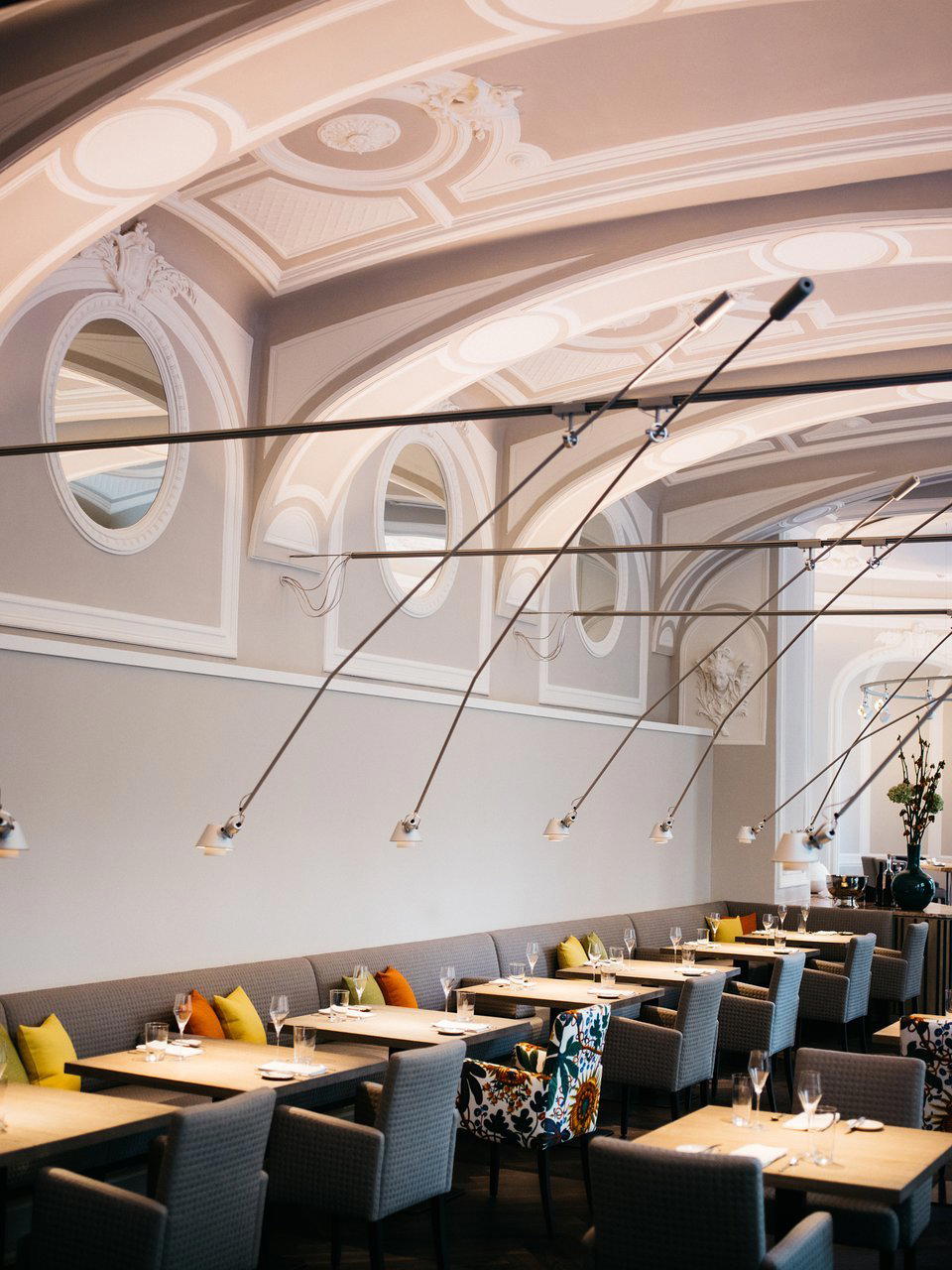
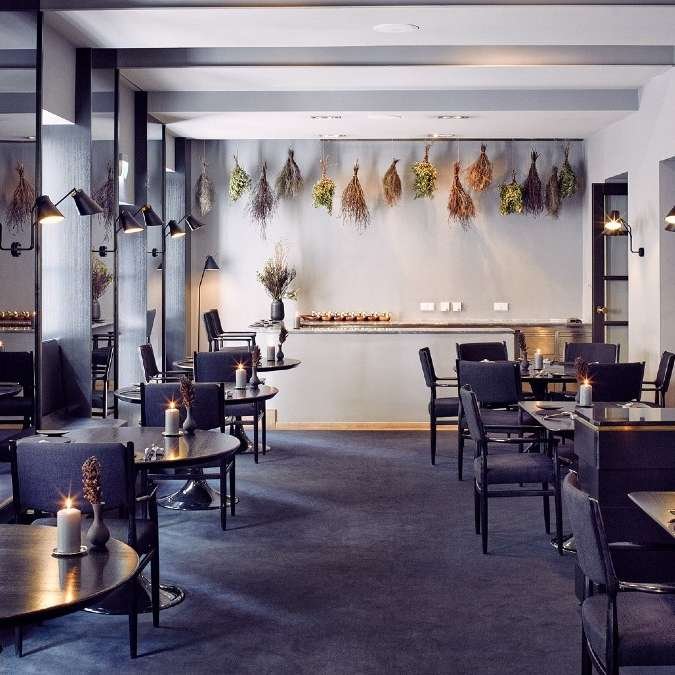
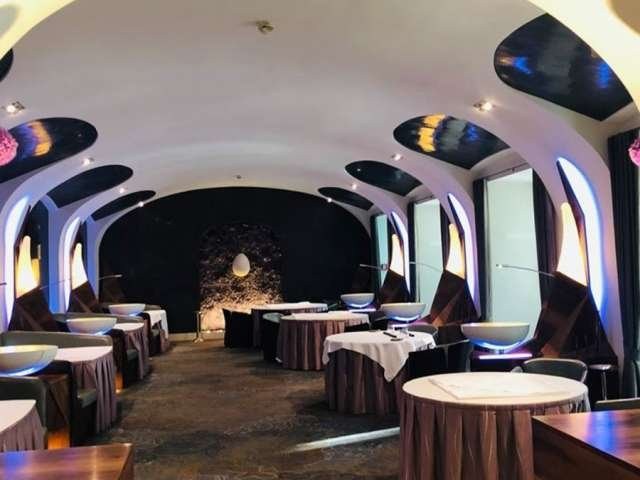
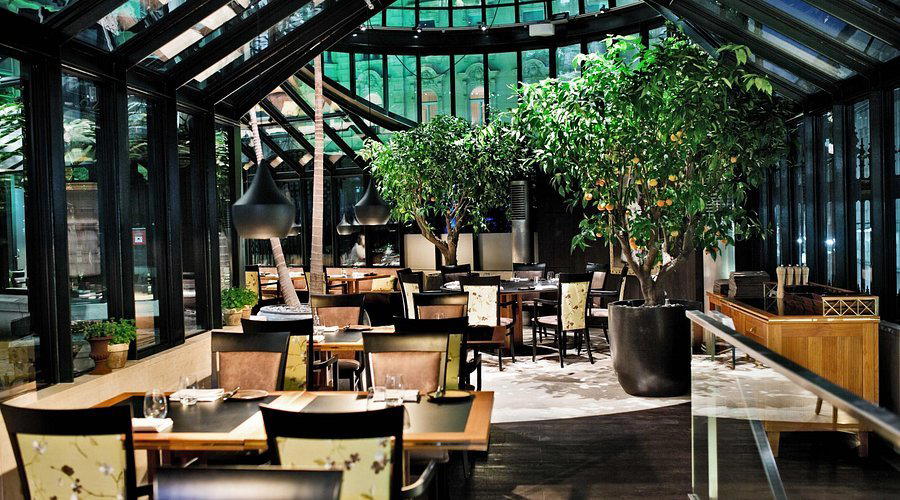
Bars in Vienna
Browse all →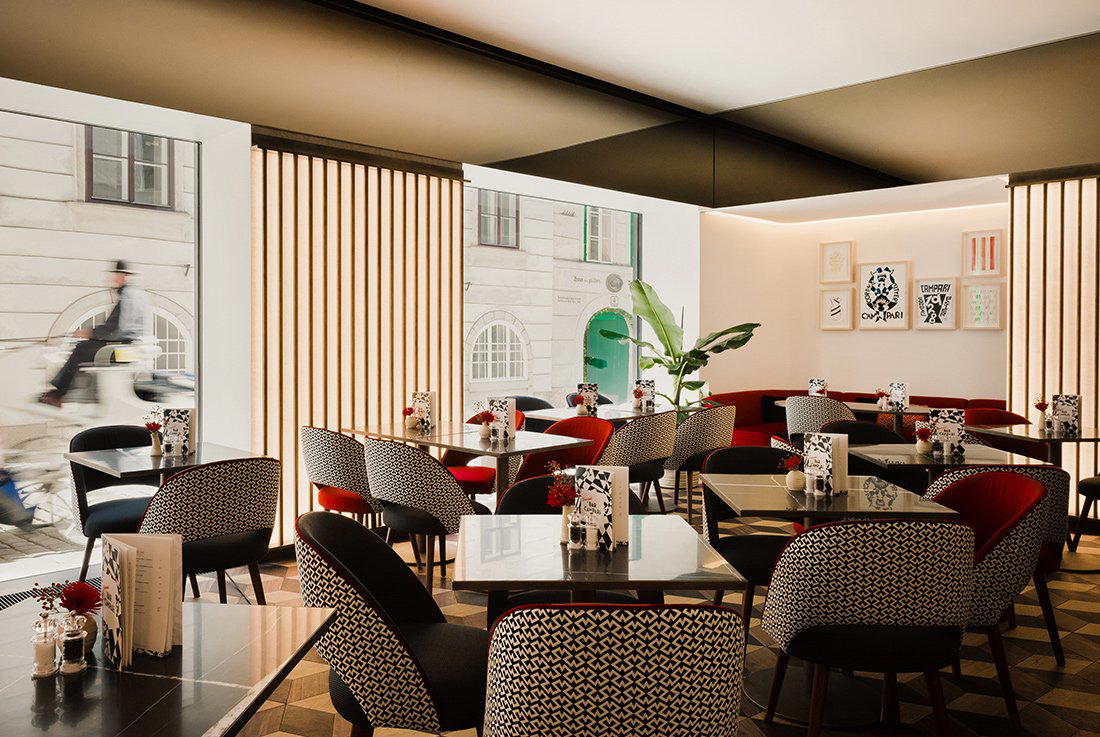
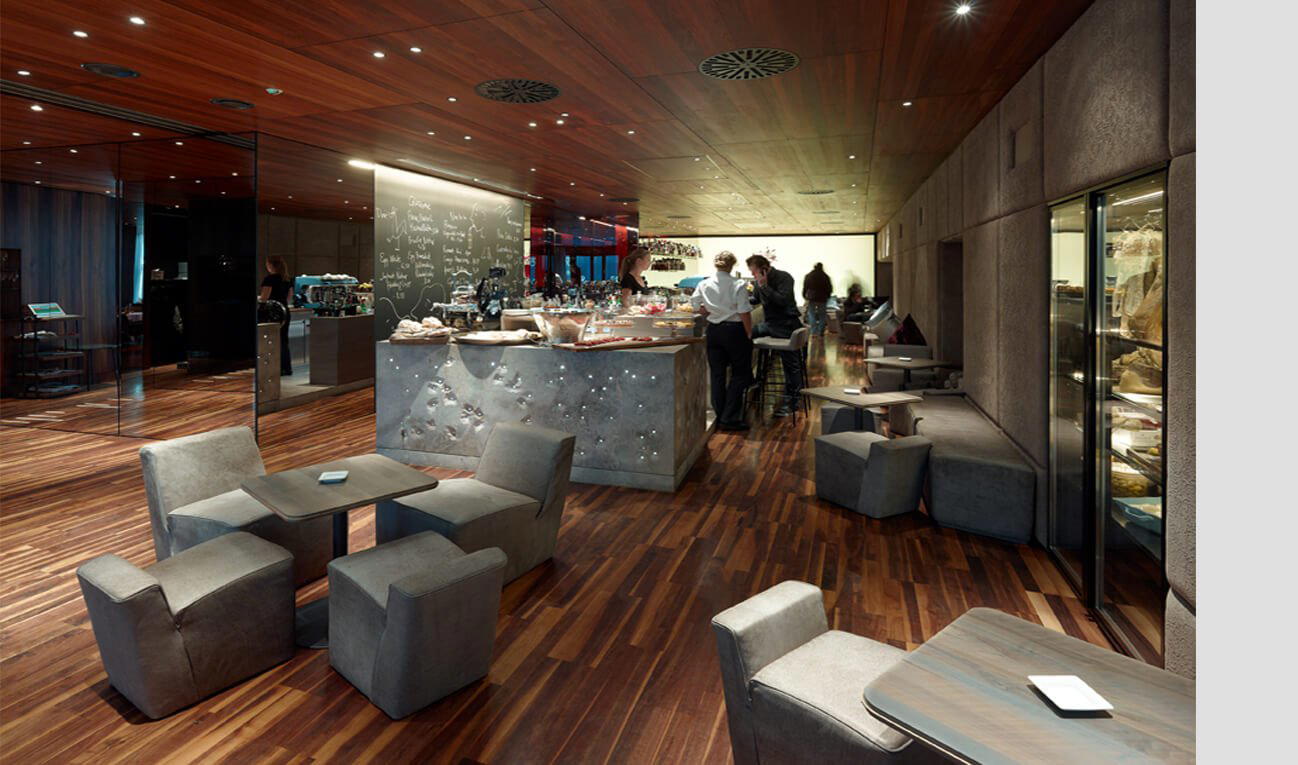
Hotels in Vienna
Browse all →
At a Glance
- Cozy
- Rustic
- Trendy
- Classic
- Brunch
- Casual Hangout
- After Work
- Solo
- Standalone
Current opening hours
- Monday
- 8 AM–11 PM
- Tuesday
- 8 AM–11 PM
- Wednesday
- 8 AM–11 PM
- Thursday
- 8 AM–11 PM
- Friday
- 8 AM–11 PM
- Saturday
- 8 AM–11 PM
- Sunday
- 9 AM–11 PM
Hours can change for holidays and private events. Last verified .
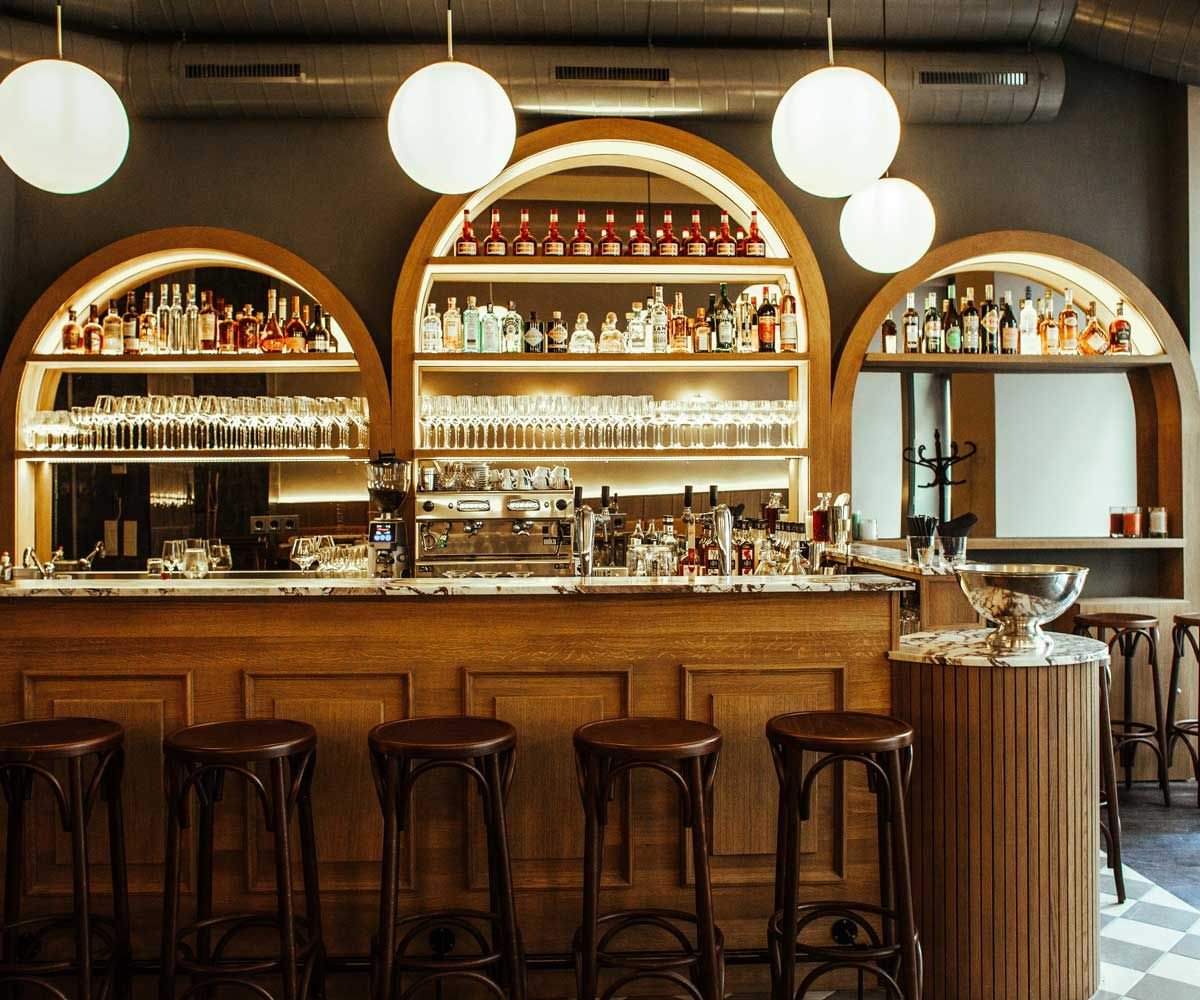
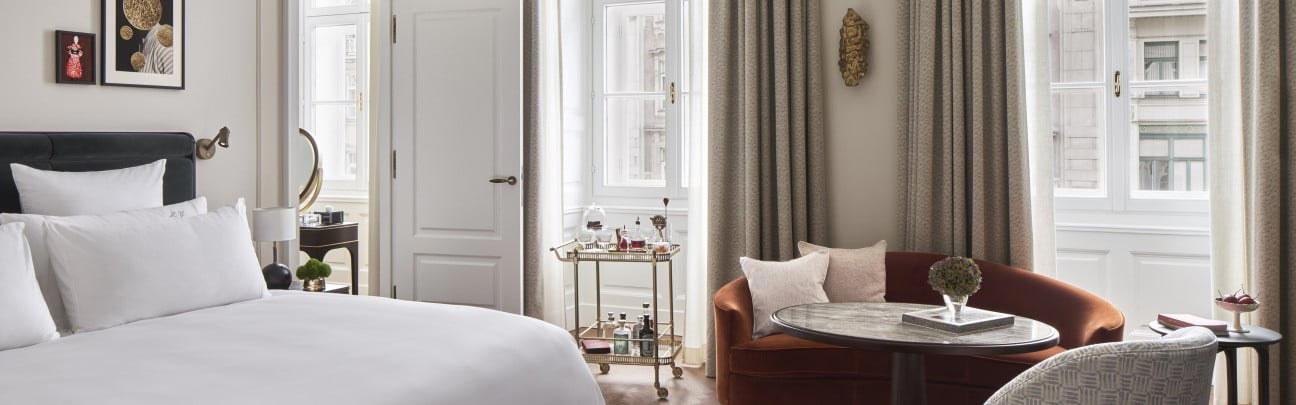
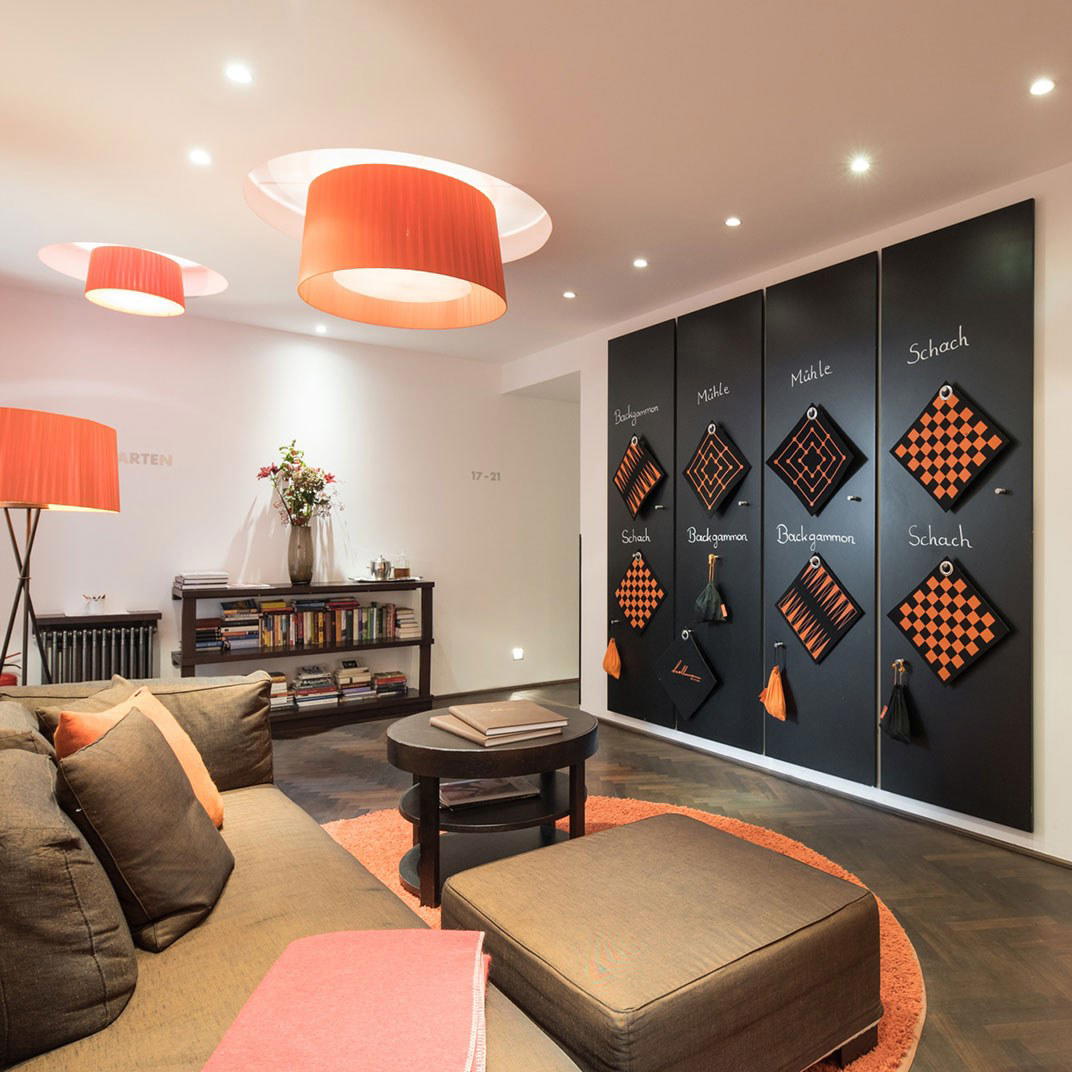
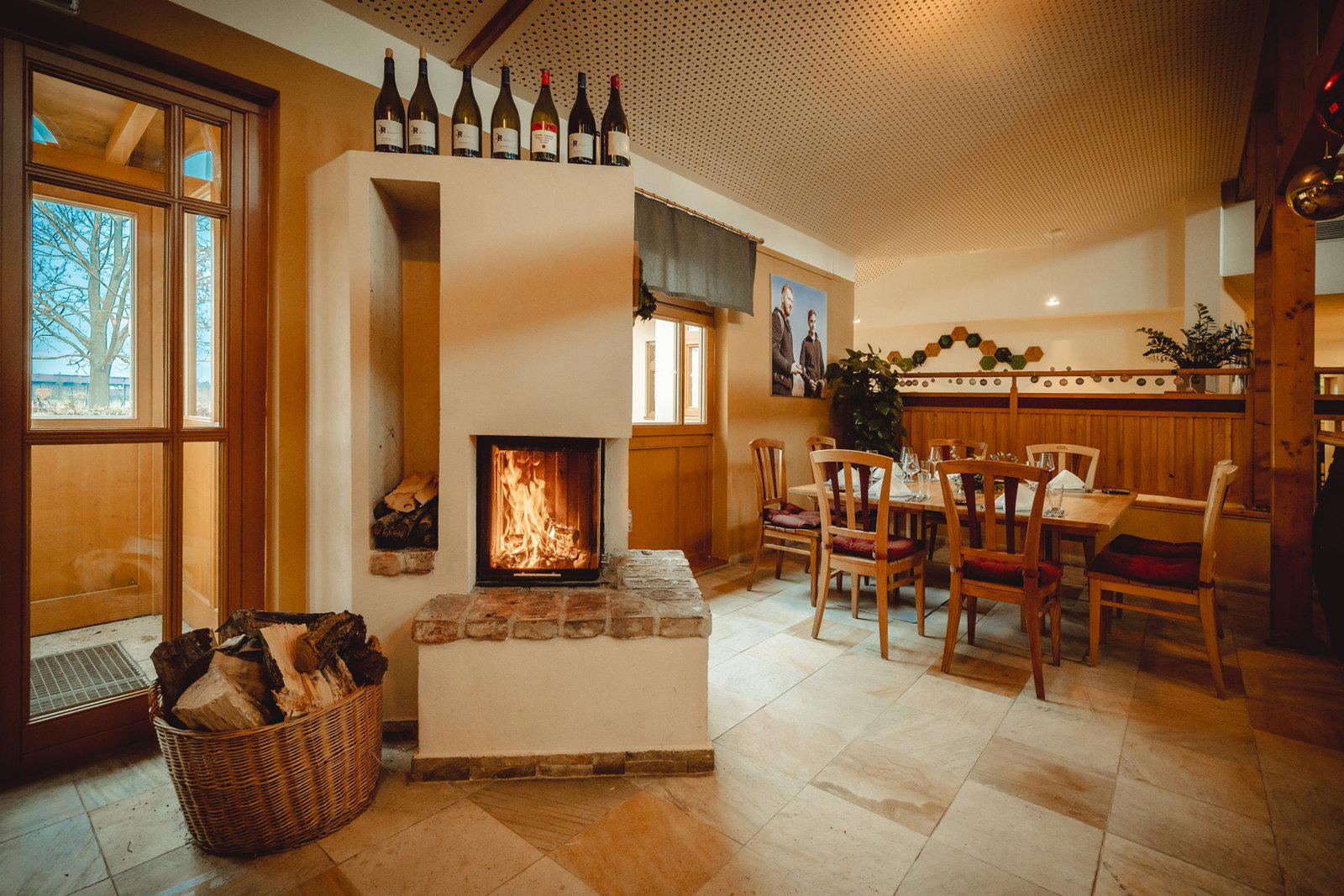
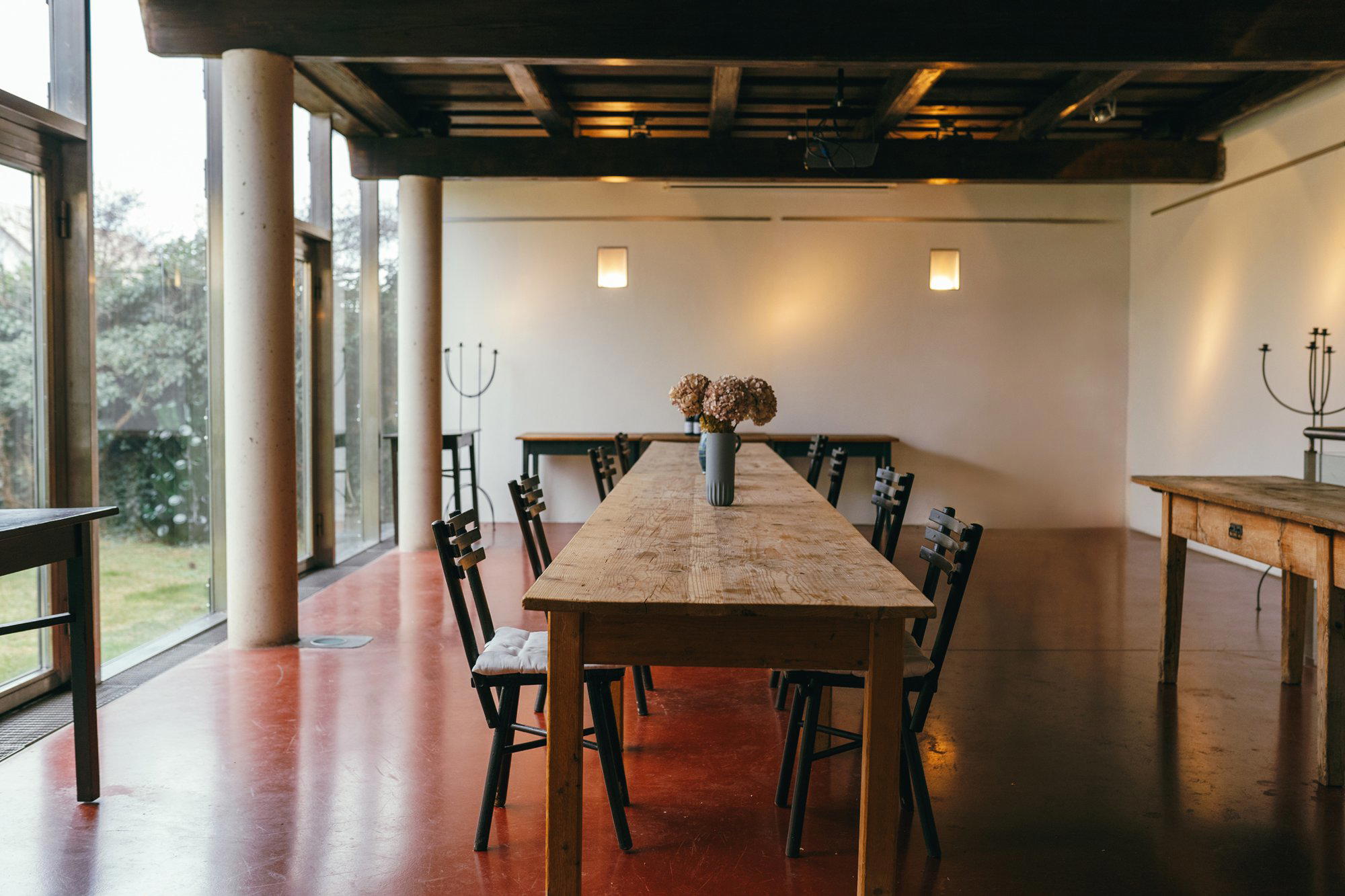
Bright and inviting with rustic charm blended with modern flair; warm lighting and a blend of Parisian café culture with Viennese warmth creating a cozy yet trendy space.