Vegabond
On Leliegracht, one of Amsterdam's quieter canal streets, Vegabond occupies a position that says something about how the city's plant-forward dining has matured. This is not a health-food counter dressed up for Instagram but a serious address where the sourcing decisions and the cooking carry equal weight. For Amsterdam's growing cohort of sustainability-minded diners, it warrants attention.
- Address
- Leliegracht 16, 1015 DE Amsterdam, Netherlands
- Phone
- +31 20 846 8927
- Website
- vegabond.nl
- Directions
- Get directions
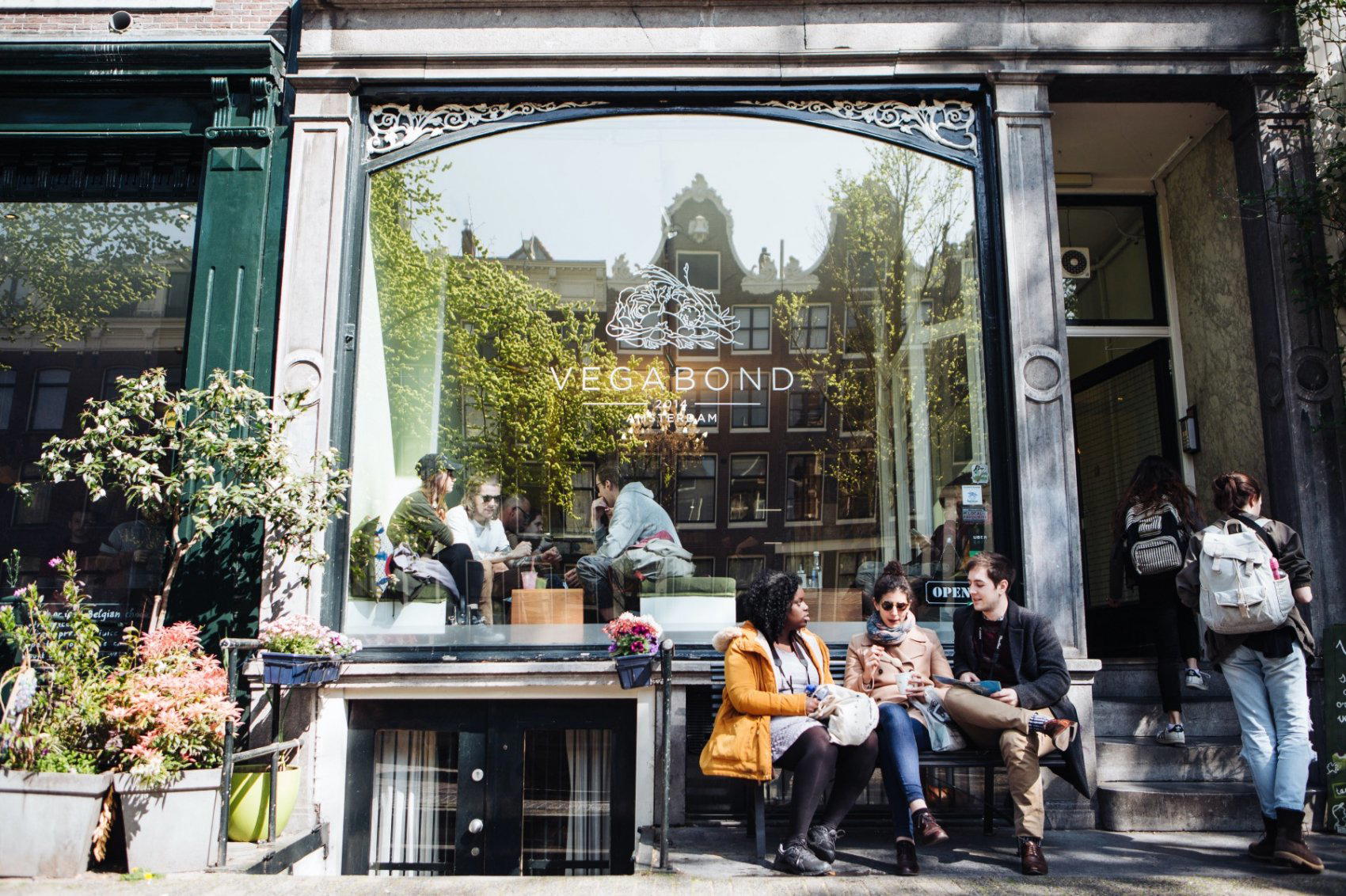
Canal-Side and Considered: Amsterdam's Plant-Forward Scene Finds a Quiet Address
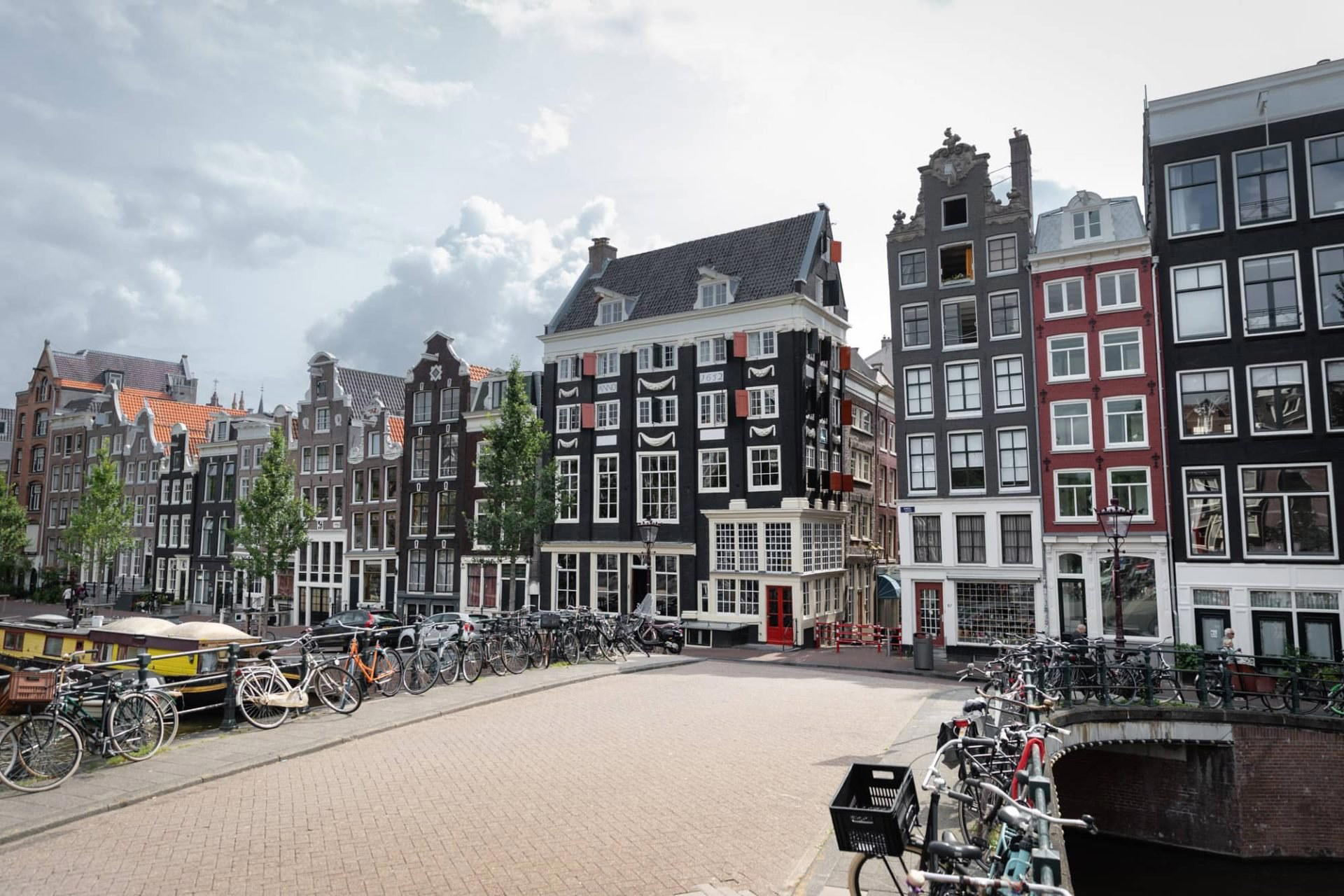
Vegabond is a restaurant at Leliegracht 16, Amsterdam, serving 100% Vegan Deli & Lunchroom fare at a price tier of about $12 per person. Leliegracht is not the canal Amsterdam sends tourists to. Narrower and less trafficked than the Herengracht or Keizersgracht circuits, it sits in the western ring of the Jordaan, where the scale stays domestic and the foot traffic thins to locals and people who came specifically to be here. Vegabond at number 16 fits that logic: a room you arrive at with purpose rather than one that catches you mid-wander. In a city where plant-based and sustainability-led dining has moved from dietary category to genuine culinary position, that kind of low-profile presence often signals something worth investigating.
Where Amsterdam's Sustainability Dining Has Landed
The broader trajectory of sustainable dining in Amsterdam has followed a pattern visible across northern European cities over the past decade. Early iterations leaned heavily on the absence of meat as their main editorial statement. The more recent cohort, which includes addresses like De Nieuwe Winkel in Nijmegen at the national level, has moved toward a more ambitious position: the sourcing chain, the relationship with growers, and the reduction of waste as active cooking decisions rather than marketing footnotes. Amsterdam's own version of this shift includes De Kas, which built its reputation around produce grown metres from the table, and BAK, which frames its farm-to-table credentials through a kitchen that treats seasonal availability as a constraint to cook within, not around. Vegabond sits in this company, on a street that keeps the ambition quiet.
The sustainability conversation in serious kitchens has also widened beyond sourcing. Waste reduction, fermentation as a preservation tool, and the deliberate use of whole ingredients have become markers of how committed a kitchen actually is, versus one that uses ethical language decoratively. Globally, restaurants like Lazy Bear in San Francisco and Le Bernardin in New York City have demonstrated that technical ambition and ecological awareness are not competing priorities. In the Netherlands, the evidence includes Michelin-recognised addresses across the country: De Librije in Zwolle, Inter Scaldes in Kruiningen, and Brut172 in Reijmerstok each reflect, in different ways, how Dutch fine dining has absorbed the sourcing conversation into its technical identity.
The Jordaan Setting and What It Implies
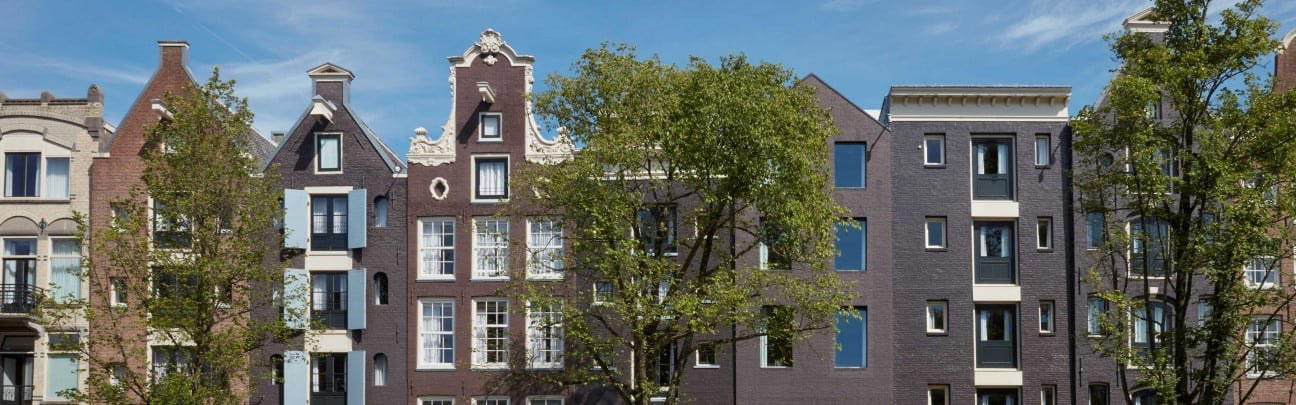
Jordaan remains Amsterdam's most legible neighbourhood for independent, owner-operated food addresses. Its canal-ringed streets have historically resisted the homogenisation that arrived in the Pijp and parts of the Oud-West, and the result is a concentration of places where the cooking reflects an actual point of view. Leliegracht, at the neighbourhood's eastern edge where it meets the Keizersgracht, carries that character without the self-consciousness that some Jordaan addresses perform. The physical scale of the canal here keeps things proportionate: buildings are narrow, dining rooms are small, and the relationship between what happens in the kitchen and what lands on the table is correspondingly legible. For a kitchen with genuine sustainability commitments, that scale is not incidental. Smaller rooms mean tighter purchasing cycles, shorter menus, and less structural pressure to pad covers with volume dishes.
Amsterdam's higher-end creative dining sits in a different register. Addresses like Ciel Bleu, Flore, Spectrum, and Vinkeles operate at the €€€€ level with tasting menu formats, formal service architecture, and Michelin recognition that places them in a distinct competitive tier. Vegabond does not compete with that set. Its Leliegracht address and apparent scale position it closer to the mid-tier neighbourhood category occupied by addresses like Bistro de la Mer, where the proposition is specific and the room stays approachable. That positioning has its own logic: a kitchen serious about ethical sourcing is often better served by a price structure that allows the sourcing costs to be absorbed without pushing diners into tasting menu expectations.
The Dutch Sustainability Kitchen in Wider Context
The Netherlands has become a more interesting national reference point for sustainability-led cooking than its size would suggest. The combination of advanced agricultural infrastructure, proximity to the North Sea, and a culture of direct producer relationships has given Dutch kitchens real material to work with. Addresses like De Lindehof in Nuenen, De Treeswijkhoeve in Waalre, De Bokkedoorns in Overveen, Tribeca in Heeze, De Groene Lantaarn in Staphorst, and De Lindenhof in Giethoorn each demonstrate different aspects of what responsible sourcing looks like when applied to regional Dutch produce with technical ambition. In Amsterdam specifically, the plant-forward tier has developed its own coherence: De Kas with its greenhouse-to-table model, BAK with its farm network, and Wils with its wood-fired, vegetable-forward approach. Vegabond adds to this picture from its Jordaan position, in a part of the city where the dining culture skews independent and the room sizes make seasonal, waste-conscious cooking structurally easier to execute.
Cuisine-First Comparison
Comparable venues nearby, for context on price, style, and recognition.
| Venue | Cuisine | Price | Notes |
|---|---|---|---|
| VegabondThis venue — the venue you are viewing | 100% Vegan Deli & Lunchroom | $$ | Not listed |
| Little Plant Pantry | Plant-Based Zero-Waste Deli | $$ | Da Costabuurt Zuid |
| Morris & Bella | Modern Vegan Fine Dining | $$$ | Spaarndammerbuurt |
| Hearth | Plant-Based Fusion with Global Influences | $$ | Oosterparkbuurt Noordwest |
| Dynasty | Chinese & Thai Fusion | $$ | Kalverdriehoek |
| Lumbini Restaurant | Authentic Indian & Nepalese | $$ | BG-terrein e.o. |
Continue exploring
More in Amsterdam
Restaurants in Amsterdam
Browse all →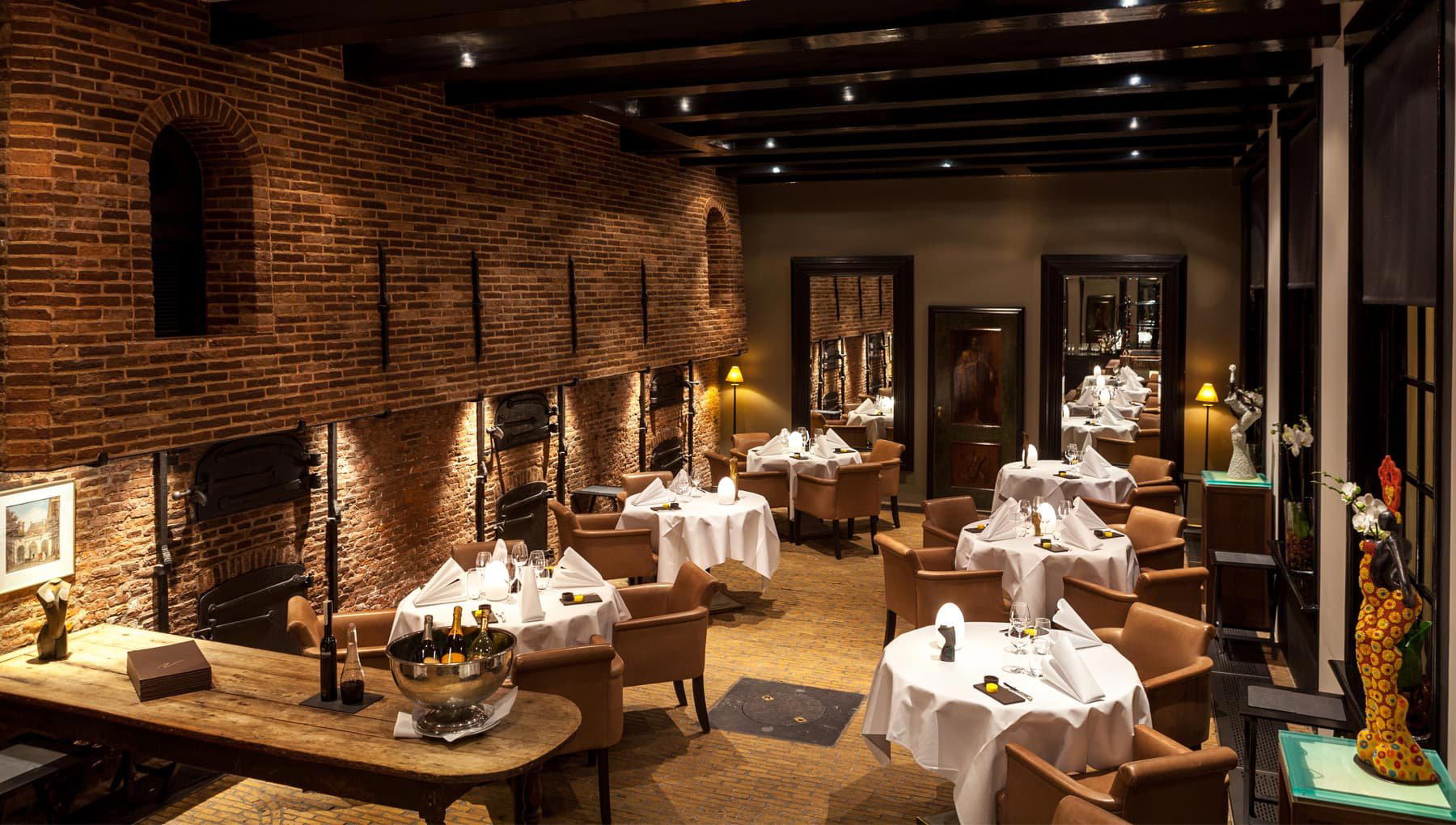
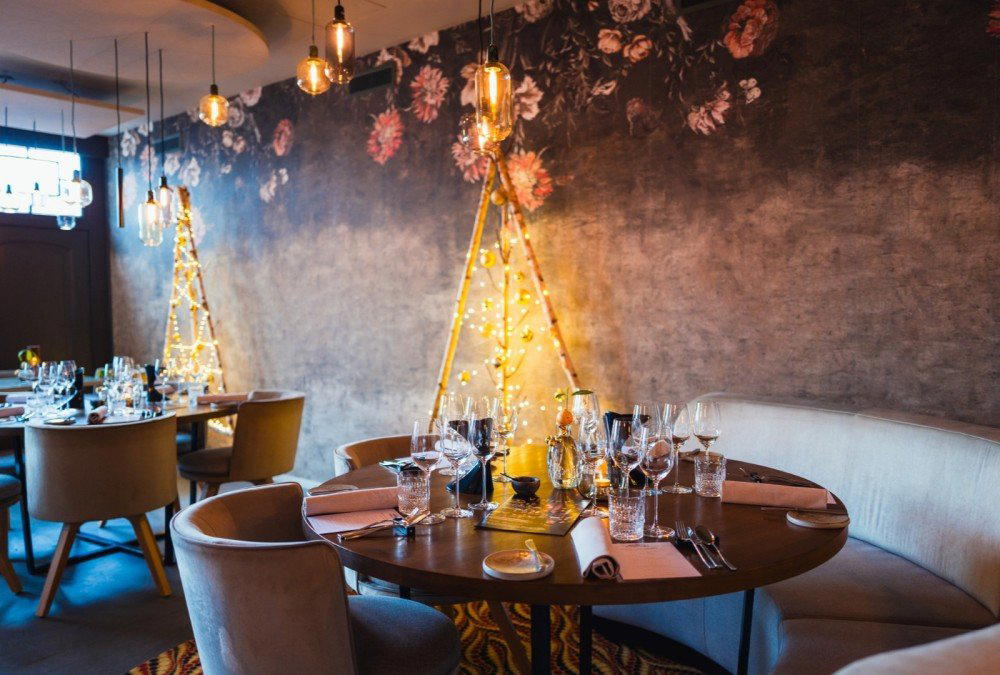
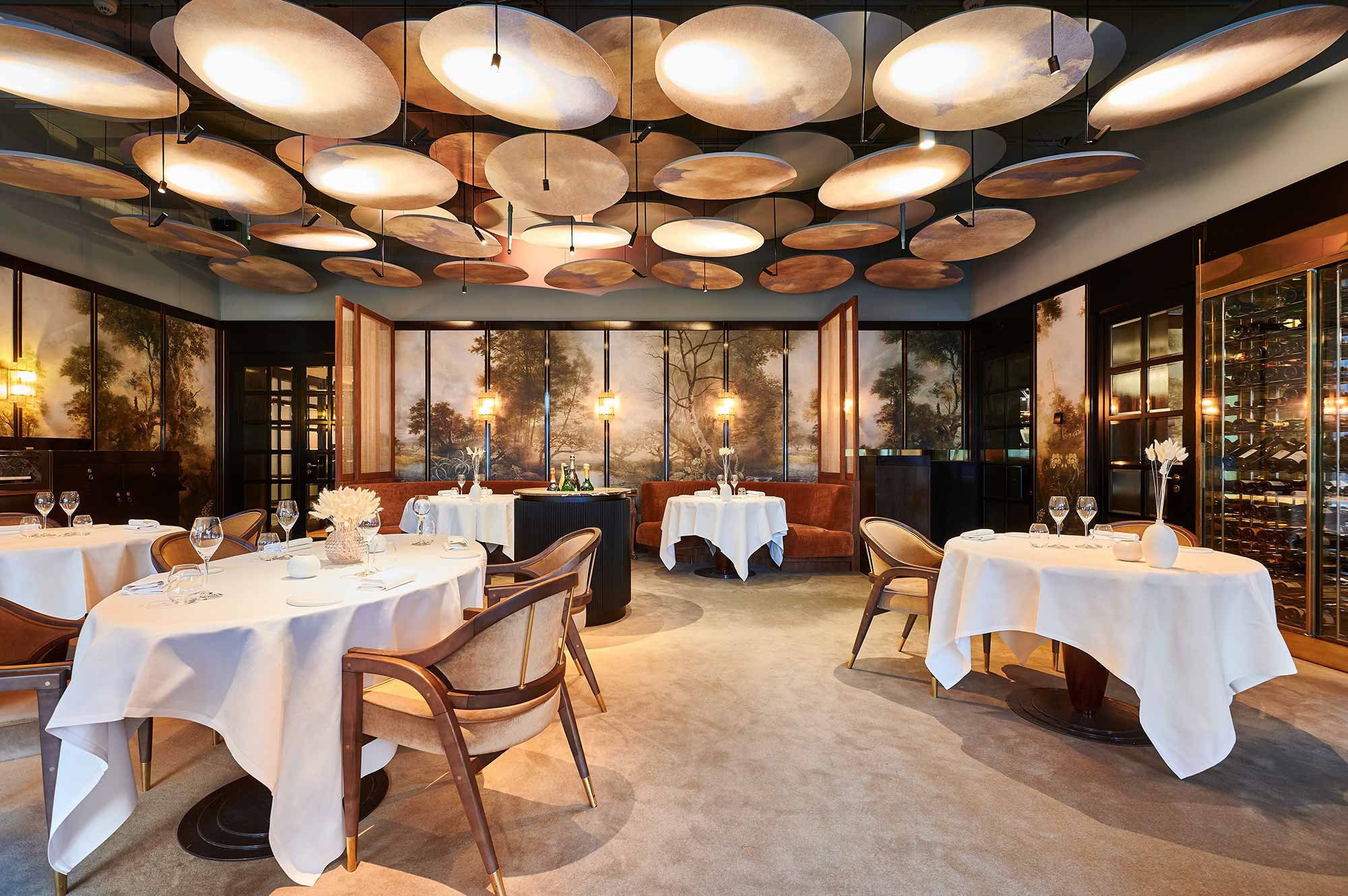
Bars in Amsterdam
Browse all →
Hotels in Amsterdam
Browse all →

Wineries in Amsterdam
Browse all →
At a Glance
- Cozy
- Intimate
- Bohemian
- Casual Hangout
- Solo
- Brunch
- Standalone
- Zero Proof
- Organic
- Local Sourcing
- Street Scene
Intimate, welcoming café atmosphere with a small seating area overlooking the street; warm lighting and cozy décor reflecting the plant-based ethos.