Vanille

Michelin Plate
Our verdict
Vanille holds a Michelin Plate recognition for 2024 and 2025 at its farm-to-table address in Eijsden, a small Dutch border town where Belgian and Dutch culinary traditions converge. Priced at the €€€ tier, it sits in a compact category of serious regional kitchens working with locally sourced produce in South Limburg.

Pearl is the En Primeur Club membership app — saves, bookings, and concierge access live there. Same editors, same standards.
- Address
- Diepstraat 1, 6245 BJ Eijsden, Netherlands
- Phone
- +31 43 409 3554
- Hours
- Mon 6–10 PMTue–Wed ClosedThu–Sat 6–10 PMSun 12–3 PM
- Website
- restaurantvanille.nl
- Directions
- Get directions
- Booking
- Book on the venue's website
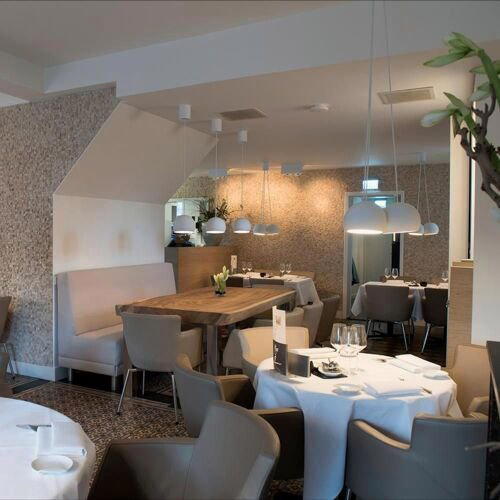
Where South Limburg's Border Country Shapes the Plate
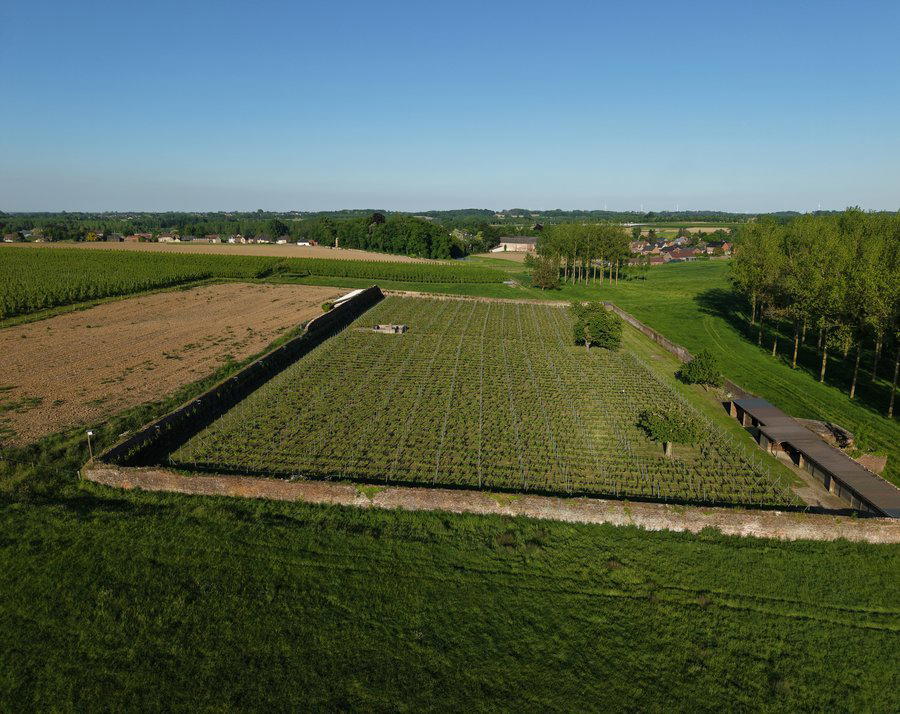
Eijsden sits at the southernmost tip of the Netherlands, wedged between Belgium and the Meuse river, in a stretch of South Limburg that has historically functioned as agricultural borderland rather than culinary destination. The town's address on Diepstraat places it at the edge of a range of orchards, pastures, and river-fed farmland that has long supplied both Dutch and Belgian kitchens. That geography matters here. Farm-to-table cooking in this part of the Netherlands is less a trend statement than a practical inheritance: the supply chain was local long before the terminology arrived.
Vanille operates within that tradition, holding a Michelin Plate in both 2024 and 2025, a recognition that signals consistent kitchen quality without the theatrical ambition of a starred property. In the Dutch Michelin framework, the Plate sits below the star tier but above the general recommendation, marking restaurants where the inspectors found cooking worth tracking. For a restaurant at the €€€ price point in a town of Eijsden's scale, two consecutive Plate recognitions represent a clear positioning: this is a kitchen taken seriously at the regional level.
Farm-to-Table in the Dutch-Belgian Borderlands
The farm-to-table format carries different weight depending on where it is practised. In Amsterdam or Rotterdam, it frequently functions as a branding posture layered onto a standard European sourcing model. In South Limburg, the distances involved are genuinely short. The region produces asparagus, stone fruits, chicory, and dairy at a scale that gives local kitchens real procurement use without reaching far. Vanille works within that system at the €€€ tier, which in practical terms means a more considered sourcing approach than a mid-range bistro but without the laboratory-style ingredient transformation associated with the country's €€€€ creative houses.
That distinction is worth holding onto when comparing Vanille to the broader Dutch fine-dining field. Properties like De Librije in Zwolle or Aan de Poel in Amstelveen operate at the €€€€ tier with multi-star ambitions and correspondingly elaborate formats. De Bokkedoorns in Overveen and Ciel Bleu in Amsterdam position similarly. Vanille's peer group is different: it belongs to the category of regionally anchored, produce-led restaurants where the kitchen's relationship with local suppliers is the primary editorial statement, not the chef's technique or menu architecture as spectacle.
The fact that two kitchens of this seriousness operate in a town of Eijsden's size says something about how the region's dining culture has developed, driven partly by proximity to Maastricht and partly by the Belgian culinary influence that crosses the border with some regularity.
The South Limburg Culinary Context
South Limburg occupies a specific position in Dutch gastronomy. The province has more Michelin-recognised restaurants per capita than most Dutch regions outside Amsterdam, a pattern that reflects both a tradition of serious eating inherited partly from Belgian neighbours and a tourism economy built around cycling routes, Meuse valley scenery, and the historic draw of Maastricht. Visitors moving through the region from Maastricht frequently extend south toward the Belgian border, and Eijsden sits directly on that route.
The farm-to-table format that Vanille and its peers practise here has cultural roots in the terroir tradition that defines Belgian and French cooking across the border. Cuisine du terroir, the philosophy of cooking with and through local produce rather than importing ingredients to execute a cosmopolitan menu, has shaped kitchens in Wallonia and Flemish Brabant for generations. Eijsden's kitchens sit close enough to that tradition to absorb it without claiming it wholesale. The result is a regional style that is neither fully Dutch in its restraint nor fully Belgian in its richness, but operates in the productive gap between the two.
For a broader read on this regional pattern, the Dutch farm-to-table category includes properties like De Woage in Gramsbergen and Spetters in Breskens, both operating at €€€ with comparable produce-led formats in different regional contexts. De Groene Lantaarn in Staphorst and De Lindehof in Nuenen demonstrate how the format scales upward in ambition elsewhere in the country, while De Lindenhof in Giethoorn, Fred in Rotterdam, Inter Scaldes in Kruiningen, and Brut172 in Reijmerstok each represent distinct regional inflections of similar commitments.
Ratings and What They Signal
In comparative terms, it places Vanille in the tier where consistently positive guest experiences are the norm rather than the exception, with a sample size large enough to average out outlier reviews. The spread of reviews also suggests a stable, repeat-visit audience rather than a spike driven by a single media moment.
Taken alongside the consecutive Michelin Plate recognitions, the picture is of a kitchen operating with reliable quality over time. The Plate is not awarded automatically: Michelin inspectors visit and re-evaluate annually, and retaining the recognition in both 2024 and 2025 signals that the kitchen has not drifted. For diners approaching from Maastricht or crossing from Belgium, that consistency matters more than the absence of stars.
Planning a Visit
Eijsden is accessible from Maastricht by car in under fifteen minutes, making Vanille a practical choice for a dinner out of the city rather than a dedicated destination trip, though the Meuse valley setting gives the town enough character to justify the latter. The restaurant sits at Diepstraat 1 in the town centre. For the full range of dining, accommodation, and leisure options in the area, see our full Eijsden restaurants guide, our full Eijsden hotels guide, our full Eijsden bars guide, our full Eijsden wineries guide, and our full Eijsden experiences guide.
Frequently asked questions
What's the price range at Vanille?
Pricing at Vanille is listed as €€€.
Where do I go for Vanille?
Vanille is located at Diepstraat 1, 6245 BJ Eijsden, Netherlands, Eijsden.
Price and Recognition
| Venue | Cuisine | Price | Awards |
|---|---|---|---|
| VanilleThis venue — the venue you are viewing | Modern European Fine Dining | $100–150 | Michelin Plate |
| De Librije | Modern Cuisine | Not listed | Michelin 3 Star |
| Aan de Poel | Creative | Not listed | Michelin 2 Star |
| De Lindehof | Contemporary Dutch, Creative | Not listed | Michelin 2 Star |
| Fred | Creative French | Not listed | Michelin 2 Star |
| De Nieuwe Winkel | Organic | Not listed | Michelin 2 Star |
Recognition history
Dated appearances from independent guides and award organizations, with the underlying list record or original source where available.
Michelin Plate
Michelin
Full recognition history (2 entries)
Michelin Plate
Michelin
Continue exploring
More in Eijsden
Restaurants in Eijsden
Browse all →
Bars in Eijsden
Browse all →
Hotels in Eijsden
Browse all →

Details
- Cozy
- Elegant
- Intimate
- Sophisticated
- Date Night
- Special Occasion
- Celebration
- Historic Building
- Extensive Wine List
- Tasting Menu
- Set Menu
Current opening hours
- Monday
- 6–10 PM
- Tuesday
- Closed
- Wednesday
- Closed
- Thursday
- 6–10 PM
- Friday
- 6–10 PM
- Saturday
- 6–10 PM
- Sunday
- 12–3 PM
Hours can change for holidays and private events. Last verified .
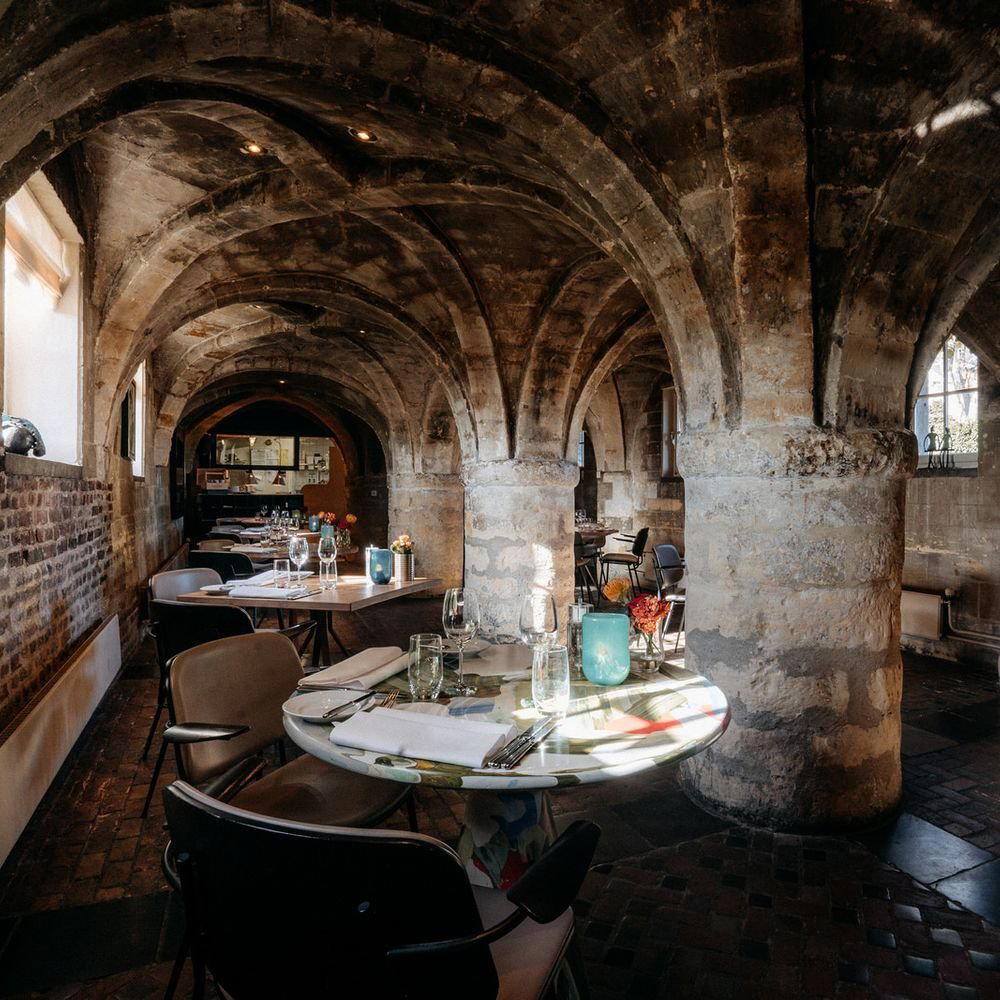
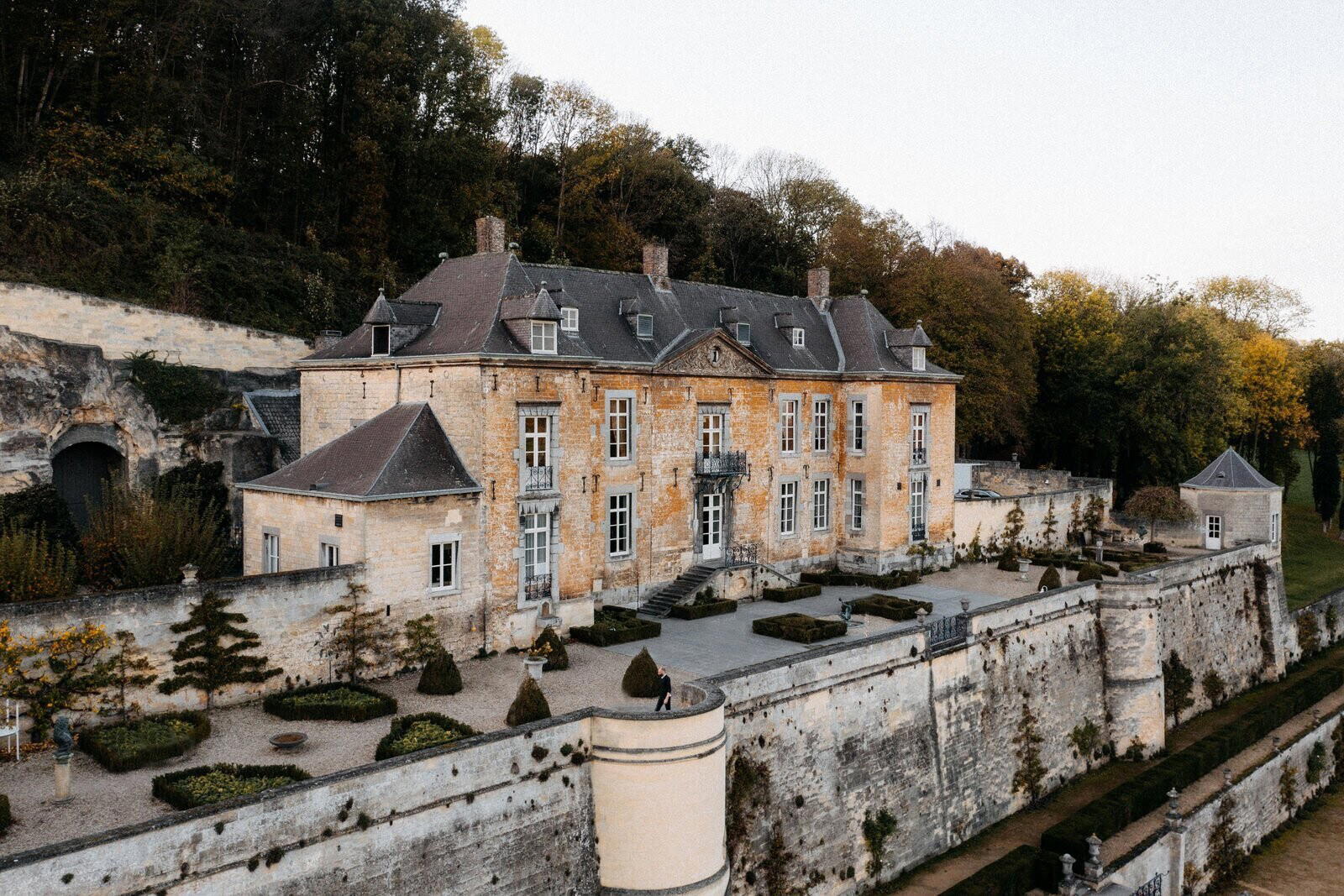
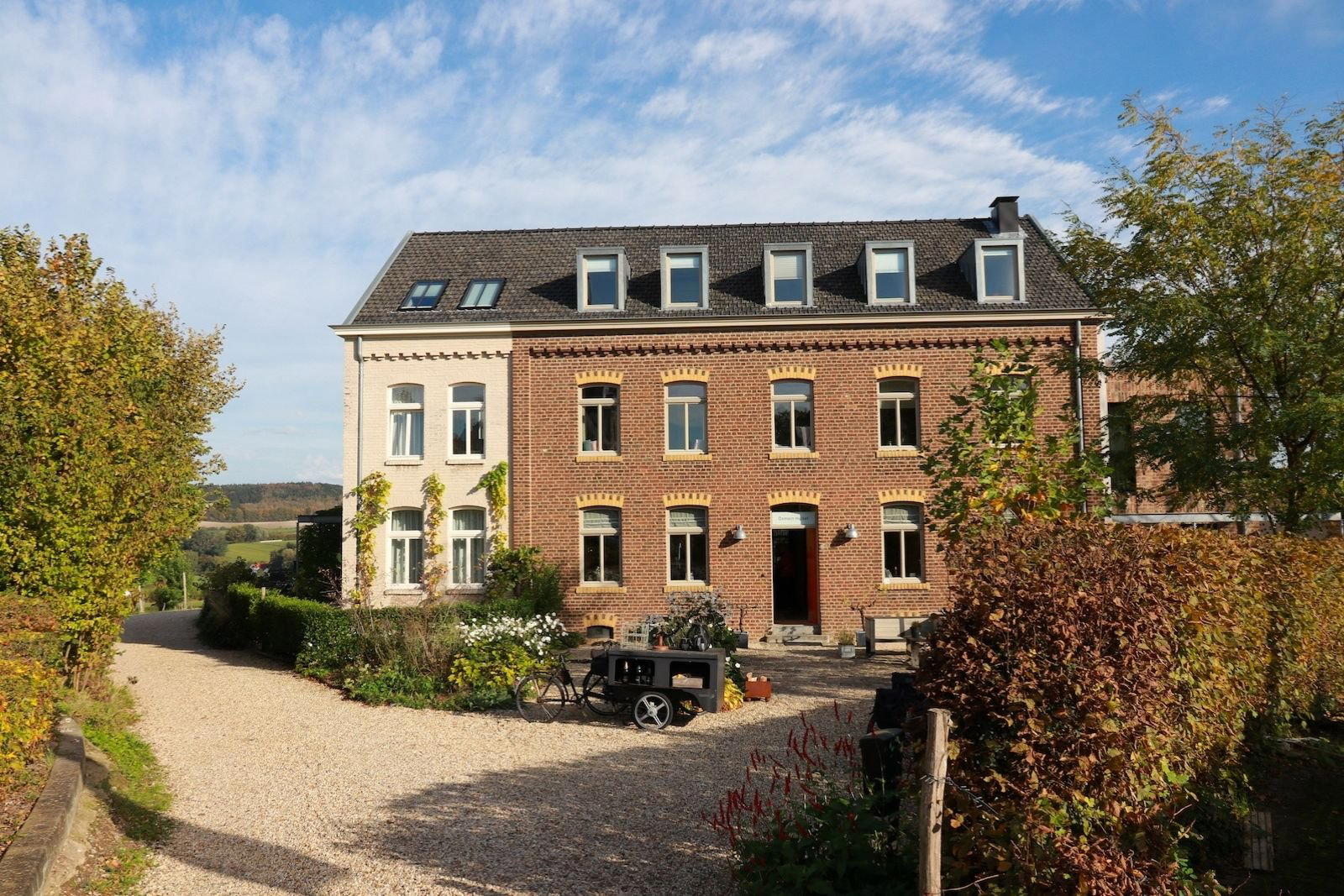
Snug and elegant with period tiled floors and warm, inviting atmosphere noted for its coziness though occasionally noisy.