De Beejekurf

A Michelin Plate recipient in both 2024 and 2025, De Beejekurf brings Modern French discipline to Venray, a market town in North Limburg where serious cooking rarely gets this kind of sustained recognition. The €€ price point places it well below the starred tier while delivering a kitchen with clear technical ambition.
Pearl is the En Primeur Club membership app — saves, bookings, and concierge access live there. Same editors, same standards.
- Address
- Paterslaan 15, 5801 AS Venray, Netherlands
- Phone
- +31 478 581 869
- Website
- debeejekurf.nl
- Directions
- Get directions
 Saves & bookings on Pearl
Modern French Cooking in North Limburg's Market Town
Venray sits in North Limburg, a province more associated with agricultural flatlands and quiet market towns than with destination dining. That geographic context matters: restaurants in this part of the Netherlands compete not against Amsterdam's dense fine-dining cluster but against a regional scene where consistent technical cooking is genuinely scarce. Into that gap, De Beejekurf has built a track record that two consecutive Michelin Plate awards (2024 and 2025) underscore. The Plate signals that quality and craft are present and worth noting. For a town of Venray's size, sustaining that recognition across two guide cycles is a meaningful data point.
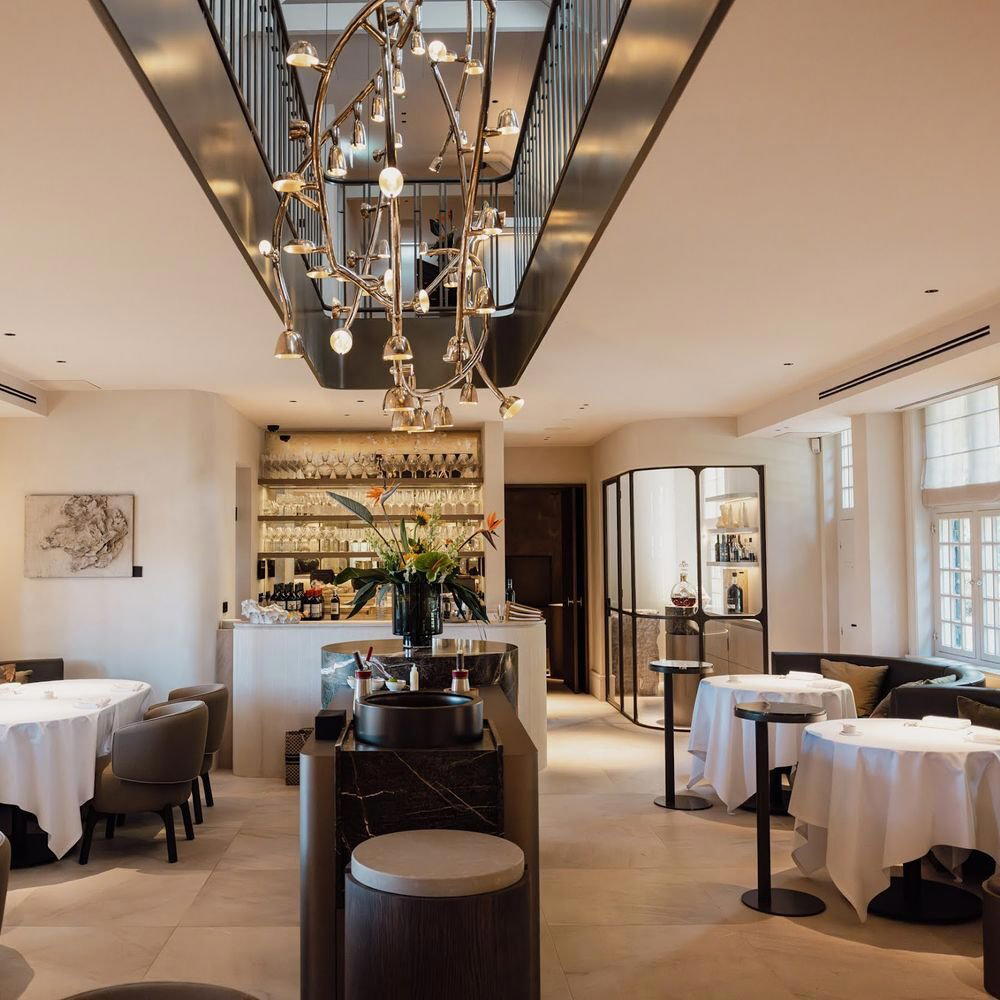
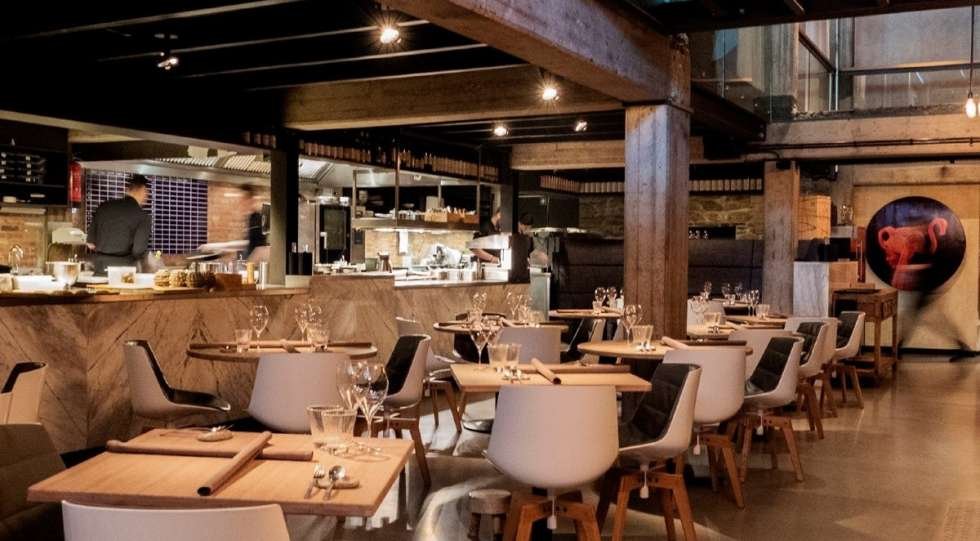
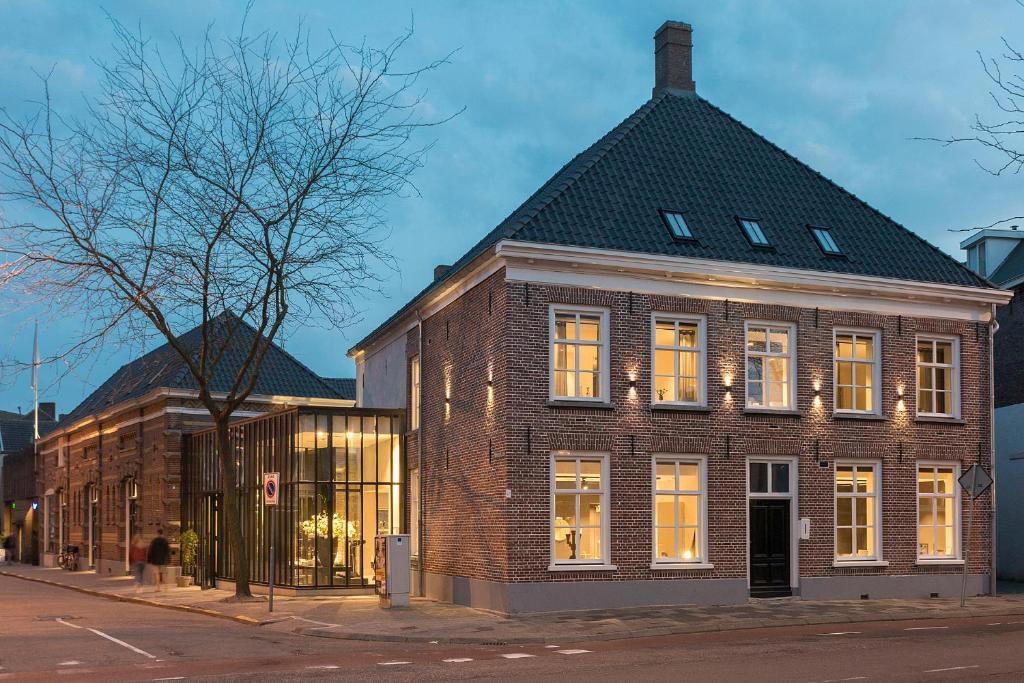
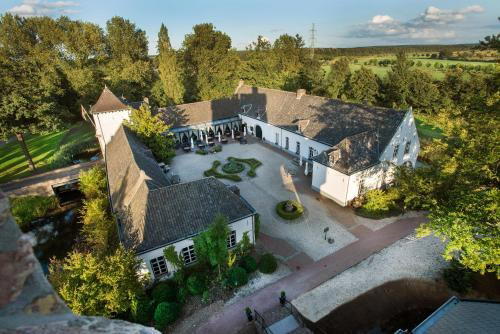
The address at Paterslaan 15 places the restaurant in a quiet part of town, away from the market square's weekday noise. Approaching from the street, the setting reads as considered rather than showy, the kind of envelope that French-influenced kitchens in smaller Dutch cities tend to favour: a space where the cooking is expected to do the communicating. That restraint is consistent with how Modern French cooking has evolved across the Netherlands, where the idiom has shifted from heavy sauce-forward formality toward cleaner expressions built around product quality and sourcing discipline.
The French Tradition Through a Regional Lens
Modern French cuisine as practised in the Netherlands occupies a specific position in the country's dining hierarchy. At the upper end, restaurants like De Librije in Zwolle (three Michelin stars) and 't Nonnetje in Harderwijk (two stars) work in the creative-modern register at €€€€ price points that reflect both ambition and operational cost. Further down, there is a growing tier of €€ and €€€ restaurants that apply French technique to more accessible formats, often drawing on regional Dutch ingredients to anchor the menu in place. Aan de Poel in Amstelveen and De Bokkedoorns in Overveen represent different inflections of that mid-to-upper tier.
De Beejekurf operates in the €€ bracket, which in the Dutch Modern French context positions it as technically oriented without the full tasting-menu infrastructure of its starred peers. That price tier tends to attract kitchens genuinely committed to quality ingredient sourcing, since margins at €€ demand disciplined purchasing rather than luxury add-ons. In Limburg specifically, that means proximity to serious agricultural production: the province borders Belgium and Germany, with supply networks that reach into areas known for quality dairy, pork, and seasonal produce. Restaurants working in this register in the southern Netherlands draw on those supply chains as a practical matter, and strong examples among them build menus that reflect the agricultural calendar of the region rather than approximating what Parisian kitchens import from further afield.
The Modern French tradition's relationship with terroir is a long one. Escoffier-era cooking derived its authority from classical technique; the shift toward product-led cooking that defined French cuisine through the 1970s and beyond placed the raw ingredient at the centre of the plate, with technique in service of expression rather than transformation. That lineage runs through Dutch kitchens working in this style today, and it is audible in how they describe sourcing decisions. Restaurants earning Michelin Plate recognition in this category are typically those where the inspectors find that fundamental competence: product handled correctly, flavour not obscured, execution reliable across services.
What the Ratings Tell You
At that review volume, the score has stabilised and reflects cumulative experience rather than a concentrated burst of early enthusiasm. Restaurants that maintain 4.7 or above through their second hundred reviews are generally those with consistent kitchen output and service that matches the positioning. For a €€ Modern French address in a provincial Dutch town, that rating profile suggests a room that delivers reliably on its offer rather than trading on novelty.
The Michelin Plate sits below the star tier. In practical terms, it means inspectors found cooking quality that warranted specific acknowledgment: technically sound, with clear intent and ingredient quality above the baseline. Receiving the Plate in consecutive years (2024 and 2025) indicates the kitchen has not slipped since initial recognition, which in smaller operations can be a genuine challenge. Comparable Dutch addresses working in the Modern French register at this tier include Allemansgeest in Voorschoten and Arles in Amsterdam, both of which share the €€ Modern French positioning. Outside the Randstad, sustained Michelin attention of any kind is less common, which raises De Beejekurf's regional standing further.
For context on what serious cooking looks like across different Dutch regions, De Lindehof in Nuenen, De Treeswijkhoeve in Waalre, and De Nieuwe Winkel in Nijmegen each represent distinct approaches to fine and fine-adjacent dining in the southern and eastern Netherlands. De Groene Lantaarn in Staphorst and De Lindenhof in Giethoorn extend the map further into the country's provincial dining scene. Brut172 in Reijmerstok and Ciel Bleu in Amsterdam anchor the upper and lower ends of Michelin-recognised cooking in the Netherlands more broadly.
Planning Your Visit
The restaurant is at Paterslaan 15, 5801 AS Venray. The €€ price point places it in a tier where a full dinner for two, with wine, typically falls well within reach compared to the starred tier. Venray is accessible by train from Nijmegen and Venlo, both of which connect into the national rail network; the station is a short distance from the town centre. For those travelling by car from the Randstad, the journey runs via the A73 motorway corridor. Booking in advance is advisable, particularly at weekends, given the limited fine-dining options in the immediate area and the restaurant's sustained positive rating.
Comparable Venues
Comparable venues nearby, for context on price, style, and recognition.
| Venue | Cuisine | Price | Awards | Notes |
|---|---|---|---|---|
| De BeejekurfThis venue — the venue you are viewing | Modern Dutch | $$$ | Michelin Plate | Not listed |
| Dorset | Modern European Fine Dining | $$$ | Michelin Plate | Borne Centrum |
| Neder | Modern Dutch Farm-to-Table | $$$ | Michelin Plate | Alkmaar |
| Ron Gastrobar Indonesia | Modern Indonesian Rijsttafel | $$$ | Michelin Plate | Amstelveen |
| R21 | Modern Fine Dining | $$$ | Michelin Plate | Rapenburg |
| Lagrange | Modern French Bistro | $$$ | Michelin Plate | Buren |
Recognition history
Dated appearances from independent guides and award organizations, with the underlying list record or original source where available.
Michelin Plate
Michelin
Michelin Plate
Michelin
At a Glance
- Cozy
- Elegant
- Intimate
- Sophisticated
- Date Night
- Special Occasion
- Private Dining
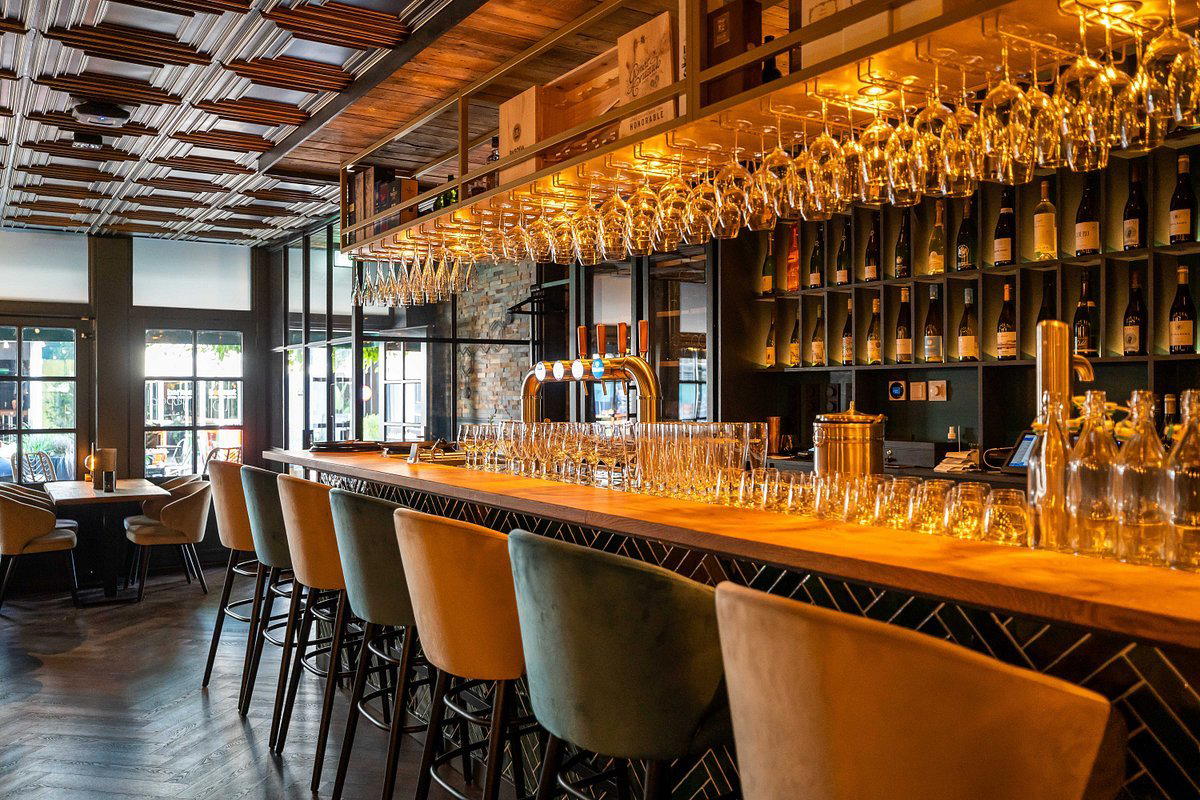
- Extensive Wine List
- Local Sourcing
Current opening hours
- Monday
- Closed
- Tuesday
- Closed
- Wednesday
- 5:30–10 PM
- Thursday
- 5:30–10 PM
- Friday
- 5:30–10 PM
- Saturday
- 5:30–10 PM
- Sunday
- 1–10 PM
Hours can change for holidays and private events. Last verified .
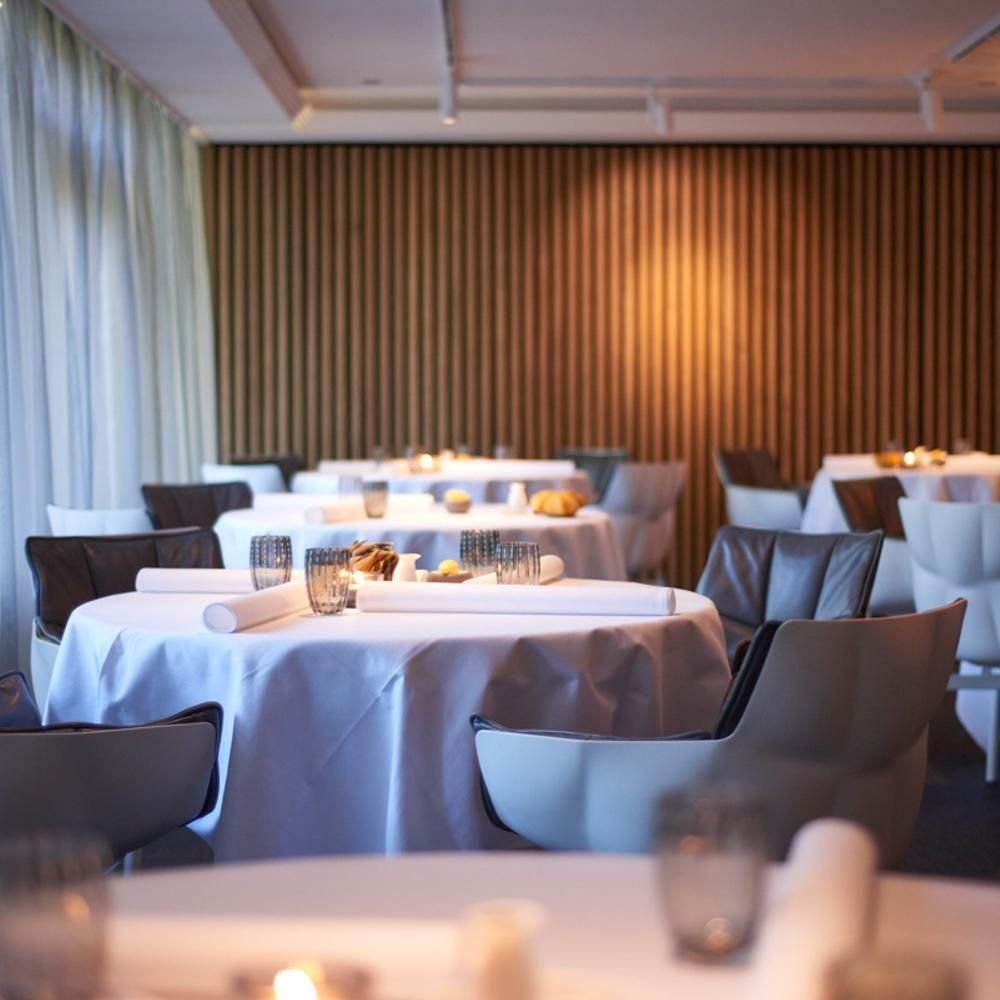
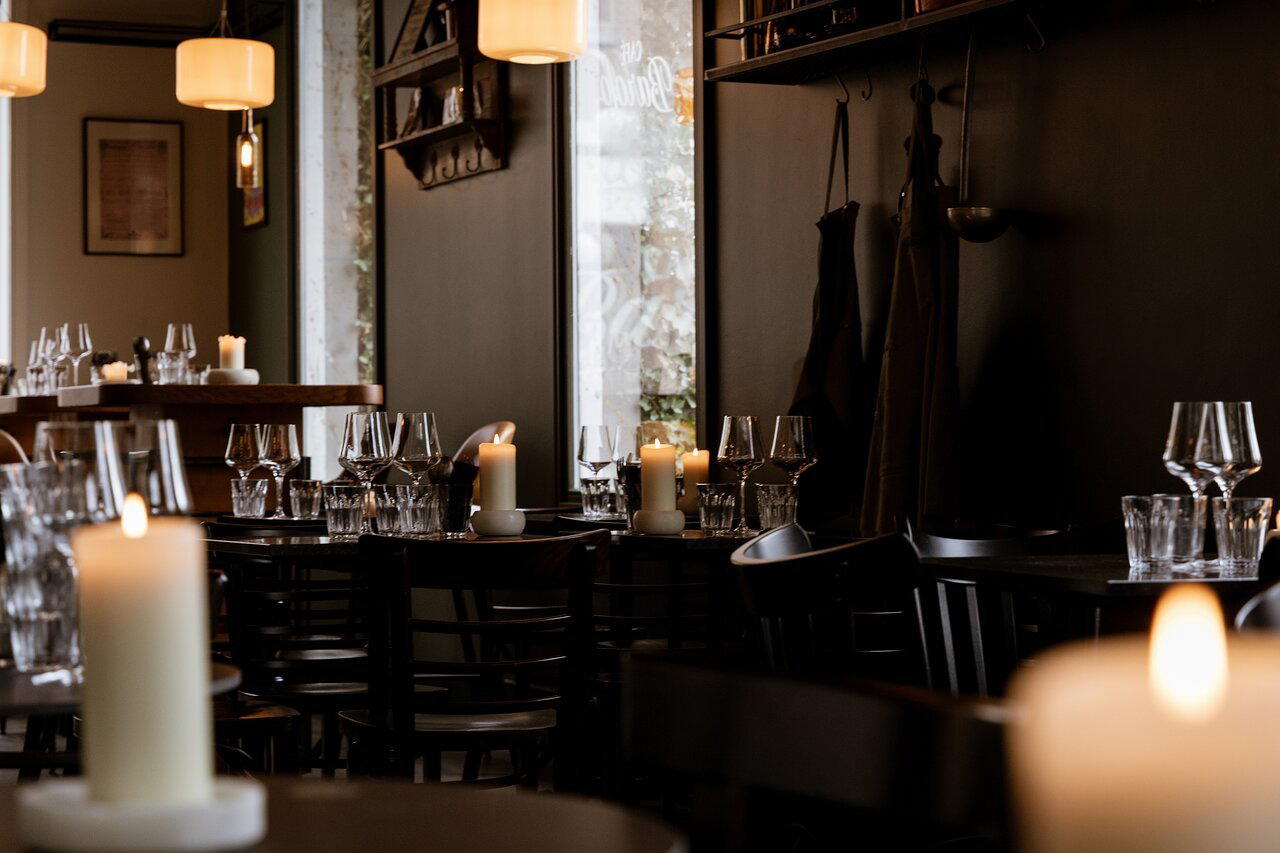
Cosy and inviting atmosphere with sophisticated elegance, warm welcome, and attentive service.