Maes, Cuisine du Terroir

Michelin Plate
Our verdict
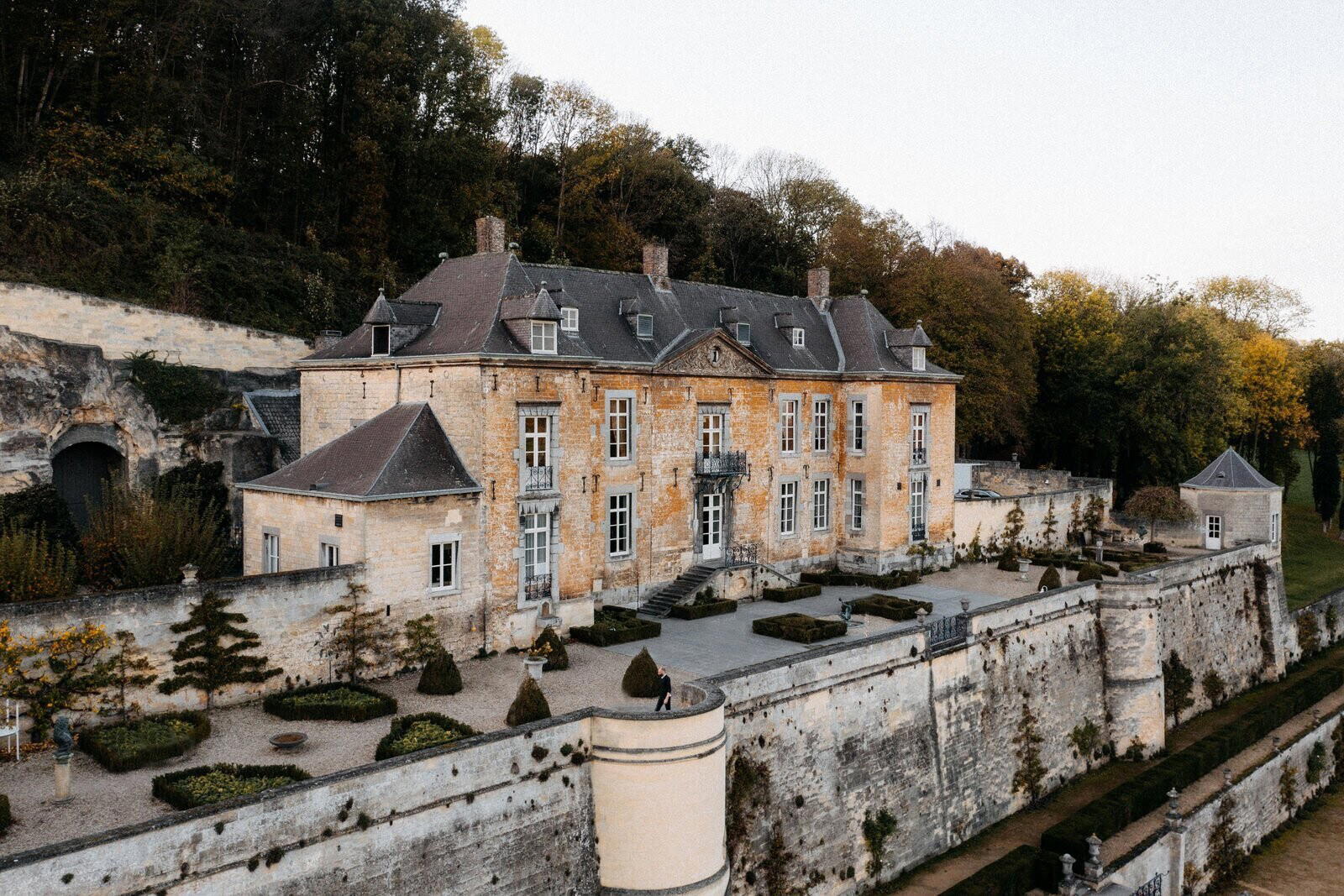
Set within the Van Oys luxury hotel on the wooded fringes of Eijsden, Maes, Cuisine du Terroir draws its menu from a hundred-kilometre stretch of the Meuse River valley. Langoustines meet Limburg-style bouillabaisse; local lamb arrives seasoned with North African spice. The terrace overlooking the surrounding woodland makes the case for South Limburg as one of the Netherlands' most compelling regional dining destinations.

Pearl is the En Primeur Club membership app — saves, bookings, and concierge access live there. Same editors, same standards.
- Address
- Kasteellaan 1, 6245 SB Eijsden, Netherlands
- Phone
- +31 43 240 0040
- Website
- vanoys.com
- Directions
- Get directions
The menu
What to order
- Langoustines with Limburg bouillabaisse
- Pastilla of lamb neck with oriental spices
- Dry-aged turbot
Where the Meuse Valley Sets the Menu
South Limburg occupies an unusual position in the Dutch dining conversation. While the country's most decorated restaurants — De Librije in Zwolle, Ciel Bleu in Amsterdam, Aan de Poel in Amstelveen — cluster in the urban north and west, Limburg operates as a quieter, geographically distinct food region: hilly, river-threaded, and with a larder shaped more by the Belgian and German borders than by Amsterdam trends. Eijsden sits at the southernmost tip of the Netherlands, where the Meuse swings west toward Maastricht and the surrounding countryside feels closer in character to the Belgian Ardennes than to anything in Holland proper. It is in this context that terroir-led cooking here carries genuine weight, not as a marketing posture but as a structural fact of what grows, swims, and grazes within reach.
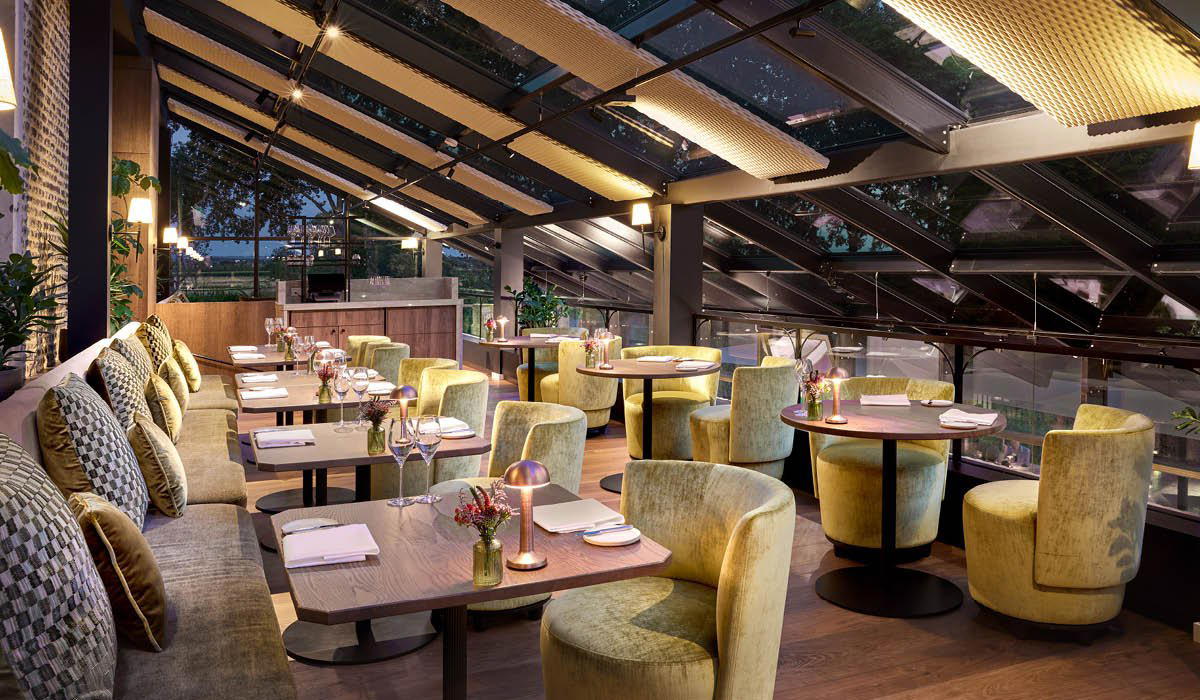
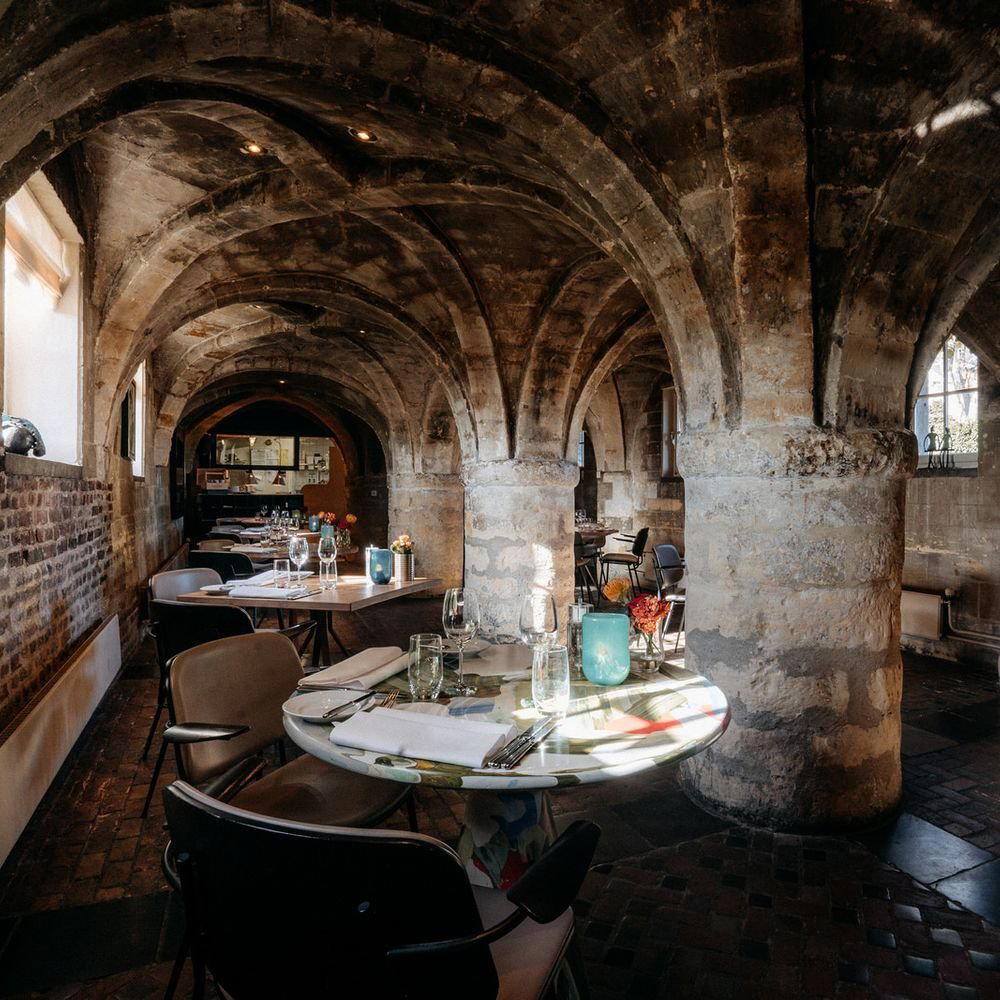
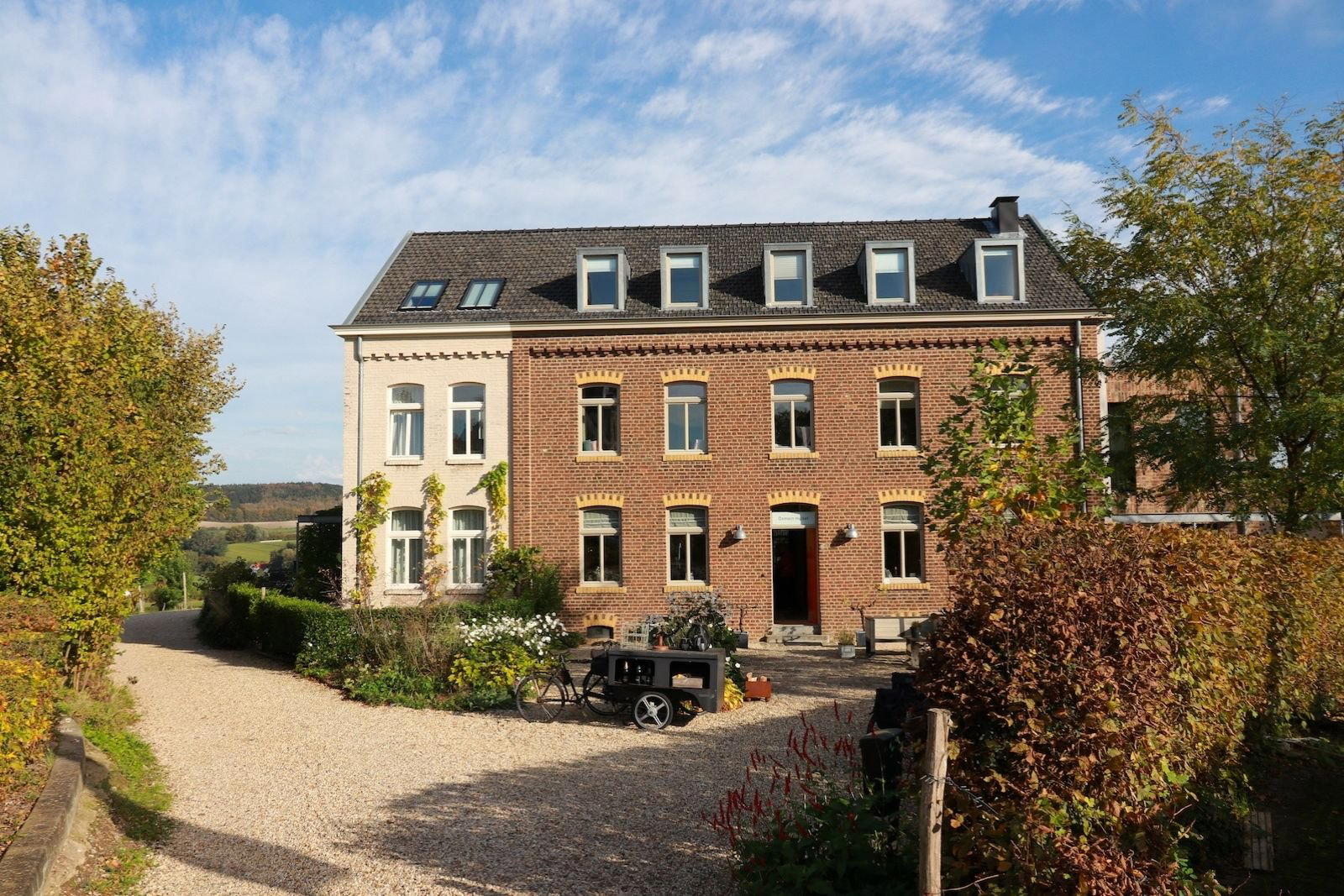
Approaching Maes along the Kasteellaan, the wooded grounds of the Van Oys hotel register before the restaurant itself does. Mature trees, a sense of deliberate quiet, and a terrace that opens toward the tree line give the setting a specific kind of seriousness, the kind that signals the kitchen is not competing on spectacle. Inside, the light through the restaurant's windows reinforces the connection to the landscape rather than filtering it out.
A Hundred Kilometres of Larder
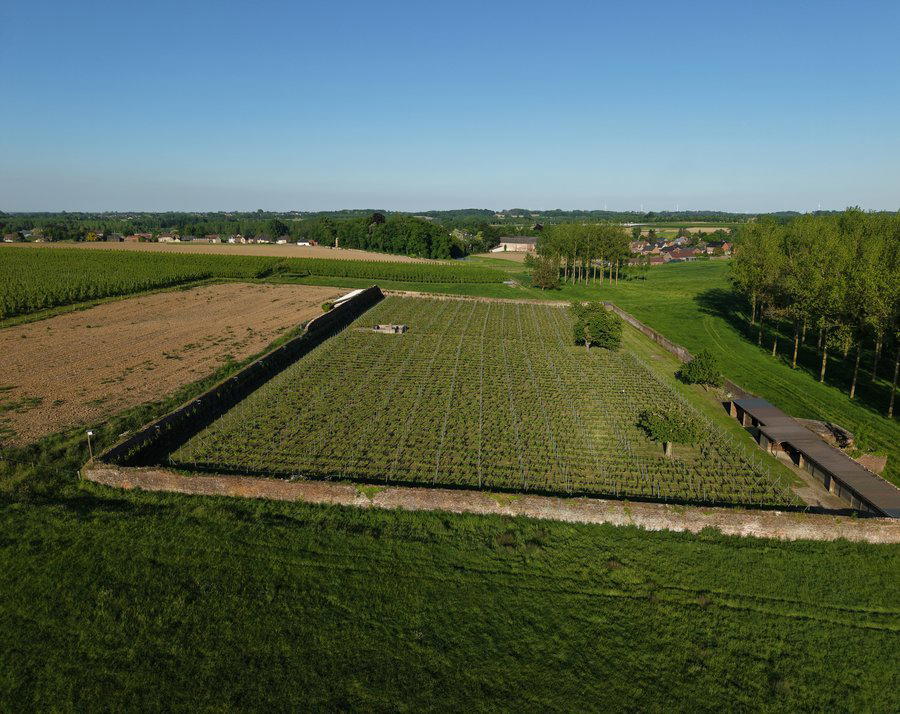
The sourcing radius at Maes is defined with unusual precision: fifty kilometres upstream and fifty kilometres downstream along the Meuse River. That corridor spans one of the more productive agricultural and artisanal food zones in the Benelux region, taking in river fish, livestock farms on the Limburg plateaus, and market gardens that benefit from a microclimate measurably warmer and drier than the Dutch national average. This kind of geographic specificity is what separates a genuine terroir program from restaurants that use the word loosely.
Among the Netherlands' €€€-tier seasonal kitchens, this sourcing discipline is relatively rare. Comparable programs at De Bokkedoorns in Overveen and Inter Scaldes in Kruiningen also root themselves in specific regional geographies, but Limburg's particular combination of river valley, chalk hills, and cross-border agricultural tradition gives Maes a distinct raw material set. The langoustines that appear with a Limburg-inflected bouillabaisse, and the local lamb that arrives dressed with spice work drawn from North African pastilla traditions, are not fusion exercises; they are evidence of a kitchen confident enough in its local base to bring external technique to bear without displacement. Cosmopolitan seasoning here sharpens the regional produce rather than obscuring it.
That approach places Maes in a broader Dutch movement toward what might be called assertive regionalism: kitchens that take a specific geography as their frame and then cook within it at genuine technical ambition. De Groene Lantaarn in Staphorst pursues a comparable logic in Overijssel, as does De Lindehof in Nuenen in Brabant. The difference in Limburg is that the regional identity is less Dutch-normative: the flavour affinities here run south and east, and a kitchen that acknowledges that honestly produces something with genuine specificity.
The Terrace and the Season
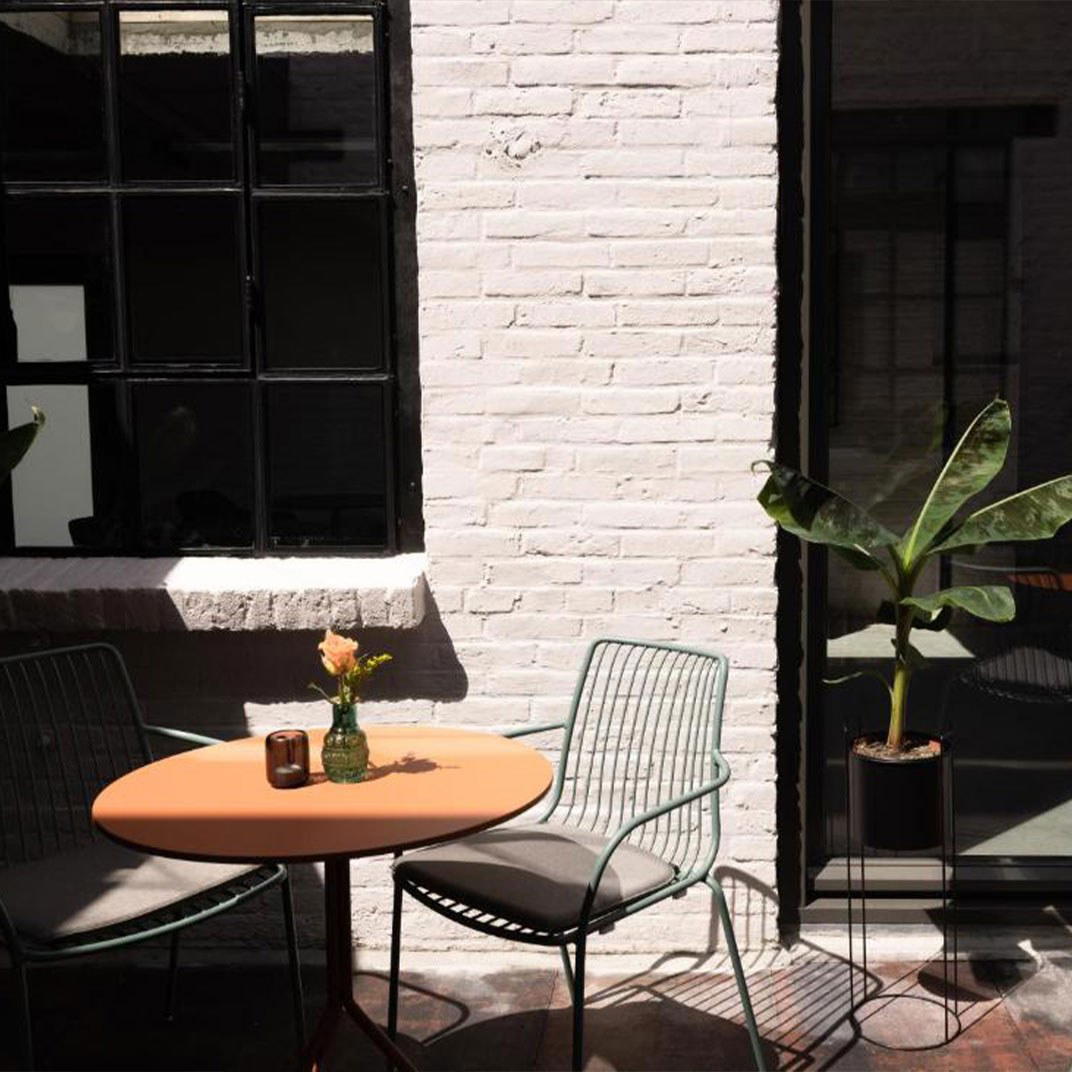
The outdoor terrace at Maes earns its reputation not through ornament but through position. Facing the wooded grounds of the Van Oys hotel, it situates the meal inside the same landscape the kitchen draws from, which is a quieter form of mise en scène than most hotel restaurants attempt. In the warmer months, the Limburg plateau delivers evenings with enough light and warmth to make a long terrace sitting feel appropriately earned, the region's southerly location gives it a seasonal window that opens earlier and closes later than much of the Netherlands.
Within South Limburg's restaurant circuit, Maes occupies the hotel-dining tier alongside a small number of properties that use the surrounding countryside as an active part of the offer rather than passive scenery. For those exploring beyond Maes, Vanille, also in Eijsden and focused on farm-to-table cooking, represents the closest peer in sourcing philosophy at a similar price point. The broader Limburg table, including Brut172 in Reijmerstok, suggests the region is developing a coherent fine dining identity that the Dutch culinary press is only beginning to map properly.
Where Maes Sits in the Dutch Seasonal Tier
At €€€ pricing, Maes occupies a middle position in the Dutch fine dining spectrum: more committed in technique and sourcing than casual regional restaurants, but priced below the €€€€ tier occupied by Fred in Rotterdam, De Lindenhof in Giethoorn, and the country's most decorated modern kitchens. Within its tier, it shares a sourcing-first orientation with Notable in Echt and Huisje James in Ugchelen, both of which work within tight regional frames at comparable ambition levels. The seasonal cuisine designation is not decorative here; the Meuse corridor produces meaningfully different material across the year, and a kitchen anchored to that geography will cook differently in March than in September.
Planning Your Visit
Maes is located at Kasteellaan 1, 6245 SB Eijsden, within the Van Oys hotel grounds. Eijsden is most comfortably reached by car from Maastricht, which lies roughly seven kilometres to the north and functions as the regional hub for accommodation, transport connections, and the broader South Limburg dining and cultural circuit. For those combining a meal at Maes with a longer stay in the area, the our full Eijsden hotels guide covers properties at multiple price points. The our full Eijsden restaurants guide maps the broader dining picture, while the bars, wineries, and experiences guides cover the surrounding region in full. Given the hotel context and the terrace's seasonal appeal, bookings for summer evenings and weekends should be made in advance; the combination of hotel guests and destination diners from Maastricht means availability tightens considerably during the warmer months.
Frequently asked questions
What's Maes, Cuisine du Terroir's location?
Maes, Cuisine du Terroir is located at Kasteellaan 1, 6245 SB Eijsden, Netherlands, Eijsden.
What kind of recognition has Maes, Cuisine du Terroir received?
Maes, Cuisine du Terroir has received recognition including: Fifty kilometres upstream and downstream along the Meuse River is the area where this terroir cuisine sources its ingredients. This is an ode to Limburg products that are given every opportunity to shine. Whether the chefs are giving langou….
What do regulars order at Maes, Cuisine du Terroir?
The kitchen's most recognised dishes follow its 100-kilometre Meuse sourcing corridor directly onto the plate: langoustines prepared with a Limburg-style bouillabaisse and local lamb served with North African-inflected spicing, including a pastilla of lamb neck with spices. Both dishes illustrate the restaurant's defining move — regional produce interpreted through cosmopolitan technique rather than preserved in amber.
How hard is it to get a table at Maes, Cuisine du Terroir?
Maes sits within the Van Oys hotel at Kasteellaan 1, Eijsden, so the dining room serves both hotel residents and outside bookings, which can tighten availability on peak weekend evenings in South Limburg's short warm season. At €€€ pricing in a region where serious seasonal restaurants are sparse, demand from Maastricht visitors travelling the short distance south adds consistent pressure on terrace covers specifically.
Comparable Venues
Comparable venues nearby, for context on price, style, and recognition.
| Venue | Cuisine | Price | Awards | Notes |
|---|---|---|---|---|
| Maes, Cuisine du TerroirThis venue — the venue you are viewing | Terroir Cuisine du Limburg | $50–100 | Michelin Plate | Not listed |
| Vanille | Modern European Fine Dining | $100–150 | Michelin Plate | Eijsden |
| Julemont - Kasteel Wittem | Modern French Fine Dining | Not listed | La Liste Top Restaurants | Wittem |
| WY. | Modern French Fine Dining | $100–150 | Michelin Plate · Star Wine List | Jekerkwartier |
| THE DUCHESS | Nouveau-Niçoise Brasserie | $100–150 | Michelin Plate | Spuistraat Zuid |
| Nastrium | French with Indonesian Influences | $100–150 | Michelin Plate | Not listed |
Recognition history
Dated appearances from independent guides and award organizations, with the underlying list record or original source where available.
Michelin Plate
Michelin
Continue exploring
More in Eijsden
Restaurants in Eijsden
Browse all →
Bars in Eijsden
Browse all →
Hotels in Eijsden
Browse all →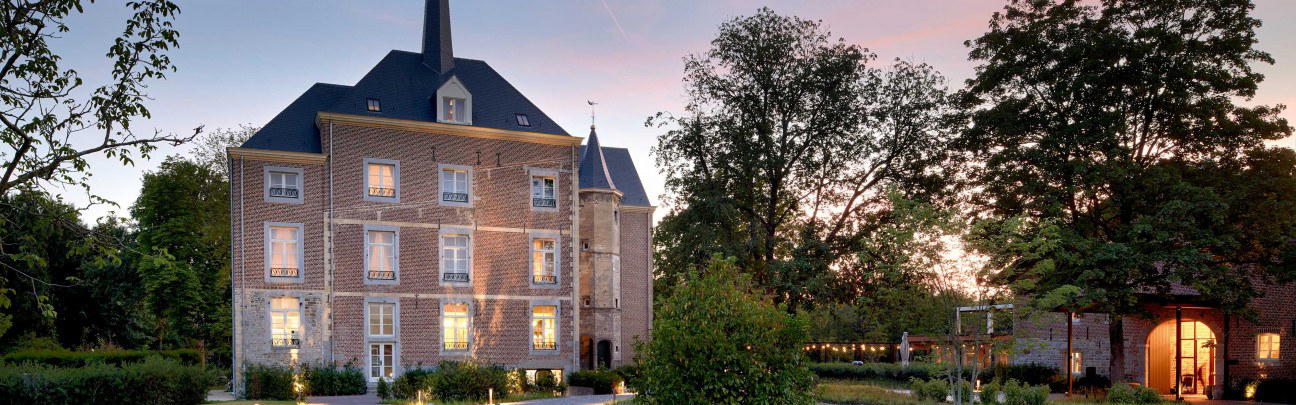

Details
- Elegant
- Intimate
- Sophisticated
- Scenic
- Special Occasion
- Celebration
- Date Night
- Business Dinner
- Terrace
- Garden
- Hotel Restaurant
- Historic Building
- Design Destination
- Farm To Table
- Local Sourcing
- Organic
- Garden
- Tasting Menu
- A La Carte
- Prix Fixe
- Wine
- Vegetarian Friendly
- Allergy Accommodating
Luminous, refined dining space with intimate atmosphere and professional service; beautiful terrace overlooking wooded surroundings of the luxury hotel estate.