Michelin Plate
Our verdict
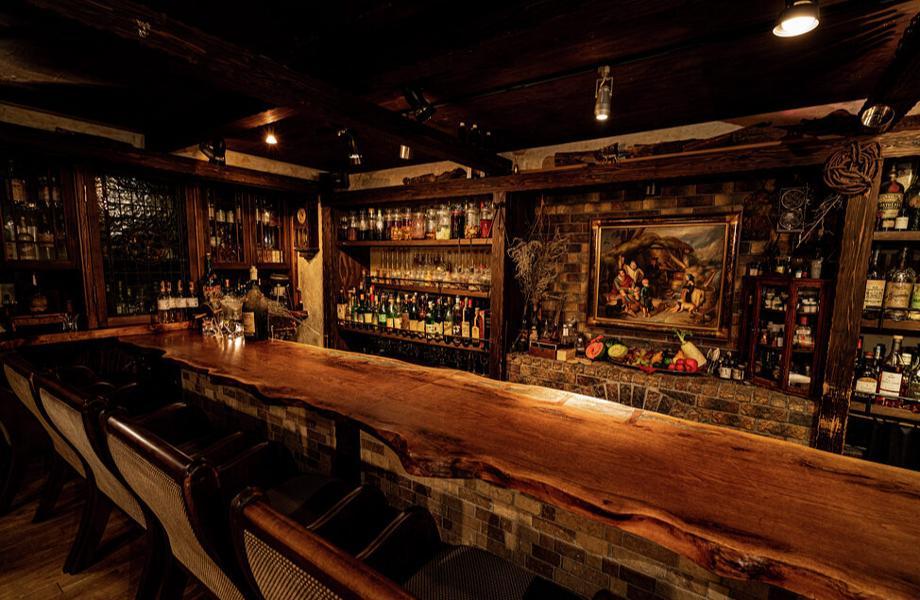
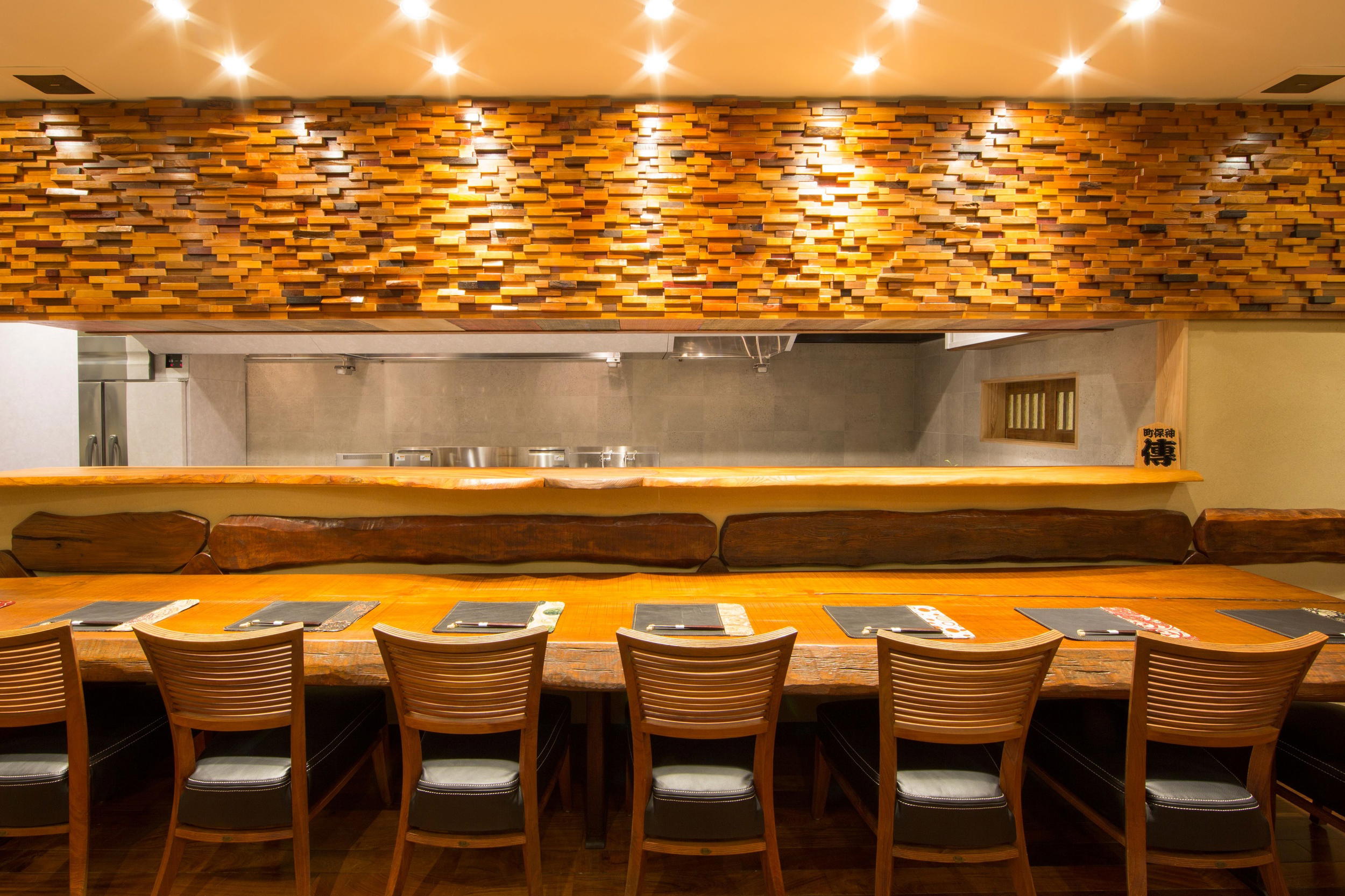
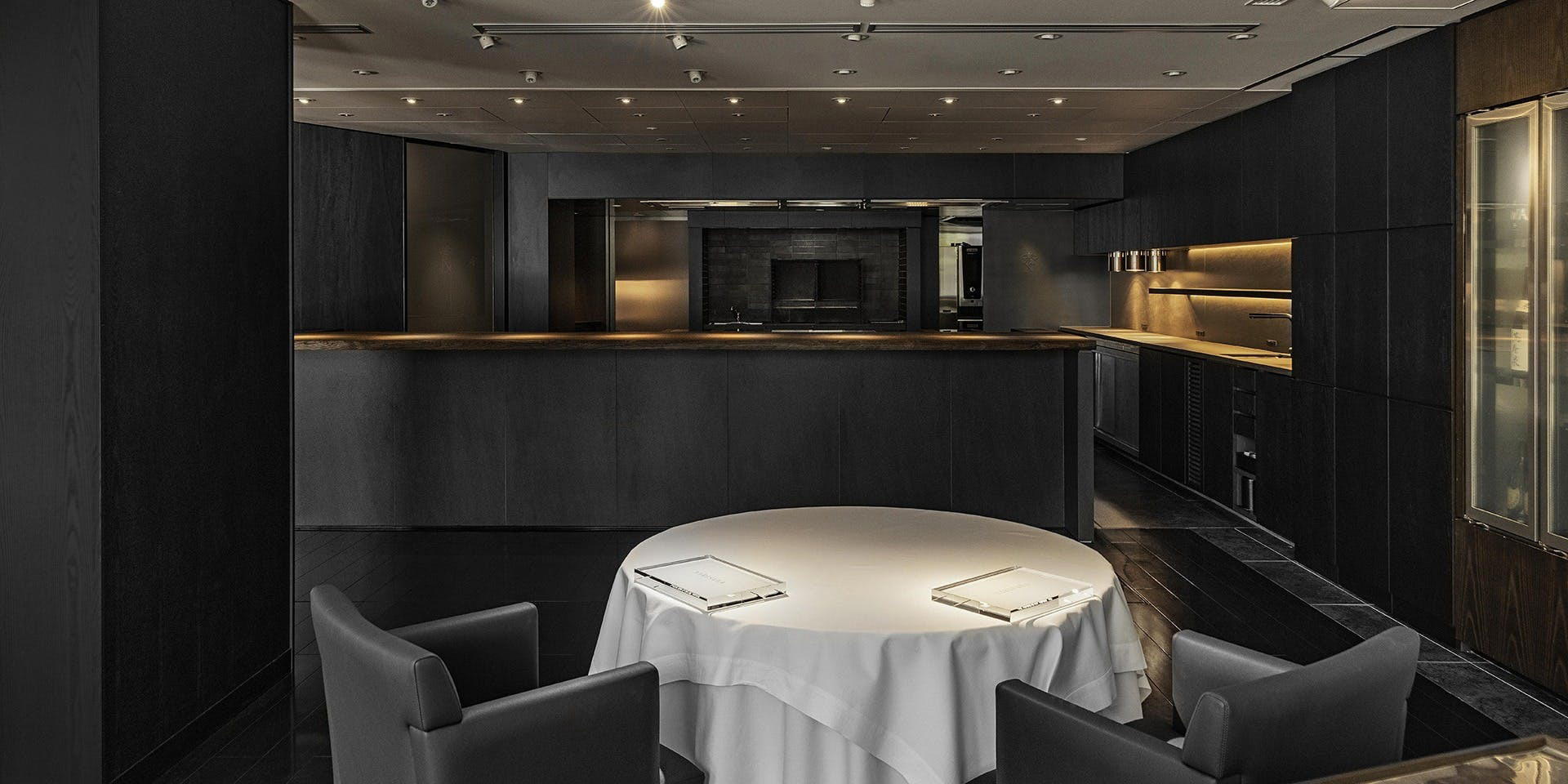
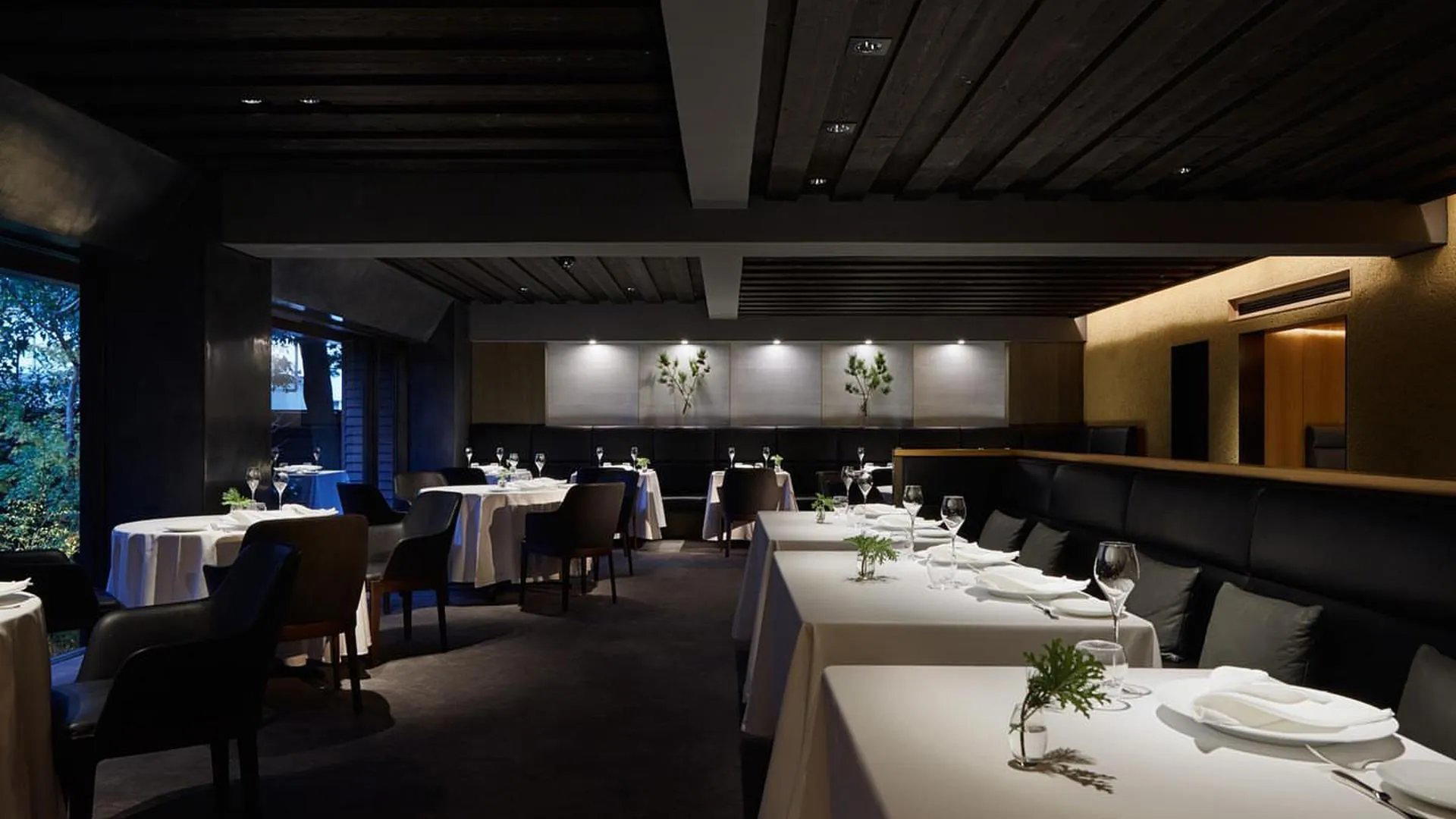
A Michelin Plate-recognised French restaurant in Ogikubo, Valinor brings precise classical technique to one of Tokyo's quieter residential neighbourhoods. Two consecutive Michelin Plate awards (2024 and 2025) position it within the mid-tier of Tokyo's French dining scene, where sourcing discipline and kitchen craft tend to matter more than room scale or celebrity. For French cuisine at a ¥¥¥ price point west of the Yamanote Line, the address warrants attention.

Pearl is the En Primeur Club membership app — saves, bookings, and concierge access live there. Same editors, same standards.
French Cooking in a Neighbourhood That Doesn't Perform for Tourists
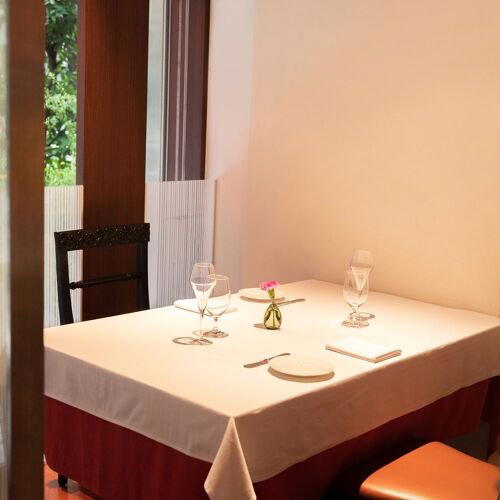
Ogikubo sits far enough from Shinjuku on the Chuo Line that most visitors to Tokyo's French dining scene never consider it. The neighbourhood trades in antique shops and low-key drinking spots rather than hotel corridors and expense-account counters. It is precisely in areas like this — residential, overlooked by the itinerary-builders — that a certain style of French restaurant tends to survive in Tokyo: smaller rooms, tighter margins, and cooking driven by what the kitchen can actually source rather than what reads well on a tasting-menu card. Valinor, at street level in a building on a side street in Ogikubo 4-chome, belongs to that pattern.
Consecutive Michelin Plate recognition in both 2024 and 2025 places Valinor at a specific tier in Tokyo's French hierarchy. The Plate designation is not a star, but it is a formal signal from the Michelin inspectorate that cooking quality is worth a detour from the standard tourist circuit. In a city where French restaurants at the ¥¥¥¥ level, L'Effervescence, Sézanne, ESqUISSE, Florilège, and Château Restaurant Joël Robuchon, absorb most of the critical attention, the ¥¥¥ bracket occupies a different position: accessible enough for repeat visits, but still demanding enough that the kitchen has no room to drift on quality.
Where Ingredients Set the Terms
The angle that defines much of Tokyo's serious French cooking is not technique borrowed from Paris, that argument was settled decades ago, but sourcing. Japan's domestic ingredient network is among the most refined in the world for a French kitchen: Hokkaido dairy, Kyushu wagyu, Tohoku vegetables harvested at precision stages of maturity, coastal fish arriving through direct relationships with day-boat suppliers. The question for any French restaurant operating at this price point is how deliberately the kitchen builds its menu around that supply chain rather than importing ingredient categories from Europe as default.
At restaurants in Valinor's tier and neighbourhood, the answer tends to be practical as much as philosophical. Smaller operations with tighter budgets cannot absorb the import costs that a ¥¥¥¥ destination restaurant passes to the guest. The result, and this is a pattern across Tokyo's mid-tier French scene, is cooking that leans on Japanese produce not as a novelty but as a baseline. That constraint, when handled well, produces a more coherent plate than the hybrid approach that plagued Tokyo's French dining in the 1990s, where European technique met Japanese ingredients without a clear point of view.
The 4-chome Ogikubo address reinforces this reading. Neighbourhood restaurants in Tokyo's western residential wards serve a repeat-visit clientele that notices when something changes, which creates an accountability loop that destination restaurants in Ginza or Minami-Aoyama don't always face in the same way.
How Valinor Sits in Tokyo's French Dining Tier
Tokyo's French restaurant scene is stratified more clearly than in most cities. At the leading, multi-star operations compete against each other and against equivalents in Paris, Hong Kong, and Singapore, Les Amis in Singapore and Hotel de Ville Crissier being the kind of international peer references that top-bracket Tokyo kitchens are measured against. Below that tier, the Michelin Plate bracket covers a wide range of cooking quality, from technically capable neighbourhood bistros to restaurants that are knocking on the door of a first star.
Valinor's two consecutive Plate awards, combined with a ¥¥¥ price position, places it in the latter category rather than the former. This is the bracket where Tokyo's French dining is most interesting for the reader who already knows L'Effervescence and wants to understand where the craft is developing at a level below marquee recognition. The cooking here is not a rehearsal for somewhere else. It is the destination for a specific kind of meal: considered, sourced with care, and priced for a table that might return monthly rather than annually.
For context across Japan's broader French and European-influenced dining scene, HAJIME in Osaka and akordu in Nara each represent how French and European technique is being applied outside Tokyo, while Gion Sasaki in Kyoto, Goh in Fukuoka, 6 in Okinawa, and 1000 in Yokohama round out a picture of how ingredient-driven cooking is distributed across the country. Valinor's position within that picture is as a Tokyo-specific case study in what French cooking looks like when it settles into a residential neighbourhood and stops trying to perform.
Planning a Visit
Ogikubo is on the JR Chuo Line, roughly 20 minutes by rapid service from Shinjuku. The address, 4-chome, a side street off the main Ogikubo shopping area, is most easily located via a map app rather than signage. The ¥¥¥ price range places Valinor above casual neighbourhood dining but below the ¥¥¥¥ tier of Tokyo's destination French restaurants. For further context on dining, hotels, bars, and experiences across the city, see our full Tokyo restaurants guide, our full Tokyo hotels guide, our full Tokyo bars guide, our full Tokyo wineries guide, and our full Tokyo experiences guide.
Frequently asked questions
How do I find Valinor?
Valinor is located at Japan, 〒167-0051 Tokyo, Suginami City, Ogikubo, 4 Chome−32−7 アマン 1F, Tokyo.
Is Valinor expensive?
Pricing at Valinor is listed as ¥¥¥.
Is Valinor Michelin-listed?
Valinor has received recognition including: Michelin Plate (2025); Michelin Plate (2024).
What's the best thing to order at Valinor?
What two consecutive Michelin Plate awards and a French cuisine classification at the ¥¥¥ tier do signal is a kitchen committed to composed, technique-led cooking rather than a casual menu. Asking staff for the current set menu or chef's recommendation at the time of visit is the most reliable approach.
What's the cuisine at Valinor?
Should I book Valinor in advance?
Booking ahead is advisable. Tokyo's Michelin-recognised mid-tier French restaurants — particularly those outside the main tourist corridors — draw a local clientele that fills tables without relying on walk-in traffic. Ogikubo is not a destination neighbourhood for most visitors, which means the room stays busy on local terms rather than fluctuating with tourist seasons.
What is Valinor known for?
Valinor is a French restaurant in Ogikubo, a residential neighbourhood on Tokyo's Chuo Line, recognised by the Michelin Guide with a Plate award in both 2024 and 2025. The consecutive recognitions place it in the tier of Tokyo French addresses that have cleared a consistent quality threshold without reaching the multi-star bracket. At ¥¥¥ pricing, it sits above casual bistro territory while remaining more accessible than the city's grand-format French operations.
Comparison Snapshot
A short peer table to compare basics side-by-side.
| Venue | Cuisine | Price | Awards | Notes |
|---|---|---|---|---|
| ValinorThis venue — the venue you are viewing | Modern French with Japanese Ingredients | $100–150 | Michelin Plate | Not listed |
| Harutaka | Edo-Style Omakase Sushi | $200–300 | 3 Michelin Stars · World's 50 Best #76 | Sushi |
| RyuGin | Modern Kaiseki | $500+ | 3 Michelin Stars · World's 50 Best #41 | Kaiseki, Japanese |
| L'Effervescence | Modern French with Japanese Influences | $200–300 | 3 Michelin Stars · World's 50 Best #69 | French |
| HOMMAGE | Modern French with Japanese Influences | $150–200 | 2 Michelin Stars · World's 50 Best #78 | Innovtive French, French |
| MAZ | Innovative Peruvian-Japanese Fusion | $150–200 | 2 Michelin Stars · World's 50 Best #28 | Innovative |
Recognition history
Dated appearances from independent guides and award organizations, with the underlying list record or original source where available.
Michelin Plate
Michelin
Full recognition history (2 entries)
Michelin Plate
Michelin