Our verdict
On Via de' Coltelli in central Bologna, Vâgh íñ ufézzí sits within a city that has defined Italian table culture for centuries. The address places it inside the medieval street grid where Emilian cooking tradition is not a selling point but an operating assumption. Visitors looking to read Bologna's food scene through a neighbourhood lens will find this address a useful starting point.

Pearl is the En Primeur Club membership app, where members save venues, book tables and use the concierge.

The menu
What to order
- Crescentine con salumi e formaggio
- Tagliatelle al ragù
- Tortellini
Via de' Coltelli and the Weight of Bologna's Eating Culture
Bologna earns its reputation as Italy's most serious eating city not through any single restaurant but through accumulated density: the tortellini folded by hand in the same dimensions since the eighteenth century, the ragù that bears no resemblance to what the rest of the world calls bolognese, the mortadella sliced thin enough to hold against light. Via de' Coltelli, where Vâgh íñ ufézzí is addressed at number 9/C, sits inside the medieval core of that tradition. Streets this close to the centre carry the architectural logic of the old city, porticoed walkways, narrow facades, the kind of ground-floor addresses that have housed some form of food or trade for generations. To arrive here is to arrive inside the argument that Bologna makes about Italian cooking.
Where the Address Places the Venue
The 40124 postal district covers a dense section of central Bologna, bounded by the Due Torri to the east and the university quarter to the north. Dining in this zone means operating in close proximity to some of the most established trattorie and osterie in the region. At the higher end of the city's restaurant spectrum, I Portici represents the creative Italian tier at €€€€ pricing, while Acqua Pazza holds the city's seafood position at a mid-premium level. The more rooted Emilian tradition runs through venues like Al Cambio and All'Osteria Bottega, both operating at the €€ tier where regional cooking is taken seriously without the formal tasting-menu apparatus. Ahimè occupies a modern Bolognese and country-cooking position that connects urban dining to the agricultural hinterland of Emilia-Romagna. These are the peer references through which any address on Via de' Coltelli is read by the city's eating public.
Emilian Cooking as a Cultural Argument
The cuisine that Bologna anchors is not regional in the decorative sense that many Italian cities claim regionality. Emilia-Romagna is the source of protected-designation products that now circulate globally: Parmigiano Reggiano aged to a minimum of twelve months before release, Prosciutto di Parma produced under consortium rules dating to 1963, and aceto balsamico tradizionale from Modena that requires at minimum twelve years of barrel ageing. What this means for a restaurant operating in central Bologna is that the baseline expectation is unusually high. Diners who have eaten seriously in this city do not need the history explained; they arrive calibrated. The tradition is the context, not the marketing.
At the apex of Italian fine dining, the conversation runs through addresses like Osteria Francescana in Modena, which sits less than forty kilometres from Bologna and has spent years at the top of the World's 50 Best Restaurants list, and, in northern Italy, through Le Calandre in Rubano and Enrico Bartolini in Milan. Further afield, destinations such as Piazza Duomo in Alba and Reale in Castel di Sangro map the ambition of contemporary Italian cooking at the three-star level. Bologna does not compete in that register directly, but it is the city that supplies the cultural grammar those kitchens quote.
Reading the Scene Beyond the City
For travellers moving through northern and central Italy with serious eating on the agenda, the regional circuit extends in productive directions. Dal Pescatore in Runate has held three Michelin stars for decades, operating in a family format that predates the contemporary tasting-menu era. Uliassi in Senigallia represents Adriatic coastal cooking at its most technically refined. Atelier Moessmer Norbert Niederkofler in Brunico anchors the alpine end of Italian fine dining with a sourcing philosophy rooted in the Dolomites. Each of these operates in a distinct culinary register, and Bologna functions as the gravitational centre that makes their regional specificity legible. Quattro Passi in Marina del Cantone extends the Italian conversation toward the southern coast. For those whose itineraries cross into Tuscany, Enoteca Pinchiorri in Florence carries one of the most substantial wine cellars in European fine dining, a useful contrast to Bologna's more produce-forward identity. Internationally, the kind of precision cooking that Bologna's tradition feeds into appears in very different forms at Le Bernardin in New York City and Lazy Bear in San Francisco, both of which share a seriousness about sourcing that Emilian cooking pioneered at a civic rather than restaurant level.
Planning a Visit to Via de' Coltelli
Via de' Coltelli is walkable from the main train station (Bologna Centrale) in under twenty minutes, and the Due Torri landmark is within a short walk, making orientation direct for first-time visitors. The central Bologna dining scene runs busy across Thursday to Saturday evenings, when local professionals and university faculty fill the neighbourhood's tables alongside visitors. Arriving outside those peak windows generally means a calmer room and more attentive service across the area. Our full Bologna restaurants guide covers the broader dining picture across neighbourhoods and price tiers.
Frequently asked questions
How do I find Vâgh íñ ufézzí?
Vâgh íñ ufézzí is located at Via de' Coltelli, 9/C, 40124 Bologna BO, Italy, Bologna.
Where does Vâgh íñ ufézzí sit within Bologna's restaurant format spectrum?
The address at Via de' Coltelli, 9/C places the venue in a part of central Bologna where the line between osteria, trattoria, and contemporary restaurant is often more functional than categorical. In the 40124 district, format typically signals price register and service pace rather than a rigid stylistic identity.
How hard is it to get a table at Vâgh íñ ufézzí?
The broader pattern across central Bologna's mid-range Emilian tier is that weekend covers fill quickly, particularly during the autumn food season and the university calendar peaks. Contacting the venue directly before visiting is advisable for any address on Via de' Coltelli, given the street's proximity to both the Due Torri and the university quarter.
Can Vâgh íñ ufézzí accommodate dietary restrictions?
Kitchens in central Bologna built around traditional Emilian cooking work with a core repertoire centred on wheat pasta, pork-derived products, and dairy, which limits flexibility for some diets. Visitors with specific requirements should communicate directly with the venue before booking.
Budget and Context
Comparable venues nearby, for context on price, style, and recognition.
| Venue | Cuisine | Price | Awards | Notes |
|---|---|---|---|---|
| Vâgh íñ ufézzíThis venue (the venue you are viewing) | Traditional Bolognese Osteria | $20–30 | Not listed | Not listed |
| Mozzabella | Bolognese Gourmet Pizza | $10–20 | Not listed | Saragozza, Bolognese Gourmet Pizza |
| Le Golosità Di Nonna Aurora | Traditional Bolognese Trattoria | $20–30 | Not listed | Outside Bologna center, Traditional Bolognese Trattoria |
| CERTO | Roman-Style Pizza al Taglio | $10–20 | Not listed | San Vitale, Roman-Style Pizza al Taglio |
| Marconi | Modern Italian Fine Dining | $150–200 | 1 Michelin Star · We're Smart World 4 Radishes | Sasso Marconi, Contemporary Bolognese |
| Verace | Italian Pizza and Pasta | $20–30 | Not listed | Porto, Italian Pizza and Pasta |
Continue exploring
More in Bologna
Restaurants in Bologna
All restaurants in Bologna →

Bars in Bologna
All bars in Bologna →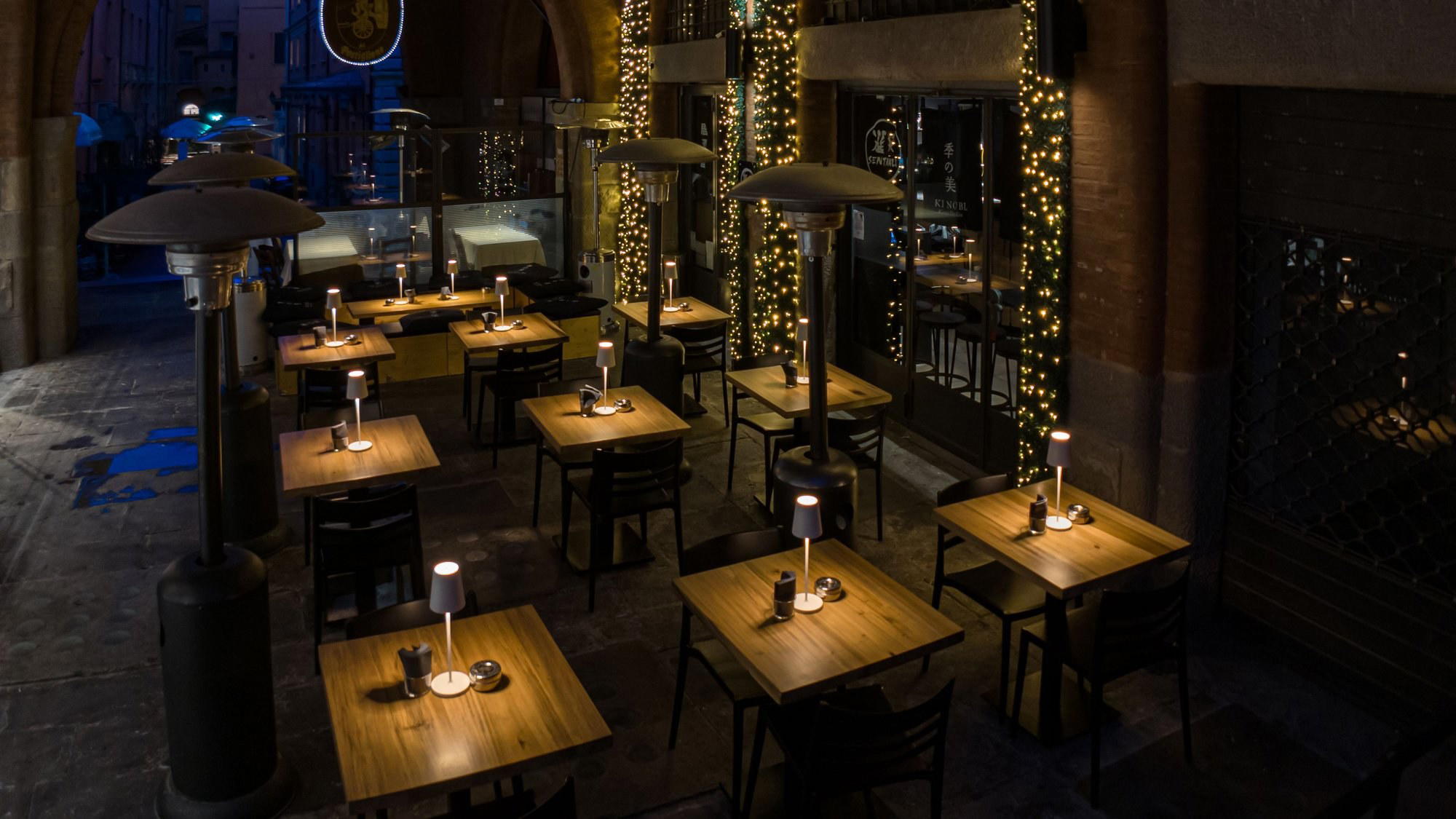
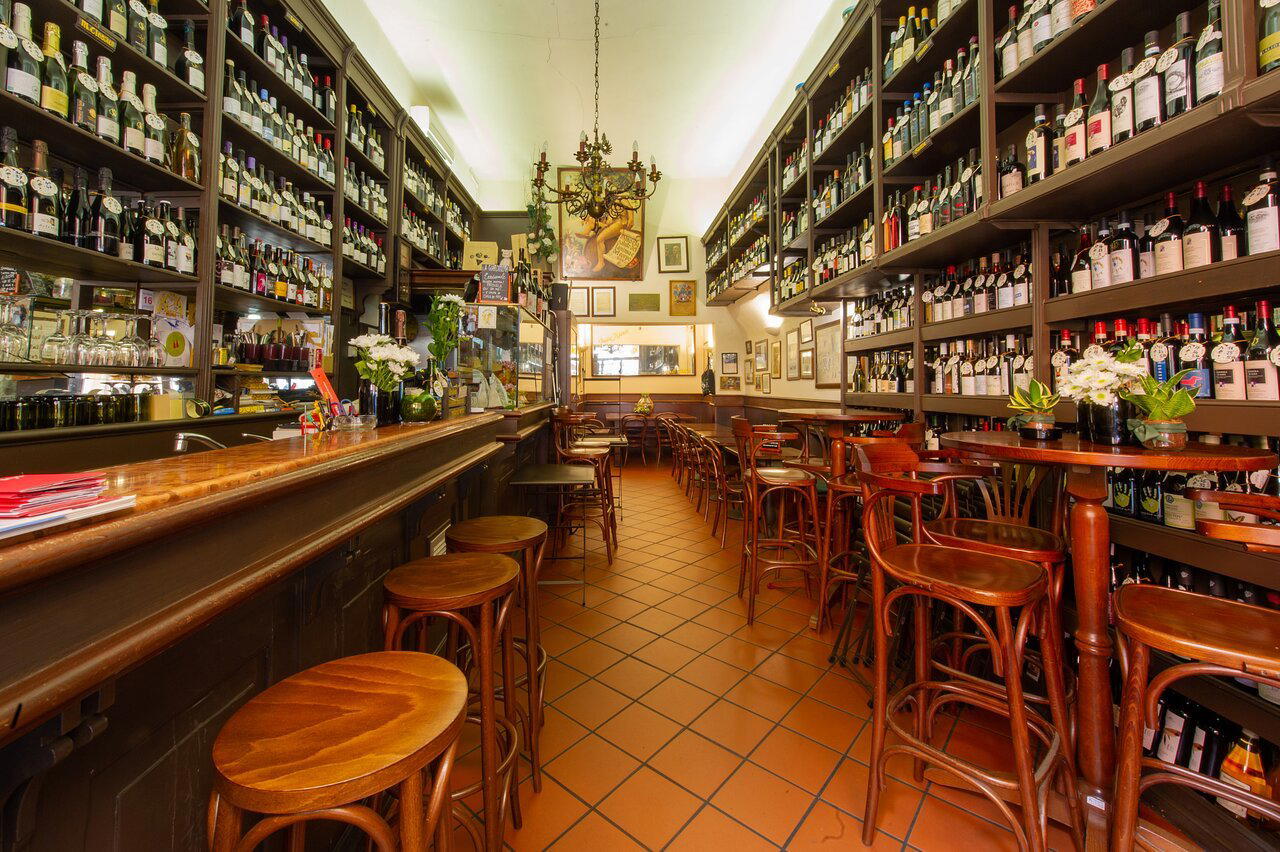

Details
- Cozy
- Intimate
- Rustic
- Date Night
- Casual Hangout
- Historic Building
- A La Carte
Current opening hours
- Monday
- Closed
- Tuesday
- 12:30–2 PM, 7:30–10:30 PM
- Wednesday
- 12:30–2 PM, 7:30–10:30 PM
- Thursday
- 12:30–2 PM, 7:30–10:30 PM
- Friday
- 12:30–2 PM, 7:30–10:30 PM
- Saturday
- 12:30–2 PM, 7:30–10:30 PM
- Sunday
- Closed
Hours can change for holidays and private events. Hours as of .
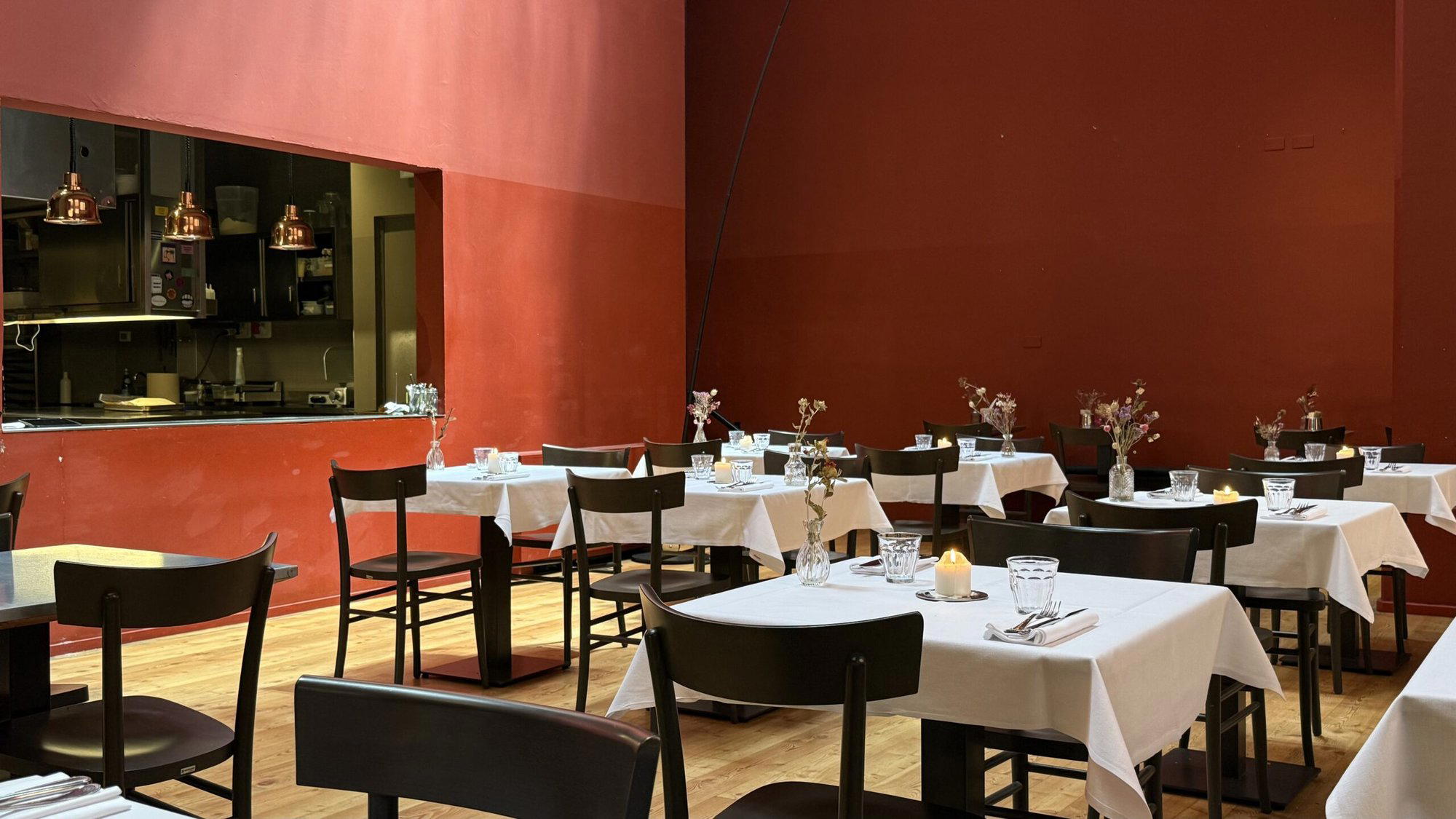
Cozy, family-run with spartan, home-like atmosphere, simple decor, and warm hosting.