

Marconi sits along the Via Porrettana in Sasso Marconi, a short drive south of Bologna in the Reno valley. The restaurant occupies a position in the broader Emilian dining conversation that extends well beyond its address, drawing guests who treat the meal as a deliberate act of travel rather than a convenience. For those who follow the arc of Italian regional cooking, it belongs on the same itinerary as the city's most considered tables.
Pearl is the En Primeur Club membership app — saves, bookings, and concierge access live there. Same editors, same standards.
- Address
- Via Porrettana, 291, 40037 Sasso Marconi BO, Italy
- Phone
- +39 051 846216
- Website
- casamazzucchelli.com
- Directions
- Get directions
 Saves & bookings on Pearl
Arriving on the Via Porrettana
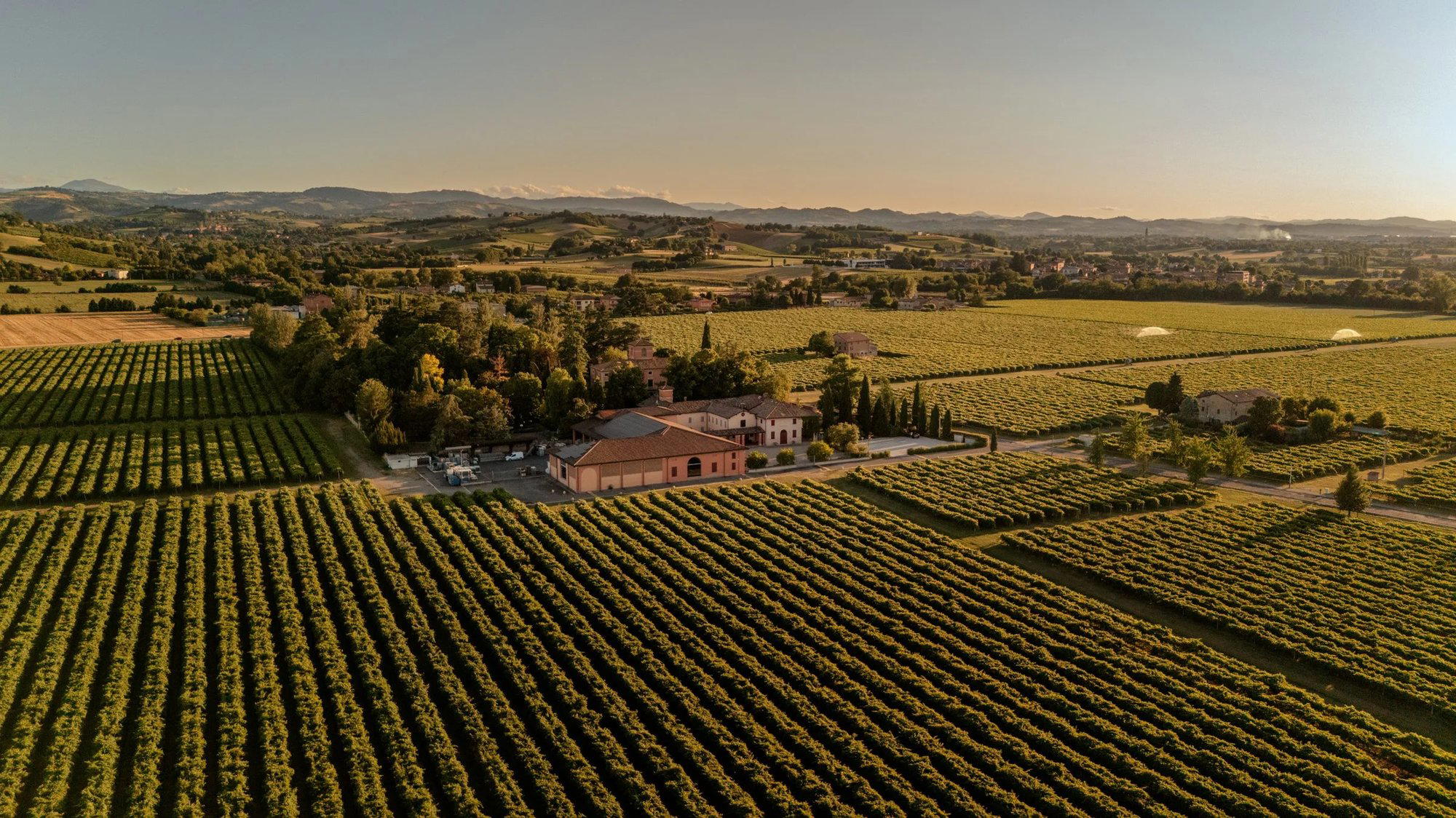
The road south from Bologna toward Sasso Marconi follows the Reno river through low hills that mark the beginning of the Apennine foothills. By the time you reach Via Porrettana 291, the city has receded and the setting carries a particular kind of expectation: this is a destination reached by choice, not convenience. That physical remove matters. The guests who arrive at Marconi have already committed before they sit down.
That dynamic of deliberate travel is common across Italy's regional tables. Dal Pescatore in Runate operates on the same logic: a journey into agricultural flatlands that primes the diner for something slower and more deliberate than an urban meal. Quattro Passi in Marina del Cantone asks a similar thing of its guests, replacing the motorway with a coastal switchback. The shared principle is that removing friction-free access concentrates the audience and calibrates the mood before the first course arrives.
The Emilian Context
Emilia-Romagna is one of Italy's most documented food regions, carrying the weight of ragu, mortadella, Parmigiano-Reggiano, and hand-rolled pasta as both culinary identity and tourist expectation. That weight creates a particular problem for serious restaurants in the region: how to work within a tradition that every visitor already thinks they understand. The answer varies. Some tables, like All'Osteria Bottega and Al Cambio, hold close to classical Bolognese and Emilian form, treating the canon as the point rather than a starting position. Others, like Ahimè, read regional country cooking through a modern filter without abandoning its structural logic.
Marconi operates outside the city boundary. A restaurant in Sasso Marconi is not competing for the lunch trade on Via dell'Indipendenza or the after-theatre crowd in the Quadrilatero. Its comparable set is defined by occasion and distance rather than neighbourhood. That places it in company with tables like Atelier Moessmer Norbert Niederkofler in Brunico, where geography is part of the editorial argument the restaurant makes about itself.
The Arc of the Meal
Italian multi-course dining in this tier follows a structure that is worth understanding before you arrive. The antipasto sequence sets the register: whether the kitchen reads as classically rooted, technically adventurous, or somewhere between. In Emilia-Romagna, that opening often leans on cured products and preserved traditions, the kinds of ingredients that carry place-memory in every bite. The primi are where the region's pasta tradition surfaces most directly, and at a restaurant of this weight, the pasta course is rarely a single dish. Expect a sequence rather than a choice.
Secondi at this level are where the kitchen's relationship to local producers tends to become legible. Emilian cooking historically centres on pork, beef from the Po valley, and game from the Apennines, and a restaurant drawing from its immediate geography will reflect those emphases. The dessert passage, often underweighted in critical coverage of Italian fine dining, matters here: the region's capacity for dairy-led sweets, from panna cotta variants to ricotta-based preparations, gives a kitchen real expressive range if it chooses to use it.
Across the Italian peninsula, the restaurants that have earned sustained critical attention, places like Osteria Francescana in Modena or Enoteca Pinchiorri in Florence, have done so by treating the tasting arc as a single argument rather than a collection of separate dishes. The through-line from first course to last matters.
Placing Marconi in the Bologna Dining Map
Bologna's serious restaurant scene divides broadly between in-city tables and those requiring travel. Within the city, I Portici operates at the creative Italian tier with four-figure price points that align it with Milan and Rome reference sets rather than the mid-range Bolognese trattoria tradition. Acqua Pazza fills the seafood bracket at the €€€ tier, drawing guests who want something outside the land-heavy regional canon. At the €€ level, Ahimè and Al Cambio serve different versions of the same broad audience: people who want Emilian cooking at a price that allows a second bottle of Sangiovese.
Marconi sits outside this in-city tier structure by virtue of its address. The drive to Sasso Marconi is a signal. Restaurants that require this level of forward planning and logistical commitment, analogous in ambition if not in format to Enrico Bartolini in Milan or, at the furthest end of the commitment spectrum, Le Bernardin in New York or Atomix in New York City, operate on the understanding that the guest's investment is already made before the first course lands.
Planning the Visit
Reaching Sasso Marconi from central Bologna takes roughly forty minutes by car and somewhat longer by train, with the Porrettana rail line serving the municipality. Given the location and the nature of a multi-course meal, most guests either stay nearby or arrange a driver. This is not the kind of dinner that benefits from a rushed return to the city: the surrounding hills and the Reno valley geography reward the slower rhythm of arriving early and leaving late.
Credentials Lens
Comparable venues nearby, for context on price, style, and recognition.
| Venue | Cuisine | Price | Awards | Notes |
|---|---|---|---|---|
| Casa MazzucchelliThis venue — the venue you are viewing | Contemporary Bolognese | $$$ | Not listed | Not listed |
| Cardo | Authentic Italian Healthy | $$ | Not listed | Santo Stefano |
| Diana | Traditional Bolognese | $$$ | Not listed | Porto |
| Ittico Ristorante | Seafood - Cucina di Mare | $$$ | Not listed | Saragozza |
| CERTO | Roman-Style Pizza al Taglio | $$ | Not listed | San Vitale |
| Trattoria da Me | Traditional Bolognese Trattoria | $$ | Michelin Plate | Porto |
Recognition history
Dated appearances from independent guides and award organizations, with the underlying list record or original source where available.
Michelin 1 Star
Michelin
Michelin 1 Star
Michelin
We're Smart World 4 Radishes
We're Smart World
Michelin 1 Star
Michelin
Continue exploring
More in Bologna
Restaurants in Bologna
Browse all →
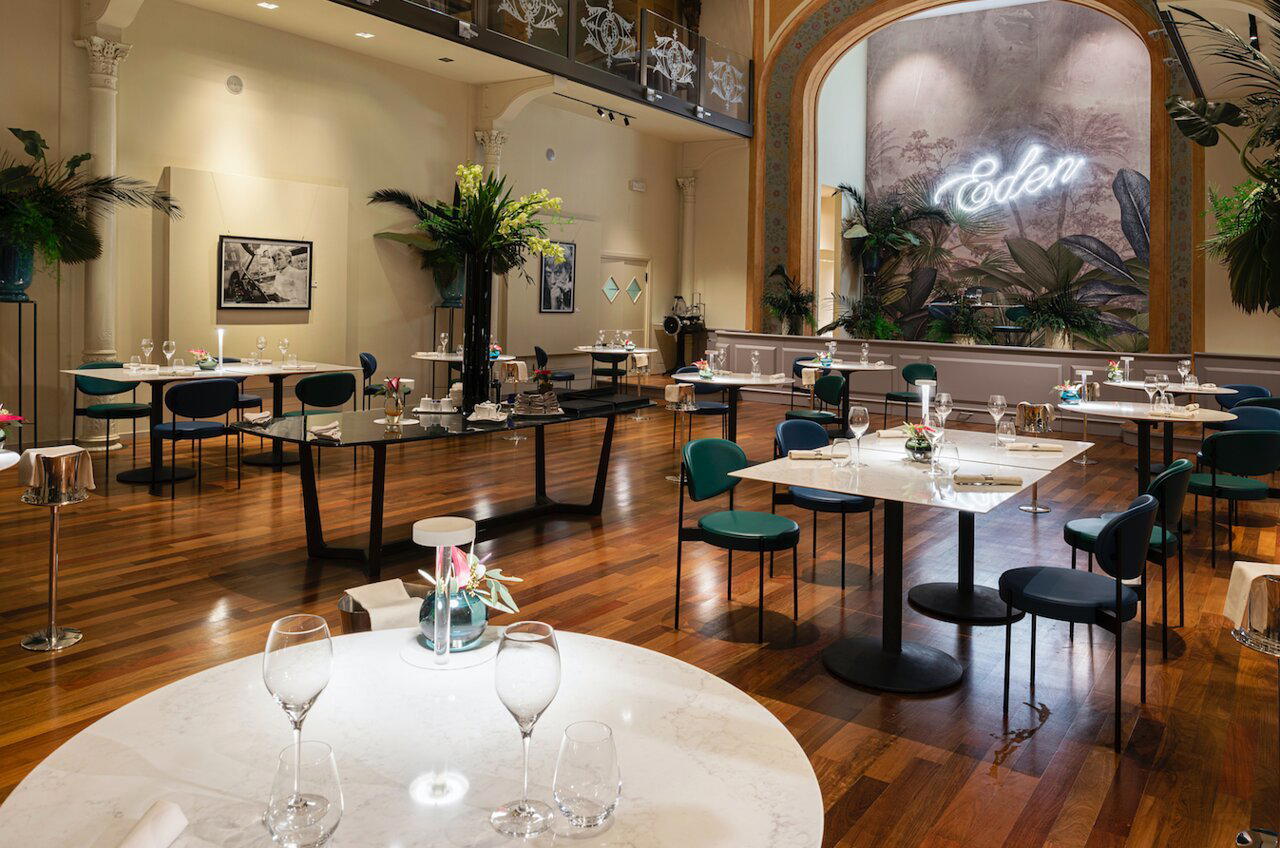
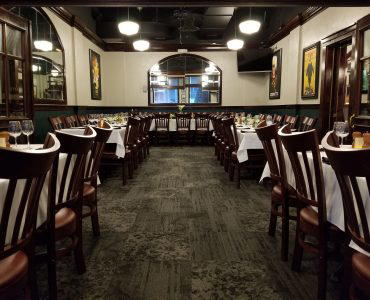
Bars in Bologna
Browse all →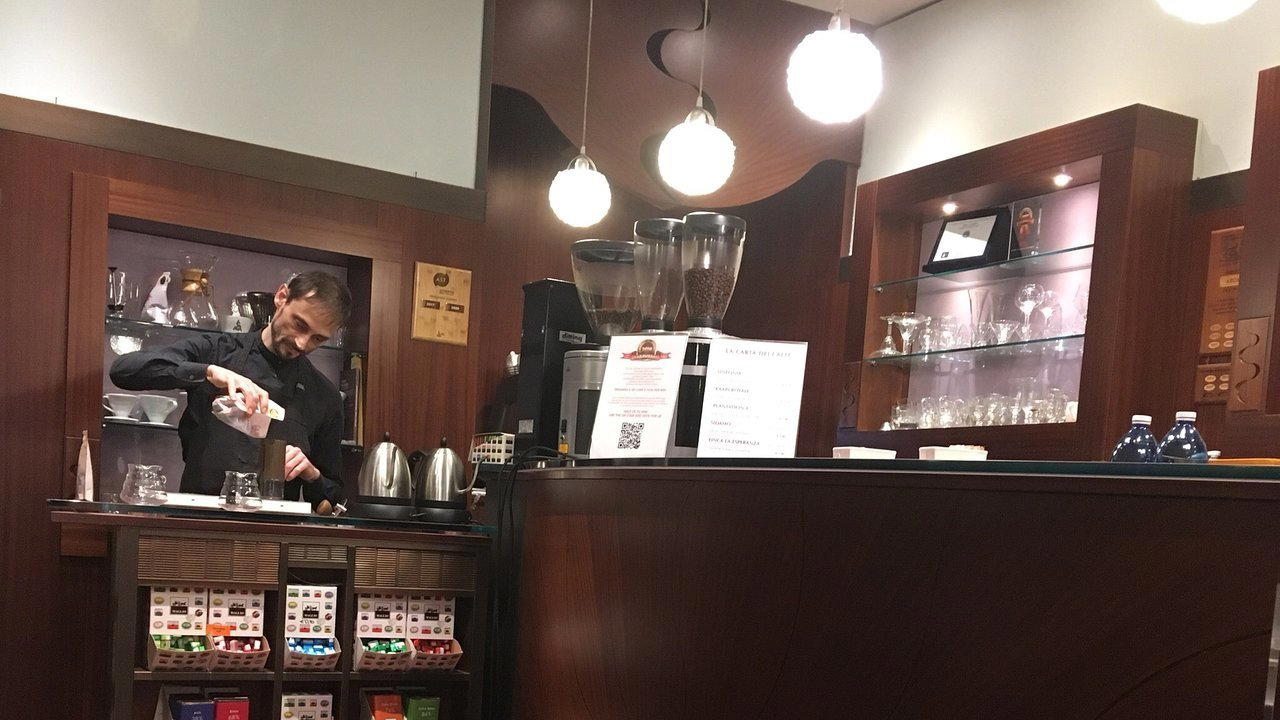
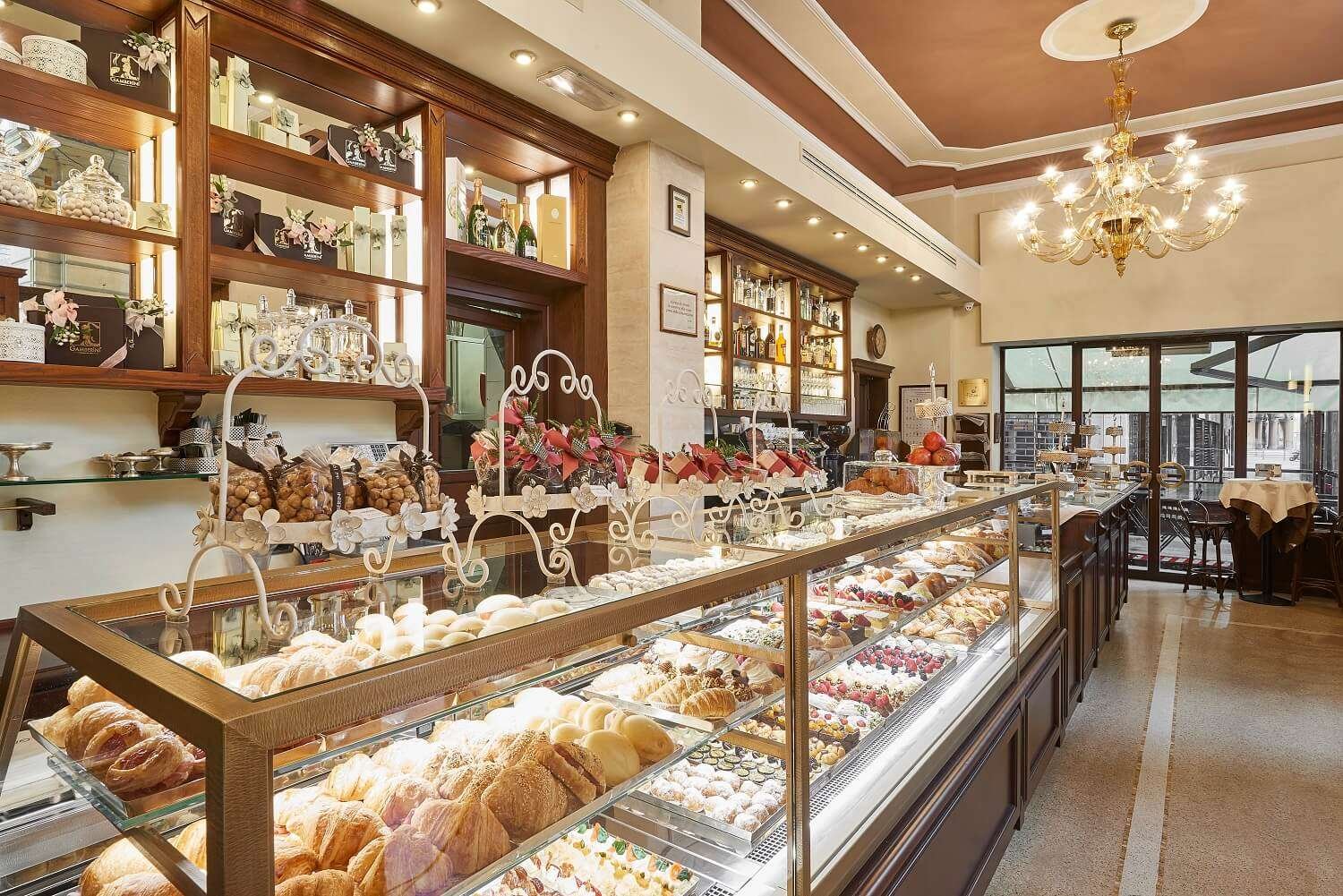
Hotels in Bologna
Browse all →

At a Glance
- Romantic
- Elegant
- Classic
- Sophisticated
- Date Night
- Special Occasion
- Celebration
- Business Dinner
- Private Dining
- Wine Cellar
- Open Kitchen
- Terrace
- Extensive Wine List
- Local Sourcing
Current opening hours
- Monday
- Closed
- Tuesday
- Closed
- Wednesday
- 7:30–10 PM
- Thursday
- 7:30–10 PM
- Friday
- 7:30–10 PM
- Saturday
- 12:30–3 PM, 7:30–10 PM
- Sunday
- 12:30–3 PM, 7:30–10 PM
Hours can change for holidays and private events. Last verified .
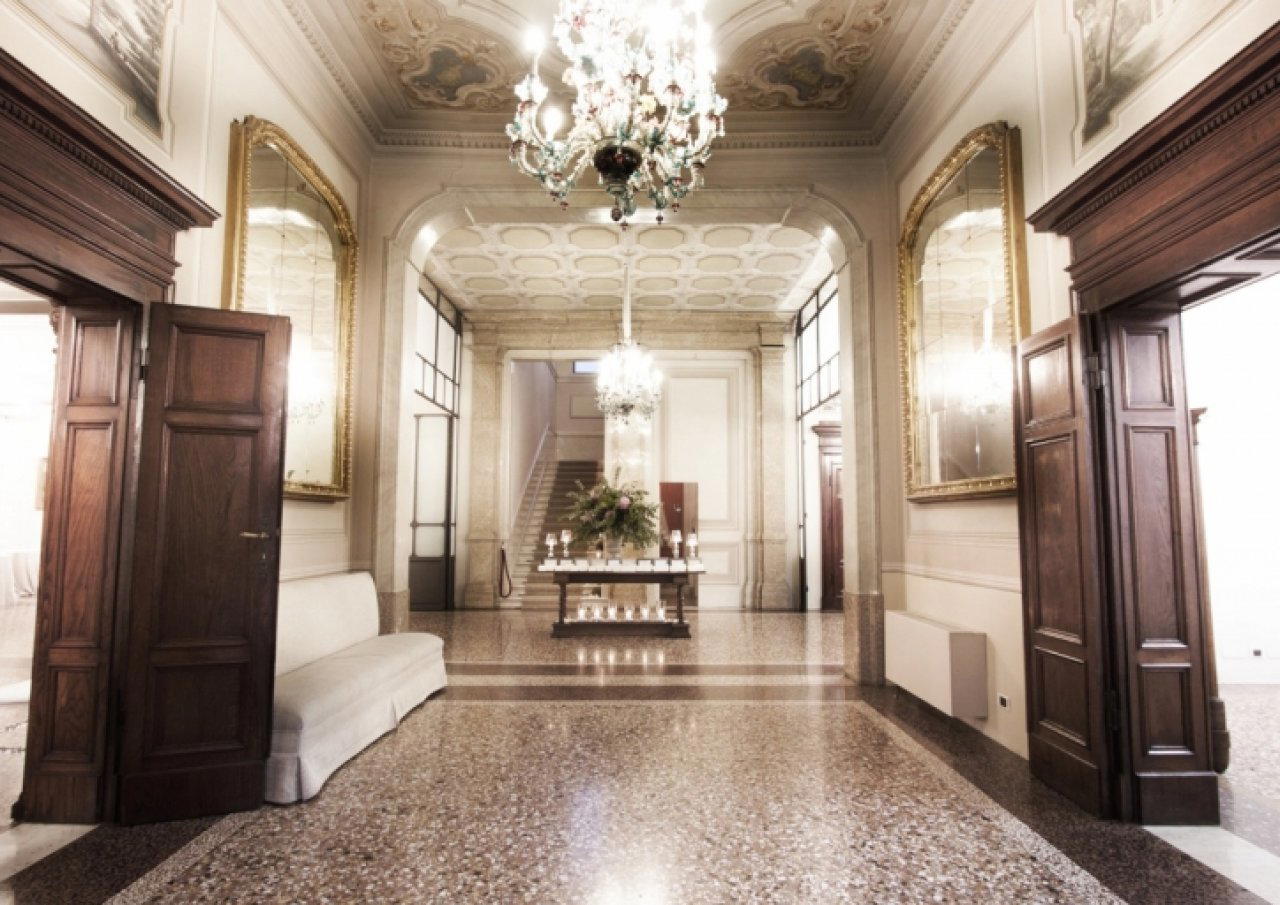
Warm, inviting family atmosphere with modern interior design touches, featuring a private dining room within the wine cellar and outdoor terrace seating.