On Via Aristotile Fioravanti, Le Golosità Di Nonna Aurora represents the strand of Bolognese eating that resists modernisation: a neighbourhood address where the cooking draws directly from Emilia-Romagna's ingredient traditions rather than from tasting-menu ambition. For visitors who want to understand what makes Bologna's food culture structurally different from the rest of Italy, this is the kind of place that supplies the answer.
Pearl is the En Primeur Club membership app — saves, bookings, and concierge access live there. Same editors, same standards.
- Address
- Via Aristotile Fioravanti, 45/b, 40129 Bologna BO, Italy
- Phone
- +39 051 357919
- Website
- facebook.com
- Directions
- Get directions
 Saves & bookings on Pearl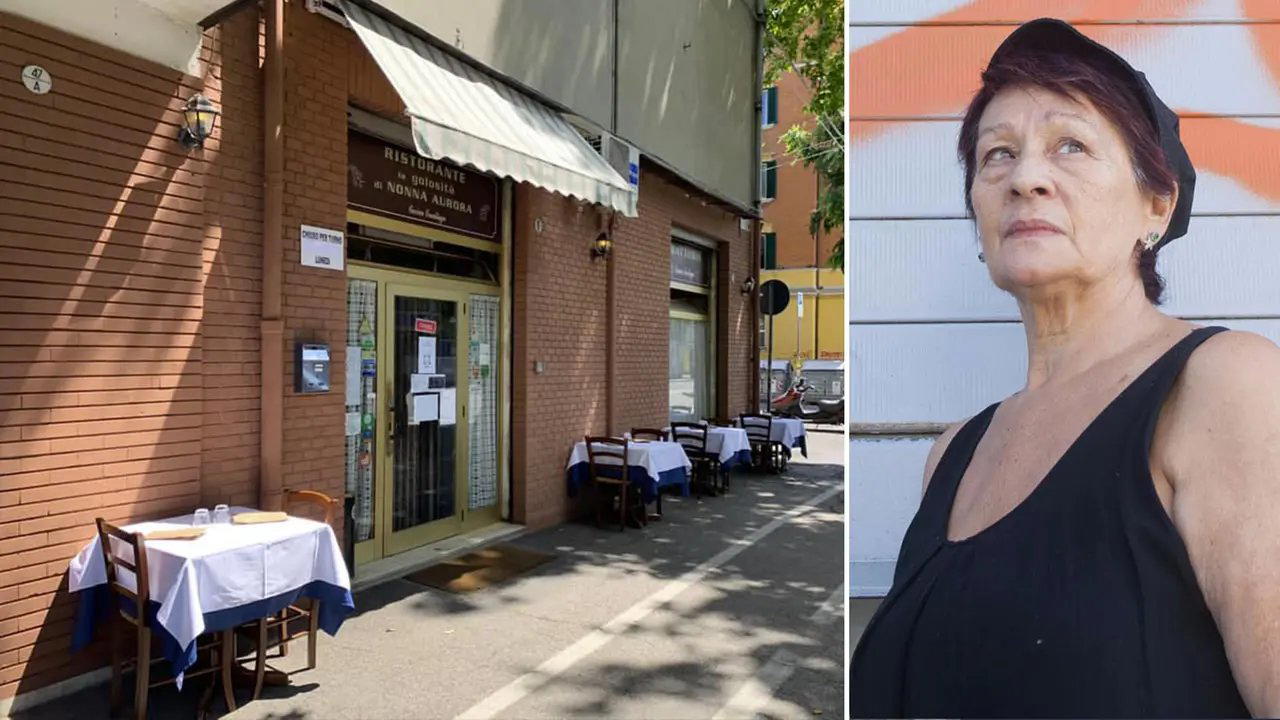
Where the Ingredient Is the Argument
Bologna earns its reputation as Italy's food capital not through Michelin density but through the quality of its raw materials and the discipline with which local cooks treat them. Emilia-Romagna produces Parmigiano-Reggiano aged to 24 months and beyond, hand-rolled egg pasta made with a ratio of dough to rolling that most other regions never attempt, and mortadella whose specifications are governed by an IGP designation rather than by any individual producer's whim. The cuisine is, in this sense, ingredient-led before it is chef-led, and any address that takes those materials seriously sits inside a tradition that runs deeper than any single kitchen. Le Golosità Di Nonna Aurora is a Traditional Bolognese Trattoria at Via Aristotile Fioravanti, 45/b, 40129 Bologna BO, Italy. It belongs to that tradition.
The address itself signals something. Via Aristotile Fioravanti sits away from the porticoed centro storico corridors where most visitors concentrate, placing the restaurant in a residential rhythm that defines a different kind of Bolognese eating: less performative, more habitually local. That physical remove from the tourist circuit is not incidental. It reflects where this category of cooking has always lived, in the neighbourhoods rather than the piazze, closer to the markets than to the monuments.
The Emilian Ingredient Logic
To understand what this kind of address does with its sourcing, it helps to understand how Emilian ingredient culture works structurally. The region operates a network of protected designations that constrain and define raw materials: Parmigiano-Reggiano, Prosciutto di Parma, Aceto Balsamico Tradizionale di Modena, Mortadella Bologna. These are not marketing categories but production frameworks with legal teeth, specifying geography, feed, aging, and process. A kitchen that uses these ingredients properly is not simply shopping well; it is participating in a supply chain that has been refined over centuries.
The nonna-inflected framing of the name points toward a specific strand of this tradition: home cooking scaled to restaurant format, where the reference point is the domestic kitchen rather than the professional brigade. Across Bologna, this model sits at the more accessible end of the price spectrum, competing with addresses like Al Cambio and Ahimè, both of which work within the Bolognese and Emilian idiom at the €€ tier. The contrast with the city's upper bracket, represented by I Portici at €€€€ with its creative Italian format, clarifies the positioning: this is cooking where the ingredient speaks directly, without the mediation of technical transformation.
What the Cooking Is Likely to Reflect
Bologna's canonical dishes are worth naming precisely because they are so often misrepresented elsewhere. Ragù alla bolognese, in its correct form, is a slow-cooked meat sauce with a low tomato content, enriched with milk or cream, and served over tagliatelle rather than spaghetti. The pasta itself, hand-rolled and cut wide, has a texture that dried pasta cannot replicate. Tortellini in brodo depends almost entirely on the quality of the broth and the delicacy of the filling, making it among the more ingredient-sensitive dishes in the canon. At the kind of address Le Golosità Di Nonna Aurora represents, these are not reconstruction exercises but live practices.
Bologna also sits within a region that produces some of Italy's most ingredient-focused fine dining: Osteria Francescana in Modena and Dal Pescatore in Runate both operate from deep engagement with local supply chains, though at a price and formality level well above this kind of neighbourhood address. Further afield, Piazza Duomo in Alba, Le Calandre in Rubano, and Reale in Castel di Sangro each demonstrate how Italian kitchens at the highest level remain anchored to regional ingredient logic even when the presentation is technically ambitious. Uliassi in Senigallia and Quattro Passi in Marina del Cantone extend that coastal Adriatic and Tyrrhenian dimension to the broader Italian ingredient picture. For a northern Alpine perspective on sourcing discipline, Atelier Moessmer Norbert Niederkofler in Brunico offers a compelling counterpoint. Outside Italy, Enoteca Pinchiorri in Florence, Enrico Bartolini in Milan, Le Bernardin in New York City, and Lazy Bear in San Francisco each represent the premium end of ingredient-first thinking in their respective cities and categories.
Within Bologna's seafood strand, Acqua Pazza at the €€€ tier and All'Osteria Bottega in the Emilian category offer adjacent points of comparison for visitors building a broader picture of the city's ingredient-sourcing approaches across different protein traditions.
Planning a Visit
The address is Via Aristotile Fioravanti, 45/b, in Bologna's northern residential belt, accessible by foot from the centro storico in roughly fifteen to twenty minutes or by a short taxi or bus journey from the main train station. Bookings are recommended. The restaurant is casual, and reservations are recommended.
How It Stacks Up
Comparable venues nearby, for context on price, style, and recognition.
| Venue | Cuisine | Price | Awards | Notes |
|---|---|---|---|---|
| Le Golosità Di Nonna AuroraThis venue — the venue you are viewing | Traditional Bolognese Trattoria | $$ | Not listed | Not listed |
| Vicolo Colombina | Traditional Bolognese Trattoria | $$ | Michelin Plate | Santo Stefano |
| Vineria Favalli | Traditional Bolognese Wine Bar | $$ | Not listed | Santo Stefano |
| Ittico Ristorante | Seafood - Cucina di Mare | $$$ | Not listed | Saragozza |
| Osteria Bartolini | Traditional Romagna Seafood Osteria | $$ | Bib Gourmand | Saragozza |
| Cardo | Authentic Italian Healthy | $$ | Not listed | Santo Stefano |
Continue exploring
More in Bologna
Restaurants in Bologna
Browse all →
Bars in Bologna
Browse all →
Hotels in Bologna
Browse all →

At a Glance
- Cozy
- Rustic
- Classic
- Intimate
- Casual Hangout
- Family
- Group Dining
- Standalone
- Local Sourcing
Current opening hours
- Monday
- Closed
- Tuesday
- 12–2 PM, 7:30–10:30 PM
- Wednesday
- 12–2 PM, 7:30–10:30 PM
- Thursday
- 12–2 PM, 7:30–10:30 PM
- Friday
- 12–2 PM, 7:30–10:30 PM
- Saturday
- 12–2 PM, 7:30–10:30 PM
- Sunday
- Closed
Hours can change for holidays and private events. Last verified .
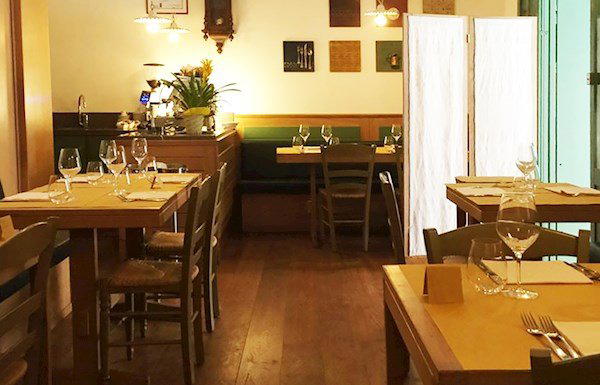
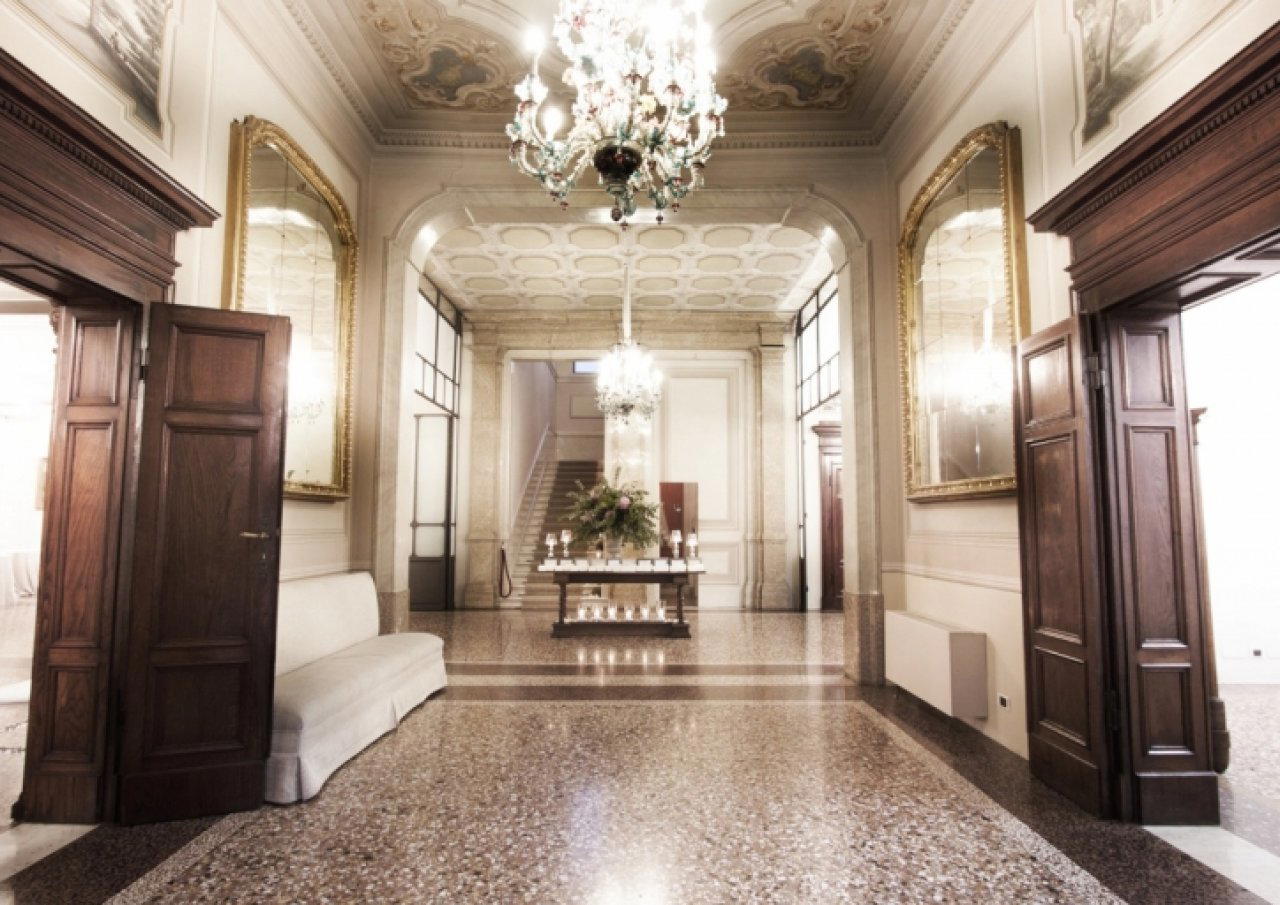
Warm and welcoming neighborhood atmosphere with simple, unpretentious decor that makes guests feel at home; informal and intimate setting typical of a traditional trattoria.