Ursprungalm
Ursprungalm sits along Almstraße in Pichl, a short drive from Schladming's ski infrastructure, and belongs to the tradition of Alpine mountain huts that serve as halfway points between valley and peak. The setting shapes the experience as much as anything on the plate, placing it within a category of Austrian dining where elevation, seasonality, and the surrounding Dachstein landscape do much of the work.
Pearl is the En Primeur Club membership app — saves, bookings, and concierge access live there. Same editors, same standards.
- Address
- Almstraße, 8973 Pichl, Austria
- Phone
- +436649038038
- Website
- ursprungalm.at
- Directions
- Get directions
 Saves & bookings on Pearl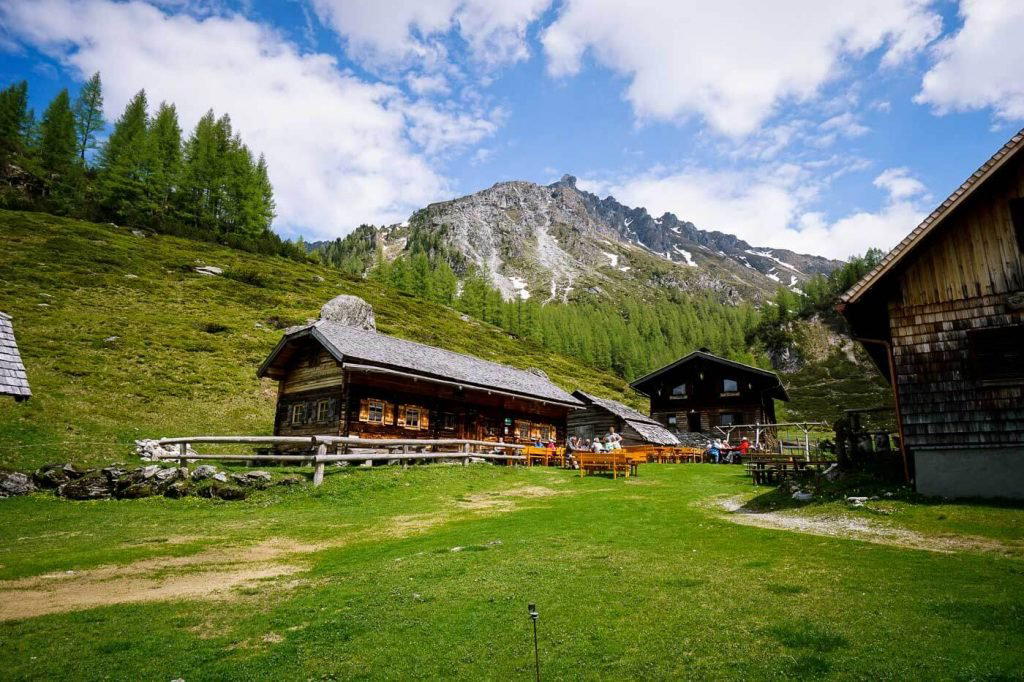
Where the Mountain Does the Heavy Lifting
The road up to Pichl from Schladming is the kind of approach that reorients your expectations before you arrive anywhere. The valley floor gives way to steeper gradients, the tree line thickens, and the built infrastructure of a Styrian ski town dissolves into something older and less managed. Ursprungalm sits along this corridor on Almstraße, and the physical approach is not incidental to the experience — it is the opening act. Austrian mountain huts occupy a distinct category in the country's dining tradition, one that operates largely outside the critical apparatus that tracks restaurants in Vienna or Salzburg. They are measured instead by location, by how faithfully they hold to seasonal rhythms, and by whether the food feels anchored to the terrain or imported from somewhere else.
That distinction matters in a region like the Schladming-Dachstein area, where several mountain stops compete for the attention of skiers, hikers, and day-trippers moving between altitude and valley. Hochwurzenalm and Hochwurzenhütte both sit higher on the Hochwurzen lift system and draw from a similar pool of visitors. What separates these stops is rarely the headline — most serve some version of Styrian classics, but rather how each handles its relationship to the surrounding season, the quality of what it pours, and whether there is anything in the glass worth pausing for.
The Drink Side of Alpine Dining
Austria's position in the wine world has shifted considerably over the past two decades. The country's Grüner Veltliner and Riesling from the Wachau and Kamptal now appear on lists at Steirereck im Stadtpark in Vienna and Landhaus Bacher in Mautern an der Donau alongside Burgundy and Barolo, treated with the seriousness those benchmarks imply. The question for mountain huts in Styria is how much of that national wine renaissance filters into the alpine tier. In many cases, the answer is: not much. Draft beer and regional Schnapps remain the dominant format, which is neither wrong nor surprising, it reflects what most visitors want after a morning on the slopes.
The more interesting mountain stops, however, have begun to take the glass more seriously, offering a short but curated selection of Styrian Sauvignon Blanc or Welschriesling alongside the expected Sturm or Jagatee. Styria's southern wine corridor, the Südsteiermark, produces whites of genuine precision, and a hut that stocks even two or three well-chosen bottles from that region is signalling something about its ambitions. Whether Ursprungalm has moved in this direction is not documented in the public record at the level of detail that would allow a confident claim, but it sits in a category where such decisions are increasingly what separates one stop from the next. For visitors who care about what ends up in the glass, the conversation is worth having at the counter rather than assuming the list defaults to whatever arrives by the crate.
The broader Austrian fine dining tier, from Obauer in Werfen to Ikarus in Salzburg and Döllerer in Golling an der Salzach, has demonstrated that the country's wine and food tradition can hold its own at international level. Mountain huts are not competing in that tier, but they exist within the same national tradition, and the best of them carry some of that seriousness downward through the altitude bands.
Styrian Food Logic at Altitude
Food logic of a Styrian Alm is not complicated: pork, dairy, root vegetables, and game, shaped by what the season produces and what can survive the journey up the mountain without losing integrity. Käsespätzle, Gulasch, and grilled meats are the grammar of this format, not departures from it. The huts that work leading are those that execute this grammar without irony or pretension, they are not trying to be something other than what they are, and that clarity of purpose is, in itself, a form of quality. What varies is sourcing precision and execution discipline, neither of which can be assessed from the valley.
For visitors coming from Schladming's town centre, the surrounding restaurant scene offers useful calibration. ARX Restaurant, da SEPP, and JOHANN GENUSSraum each operate in the valley-level tier where more formal sourcing claims and wine programs are documented and reviewable. The huts above Pichl, including Ursprungalm, operate in a different register, one where the context of the meal, the physical effort that preceded it, and the view that frames it are doing significant work that a restaurant in a town square cannot replicate.
Austrian alpine dining in this respect has parallels elsewhere. The high-altitude restaurant tradition in Switzerland, Bavaria, and even the Tyrolean corridor of western Austria, where Gourmetrestaurant Tannenhof in Sankt Anton am Arlberg and Griggeler Stuba in Lech operate, shows the full range of what altitude dining can mean, from basic thermal stops to rooms with serious kitchen programs. Ursprungalm occupies a point in that range defined more by terrain and tradition than by formal credentials.
Getting There and Planning the Visit
Pichl sits just outside Schladming proper, along the route toward the Planai and Hochwurzen lift systems. Reaching Ursprungalm on Almstraße requires road access rather than gondola, which shapes the visitor profile, this draws walkers, cyclists in summer, and drivers in winter rather than purely the lift-dependent crowd. The seasonal rhythm of a hut in this position typically follows the main Austrian mountain calendar: open during ski season from roughly December through April, and again for the hiking and cycling season from late spring through autumn. Specific hours and current seasonal status are not publicly documented at the detail level required for a firm itinerary, so confirming directly before making the journey is the sensible approach.
Visitors planning a broader alpine dining itinerary through the Austrian interior would do well to read our full Schladming restaurants guide, which maps the valley and altitude options across price points and formats. For those extending further west or north, the range from Kräuterreich by Vitus Winkler in Sankt Veit im Pongau to Ois in Neufelden and Restaurant 141 by Joachim Jaud in Mieming illustrates how seriously Austria's mid-alpine tier now treats both food and wine, even outside the cities. At the opposite end of the ambition spectrum, Le Bernardin in New York City and Atomix in New York City represent what the most formally rigorous end of the dining spectrum looks like, a useful reference point for understanding just how wide the range is within which mountain huts like Ursprungalm stake their own, more modest and entirely legitimate, claim.
Side-by-Side Snapshot
| Venue | Cuisine |
|---|---|
| UrsprungalmThis venue — the venue you are viewing | This venue |
Continue exploring
More in Schladming
Restaurants in Schladming
Browse all →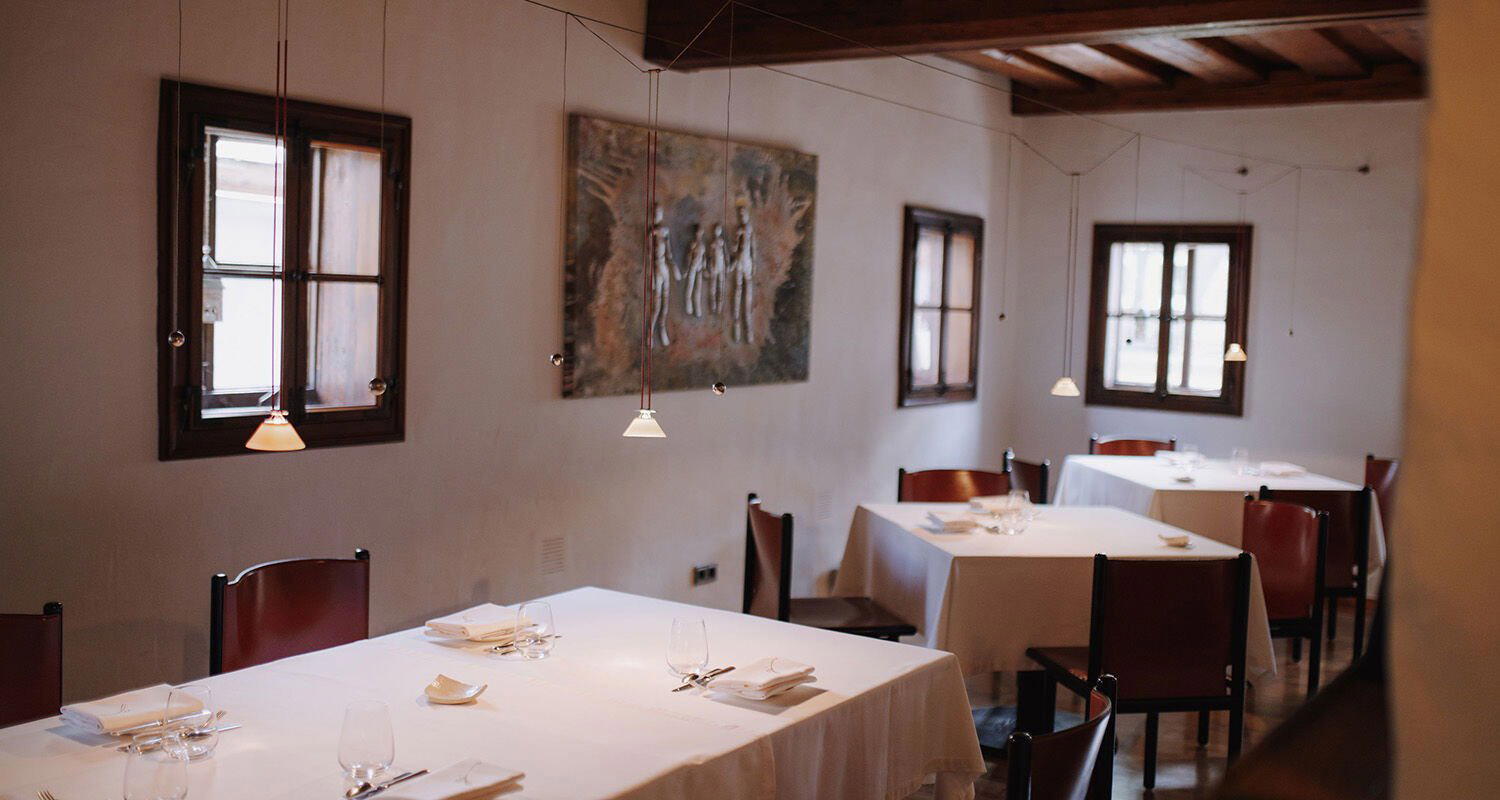
Bars in Schladming
Browse all →

At a Glance
- Rustic
- Cozy
- Scenic
- Casual Hangout
- Terrace
- Beer Program
- Local Sourcing
- Mountain
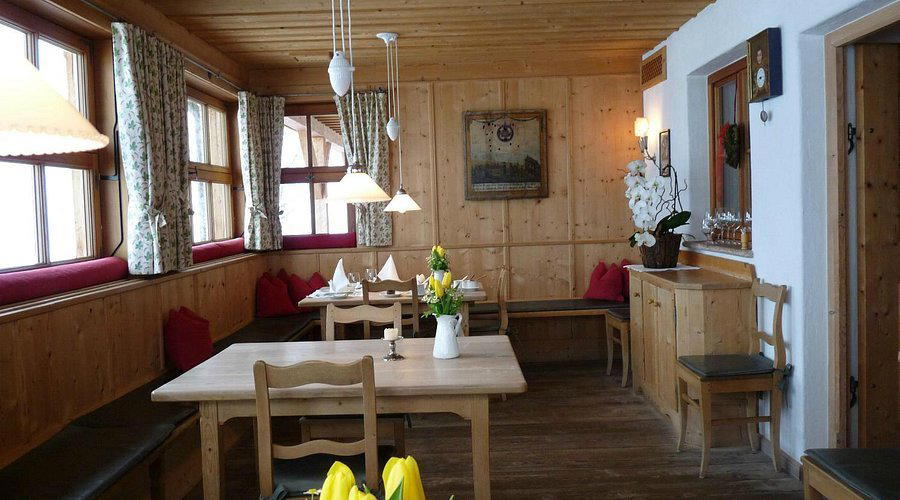
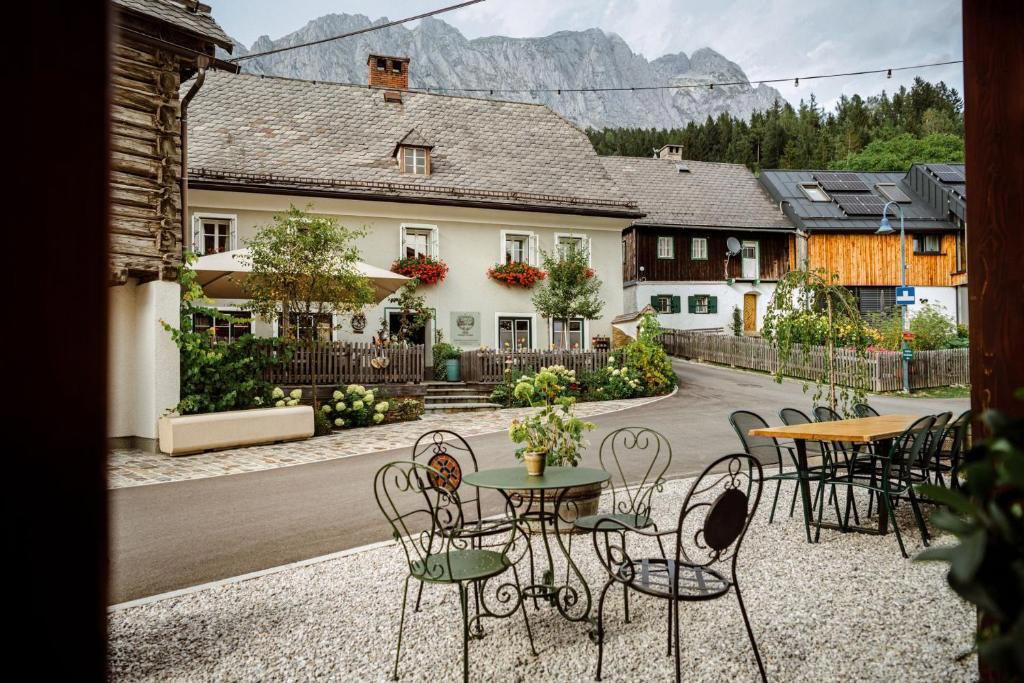
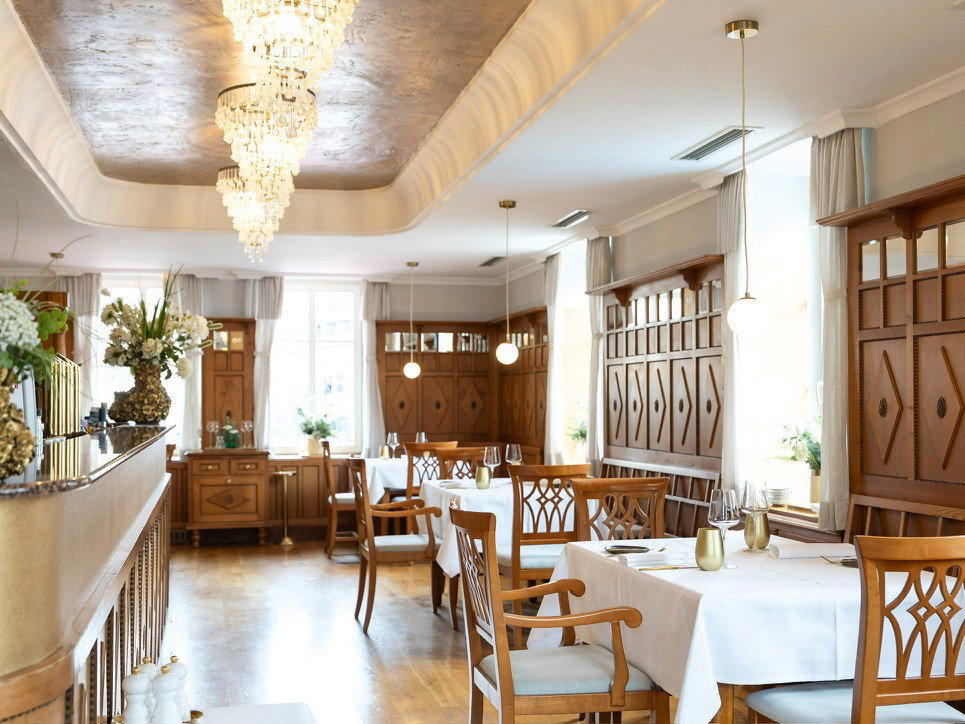
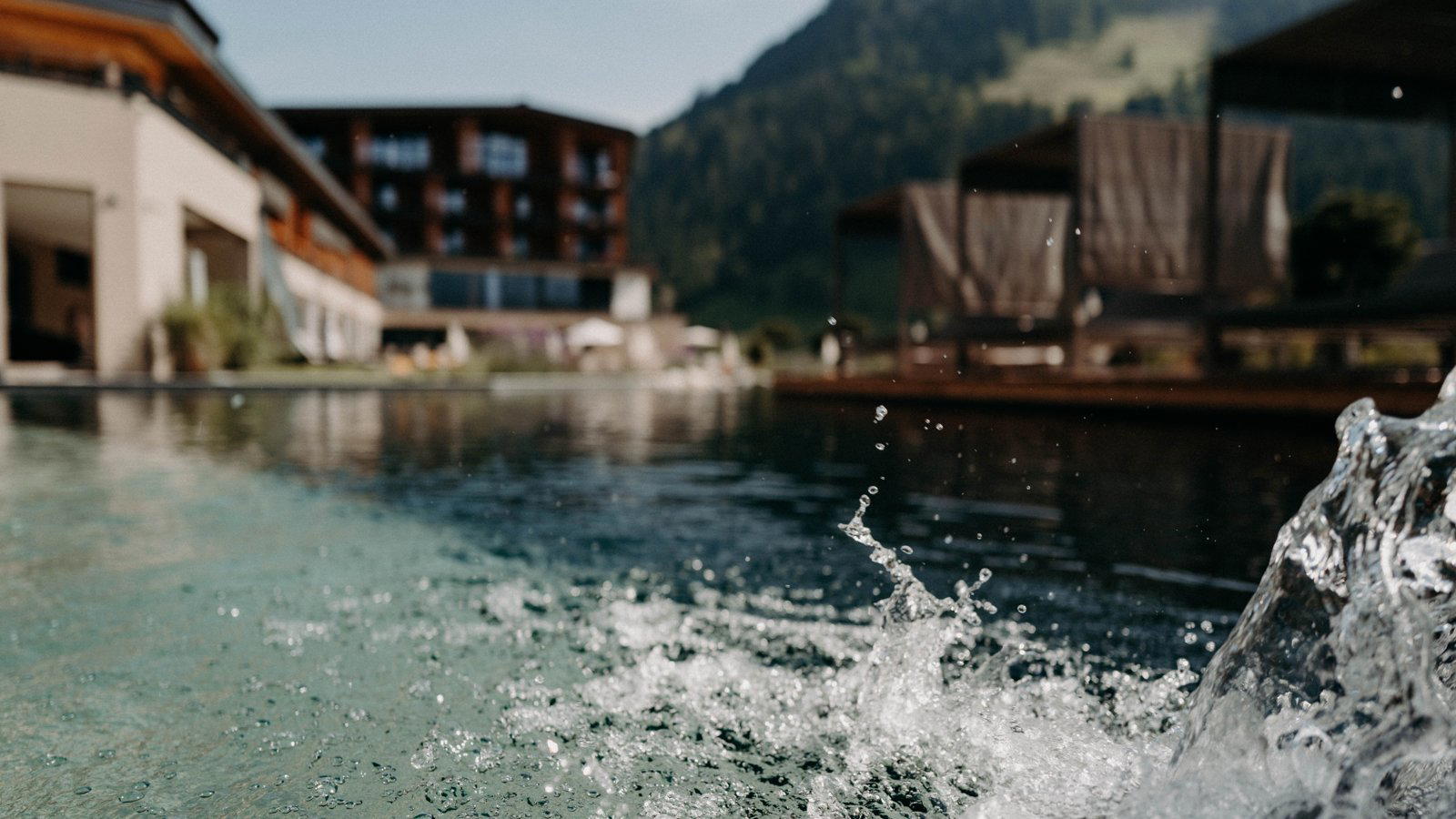
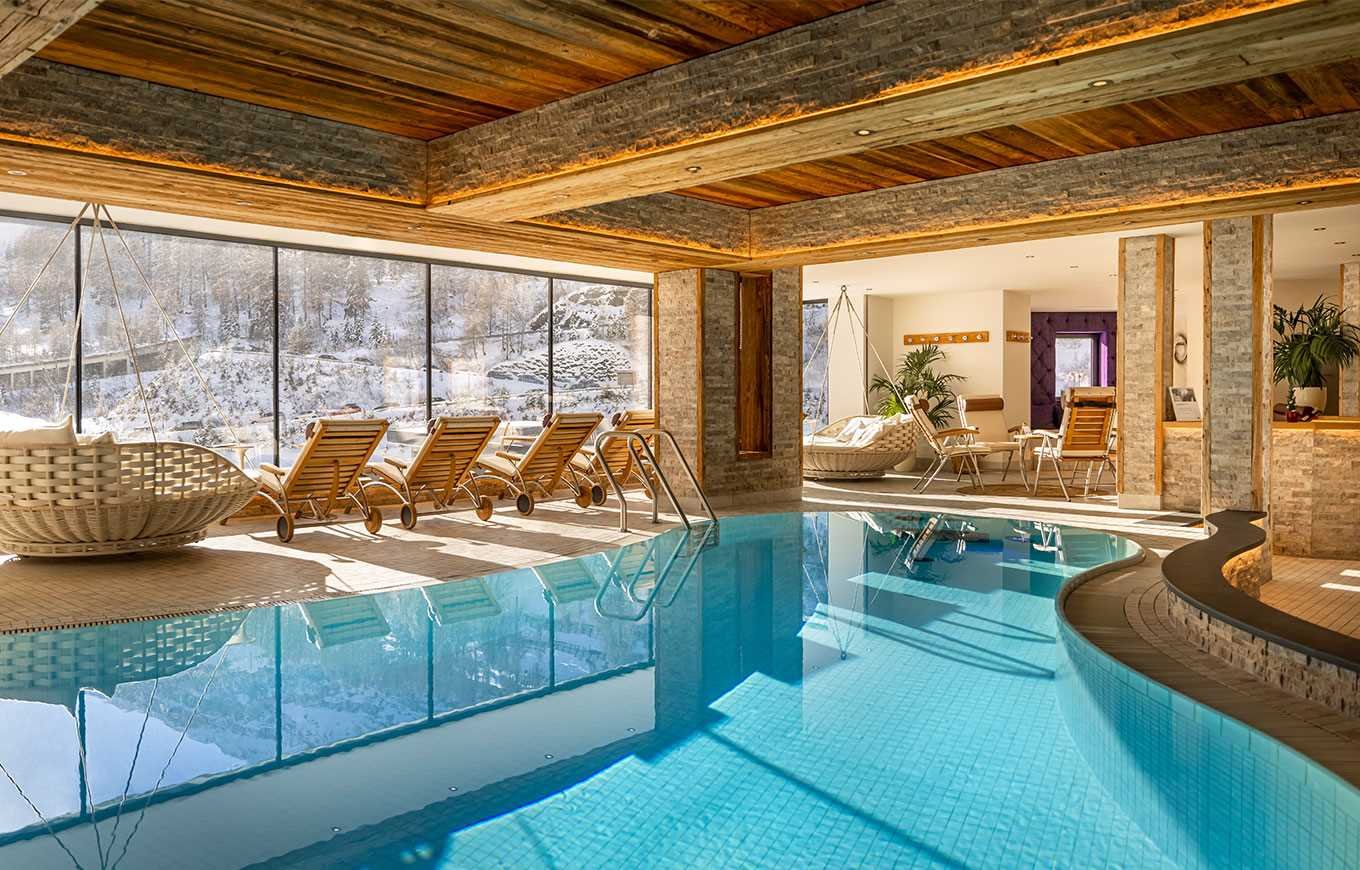
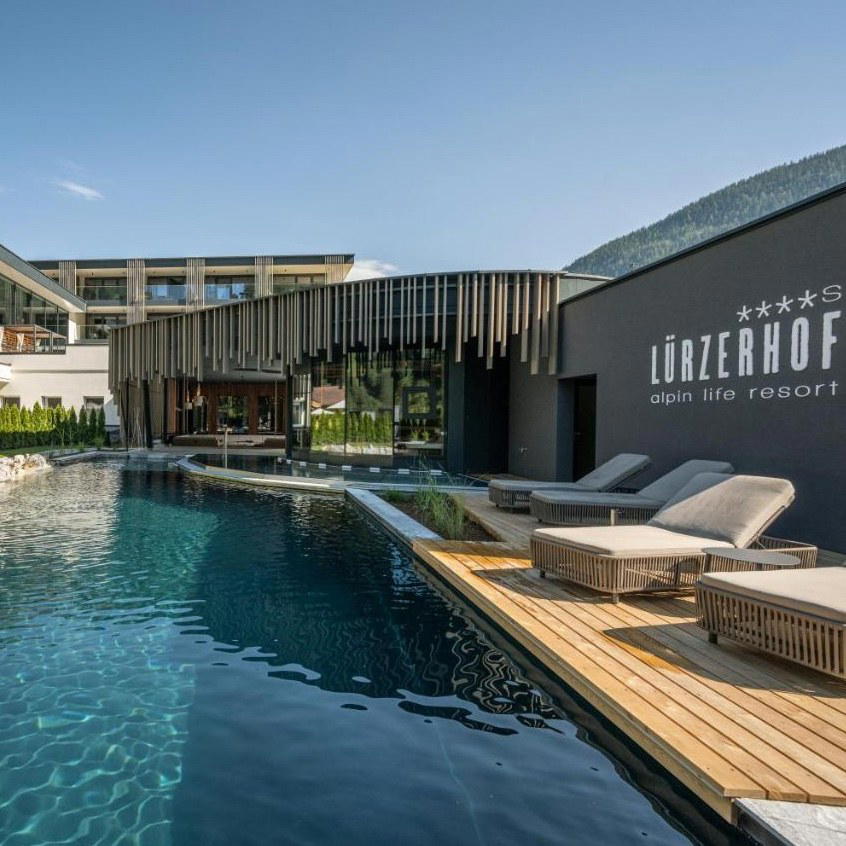
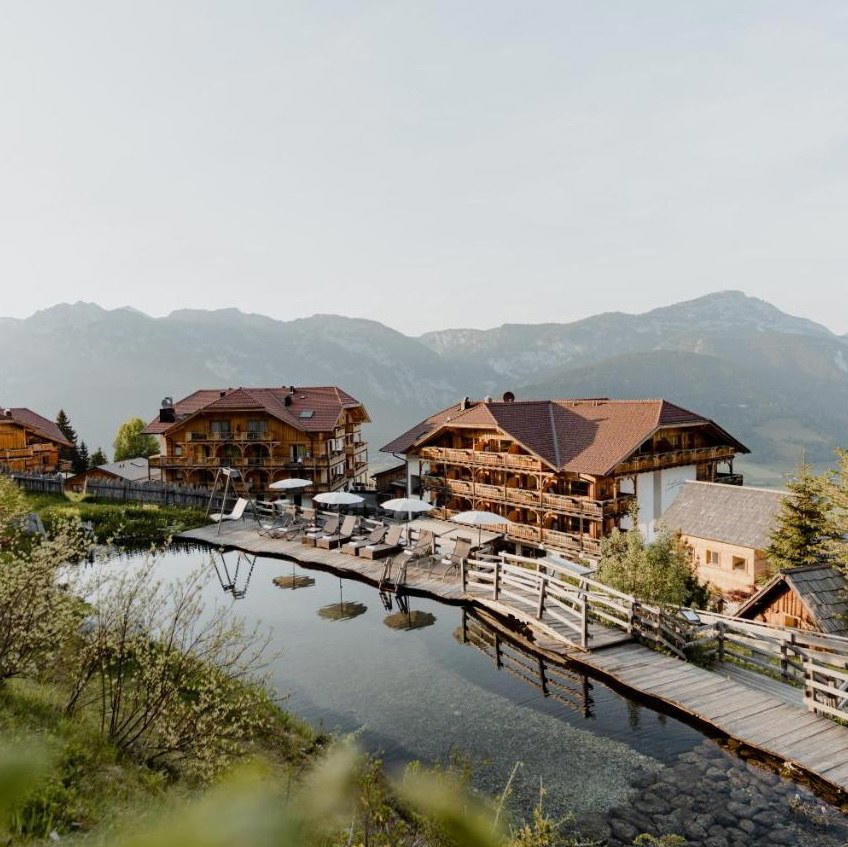
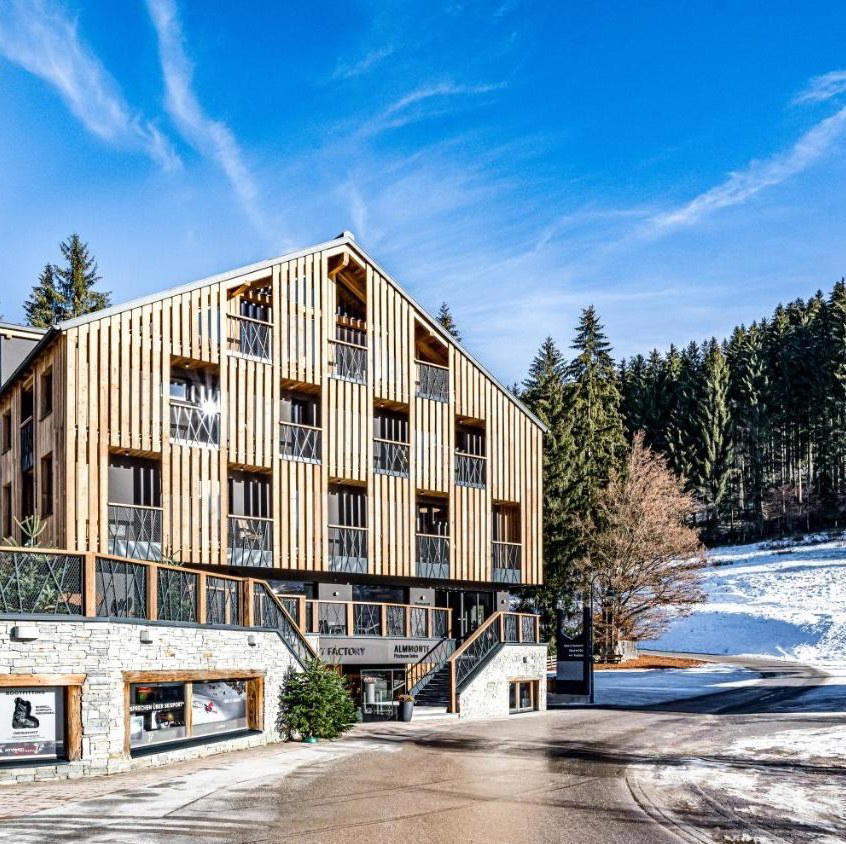
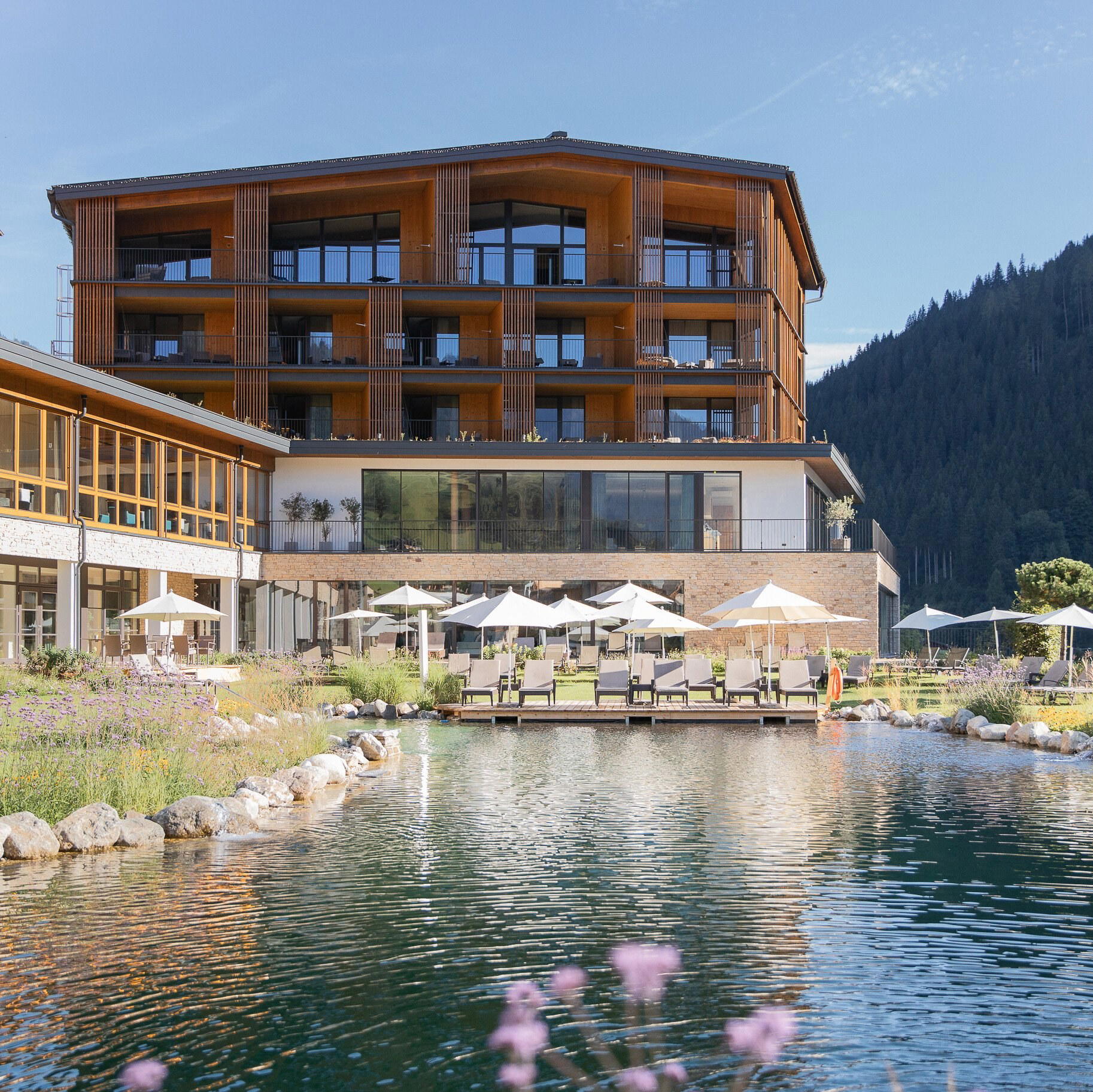
Cozy and rustic alpine hut atmosphere with incredible panoramic mountain views amid lush meadows.
Know Before You Go
- Getting there
- Almstraße, 8973 Pichl, Austria