Mühlstodl
Where the Alpine Setting Does Half the Work Approach Gleiming 43 on a winter afternoon and the sequence of sensory cues arrives before you reach the door: the crunch of compacted snow underfoot, wood smoke hanging low in cold air, the muffled...
Pearl is the En Primeur Club membership app — saves, bookings, and concierge access live there. Same editors, same standards.
- Address
- Gleiming 43, 8973 Schladming, Austria
- Phone
- +43645420107
- Website
- muehlstodl.at
- Directions
- Get directions
 Saves & bookings on Pearl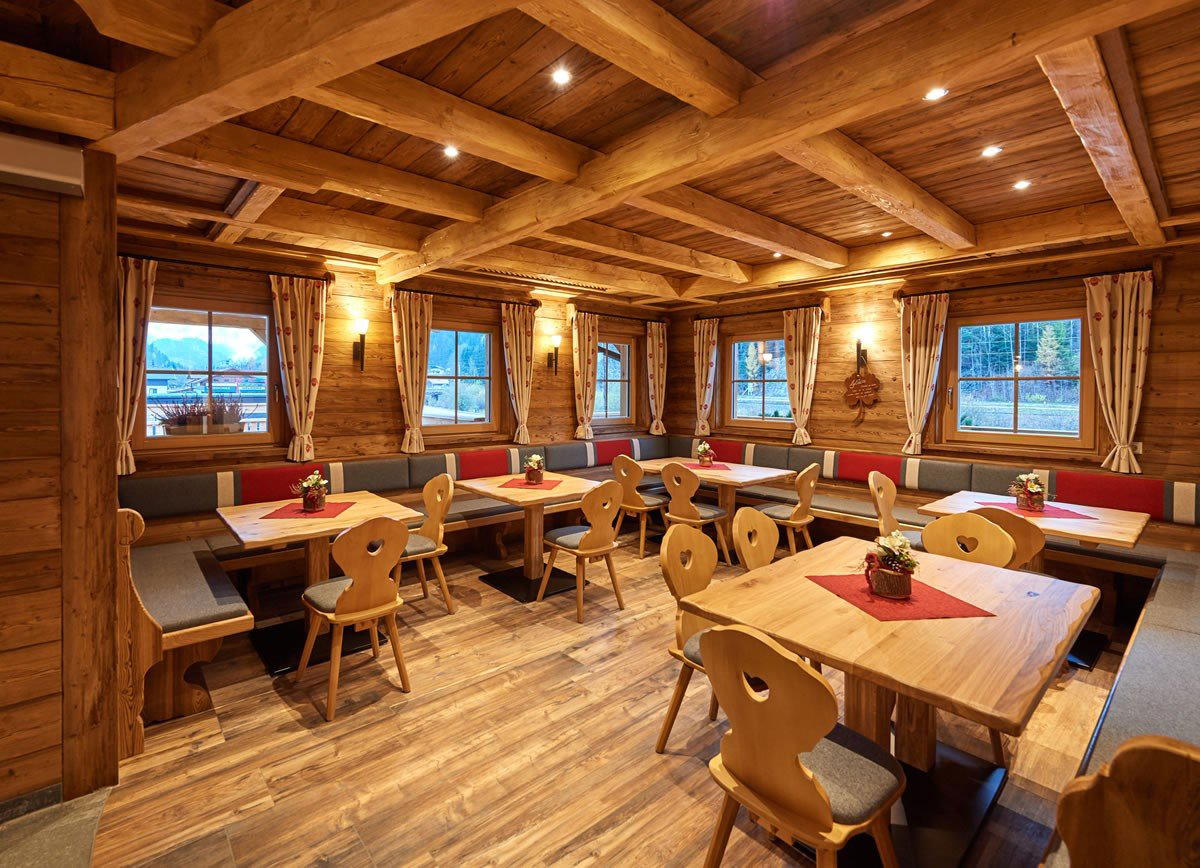
Where the Alpine Setting Does Half the Work
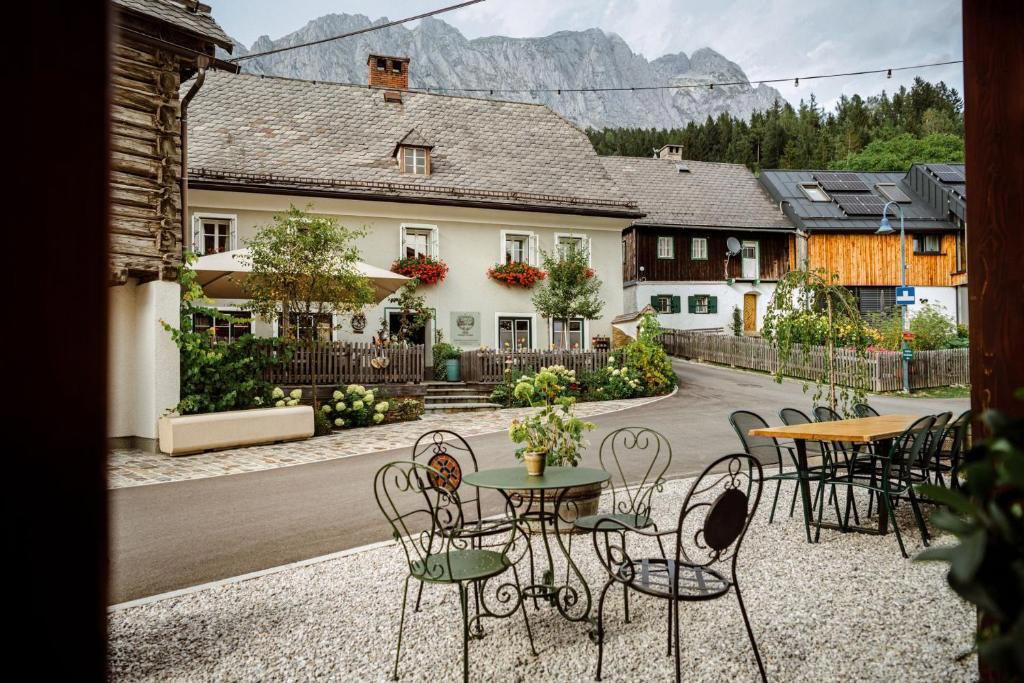
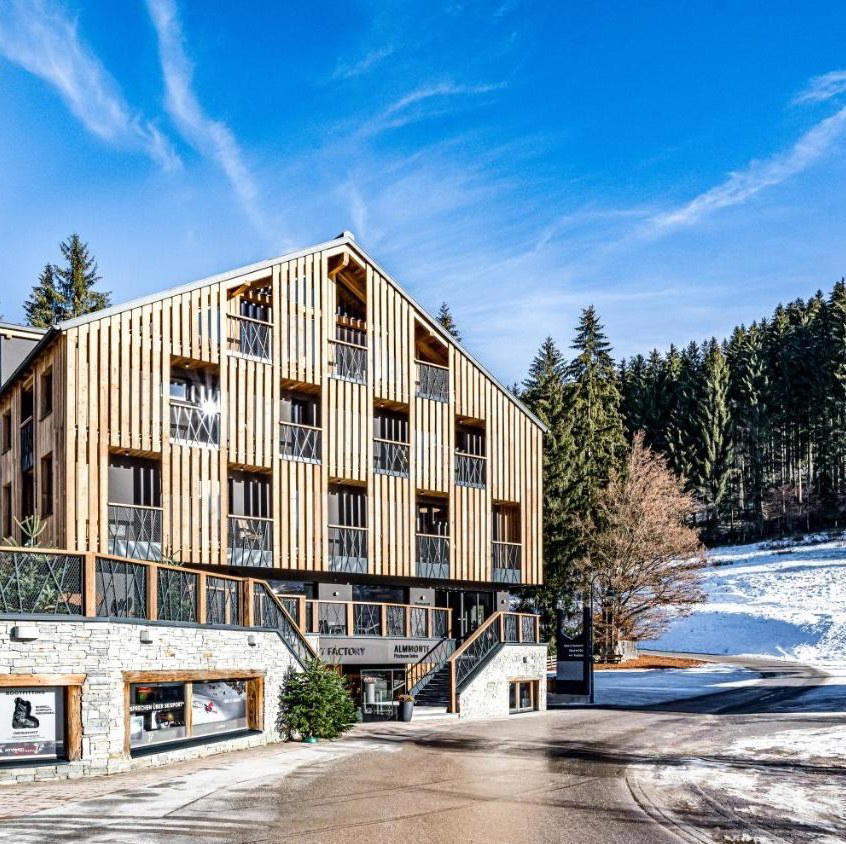
Approach Gleiming 43 on a winter afternoon and the sequence of sensory cues arrives before you reach the door: the crunch of compacted snow underfoot, wood smoke hanging low in cold air, the muffled sound of a valley that has quieted for the evening. Mühlstodl is a restaurant at Gleiming 43 in Schladming, Austria, serving Traditional Austrian Ski Hut Cuisine at a price tier of about $15 per person. It sits in Gleiming, a hamlet just outside Schladming proper, and that physical remove from the resort centre is the first thing that shapes how a visit feels. The building reads as a working Alpine structure rather than a designed hospitality object, which places it in a specific Austrian dining tradition: the Wirtshaus or Almwirtschaft that earns its reputation through cooking and atmosphere rather than through altitude drama or ski-in convenience.
The town now sustains a range of formats, from technically ambitious rooms like ARX Restaurant and the produce-focused JOHANN GENUSSraum to the mountain-hut registers of Hochwurzenalm and Hochwurzenhütte. Mühlstodl occupies a position between those poles: rooted, unpretentious, and operating in the register of the traditional Austrian country inn rather than mountain-hut catering or fine-dining ambition.
The Atmosphere Inside
The interior logic of places like Mühlstodl follows a well-established Styrian pattern. Low ceilings, wood-clad walls, and the warmth of a room that has been heated consistently through a long season create an environment where the contrast with the cold outside is the central atmospheric fact. Sound stays contained and intimate rather than bouncing across hard surfaces. In the Austrian Alpine dining tradition, this is the point: the room is designed as a refuge, and everything on the table is understood through that frame.
That physical character places Mühlstodl in the company of establishments that rely on material integrity rather than decorative styling. Across the Austrian Alpine corridor, from Styria through Salzburg and into Tyrol, durable dining houses tend to be the ones where the building itself has accumulated character over decades rather than been curated to suggest it. For reference on how regional Austria handles this tradition at a higher technical register, Döllerer in Golling an der Salzach and Obauer in Werfen show how the Gasthof format can absorb serious culinary ambition without abandoning its structural warmth.
The Styrian Dining Tradition at This Price Level
Styria produces a regional cuisine that is among the more coherent in the German-speaking world: pumpkin seed oil, Styrian beef, freshwater fish from cold-running rivers, and game that arrives reliably through autumn and winter. At the country-inn tier, these ingredients appear in their least processed forms, roasted, braised, or grilled rather than reconstructed, and the skill being demonstrated is sourcing judgment and kitchen consistency rather than technical elaboration. This is not a lesser form of cooking; it is a different one, and it asks to be read on its own terms.
The broader Austrian fine-dining conversation, anchored by establishments like Steirereck im Stadtpark in Vienna or the focused regional cooking at Kräuterreich by Vitus Winkler in Sankt Veit im Pongau, operates in a register of deliberate seasonal rotation and producer-credit menus. The country inn sits below that technically but not culturally: it carries the same ingredient logic without the tasting-menu architecture. da SEPP in Schladming represents an adjacent format, the kind of Styrian kitchen where regional identity is expressed through direct execution rather than conceptual framing.
Planning a Visit
Both windows draw visitors to Gleiming and the surrounding valley. A visit to Mühlstodl fits most naturally into winter, when the contrast between the outdoor cold and the warmth of a wood-heated dining room carries greater weight, though the summer version, with the valley green and quieter, offers a different but equally legible version of the same experience. For those comparing the mountain-hut format higher on the slopes, Hochwurzenalm and Hochwurzenhütte occupy a more exposed Alpine register and suit different moods within the same trip.
Gleiming is reachable by car from Schladming in a short drive; specific travel times depend on road conditions in winter and whether you are approaching from the valley floor or the upper road.
Those building a longer Austrian itinerary around serious eating will find useful comparison in the Tyrolean Alpine dining tradition at Gourmetrestaurant Tannenhof in Sankt Anton am Arlberg and Griggeler Stuba in Lech, or the Salzburg region's more structured fine-dining offer at Ikarus in Salzburg. For a sense of how the Gasthof tradition translates to riverine Niederösterreich, Landhaus Bacher in Mautern an der Donau is the clearest point of reference. Outside Austria entirely, the discipline of letting a single strong regional identity carry a menu, without elaborating it into abstraction, is something that connects places as different as Le Bernardin in New York City and Atomix in New York City to the country-inn tradition, even if the formats could not look more different. Closer to home, Ois in Neufelden and Restaurant 141 by Joachim Jaud in Mieming show the range of what regional Austrian cooking looks like when it steps away from convention.
Same-City Peers
Comparable venues nearby, for context on price, style, and recognition.
| Venue | Cuisine | Price | Notes |
|---|---|---|---|
| MühlstodlThis venue — the venue you are viewing | Traditional Austrian Ski Hut Cuisine | $$ | Not listed |
| da SEPP | Modern Austrian Alpine Cuisine | $$ | Rohrmoos-Untertal |
| REITERALMHÜTTE | Austrian Mountain Hut | $$ | Reiteralm |
| Onkel Willy's Hütte | Traditional Austrian Mountain Hut | $$ | Planai |
| Weitmoosalm | Traditional Austrian Alpine | $$ | Planai |
| Seiterhütte | Traditional Styrian Mountain Hut | $$ | Rohrmoos-Untertal |
Continue exploring
More in Schladming
Restaurants in Schladming
Browse all →
Bars in Schladming
Browse all →


Hotels in Schladming
Browse all →
Wineries in Schladming
Browse all →
At a Glance
- Cozy
- Rustic
- Modern
- Casual Hangout
- After Work
- Open Kitchen
- Terrace
- Beer Program
- Local Sourcing
- Organic
- Mountain
Cozy-modern ambiance with a traditional yet contemporary feel, well-suited for après-ski.