REITERALMHÜTTE
A traditional mountain hut on the slopes above Schladming, Reiteralmhütte occupies a position that puts it among the region's alpine dining stops where the physical setting does much of the editorial work. Sitting at Preunegg 51, it draws visitors looking for a break from the piste or trail in a format that prioritises place over polish. For context on how it compares to other Schladming options, see our full city guide.
Pearl is the En Primeur Club membership app — saves, bookings, and concierge access live there. Same editors, same standards.
- Address
- Preunegg 51, 8973 Schladming, Austria
- Phone
- +436641377344
- Website
- schladming-dachstein.at
- Directions
- Get directions
 Saves & bookings on Pearl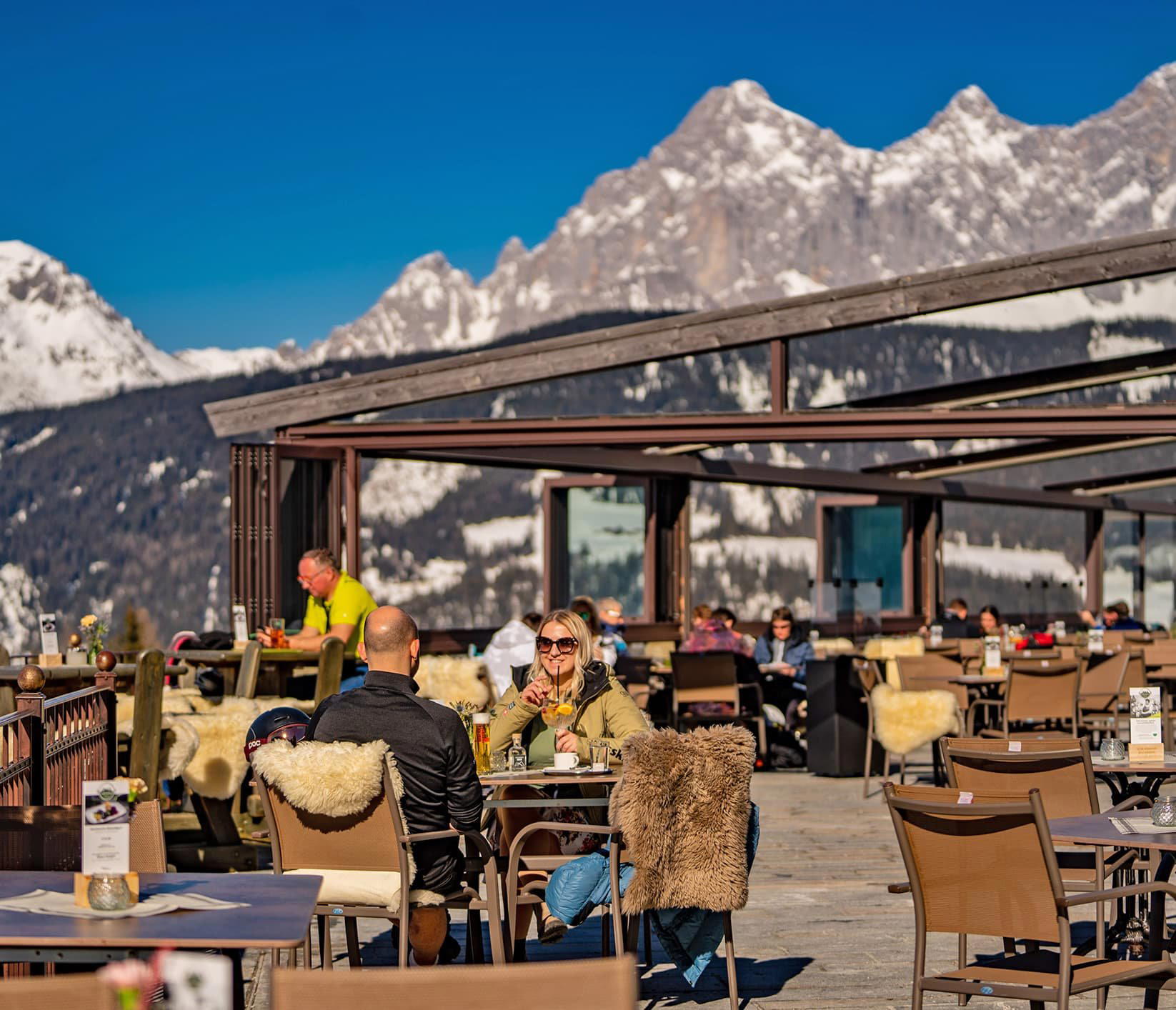
Where the Mountain Does the Talking
Alpine huts in the Schladming-Dachstein region operate on a logic that has little in common with urban restaurant culture. The building itself, timber-framed, low-ceilinged, positioned at altitude with views that make the dining room feel almost incidental, is the primary draw. Reiteralmhütte, addressed at Preunegg 51 on the slopes above Schladming, follows that logic without apology. Approaching the hut, the surrounding terrain frames the experience before you reach the door: open hillside, the Reiteralm ski area spread around it, and the kind of quiet that lower-altitude venues in the same region simply cannot replicate.
The Austrian alpine hut category splits, broadly, between two formats. One is the large, well-heated gastronomy operation that functions as a midway station on a ski or hiking circuit, with an efficient kitchen and a menu built for volume. The other is the smaller, more characterful hut where the space itself slows things down, where the bench seating, the worn wooden surfaces, and the compressed interior create an atmosphere that is part of what you are paying for. Reiteralmhütte sits in the second tier of that split, in a region where several properties compete for the visitor who wants something beyond a functional refuelling stop.
The Physical Container: Space and Setting Above Schladming
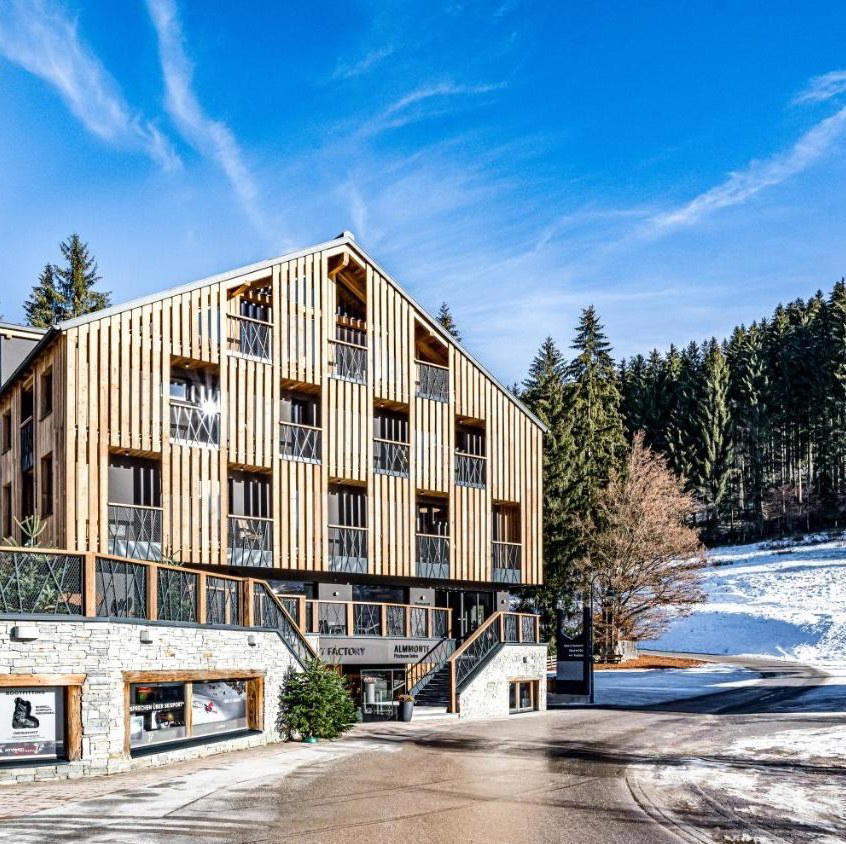
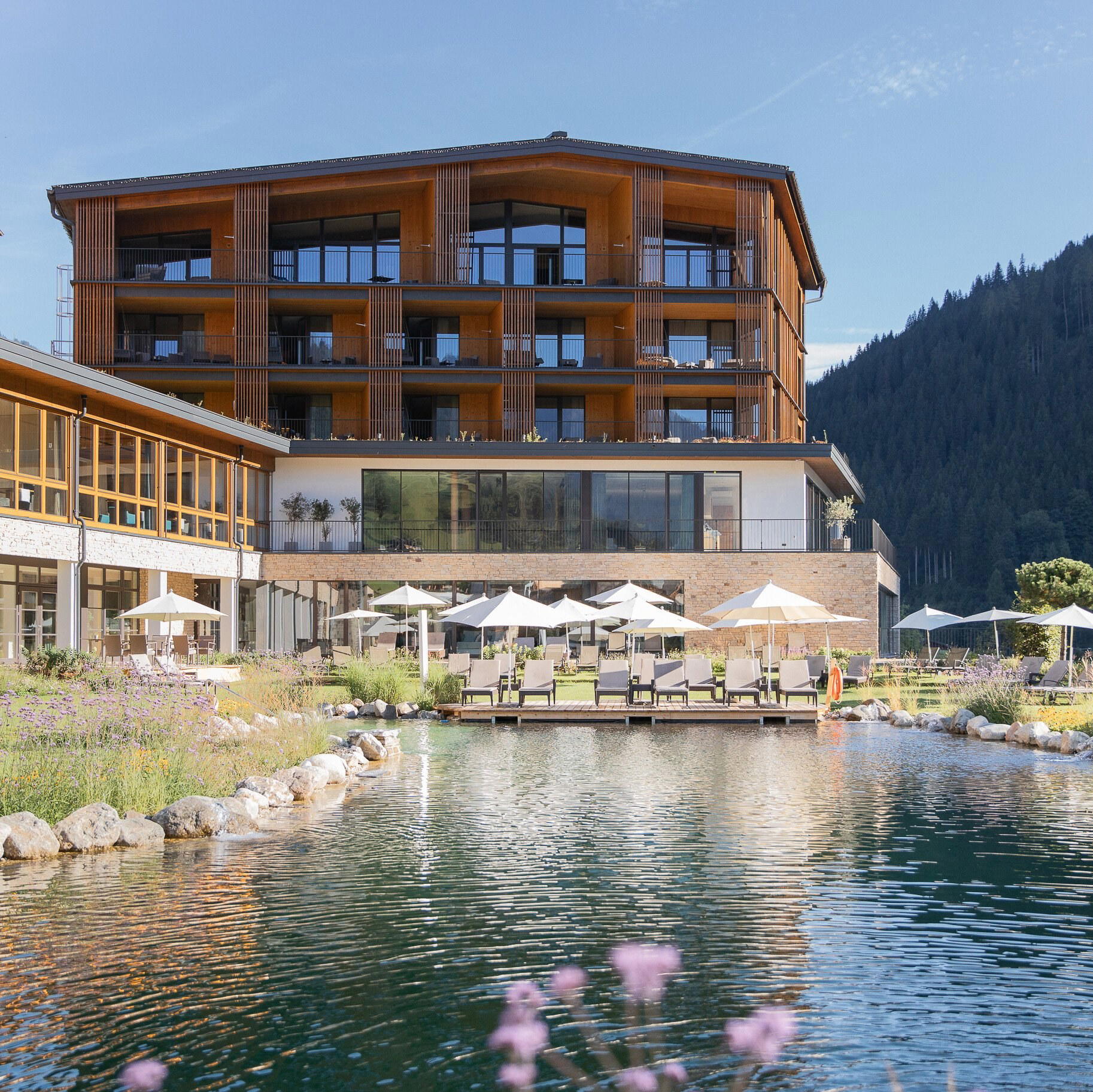
The editorial angle that matters most at a place like this is the architecture of the space, because in the alpine hut format, the building is inseparable from the offer. Traditional Styrian mountain huts of this type tend to be built low to the ground, with structural timber doing most of the aesthetic work. Exposed beams, narrow window frames that frame the exterior landscape like paintings, and interiors where every surface carries the patina of seasons, these are not design choices in the contemporary sense, but accumulated material history. The space reads differently in winter than in summer: in ski season, the compression of the interior against the cold outside creates one kind of atmosphere; on a clear summer afternoon with the terrace open, the experience opens outward entirely.
Among Schladming's mountain-adjacent dining options, the distinction of altitude and access matters. Hochwurzenalm and Hochwurzenhütte sit on the Hochwurzen side of the resort, giving them a different relationship to the ski infrastructure. Reiteralmhütte, on the Reiteralm side, draws from a visitor flow that tends to be slightly quieter, which shapes the pace and density of the dining experience. The hut's position is part of its offer in a way that cannot be separated from the cuisine discussion.
The Styrian Mountain Table: What the Region Expects
Styria has a clearly defined culinary identity, and the alpine hut format within Styria operates within it. Expect hearty, fat-forward cooking rooted in pork, game, dairy, and grain: Stelze, Gulasch, Tiroler Gröstl (or its Styrian equivalents), cheese-laden Spätzle, and clear broths that perform a specific restorative function at altitude. These are not dishes that aspire to the register of, say, Steirereck im Stadtpark in Vienna or Döllerer in Golling an der Salzach, and they are not trying to be. The hut kitchen is a different discipline, one that prioritises warmth, portion, and familiarity over technique-forward refinement.
The Austrian alpine hut tradition has remained largely resistant to the kind of menu evolution that has reshaped mid-mountain dining in parts of Switzerland and northern Italy. That conservatism is, in many cases, the point. Visitors arriving at a hut like this are not looking for the ambition of Ikarus in Salzburg or the precision of Gourmetrestaurant Tannenhof in Sankt Anton am Arlberg. They are looking for the dish that makes sense at 1,400 metres after two hours on the slope or trail, served in a room that feels built for exactly that purpose.
Within Schladming itself, the dining scene has a clear tiering. ARX Restaurant and JOHANN GENUSSraum represent the more refined end of the local offer, while da SEPP sits closer to the traditional Gasthof register. Mountain huts like Reiteralmhütte operate on a different axis entirely, one where the journey to the table is as much a part of the experience as anything that arrives on it.
Planning Your Visit: Access, Season, and Context
Reiteralmhütte is accessible from the Schladming base area via the Reiteralm ski lifts in winter, and by foot or mountain bike trail in the warmer months. The Reiteralm sector of the Schladming-Dachstein ski area covers terrain across several interconnected lifts, and the hut sits within reach of that network. Timing matters here more than at lower-altitude options: mid-morning to early afternoon is typically when mountain huts of this type see their peak flow, as skiers or hikers reach the natural pause point in their day. Arriving later in the afternoon can mean a quieter experience, though availability of hot food may narrow accordingly.
For visitors planning a broader alpine food itinerary across Austria, the contrast between hut dining and the country's formal restaurant circuit is worth understanding. The long tradition of serious mountain cooking extends across the alpine regions, with properties like Obauer in Werfen, Landhaus Bacher in Mautern an der Donau, Kräuterreich by Vitus Winkler in Sankt Veit im Pongau, Ois in Neufelden, and Restaurant 141 by Joachim Jaud in Mieming representing the upper tier of Austrian regional cooking. Griggeler Stuba in Lech shows how the mountain setting and formal ambition can coexist. Reiteralmhütte operates at a different point on that spectrum, the hut end, where informality and setting take precedence over kitchen ambition.
The hut category within that guide represents a specific kind of value proposition: one measured less in kitchen credentials and more in the quality of the hour spent on a mountain above a town that takes its alpine character seriously.
Just the Basics
Comparable venues nearby, for context on price, style, and recognition.
| Venue | Cuisine | Price | Notes |
|---|---|---|---|
| REITERALMHÜTTEThis venue — the venue you are viewing | Reiteralm, Austrian Mountain Hut | $$ | Not listed |
| Hochwurzenalm | Schladming, Styrian Alpine Cuisine | $$ | Not listed |
| Onkel Willy's Hütte | Not listed | $$ | Planai, Traditional Austrian Mountain Hut |
| Schnepf'n Alm | Not listed | $$$ | Reiteralm, Traditional Styrian Alpine Cuisine |
| Seiterhütte | Not listed | $$ | Rohrmoos-Untertal, Traditional Styrian Mountain Hut |
| Steireralm | Reiteralm, Traditional Austrian Ski Hut | $$ | Not listed |
Continue exploring
More in Schladming
Restaurants in Schladming
Browse all →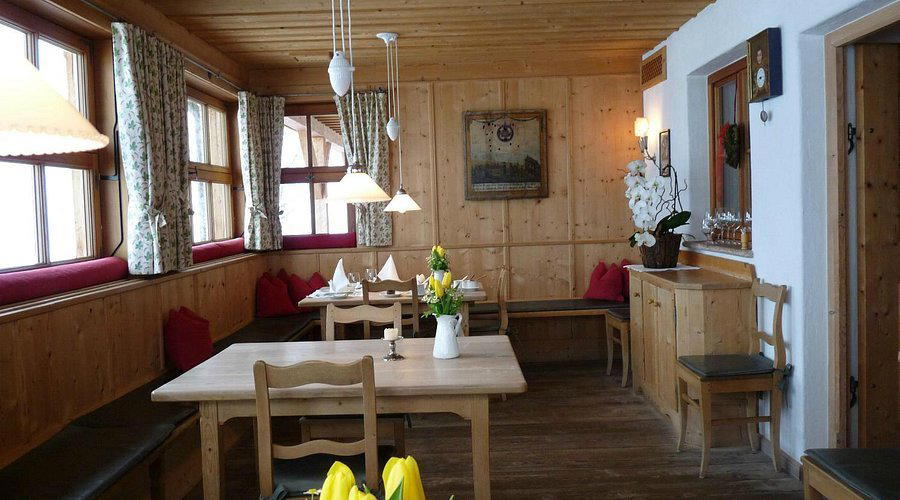
Bars in Schladming
Browse all →


Hotels in Schladming
Browse all →
Wineries in Schladming
Browse all →
At a Glance
- Scenic
- Rustic
- Cozy
- Casual Hangout
- Family
- Panoramic View
- Standalone
- Beer Program
- Mountain