Waldhäuslalm
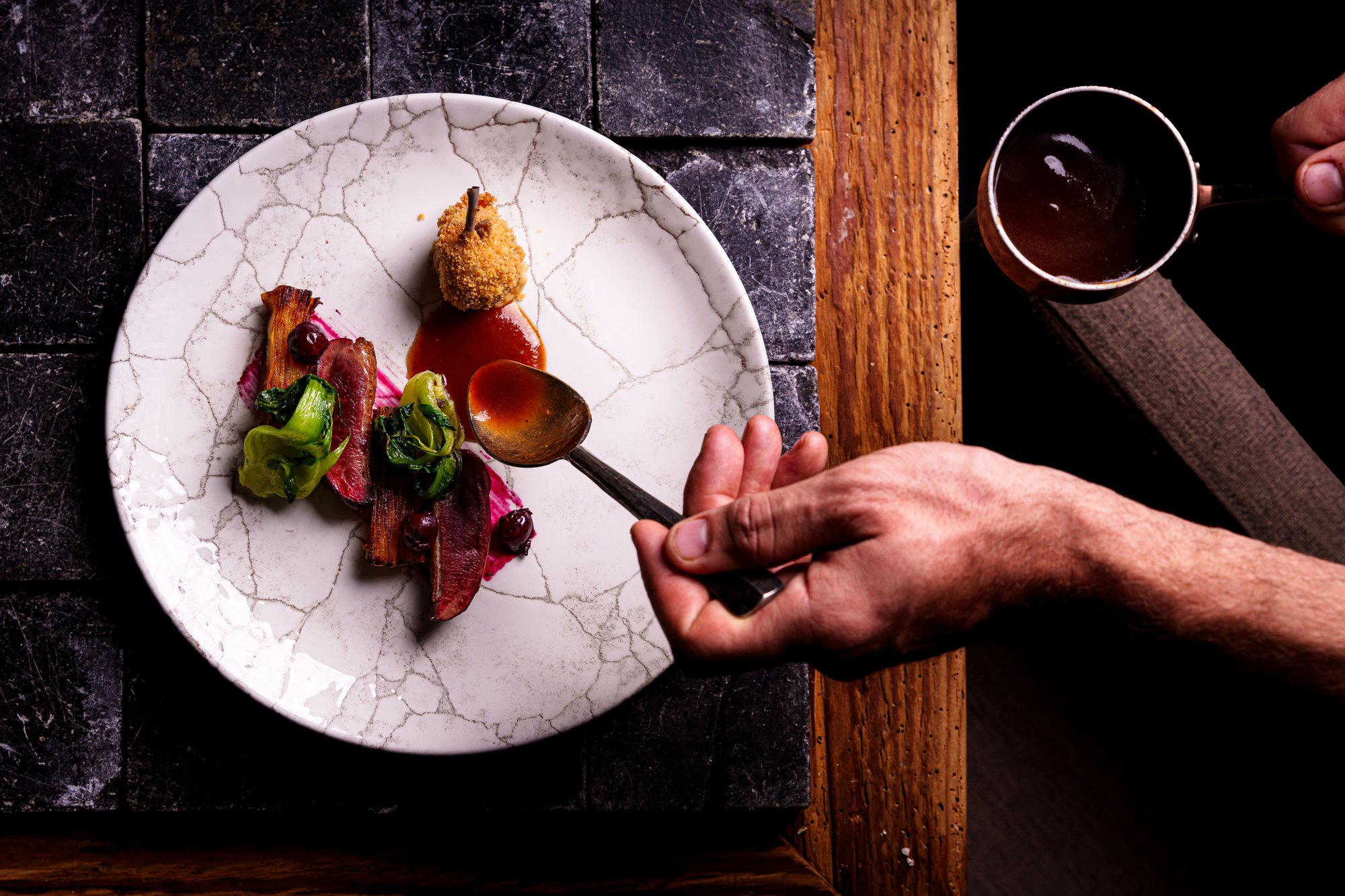
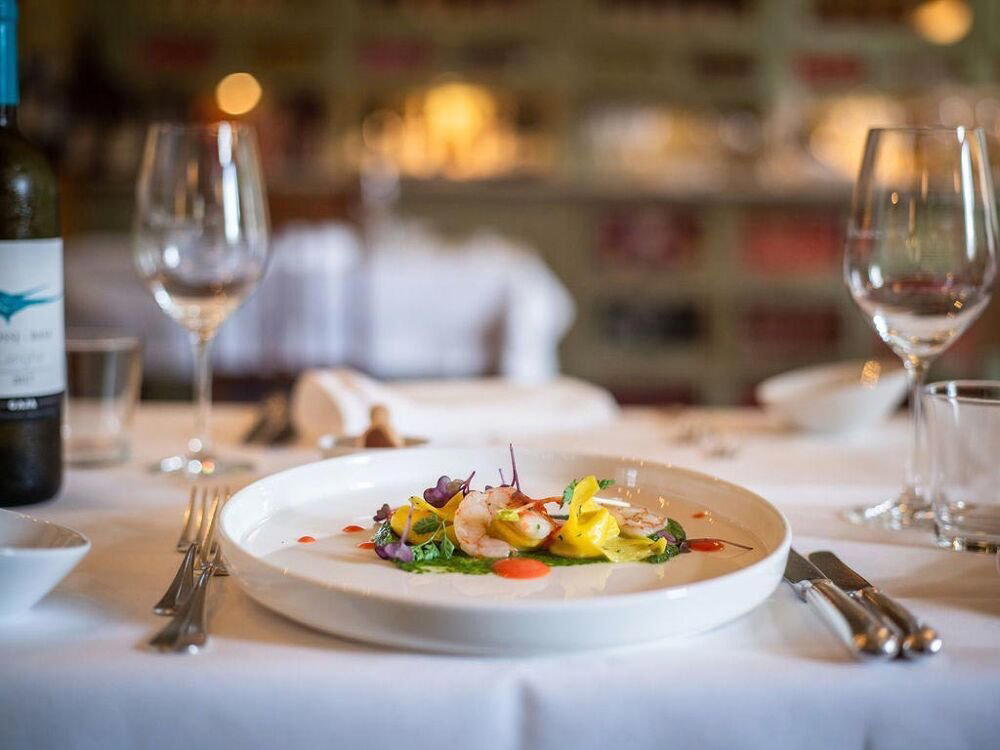
Waldhäuslalm serves Traditional Styrian Alpine cooking with mountain views, local sourcing, and a beer program, plus fried char from lake, grilled lamb, and spinach dumplings.
Pearl is the En Primeur Club membership app — saves, bookings, and concierge access live there. Same editors, same standards.
- Address
- Untertalstraße 100, 8971 Schladming, Austria
- Phone
- +43368761592
- Website
- xn--waldhuslalm-p8a.at
- Directions
- Get directions
 Saves & bookings on Pearl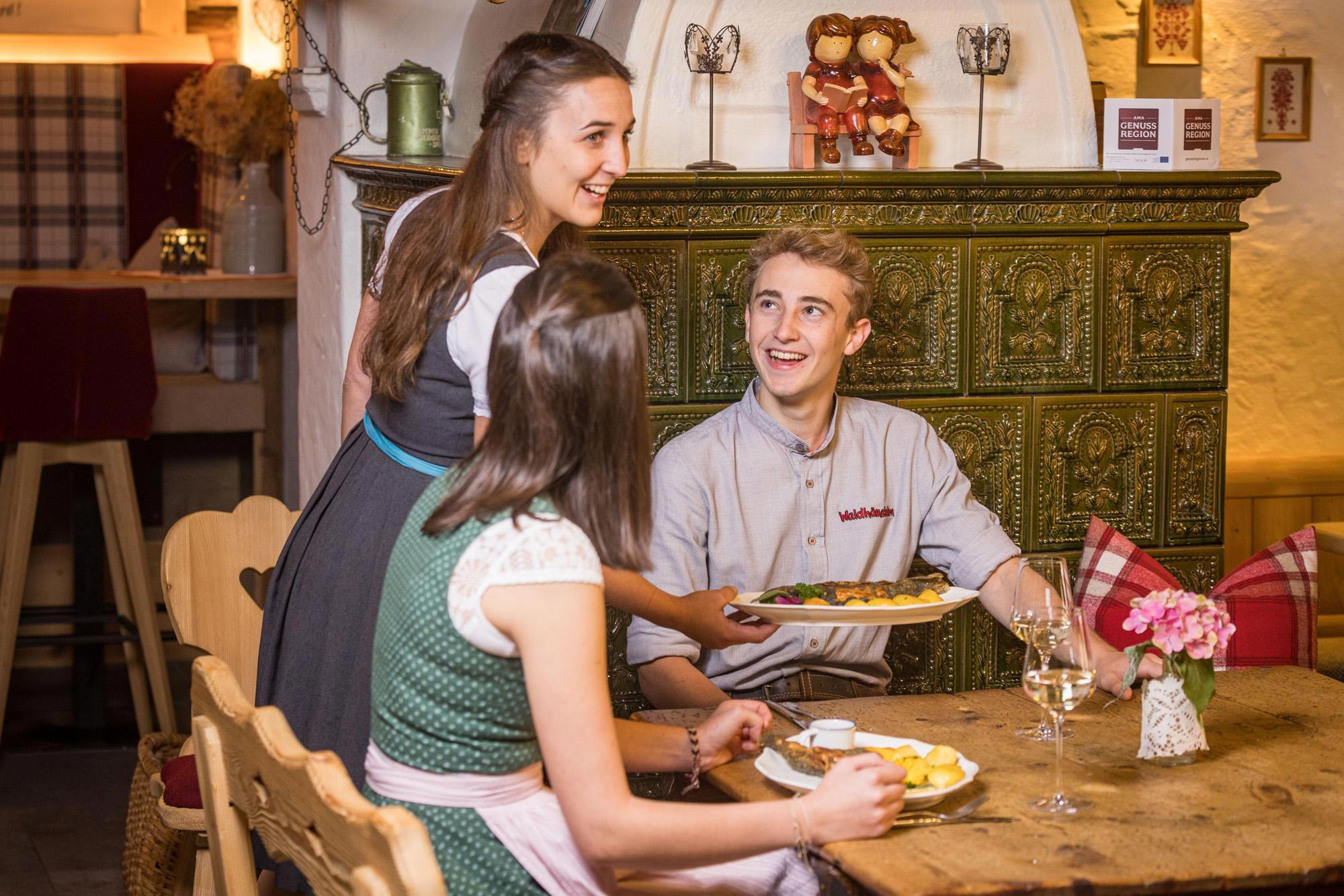
Where the Untertal Valley Sets the Table
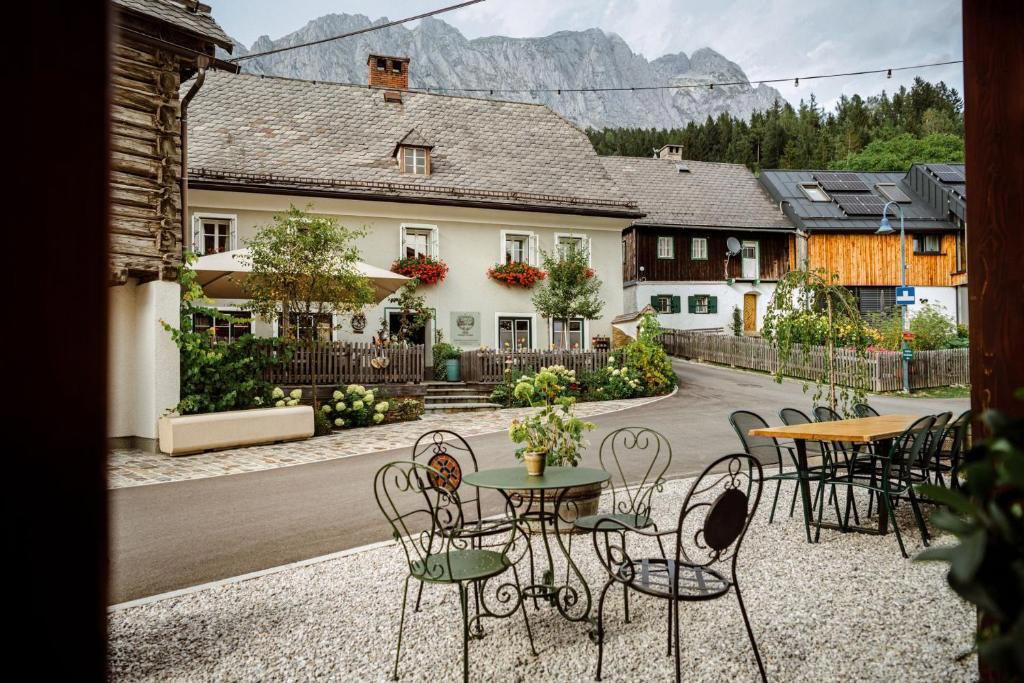
The road into Schladming's Untertal valley narrows as the Dachstein massif closes in on either side. By the time you reach the address at Untertalstraße 100, the town center feels several psychological kilometers behind you. This is the particular geography that defines alpine hut dining in Styria: an approach that asks something of you before you arrive, and a setting that rewards the effort with altitude, silence, and cooking grounded in what the surrounding land actually produces. Waldhäuslalm occupies that position in the Untertal as a casual Traditional Styrian Alpine restaurant at Untertalstraße 100, 8971 Schladming, Austria.
The broader category of Alm dining in the Austrian Alps has shifted considerably over the past decade. What was once a binary choice between rustic Brettljause boards and hotel fine dining has developed a more layered middle register. Mountain huts across Styria and the Salzburg region increasingly apply technique to local ingredients without abandoning the informality that makes the format appealing. Venues like Hochwurzenalm and Hochwurzenhütte represent different points on that spectrum within Schladming's immediate orbit, while da SEPP and JOHANN GENUSSraum demonstrate what the town's more settled dining scene looks like at street level. Waldhäuslalm sits apart from all of them by geography alone, which shapes everything from the supply chain to the experience of eating there.
Indigenous Products, Considered Preparation
Editorial angle through which alpine Styrian cooking makes most sense is not tradition versus modernity but rather the relationship between place-specific ingredients and the techniques applied to them. The Enns valley and its tributaries produce game, dairy, and foraged material that would attract serious attention in any European kitchen. What the mountain hut context adds is a directness of sourcing that urban restaurants pay significant premiums to approximate. At this altitude and in this valley, the supply chain compresses to the point where the distance between the ingredient's origin and the plate is not a marketing claim but a direct logistical fact.
Austrian alpine cooking at its most considered draws on a tradition that shares more with the Bavarian and Tyrolean repertoire than with Viennese Küche, though the borders between these styles have always been porous. Dishes built around venison, lamb, and mountain trout appear across the region's serious addresses, from Obauer in Werfen to Döllerer in Golling an der Salzach, though both of those operate in an entirely different price and ambition tier. The relevant comparison for a venue like Waldhäuslalm is not the two-Michelin-star addresses of the Salzach valley but the broader question of what honest mountain cooking looks like when the setting does most of the contextual work.
That intersection of imported technique and indigenous product is where interesting alpine cooking currently happens in Austria. Kräuterreich by Vitus Winkler in Sankt Veit im Pongau is a widely discussed example of a kitchen applying fine-dining structure to foraged and cultivated alpine herbs. Gourmetrestaurant Tannenhof in Sankt Anton am Arlberg and Griggeler Stuba in Lech represent the western Austrian version of the same impulse. Waldhäuslalm operates below those levels of formal ambition, but the underlying logic, placing local product at the center and letting technique serve rather than obscure it, connects the hut to a recognizable current in how the Alps feed people seriously.
The Schladming Context
Schladming functions as one of the Styrian Alps' most consistent year-round destinations. Winter brings the Planai and Hochwurzen ski areas, which together form part of the larger Ski amadé network; summer converts the same terrain into hiking and biking territory with a calendar of events anchored by the World Cup circuit's legacy infrastructure. The town's dining offer has developed to serve both populations without collapsing into the generic resort formula that flattens so many comparable mountain towns.
ARX Restaurant represents Schladming's more formal end, while the broader range documented in our full Schladming restaurants guide spans the gap between ski-boot casual and considered evening dining. Waldhäuslalm's position in the Untertal places it outside the town's pedestrian dining circuit entirely, which means it functions as a deliberate excursion rather than an incidental stop. That distinction matters for how you plan around it: arriving by car is the practical default, and the drive itself, through beech forest with the valley floor narrowing progressively, is part of what the visit involves.
The seasonal rhythm here is pronounced. The Untertal valley is primarily a summer and winter destination; shoulder months can mean limited access or reduced operating periods. Checking current conditions before visiting is a practical requirement rather than routine advice. Winter visits fold naturally into a day on the adjacent ski terrain; summer visits pair with the valley's hiking trails, several of which originate near this area of Untertalstraße.
Positioning Against the Broader Austrian Table
Austria's most-discussed restaurants operate in a different register entirely. Steirereck im Stadtpark in Vienna has held a position at the summit of Europe's serious restaurant lists for years, and Ikarus in Salzburg runs one of the continent's more unusual formats with its rotating guest chef model. Landhaus Bacher in Mautern an der Donau and Ois in Neufelden demonstrate that serious Austrian cooking extends well beyond the two major cities. Restaurant 141 by Joachim Jaud in Mieming is another example of the Alps-adjacent fine-dining address. For context across continents, the discipline that venues like Le Bernardin in New York City and Atomix in New York City apply to their respective ingredient traditions illustrates what it looks like when local product and refined technique operate at maximum alignment. That alignment at mountain-hut scale, without the infrastructure of starred kitchens, is precisely the proposition Waldhäuslalm represents.
Planning a Visit
Waldhäuslalm sits at Untertalstraße 100 in Schladming, accessible by car through the Untertal valley. Reservations are recommended.
Same-City Peers
Comparable venues nearby, for context on price, style, and recognition.
| Venue | Cuisine | Price | Notes |
|---|---|---|---|
| WaldhäuslalmThis venue — the venue you are viewing | Traditional Styrian Alpine | $$ | Not listed |
| Pension Astlhof | Traditional Austrian & Styrian | $$ | Schladming-Vorberg |
| JOHANN GENUSSraum | Modern Styrian Austrian | $$$ | Hauptplatz |
| Weitmoosalm | Traditional Austrian Alpine | $$ | Planai |
| Schnepf'n Alm | Traditional Styrian Alpine Cuisine | $$$ | Reiteralm |
| Mühlstodl | Traditional Austrian Ski Hut Cuisine | $$ | Reiteralm |
Continue exploring
More in Schladming
Restaurants in Schladming
Browse all →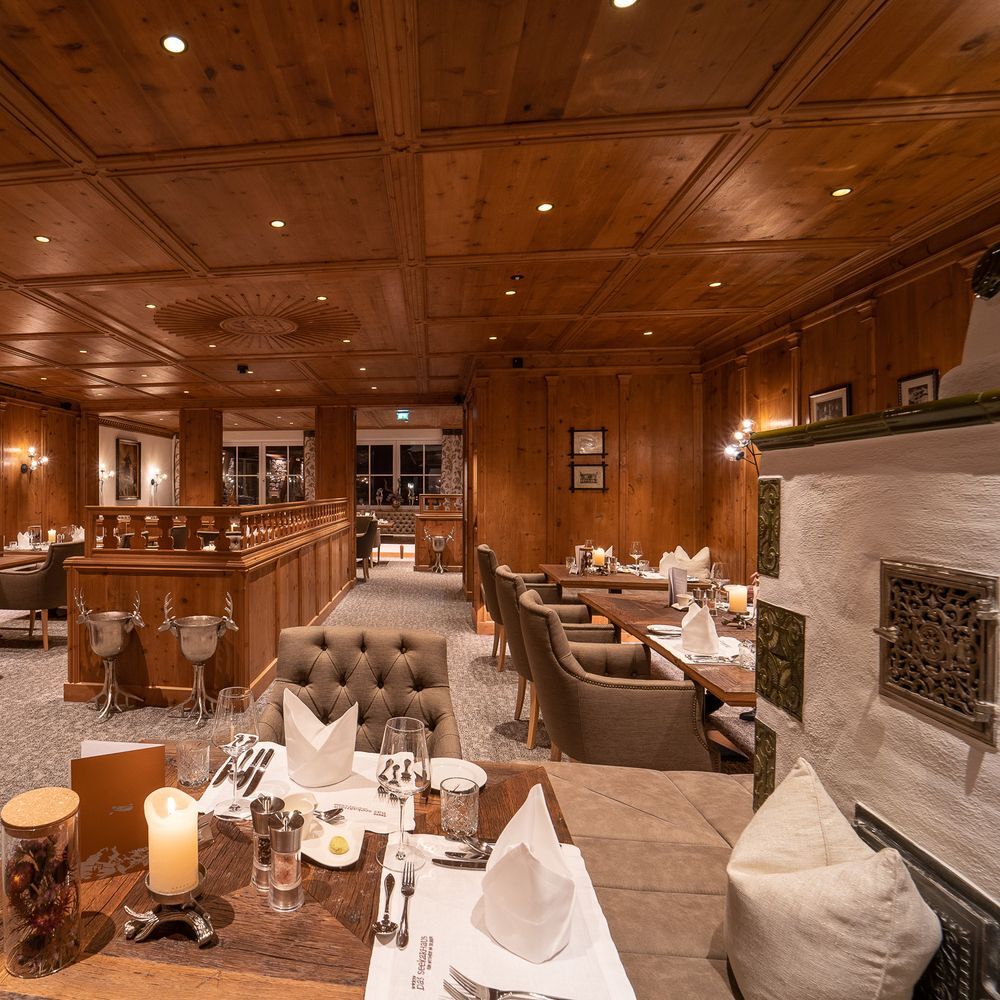
Bars in Schladming
Browse all →

At a Glance
- Rustic
- Cozy
- Scenic
- Family
- Casual Hangout
- Terrace
- Open Kitchen
- Beer Program
- Local Sourcing
- Mountain
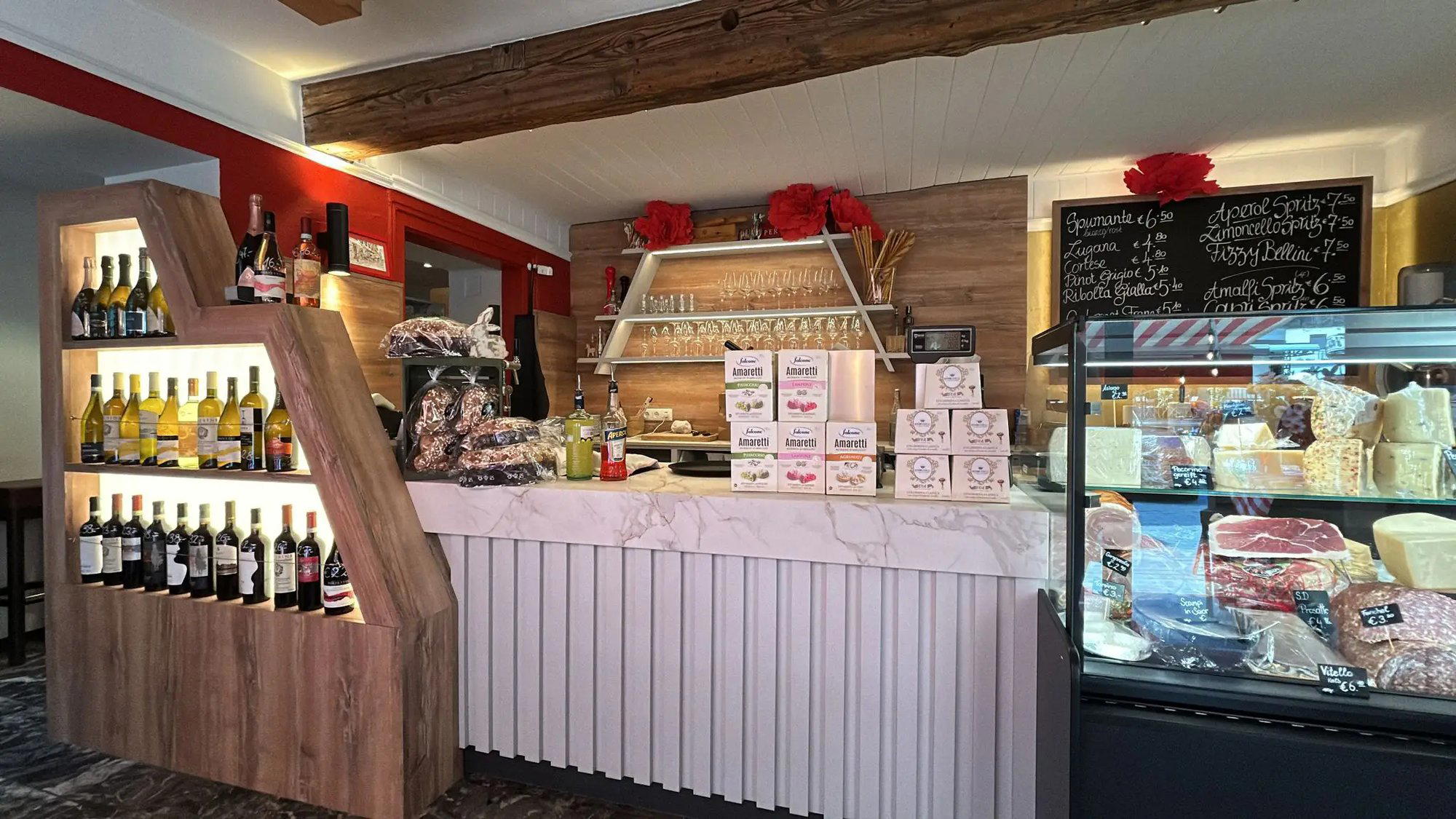
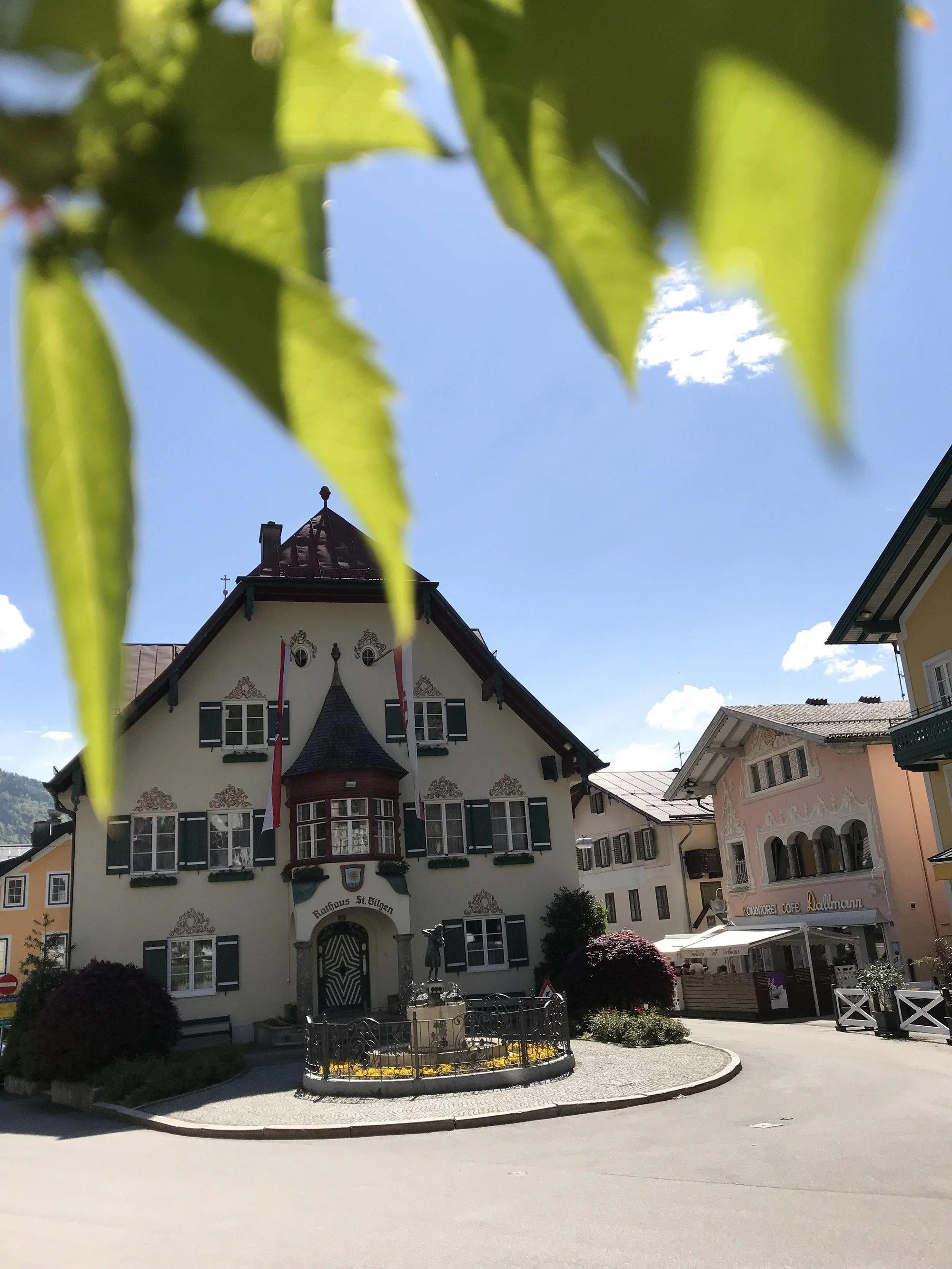
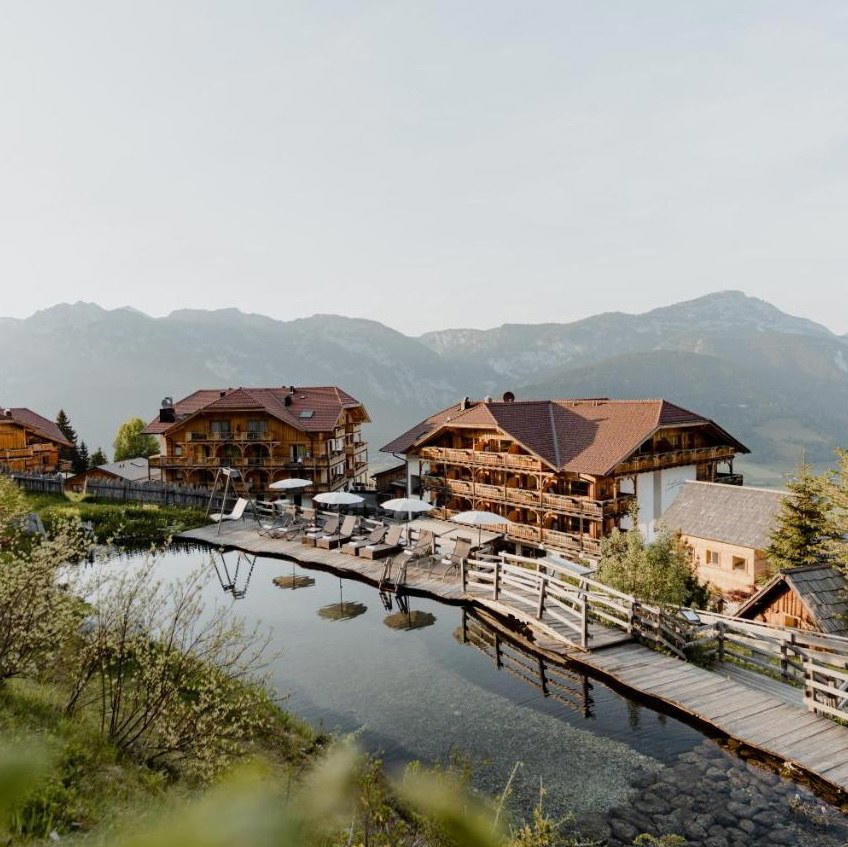
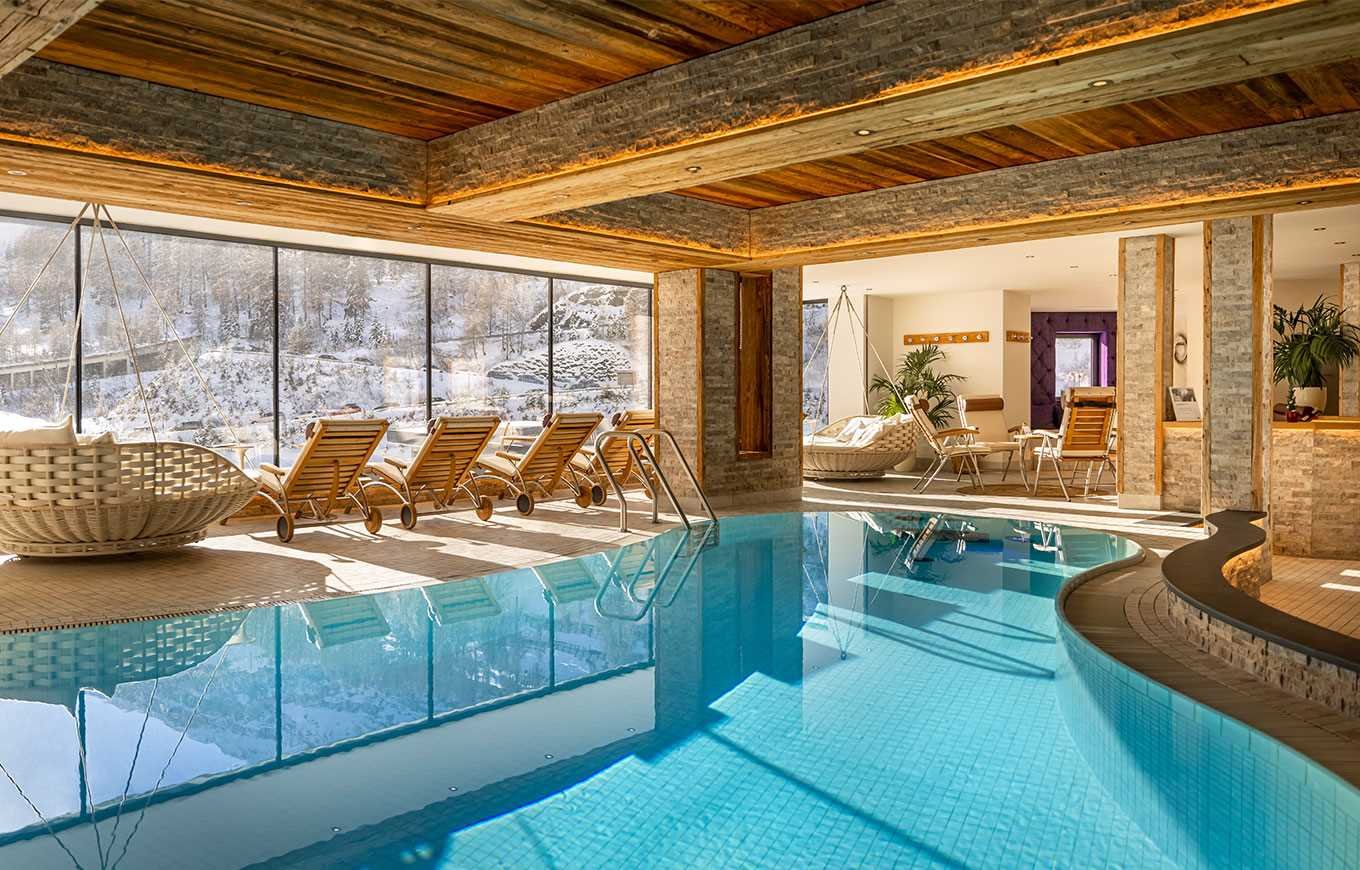
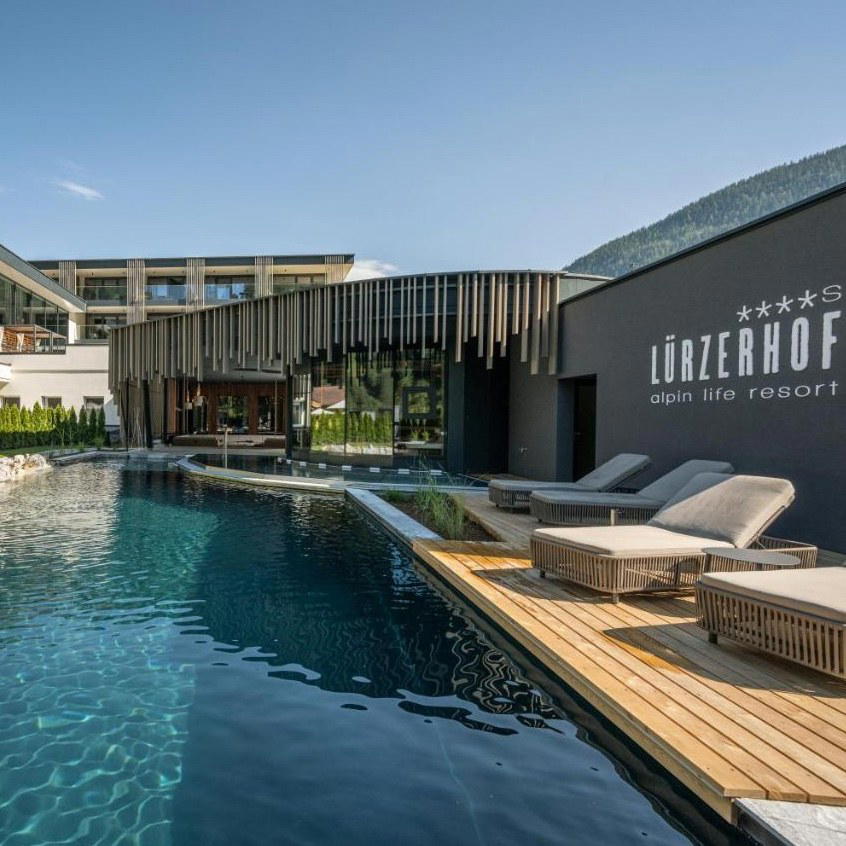
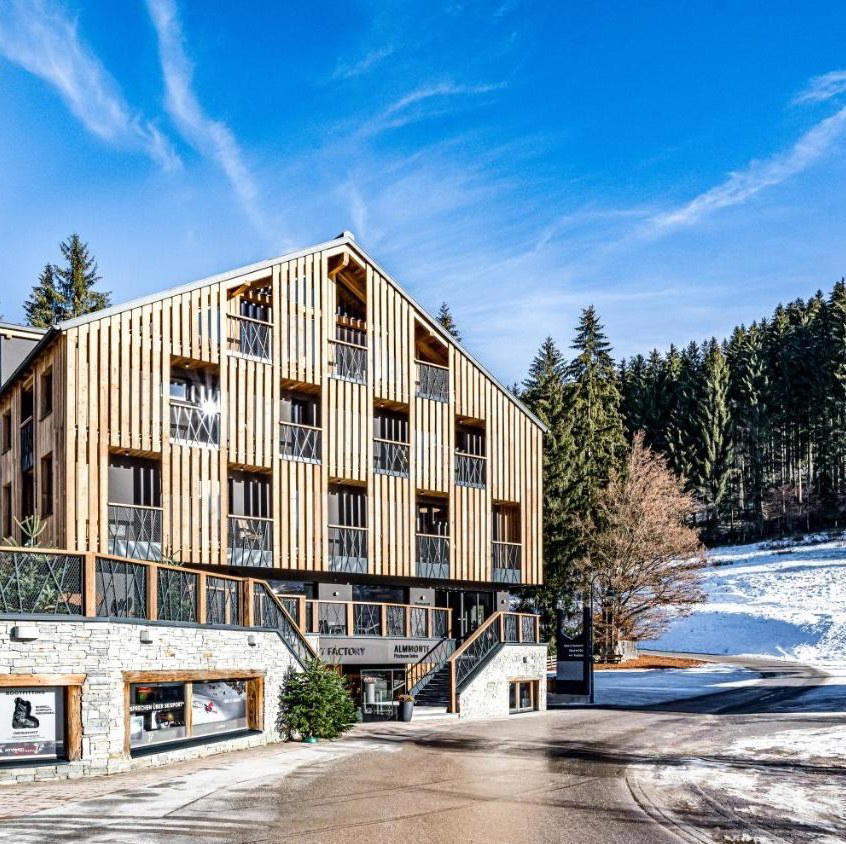
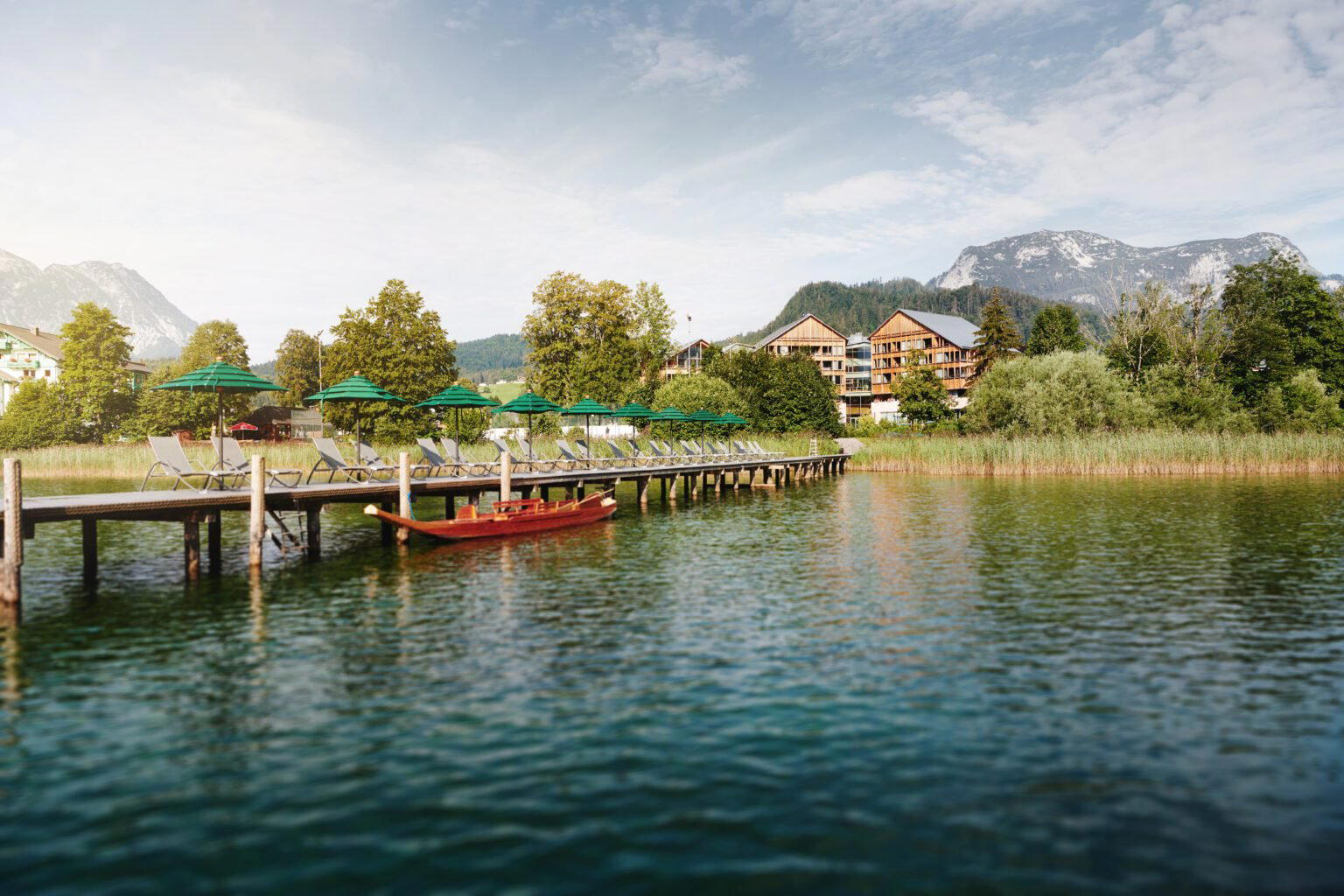
Cozy rustic atmosphere with sunny terrace, peaceful countryside views, and family-friendly vibe amid mountains.