Urbanek occupies a stall at Vienna's Naschmarkt, one of the city's oldest and most densely traded open-air markets, where the format is built around counter eating and a menu shaped entirely by what the market offers that day. The approach places it firmly in the tradition of market-adjacent eating rather than destination dining, making it a reference point for understanding how Vienna's food culture operates at ground level.
 Discover on Pearl
Pearl is the En Primeur Club membership app — saves, bookings, and concierge access live there. Same editors, same standards.
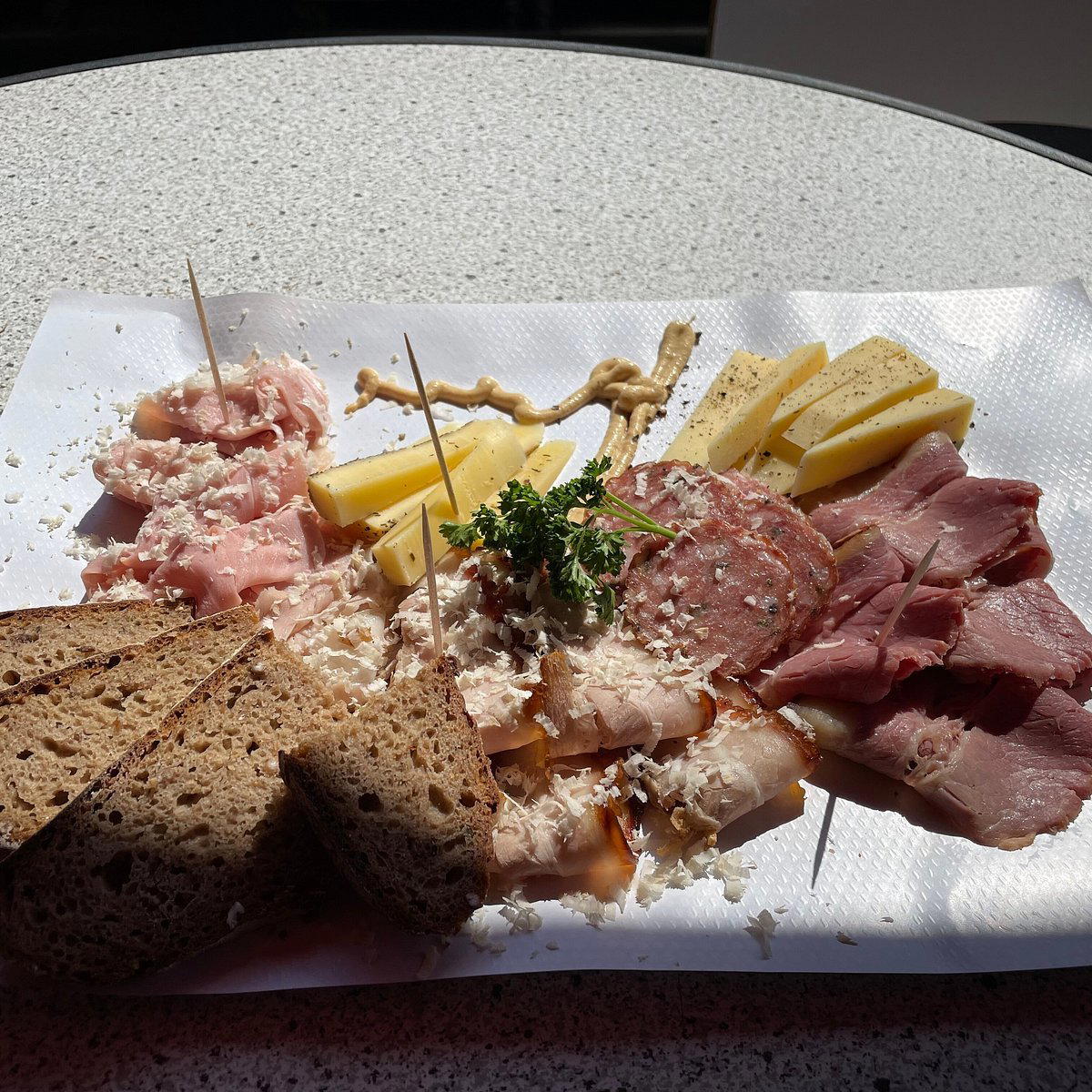
Where the Market Dictates the Menu
The Naschmarkt runs for roughly two kilometres along the Wienzeile in the sixth district, a corridor of some 120 stalls selling everything from Styrian pumpkin oil to Lebanese flatbread to Austrian mountain cheese. It has functioned as Vienna's primary open-air food market in its current form since the late nineteenth century, and the density of produce, cured meats, and imported goods on any given morning remains dense enough to make the market itself a form of culinary education. Urbanek operates within this ecosystem at stall 46, a position that tells you something important before you even approach the counter: this is not a restaurant that happens to be near a market. It is a market operation that also feeds people.
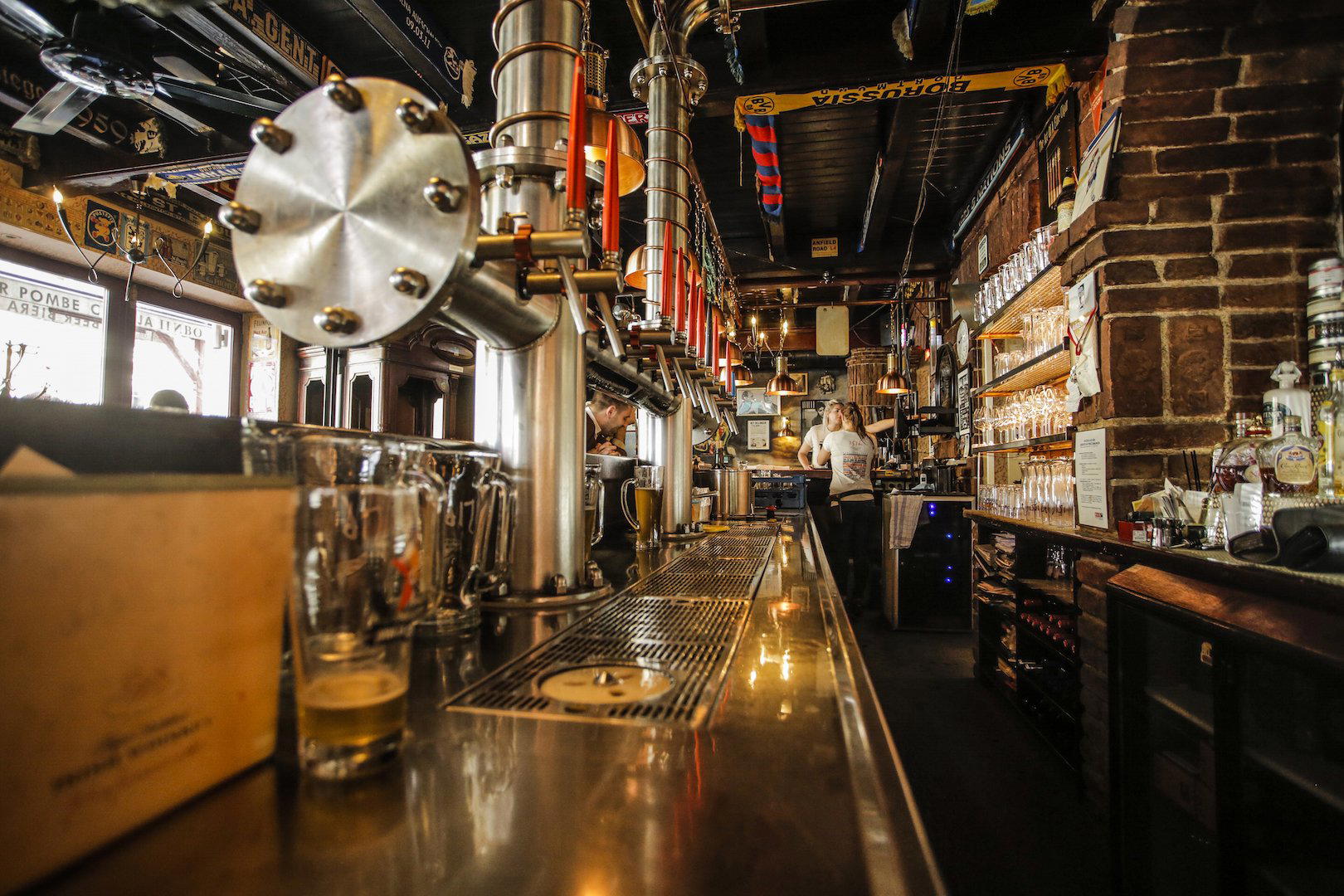
The physical setup follows the logic of the market stall rather than the restaurant. Seating, where it exists, is informal. The counter faces the market lane, and eating here places you inside the general noise and movement of the Naschmarkt rather than separated from it. For visitors calibrated to Vienna's more formal dining register, the contrast with the €€€€ tier represented by Steirereck im Stadtpark or Konstantin Filippou is sharp. The market-stall format is precisely the point.
Menu Architecture: What the Stall Reveals
In Vienna's top-tier dining rooms, menus are authored documents: structured sequences with named suppliers, tasting notes, and often a fixed progression of courses. The menu at a market stall like Urbanek works from the opposite direction. The selection is shaped by what the stall carries and what is moving well that day, weighted toward charcuterie, cheese, pickled and preserved goods, and the kind of Austrian and Central European pantry staples that the Naschmarkt has historically concentrated. This is not a menu of authorial intent so much as a menu of inventory intelligence.
That distinction matters for how you eat here. The appropriate approach is to treat the counter as a guided selection rather than a fixed order: ask what is available, take smaller quantities of more things, and eat across categories. The Central European tradition of combining cured meats with hard cheese, pickled vegetables, and dark bread is well-served by this format, and the Naschmarkt's position as an import corridor means the range often extends to Hungarian salami, Balkan dairy, and Levantine preserved goods alongside Austrian regional products. This is the kind of eating that rewards curiosity about ingredients over deference to a chef's sequence.
For readers who have spent time at market-counter formats elsewhere, from Barcelona's Boqueria bars to the stall-side counters at Borough Market in London, the Urbanek model fits a recognisable category: the producer-adjacent eating counter where sourcing proximity substitutes for kitchen elaboration. Vienna has fewer of these than comparable European food cities, which makes the Naschmarkt cluster, including Urbanek, a more significant part of the city's food fabric than its informal register might suggest.
Naschmarkt Context: Reading the Market's Tiers
The Naschmarkt has attracted commentary in recent years about gentrification and the gradual replacement of produce traders with restaurant-format operators, a tension visible in European markets from Les Halles to Markthalle Neun in Berlin. The stall-format operators that remain closer to the original trading function, selling goods rather than prepared meals with table service, sit in a different and arguably more durable position within the market's ecology. Urbanek belongs to this tier.
Vienna's serious restaurant scene, which includes Michelin-recognised addresses like Mraz & Sohn, Amador, and Doubek, operates on a completely different axis: tasting menus, reservation-led access, and kitchen-driven narratives. A market stall counter is not competing with that tier and should not be assessed against it. The more useful comparison set is other Naschmarkt counter operations and the broader tradition of standing-lunch eating that Vienna has maintained alongside its grand café culture.
Austria's broader fine-dining infrastructure beyond the capital is explored in our coverage of Döllerer in Golling an der Salzach, Ikarus in Salzburg, and Obauer in Werfen, among others, and the contrast in format and intent is instructive: Austria's regional restaurant scene tends toward formality and seasonal Austrian produce interpreted through a contemporary lens, while the Naschmarkt represents the raw-material layer that underlies all of it.
Planning a Visit
The Naschmarkt operates Tuesday through Friday and on Saturday, with Saturday drawing the largest crowds and the fullest stall selection. Weekday mornings are considerably quieter and allow more time at the counter without the weekend pressure. Urbanek is at stall 46, reachable on foot from the Kettenbrückengasse U4 stop in a few minutes. No reservation is necessary; this is a walk-up format. Arriving before the midday peak on a weekday gives the leading combination of full selection and manageable pace. For those building a broader Vienna itinerary, our full Vienna restaurants guide covers the range from market-level eating to the city's formal dining tier.
Readers whose travel takes them to Austria's alpine regions will find comparable attention to regional produce, in a very different format, at addresses like Griggeler Stuba in Lech, Gourmetrestaurant Tannenhof in Sankt Anton am Arlberg, Kräuterreich by Vitus Winkler in Sankt Veit im Pongau, Schwarzer Adler in Hall in Tirol, Restaurant 141 by Joachim Jaud in Mieming, Landhaus Bacher in Mautern an der Donau, and Ois in Neufelden. For those also covering New York, the counter-format tradition finds very different expression at Le Bernardin and Atomix, both of which operate within highly structured tasting formats at the opposite end of the formality spectrum.
Style and Standing
Comparable venues nearby, for context on price, style, and recognition.
| Venue | Cuisine | Price | Awards | Notes |
|---|---|---|---|---|
| UrbanekThis venue — the venue you are viewing | Austrian Delicatessen & Wine Bar | $$$ | , | |
| Griechenbeisl | Traditional Viennese | $$$ | , | Innere Stadt |
| Café & Restaurant Motto am Fluss | Modern Austrian with International Influences | $$$ | , | Innere Stadt |
| Plachutta Stammhaus Hietzing | Classic Viennese Cuisine | $$$ | , | Hietzing |
| Plachutta Nussdorf | Traditional Viennese Beef Cuisine | $$$ | , | Heiligenstadt |
| Oswald & Kalb | Traditional Viennese | $$$ | , | Innere Stadt |
Continue exploring
More in Vienna
Restaurants in Vienna
Browse all →
Bars in Vienna
Browse all →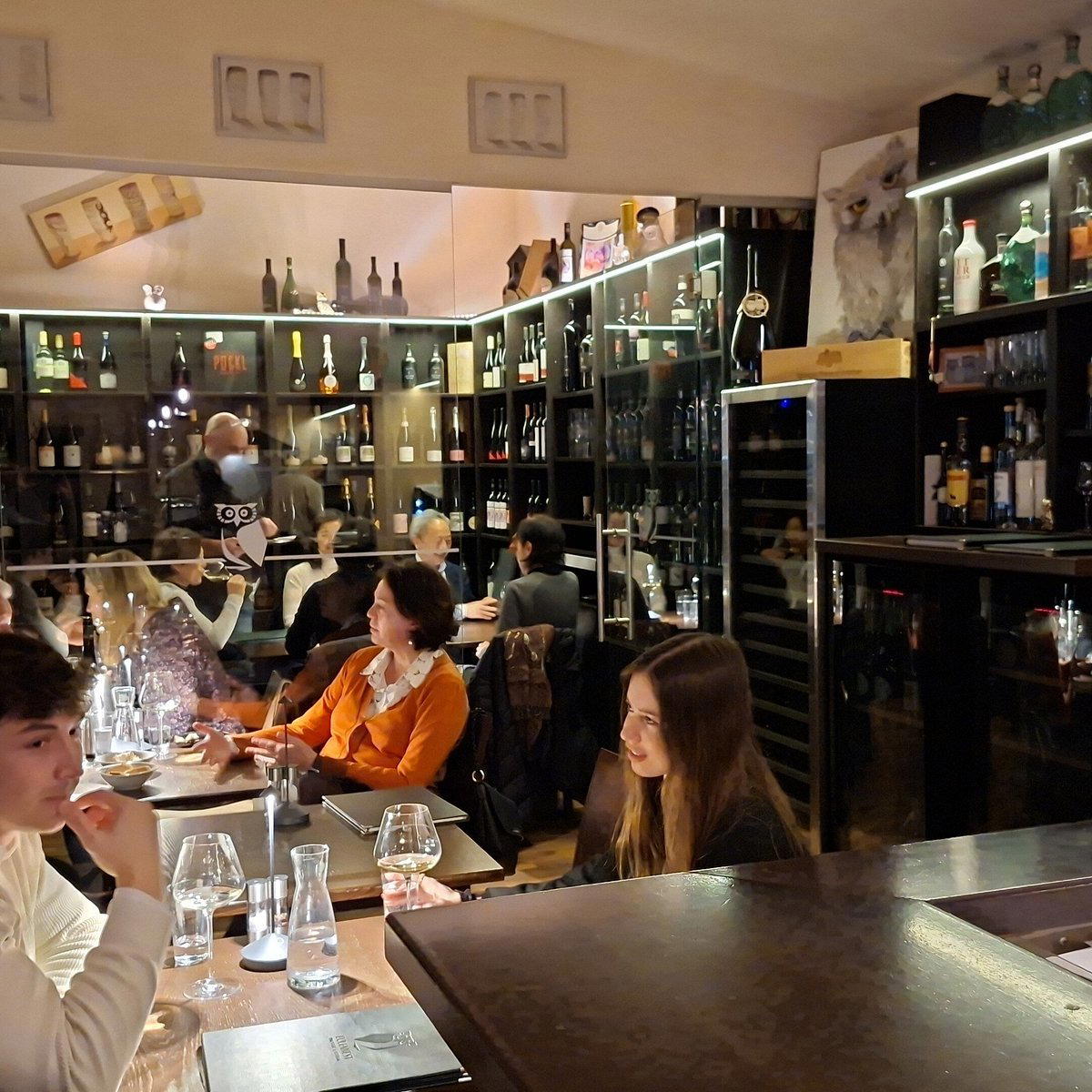
Hotels in Vienna
Browse all →
At a Glance
- Cozy
- Hidden Gem
- Intimate
- Classic
- Casual Hangout
- After Work
- Group Dining
- Standalone
- Sommelier Led
- Local Sourcing
Tiny, intimate shop packed with locals and visitors; warm, convivial atmosphere enhanced by the charming, knowledgeable owners who create an entertaining and welcoming environment despite the confined space.