
Ura Tora sits in Tokyo’s meat-focused dining tier, where steak and teppanyaki culture meets the precision of small-room Japanese service. Its selection for Tabelog 100 Steak / Teppanyaki EAST 2025, plus earlier selections in 2024 and 2022, places it among a tightly filtered group of eastern Japan restaurants watched by serious diners.
 Request Booking on Pearl
Pearl is the En Primeur Club membership app — saves, bookings, and concierge access live there. Same editors, same standards.
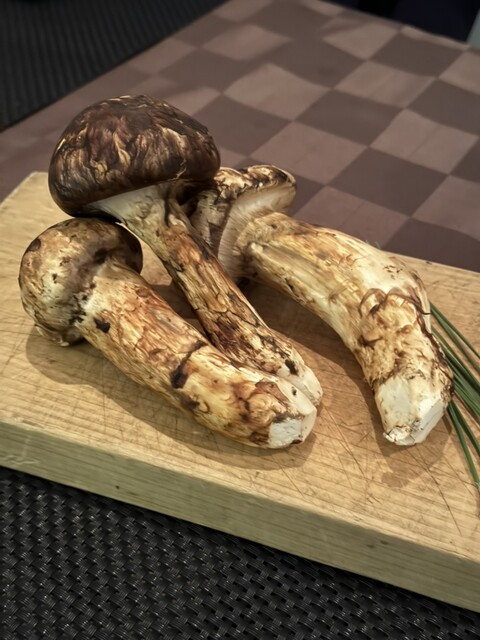
Meguro’s quieter dining streets reward attention: fewer grand arrivals, more compact rooms where the evening is shaped by timing, heat, and the small choreography between kitchen and floor. In Tokyo’s steak and meat-dish category, that choreography matters. The city has never treated beef as a single luxury language. There is teppanyaki performance, counter-led grilling, wagyu specialization, sukiyaki tradition, yakiniku abundance, and private-room entertaining, each with its own expectations for pacing and service.
Ura Tora belongs to the narrower end of that field, where the experience depends less on spectacle than on coordination. The useful way to read the restaurant is not as a steakhouse in the Western sense, but as part of Tokyo’s disciplined meat-dining culture: heat management, portion rhythm, drink pacing, and a room that relies on staff judgment rather than excess explanation. That is where team dynamics become visible. A kitchen can cook expensive beef well; the better Tokyo rooms make the sequence feel measured, with front-of-house reading the table and drinks supporting the meal rather than competing with it.
Tokyo meat dining has moved beyond simple steakhouse signals
The city’s premium meat restaurants now split into several lanes. Some sell theatre: iron plates, visible flames, chef-led performance. Others prize discretion, with smaller rooms and reservation systems that filter demand before the guest reaches the door. Ura Tora’s public footprint points toward the latter lane. Its recognition in Tabelog’s Steak / Teppanyaki EAST selection in 2025, with previous selections in 2024 and 2022, gives it a credential that matters in Japan because the category is broad and competitive, not limited to one narrow interpretation of steak.
The award context is also useful for visitors who know Tokyo through sushi or kaiseki first. Meat-focused dining here can be just as formal in its own way, but the grammar is different. Instead of seasonality expressed through many small dishes, the meal often depends on cuts, doneness, sauce restraint, rice or starch timing, and how the staff manages richness across the evening. In that sense, the room’s collaboration is part of the food. A heavy sequence without a capable floor becomes tiring; a well-paced one feels deliberate.
That distinction is why Ura Tora’s category placement matters. Tabelog lists it under steak and meat dishes, and the 2025 EAST selection places it inside a regional field rather than a neighborhood popularity list. The restaurant’s score of 3.60 is another Japanese-market signal: in Tabelog’s ecosystem, scores in this range can indicate serious specialist demand, particularly in categories where regulars, reservation access, and repeat visits shape visibility.
The room is read through service, not chef mythology
Tokyo dining coverage often overuses chef biography, but the more revealing question here is operational: how does the room hold together when the product is rich, expensive, and timing-sensitive? At a meat counter or compact steak room, the kitchen cannot operate in isolation. The person managing the floor controls the cadence of the evening, the drink program has to absorb fat and heat, and the cooking team has to know when to slow the meal down. The restaurant is interesting because its public identity is not built around a named celebrity chef. The restaurant is better understood through format discipline and category recognition.
That makes it a useful stop for diners mapping Tokyo beyond the sushi-counter hierarchy. A meal in this category asks different questions from omakase: how much richness can the sequence carry, whether the service team keeps the table alert rather than overfed, and whether the cooking holds focus without turning luxury beef into a blunt instrument.
Tokyo’s range is also clearer when meat dining is placed beside the city’s casual and specialist addresses. The contrast with 124. KAGURAZAKA (Yakitori) is a useful one: chicken skewer culture and steak culture both depend on heat, but they speak in different registers.. 鮪と炭火焼き うお炭 秋葉原店 shows another charcoal-led lane, while 12/10 Shinjuku ten, 2D Cafe, and 3 Chome no Curry Ya San underline how Tokyo moves between serious specialization and playful formats without treating either as marginal.
For whom the meal makes sense
The restaurant makes the strongest case for diners who already understand that Tokyo’s premium restaurants often operate through restraint, access, and repeat-customer culture rather than loud branding. The price band sits in the upper-middle luxury tier for dinner in Tokyo, below the city’s highest sushi and kaiseki counters but high enough that the meal should be planned as a focused evening rather than a casual add-on.
The restaurant’s practical character is strict. It is reservation-only, and the referral system changes the planning calculus: this is not the sort of address to leave until arrival week. Credit cards are accepted, while electronic money and QR code payments are not. Private rooms are not listed, private use is available, smoking is not allowed, and parking is unavailable. Those details reinforce the same editorial read: this is a controlled-format meat restaurant, better suited to diners who want a concentrated Tokyo dinner than to groups seeking flexibility.
Readers building a Japan itinerary around specialist restaurants can widen the frame with -Grilled beef Sukiyaki- KAMAKURA TANUKIAN 鎌倉 たぬき庵 in Kamakura, [ki:] in Kyoto.cafe in Osaka.know in Kumamoto, (Shoku) Vietnam in Kawasaki, and [Curry Senmon Ten] Maruyama Kyoju. in Sapporo. For Japanese dining culture abroad, Jōdo Saké Bar in Los Angeles and Onigiri Time in Pasadena show how the reference points travel, though Tokyo’s reservation etiquette remains its own discipline.
Comparable Venues Nearby
Comparable venues nearby, for context on price, style, and recognition.
| Venue | Cuisine | Price | Notes |
|---|---|---|---|
| Ura ToraThis venue — the venue you are viewing | Members-only modern steakhouse | $$$$ | Not listed |
| おにく 花柳 | Michelin-starred Wagyu kaiseki / meat kappo | $$$$ | Ginza |
| Fureika (中国飯店 富麗華) | Traditional Shanghai & Cantonese Chinese | $$$$ | Higashiazabu |
| Aca 1° | Spanish-Japanese Omakase Tasting Menu | $$$$ | Nihonbashi |
| Bohemian Nishiazabu | Secret seasonal Japanese robata omakase | $$$$ | Nishiazabu |
| Sushi Taira | Edomae Sushi Omakase | $$$$ | Motoazabu |
Recognition history
Dated appearances from independent guides and award organizations, with the underlying list record or original source where available.
Tabelog 100 #49 · No. 49
Tabelog · Tabelog 100 - Steak / Teppanyaki - EAST - 2025













At a Glance
- Intimate
- Cozy
- Elegant
- Business Dinner
- Date Night
- Group Dining
- Celebration
- Special Occasion
- Private Event
- Standalone
- Private Dining
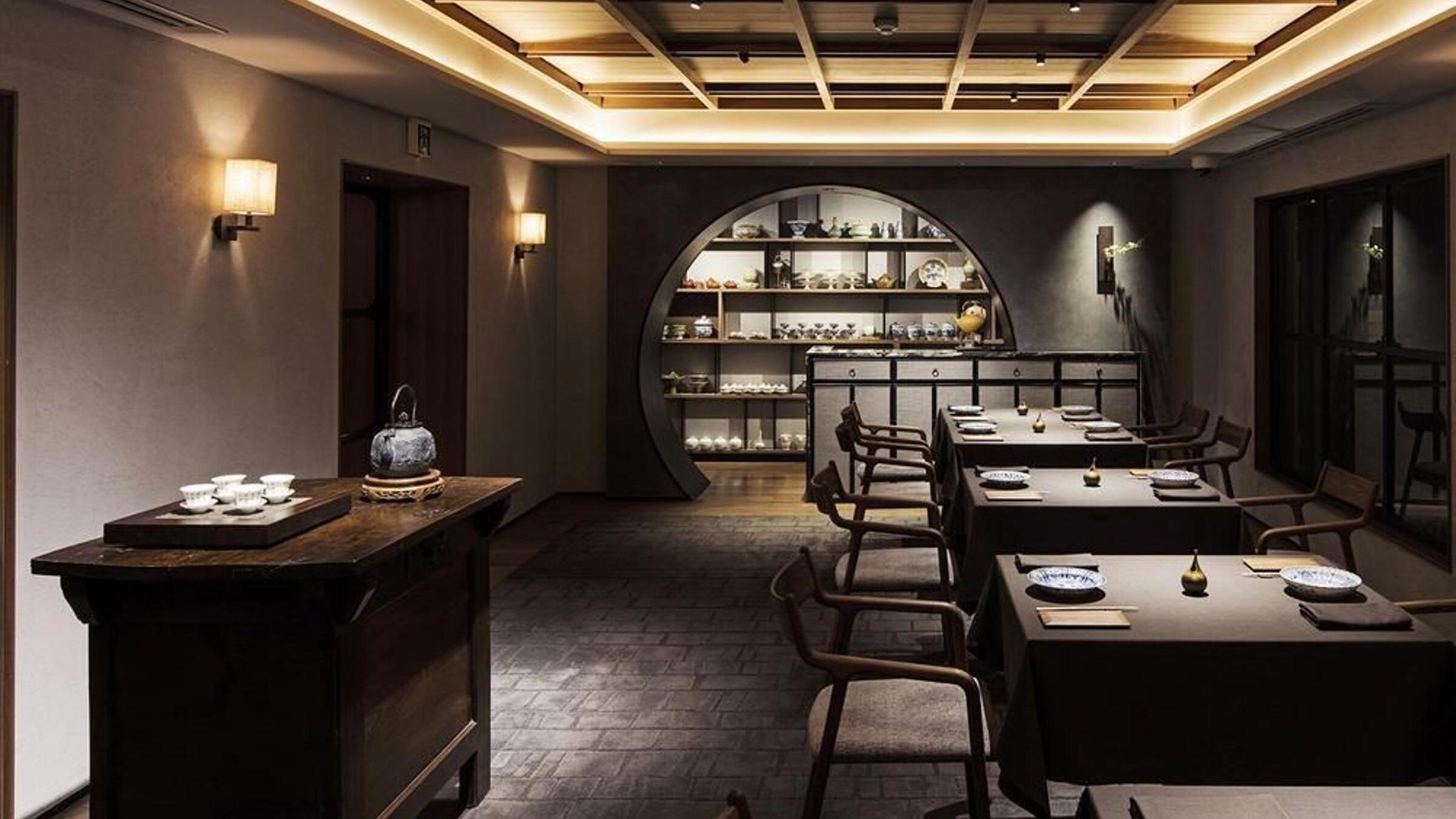
An exclusive, reservation-only steakhouse in Nakameguro with a special, intimate ambiance; non-smoking, small-scale and quietly elegant, oriented to adult gatherings and celebrations rather than casual family dining.