Google: 4.4 · 132 reviews

Uozen operates out of Sanjo, a mid-sized manufacturing city in Niigata Prefecture that sits closer to Japan's snowbelt than its restaurant circuits. Niigata's food identity runs through rice, sake, and cold-sea seafood — and Sanjo's dining scene reflects that agricultural and coastal logic rather than metropolitan trends. For those tracing Japan's regional food culture beyond the major cities, Sanjo rewards attention.
 Discover on Pearl
Pearl is the En Primeur Club membership app — saves, bookings, and concierge access live there. Same editors, same standards.
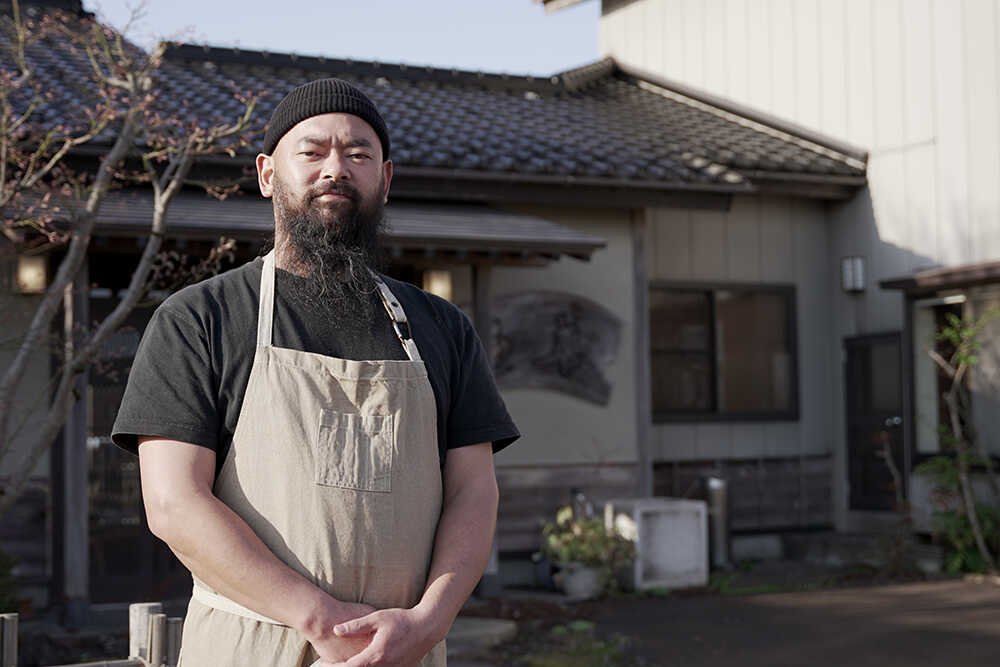
Sanjo, Niigata: Where Japan's Agricultural Interior Meets the Sea
Niigata Prefecture occupies a particular position in Japan's food geography. Facing the Sea of Japan rather than the Pacific, it draws cold-current seafood — yellowtail, snow crab, and several species of flatfish that rarely appear on menus further south — while its inland plains produce some of the country's most-cited short-grain rice. The prefecture's sake industry, built around that same rice and the snowmelt water of the Echigo mountains, ranks among Japan's most productive. Any serious restaurant operating in this environment inherits a set of ingredients that do not need to travel far to arrive in peak condition.
Sanjo sits at the centre of Niigata Prefecture, about 30 kilometres south of Niigata City, in a valley where light manufacturing and rice agriculture share the same flat terrain. The city is known nationally for its metalwork and cutlery industry rather than its restaurants, which means its dining culture has developed largely without the outside attention that shapes menus in tourist-heavy cities. That absence of external pressure tends to produce a different kind of cooking: ingredient-led, season-driven, and calibrated to a local audience that knows exactly what the surrounding farmland and coastline can deliver at any given month of the year. For a broader picture of where Uozen sits within the city's dining options, see our full Sanjo restaurants guide.
The Niigata Ingredient Argument
The sourcing logic that governs serious cooking in Niigata is less about luxury procurement and more about proximity. The prefecture's fishing ports , Teradomari, Izumozaki, and the harbour at Niigata City , land cold-water species that carry a different fat profile than their Pacific counterparts. The snowmelt-fed rivers support specific freshwater fish that rarely appear in metropolitan wholesale markets simply because the volumes are too small to justify long-distance distribution. This is the same dynamic that drives regional dining cultures in parts of rural France or the coastal towns of northern Spain: ingredient quality is a function of geography, and the leading local kitchens build around what is native rather than what is imported.
Niigata's rice , Koshihikari grown in the Uonuma district commands the highest premium within Japan's own domestic market , connects to a broader agricultural seriousness that extends to vegetables, mountain herbs, and fermented products. Miso and pickles made from regional varieties of daikon and turnip occupy a different flavour register than their equivalents from other prefectures. A kitchen that sources within that radius is working with a pantry that reflects centuries of accumulated agricultural selection. This is the context in which Uozen operates, and it is the context that gives a restaurant in a city of Sanjo's size its editorial reason to exist alongside the Michelin-weighted counters of the major cities.
For comparison, the kaiseki and innovation-led tasting menus that define Japan's most-awarded urban restaurants , places like Gion Sasaki in Kyoto or the French-Japanese hybrids at HAJIME in Osaka , draw on national and international supply chains by necessity. The trade-off for that scale of ambition is distance from source. Regional restaurants in places like Sanjo, or similarly positioned venues in prefectures like Ishikawa (see 一本木 石川割烹 in Nanao) and Shiga (湖魚庵 in Takashima), operate on the opposite logic: shorter supply chains, deeper local knowledge, and menus that change with the prefecture's own seasonal rhythms rather than national trends.
Japan's Regional Dining Tier: What It Means in Practice
Japan's award and recognition systems , Michelin, Tabelog, and the broader food press , concentrate heavily on Tokyo, Osaka, and Kyoto. That concentration reflects reviewer geography as much as culinary quality. Restaurants in mid-sized cities like Sanjo operate largely below that visibility threshold, which means their standing within a local or prefectural context often goes unrecorded in the sources that international visitors consult. The pattern is not unique to Japan: the same dynamic appears in the gap between Lyon's restaurant recognition and the cooking quality available in smaller Rhône Valley towns, or between the attention paid to New York's tasting-menu tier , counters like Atomix and seafood institutions like Le Bernardin , versus what operates quietly and seriously in mid-sized American cities.
For the traveller moving through Niigata Prefecture, this recognition gap works in their favour. The competition for reservations is lower, the price points tend to reflect local rather than tourist economics, and the cooking reflects what the region actually produces rather than what a cosmopolitan audience expects to see. Regional Japanese restaurants in this tier are worth approaching with the same research discipline applied to high-profile city counters: Harutaka in Tokyo or Goh in Fukuoka both require significant advance planning. Sanjo's quieter operations may ask less of a visitor's calendar, but they reward the same advance inquiry.
Getting to Sanjo
Sanjo is accessible by Shinkansen via Tsubame-Sanjo Station on the Hokuriku Shinkansen line, approximately 90 minutes from Tokyo Station. The station sits on the edge of both Sanjo and Tsubame cities; the address for Uozen , 1 Chome-10-69-8 Higashiosaki , places it within the Sanjo city boundary, reachable by local bus or taxi from the station. Niigata Prefecture's public transport outside the main city runs on limited schedules, particularly in the evening, so visitors planning a dinner visit should confirm return options in advance. The broader Niigata dining circuit , including restaurants along the Echigo coast and in Niigata City itself , is navigable by rail with some planning, making a one- or two-night stay in the prefecture more practical than a day trip from Tokyo.
For travellers mapping a route through Japan's regional food culture, Niigata fits naturally between Ishikawa Prefecture's Kanazawa (known for its proximity to the Noto Peninsula's seafood) and the mountain-adjacent cooking traditions of Nagano. Nearby restaurants reflecting different points on the regional spectrum include 庄羽屋 in Nishikawa Machi, which operates in the mountain foothills west of Sanjo, and 古代山乃井 in Sapporo for a comparison of how cold-climate ingredient logic plays out further north. The Nara restaurant akordu offers a useful contrast as a non-metropolitan venue that has attracted significant critical attention despite its distance from Japan's major food cities.
At-a-Glance Comparison
These are the closest comparables we have in our database for quick context.
| Venue | Cuisine | Price | Awards | Notes |
|---|---|---|---|---|
| Uozen | This venue | |||
| HAJIME | French, Innovative | ¥¥¥¥ | Michelin 3 Star | French, Innovative, ¥¥¥¥ |
| Harutaka | Sushi | ¥¥¥¥ | Michelin 3 Star | Sushi, ¥¥¥¥ |
| L'Effervescence | French | ¥¥¥¥ | Michelin 3 Star | French, ¥¥¥¥ |
| RyuGin | Kaiseki, Japanese | ¥¥¥¥ | Michelin 3 Star | Kaiseki, Japanese, ¥¥¥¥ |
| Crony | Innovative, French | ¥¥¥¥ | Michelin 2 Star | Innovative, French, ¥¥¥¥ |
Continue exploring
More in Sanjo
At a Glance
- Rustic
- Cozy
- Elegant
- Intimate
- Scenic
- Special Occasion
- Open Kitchen
- Local Sourcing
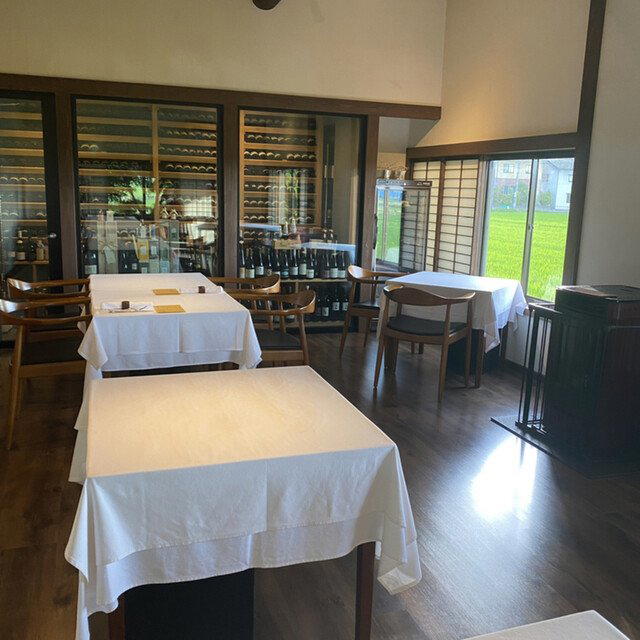
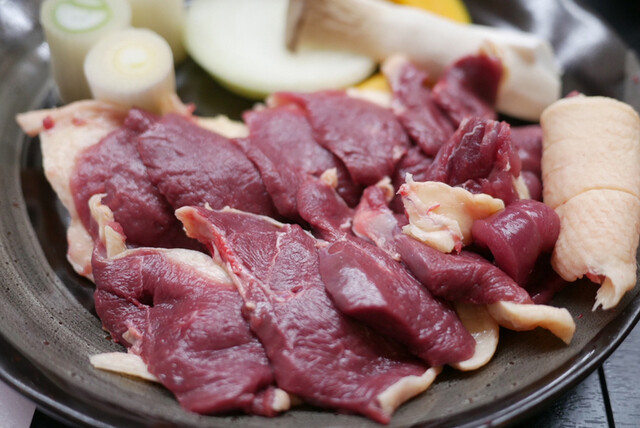
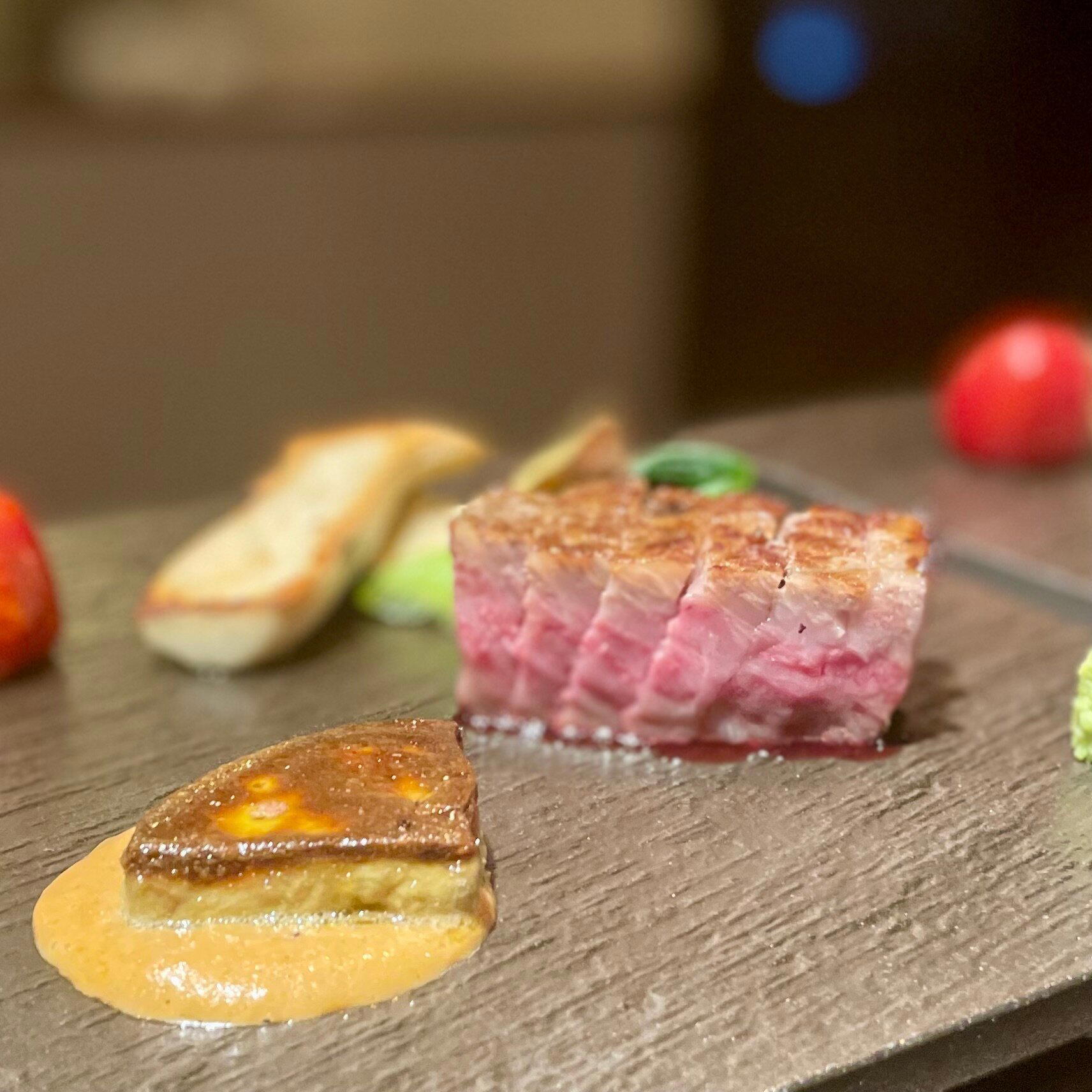
Pure Japanese style building in a rural landscape amidst rice fields, offering a refined yet rustic atmosphere.