Umaya
Umaya occupies a Penn Quarter address at 733 10th St NW, placing it inside Washington D.C.'s most competitive dining corridor. The restaurant draws comparisons to the capital's tighter, more collaborative fine dining tier, where the relationship between kitchen, sommelier, and front-of-house determines as much as the plate itself. Expect a room where service sequence and beverage pacing are treated as creative decisions, not afterthoughts.
Pearl is the En Primeur Club membership app — saves, bookings, and concierge access live there. Same editors, same standards.
- Address
- 733 10th St NW, Washington, DC 20001
- Phone
- +12022903443
- Website
- umayadc.com
- Directions
- Get directions
 Saves & bookings on Pearl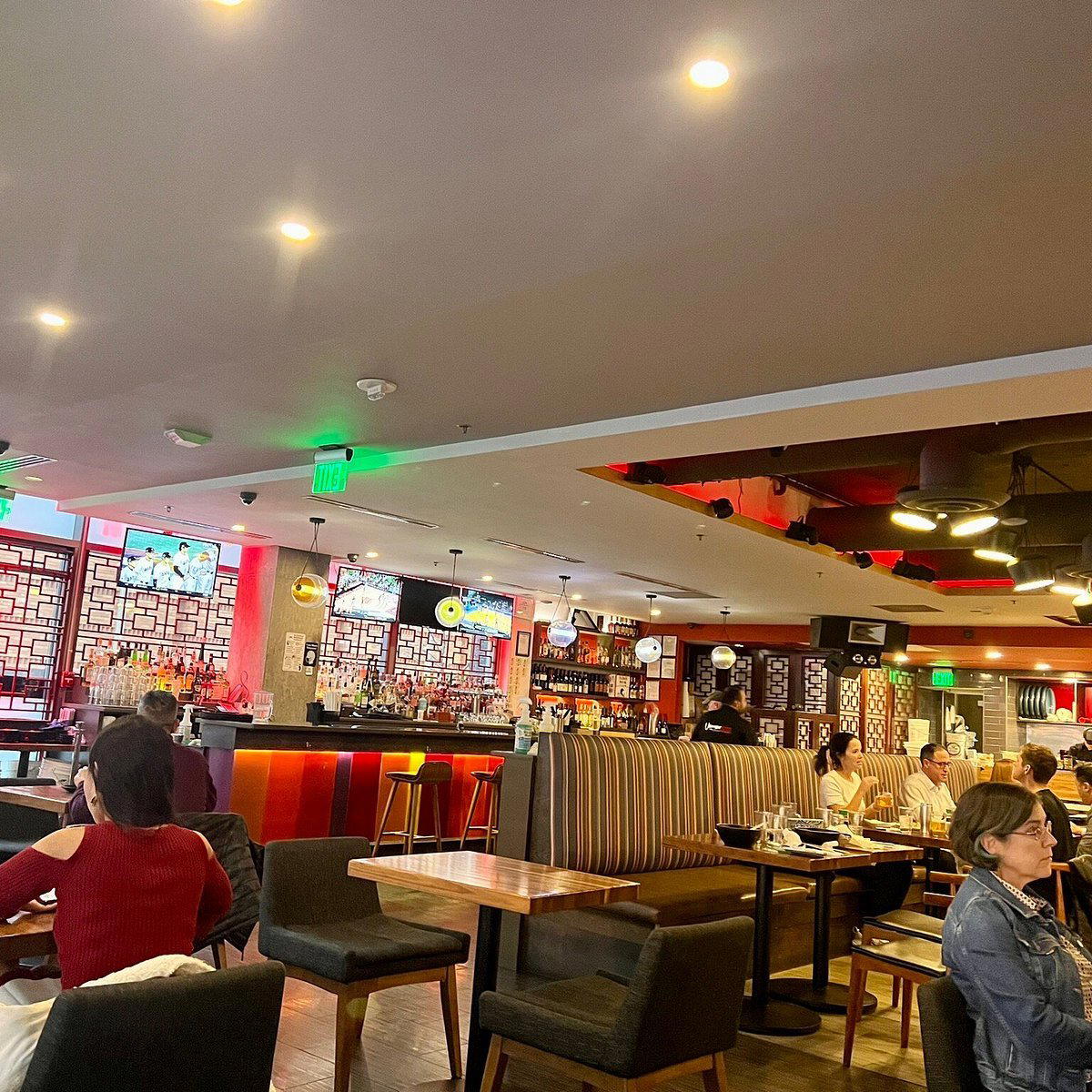
Penn Quarter's Collaborative Tier
Umaya is an Authentic Japanese Izakaya in Washington, D.C. The Penn Quarter location puts it in a busy dining corridor where service and timing matter. Umaya, at 733 10th St NW, operates inside that dynamic. Its Penn Quarter address places it among a cohort of D.C. restaurants where team architecture is as consequential as any single dish.
That shift toward collaborative service models is visible across the capital's stronger dining rooms. At Jônt, the counter format fuses kitchen and dining room into a single choreographed space. At minibar, the molecular program depends on a front-of-house team trained to present technical processes clearly. Umaya's position on 10th Street puts it in physical and conceptual proximity to both: close enough to Penn Quarter's established fine dining gravity to draw from it, distinct enough in identity to occupy its own tier.
The Room Before the Menu
Approaching from 10th Street NW, the Penn Quarter block reads as one of the capital's more intentionally designed dining corridors. The neighbourhood's proximity to the National Portrait Gallery and the Capital One Arena means foot traffic is dense and varied, but the restaurants that survive on reputation rather than footfall tend to sit slightly off the main pedestrian current. Umaya's address places it in that position: present enough to be found, composed enough to reward the effort.
Inside, the logic of a collaboratively run dining room tends to declare itself quickly. Rooms built around team service models typically avoid the single-axis focus of a chef's counter or the diffuse energy of a large brasserie. They operate at a scale where a sommelier can track every table's beverage arc, where the kitchen's output and the floor's communication stay in consistent alignment. That kind of spatial calibration is what distinguishes Penn Quarter's upper dining tier from the broader D.C. market, and it is the context in which Umaya should be understood.
Where Umaya Sits in D.C.'s Competitive Set
D.C.'s current fine dining tier has a recognisable shape. At the highest price point, you have destination-format restaurants drawing national comparison: The Inn at Little Washington operates as a category of its own. Below that, a dense middle tier of technically serious, often cuisine-specific restaurants competes for repeat custom from a professional class that dines frequently and tracks quality carefully. Comparison venues in this tier include Causa, which applies Peruvian precision at the $$$$ price point, Albi, which anchors Middle Eastern cooking at the same level, and Oyster Oyster, which runs a sustainable New American program at $$$.
Across the country, the restaurants that draw the clearest comparison to this collaborative service tier are those where kitchen and floor function as a single organism. Single Thread Farm in Healdsburg is the clearest model: a property where the chef, sommelier, and hospitality director operate in explicit creative alignment. Lazy Bear in San Francisco formalises that structure differently, using a communal format to dissolve the conventional boundary between kitchen and guest. Atomix in New York City pushes further, building the entire service arc around a card-based narrative that requires kitchen, sommelier, and floor to perform in precise sequence.
Umaya's Penn Quarter position means it competes laterally across all three of those reference points: it needs to justify its price and format against local peers while remaining legible to a national dining audience that measures D.C. restaurants against the standards set by Alinea in Chicago, Le Bernardin in New York City, or Providence in Los Angeles.
The Sommelier-Kitchen Relationship as Editorial Signal
In restaurants where the team dynamic is the distinguishing variable, the beverage program functions as more than a list. It functions as a second editorial voice, and the quality of the sommelier-kitchen relationship is readable in how that voice responds to the food. When pacing is tight, the wine sequence anticipates the kitchen's decisions rather than reacting to them. When it breaks down, even technically accomplished food loses its coherence across a long menu.
That dynamic is well-documented in the restaurants that have set the standard for this format. The French Laundry in Napa has operated with an explicit sommelier-kitchen protocol for decades, treating beverage pairing as a compositional element rather than an optional add-on. Addison in San Diego applies a similar logic: the sommelier's role there is not supplementary but structural. Blue Hill at Stone Barns in Tarrytown takes the model further, integrating beverage selection into the farm-to-table sourcing narrative so that the sommelier's choices carry agronomic as well as gustatory weight.
For a Penn Quarter restaurant operating in this tradition, the implication is that the beverage program should be booked and considered with the same intention as the food. Diners who approach the meal as a menu-plus-wine experience rather than a food-only visit are engaging with the full offer the format is built around.
Planning a Visit
Umaya's address at 733 10th St NW places it within walking distance of Gallery Place-Chinatown Metro station, which serves the Yellow, Green, and Red lines, making it accessible from most quadrants of the city without a car. Reservations are recommended.
A Quick Peer Check
Comparable venues nearby, for context on price, style, and recognition.
| Venue | Cuisine | Price | Notes |
|---|---|---|---|
| UmayaThis venue — the venue you are viewing | Authentic Japanese Izakaya | $$ | Not listed |
| Shinwa Izakaya | Japanese Izakaya | $$$ | Tenleytown |
| DC Al Toque | Authentic Peruvian Cevicheria | $$ | La Cosecha |
| Urban Roast | Contemporary American Shared Plates | $$ | Penn Quarter |
| Lucha Rosa | Modern Mexican Rooftop Taqueria | $$ | Shaw |
| Clyde's of Gallery Place | American Steakhouse | $$ | Chinatown |
Continue exploring
More in Washington DC
Restaurants in Washington DC
Browse all →
Bars in Washington DC
Browse all →
Hotels in Washington DC
Browse all →
At a Glance
- Cozy
- Modern
- Casual Hangout
- Group Dining
- After Work
- Open Kitchen
- Standalone
- Beer Program
Current opening hours
- Monday
- 11:30 AM–10 PM
- Tuesday
- 11:30 AM–10 PM
- Wednesday
- 11:30 AM–10 PM
- Thursday
- 11:30 AM–10 PM
- Friday
- 11:30 AM–10:30 PM
- Saturday
- 11:30 AM–10:30 PM
- Sunday
- 11:30 AM–10 PM
Hours can change for holidays and private events. Last verified .
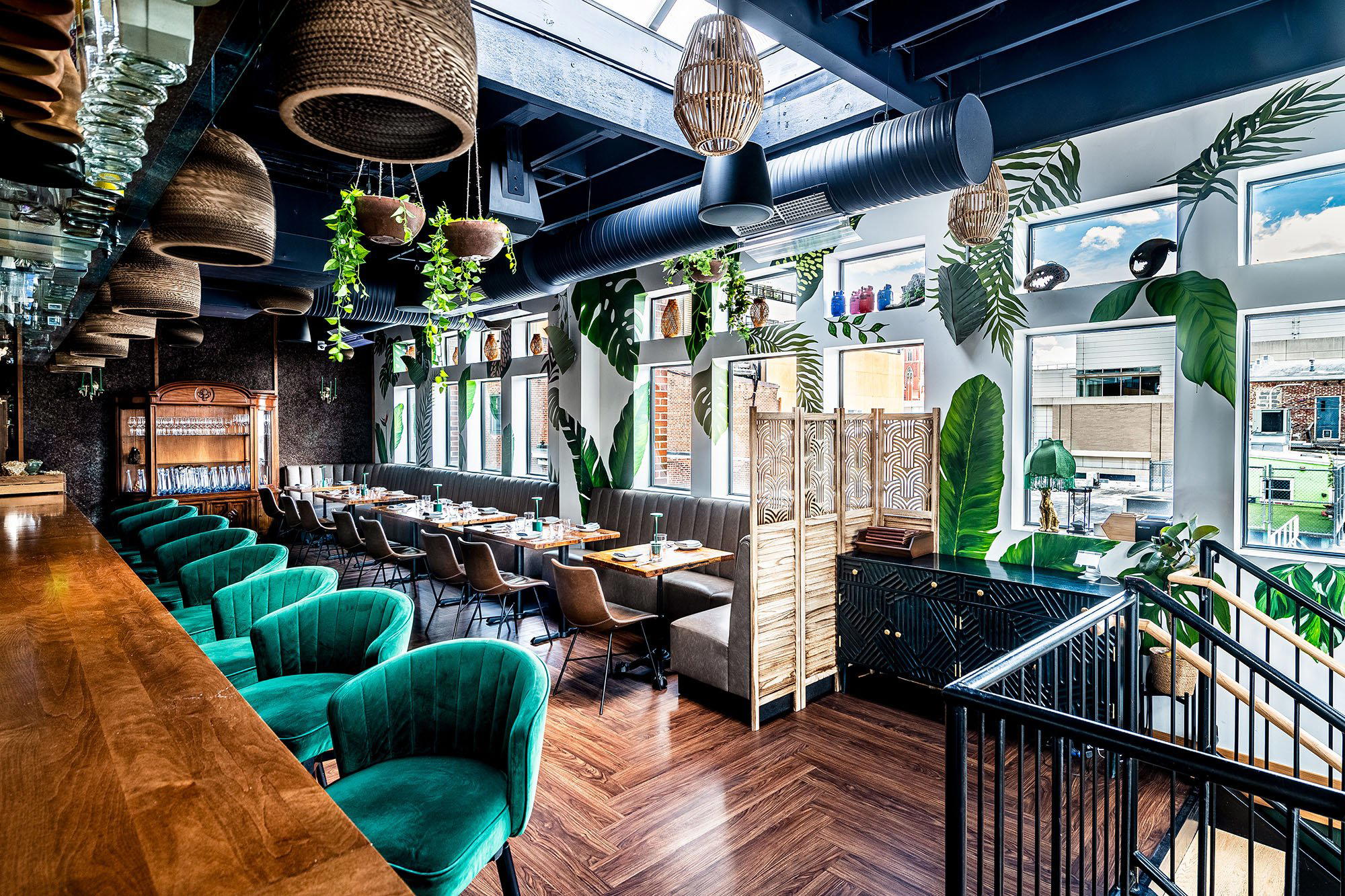
Warm and inviting atmosphere with refreshing décor that combines the serenity of a Western-style beer garden with traditional Asian dining experience.