DC Al Toque
DC Al Toque brings Venezuelan bakery and street food traditions to Washington, anchoring its menu around arepas, pastries, and braided cheese bread. Against the city's Latin dining scene, which skews toward Salvadoran and Peruvian formats, a dedicated Venezuelan counter occupies a distinct and underserved position. The format is informal and order-at-counter, making it a practical stop for visitors exploring the city's neighborhood food culture.

Pearl is the En Primeur Club membership app — saves, bookings, and concierge access live there. Same editors, same standards.
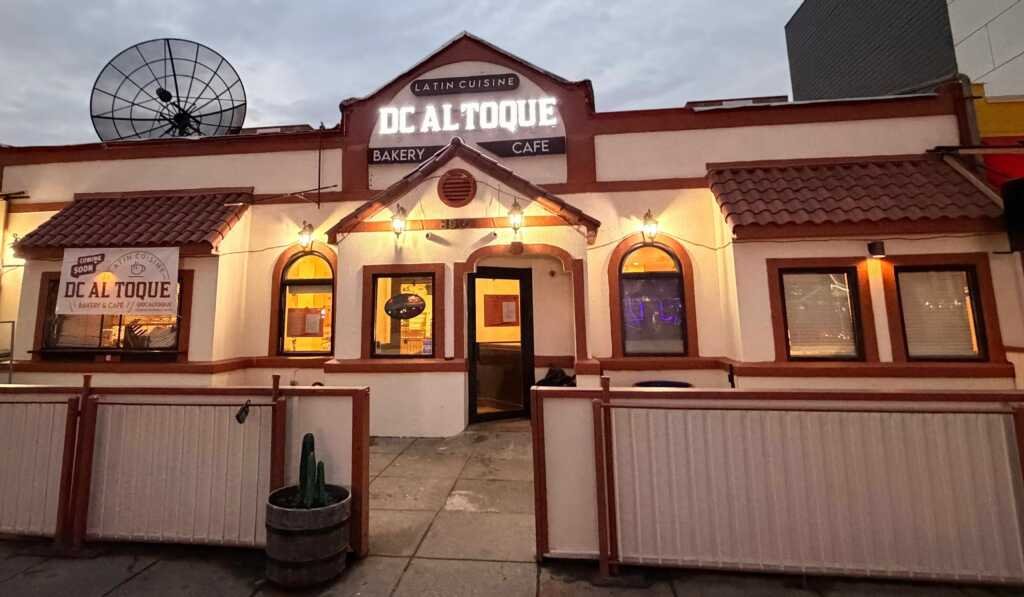
Where Venezuelan Bakery Finds a Washington Address
Washington's Latin food scene has long been shaped by its Salvadoran community, which established a corridor of pupuserias and family restaurants that remains the city's most visible expression of Central American cooking. Peruvian cevicherias and Colombian bakeries have added further depth over the past decade, but Venezuelan cuisine occupies a narrower slice of that map. DC Al Toque works within that gap, bringing a format centered on arepas, pastries, and braided cheese bread to a city where Venezuelan-specific counters are scarce enough to register as a category of their own.
The form matters here. Venezuelan street food and bakery traditions operate on a different register than the sit-down Latin dining that dominates Washington's more prominent dining corridors. The arepa, corn-based and stuffed, is a carrier format: what goes inside determines the range, and a well-executed version achieves a particular texture contrast between its lightly crisped exterior and the warm filling within. The braided cheese bread, known as pan de queso or in its Venezuelan iteration as pan de jamón or golfeados depending on variation, sits in the same register as the Colombiam pandebono or Brazilian pão de queijo but with its own structural logic. These are not interchangeable products, and a venue that sources them from within a specifically Venezuelan culinary tradition is providing something different from the broader Latin bakery category.
The Neighbourhood Logic of an Informal Counter
Washington's dining geography tends to concentrate press attention on the power-lunch corridors near K Street, the tasting-menu addresses in Penn Quarter, and the cocktail-forward strips of 14th Street NW. Venues like The Inn at Little Washington operate in an entirely different register, drawing destination diners and occasion budgets. The informal counter format that defines DC Al Toque is part of a separate but equally important layer of the city's food culture, one that serves commuters, neighborhood regulars, and visitors looking for something specific rather than something ceremonial.
That positioning places DC Al Toque alongside the city's other community-anchored Latin food operations rather than alongside its tasting-menu addresses. Against the refined end of that spectrum, the restaurant is not competing. It is serving a different decision entirely.
The meat-focused end of the Washington dining spectrum, represented by venues like Bazaar Meat and Bazaar Meat by José Andrés, draws a similarly distinct crowd. These are different categories of eating, and the reader who is comparing them is likely asking the wrong question. The more useful comparison for the restaurant is against other Venezuelan operations in the mid-Atlantic region.
Venezuelan Pastry as a Format Worth Understanding
Across the United States, Venezuelan bakeries have followed a pattern similar to that of Cuban or Colombian bakery traditions: concentrated first in cities with established diaspora communities, then spreading to secondary markets as those communities dispersed. Miami, Houston, and New York each developed Venezuelan bakery cultures earlier than Washington, giving those cities more reference points for what a well-made cachito, tequeño, or pan de jamón should deliver. Washington's later arrival to this format means that venues operating in it carry more weight as category representatives.
The tequeño, a fried or baked cheese-filled dough stick, has become something of an ambassador product for Venezuelan bakery culture in the United States, appearing on menus well outside Venezuelan-specific venues. When it appears within a dedicated Venezuelan counter rather than as a menu accent in a broader Latin cafe, the context shifts. The surrounding menu, the sourcing decisions, and the production standards either reinforce or undercut the product's credibility. The restaurant's focus on Venezuelan-specific formats, rather than a pan-Latin bakery approach, places it in the more specialized tier of that market.
Emeril's in New Orleans represents a different regional tradition entirely, while the farm-driven precision of Blue Hill at Stone Barns in Tarrytown and the northern California tasting-menu tradition anchored by venues like The French Laundry in Napa and Single Thread Farm in Healdsburg operate in categories that share no competitive overlap with a Venezuelan arepa counter. The comparison is useful only to establish where the restaurant sits on the national map: at the informal, community-embedded end, not the destination-dining end.
Planning a Visit
Because the restaurant operates as an informal counter rather than a reservation-based dining room, the practical considerations differ from those at the city's tasting-menu addresses or hotel restaurants. Counter-service Venezuelan bakeries typically operate on a first-come basis, with peak hours tracking morning and midday demand for pastries and arepas. The format does not require advance booking in the conventional sense, but it does reward early arrival during busy periods, when bread and pastry production is freshest. Specific hours, address details, and any ordering format particulars are best confirmed directly with the venue.
The concentration of Salvadoran restaurants in the Columbia Heights and Mount Pleasant neighborhoods represents a different axis of the city's Latin dining culture, while Venezuelan counters like DC Al Toque occupy a less predictable geographic position. Cross-referencing with the full Washington dining guide gives the clearest picture of how different neighborhood food cultures distribute across the city.
A morning stop at a Venezuelan counter and an evening reservation at a tasting-menu address like those found among the community-table formats in San Francisco, or the Korean-American precision of Atomix in New York City, or the seafood-focused ambition of Providence in Los Angeles occupy entirely different positions in a travel itinerary. The decision about the restaurant is a neighborhood food decision, not a destination dining decision, and it should be evaluated on those terms.
A Minimal comparable set
Comparable venues nearby, for context on price, style, and recognition.
| Venue | Cuisine | Price | Notes |
|---|---|---|---|
| DC Al ToqueThis venue — the venue you are viewing | Not listed | $$ | Not listed |
| Rajaji | Not listed | $$ | Woodley Park, Authentic Indian Fine Dining |
| Ethiopic | Near Northeast, Authentic Ethiopian | $$ | Not listed |
| Cafe Divan | Not listed | $$ | West Village Georgetown, Authentic Turkish |
| Martha Dear | Not listed | $$ | Mt. Pleasant, Neapolitan Pizza with Greek Influences |
| Bistrot Du Coin | Not listed | $$ | Washington Heights, Classic French Bistro |
Continue exploring
More in Washington DC
Restaurants in Washington DC
Browse all →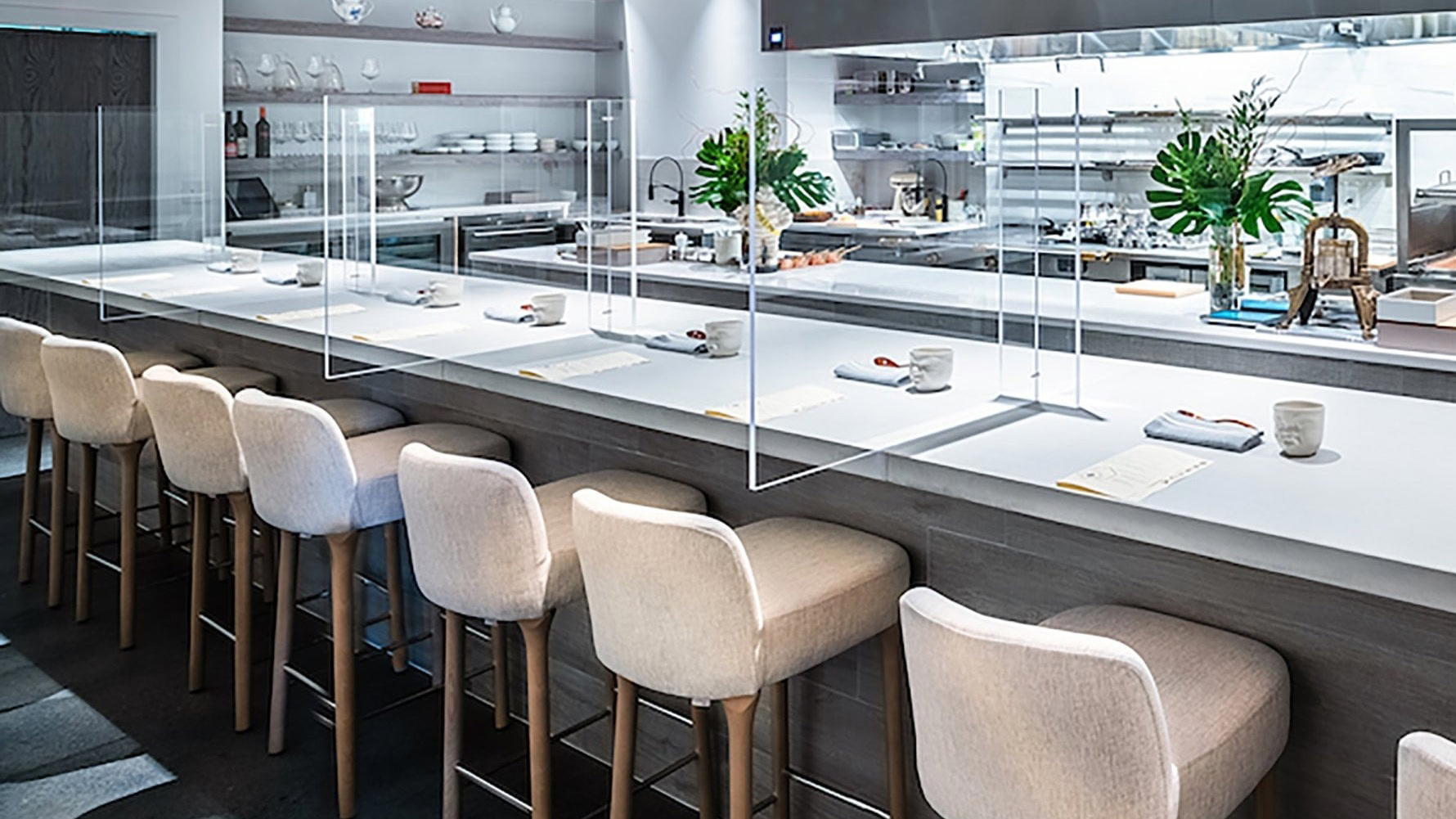
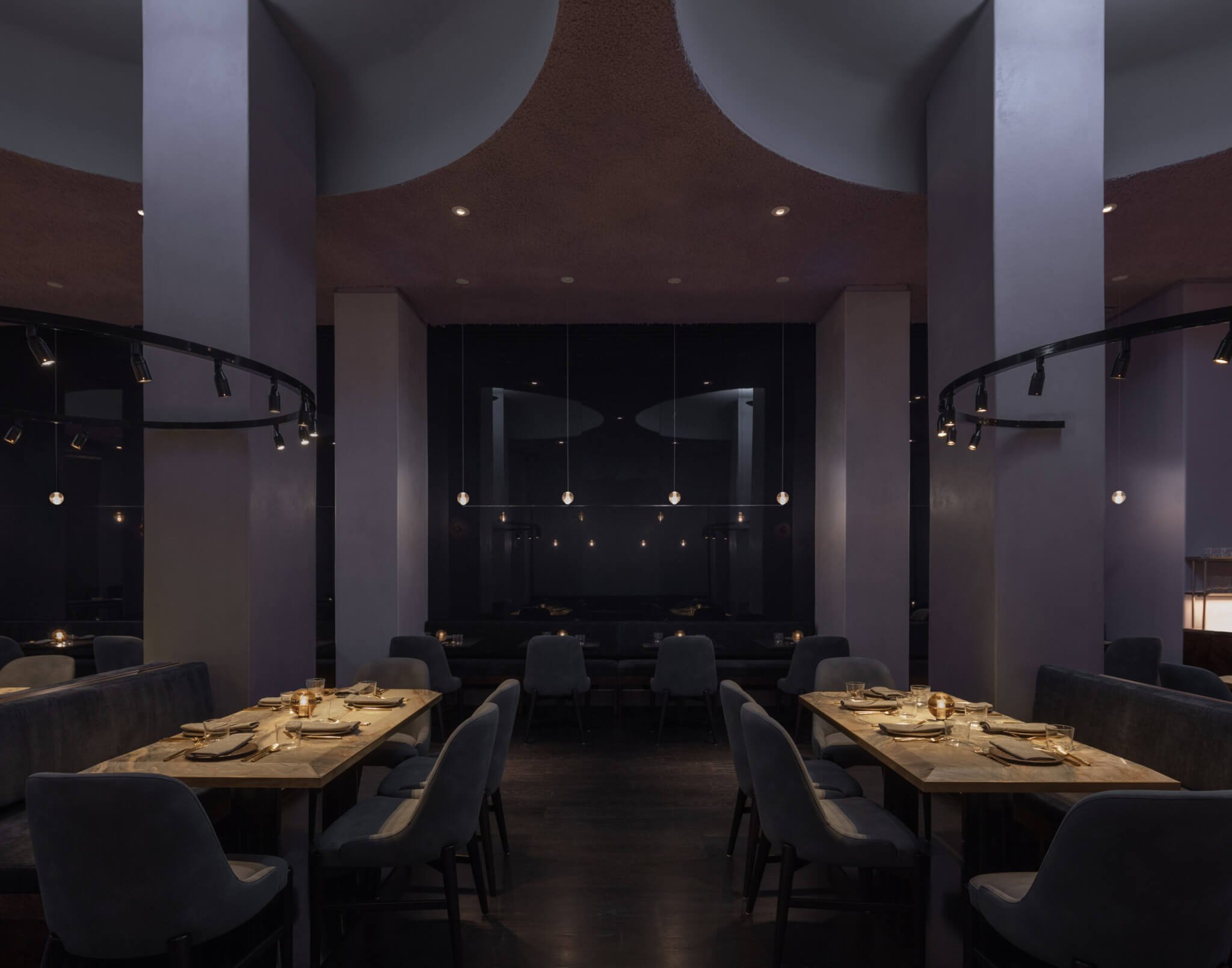
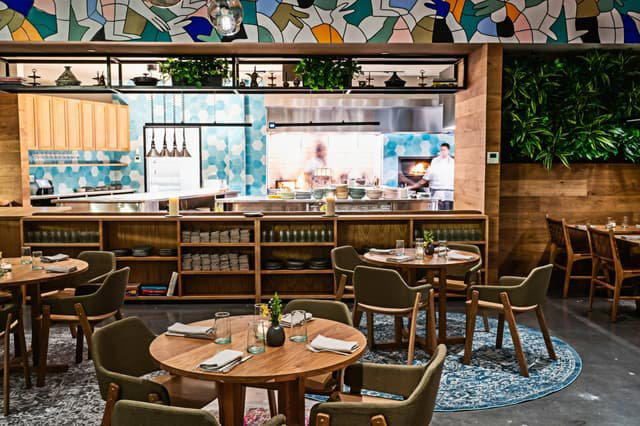
Bars in Washington DC
Browse all →

At a Glance
- Trendy
- Lively
- Casual Hangout
- Group Dining
- Open Kitchen
- Craft Cocktails
- Local Sourcing
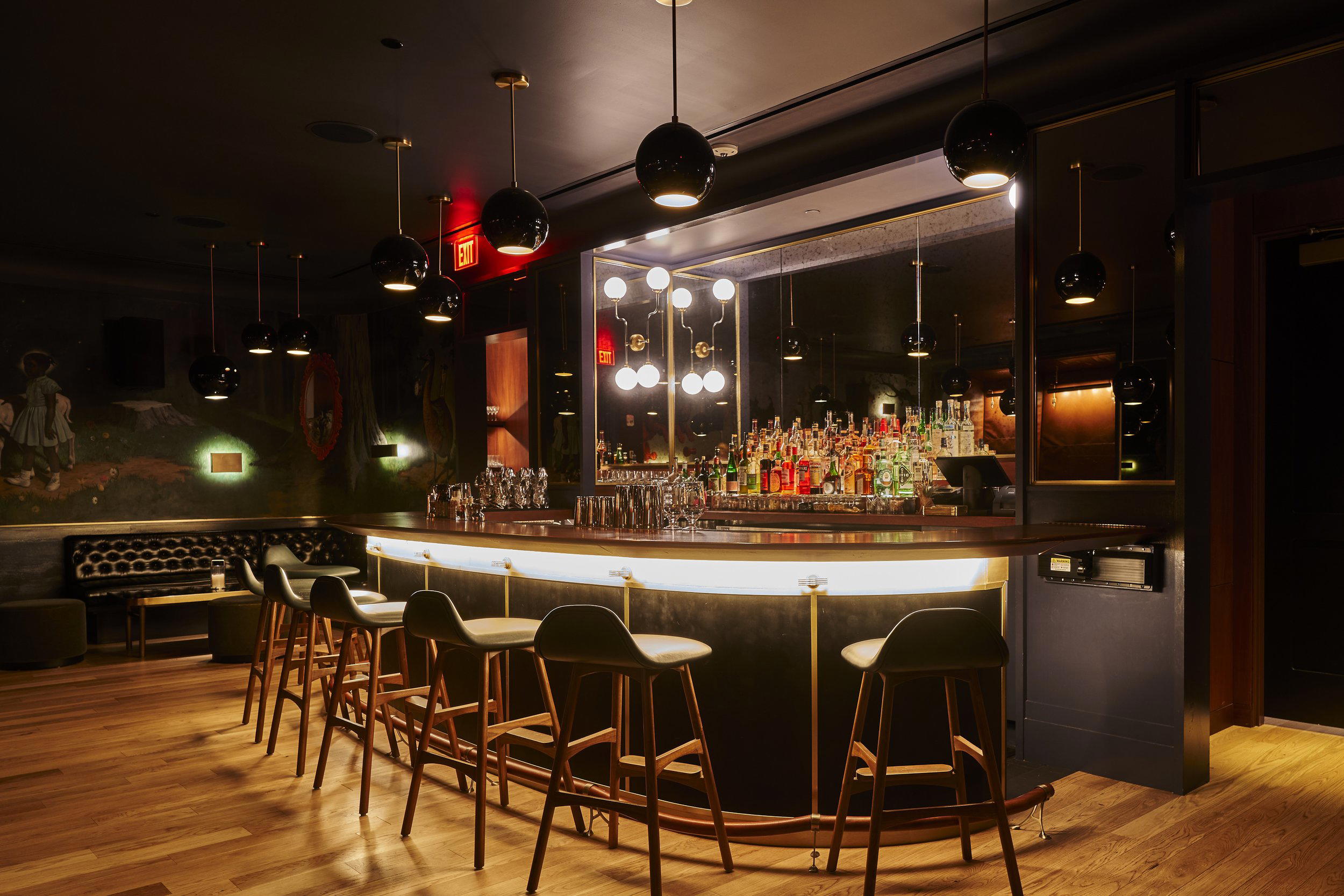
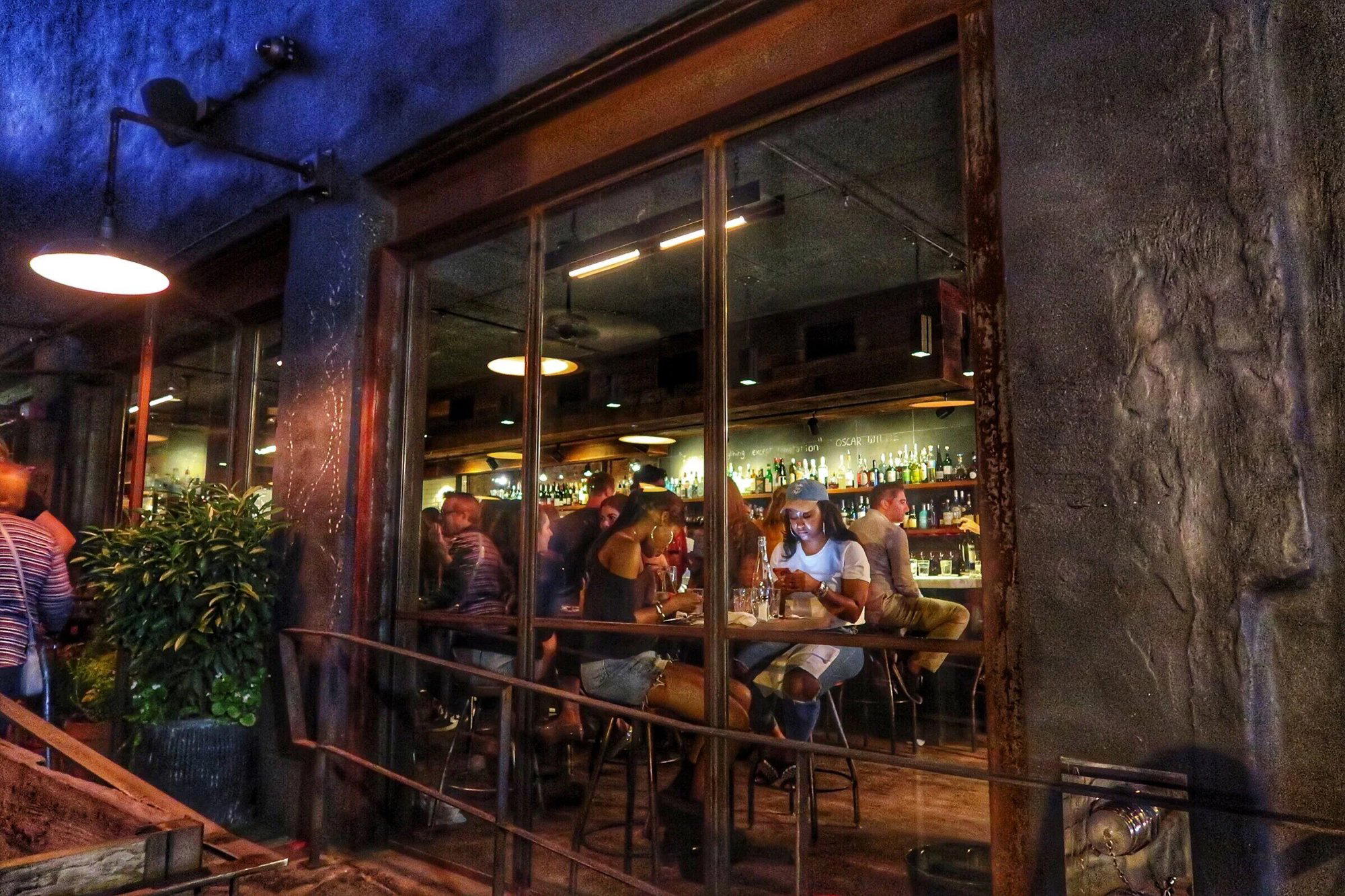
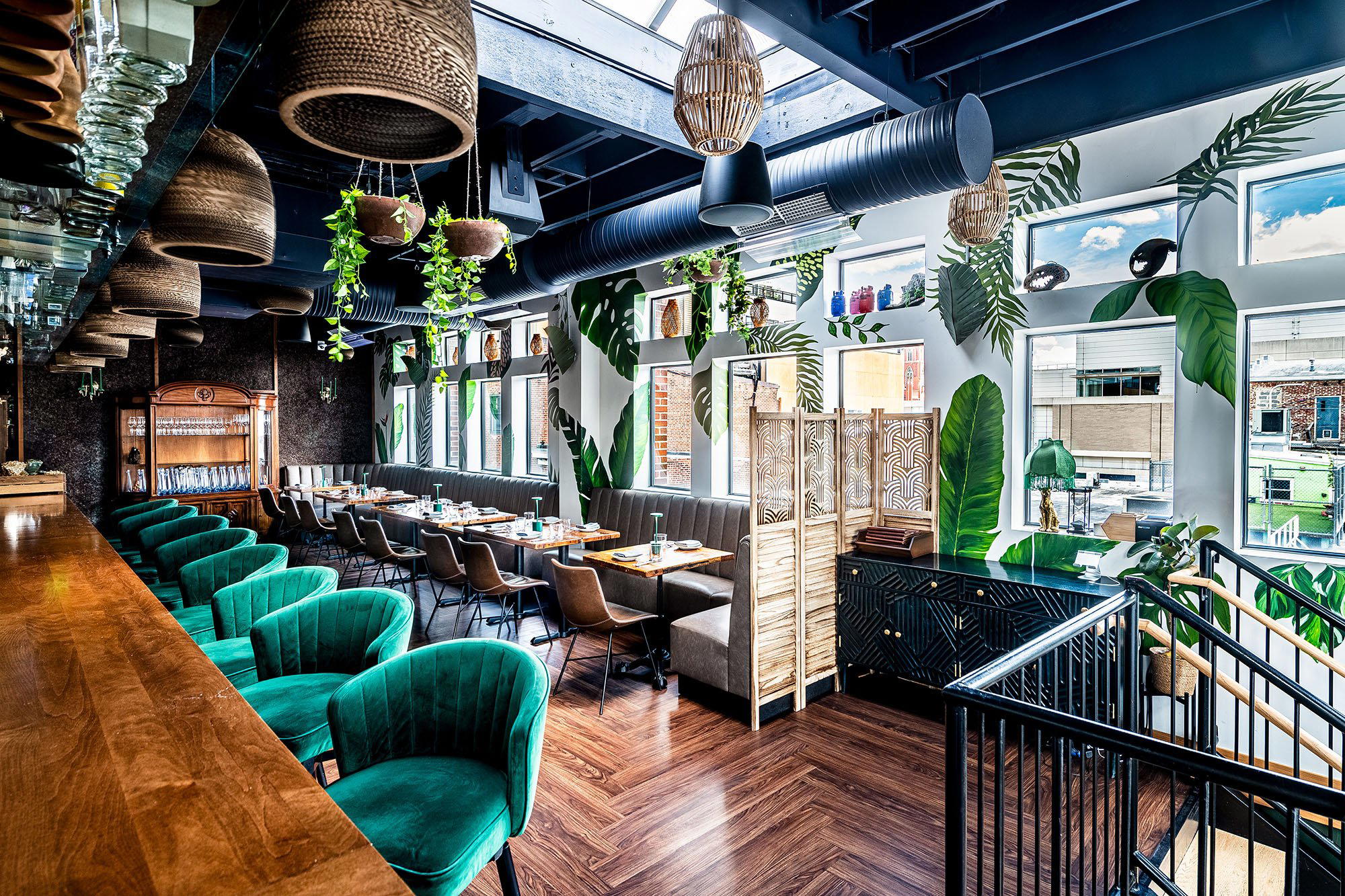
Casual and energetic with modern lighting and lively market atmosphere.