
Udon Taira sits in Fukuoka’s low-cost noodle culture rather than its luxury dining circuit, which is precisely the point. The draw is Hakata-style speed and value: handmade udon, local toppings such as goboten, Tabelog 100 Udon WEST 2024 recognition, and a compact room built for lunch rather than ceremony.
Pearl is the En Primeur Club membership app — saves, bookings, and concierge access live there. Same editors, same standards.
- Address
- 5 Chome-10-7 Sumiyoshi, Hakata Ward, Fukuoka, 812-0018, Japan
- Phone
- +81 92-431-9703
- Website
- en-gage.net
 Saves & bookings on Pearl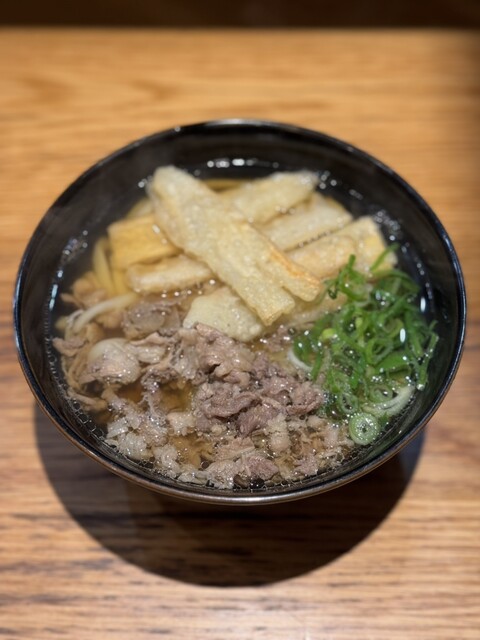
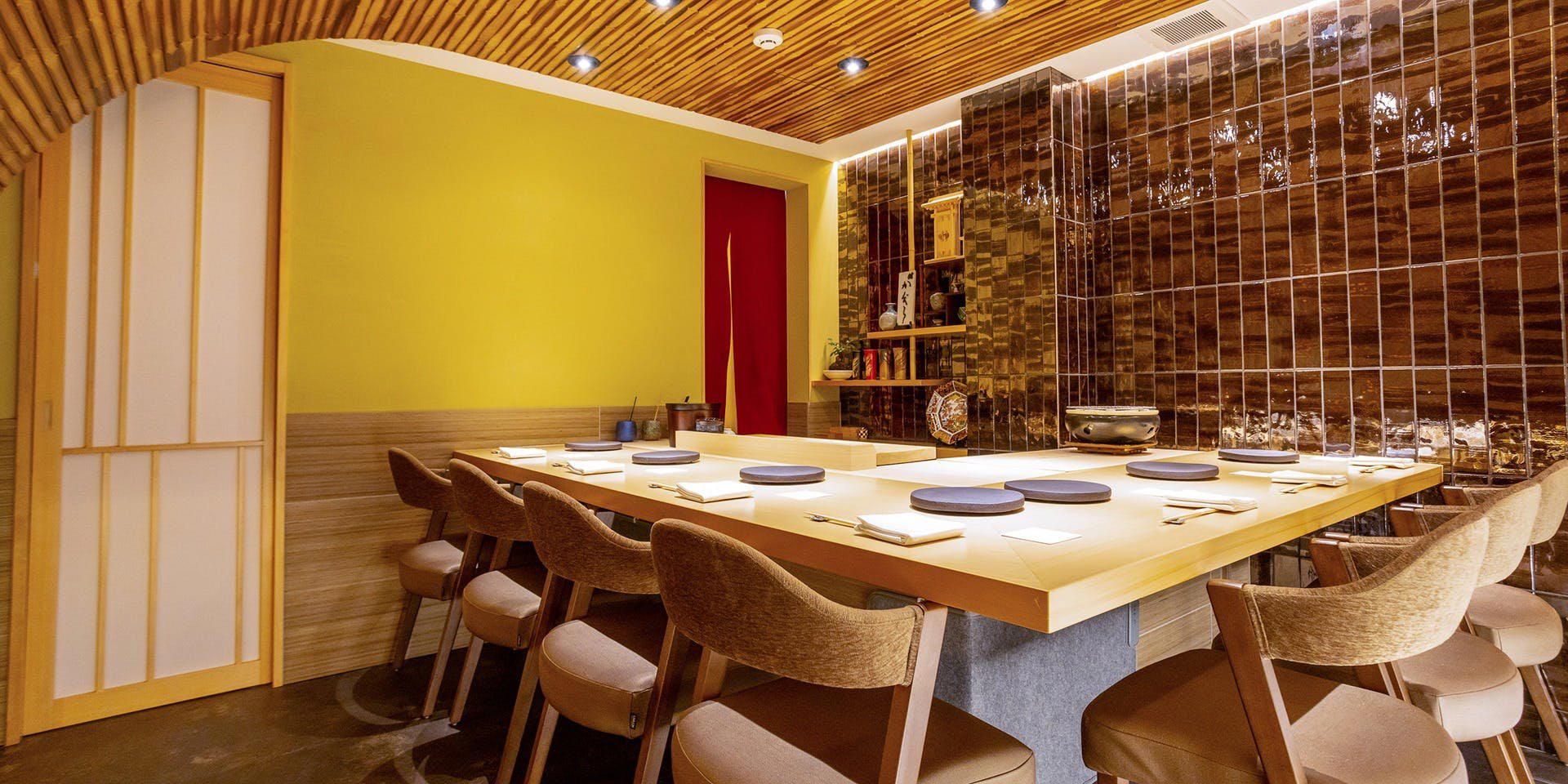
The room reads as Hakata lunch culture before the first bowl lands: counter seats, quick turnover, and the practical geometry of a noodle shop built around steam, broth, and a short midday window. Fukuoka udon is not Sanuki udon in Kagawa or a polished Tokyo noodle counter. The local style is softer, faster, and more everyday, closer to city habit than destination ritual. Udon Taira belongs to that tradition, while its Tabelog 100 Udon WEST 2024 selection places it above the average neighbourhood bowl.
That matters because Fukuoka’s restaurant reputation is often flattened into ramen, motsunabe, and yatai drinking. Udon has equal claim on the city’s daily appetite. Around Hakata and Sumiyoshi, the category works by compression: a small room, low spend, broth-led order, and a meal that fits between errands or trains. For broader city context, our full Fukuoka restaurants guide maps how noodle shops sit alongside curry counters, izakaya, sushi rooms, and specialist grills.
Hakata udon makes its case through speed, softness, and price discipline
The value proposition is unusually clear. In the same city where Sushi Soejima and Nishimura occupy high-ticket sushi and fine-dining brackets, Hakata udon offers another precision: not luxury, but repetition. The point is not a long menu arc or chef’s counter theatre. It is dough handling, broth balance, and timing, then the bowl gets out of the way. Compared with yakitori rooms such as Yakitori Inada or Toritori Kenkyu Dan, the spend is not playing the same game. Compared with Shokudo Nizakana Shonen, it shares democratic lunch logic but speaks in noodles rather than set-meal fish.
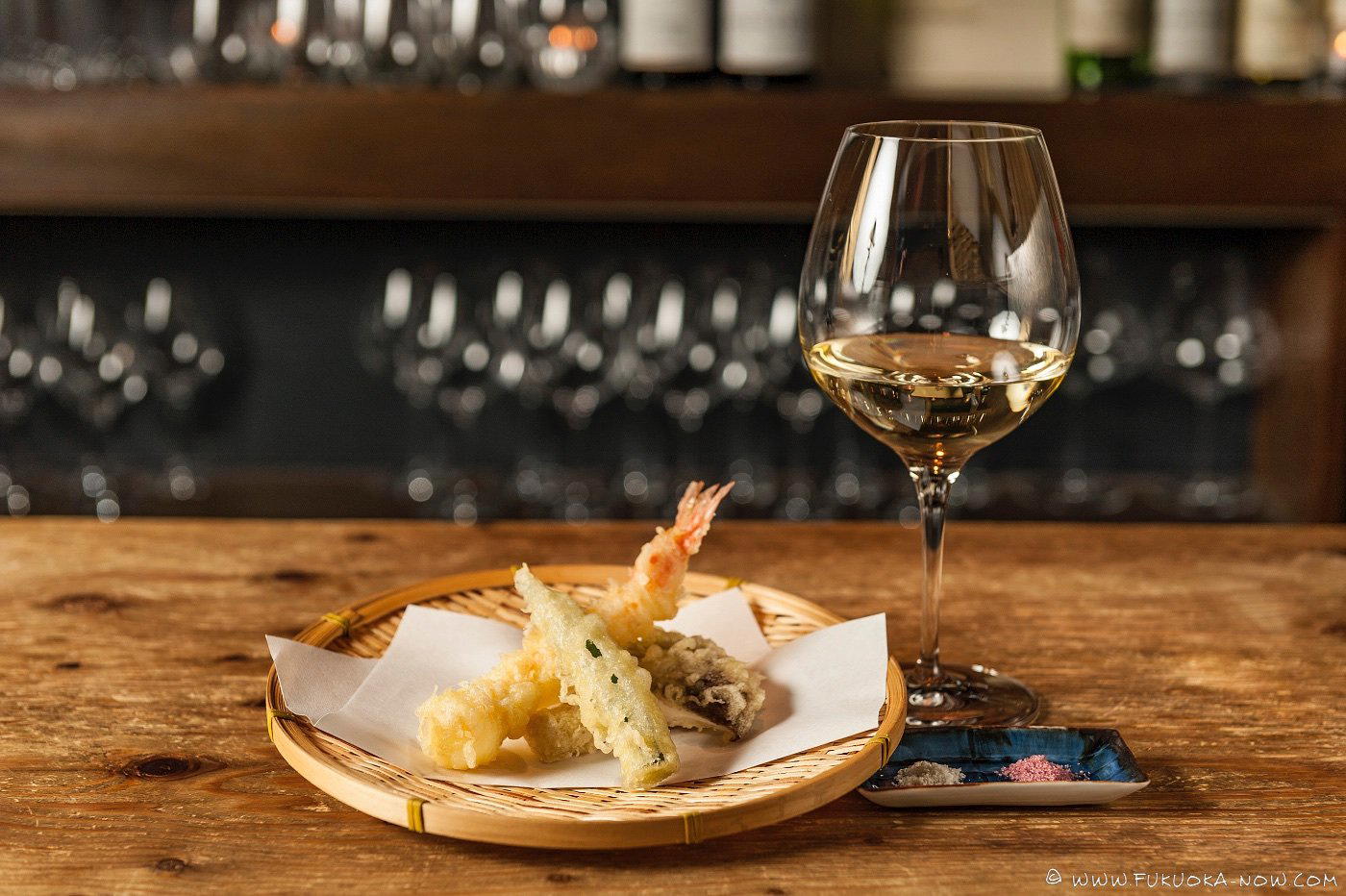
The house grammar is local but not generic. Homemade noodles are described as chewy, with a texture closer to Sanuki than the softer stereotype attached to Hakata udon. The broth leans on dried sardines and flying fish, giving a coastal Kyushu register without becoming heavy fish stock. Goboten udon, with burdock tempura, is the shop’s signature order, while maruten, meat udon, inari rice, and kashiwa rice place it firmly inside Fukuoka’s everyday noodle vocabulary. Table yuzu kosho is for a late-bowl shift in aroma, not decoration.
There is a useful lesson for travellers chasing only tasting menus: a city’s food intelligence often appears in low-cost formats. Fukuoka supports serious dining across price levels, from South Indian cooking at 106 South Indian Fukuoka tenjin ten to the spice reputation of Afterglow, the local drinking-food register at Aji Dokoro Taro Gen Sougyou ten, the fried-fish focus of Aji Furai Shokudo Kaba, and the comfort-food pull of Aji no Katsueda. Udon Taira’s argument is narrower: if lunch can be done with noodles, broth, tempura, and speed, additions need to justify themselves.
The small-room format rewards decisive ordering
Capacity shapes the experience. With 22 seats, including counter seating and a handful of tables, the shop belongs to the Japanese category where hesitation slows the room. Reservations are unavailable, so the meal is governed by arrival time and turnover rather than concierge planning. That is part of why the format works: the menu is familiar to regulars, spend stays low, and the room need not perform hospitality theatre to feel serious.
The 2019 relocation to Sumiyoshi explains why the address feels practical rather than picturesque. This is Hakata-adjacent eating, close enough to fold into a station-area day without making the meal the only agenda. Travellers should treat it as a lunch anchor, then structure the day around neighbourhood movement rather than a long sit-down plan. For the wider trip frame, our full Fukuoka hotels guide, full Fukuoka bars guide, full Fukuoka wineries guide, and full Fukuoka experiences guide separate lodging, drinking, wine, and cultural options from the lunch map.
The award signal is useful but should be read correctly. Tabelog’s Udon WEST list is a category marker, not a claim that this is fine dining in disguise. It says the shop has earned attention within a regional noodle field where consistency, local loyalty, and a repeatable bowl matter more than ceremony. The listing score, 3.68, reinforces the point: this is a specialist udon address with measurable recognition, not a broad-menu restaurant trying to satisfy every group type.
Where it fits in a Japan eating itinerary
For travellers moving beyond Fukuoka, Udon Taira is a counterweight to higher-production dining days. It belongs in the same mental file as small, category-specific Japanese addresses where the format is the discipline: sukiyaki at -Grilled beef Sukiyaki- KAMAKURA TANUKIAN 鎌倉 たぬき庵 in Kamakura, charcoal-led tuna cooking at. 鮪と炭火焼き うお炭 秋葉原店 in Tokyo, café minimalism at.cafe in Osaka, or contemporary dining at.know in Kumamoto. The comparison is not cuisine; it is focus.
That focus clarifies who should prioritise it. Diners seeking a long evening, alcohol-led pacing, or a large mixed menu will get more from other Fukuoka formats. Diners interested in how a city feeds itself at lunch should pay attention. The same trip can include Vietnamese cooking at (Shoku) Vietnam in Kawasaki, curry at [Curry Senmon Ten] Maruyama Kyoju. in Sapporo, sake-bar cooking at Jōdo Saké Bar in Los Angeles, or rice-ball craft at Onigiri Time in Pasadena, but the lesson holds: narrow formats often reveal more about dining culture than ambitious menus with too many promises.
The editorial call is simple. Treat the restaurant as a lunch study in Fukuoka value: low spend, compact room, no-reservation flow, and a bowl tied to Hakata’s udon habits. Its recognition gives travellers a reason to choose it over an anonymous station-area stop, but the deeper reward is seeing how much identity a city can put into noodles and broth without ceremony.
Reputation Context
Comparable venues to anchor price and recognition.
| Venue | Cuisine | Price | Notes |
|---|---|---|---|
| Udon TairaThis venue — the venue you are viewing | Traditional Hakata Udon | $ | Not listed |
| Hagakure Udon | Traditional Fukuoka-style Udon | $ | Hakata |
| Kawa Ya Shirogane ten | Hakata yakitori & izakaya | $$ | Chūō |
| Miyake | Traditional Hakata Udon | $ | Hakata |
| Onokoro Hanjou | Seafood-focused Japanese izakaya | $$ | Chūō |
| Yakitori Benkei Nishijin ten | Traditional Yakitori & Kushiyaki | $$ | Sawara |
Recognition history
Dated appearances from independent guides and award organizations, with the underlying list record or original source where available.
Tabelog 100 #69 · No. 69
Tabelog · Tabelog 100 - Udon - WEST - 2024
At a Glance
- Cozy
- Classic
- Lively
- Solo
- Casual Hangout
- Family
- After Work
- Group Dining
- Standalone
Current opening hours
- Monday
- 11 AM–3 PM
- Tuesday
- 11 AM–3 PM
- Wednesday
- 11 AM–3 PM
- Thursday
- 11 AM–3 PM
- Friday
- 11 AM–3 PM
- Saturday
- 11 AM–3 PM
- Sunday
- Closed
Hours can change for holidays and private events. Last verified .
A small, non‑smoking udon shop with counter seats and a few tables, offering a warm and welcoming atmosphere where guests sit close together in a bright, no‑frills space focused on quick, casual meals.