
Onokoro Hanjou sits in Fukuoka’s fish-led izakaya tradition, where seafood, sushi and sake sit closer together than they do in more compartmentalised dining cities. Its Tabelog 100 Izakaya WEST selections in 2022, 2024 and 2025 place it in a serious regional bracket, but the appeal is less trophy dining than a structured night of fish, drink and counter-led ease.
Pearl is the En Primeur Club membership app — saves, bookings, and concierge access live there. Same editors, same standards.
- Address
- 福岡県福岡市中央区港1-4-24 24グレイスT&T 1F
- Phone
- +81927136050
- Website
- tabelog.com
 Saves & bookings on Pearl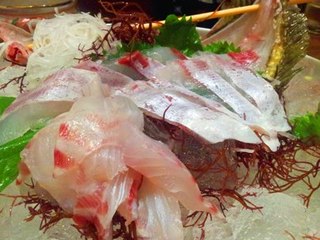
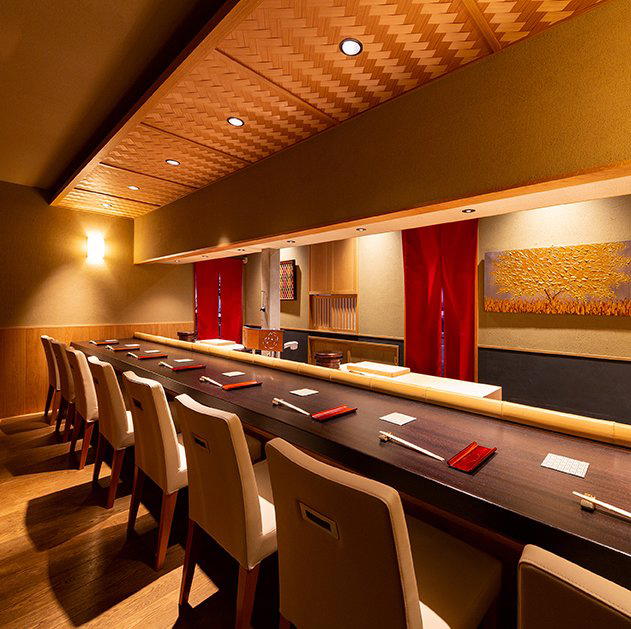
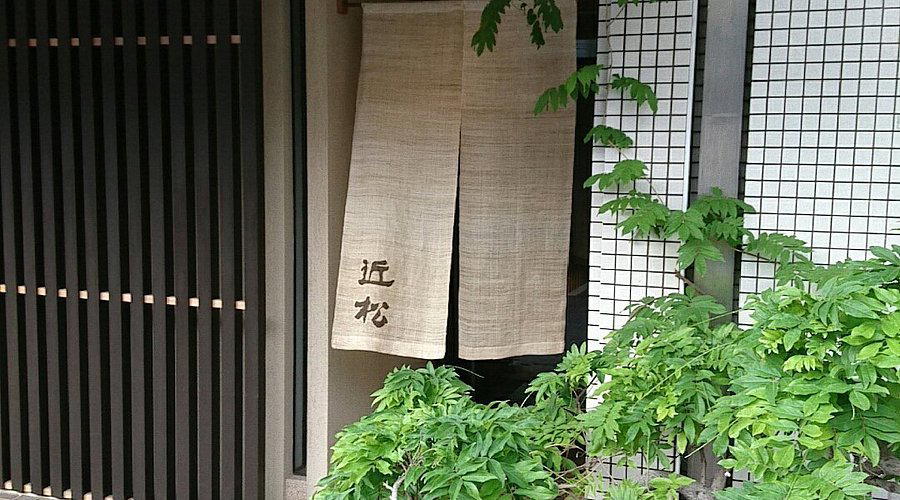
Behind the noren, the signal is not luxury theatre but controlled izakaya intimacy: counter seating, private rooms, a non-smoking room and the kind of fish-first menu that makes sense in Fukuoka, where the city’s relationship with the sea is practical before it is decorative. Onokoro Hanjou belongs to a local genre that treats seafood, sushi and drinking food as overlapping categories rather than separate reservations. That matters. In Fukuoka, the sharpest izakaya meals often happen in rooms where sake, shochu and wine are not afterthoughts, and where the menu can move between raw fish, cooked seafood and sushi without changing register.
The recognition tells part of the story. Selection for Tabelog 100 Izakaya WEST in 2022, 2024 and 2025 puts the restaurant inside a western Japan list that rewards consistency across a format often judged too casually by travellers. Izakaya cooking is easy to misunderstand from the outside: it is not simply bar food, and it is not a tasting-menu restaurant pretending to be relaxed. Its strength is sequencing. A good night is built through contrast, drink pace and the ability to keep fish central without turning the table into a formal sushi counter.
Fish, sushi and drinks share the same architecture
Onokoro Hanjou’s menu structure is the point. The categories run through izakaya, seafood and sushi, which places it in a hybrid lane rather than a single-discipline room. That format suits Fukuoka particularly well. The city’s dining culture has long been comfortable with high-quality ingredients in informal settings, from ramen counters to seafood taverns, and the better izakaya addresses turn that informality into a disciplined meal rather than a loose collection of snacks.
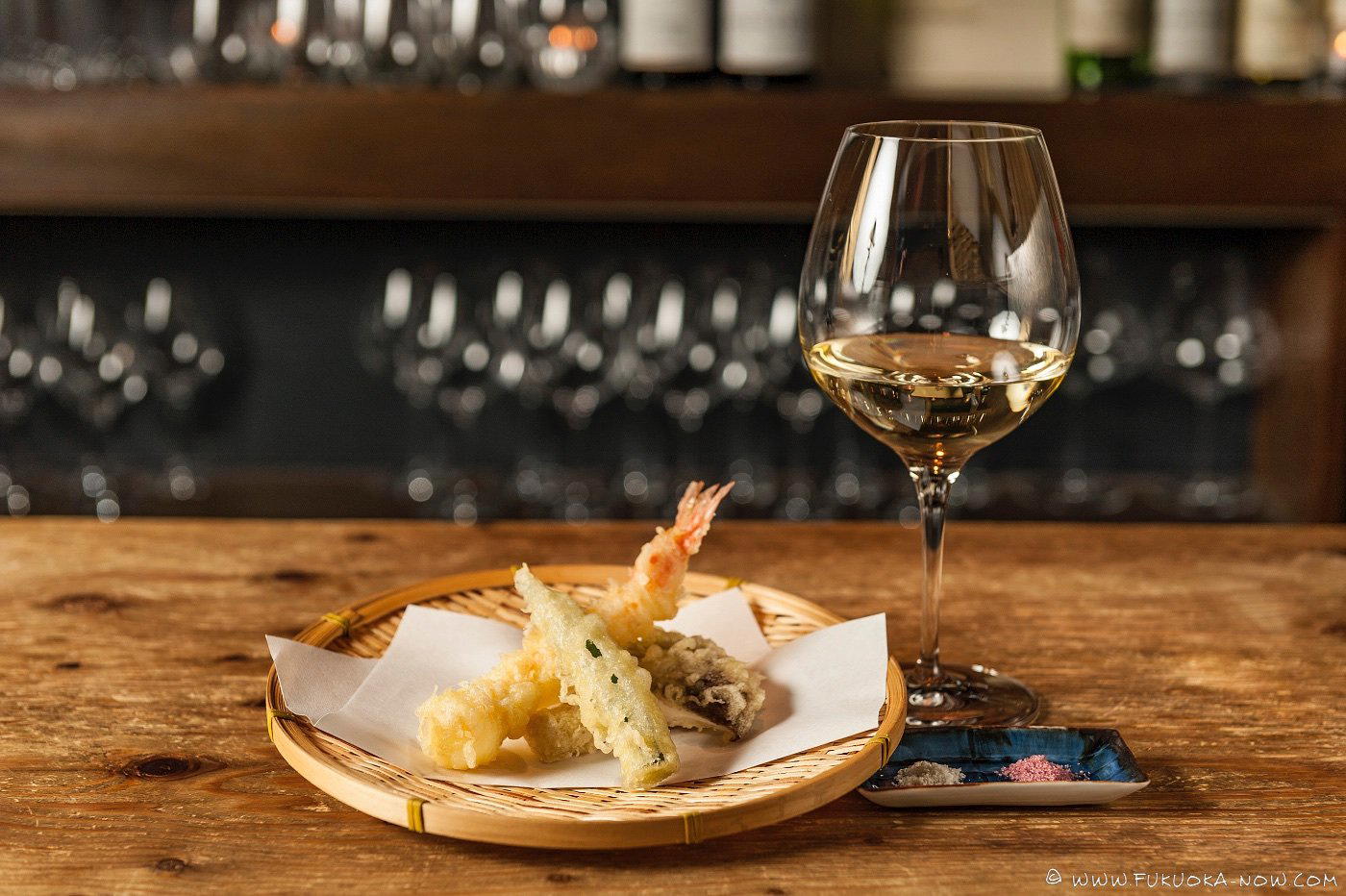
Fish anchors the cooking, while the drinks list is built around sake, shochu and wine. That trio says more than a generic beverage claim would. Sake keeps the meal in a classic Japanese seafood frame; shochu gives the table a Kyushu accent; wine acknowledges the way modern izakaya dining has stretched beyond the old beer-and-sake rhythm. The result is not fusion, and it does not need to be. It is a menu model where seafood can be read through multiple drinking cultures without losing its Japanese grammar.
Compared with Fukuoka rooms such as meek at a lower casual spend, PULPO in a slightly higher dinner bracket, HAKKO Shokudo in a fermented-food lane, Yakitori Choji in a skewers-focused bracket and TTOAHISU in French dining, this sits in a different decision tree. The question is not whether the city has more formal, cheaper or more specialised options. It does. The point is whether the night calls for fish-led izakaya structure with enough range to handle drinking, sushi and seafood in one sitting.
The room favours small groups over spectacle
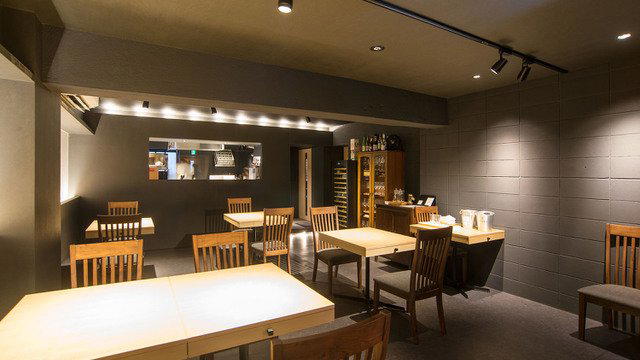
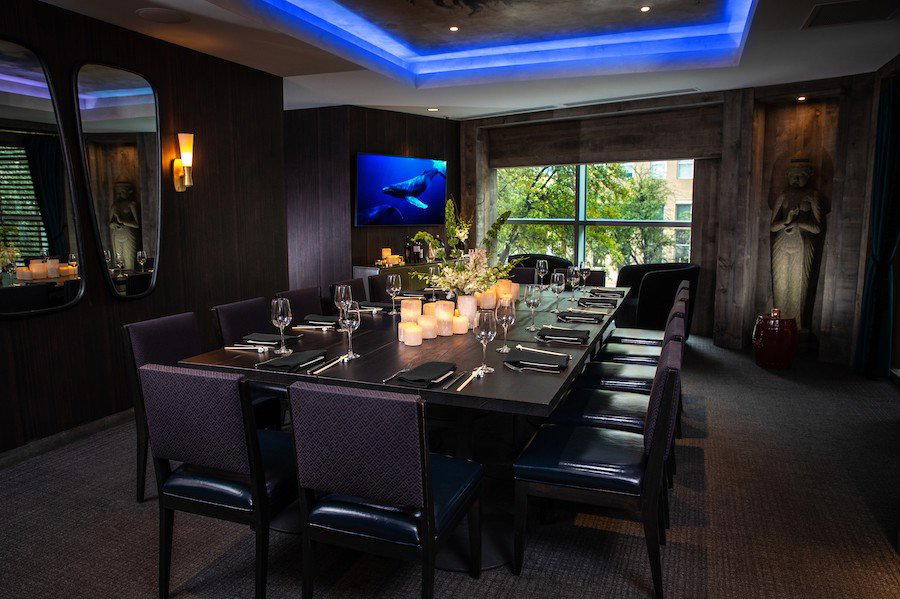
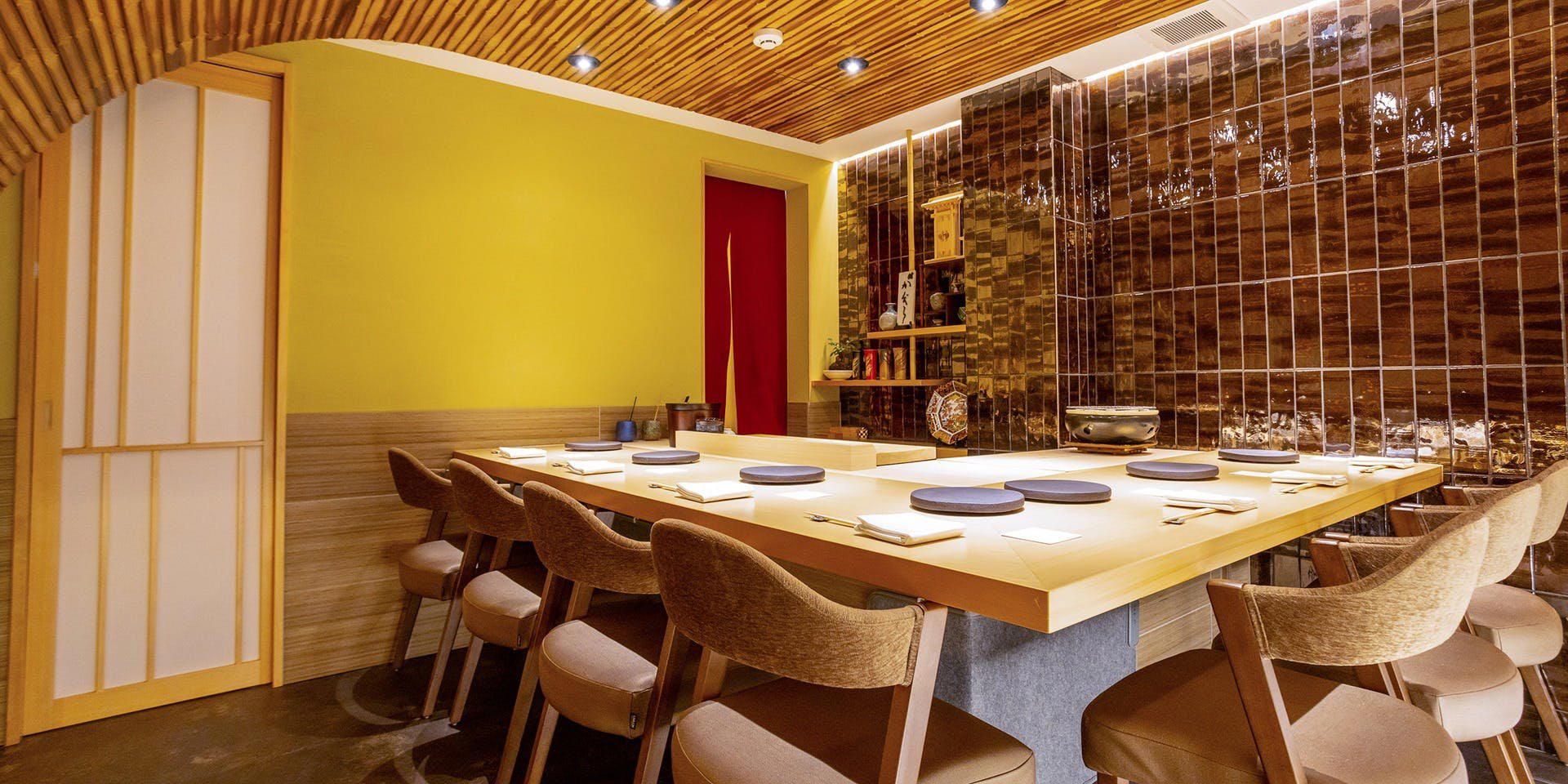
The physical format supports that menu logic. A 33-seat room with counter seating and private rooms for four or six people points toward controlled scale: large enough to handle a range of diners, small enough that the meal does not feel like a dining hall. Private use is available, which also explains why the room can work for group drinking without losing the tighter rhythm expected from a serious fish restaurant.
Fukuoka’s stronger izakaya culture has never depended on theatrical scarcity. It depends on neighbourhood confidence, repeat use and a price-to-satisfaction equation that locals understand quickly. A Tabelog score of 3.68 in this category is a useful signal because izakaya ratings are rarely inflated by spectacle alone. The format has to deliver across food, drinks, pacing and comfort, and the room’s non-smoking policy brings it closer to contemporary dining expectations without stripping out the informality that makes the category function.
The Minato and Ohori Koen area adds another layer. This is not the neon-dense Tenjin or Nakasu version of Fukuoka dining, where the night can become a crawl by default. Around Ohori Koen, the city opens out: parkland, residential streets, quieter edges and a slower approach to dinner. That setting suits an izakaya built around fish and conversation rather than a high-turnover drinking circuit. For travellers, it broadens the Fukuoka map beyond the obvious central districts.
Where it fits in a Fukuoka food itinerary
For a visitor building a serious Fukuoka schedule, Onokoro Hanjou works as the seafood-and-drink anchor rather than the ramen stop, the French splurge or the street-food evening. That distinction is useful. Fukuoka rewards category clarity: one night for yatai atmosphere, one for tonkotsu ramen, one for market-adjacent seafood, one for izakaya cooking with a deeper drinks spine. This belongs in that last slot.
The broader city context helps sharpen the choice. EP Club’s full Fukuoka restaurants guide maps the local dining spread, from South Indian cooking at 106 South Indian Fukuoka tenjin ten and spice-led meals at Afterglow to Japanese comfort specialists such as Aji Dokoro Taro Gen Sougyou ten, Aji Furai Shokudo Kaba and Aji no Katsueda. For planning beyond restaurants, the city pages for Fukuoka hotels, Fukuoka bars, Fukuoka wineries and Fukuoka experiences keep the itinerary from becoming a single-district sprint.
Outside Fukuoka, the same question of category clarity applies across Japan and Japanese-leaning dining abroad: beef sukiyaki at -Grilled beef Sukiyaki- KAMAKURA TANUKIAN 鎌倉 たぬき庵 in Kamakura, tuna and charcoal grilling at. 鮪と炭火焼き うお炭 秋葉原店 in Tokyo, café dining at.cafe in Osaka, contemporary cooking at.know in Kumamoto, Vietnamese cooking at (Shoku) Vietnam in Kawasaki, curry at [Curry Senmon Ten] Maruyama Kyoju. in Sapporo, sake-bar dining at Jōdo Saké Bar in Los Angeles and rice-ball specialization at Onigiri Time in Pasadena. Onokoro Hanjou’s lane is narrower and more local: fish, sushi, sake, shochu and the disciplined looseness of a Fukuoka izakaya night.
Similar Picks
Comparable venues at a glance for context.
| Venue | Cuisine | Price | Notes |
|---|---|---|---|
| Onokoro HanjouThis venue — the venue you are viewing | Seafood-focused Japanese izakaya | $$ | |
| Sabatarou | Traditional Japanese clay-pot rice breakfast & lunch | $$ | Chūō |
| Kiharu | Traditional Fukuoka Izakaya & Seafood (Saba-focused) | $$ | Chūō |
| Suzaki Yatai Kajishika | Hakata Yatai Izakaya | $$ | Hakata |
| 鮨 唐島 | Hakata Island Japanese | , | Chūō |
| Kurobuta Tonkatsu Kuromatsu | Kurobuta tonkatsu specialty | $$ | Chūō |
At a Glance
- Cozy
- Hidden Gem
- Classic
- Intimate
- Date Night
- Casual Hangout
- After Work
- Group Dining
- Private Event
- Business Dinner
- Chefs Counter
- Private Dining
- Standalone
- Sake Program
- Beer Program
- Local Sourcing
- Farm To Table
- Sustainable Seafood
Cozy, low‑key "adult hideout" with a long corridor leading to a warm counter and tatami rooms, relaxed lighting, and an unhurried atmosphere suited to dates and lingering over drinks and seasonal seafood.