
Tori Noya puts Fukuoka’s chicken-and-drink culture in a compact Daimyo setting, with yakitori, chicken dishes, izakaya pacing, and a drinks list that covers sake, shochu, wine, and cocktails. Its Tabelog 100 Chicken Cuisine 2025 selection gives it a useful quality signal without pushing the experience into formal tasting-menu territory.
Pearl is the En Primeur Club membership app — saves, bookings, and concierge access live there. Same editors, same standards.
- Address
- 福岡県福岡市中央区大名2-2-48 プロスペリタ大名 2F
- Phone
- +81927514044
- Website
- torinoya-official.com
 Saves & bookings on Pearl
Daimyo’s dining rhythm changes quickly after dark: fashion retail gives way to second-floor signs, stairwells, counter seats, and small rooms where the city’s serious casual cooking often lives. In that setting, chicken cuisine has a different role from sushi or kaiseki. It is less ceremonial, more social, and usually judged on heat control, sourcing, pacing, and the ability to keep a table drinking without turning dinner into a performance.
Tori Noya belongs to that Fukuoka category: chicken dishes, izakaya structure, yakitori grammar, and enough recognition to separate it from the interchangeable skewer-and-beer circuit. The Tabelog 100 Chicken Cuisine 2025 selection matters because this is a crowded field across Japan, and Fukuoka diners are not short of casual options. Here, the proposition is not luxury; it is concentration. A 34-seat room with counter, table, and tatami formats can absorb couples, small groups, and a private-use crowd, but the core appeal is still the same: Southern Kyushu chicken culture filtered through a Daimyo night out.
Chicken cooking with izakaya pacing, not tasting-menu theatre
Fukuoka rewards restaurants that understand appetite as much as technique. The city’s stronger casual rooms tend to work through repetition and precision rather than long explanations: grilled items, fried items, shared plates, and drinks that can move with the table. Tori Noya’s listed categories place it squarely in that lane, with yakitori and broader chicken dishes sitting inside an izakaya framework rather than a chef-counter omakase format.
That distinction matters for value. In the same Daimyo orbit, Tempura Dokoro Hirao Daimyou ten plays at a lower daily-eating spend, Kurobuta Tonkatsu Kuromatsu sits in a tonkatsu lane, and Teuchi Soba Yabukin overlaps at dinner while bringing soba into the equation. Tori Noya asks to be judged differently: not as a bargain counter, not as a formal destination room, but as a chicken-focused drinking dinner where the variety of formats inside the room gives it more flexibility than a narrow skewer counter.
The drinks information also says something about the intended use. Sake, shochu, wine, and cocktails are listed, with particular attention given to shochu and wine. That is a useful signal in Kyushu, where shochu is not an afterthought but a regional drinking language. A chicken restaurant that takes shochu seriously can cover both local habits and visitors who want a dinner that feels rooted in the region without requiring a long-form course menu.
For a broader read on the city’s range, Our full Fukuoka restaurants guide places this kind of room beside South Indian cooking at 106 South Indian Fukuoka tenjin ten, spice-led dining at Afterglow, old-school local cooking at Aji Dokoro Taro Gen Sougyou ten, fried-fish specialization at Aji Furai Shokudo Kaba, and cutlet comfort at Aji no Katsueda.
What the recognition says about the spend
Tabelog’s Hyakumeiten lists are useful because they often capture Japanese dining categories that international award systems overlook. Chicken cuisine is exactly that kind of category: intensely competitive, technically unforgiving, and frequently casual in outward appearance. The restaurant’s 2025 selection gives the restaurant a national-context marker inside a genre that rarely depends on imported prestige cues.
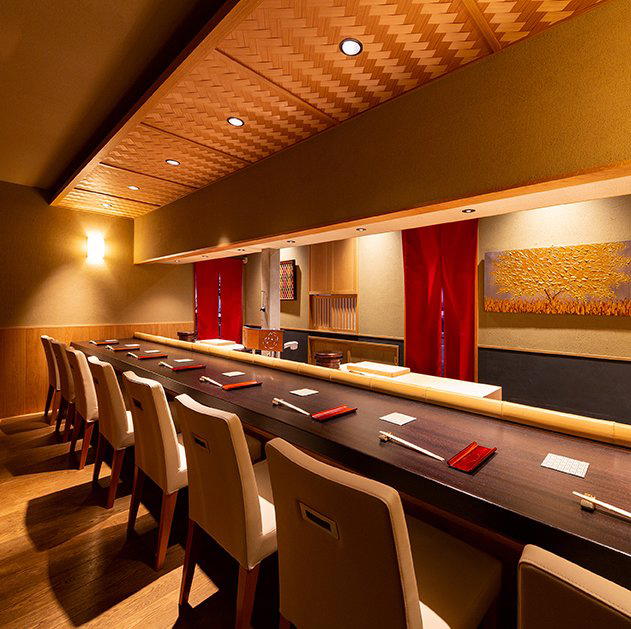
The room’s structure also supports the value case. Counter seating suits diners who want the energy of the grill and a tighter meal; tables and tatami seating make more sense for groups. Private use is listed for larger parties, which pushes it beyond a simple date-night counter and closer to the flexible izakaya model that Fukuoka does well. That flexibility is part of what the diner is paying for: not only the chicken program, but a room that can handle different social speeds.
There are trade-offs. Private rooms are not part of the setup, and smoking is allowed. For some travellers, that will define the decision faster than any award badge. The setting is better understood as an adult Daimyo drinking dinner than a polished, quiet room built around hushed service. Anyone seeking a controlled, smoke-free, course-by-course experience should look elsewhere in the city’s dining map.
That is also why comparison needs care. Elborracho Daimyou ten occupies a different social register with Mexican cooking and a higher dinner band, while Oscar sits in the local field without enough public detail to form a useful contrast. The restaurant’s point is narrower and clearer: chicken, drinks, group-friendly seating, and third-party recognition in a category where casual does not mean careless.
Daimyo works when dinner is part of the evening
Daimyo is one of Fukuoka’s better districts for a night that does not end at the first table. Its advantage is density: restaurants, bars, and late-evening movement are close enough that dinner can be the anchor rather than the whole plan. That matters for the restaurant because izakaya-format chicken cooking gains from context. It makes sense before drinks, after shopping, or as the main event for a small group that wants pace without ceremony.
The practical read is simple. Reservations are available, the restaurant is close to Akasaka Station, and the official listing notes multilingual menu support in English and Korean, plus photo menus. Those details reduce friction for visitors, especially in a category where ordering can otherwise depend on Japanese menu fluency. Payment flexibility also helps: major credit cards, selected electronic money, and PayPay are listed.
For travellers building a fuller Fukuoka stay, the restaurant fits into a broader city plan rather than a single-purpose pilgrimage. Pair the dining map with Our full Fukuoka hotels guide, drinking options in Our full Fukuoka bars guide, regional bottles via Our full Fukuoka wineries guide, and cultural planning through Our full Fukuoka experiences guide. For a wider Japan and Japanese-food comparison set, see -Grilled beef Sukiyaki- KAMAKURA TANUKIAN 鎌倉 たぬき庵 in Kamakura. 鮪と炭火焼き うお炭 秋葉原店 in Tokyo.cafe in Osaka.know in Kumamoto, (Shoku) Vietnam in Kawasaki, [Curry Senmon Ten] Maruyama Kyoju. in Sapporo, Jōdo Saké Bar in Los Angeles, and Onigiri Time in Pasadena.
Where the Accolades Land
Comparable options at the same price tier.
| Venue | Cuisine | Price | Notes |
|---|---|---|---|
| Tori NoyaThis venue — the venue you are viewing | Miyazaki-style charcoal-grilled chicken izakaya | $$ | Not listed |
| 神戸焼肉大山 | Japanese Robatayaki Grill | $$ | Hakata |
| Grill Sen | Japanese Yoshoku Grill & Steakhouse | $$ | Chūō |
| Yakiniku Tagyu Ekiminami ten | Yakiniku & Sukiyaki near Hakata Station | $$ | Hakata |
| Sabatarou | Traditional Japanese clay-pot rice breakfast & lunch | $$ | Chūō |
| Shokudo Nizakana Shonen | Japanese Seafood Set Meals | $$ | Hakata |
Recognition history
Dated appearances from independent guides and award organizations, with the underlying list record or original source where available.
Tabelog 100 #51 · No. 51
Tabelog · Tabelog 100 - Chicken cuisine - 2025
At a Glance
- Cozy
- Lively
- Intimate
- Rustic
- After Work
- Casual Hangout
- Group Dining
- Late Night
- Date Night
- Standalone
- Sake Program
- Beer Program
- Local Sourcing
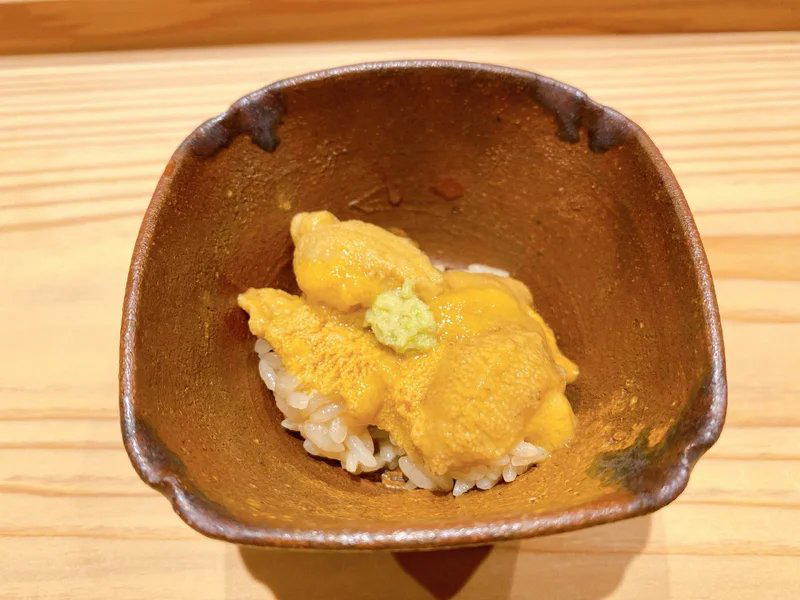
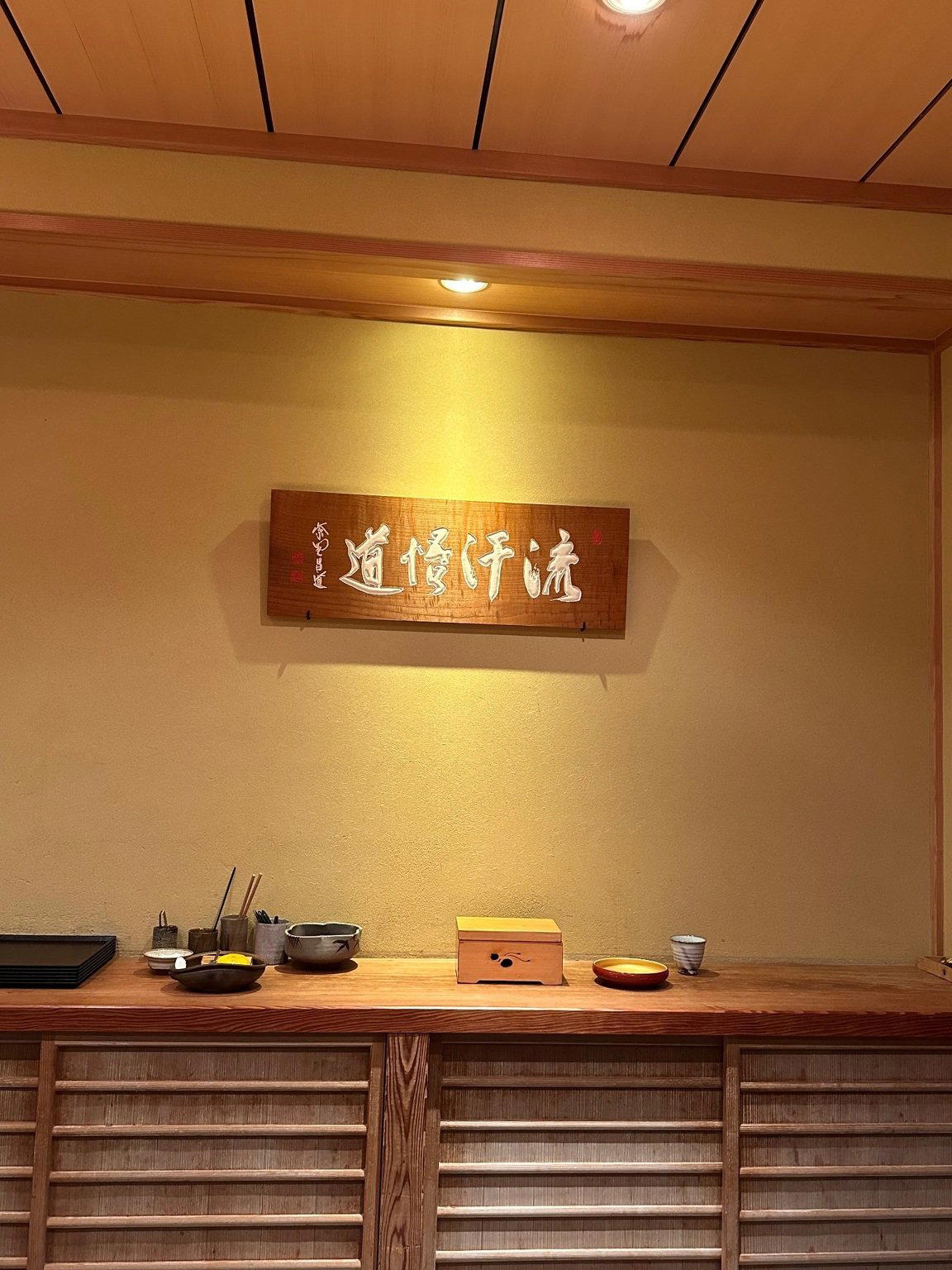
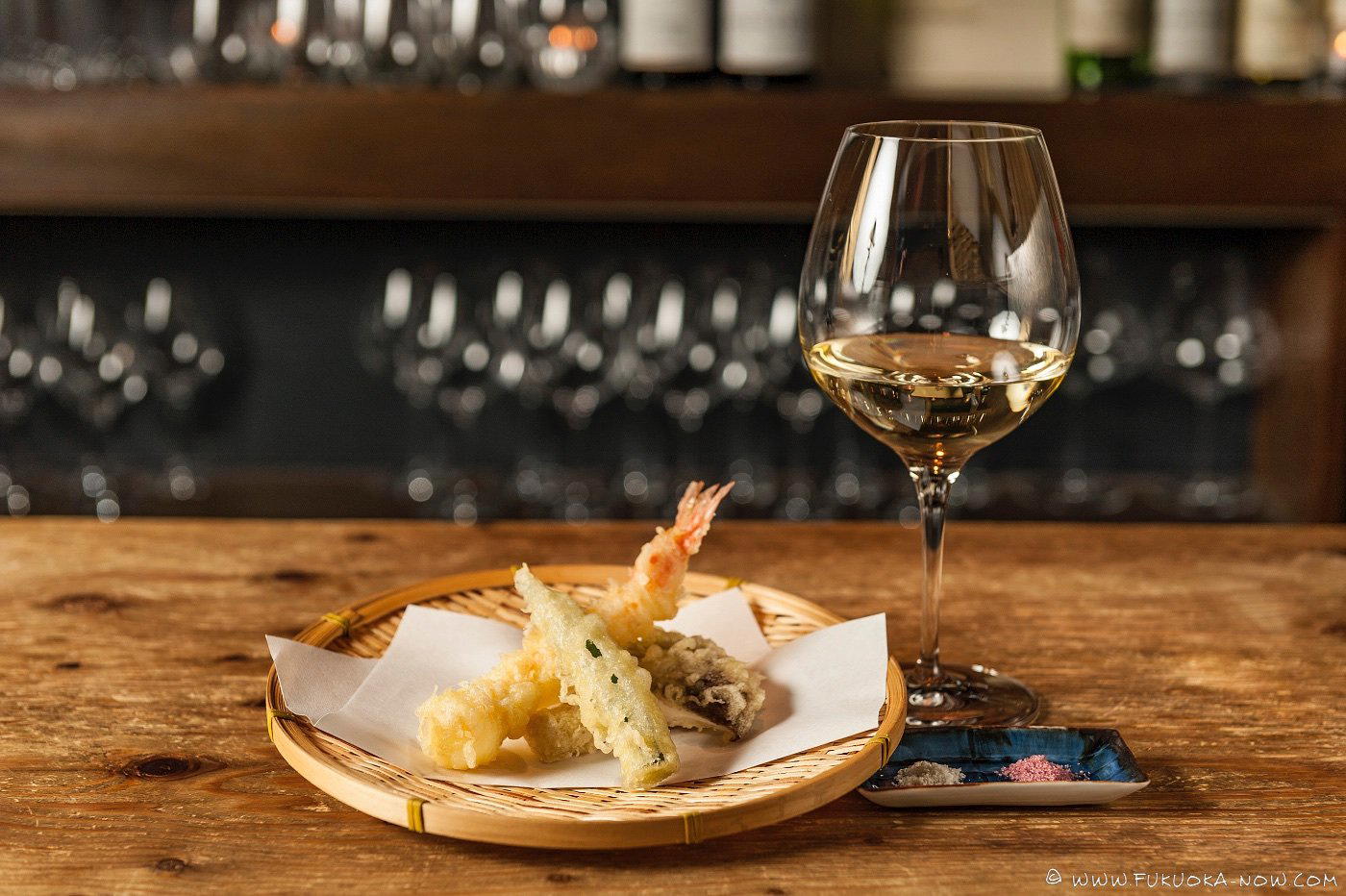
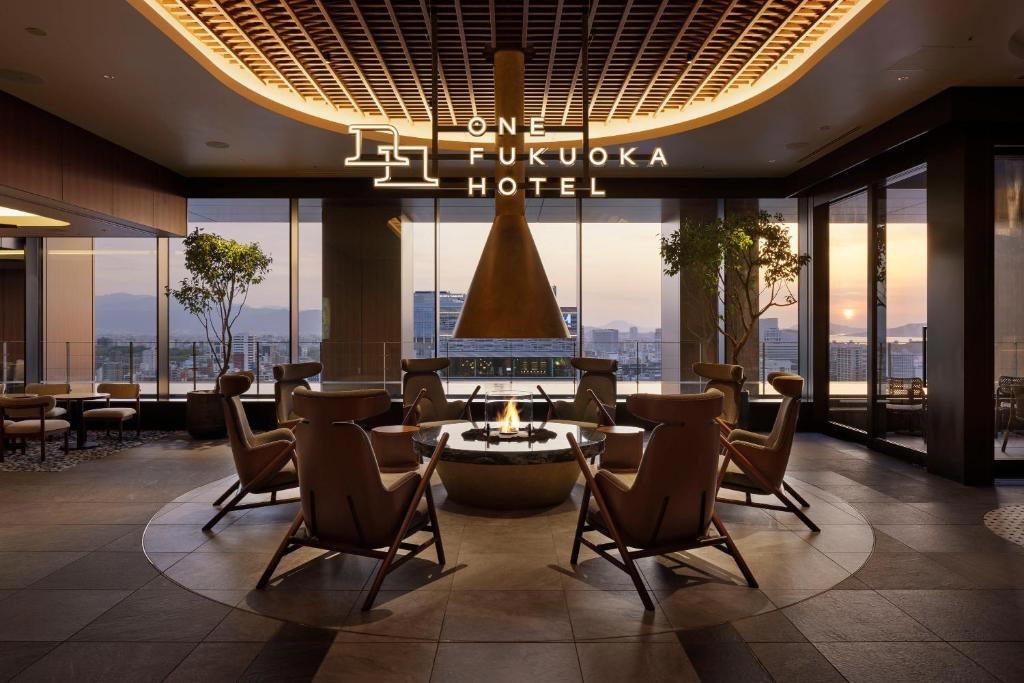
A small, cozy izakaya-style space with counter and table seating, warm lighting, and an adults-oriented, lively yet relaxed atmosphere ideal for enjoying charcoal-grilled chicken and drinks.