
Fukuoka’s izakaya culture is strongest when seafood, grilled skewers, sake, and room rhythm work as one system rather than separate attractions. Suzaki Yatai Kajishika sits in that lane: a yatai-origin izakaya in Hakata-ku with seafood and yakitori in focus, selected for Tabelog 100 Izakaya WEST in 2025, 2024, and 2022.
Pearl is the En Primeur Club membership app — saves, bookings, and concierge access live there. Same editors, same standards.
- Address
- 福岡県福岡市博多区奈良屋町5-14
- Phone
- +81927106739
- Website
- tabelog.com
 Saves & bookings on Pearl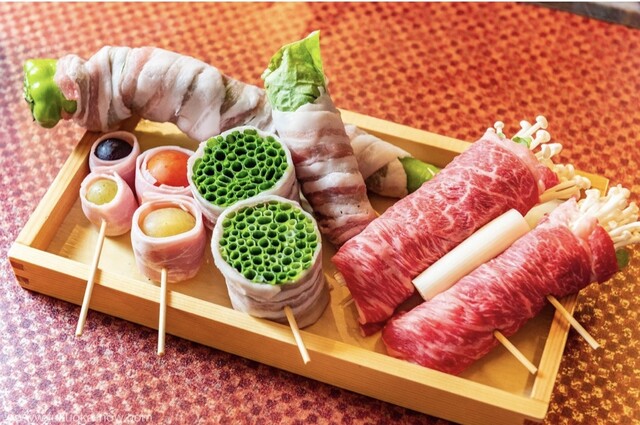
Approaching the Narayamachi side of Hakata, the mood shifts away from station concourse dining and toward smaller rooms built for repeat drinking. Fukuoka’s izakaya scene has always carried a different charge from Tokyo’s polished counter culture: less ceremony, more tempo, and a closer relationship between fish, charcoal, and the first drink. Suzaki Yatai Kajishika belongs to that lineage, with the added signal of a yatai origin, the street-stall grammar that still shapes how the city thinks about warmth, proximity, and speed.
The useful way to read this place is not as a chef-led destination restaurant, but as a coordinated izakaya format. The kitchen works across seafood and yakitori, the drinks list covers sake, shochu, wine, and cocktails, and the room allows both counter-style immediacy and private-room separation. That matters in Fukuoka, where a serious night out can move between ramen, seafood taverns, and late bars without the rigid sequencing of a tasting-menu city. For a broader map of the city’s dining spread, see Our full Fukuoka restaurants guide.
Seafood, skewers, and sake as a Fukuoka team sport
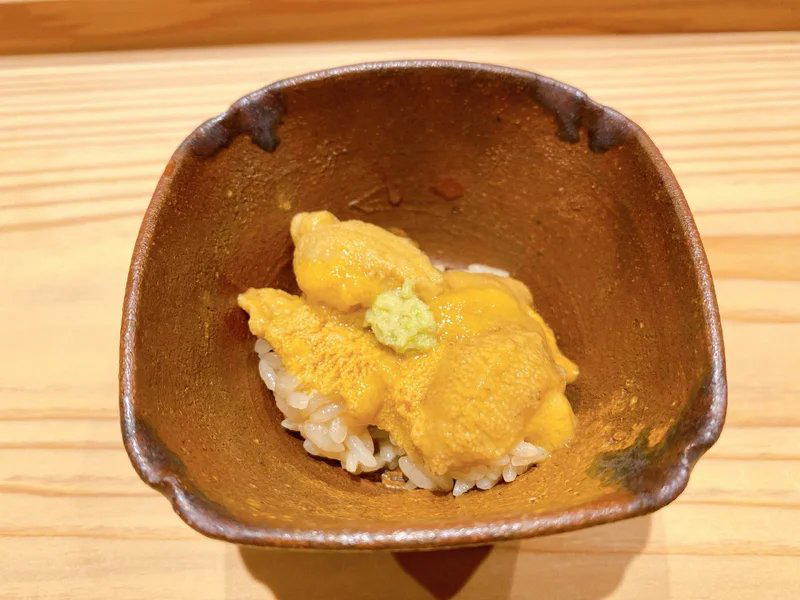
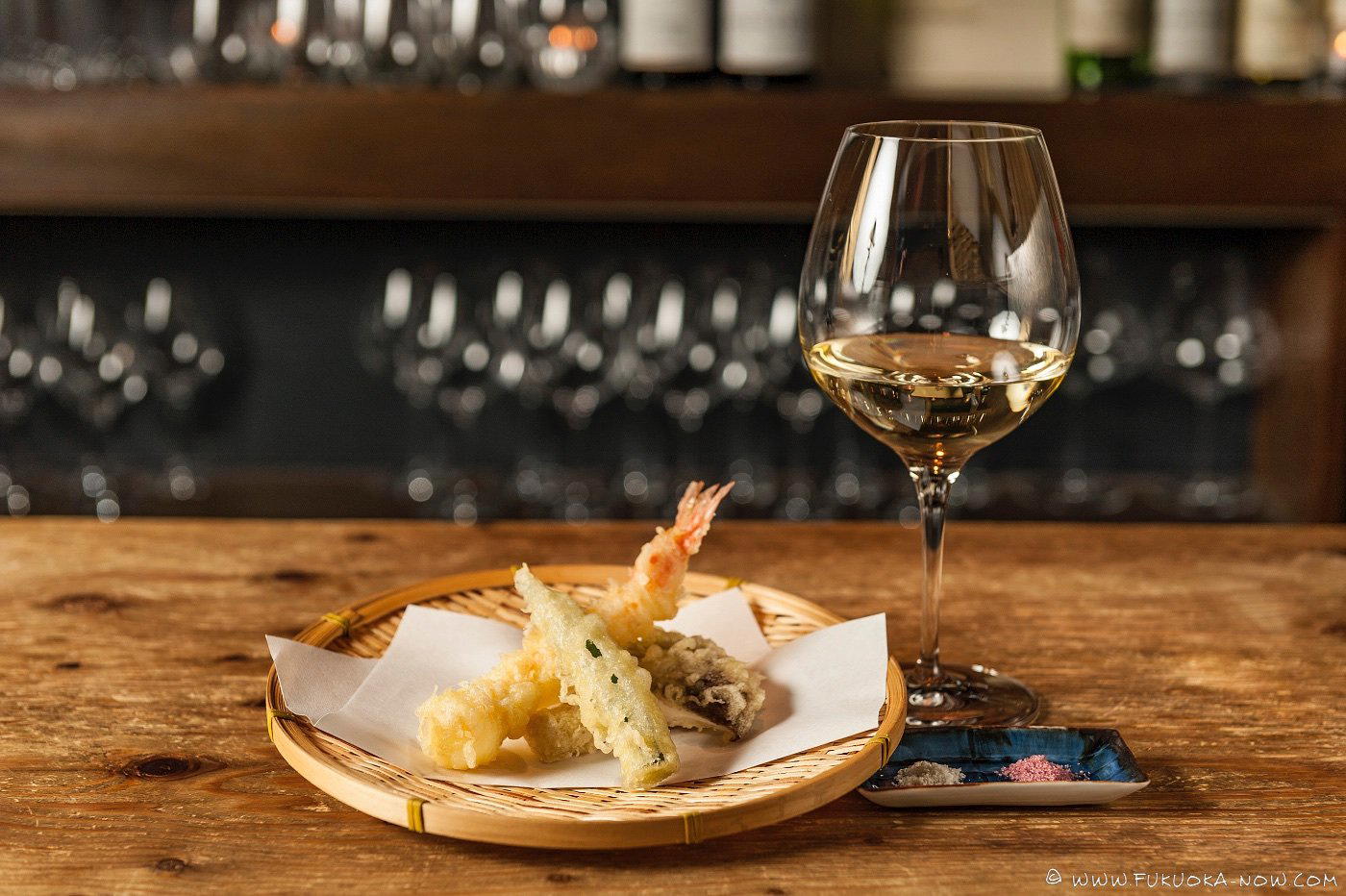
Good izakaya service depends on synchronization. Fish-led ordering puts pressure on the kitchen’s pacing; yakitori introduces heat, smoke, and staggered timing; sake and shochu need front-of-house judgment rather than a wine-list monologue. Here, the reputation rests on that team dynamic: a local-production, local-consumption stance, a stated focus on fish, and a drinks program broad enough to support both seafood and grilled chicken skewers without forcing the night into one register.
The Tabelog 100 Izakaya WEST selections in 2025, 2024, and 2022 are the clearest external marker. Tabelog’s Hyakumeiten lists reward depth within category rather than luxury signaling, which makes the recognition more relevant for an izakaya than a generic star-chasing frame. A score of 3.59 places the venue in a competitive Japanese review environment where small numerical differences can carry weight, especially in regional categories with strong local followings.
Fukuoka’s dining identity often gets flattened into ramen and yatai, but the better reading is a city of compact formats: curry counters such as Afterglow, South Indian cooking at 106 South Indian Fukuoka tenjin ten, fried horse mackerel at Aji Furai Shokudo Kaba, and long-running local comfort rooms such as Aji no Katsueda. Against that spread, an izakaya with seafood, yakitori, and a serious drinks range becomes less a fallback dinner and more a primary Fukuoka category.
The room favors pace over ceremony
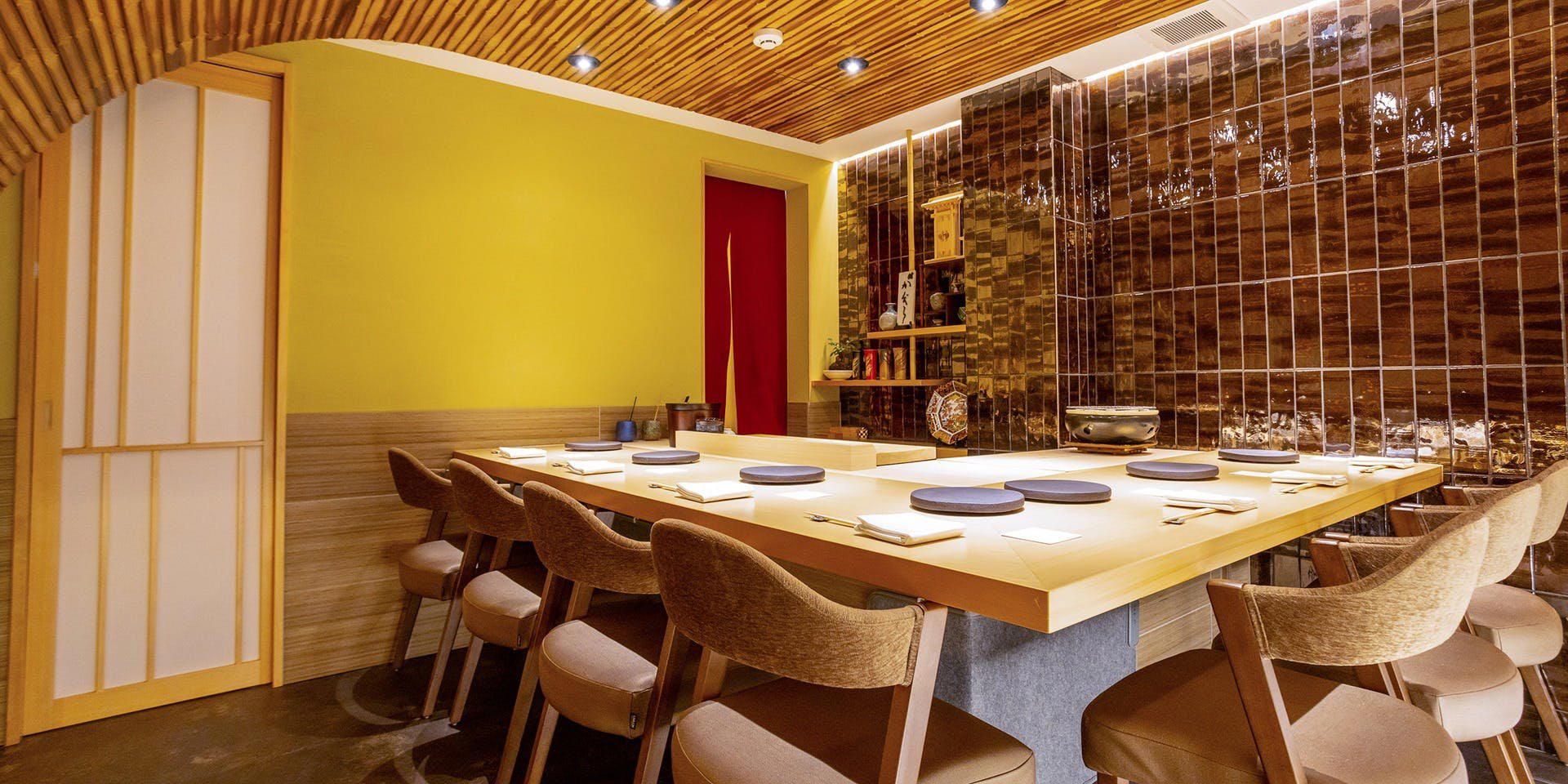
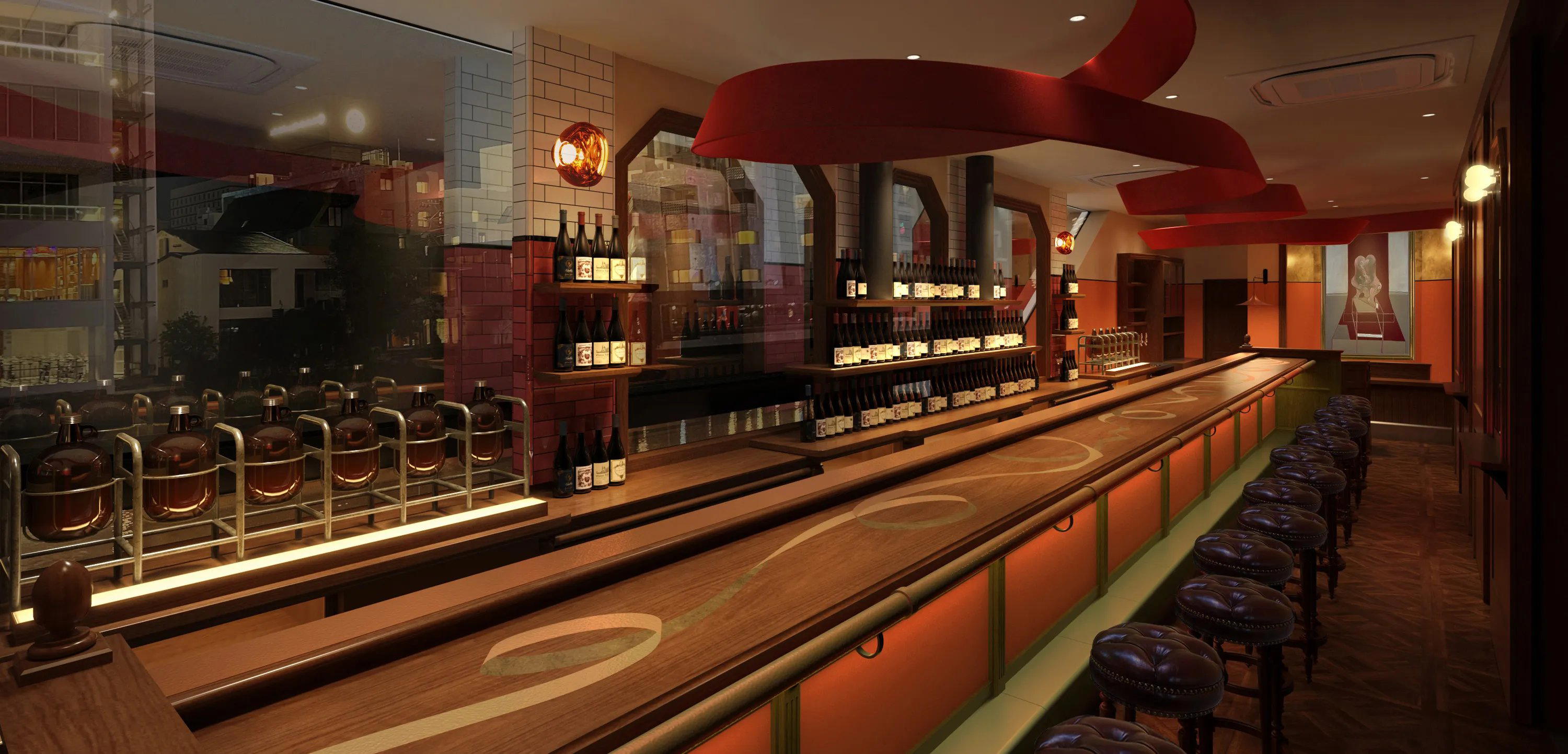
The format is compact, with 30 seats and counter seating in the mix. That scale matters. Large izakaya can absorb groups but often lose the kitchen-to-floor feedback loop; smaller counters can be compelling but narrow the evening into a single chef-facing performance. This room sits between those poles, allowing a drink-led dinner, a seafood-heavy order, or a skewer-and-shochu stop without demanding a formal arc.
Private rooms, including one with an irori-style hearth and capacity for up to 10 guests, add another layer to the operation. In Fukuoka, where business dinners and friend-group drinking overlap more freely than in cities with stricter restaurant typologies, that flexibility is not decorative. It changes the audience: solo and pair diners can work the counter, while groups can keep the izakaya rhythm without surrendering privacy.
The comparison set also explains the value position. Dai 8 Yachiyo Maru sits higher in the local spend bracket, while Los Pinchos occupies a more expensive Spanish-leaning lane; Narayamachi Ao and Genkiippai point to the area’s breadth, from neighborhood dining to ramen. Suzaki Yatai Kajishika works in a more accessible izakaya band while carrying category recognition, which is precisely why it is useful for travelers who want Fukuoka texture rather than a trophy meal.
How to fit it into a sharper Fukuoka itinerary
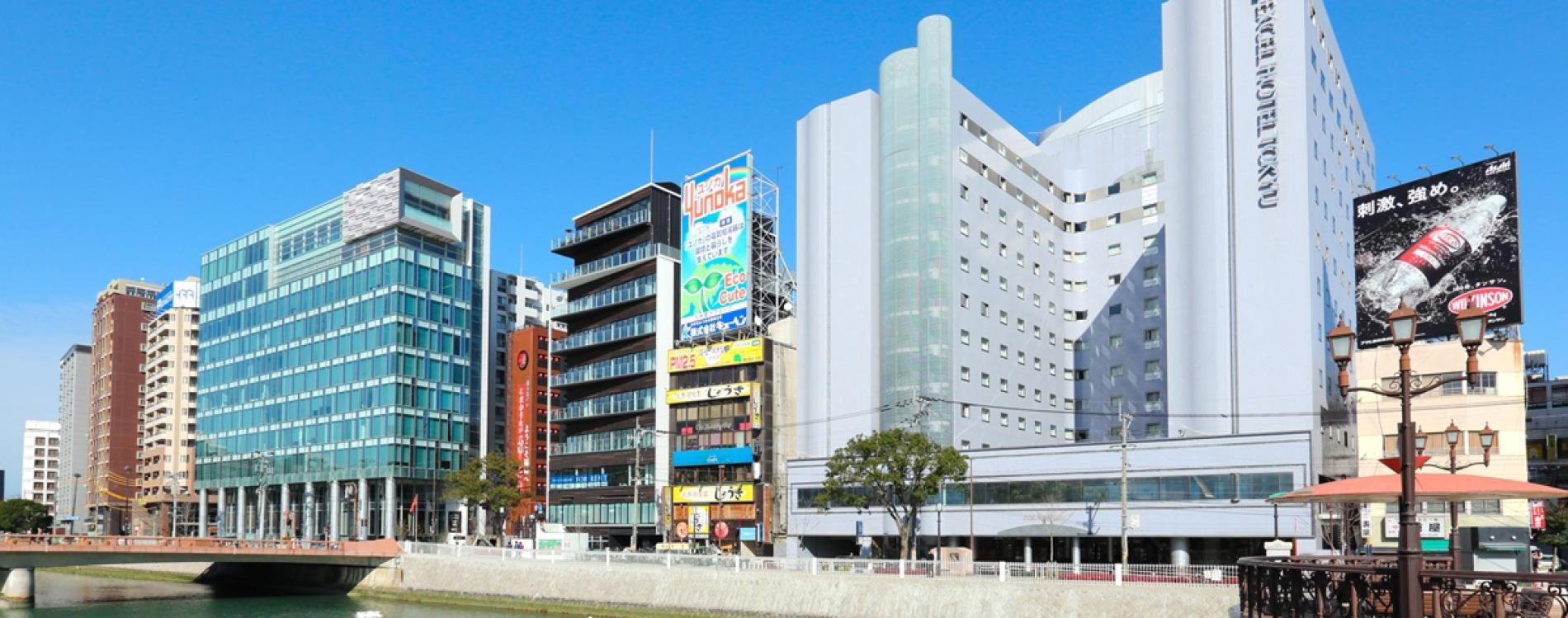
This is a dinner-first address rather than an all-day anchor, with Sunday closure and evening service shaping how it fits into a trip. The nearest-station logic is simple by Fukuoka standards: Gofukumachi is the named station, and Nakasu-Kawabata also puts the area within walking range. Parking is not part of the proposition, though coin parking exists nearby, so the cleaner move is to treat it as part of a central Hakata or Nakasu evening.
Reservations are available by phone, and that matters for a 30-seat izakaya with Tabelog 100 recognition. Walk-in culture is part of Fukuoka’s appeal, but recognition compresses opportunity, especially for groups seeking a private room or course-style drinking plan. Payment flexibility is stronger than many older tavern formats, with major credit cards, transport IC electronic money, and Rakuten Pay accepted.
Readers building a wider city plan can pair the dinner with a hotel base from Our full Fukuoka hotels guide, late drinks from Our full Fukuoka bars guide, regional bottles through Our full Fukuoka wineries guide, or daytime planning via Our full Fukuoka experiences guide. Nearby food comparisons also help calibrate appetite: Aji Dokoro Taro Gen Sougyou ten reads as another Fukuoka local-food reference point, while national contrasts such as -Grilled beef Sukiyaki- KAMAKURA TANUKIAN 鎌倉 たぬき庵 in Kamakura,. 鮪と炭火焼き うお炭 秋葉原店 in Tokyo,.cafe in Osaka,.know in Kumamoto, (Shoku) Vietnam in Kawasaki, [Curry Senmon Ten] Maruyama Kyoju. in Sapporo, Jōdo Saké Bar in Los Angeles, and Onigiri Time in Pasadena show how far Japanese casual dining can travel while losing or preserving its original social function.
The editorial case is clear: this is the kind of Fukuoka izakaya that makes the city’s casual dining culture legible. The draw is not a single named dish or a celebrity-chef narrative. It is the alignment of fish, skewers, drinks, room scale, and service rhythm, reinforced by repeated Tabelog 100 Izakaya WEST selection.
The Quick Read
Comparable venues for orientation by cuisine and category.
| Venue | Cuisine | Price | Notes |
|---|---|---|---|
| Suzaki Yatai KajishikaThis venue — the venue you are viewing | Hakata, Hakata Yatai Izakaya | $$ | |
| Akasaka Komikan | Chūō, Traditional Japanese Izakaya | $$ | |
| 鮨 行天 | Chūō, Traditional Washoku | , | |
| Sabatarou | $$ | Chūō, Traditional Japanese clay-pot rice breakfast & lunch | |
| 奈良屋町 青 | Hakata, Japanese Izakaya | , | |
| Yakiniku Horumon Jinsei Daichan | Higashi, Yakiniku & Horumon Izakaya | $$ |
At a Glance
- Lively
- Cozy
- Hidden Gem
- Energetic
- Casual Hangout
- Group Dining
- After Work
- Late Night
- Standalone
- Design Destination
- Sake Program
- Beer Program
- Craft Cocktails
- Local Sourcing
- Sustainable Seafood
- Street Scene
A warm, bustling, and welcoming yatai-style space with a lively regular-customer feel and counter-seat energy.