
Daimyo’s izakaya scene rewards places that can move from drinking food to a full evening meal without losing rhythm. Daikoro Youha / Tonkatsu Youha fits that lane with izakaya and tonkatsu categories, fish-led cooking, sake, shochu and wine, plus Tabelog 100 Izakaya WEST selections in 2024 and 2025.
Pearl is the En Primeur Club membership app — saves, bookings, and concierge access live there. Same editors, same standards.
- Address
- 1 Chome-4-28 Daimyo, Chuo Ward, Fukuoka, 810-0041, Japan
- Phone
- +81 92-739-9105
- Website
- yo-ha.com
 Saves & bookings on Pearl
Daimyo’s side streets shift quickly: fashion retail, late cafés, small drinking rooms, then a house-style restaurant where the meal feels less like one order than a sequence. In Fukuoka, izakaya dining is rarely only snacks with alcohol. Stronger addresses move the table through vegetables, fish, meat, fried dishes and shared pots with casual tasting-menu pacing, without kappo or sushi ceremony. Daikoro Youha / Tonkatsu Youha sits in that middle ground, able to carry both everyday lunch and a longer drinks-led evening.
The dual identity matters. Izakaya and tonkatsu are often separate appetites: one social and fluid, the other focused on a single plate. Here they coexist, reflecting Fukuoka’s confidence with genre overlap, from yatai culture to serious counter cooking. Daimyo absorbs such hybrids well: a meal can start with obanzai-style vegetables and move to fish, pork cutlet or hot pot without feeling forced.
Obanzai, fish, tonkatsu: a meal that works by progression
Read this kitchen through pacing. Obanzai gives the opening a softer register: seasonal vegetables from local farms, served on vintage small plates, set the table before richer items. Fish is a stated focus, placing the restaurant within Kyushu’s seafood culture rather than a generic pub template. Tonkatsu then adds the satisfaction of a pork cutlet specialist while keeping the shared-table logic of an izakaya.
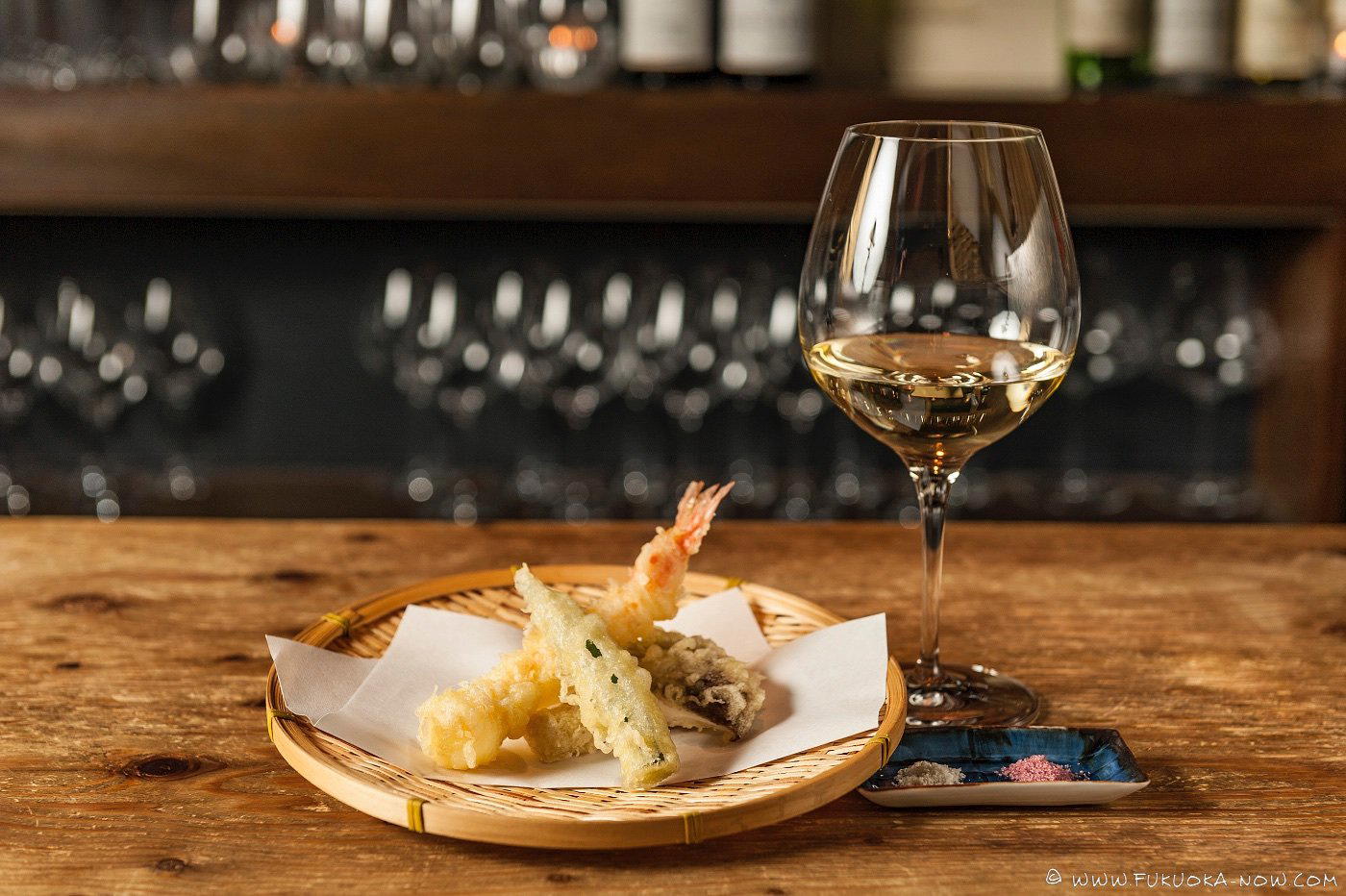
That progression is the editorial interest. Fukuoka has many restaurants that do one task cleanly, but better izakaya create range without turning dinner into a checklist. The drinks list signals ambition beyond beer-and-highball routine: sake, shochu and wine are all offered, with particular attention to wine. In a city where casual dining can be excellent but uneven in drinks depth, that gives the table more routes through the same meal, from nihonshu with fish to wine with fried pork or hot pot.
Tabelog selected Daikoro Youha / Tonkatsu Youha for its Izakaya WEST 100 list in 2024 and 2025, with the 2025 listing placing it among Western Japan’s notable izakaya addresses, not just within Fukuoka. Its 3.65 score sits where Japanese diners usually respond to reliability, range and repeat value rather than spectacle. Against supplied Fukuoka peers, it occupies a higher dinner spend than MOMOTA Bar, Akasaka Komikan and Yorgo, and sits below Mashiko’s JPY 10,000 to JPY 14,999 bracket. The position fits an izakaya meal with broader sequencing rather than a single-purpose stop.
Daimyo's higher-spend casual dining has become its own category
Daimyo is useful for travellers because it compresses Fukuoka dining into a walkable district: curry, fried fish, udon, izakaya, wine bars and late-night rooms all sit within a short evening circuit. The area does not force the formality-looseness choice as sharply as Tokyo or Kyoto often do. A restaurant can offer counter seats, table seating, take-out, private use and family-friendly service while still earning serious recognition. That flexibility is part of the local appeal.
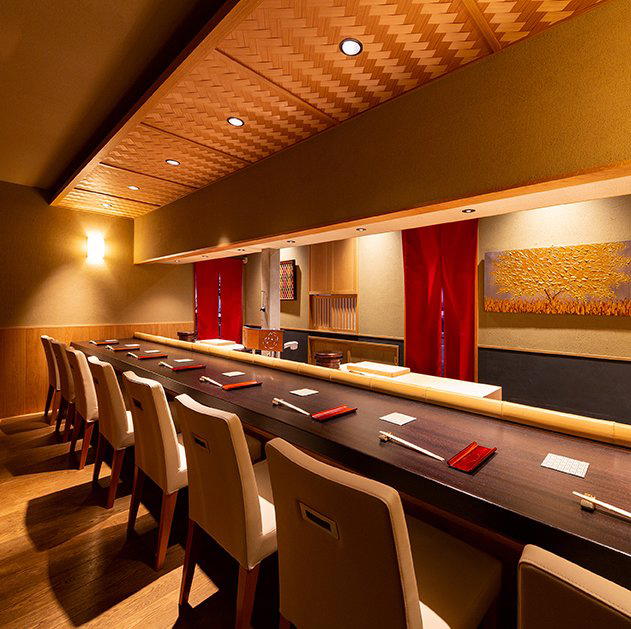
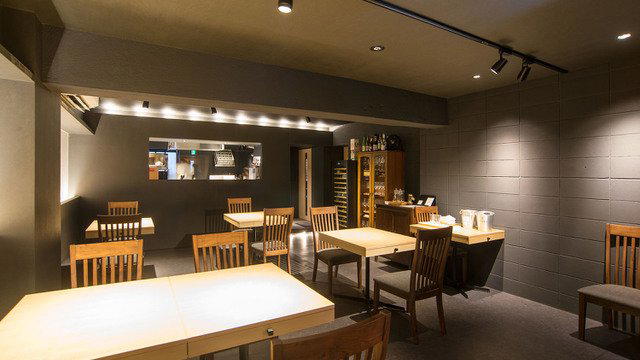
Here, the 35-seat layout, including counter seating and tables, creates a rhythm unlike tiny counter-only rooms. It is built neither only for solo diners chasing one plate nor only for banquets. The format suits small groups wanting an ordered arc: vegetables first, seafood and drinking dishes next, then tonkatsu or hot pot as anchor. Private use for groups and a maximum seated capacity of 35 explain how it works as both neighbourhood dining room and destination izakaya.
For travellers mapping a broader Fukuoka itinerary, comparison helps. Aji Furai Shokudo Kaba narrows the appetite toward fried horse mackerel, while Aji no Katsueda and Aji Dokoro Taro Gen Sougyou ten point to other local registers of Japanese dining. Afterglow and 106 South Indian Fukuoka tenjin ten show how wide the city’s restaurant map has become beyond expected ramen shorthand. For the full spread, use Our full Fukuoka restaurants guide, then pair dinner planning with Our full Fukuoka hotels guide, Our full Fukuoka bars guide, Our full Fukuoka wineries guide and Our full Fukuoka experiences guide.
Who should put it on the Fukuoka shortlist
This is strong for diners wanting Fukuoka’s izakaya tradition with more structure than a snack-led drinking session. The restaurant is non-smoking, accepts reservations, welcomes children and strollers, and has no private rooms, making the room open rather than cloistered. There are no children’s chairs or cutlery, so families should plan carefully, but the service posture is inclusive by Japanese dining standards.
Plan lunch and dinner as different propositions. Lunch sits in a lower pricing bracket; dinner moves into a more serious spend, better suited to a multi-course, drinks-led evening. The restaurant closes Monday and runs separate lunch and dinner services on operating days, with last orders before each close. Paid parking nearby matters more for local diners than centrally staying visitors; Akasaka Station is the transport anchor for most travellers.
Its closest Fukuoka comparison is not a formal tasting counter but the city’s growing class of polished casual rooms with softened genre boundaries. Mashiko sits higher in spend; MOMOTA Bar, Akasaka Komikan and Yorgo sit lower. Daikoro Youha / Tonkatsu Youha earns attention because it uses the izakaya frame as progression, not a holding pen for unrelated dishes. In a city where eating well can mean standing over ramen, sitting at a fish counter or stretching a drinking meal across the evening, choose this format when the night needs range.
Readers building Japan-wide context can compare how regional comfort formats travel across cities: -Grilled beef Sukiyaki- KAMAKURA TANUKIAN 鎌倉 たぬき庵 in Kamakura,. 鮪と炭火焼き うお炭 秋葉原店 in Tokyo,.cafe in Osaka,.know in Kumamoto, (Shoku) Vietnam in Kawasaki and [Curry Senmon Ten] Maruyama Kyoju. in Sapporo each show a different local expression of casual dining. For drink-led Japanese dining outside Japan, Jōdo Saké Bar in Los Angeles and Onigiri Time in Pasadena offer useful points of contrast.
Quick Comparison
Comparable venues by cuisine and price in the same metro.
| Venue | Cuisine | Price | Awards | Notes |
|---|---|---|---|---|
| Daikoro Youha / Tonkatsu YouhaThis venue — the venue you are viewing | Tonkatsu & Japanese Izakaya | $$ | , | |
| 安春計 | Japanese Izakaya | , | , | Chūō |
| Yakiniku Horumon Jinsei Daichan | Yakiniku & Horumon Izakaya | $$ | , | Higashi |
| Soba Ozaki | Traditional Soba Noodle Shop | $$ | , | Chūō |
| 鮨 唐島 | Hakata Island Japanese | , | , | Chūō |
| æç åç¿ | Japanese Coffee House | , | , | Chūō |
At a Glance
- Cozy
- Hidden Gem
- Classic
- Group Dining
- Casual Hangout
- After Work
- Solo
- Family
- Standalone
- Beer Program
- Sake Program
- Local Sourcing
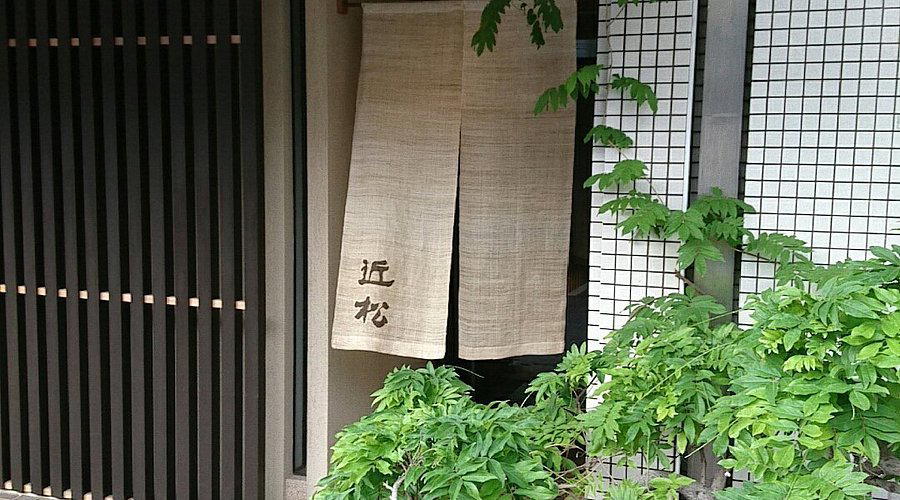
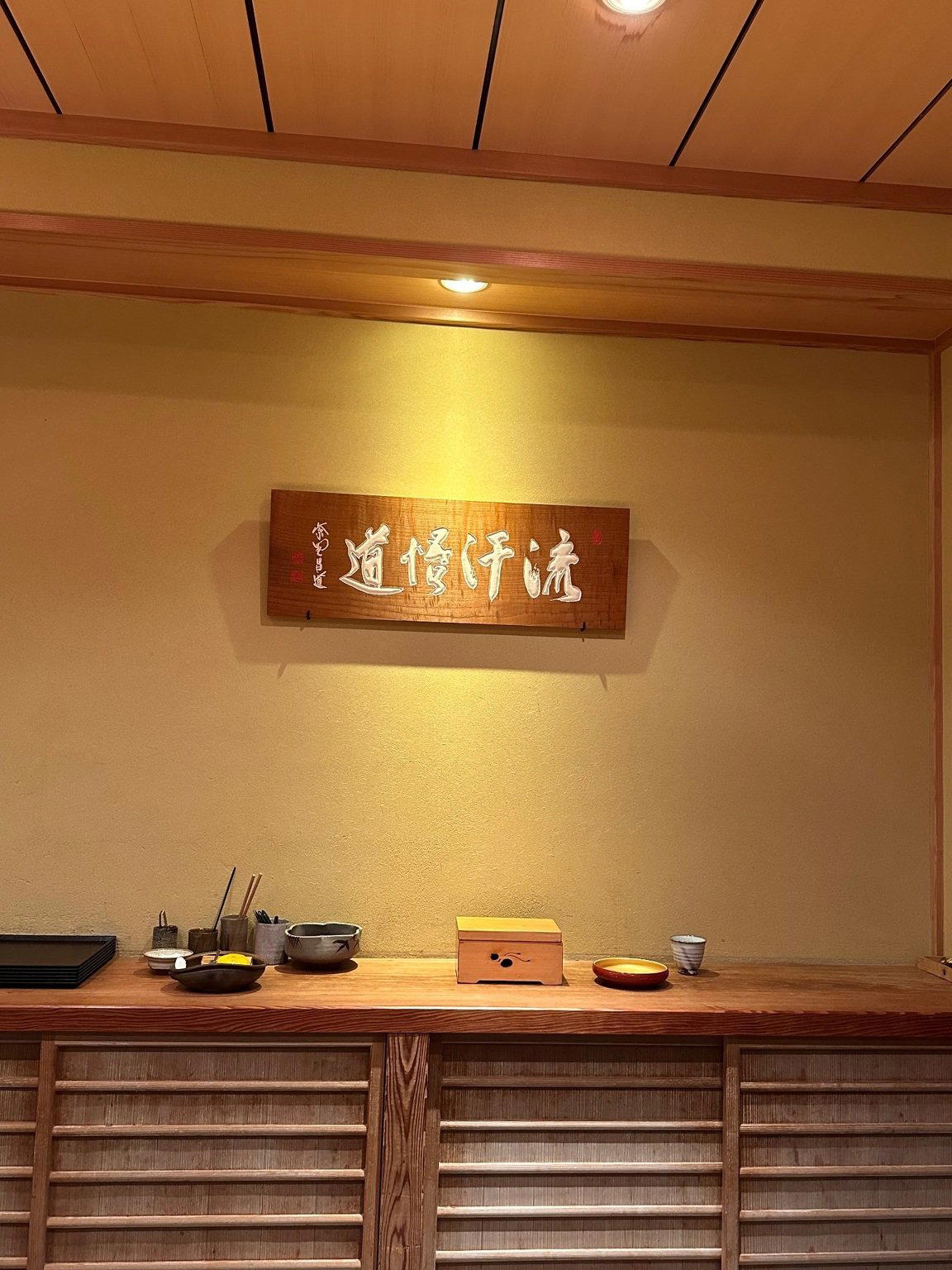
Set in a quietly tucked-away renovated old house in Daimyo, the interior has a calm, classic izakaya feel with warm, relaxed lighting and an unhurried atmosphere suited to lingering over food and drinks.