
Yakitori Inada belongs to Fukuoka’s serious yakitori bracket: compact, counter-led, and structured around grilled chicken skewers with izakaya breadth rather than fine-dining ceremony. Its Tabelog 100 Yakitori WEST selections in 2024 and 2025 place it within a regional conversation that rewards craft, consistency, and local loyalty as much as luxury cues.
Pearl is the En Primeur Club membership app — saves, bookings, and concierge access live there. Same editors, same standards.
- Address
- 福岡県福岡市博多区住吉3-5-3
- Phone
- +81922613966
- Website
- yakitori-inada.com
 Saves & bookings on Pearl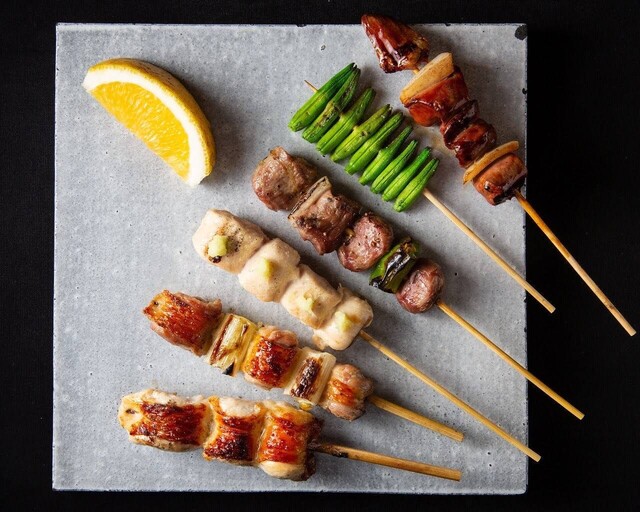
Sumiyoshi’s restaurant streets sit just outside the easiest tourist loop: close to Hakata’s transport gravity, but away from the station-front churn. That setting suits yakitori. Fukuoka’s stronger skewer rooms work best when scaled for regulars rather than spectacle: a counter, a small room, and a rhythm that lets the grill define the evening without turning dinner into performance.
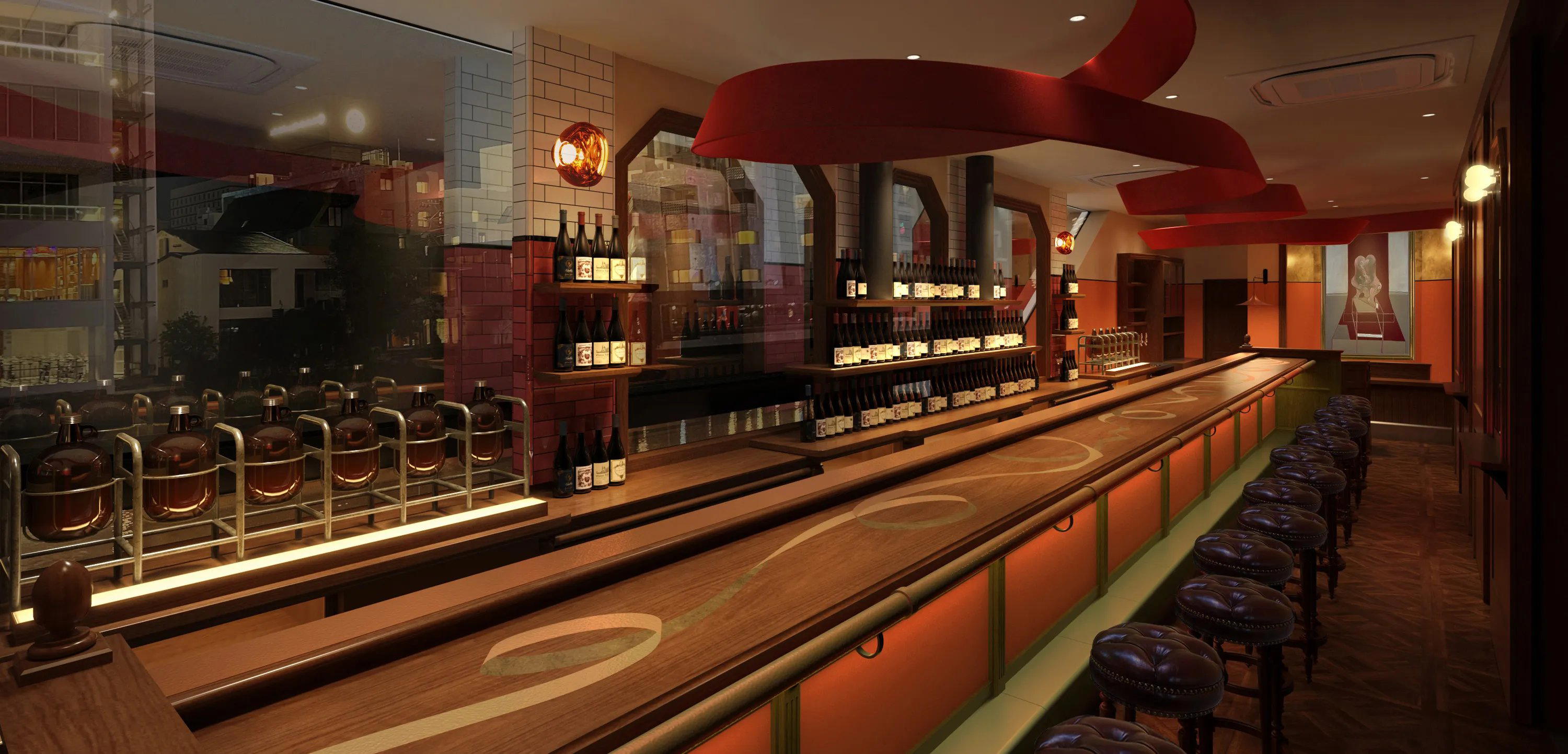
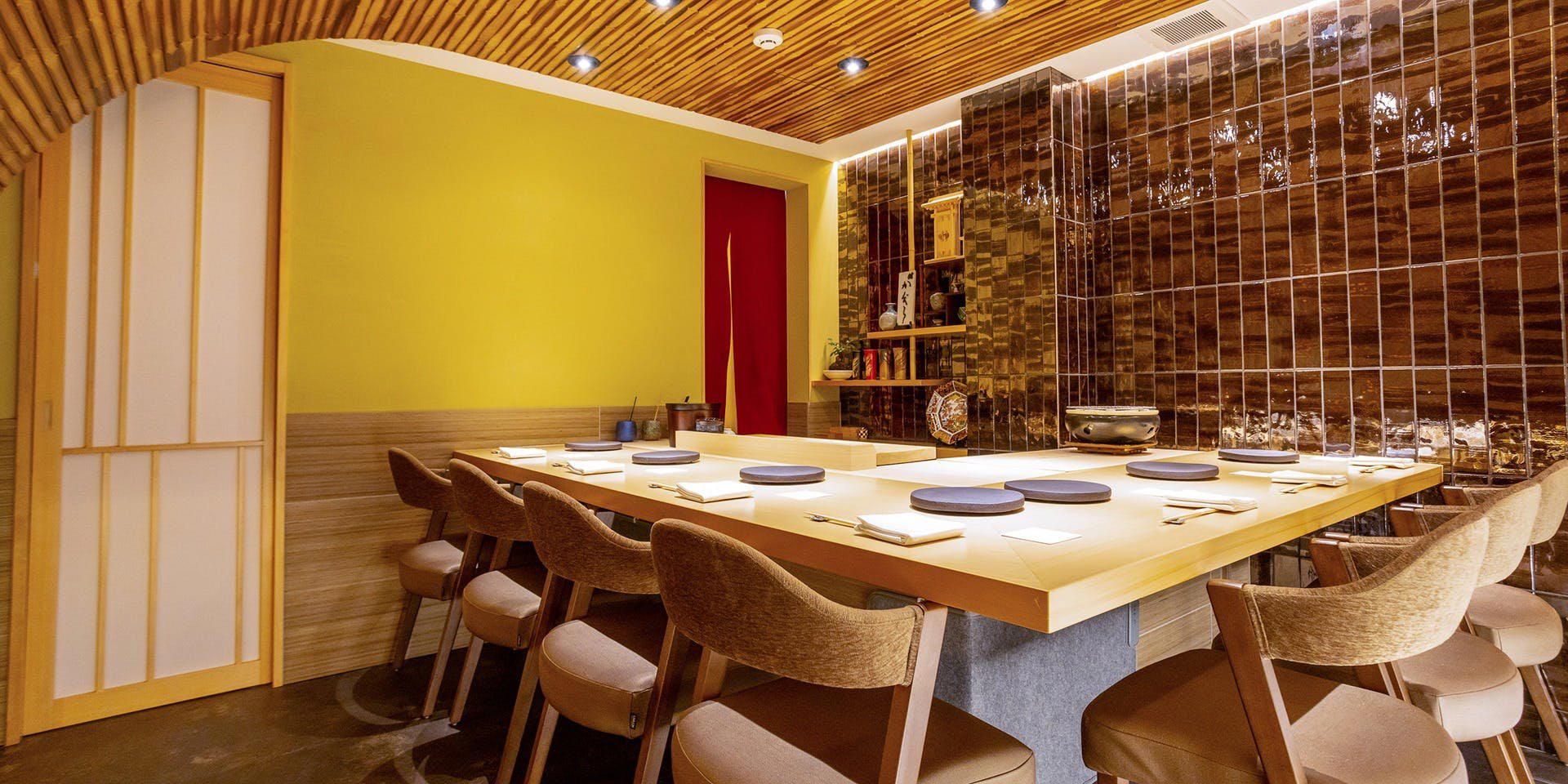
Yakitori Inada fits that pattern. The room has counter seating, tables, and a private room, totaling 25 seats, keeping the grill close and the format compact. The category is broader than narrow yakitori purism: the listing spans yakitori, izakaya, and meat dishes. Read the meal as skewer-led dinner with tavern logic around it, not a formal tasting-menu restaurant dressed in charcoal smoke.
Skewer structure with izakaya range, not ceremony for its own sake
Yakitori is often misunderstood outside Japan as just a sequence of chicken parts. In stronger rooms, the structure is disciplined: smoke, salt, tare, heat control, pacing, and how much the side menu should interrupt the grill. Fukuoka adds pressure because the city already has a deep casual-dining culture, from yatai habits to late-evening izakaya circuits. A yakitori counter here must satisfy diners who know how relaxed food should feel while proving informality does not excuse loose cooking.
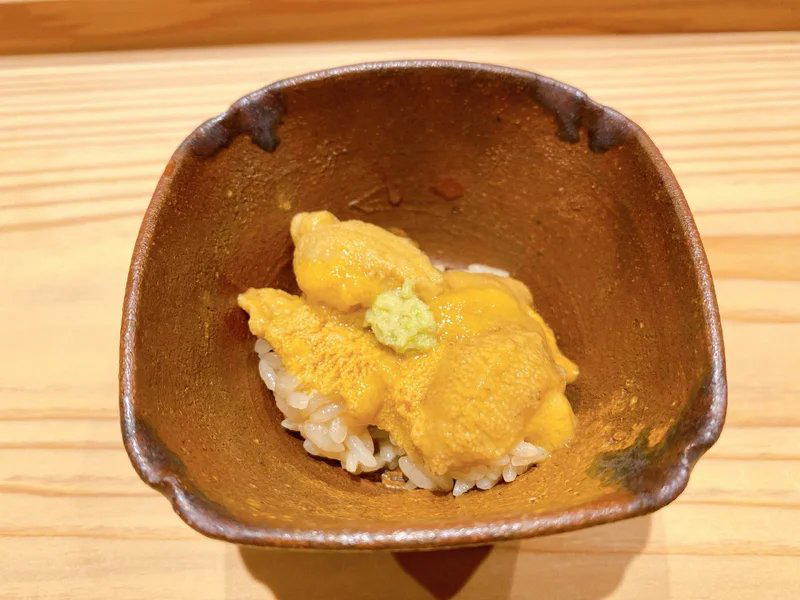
Yakitori Inada’s menu architecture signals that middle lane. Grilled chicken skewers give the meal its spine, while the izakaya and meat-dish categories widen the table. Drinks cover the expected Japanese spread: sake, shochu, wine, and cocktails. That matters because yakitori houses increasingly compete on how well they handle different drinking styles, not just how many skewers appear. Sake and shochu support the traditional read; wine and cocktails make the room easier for mixed groups and dates without forcing one script.
The trust signal is concrete: selection for Tabelog 100 Yakitori WEST in both 2024 and 2025, with a Tabelog score of 3.52. Tabelog’s Hyakumeiten lists are not Michelin-style star judgments; they work more like category maps of restaurants with enough user recognition to matter within a regional field. For yakitori in western Japan, repeat selection is the useful detail. It suggests the restaurant is not trading only on novelty or a brief burst of attention.
That matters in Fukuoka because the city’s premium dining choices split sharply. Nishimura sits in a far higher spend bracket, while Shokudo Nizakana Shonen and Udon Taira represent the city’s low-cost everyday strength. Goh speaks to Fukuoka’s French-facing dining current, and Sagano keeps the izakaya category in play. Against that set, Yakitori Inada occupies a precise role: a charcoal-and-skewer dinner for people who want craft and intimacy without entering the city’s formal luxury tier.
Sumiyoshi gives the format a quieter Fukuoka address
Sumiyoshi works for this restaurant because it sits between destination dining and local-night-out territory. The nearest station reference is Kushida Shrine, while Hakata, Canal City, and central evening routes remain within practical reach. No on-site parking pushes the experience toward the urban Fukuoka norm: arrive by subway, bus, taxi, or on foot, then let the night continue elsewhere rather than treating dinner as an isolated excursion.
The small-room format shapes the decision. This is not the place to treat yakitori as an anonymous snack stop between bars. The value lies in the counter-led tempo and in how a skewer-focused menu can carry a full dinner when handled with range. Private rooms are available, but the counter is the clearest expression of the genre because yakitori depends on proximity to the grill. Groups wanting conversation and drinking can use the izakaya side; diners focused on cooking should privilege counter seating when possible.
Fukuoka’s broader food map explains why this matters. The city is often introduced through ramen, street stalls, and seafood, yet its dining culture is more elastic. South Indian cooking at 106 South Indian Fukuoka tenjin ten, spice-led cooking at Afterglow, old-school local meals at Aji Dokoro Taro Gen Sougyou ten, fried horse mackerel at Aji Furai Shokudo Kaba, and katsudon culture at Aji no Katsueda all point to a city where specialization carries weight. Yakitori belongs in that reading of Fukuoka: focused, social, technically dependent, and better understood as a night’s structure than a single dish category.
How to place it in a Fukuoka itinerary
The strongest use case is an evening built around grilled chicken, Japanese drinks, and a compact room rather than a long multi-course procession. The restaurant opened in 2014, so its recent Tabelog 100 recognition reflects more than a decade of local operating history. Non-smoking status also makes it easier for travelers who want the izakaya register without the older smoke-filled room association.
Plan practically rather than romantically. Reservations are available, payment supports major credit cards and PayPay, and electronic money is not accepted. The footprint is limited, so treat it as a planned dinner, especially for counter seating or a private-room request. For broader city strategy, pair it with Our full Fukuoka restaurants guide, then build the rest of the trip through Our full Fukuoka hotels guide, Our full Fukuoka bars guide, Our full Fukuoka wineries guide, and Our full Fukuoka experiences guide.
Readers mapping Japanese dining beyond Fukuoka can compare category focus across -Grilled beef Sukiyaki- KAMAKURA TANUKIAN 鎌倉 たぬき庵 in Kamakura. 鮪と炭火焼き うお炭 秋葉原店 in Tokyo.cafe in Osaka.know in Kumamoto, (Shoku) Vietnam in Kawasaki, [Curry Senmon Ten] Maruyama Kyoju. in Sapporo, Jōdo Saké Bar in Los Angeles, and Onigiri Time in Pasadena. The point is not to rank unlike formats, but to read how each city turns a narrow food idea into a full evening.
Local
Comparable options at the same price tier.
| Venue | Cuisine | Price | Notes |
|---|---|---|---|
| Yakitori InadaThis venue — the venue you are viewing | Traditional Yakitori & Izakaya | $$ | Not listed |
| Hountei | Hakata bite-sized gyoza & izakaya dishes | $$ | Hakata |
| Jidoriya Amon | Charcoal-grilled chicken izakaya & hot pot | $$ | Hakata |
| Shokuji to Sake Dokoro Makoto | Casual Japanese izakaya and set meals | $$ | Chūō |
| 枯淡 | japanese | Not listed | Chūō |
| Mendo Hanamokoshi (麺道はなもこし) | Shoyu Ramen | $$ | Yakuin |
Recognition history
Dated appearances from independent guides and award organizations, with the underlying list record or original source where available.
Tabelog 100 #9 · No. 9
Tabelog · Tabelog 100 - Yakitori - WEST - 2025
At a Glance
- Cozy
- Intimate
- Classic
- Casual Hangout
- After Work
- Group Dining
- Solo
- Date Night
- Chefs Counter
- Open Kitchen
- Standalone
- Private Dining
- Sake Program
- Beer Program
- Local Sourcing
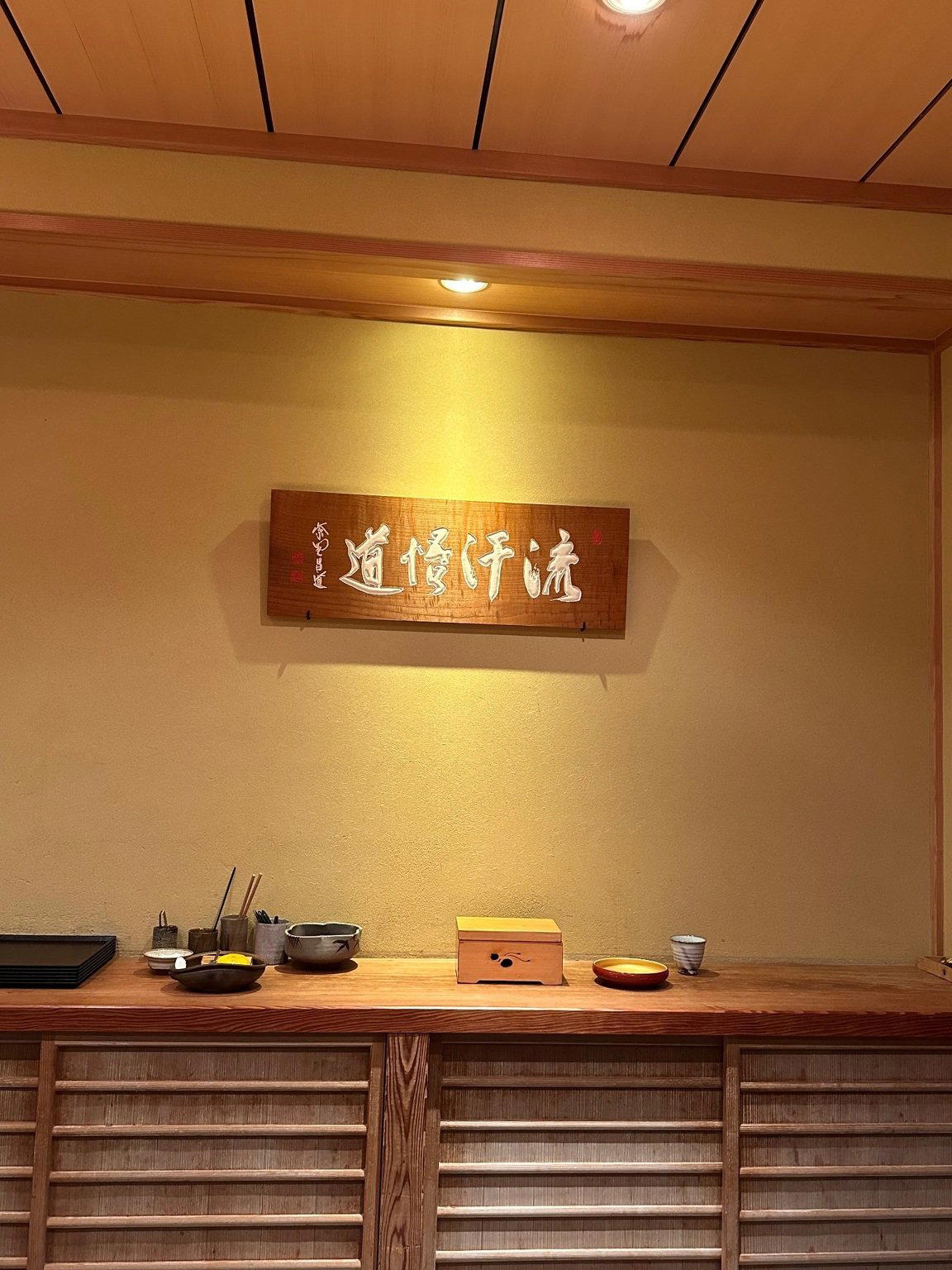
Warm, relaxed neighborhood yakitori bar with counter seating and a few small tables, designed as a laid-back “third place” between home and work where guests can unwind in a classic Hakata atmosphere near Sumiyoshi Shrine.