
Tabelog 100 #1
Our verdict
Tsukemen Kirari brings Kyoto’s ramen conversation into a compact Fushimi counter built around dipping noodles rather than temple-district formality. Its Tabelog Ramen WEST “Tabelog 100” selection for 2025, counter-only format, and low price bracket place it in the serious everyday-eating tier: technical, quick, and aimed at diners who value noodle craft over ceremony.

Pearl is the En Primeur Club membership app, where members save venues, book tables and use the concierge.
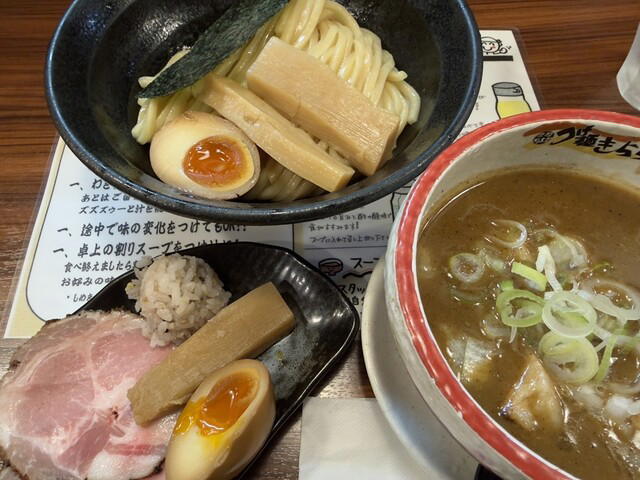
The menu
What to order
- Gyokai tonkotsu tsukemen
- Spicy gyokai tonkotsu tsukemen (kara tsuke)
- Shrimp tsukemen
- Niboshi tsukemen (limited)
- Ebi maze soba (limited)
- Hiyashi tsukemen (summer limited)
Approaching a ramen counter in Kyoto is not like entering the city’s polished formal dining rooms. The rhythm is tighter: short service window, counter energy, steam, ordering logic, and diners who understand speed as part of the format, not failed hospitality. Tsukemen Kirari belongs to the practical Kyoto behind the postcard city, where a bowl can carry as much local conviction as a multi-course dinner.
Kyoto’s restaurant identity is often reduced to temples, tea, and seasonal formality, but its noodle culture is more direct. Ramen and tsukemen counters run on lower spend, sharper turnover, and customers willing to cross the city for a particular broth style or noodle texture. Luxury dining rooms may dominate international itineraries, yet the ramen tier is where repeat local judgment is merciless. A Tabelog Hyakumeiten selection in 2025 matters because it reflects a crowded field, not a tourist-facing accolade.
Kyoto counter culture, not downtown dining theatre
Kyoto changes the meal’s terms. This is not only the city of hotel concierges and carefully staged reservations; it is also a city of everyday eating, compact counters, and focused specialists. That suits tsukemen. Dipping noodles reward concentration, not lingering: noodles and broth arrive separately, the diner controls pace, and the meal turns on texture, temperature, and repetition rather than a procession of courses.
Tsukemen Kirari’s format places it firmly within Kyoto’s noodle-counter world. That matters more than decor. In a compact specialist setting, inconsistency has little margin, and the queue-like rhythm is part of the economics. Arrive with time, understand the focused nature of the meal, and treat it as a purposeful stop, not a flexible social plan.
The pricing clarifies the category. With pricing listed at - JPY 999, this is not luxury dining dressed as street culture. It sits in the disciplined everyday bracket, where value is measured by craft density, not service length. In Kyoto, that places it in useful contrast with other serious dining choices such as eight and Teuchi Soba Sushi Imafuku, where the decision is shaped by a different kind of meal. For travellers mapping the city through food, the contrast is useful: Kyoto seriousness is not confined to expensive rooms.
Dipping noodles as the organising principle
Tsukemen is not ramen with a sidecar; it is a separate grammar. Noodles need structure to stand outside the soup, the dipping broth needs concentration without bluntness, and the final minutes reveal whether the format has been calibrated or merely intensified. The appeal is tactile and procedural: each bite is assembled by the diner, making the counter feel closer to a craft workshop than a presentation-led dining room.
That is where Tsukemen Kirari’s recognition has editorial weight. Its 2025 Tabelog Hyakumeiten listing, with a score of 3.67, gives the restaurant a concrete point of reference within a competitive noodle category. The provided categories are Tsukemen and Ramen, keeping the identity precise rather than broadly descriptive. In this genre, recognition usually means the core bowl has kept regulars engaged while other openings compete for the same lunch-hour appetite.
The appeal of the format is practical rather than theatrical. Tsukemen depends on temperature, broth concentration, noodle texture, and the diner’s own pacing. Those are not decorative details; they are the mechanics of the meal. In a city where high-end service can be choreographed to the second, this is a different kind of hospitality: direct, repeatable, and built around the bowl.
A wine-list assignment for a ramen counter would be a revealing category error. Some Kyoto meals are about cellar depth, sommelier language, and pairings; this one follows a narrower curation. Its equivalent of cellar discipline is a restricted, repeatable format: tsukemen and ramen, served with the focus of a noodle specialist. The discipline is subtraction. Diners seeking beverage theatre should build it elsewhere in the day, through Our full Kyoto bars guide or sake-focused planning via Our full Kyoto wineries guide.
How to place it in a Kyoto itinerary
Tsukemen Kirari corrects over-scheduled Kyoto eating. It asks for patience but not ceremony, and rewards diners comfortable making a noodle meal the anchor. The location is Kyoto, so the meal works best when planned as a focused stop rather than an incidental add-on between distant reservations. Build in time and avoid treating it like a leisurely dining-room booking.
For a broader Kyoto table map, the contrast is instructive. Daichan, Honkaku Teuchi-Udon Taiga, Teuchi Soba Sushi Imafuku, anpeiji, and eight each help frame a different Kyoto dining decision. The point is not ranking them, but understanding Kyoto food culture as distinct operating systems; tsukemen belongs to the one where counter, pace, and bowl do the work.
Travellers should use Our full Kyoto restaurants guide for meal planning, then pair it with Our full Kyoto hotels guide and Our full Kyoto experiences guide to avoid crossing town for every reservation. For context beyond Kyoto, unnamed casual dining formats across Japan and abroad can be useful contrasts. Together, they show how Japanese casual formats travel, adapt, and sometimes lose the tightness small domestic counters preserve.
The right expectation is precision without ceremony. Tsukemen Kirari is a serious stop for diners who know Kyoto’s food intelligence is not always quiet, expensive, or seasonal in the kaiseki sense. Sometimes it is a focused Kyoto noodle counter, recognised in 2025 by Tabelog Hyakumeiten, serving a format that lives or dies by noodle structure, broth concentration, and the diner’s timing.
Frequently asked questions
What days is Tsukemen Kirari closed?
Published ground-truth details provided here do not specify regular closing days for Tsukemen Kirari. Check directly before planning a visit.
Is Tsukemen Kirari more mid-range or high-end?
Pricing at Tsukemen Kirari is listed as - JPY 999.
Where is Tsukemen Kirari in Kyoto?
Kyoto.
What's the defining dish or idea at Tsukemen Kirari?
Tsukemen is the point here, with dipping noodles listed alongside ramen. Tabelog included Tsukemen Kirari in its 2025 Hyakumeiten recognition, with a listed score of 3.67.
Do they accommodate allergies at Tsukemen Kirari?
The published details provided here do not spell out an allergy policy. Diners with allergies should treat ordering as a direct conversation with the restaurant in Kyoto.
Is Tsukemen Kirari child-friendly?
The provided details do not specify a child policy. The budget range is listed as - JPY 999, but the format should be treated as a focused noodle stop rather than a leisurely family meal.
Cuisine and Awards Snapshot
Comparable venues to anchor price and recognition.
| Venue | Cuisine | Price | Awards | Notes |
|---|---|---|---|---|
| Tsukemen KirariThis venue (the venue you are viewing) | Kyoto tsukemen & ramen shop | $10–20 | Tabelog 100 #1 | Not listed |
| 京都 鶏白湯そば 純 | Kyoto Creamy Chicken Broth Soba | $10–20 | Not listed | Nakagyo-ku |
| Flip up! | Kyoto bakery & bagel shop | $1–10 | Tabelog 100 #58 | Nakagyō |
| Saruya | Traditional Japanese sweets & tea | $1–10 | Tabelog 100 #100 | Sakyō |
| Kamo Mitarashi Chaya | Traditional Japanese sweets café & mitarashi dango shop | $1–10 | Tabelog 100 #27 | Sakyō |
| Inari Futaba | Traditional Japanese wagashi & mochi shop | $1–10 | Tabelog 100 #37 | Fushimi |
Recognition history
Dated appearances from independent guides and award organizations, with the underlying list record or original source where available.
Tabelog 100 #1 · No. 1
Tabelog · Tabelog 100 - Ramen - WEST - 2025
Continue exploring
More in Kyoto
Restaurants in Kyoto
All restaurants in Kyoto →
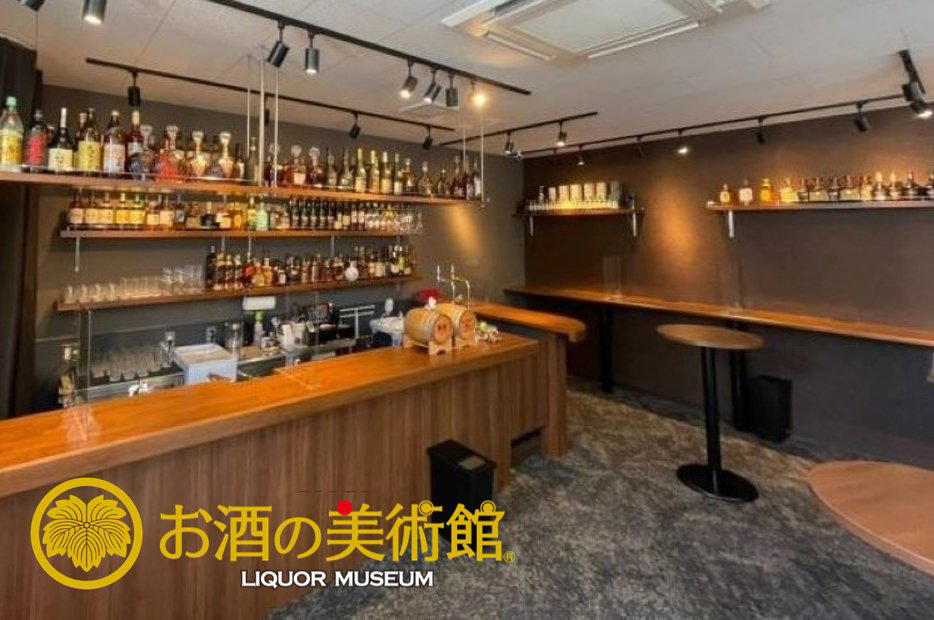
Bars in Kyoto
All bars in Kyoto →
Hotels in Kyoto
All hotels in Kyoto →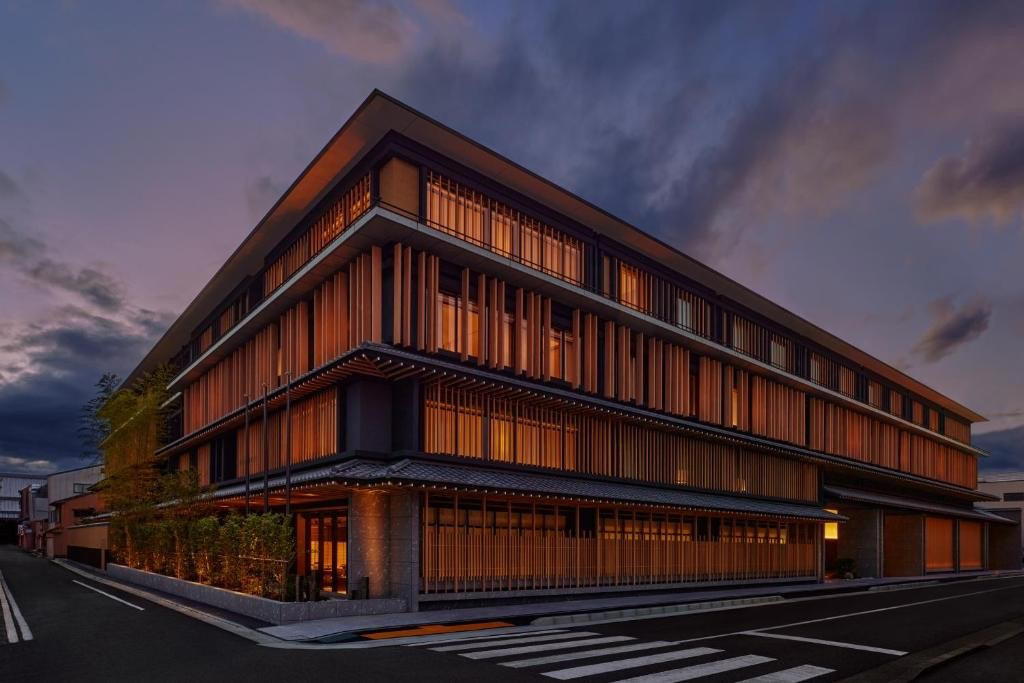
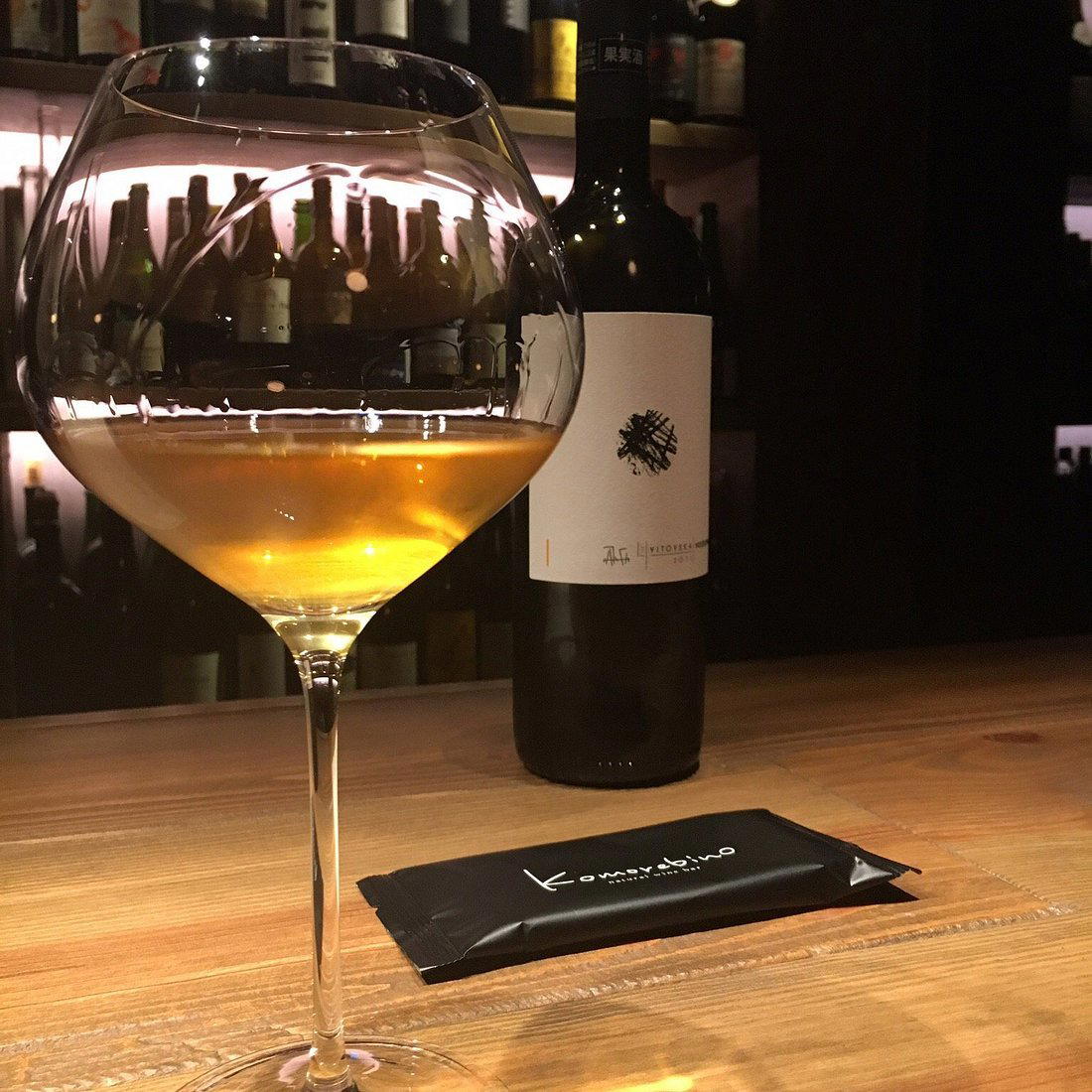
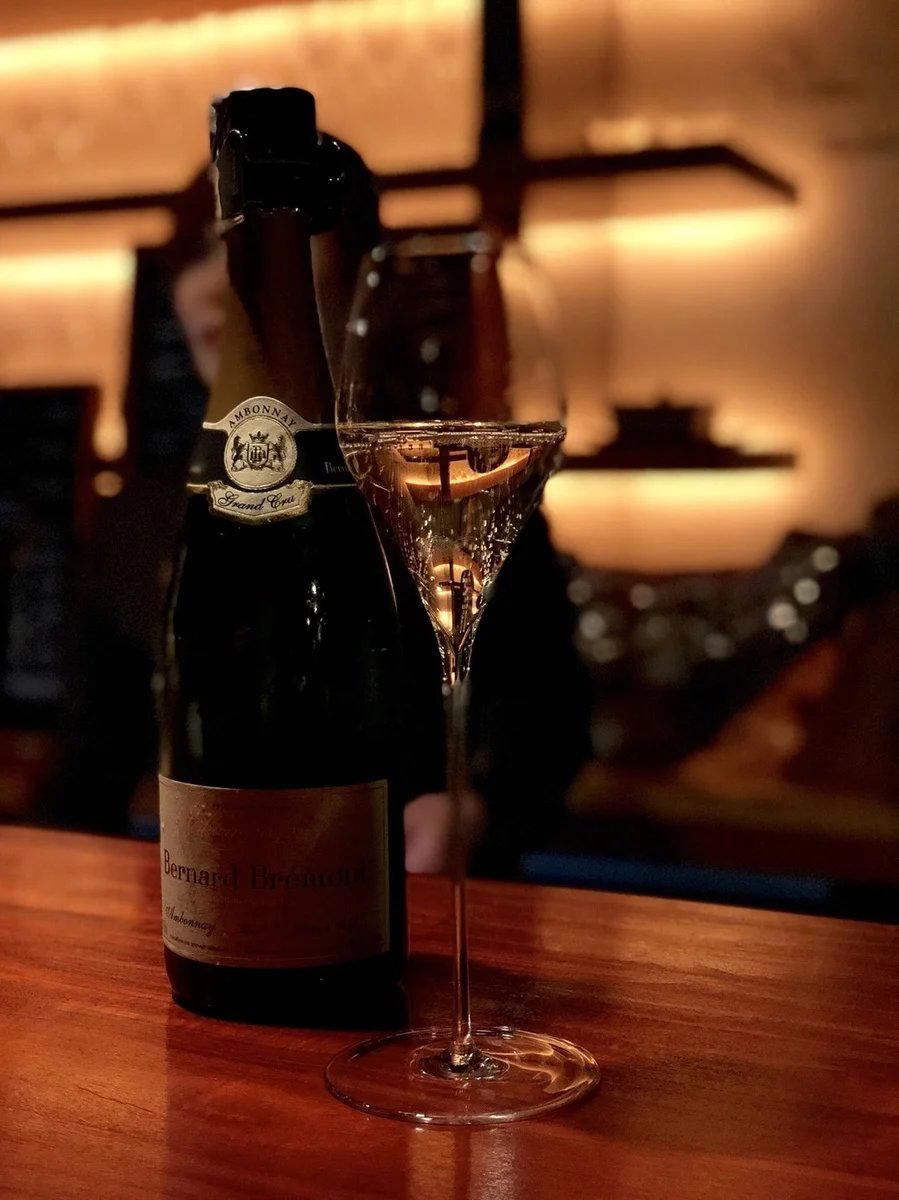
Wineries in Kyoto
Browse all →
Details
- Cozy
- Lively
- Intimate
- Solo
- Casual Hangout
- After Work
- Chefs Counter
- Standalone
- A La Carte
- Counter Dining
Current opening hours
- Monday
- 11 AM–2:30 PM
- Tuesday
- 11 AM–2:30 PM
- Wednesday
- Closed
- Thursday
- Closed
- Friday
- 11 AM–2:30 PM
- Saturday
- 11 AM–2:30 PM
- Sunday
- 11 AM–2:30 PM
Hours can change for holidays and private events. Hours as of .
A direct, counter-only ramen shop with 11 seats, a casual and energetic lunch-time atmosphere, and a focus on efficient service rather than decor.