
Tsukemen Gonokami Seisakujo belongs to Tokyo’s serious dipping-noodle tier: counter seating, no reservations, and a reputation reinforced by repeated Tabelog Ramen TOKYO 100 selections from 2017 through 2025. Its Sendagaya address puts it between Shinjuku’s transit churn and the quieter edge of Shinjuku Gyoen, making it a compact, queue-driven ramen stop rather than a lingering restaurant occasion.
Pearl is the En Primeur Club membership app — saves, bookings, and concierge access live there. Same editors, same standards.
- Address
- Japan, 〒151-0051 Tokyo, Shibuya, Sendagaya, 5 Chome−33−16 シャトレー新宿御苑第一 1F
- Phone
- +81 3-5379-0203
- Website
- gonokamiseisakusho.com
 Saves & bookings on Pearl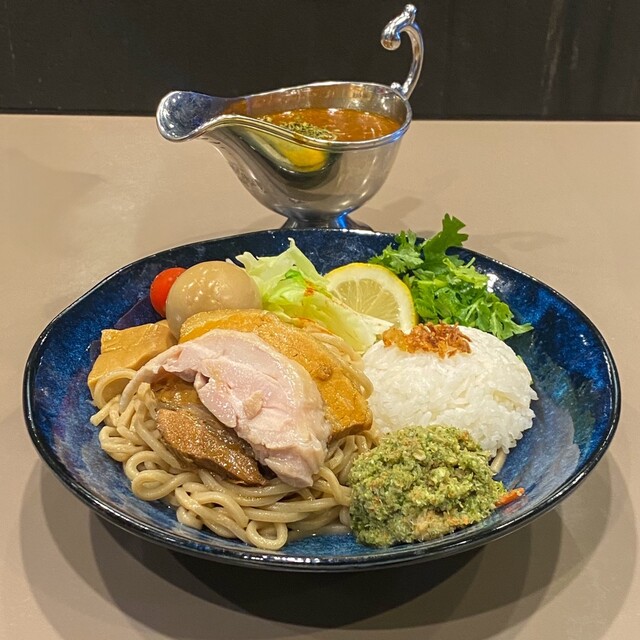
Approaching Sendagaya-side Shinjuku, the city shifts register: department-store traffic, station exits, office workers, and ramen queues compress into a few blocks. Here, tsukemen makes sense: noodles and dipping broth are separated, so texture, heat, and pace shape the meal. Tsukemen Gonokami Seisakujo sits in that Tokyo tradition, a counter-led shop whose reputation rests less on décor than repeat recognition, line discipline, and years of consistency.
Tokyo ramen culture separates fashion from staying power quickly. New shops can create noise, but serious diners judge noodle texture, broth weight, turnover, and value in public every day. A place selected for Tabelog Ramen TOKYO 100 across multiple years is different from a casual station-area noodle stop. This restaurant’s selections in 2017, 2018, 2019, 2020, 2021, 2022, 2023, and 2025 give it a durable critical footprint in a dense, restless ramen city.
A tsukemen counter built for Tokyo's repeat-evaluation culture
Tsukemen is not simply ramen with a separate bowl. It changes the rhythm: noodles are assessed on their own before being pulled through broth, which must be intense enough to season each dip without flattening noodle character. In Tokyo, that supports specialist counters with serious followings. The listed category here is tsukemen, and that specificity matters, placing the shop in a more technical lane than general ramen rooms with broad menus.
The 14-seat L-shaped counter tells the same story. Reservations are not offered, and queue etiquette is explicit: groups should wait only when everyone has arrived, and buying tickets in advance or holding places counts as line-cutting. These rules belong to practical Tokyo ramen culture, where fairness and throughput matter alongside appetite.
This is not Michelin-style luxury recognition. Tabelog’s Hyakumeiten lists reward category strength within Japan’s user-review ecosystem, and ramen is among the site’s most fiercely contested urban fields. A 2025 Tokyo ramen selection, plus a Tabelog score of 3.77, signals a shop performing in a demanding local frame, not international tasting-menu theatre.
Sendagaya, Shinjuku, and the value equation
The location explains the appeal. Shinjuku has many quick meals, but its strongest casual eating often sits just off the main commercial current, where station convenience meets specialist formats. Sendagaya and Shinjuku-sanchome give this counter heavy foot traffic without making it feel like a shopping-mall food court. Nearby Shinjuku Takashimaya comparison venues, including Toranomon Okanoeisen Shinjuku takashimaya ten, Pan Chela Shinjuku takashimaya ten, Patisserie, Toraya An Stand Shinjuku ten, and Le Pan de Joël Robuchon Nyuuman shinjuku ten, occupy another orbit: sweets, bakery counters, and department-store convenience. Tsukemen Gonokami Seisakujo belongs to the purpose-driven ramen route, where diners come for one category and accept the counter’s rules.
The JPY 1,000 to JPY 1,999 price band is central. Tokyo luxury dining can dominate international attention, but ramen remains one of the city’s sharpest value propositions when a specialist counter has credible recognition. Here, the question is not service luxury or wine depth; it is whether a short meal justifies the queue, cash-only payment structure, and lack of private-room comfort. For ramen-focused travelers, repeated Hyakumeiten selection is a stronger signal than generic popularity.
Shop opened on 24 December 2010, giving the reputation a useful time horizon. In ramen years, this is no novelty cycle. The more interesting reading is continuity: a compact counter, fixed category identity, and enough consistency to remain visible in Tokyo’s ramen conversation across successive list years. The scene rewards specialization only when it holds up under heavy repetition.
How to read the experience before going
This is a counter meal, not a long-form dining appointment. Public details indicate non-smoking seating, no private rooms, no private use, no parking, and children welcome. Payment requires planning: credit cards, electronic money, and QR code payments are not accepted. In Tokyo, that is less an eccentric throwback than a reminder that many serious casual counters stay operationally lean.
Hours run daily from late morning into evening, with last order before closing. Treat timing as part of the meal: do not arrive as a group before everyone is present, do not hold places, and expect the counter format to move with purpose. The nearest useful transit reference is Shinjuku-sanchome, with JR Shinjuku also walkable from the New South Exit. For travelers planning a broader eating day, this fits naturally around Shinjuku, Sendagaya, and Shinjuku Gyoen, rather than as a cross-city destination requiring a full evening.
Within EP Club’s Tokyo coverage, it sits on the casual-specialist end of the restaurant spectrum. For a wider city scan, see Our full Tokyo restaurants guide, while nearby and category-contrast references include 12/10 Shinjuku ten, 2D Cafe, 3 Chome no Curry Ya San, 124. KAGURAZAKA (Yakitori), and. 鮪と炭火焼き うお炭 秋葉原店. Travelers building a fuller itinerary can also use Our full Tokyo hotels guide, Our full Tokyo bars guide, Our full Tokyo wineries guide, and Our full Tokyo experiences guide.
For national context beyond Tokyo, EP Club’s Japan and overseas dining references range from -Grilled beef Sukiyaki- KAMAKURA TANUKIAN 鎌倉 たぬき庵 in Kamakura.cafe in Osaka.know in Kumamoto, (Shoku) Vietnam in Kawasaki, [Curry Senmon Ten] Maruyama Kyoju. in Sapporo, and [ki:] in Kyoto to Los Angeles entries such as Jōdo Saké Bar in Los Angeles and Onigiri Time in Pasadena.
The editorial case is clear: this is a Tokyo tsukemen counter with long-running category recognition, a low price band, and rules favoring solo diners or small groups comfortable with queues. It is not built for leisurely service rituals. Its value lies in directly connecting the diner to one of Tokyo’s most competitive everyday food forms.
- Shrimp tsukemen
- Shrimp tomato tsukemen
- Shrimp miso tsukemen
- Special shrimp tsukemen
- Special shrimp tomato tsukemen
- Special shrimp miso tsukemen
Cuisine and Credentials
Comparable venues at a similar level for quick context.
| Venue | Cuisine | Price | Notes |
|---|---|---|---|
| Tsukemen Gonokami SeisakujoThis venue — the venue you are viewing | Shrimp Tsukemen Ramen Shop | $ | Not listed |
| Umemura | Japanese Soul Food | $ | Koto |
| Toranomon Okanoeisen Shinjuku takashimaya ten | Japanese traditional sweets (wagashi) | $ | Shibuya |
| Gyusuji Curry Chiisana Curry Ya | Japanese Beef Tendon Curry & Curry Udon | $ | Shinjuku |
| Kyogashi Misakiya | Traditional Japanese Wagashi (Japanese Sweets) | $ | Shibuya |
| Ichigenya | Traditional Japanese Sweets (Wagashi) | $ | Chiyoda |
Recognition history
Dated appearances from independent guides and award organizations, with the underlying list record or original source where available.
Tabelog 100 #42 · No. 42
Tabelog · Tabelog 100 - Ramen - TOKYO - 2025












At a Glance
- Lively
- Cozy
- Trendy
- Solo
- After Work
- Casual Hangout
- Late Night
- Standalone
- Design Destination
Current opening hours
- Monday
- 11 AM–9 PM
- Tuesday
- 11 AM–9 PM
- Wednesday
- 11 AM–9 PM
- Thursday
- 11 AM–9 PM
- Friday
- 11 AM–9 PM
- Saturday
- 11 AM–9 PM
- Sunday
- 11 AM–9 PM
Hours can change for holidays and private events. Last verified .
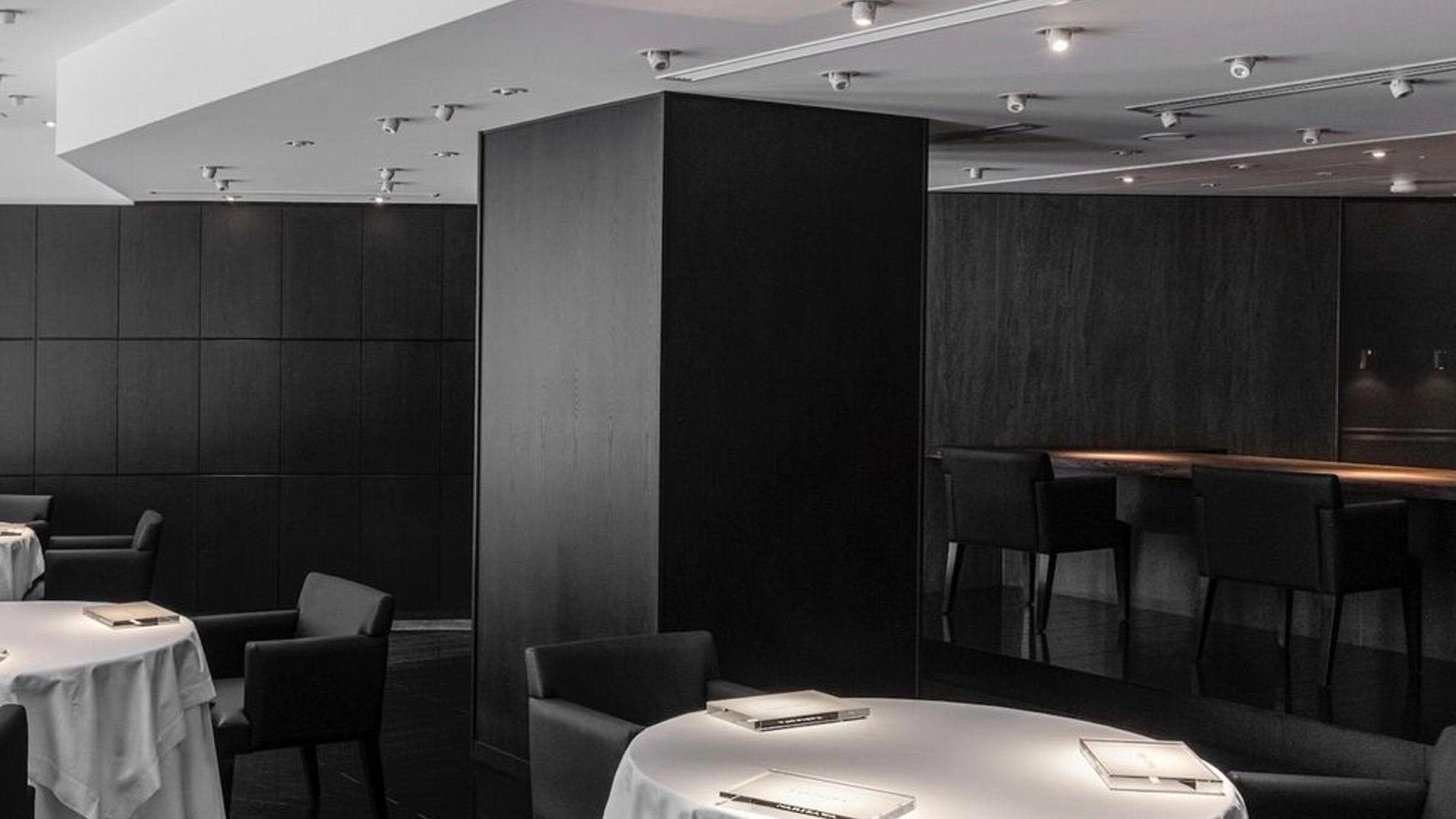
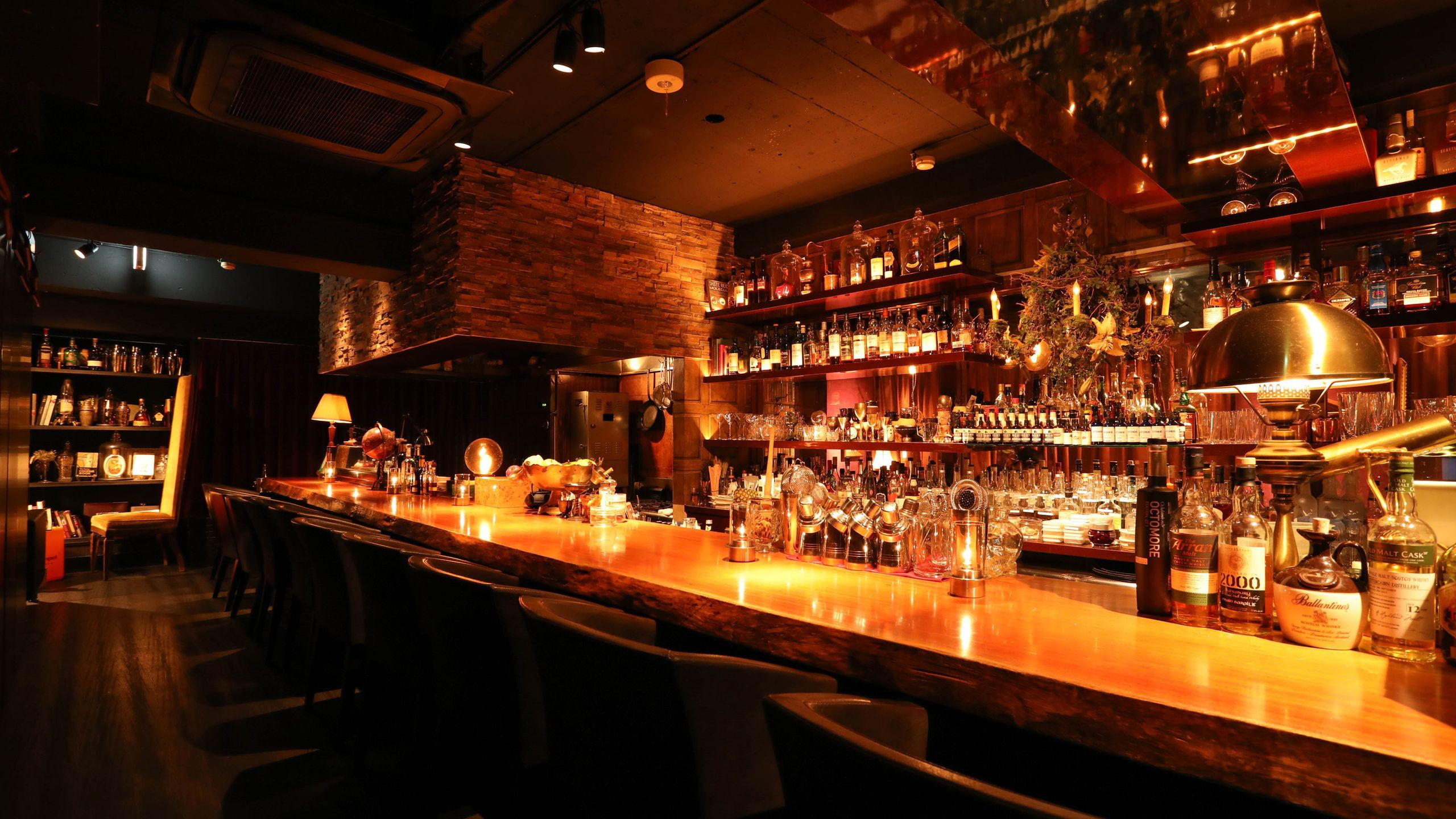
A compact, often crowded neighborhood noodle shop with an L-shaped counter, bright modern feel, and an energetic atmosphere driven by constant queues of ramen fans.