Kollar Göbl
Our verdict
On Deutschlandsberg's central square, Kollar Göbl occupies a position that places it squarely within Styria's tradition of market-town dining rooted in regional produce. The restaurant draws on the West Styrian agricultural belt that surrounds the town, making ingredient provenance a defining element of the cooking. For visitors exploring Austria's southern dining scene, it represents a grounded, place-specific alternative to the country's more publicised urban tables.

Pearl is the En Primeur Club membership app, where members save venues, book tables and use the concierge.
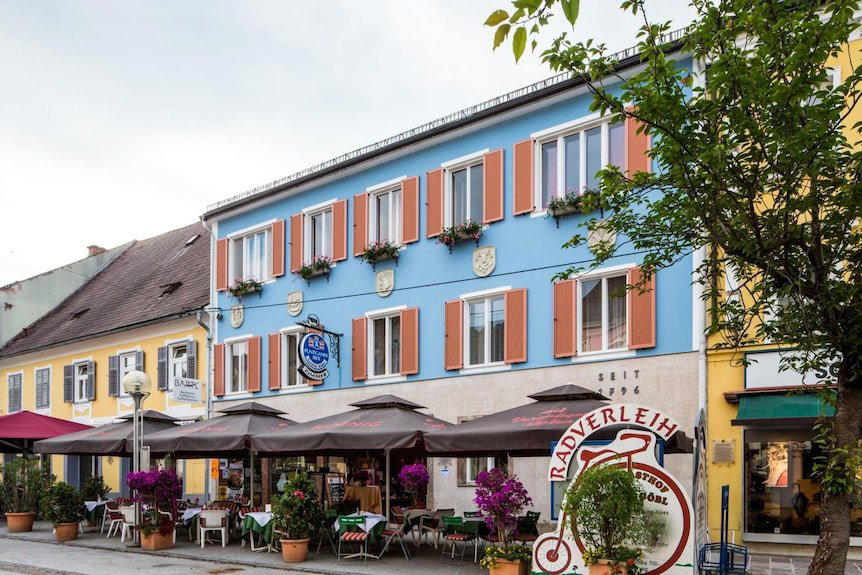
Hauptplatz as a Starting Point: What Market-Square Dining Means in Styria
There is a particular rhythm to dining rooms that open onto Austrian market squares. The Hauptplatz in Deutschlandsberg, the main square at the centre of a West Styrian town that sits between the Koralpe mountains and the vine-covered slopes of the Schilcher wine country, functions as the social and commercial spine of the district. Restaurants positioned here are not incidental; they tend to reflect the agricultural life of the surrounding region far more directly than urban counterparts, because the supply chains are shorter and the producers are often neighbours. Kollar Göbl, at Hauptpl. 10, occupies exactly this kind of position.
The broader pattern in Austrian regional dining, visible in destinations like Landhaus Bacher in Mautern an der Donau and Obauer in Werfen, is that the most coherent kitchens are those with a clear, specific geographic identity. The restaurant is not trying to compete with Vienna's creative fine dining circuit, where venues like Steirereck im Stadtpark operate at an international reference level. It occupies a different but equally meaningful tier: the market-town table that draws its authority from what surrounds it rather than from what it imports.
West Styria's Larder: Why Provenance Matters Here
Styria has a more defined regional food identity than many Austrian provinces. The area around Deutschlandsberg sits within the Schilcher wine zone, Blauer Wildbacher grape country, producing the sharp rosé that has been made here for centuries, and is flanked by farming communities that produce pumpkin seed oil, free-range livestock, and stone-fruit orchards. These are not incidental ingredients; they are the backbone of a regional palate that predates the current European interest in localism by several generations.
In this context, ingredient sourcing is not a marketing position but a geographic fact. Restaurants along the West Styrian corridor work with a supply network shaped by altitude, soil type, and the specific microclimate between the Koralpe and the Sausal ridges. The pumpkin seed oil produced in this corridor, pressed cold and dark green, with a nutty weight quite distinct from refined oils, appears across regional cooking as both seasoning and garnish. It is one of the clearest signals of where a kitchen's loyalties lie. Similar sourcing logic defines the approach at Kräuterreich by Vitus Winkler in Sankt Veit im Pongau, where alpine herb sourcing functions as the defining editorial of the kitchen.
This is the tradition in which Kollar Göbl operates. The restaurant's address on the central square places it at the convergence point of that supply network, where produce from the surrounding Schilcher country arrives in town.
The Deutschlandsberg Dining Scene in Wider Context
Deutschlandsberg is not a dining destination in the way that Werfen or Schützen am Gebirge are, towns where single restaurants like Obauer or Taubenkobel have become the primary reason to visit. The town's appeal is more distributed: the castle at Burg Deutschlandsberg draws visitors from across western Styria, the Schilcher wine route provides a touring framework, and the central square functions as a meeting point for a district of roughly 27,000 people. Dining here is woven into the town's civic life rather than separated from it as a destination activity.
Within that local dining ecosystem, Kollar Göbl sits alongside Theresas - Eine Art Gasthaus as one of the recognisable names on the Hauptplatz. The competition set here is not other fine-dining destinations but rather the full range of Styrian Gasthäuser that define how the region eats on an ordinary week. For broader coverage of what the town offers, the full Deutschlandsberg restaurants guide maps the options across categories and neighbourhoods.
Austria's regional dining scene beyond Vienna has been producing increasingly focused kitchens in recent years. The pattern seen at Döllerer in Golling an der Salzach and Ikarus in Salzburg, where contemporary technique is applied to rigorously regional sourcing, represents one end of that spectrum. Kollar Göbl occupies a quieter register within it, oriented toward the town square rather than toward international recognition.
Planning a Visit: What to Know Before You Go
Deutschlandsberg is accessible by rail from Graz on the Koralmbahn line, with the journey taking under an hour from the Styrian capital. The town centre, including the Hauptplatz, is a short walk from the station. The central square location at Hauptpl. 10 means the restaurant is easy to locate without specific navigation. For visitors combining Kollar Göbl with other regional itineraries, the Schilcher wine route and Burg Deutschlandsberg make natural complements to a half-day or full-day visit to the area.
The broader Austrian fine-dining circuit, from Griggeler Stuba in Lech and Stüva in Ischgl in the west to Schwarzer Adler in Hall in Tirol and Gourmetrestaurant Tannenhof in Sankt Anton am Arlberg in Tyrol, requires advance planning and, in many cases, months of lead time. Kollar Göbl operates in a different register, and that difference is worth preserving in how you approach it. For international reference points in grounded, produce-led dining, venues like Le Bernardin in New York City and Atomix in New York City demonstrate how sourcing discipline translates into a coherent kitchen identity at a global level; the principle applies across formats and price points. For Styrian-scale ambition at a regional level, Ois in Neufelden and Restaurant 141 by Joachim Jaud in Mieming offer useful comparison points for the type of focused regional table that Deutschlandsberg is capable of sustaining.
Frequently asked questions
What's Kollar Göbl's location?
Kollar Göbl is located at Hauptpl. 10, 8530 Deutschlandsberg, Austria, Deutschlandsberg.
Is Kollar Göbl a good base for visiting the Schilcher wine route from Deutschlandsberg?
Deutschlandsberg sits at the northern edge of the Weststeiermark DAC zone, where Schilcher, a sharp, pale rosé pressed from the Blauer Wildbacher grape, is the region's defining wine. Kollar Göbl's position on the Hauptplatz places it within the town that serves as a practical hub for the route, with the surrounding hillside vineyards accessible within a short drive. Deutschlandsberg is also reachable by rail from Graz in under an hour on the Koralmbahn line, making it a viable day-trip anchor.
What do people recommend at Kollar Göbl?
Kollar Göbl sits at Hauptplatz 10 in Deutschlandsberg, placing it within reach of West Styria's defining regional produce, pumpkin seed oil, Schilcher rosé, and locally raised meats are staples of the area's kitchen tradition. Without a current published menu on record, the safest approach is to ask staff what is running that day, particularly for seasonal Styrian dishes. Market-square restaurants in this part of Austria tend to reflect whatever the week's local suppliers are delivering.
Can I walk in to Kollar Göbl?
No booking contact or reservation policy is on public record for Kollar Göbl at this time. For a venue on Deutschlandsberg's central Hauptplatz, walk-in availability will depend heavily on the day and season, the town draws visitors travelling the Schilcher wine route, particularly in summer and autumn. Arriving early for lunch is the lower-risk option if you haven't been able to confirm a table in advance.
What is Kollar Göbl known for?
Kollar Göbl occupies a position on Deutschlandsberg's Hauptplatz, the central market square that anchors the town's civic and commercial life. In West Styria, that address puts a dining room at the intersection of local trade and regional food culture, with the Schilcher wine zone beginning effectively at the town's edge.
Can Kollar Göbl handle vegetarian requests?
Styrian cuisine gives vegetarians more to work with than many Central European regional traditions, pumpkin seed oil, Kürbiskernöl-dressed salads, Erdäpfelgulasch, and cheese-based preparations are common across the province. The address at Hauptplatz 10 in Deutschlandsberg is the best starting point for contacting the venue directly before visiting.
A Quick Peer Check
Comparable venues nearby, for context on price, style, and recognition.
| Venue | Cuisine | Price | Notes |
|---|---|---|---|
| Kollar GöblThis venue (the venue you are viewing) | Austrian Regional Cuisine | Not listed | Not listed |
| Theresas - Eine Art Gasthaus | Regional Austrian Gasthaus | $20–30 | Deutschlandsberg |
| Burg Deutschlandsberg | Modern Austrian Fine Dining with Styrian Specialties | $50–100 | Deutschlandsberg |
| Restaurant Schrott | Austrian Gastropub | $20–30 | Hirnsdorf |
| Sudhaus | Styrian Brewery Restaurant | $20–30 | Straßgang |
| Bratlalm | Traditional Austrian Almheuriger | Not listed | Wenigzell |
Continue exploring
More in Deutschlandsberg
Restaurants in Deutschlandsberg
All restaurants in Deutschlandsberg →
Bars in Deutschlandsberg
Browse all →
Hotels in Deutschlandsberg
Browse all →



Details
- Cozy
- Rustic
- Family
- Casual Hangout
- Garden
- Terrace
- Local Sourcing
- Garden
- A La Carte
- Vegetarian Friendly
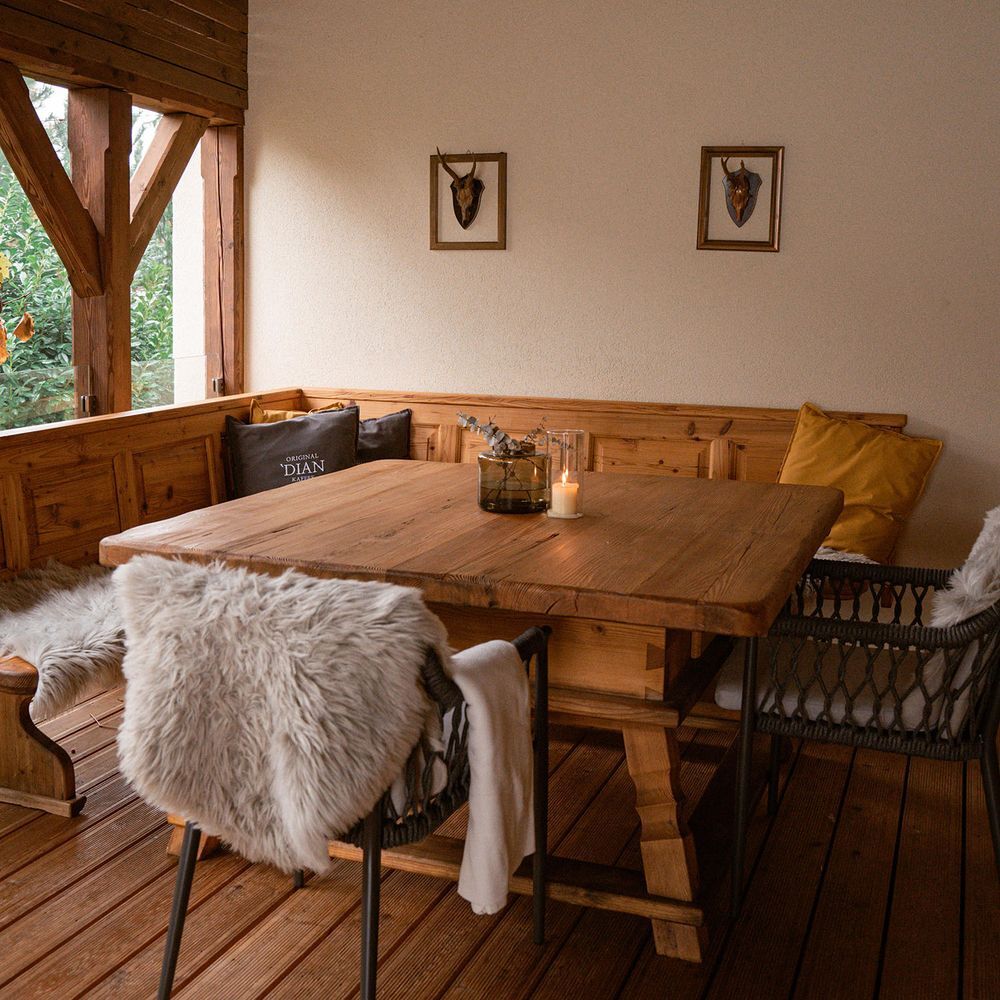
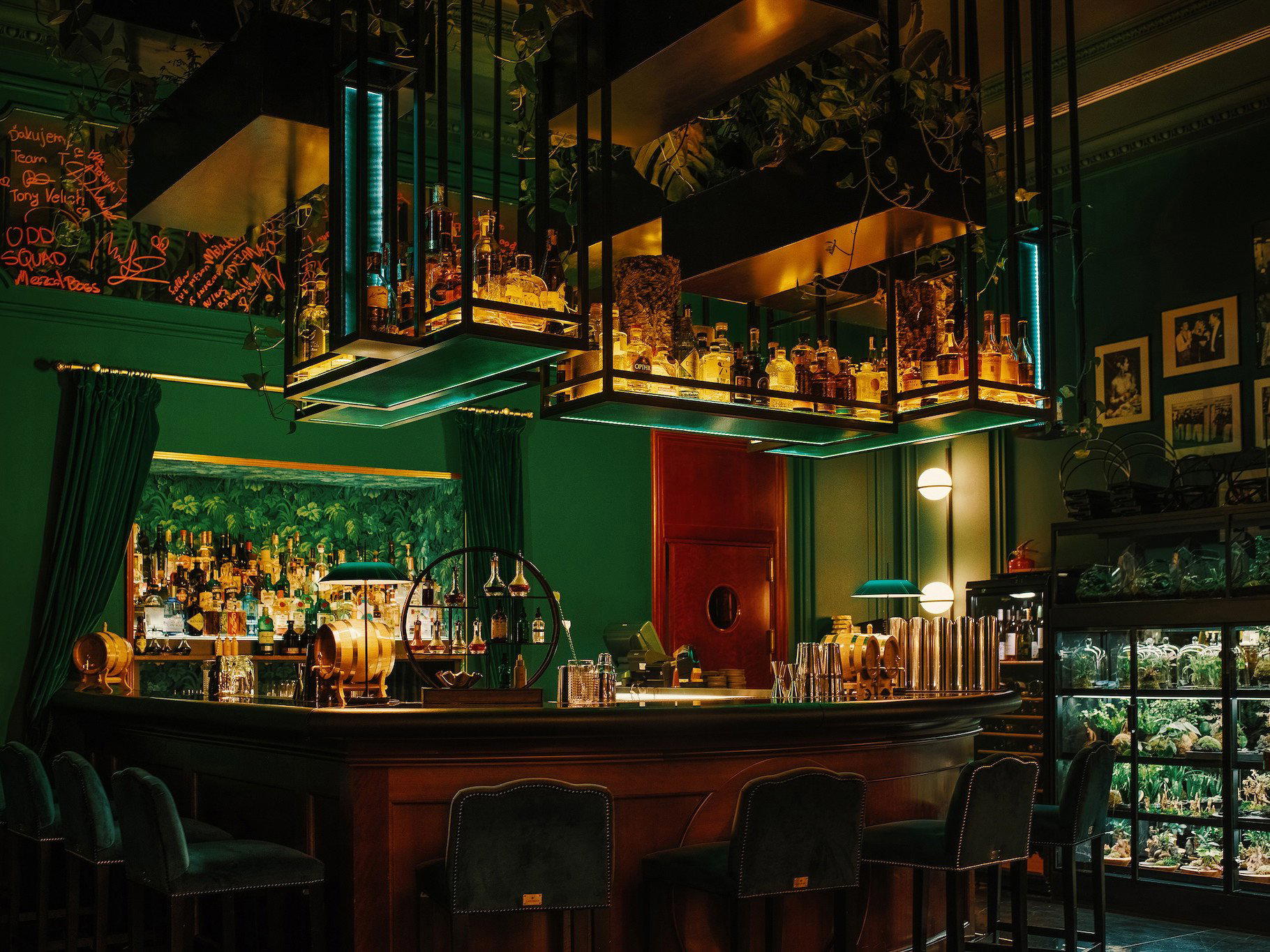
Warm, family-friendly atmosphere with garden terrace for alfresco dining.