Das Mizis
Das Mizis sits on Badener Straße in Matzendorf, a small Lower Austrian village that draws visitors looking for grounded, regional cooking away from Vienna's polished dining circuit. The address places it in Austria's agricultural interior, where the sourcing story behind a plate carries as much weight as what appears on it. For context on how this fits into the broader Lower Austrian scene, see our full Matzendorf Holles restaurants guide.
Pearl is the En Primeur Club membership app — saves, bookings, and concierge access live there. Same editors, same standards.
- Address
- BadenerStraße 19, 2751 Matzendorf, Austria
- Phone
- +43262821821
- Website
- das-mizis.at
- Directions
- Get directions
 Saves & bookings on Pearl
A Village Address in Austria's Agricultural Interior
The road into Matzendorf runs through a stretch of Lower Austria that most visitors pass without stopping. Badener Straße 19 is a modest address, the kind that sits at the edge of a small settlement rather than anchoring a known restaurant district. That geography is the first thing worth understanding about Das Mizis: it operates in a part of Austria where the supply chain between farm and kitchen is short by necessity, not by marketing strategy.
Austria's dining conversation tends to cluster around a handful of addresses. Steirereck im Stadtpark in Vienna defines the creative upper tier; Landhaus Bacher in Mautern an der Donau and Obauer in Werfen anchor the classic end of Austrian cooking with decades of consistency behind them. Das Mizis sits outside that decorated cohort entirely, which tells you something about who it is for and what it is doing. A restaurant in a village of this scale is not competing for the same audience as a €€€€ tasting-menu destination. Its comparable set is the local Gasthaus tradition, where the measure of quality is proximity to source and fidelity to the regional larder rather than technique for its own sake.
Sourcing as the Central Argument
Lower Austria is one of the country's most productive agricultural zones. The region around Wiener Neustadt and the foothills south of Vienna produces wheat, root vegetables, dairy, and game that has supplied Viennese kitchens for centuries. A restaurant in Matzendorf sits inside that supply network in a way that addresses in the capital simply cannot replicate. The distance from field to kitchen is measurable in kilometres rather than logistics chains, and that compression shows in the way regional restaurants here handle seasonal produce: the menu shifts with the harvest rather than with a quarterly reprint.
This matters because the ingredient-sourcing question is not abstract in Lower Austrian cooking. The Gasthaus tradition has always been built around what the land immediately around it produces. Wild garlic from the nearby woods, game from the surrounding countryside, dairy from farms within a short radius: these are the raw materials that define what a plate here can reasonably be. Restaurants that operate at this scale and in this geography are less likely to import prestige ingredients from elsewhere and more likely to work with what their immediate suppliers deliver each week. That constraint, historically, has produced some of Austria's most grounded and least performative cooking.
Compare this to the model operating at places like Döllerer in Golling an der Salzach or Taubenkobel in Schützen am Gebirge, where sourcing is an explicit part of the editorial identity and the kitchen builds menus around named producers and documented supply relationships. At that tier, provenance is both a culinary and a positioning choice. At a smaller village address, the same provenance exists without the apparatus of communication around it. The food still comes from the region; it simply doesn't arrive with a biography attached.
Where Das Mizis Sits in the Wider Austrian Context
Austria's restaurant geography has two distinct modes. The first is the decorated destination: restaurants with Michelin recognition, long booking windows, and audiences drawn from across Europe. Ikarus in Salzburg, Gourmetrestaurant Tannenhof in Sankt Anton am Arlberg, and Griggeler Stuba in Lech all occupy that tier. The second mode is the embedded local address: places that serve a community, draw from its surrounding agriculture, and measure success by whether people return the following week rather than whether critics return the following season.
Its address in Matzendorf, a village well south of Vienna in the Lower Austrian interior, places it in a part of the country where this second model is the norm rather than the exception. For visitors accustomed to booking tables months in advance at destination addresses like Restaurant 141 by Joachim Jaud in Mieming or Stüva in Ischgl, the practical experience here is likely to be different in pace and register. This is also worth contextualising against herb-forward and regionally rooted restaurants elsewhere in Austria, such as Kräuterreich by Vitus Winkler in Sankt Veit im Pongau or Ois in Neufelden, where the sourcing philosophy is explicit and the format is deliberately low-capacity.
For international visitors who have experienced ingredient-driven cooking at different registers, from the precision of Le Bernardin in New York City to the communal formats at Lazy Bear in San Francisco, a village address in Lower Austria offers a different argument about what regional cooking can be. It is less about technique demonstrated at altitude and more about the short supply chain as an end in itself.
For those travelling from Vienna, Matzendorf is accessible by road heading south toward Wiener Neustadt, a journey of roughly 45 to 55 minutes depending on traffic on the southern motorway corridor. The village is not served by direct rail, so a car or hired transport is the practical approach. Walk-in visits are one direct approach for planning.
Nearby alternatives worth considering include Schwarzer Adler in Hall in Tirol and Atelier Fischer in Sankt Gilgen for those building a wider Austrian itinerary, and Thaller - Gasthaus in Sankt Veit am Vogau as a direct comparator in the Gasthaus register.
Side-by-Side Snapshot
Comparable venues nearby, for context on price, style, and recognition.
| Venue | Cuisine | Price | Notes |
|---|---|---|---|
| Das MizisThis venue — the venue you are viewing | Traditional Austrian | $$ | Not listed |
| Am Nordpol 3 | Authentic Bohemian-Viennese | $$ | Brigittenau |
| die Feinkosterei Neuer Markt | Austrian Tapas | $$ | Innere Stadt |
| Schwabenhof | Traditional Burgenland & Austrian | $$ | Heiligenbrunn |
| Frankowitsch | Austrian Deli Brötchen | $$ | Innere Stadt |
| Trzesniewski | Traditional Viennese Open-Face Sandwiches | $ | Vösendorf |
Continue exploring
More in Matzendorf Holles
Restaurants in Matzendorf Holles
Browse all →
![[aend] restaurant in Vienna](https://cdn.enprimeurclub.com/storage/v1/object/public/images/locations/recsVyRkMfzCxPmp0/hero2.jpg?width=3840&quality=75)
Bars in Matzendorf Holles
Browse all →

Hotels in Matzendorf Holles
Browse all →
At a Glance
- Cozy
- Casual Hangout
Current opening hours
- Monday
- Closed
- Tuesday
- Closed
- Wednesday
- 8 AM–8 PM
- Thursday
- 8 AM–8 PM
- Friday
- 8 AM–8 PM
- Saturday
- 8 AM–2 PM
- Sunday
- 8 AM–2 PM
Hours can change for holidays and private events. Last verified .
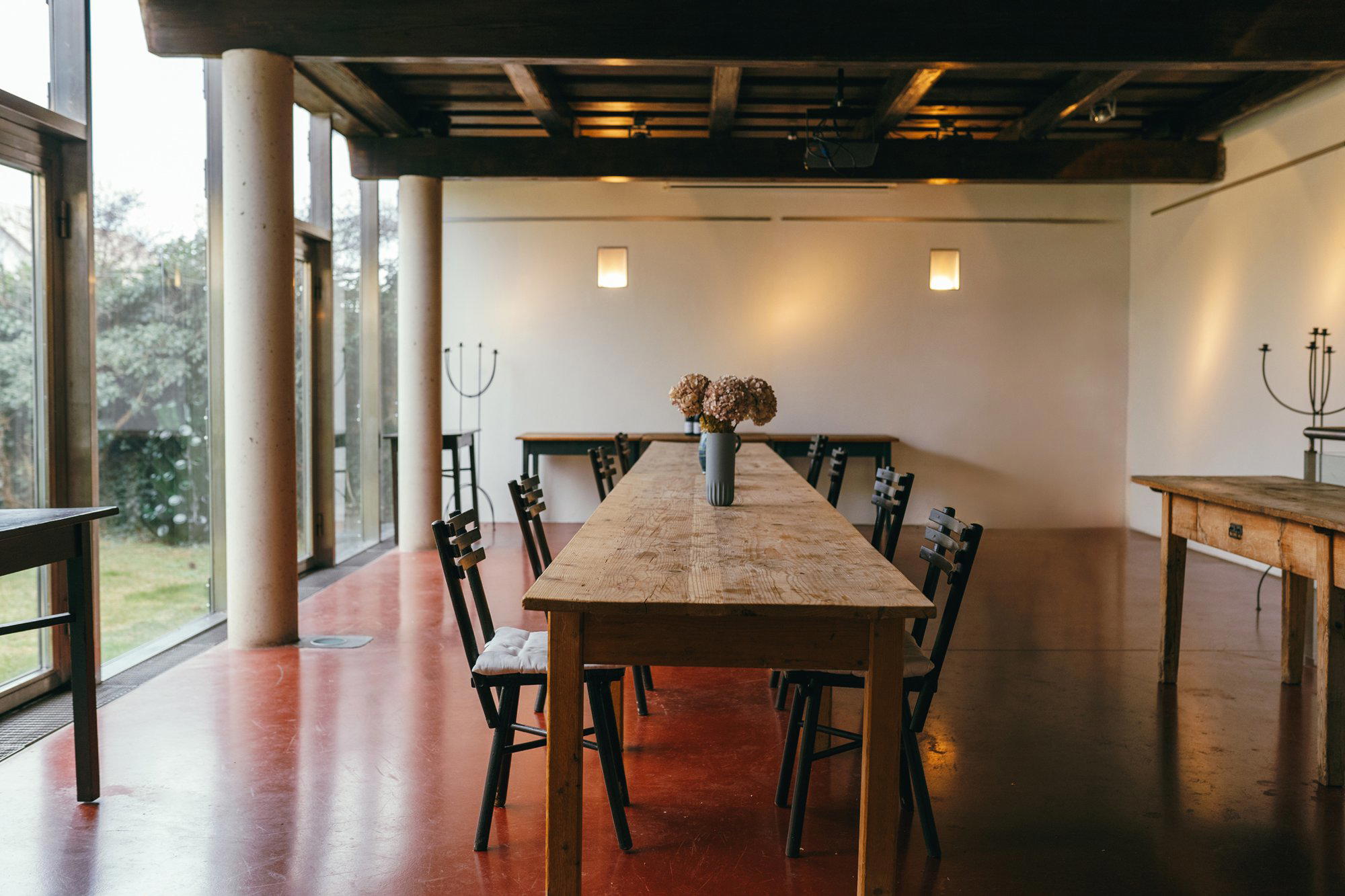
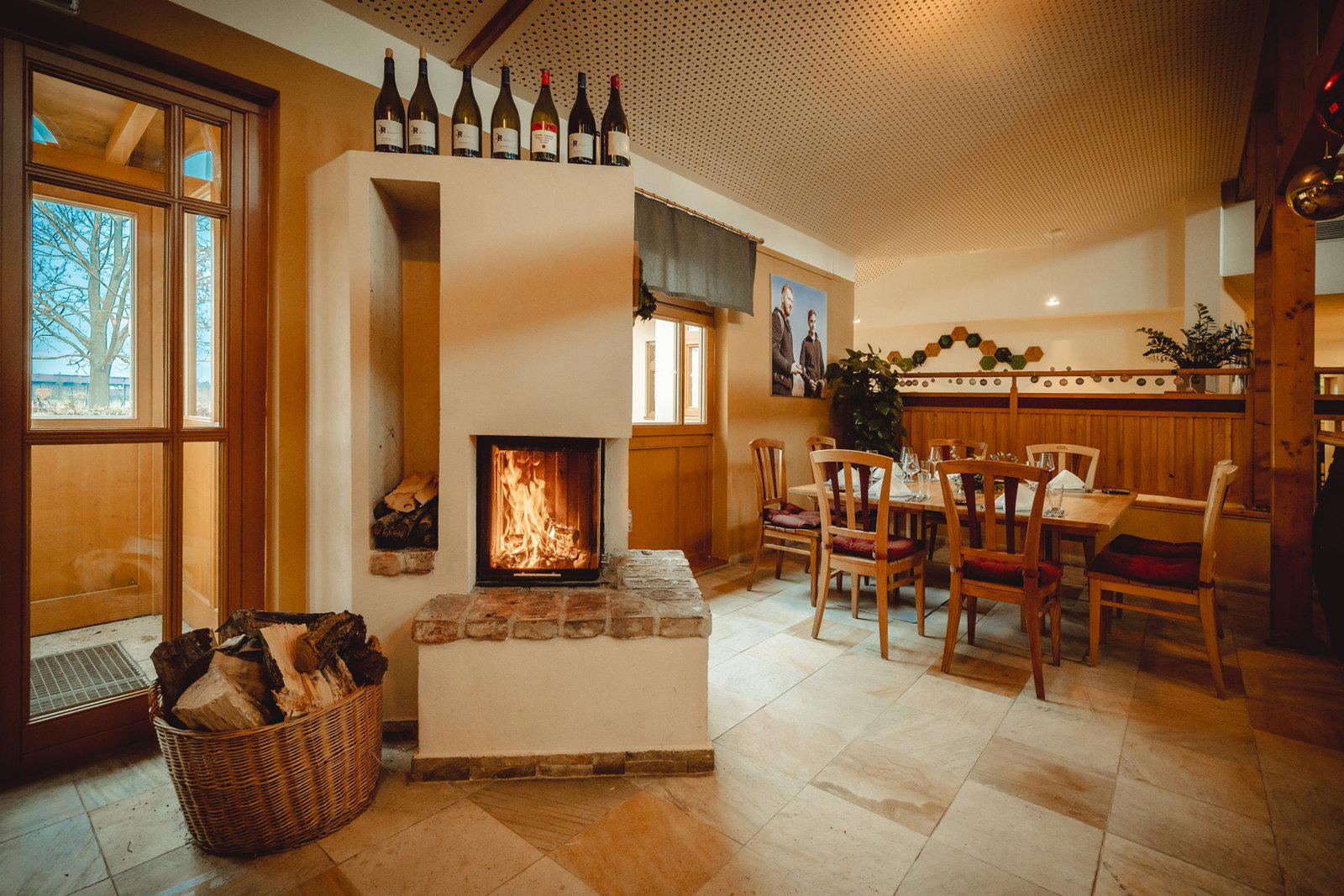
Gemütliche Atmosphäre.