Our verdict
Bratlalm sits in Wenigzell, a village in Austria's Styrian hill country where farm-to-table is less a trend than a geographic inevitability. The setting places it within a regional tradition of rural Austrian dining that draws on the surrounding landscape for its raw materials. For travellers willing to leave the main tourist corridors, it represents the kind of address that rewards the detour.

Pearl is the En Primeur Club membership app, where members save venues, book tables and use the concierge.
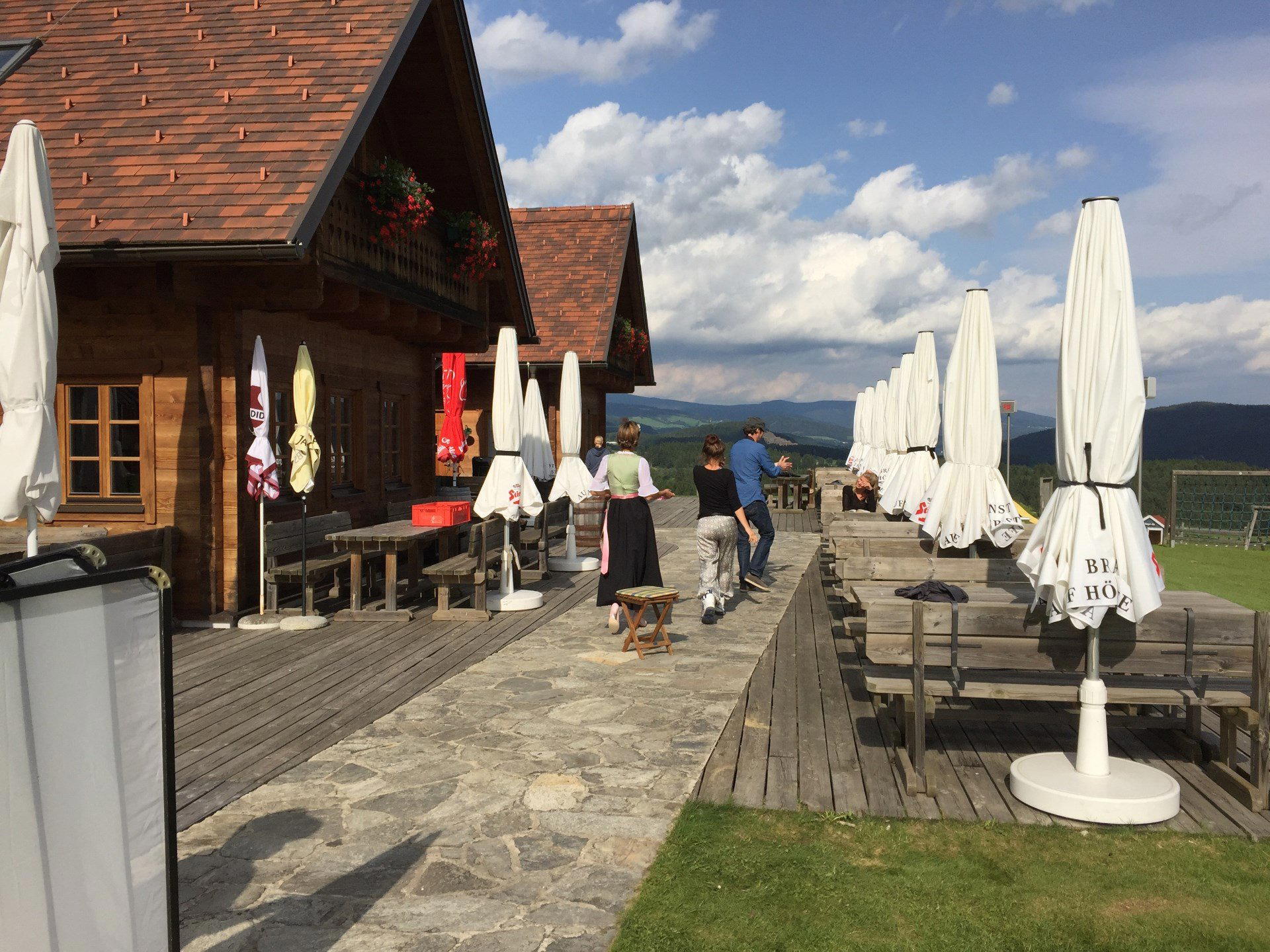
Styrian Hill Country and What It Demands of a Kitchen
The Styrian hinterland east of Graz operates on a different register from Austria's better-known dining destinations. There are no ski-resort expense accounts fuelling the room, no urban food-press cycles driving reservation pressure. What the region has instead is some of the country's most productive agricultural land: rolling hills given over to pumpkin cultivation, apple orchards, and small-scale livestock farming that has resisted consolidation in ways the Alpine west has not. Dining here, at addresses like Bratlalm in Wenigzell, is shaped by that agricultural reality more directly than almost anywhere else in the country.
This matters because ingredient sourcing in Styria is not a marketing posture. The supply chains are short by necessity and by culture. A kitchen in Wenigzell draws on producers whose names the cook likely knows personally, whose seasonal rhythms set the rhythm of the menu. That kind of proximity between field and plate is what distinguishes rural Styrian dining from the more farm-to-table programmes you find at destination restaurants in Vienna or Salzburg, where the sourcing story is real but the distance is considerably greater.
Where Bratlalm Sits in the Austrian Rural Dining Tradition
Austria's premium restaurant tier has consolidated heavily around a handful of cities and Alpine resort towns. Steirereck im Stadtpark in Vienna and Döllerer in Golling an der Salzach represent the kind of nationally recognised addresses that attract international press and command tasting-menu pricing at the upper end of the Austrian scale. Landhaus Bacher in Mautern an der Donau and Obauer in Werfen occupy a similarly credentialled position, each with decades of recognition and a clearly articulated culinary identity built on Austrian classicism or creative refinement.
Bratlalm in Wenigzell operates in a different register entirely. Styrian village addresses of this type function less as destination restaurants in the international sense and more as the backbone of local food culture: places where the cooking reflects the region's agricultural character without the apparatus of a tasting menu or a sommelier programme. It is the category of unpretentious, rooted rural dining that Austria does quietly well and rarely exports to international audiences.
The Sourcing Logic of Styrian Country Cooking
Styrian cuisine has a more defined ingredient identity than most Austrian regional traditions. Kürbiskernöl, the dark green pumpkin seed oil pressed from local Styrian pumpkins, functions as a structural ingredient across the region's kitchens rather than a garnish. Freshwater fish from Styrian rivers and lakes, particularly trout and carp, appear in preparations that reflect centuries of inland cooking. Pork from small Styrian farms, game from the surrounding forests, and wild mushrooms gathered from the wooded slopes around Wenigzell all feed into a cooking tradition that is genuinely place-specific.
This stands in contrast to the more cosmopolitan sourcing approaches at high-end Austrian restaurants, where Japanese technique, French produce, or Nordic preservation methods increasingly appear alongside local ingredients. At rural Styrian addresses, the sourcing logic is simpler and the regional specificity more complete. The cooking at a place like Bratlalm is legible as Styrian in a way that a tasting menu at Ikarus in Salzburg or Stüva in Ischgl is not designed to be.
For travellers who have eaten their way through Austria's more celebrated addresses, this kind of unmediated regional specificity can be the most interesting meal of a trip. The same argument applies in other food cultures: Le Bernardin in New York City and Lazy Bear in San Francisco represent the technically accomplished end of their respective categories, but the most direct encounter with a region's food culture often happens at smaller, less internationally visible addresses.
Getting to Wenigzell and Planning the Visit
Wenigzell sits in the Joglland region of eastern Styria, roughly equidistant between Graz and Wiener Neustadt, though neither is particularly close. The village is not on a rail line, and reaching it requires a car or a willingness to piece together regional bus connections from Hartberg, the nearest town of any size. For travellers based in Graz, the drive runs approximately an hour through the Styrian hill country, a route that passes through a range of small farms, orchards, and forested ridges that contextualises the food before you arrive. Bratlalm's address is recorded at Pittermann 163, 8254 Wenigzell.
For those building a wider eastern Styrian itinerary, Thaller - Gasthaus in Sankt Veit am Vogau offers a point of comparison further south, while the broader Styrian dining scene reviewed in our full Wenigzell restaurants guide provides additional context. Travellers moving through Austria's western provinces will find a different but equally rooted set of addresses at Schwarzer Adler in Hall in Tirol, Griggeler Stuba in Lech, and Gourmetrestaurant Tannenhof in Sankt Anton am Arlberg, though these operate in the resort-dining tier rather than the rural village tradition.
What the Address Represents
Rural Austrian dining addresses of this type rarely accumulate the kind of documented awards trail that makes international recommendation direct. The Michelin and Gault Millau systems do cover Austria systematically, but coverage thins considerably outside the main urban centres and Alpine destinations. Restaurant 141 by Joachim Jaud in Mieming, Atelier Fischer in Sankt Gilgen, and Ois in Neufelden represent addresses that have attracted recognition at the more accessible end of Austria's documented dining tier. Bratlalm, in Wenigzell's relative remoteness, sits further from that recognition infrastructure.
That distance from the awards apparatus is itself information. It signals the kind of place Bratlalm is: one whose reason for existing is not critical recognition but the provision of direct, regionally grounded food to a community and to the occasional traveller who has done enough research to find it. In a country where the upper tier of the restaurant world has become highly internationalised, that distinction carries weight.
Frequently asked questions
Is Bratlalm good for families?
Wenigzell is a small rural community in the Joglland hills, and country restaurants of this type in eastern Styria typically operate in an informal, unhurried register that suits multigenerational groups. The address at Pittermann 163 places it well outside any urban dining circuit, which means the pace is set by the kitchen rather than turnover pressure. Families making the drive from Graz or Wiener Neustadt should confirm current opening hours directly before visiting, as rural Austrian venues in this category often keep seasonal schedules.
What's the vibe at Bratlalm?
Bratlalm sits in the Styrian hinterland east of Graz, a region with no ski-resort buzz and no city-centre foot traffic to perform for. The setting at Pittermann 163, Wenigzell, signals a kitchen oriented around the local farming calendar rather than metropolitan trends. Expect the unhurried tempo of a serious country house rather than the curated atmosphere of an award-circuit destination.
How far is Bratlalm from Graz, and is it worth the drive from the city?
Wenigzell sits in the Joglland region of eastern Styria, roughly 70–80 kilometres from Graz by road, making it a committed half-day excursion rather than a casual dinner. Austria's premium restaurant tier has consolidated around cities and Alpine resort towns, so a rural address like Pittermann 163 operates outside the standard award-trail geography. For anyone tracing Styrian regional cooking beyond the Graz restaurant scene, that distance is the point.
What's the signature dish at Bratlalm?
What is established is that Styrian cuisine has a sharply defined ingredient identity built around Kürbiskernöl (cold-pressed pumpkin seed oil), game from the surrounding hills, and dairy from small local producers. A kitchen operating from a rural Joglland address would draw on this same regional pantry, though exact dishes should be confirmed with the venue directly.
Where is Bratlalm located?
Bratlalm is located at îPittermann 163, 8254 Wenigzell, Austria, Wenigzell.
A Quick Peer Check
| Venue | Cuisine | Price | Awards | Notes |
|---|---|---|---|---|
| BratlalmThis venue (the venue you are viewing) | Traditional Austrian Almheuriger | Not listed | Not listed | Not listed |
| Steirereck im Stadtpark | Modern Austrian Fine Dining | $200–300 | 3 Michelin Stars · World's 50 Best #33 | Creative |
| Döllerer | Modern Alpine Cuisine | $100–150 | 2 Michelin Stars · La Liste Top Restaurants | Contemporary Austrian, Innovative |
| Landhaus Bacher | Classic Austrian Fine Dining | $100–150 | 2 Michelin Stars · La Liste Top Restaurants | Austrian, Classic Cuisine |
| Obauer | Modern Austrian Fine Dining | $50–100 | 2 Michelin Stars · La Liste Top Restaurants | Classic Cuisine |
| Taubenkobel | Regional Austrian Fine Dining | Not listed | 2 Michelin Stars · La Liste Top Restaurants | Modern Austrian, French Contemporary |
Continue exploring
More in Wenigzell
Restaurants in Wenigzell
All restaurants in Wenigzell →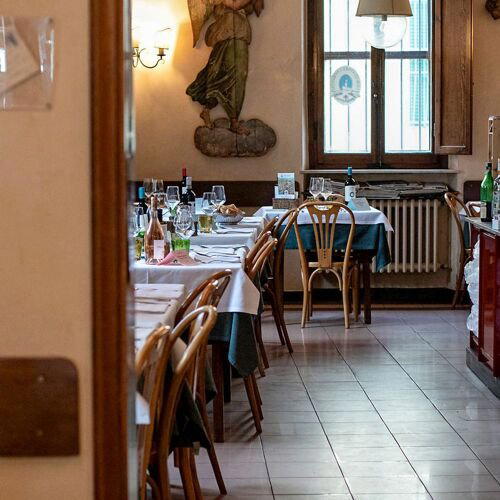
Bars in Wenigzell
Browse all →

Details
- Rustic
- Cozy
- Scenic
- Group Dining
- Celebration
- Casual Hangout
- Terrace
- Live Music
- Historic Building
- Local Sourcing
- Mountain
- A La Carte
- Vegetarian Friendly
Current opening hours
- Monday
- Closed
- Tuesday
- Closed
- Wednesday
- 11:30 AM–11 PM
- Thursday
- 11:30 AM–11 PM
- Friday
- 11:30 AM–11 PM
- Saturday
- 11:30 AM–11 PM
- Sunday
- 11:30 AM–9 PM
Hours can change for holidays and private events. Hours as of .
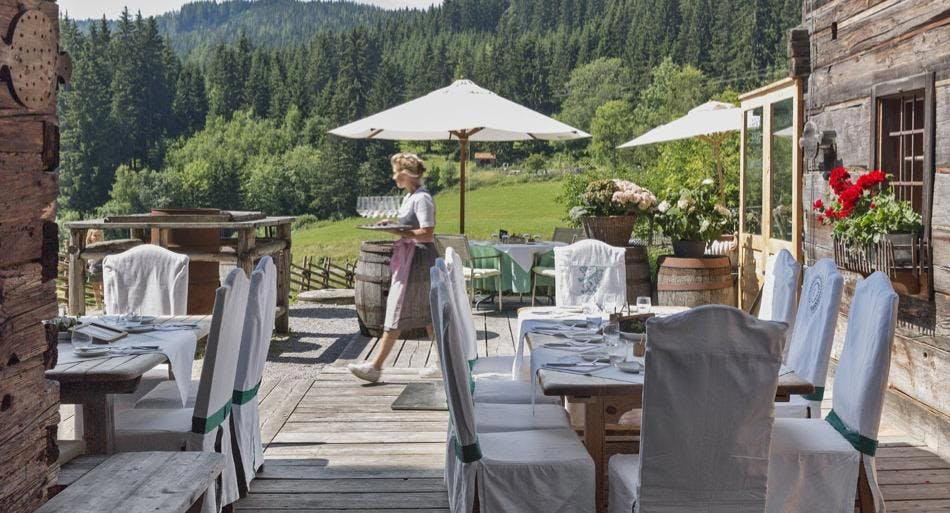
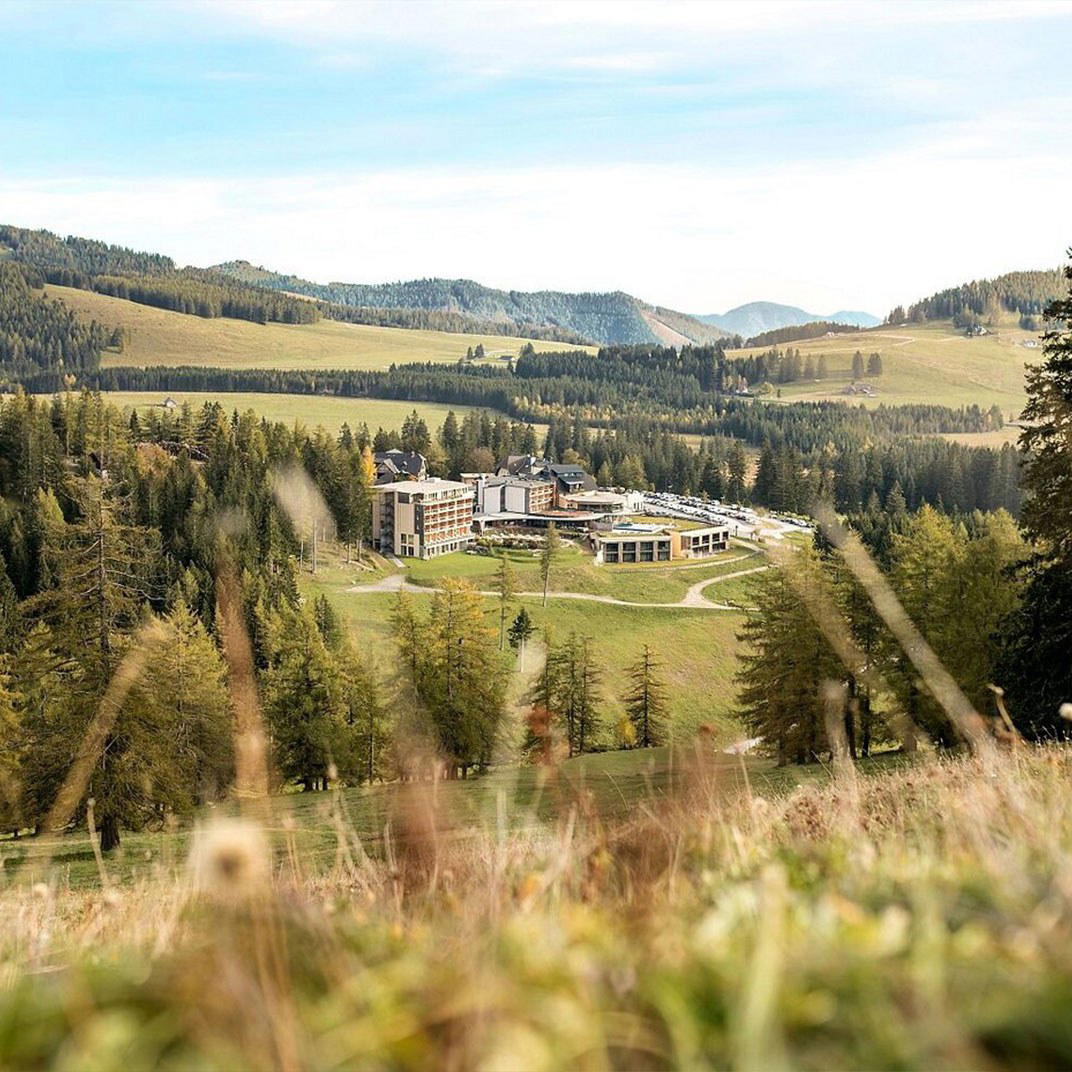
Rustic cabin with cozy hut atmosphere, enhanced by live Styrian music events and sun terrace dining.