Vrboska sits at the quieter end of Hvar Island's dining spectrum, and Trica Gardelin at address 404 reflects that character: a small, harbour-adjacent setting where the Dalmatian catch and local produce do most of the talking. For travellers moving beyond Hvar Town's busier waterfront, this is the kind of address worth building an afternoon around. See our full Vrboska guide for context on where it fits the island's restaurant map.
Pearl is the En Primeur Club membership app — saves, bookings, and concierge access live there. Same editors, same standards.
- Address
- Vrboska 404, 21463, Vrboska, Croatia
- Phone
- +38521774280
- Website
- trica-gardelin.eatbu.hr
- Directions
- Get directions
 Saves & bookings on Pearl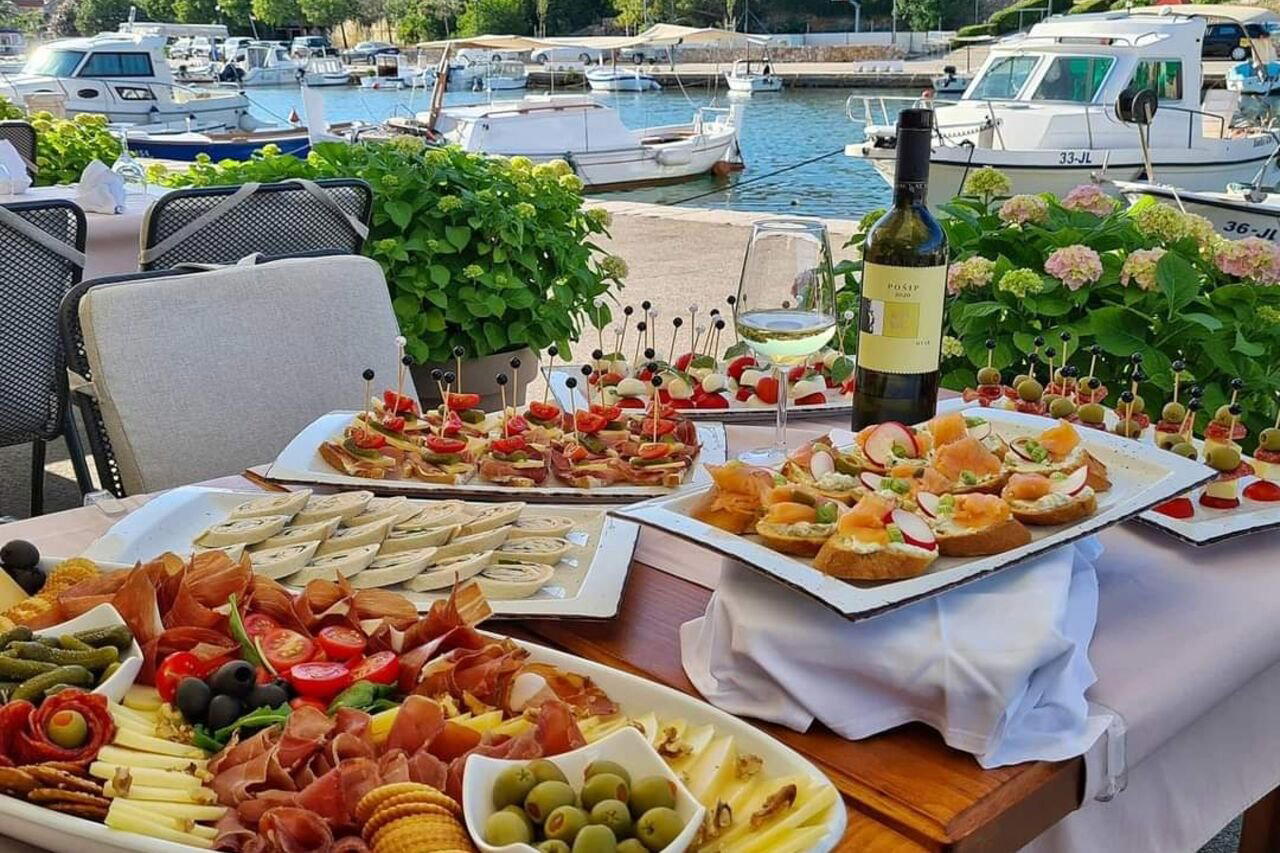
Vrboska and the Case for Eating Small
Hvar Island's dining reputation is built largely on its western end: the cocktail bars and waterfront terraces of Hvar Town, the occasional celebrity charter moored in the harbour. But the island's eastern settlements tell a different story. Vrboska, sometimes called 'little Venice' for its bridges and narrow water channel, operates at a pace that has little to do with summer spectacle and a great deal to do with the rhythms of a working fishing village. The restaurants that thrive here do so by staying close to what the sea and the surrounding hillsides reliably produce, not by chasing the formats of busier coastal towns.
Trica Gardelin, at Vrboska 404, sits within that quieter register. The address places it in a village where the catch comes off boats that have worked the same Adriatic channels for generations, and where the proximity to local growers and fishermen shapes what ends up on a plate more directly than any written sourcing policy could.
What Dalmatian Ingredient Culture Looks Like in Practice
The broader Dalmatian cooking tradition is one of the more disciplined in the Mediterranean: fewer sauces, shorter ingredient lists, a preference for letting primary materials carry the meal. That discipline is easiest to maintain when supply chains are short. In Vrboska, the channel between the village and its producers is genuinely compressed. Fish landed locally, olive oil pressed from Hvar's stone-terraced groves, lamb grazed on the island's interior scrubland, vegetables grown in the microclimate that the Adriatic moderates year-round: these are the inputs that define what honest Dalmatian cooking can be when it is not performing for a tourist-facing menu.
This ingredient-led approach connects Vrboska to a broader pattern visible across Croatia's better small-town restaurants. Boskinac in Novalja on Pag Island works a similar logic, grounding its menu in the produce and lamb of Pag's distinctive terrain. BioMania Bistro Bol in Bol on Brač takes the sourcing principle into explicitly organic territory. What these addresses share is a preference for place-specific supply over imported prestige ingredients, a choice that increasingly marks the more considered end of Croatian coastal dining.
The Harbour Setting and What It Signals
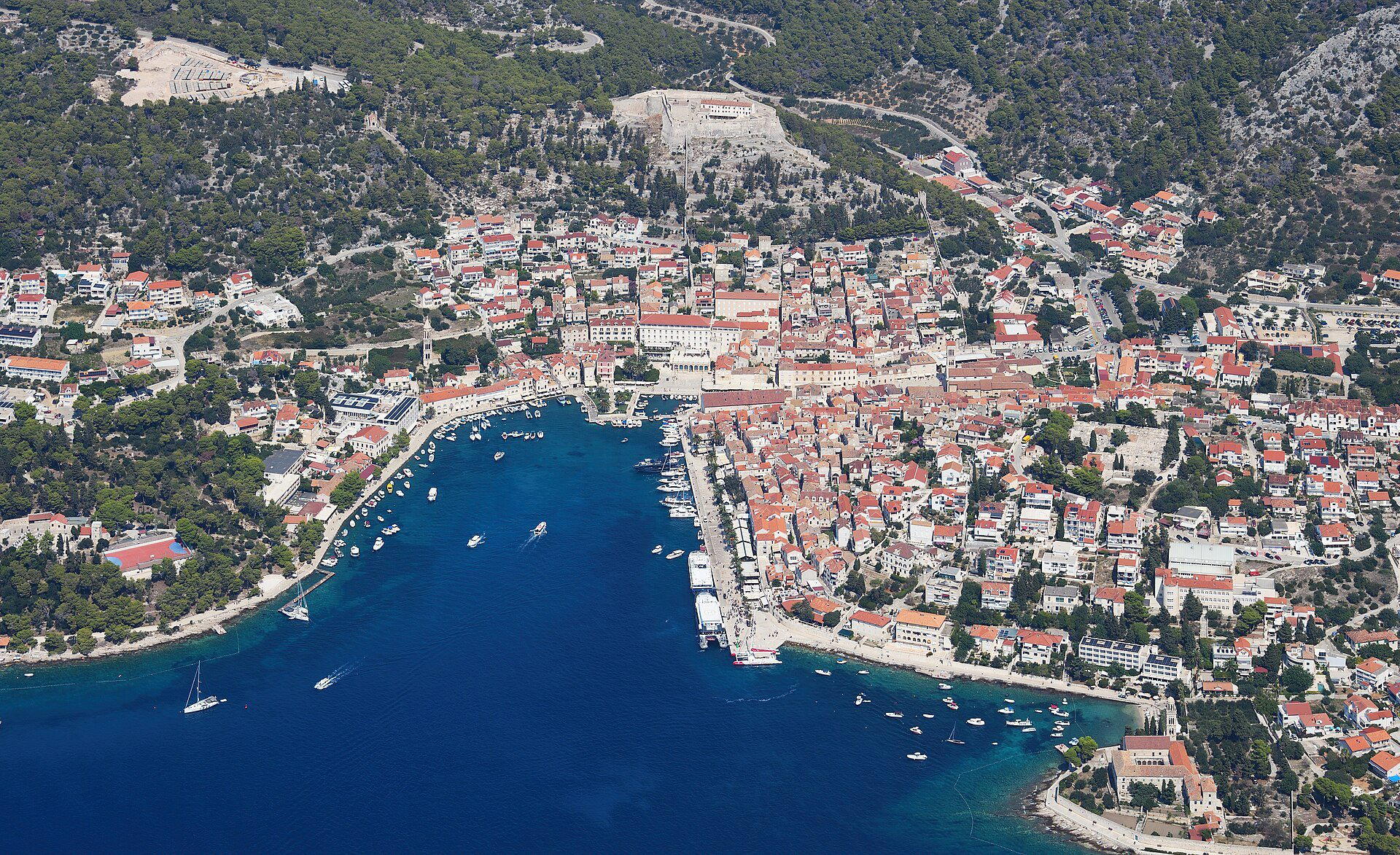
Approaching Vrboska from the main Hvar road, the village announces itself gradually: a narrowing channel, stone houses set tight against the water, the kind of stillness that even July crowds struggle to fully disturb. Restaurants positioned in this environment inherit its character whether they intend to or not. The light off the water in the late afternoon, the sound of small boats, the absence of amplified music from nearby bars: these details frame a meal before any food arrives. For a venue like Trica Gardelin, the physical setting is not a backdrop but a functional part of the experience, one that aligns with what ingredient-driven, unhurried Dalmatian cooking is supposed to feel like.
This stands in contrast to the higher-volume formats at Croatia's more-visited dining addresses. Restaurant 360 in Dubrovnik operates within Dubrovnik's wall circuit, where the setting is spectacular but the audience is broad and the format must absorb that pressure. Pelegrini in Sibenik carries Michelin recognition and a corresponding level of international expectation. Vrboska sits outside that circuit entirely, which is precisely what makes the dining there feel structurally different rather than merely quieter.
Where Trica Gardelin Sits in the Hvar Dining Picture
Hvar's restaurant options now span a wider range than the island's compact geography might suggest. In Hvar Town itself, the upper tier includes addresses with regional recognition and menus structured to international fine-dining expectations. Away from that centre, the range shifts: fewer elaborate tasting formats, more emphasis on daily catch, grilled fish, local wine poured without ceremony, and the kind of service that comes from a small team operating in a tight community rather than a trained hospitality staff managing covers. The restaurant operates in the latter environment, where the measure of quality is not plating precision but supply fidelity and consistency across a short, seasonally responsive menu.
For travellers who have already worked through the better-known end of the Croatian restaurant map, including LD Restaurant in Korčula or Agli Amici Rovinj in Rovinj, a meal in Vrboska offers a different kind of reference point: what the cuisine looks like when stripped of formal ambition and left close to its supply chain. That is not a lesser version of the dining tradition; it is an earlier and, in some respects, more direct one.
Croatia's most discussed restaurants tend to cluster in the same cities: Zagreb addresses like Dubravkin Put, coast-facing formats in Split such as Krug, and Adriatic destinations with award profiles like Nebo by Deni Srdoč in Rijeka. The villages in between, including Vrboska, rarely surface in those conversations, which means they remain accessible in ways the headline addresses are not.
Planning a Visit
Vrboska is reachable by local bus from Hvar Town, a journey of roughly 10 kilometres along the island's main road, or by water taxi from Stari Grad during the summer months. The village is small enough that arriving on foot from the bus stop takes minutes. Peak season on Hvar runs from mid-June through August, when accommodation across the island tightens and restaurants in the more visited settlements fill quickly; Vrboska operates at lower pressure even in that window, but visiting outside July and August gives the island's quieter character room to register properly. Booking ahead for dinner during peak weeks is advisable, though the village's relative obscurity means it rarely demands the advance planning required at, for example, Korak in Jastrebarsko or the more-discussed coastal addresses.
Side-by-Side Snapshot
Comparable venues nearby, for context on price, style, and recognition.
| Venue | Cuisine | Price | Notes |
|---|---|---|---|
| Trica GardelinThis venue — the venue you are viewing | Traditional Croatian Seafood | $$ | Not listed |
| Vitaceae | Fresh Seafood & Grill | $$ | Trstenik |
| Konoba Barsa | Traditional Croatian Seafood Konoba | $$ | Loviste |
| Kamenice | Traditional Croatian Seafood | $$ | Old Town |
| Mediteran | Modern Dalmatian Seafood | $$ | Old Town Primosten |
| Gastro Mare | Modern Dalmatian Seafood | $$$ | Kobaš |
Continue exploring
More in Vrboska
Restaurants in Vrboska
Browse all →
Bars in Vrboska
Browse all →
Hotels in Vrboska
Browse all →

At a Glance
- Rustic
- Cozy
- Scenic
- Date Night
- Family
- Casual Hangout
- Waterfront
- Terrace
- Extensive Wine List
- Local Sourcing
- Waterfront
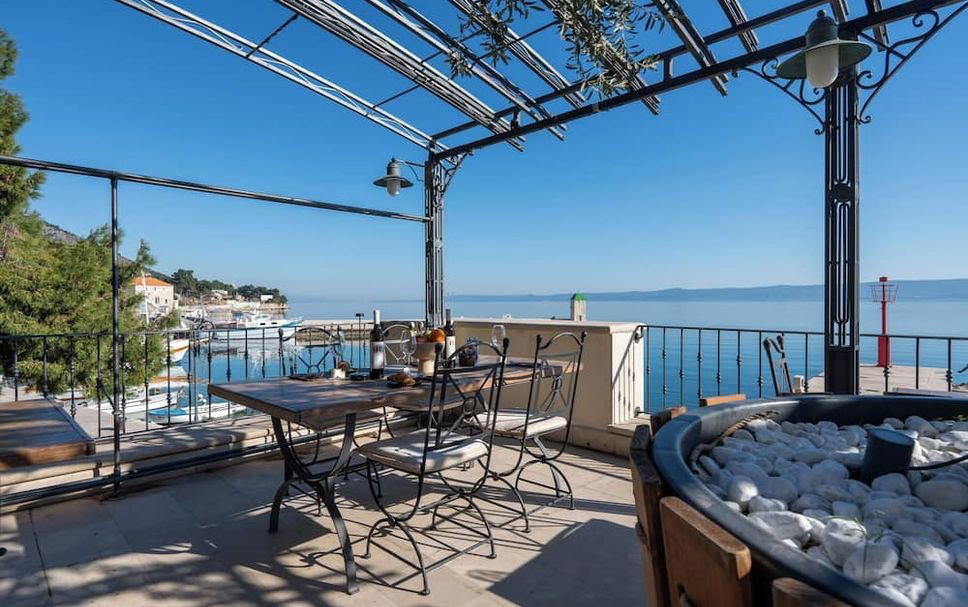
Warm and cozy nautical atmosphere on a rustic terrace with sea views and relaxing marina breeze.