Mediteran sits on the Dalmatian coast in Primošten, a small peninsula town where the Adriatic and local stone-terrace tradition shape what ends up on the plate. Positioned among a cluster of family-run restaurants on the Put Briga approach, it draws visitors looking for direct coastal cooking in a setting where the sea is rarely out of sight. Check current availability directly, as Primošten restaurants fill quickly during summer months.
Pearl is the En Primeur Club membership app — saves, bookings, and concierge access live there. Same editors, same standards.
- Address
- Ul. Put Briga 13, 22202, Primošten, Croatia
- Phone
- +385 22 571 780
- Website
- mediteran-primosten.hr
- Directions
- Get directions
 Saves & bookings on Pearl
Where the Adriatic Sets the Menu
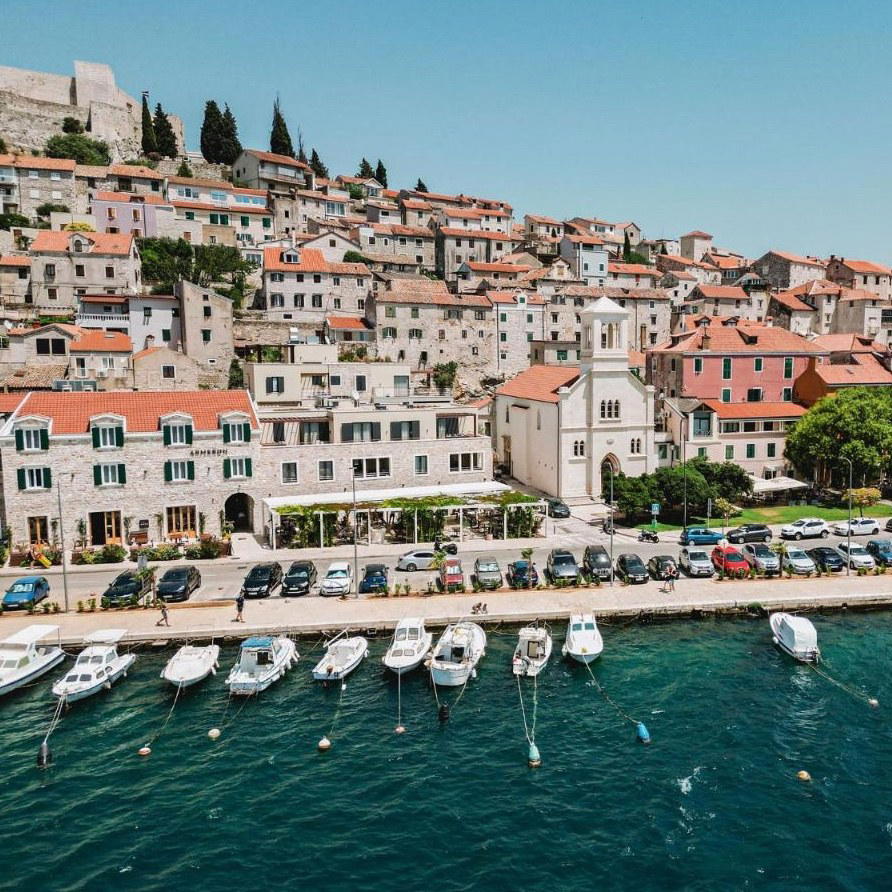
Primošten occupies one of the Dalmatian coast's more arresting positions: a compact old town built on a former island, connected to the mainland by a narrow causeway, with vineyards terraced into the karst slopes behind it and open sea on three sides. The town's restaurant culture reflects that geography directly. Cooking here is shaped less by culinary trend cycles and more by what the local fishermen bring in, what grows in the thin limestone soil, and how Dalmatian families have used both for centuries. Mediteran, on the Put Briga approach to the old town, sits inside that tradition, a coastal address where the surrounding environment is the dominant editorial force.
For context on how Primošten fits into the broader Dalmatian dining picture, our full Primosten restaurants guide maps the town's options by type and price tier. For visitors moving along the coast, reference points include Pelegrini in Sibenik and Krug in Split, both operating in a more formal register with modern technique applied to Dalmatian ingredients. Mediteran occupies a different register: smaller-town, closer to the konoba tradition, and priced accordingly.
The Dalmatian Konoba Tradition and What It Actually Means
The word konoba originally described a wine cellar or storage room in a Dalmatian stone house. Over time it came to describe a particular style of eating: informal, family-run, seasonal, and almost entirely reliant on what the surrounding sea and land produce. It is the dominant hospitality format along the Croatian coast, and it sits in deliberate contrast to the resort dining model that has grown around international tourism. The leading konoba-adjacent restaurants in Dalmatia share a set of characteristics: menus that shift with the catch, olive oil from local groves, lamb or goat from the islands, and a wine selection anchored in indigenous varieties, Plavac Mali from the southern islands, Pošip from Korčula, Babić from Primošten's own appellation.
Primošten's Babić is worth pausing on. The grape, grown in the surrounding vineyards that UNESCO recognised as a significant cultural heritage landscape, produces structured, dark-fruited red wines with considerable tannin and a saline mineral quality that reflects the sea-wind exposure of the vines. Any serious coastal restaurant in this town will have it on the list. Restaurants in peer towns use comparable indigenous varieties to signal the same grounding in place: LD Restaurant in Korčula leans on Pošip the same way Primošten leans on Babić.
Coastal Cooking at This Latitude: What to Expect
Dalmatian coastal cooking in the mid-coast zone, Šibenik county down through Split, operates on a different ingredient base than the north Adriatic or the deep south. The fish are different; the olive oil has a different character; the proximity to the Dinara mountain range means lamb appears alongside seafood in a way that doesn't happen further south. At this latitude, brodetto (fish stew, or brudet in the Croatian form) is cooked with a restraint that differs from the richer Venetian-influenced versions further north. Peka, slow-cooked lamb or octopus under a bell-shaped lid covered in embers, is the emblematic preparation of the region and appears across restaurants from Split to Šibenik. It requires advance ordering of several hours, a logistical note that applies to any serious engagement with the dish.
For comparison, the konoba and mid-range coastal format in Primošten competes on locality and informality against towns with more established fine-dining infrastructure. Konoba Tereza and Restoran Agape represent the immediate comparable set within the town itself. Across the wider Dalmatian region, the formal end of the spectrum runs through Restaurant 360 in Dubrovnik and Agli Amici Rovinj in Rovinj, both operating at a €€€€ price point with kitchen teams trained in contemporary technique. Mediteran operates well below that register, which is appropriate for its town and format.
The Primošten Setting and When to Go
Primošten's restaurant season is compressed and intense. The town's population multiplies several times over between June and August, and tables at the better-known spots fill by early evening without reservation. The shoulder months, May and September, offer a more calibrated version of the same experience: the Adriatic warm enough to swim in, the light still strong and golden in the late afternoon, and the restaurants operating with shorter queues and, in some cases, more considered service. October brings cooler temperatures and the beginning of the olive harvest; it's a different kind of visit but a coherent one for those interested in the agricultural dimension of Dalmatian food culture.
Primošten is approximately 30 kilometres north of Split, making it accessible as a day trip from the city or as a base for exploring the Šibenik hinterland. Visitors arriving by car will find parking outside the old town causeway; the Put Briga street, where Mediteran is addressed, runs along the approach to the peninsula. For those building a longer Croatian itinerary, useful reference points further up the coast include Boskinac in Novalja on Pag island and Burin in Crikvenica in the Kvarner Gulf. Inland, Dubravkin Put in Zagreb and Korak in Jastrebarsko represent the continental Croatian dining tradition, which runs on entirely different ingredients and technique. Island visitors might also consider Bodulo in Pag and BioMania Bistro Bol in Bol for the archipelago's take on the same coastal-ingredient tradition. For those travelling further afield with fine dining ambitions, Nebo by Deni Srdoč in Rijeka is one formally ambitious restaurant on the Croatian coast outside Dubrovnik, and Alfred Keller in Mali Lošinj occupies a comparable position in the Kvarner island group. For a sense of how Croatian coastal cooking benchmarks globally, the gap between a Primošten konoba and a destination restaurant like Le Bernardin in New York City or Atomix in New York City is significant in format and ambition, but the ingredient quality in Dalmatia is not the variable that explains the difference.
- Saint Jacques
- Shrimps with Chili and Honey
- Gregada-style Fish
- Grilled Fish
- Mussels
- Lobster
Budget Reality Check
Comparable venues nearby, for context on price, style, and recognition.
| Venue | Cuisine | Price | Notes |
|---|---|---|---|
| MediteranThis venue — the venue you are viewing | Not listed | $$ | Not listed |
| Konoba Tereza | Not listed | $$ | Primosten, Traditional Dalmatian Seafood & Meat |
| Restoran Agape | Not listed | $$ | Primosten old town, Mediterranean Seafood & Grill |
| Konoba Bako | Komiza, Traditional Dalmatian Seafood | $$ | Not listed |
| Konoba Maestro | Hvar Town, Traditional Croatian Seafood | $$ | Not listed |
| Boba | Murter, Contemporary Adriatic Seafood | $$$ | Not listed |
Continue exploring
More in Primosten
Restaurants in Primosten
Browse all →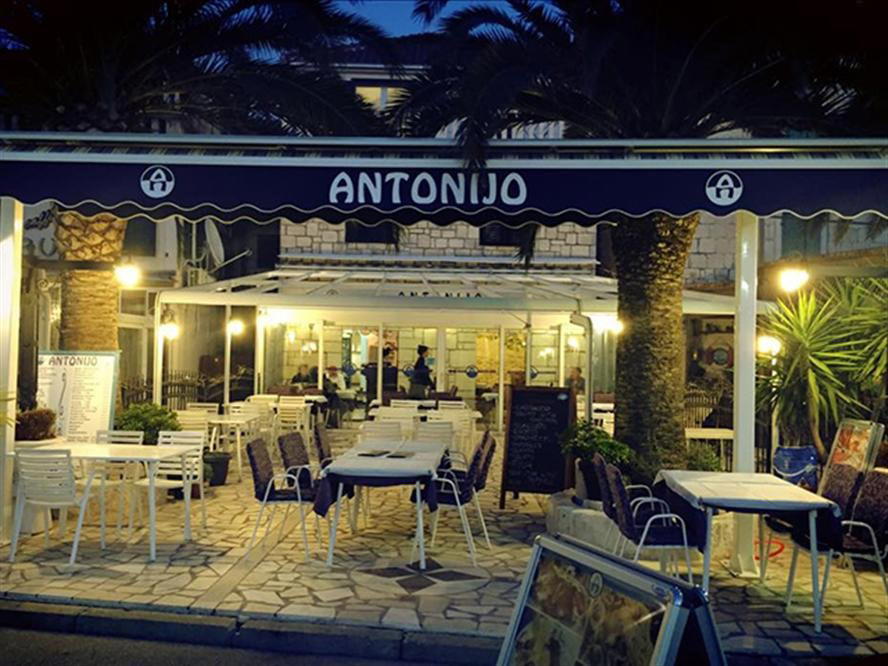
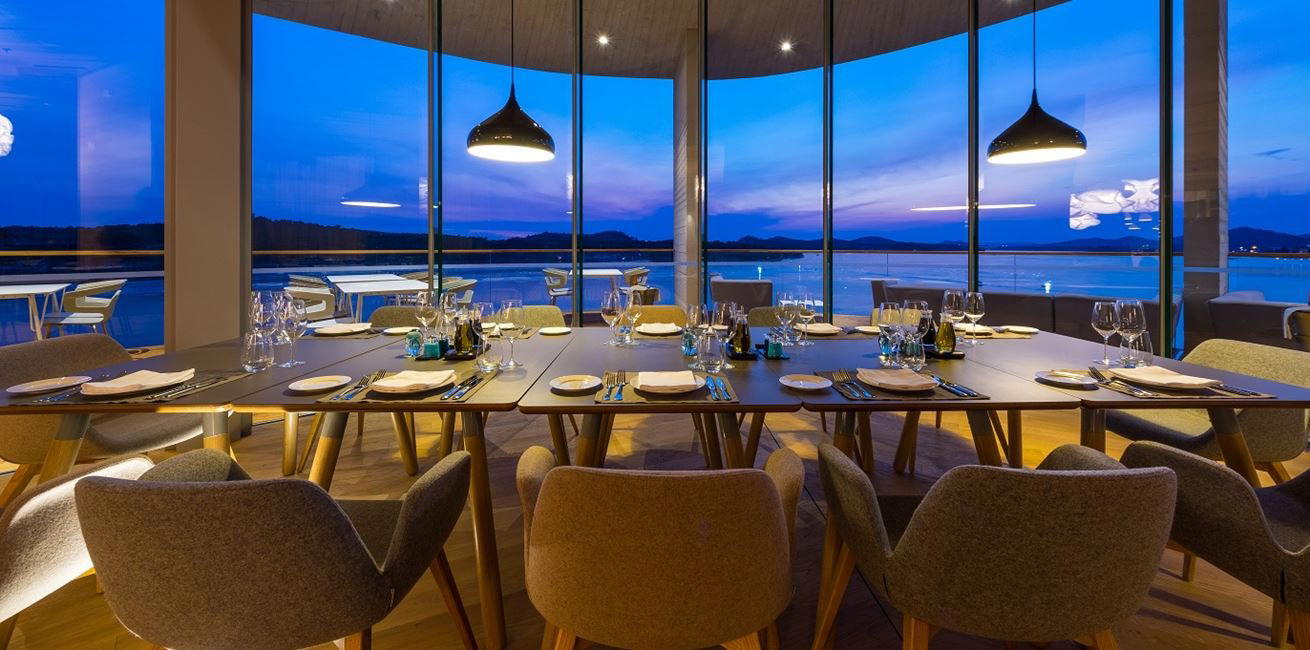
Bars in Primosten
Browse all →
Hotels in Primosten
Browse all →

At a Glance
- Cozy
- Classic
- Romantic
- Date Night
- Group Dining
- Casual Hangout
- Family
- Waterfront
- Standalone
- Extensive Wine List
- Local Sourcing
- Sustainable Seafood
Current opening hours
- Monday
- 2 PM–12 AM
- Tuesday
- 2 PM–12 AM
- Wednesday
- 2 PM–12 AM
- Thursday
- 2 PM–12 AM
- Friday
- 2 PM–12 AM
- Saturday
- 2 PM–12 AM
- Sunday
- 2 PM–12 AM
Hours can change for holidays and private events. Last verified .
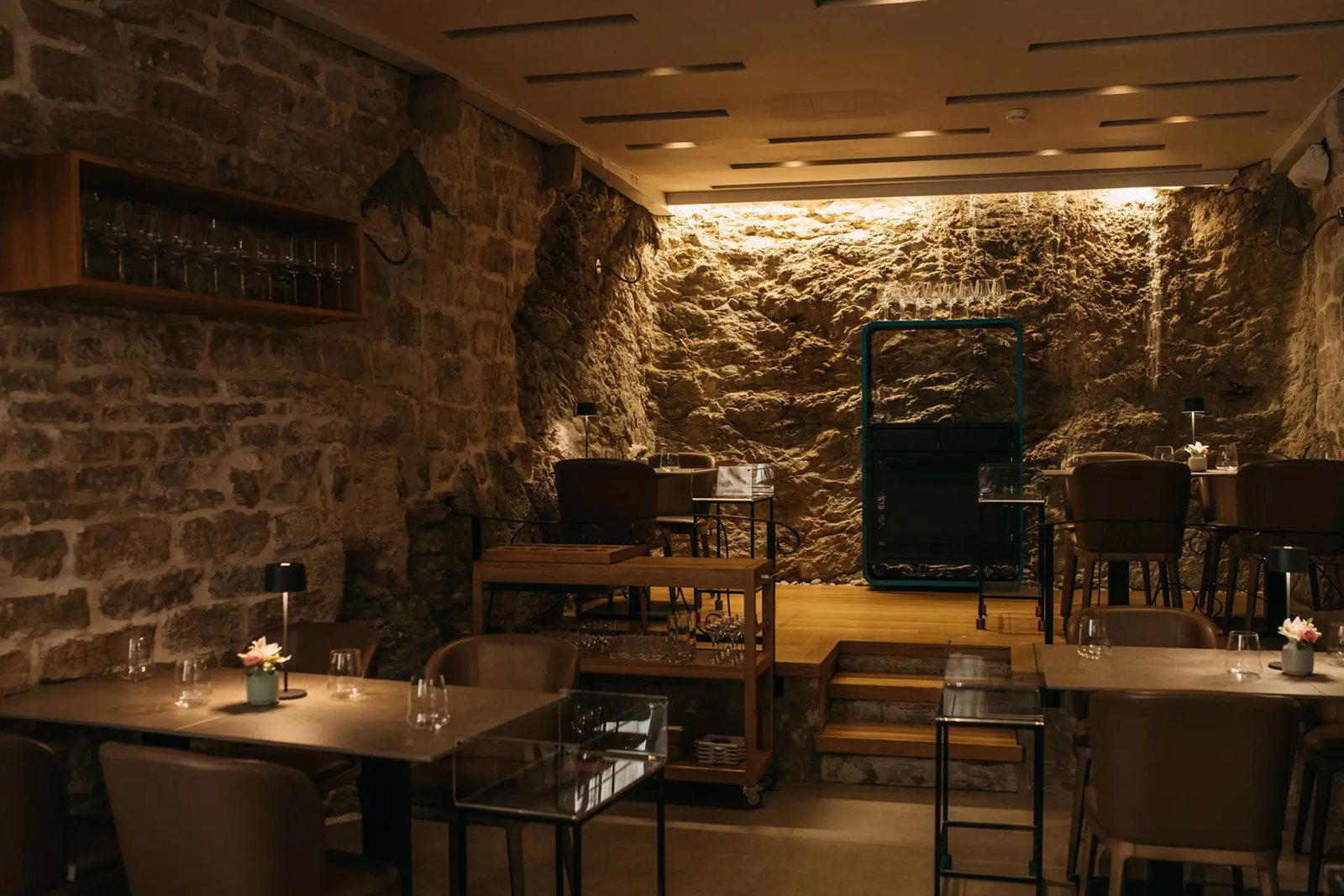
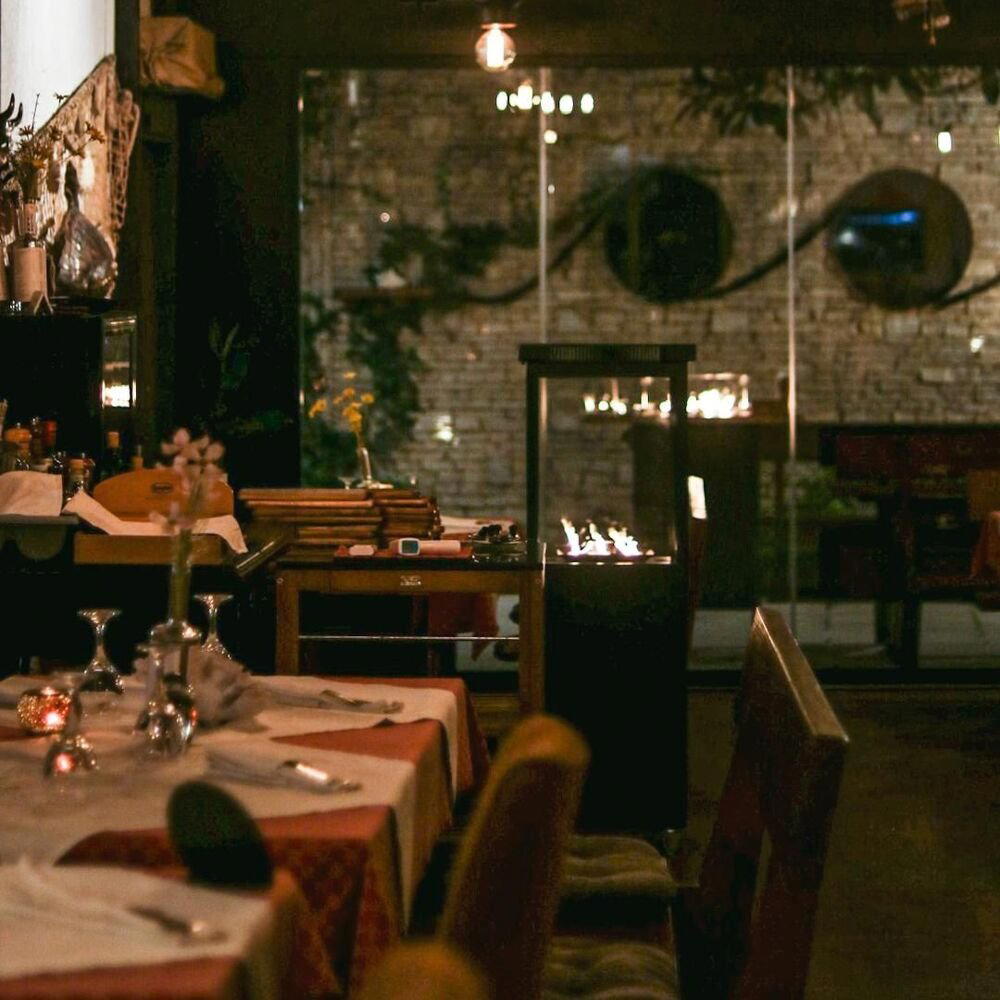
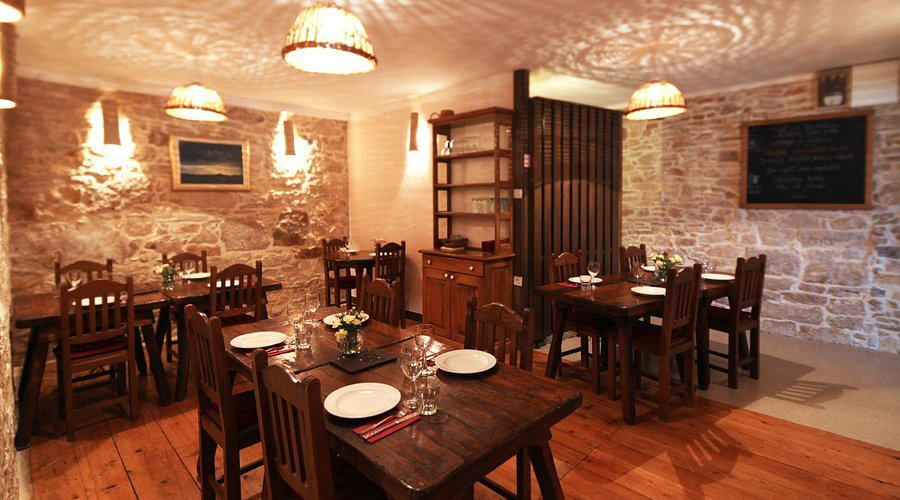
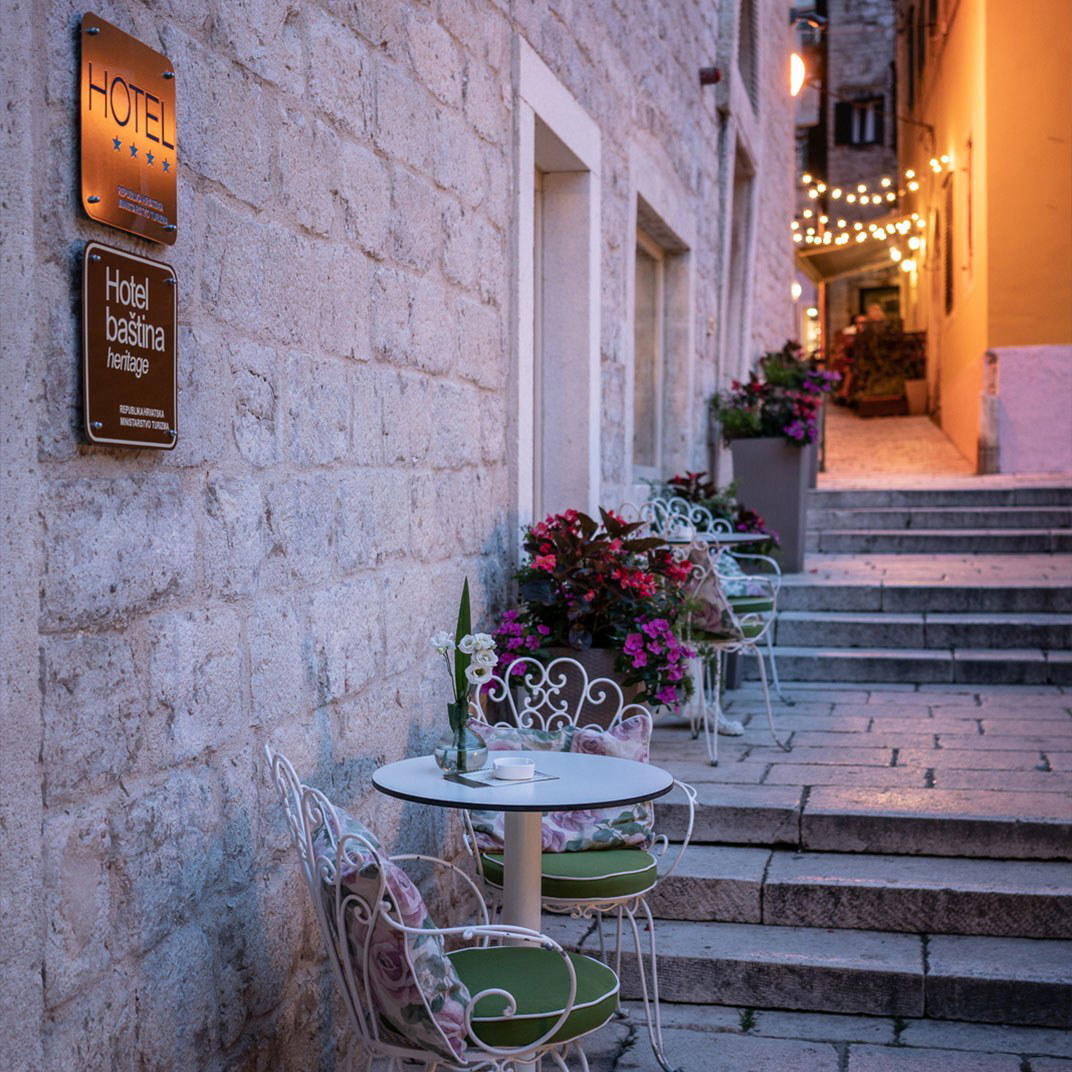
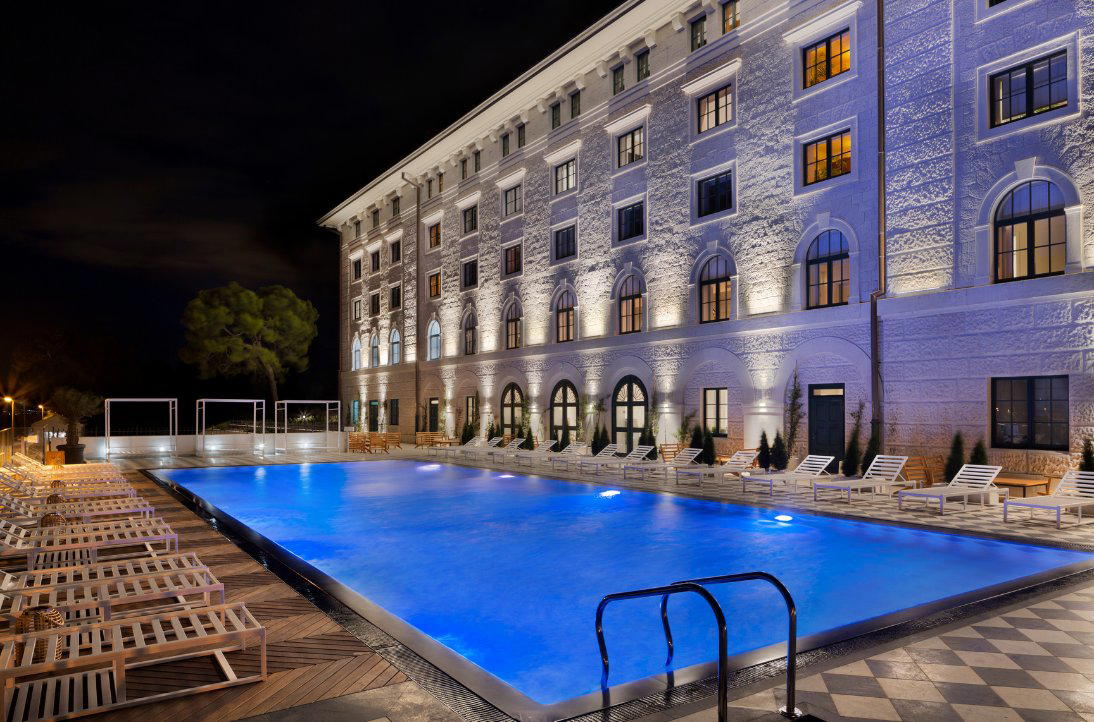
Cozy and relaxed atmosphere in a small street location near the main square, with warm lighting and a casual yet refined setting that balances tradition with contemporary touches.