Located within Ngurah Rai International Airport's domestic departure zone, Tri Datu Restourant occupies a specific niche in Bali's airport dining circuit, where most travellers default to generic chain options. The name references the Balinese sacred tri-colour thread, grounding the venue in local cultural identity before a single dish arrives. For those departing the island with time to fill, it represents an alternative to the usual terminal compromise.
Pearl is the En Primeur Club membership app — saves, bookings, and concierge access live there. Same editors, same standards.
- Address
- Kebrangkatan domestik (Air port ngurah rai bali), Bali, Bali
- Directions
- Get directions
 Saves & bookings on Pearl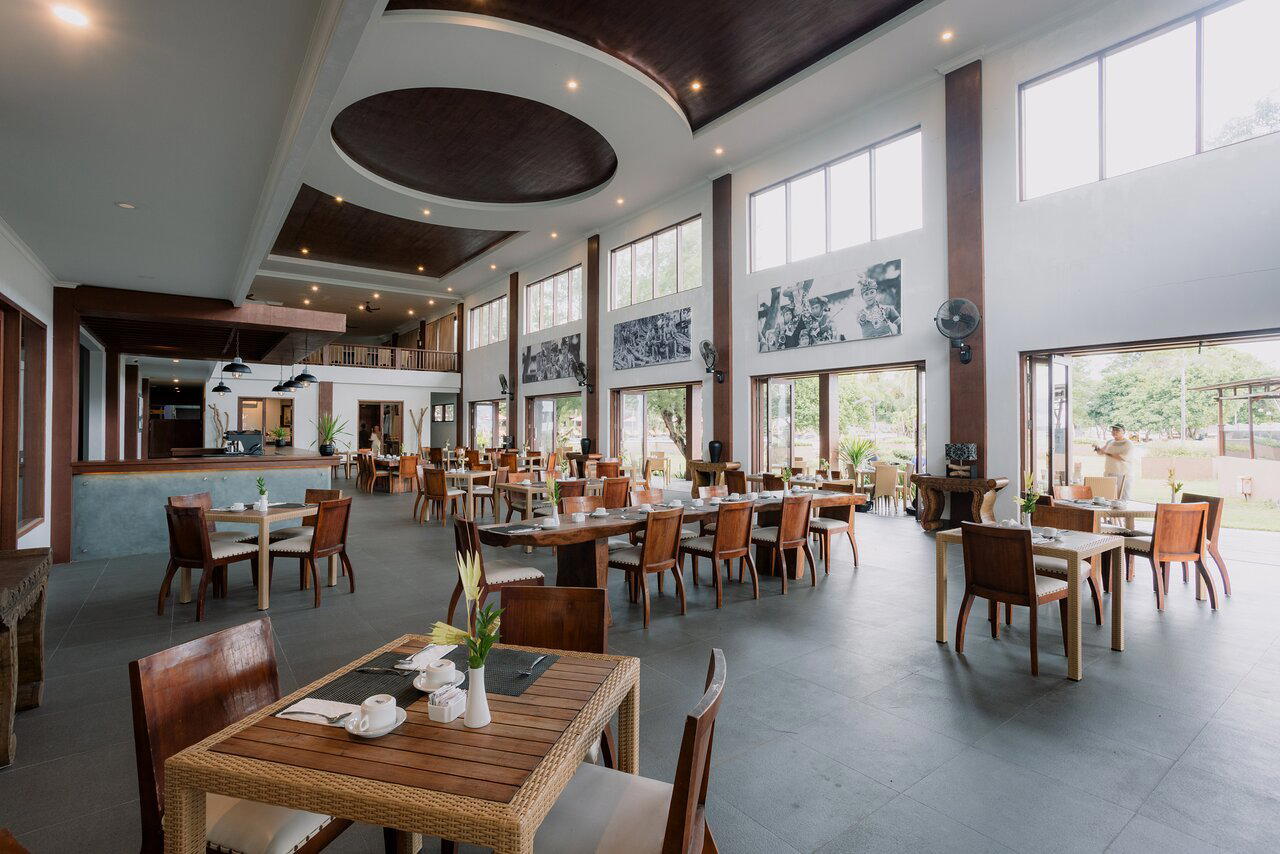
Eating Before the Gate: Airport Dining in Bali's Departure Hall
Most airports in Southeast Asia have resolved the same problem the same way: international chains, predictable formats, and menus calibrated for inoffensiveness rather than place. Ngurah Rai International Airport in Bali operates within that regional pattern generally, but its domestic departure zone contains a more varied set of options than the international terminal's more homogenised offer. Tri Datu Restourant sits within that domestic departures area, positioning itself against the wider category of transitional dining, the meal eaten under time pressure, with luggage at your feet and a boarding gate on your phone screen.
The name itself carries weight that a generic airport café does not. Tri datu refers to the sacred tri-colour thread worn in Bali as a spiritual and protective symbol, woven from white, red, and black threads representing the Hindu trinity of Brahma, Wisnu, and Siwa. Attaching that reference to a restaurant in a departure terminal is a deliberate act of cultural anchoring, signalling an intent to represent something of the island rather than simply occupy floor space between security and the gate. Whether the food delivers on that framing is a separate question, but the positioning sets a different expectation than a branded sandwich counter would.
The Role of Menu Architecture in Transit Dining
Airport restaurants occupy a structurally difficult position when it comes to menu design. The seated dining window is compressed, typically thirty to sixty minutes, which means a menu built around long tasting formats or multi-course progression simply does not function. The practical constraint forces a different kind of architecture: dishes that can be delivered quickly, eaten efficiently, and still carry enough character to feel intentional rather than generic. In Bali's domestic terminal, where the departing traveller is most likely heading to another Indonesian city rather than an international connection, there is also a reasonable expectation that the menu will lean toward Indonesian and Balinese reference points rather than global comfort food.
This is the category logic that venues like Tri Datu operate within. Across Bali more broadly, the restaurant scene has fractured into sharply differentiated tiers. At the upper end, venues like Kayuputi and Locavore have built internationally recognised programs built on local ingredients and extended dining formats. The plant-forward contingent, led by places like Moksa and the younger crowd at Kynd Community, holds a distinct position within the island's dining conversation. None of those formats translate to an airport context. What does translate is a tighter, more accessible menu that can represent Balinese culinary character in a single dish, served fast enough to catch a flight.
Particularly effective airport menus in Indonesian cities tend to anchor around dishes that are already portable by nature: nasi campur formats, satay programs, soto variants, and rice-centred plates that move quickly from kitchen to table without significant degradation. Babi guling, the ceremonial roast pork that defines Balinese food for many visitors, is the reference dish that travellers most frequently associate with the island, the kind of thing that operations like Babi Guling Pak Dobiel have made their entire identity. Tri Datu's cultural framing suggests an intent to engage with Balinese identity rather than sidestep it.
Positioning Within Bali's Wider Dining Circuit
Bali's restaurant scene has expanded significantly over the past decade, with the island now operating as one of the more complex dining environments in Southeast Asia. The concentration of internationally trained chefs, the growth of Ubud as a food-focused destination, and the continued development of Seminyak and Canggu as restaurant corridors have all contributed to a market where expectations have risen across every tier. That pressure affects airport dining indirectly: a traveller who has eaten at Locavore NXT in Ubud or at the beach-adjacent tables of Jungle Fish Bali in Gianyar arrives at the departure terminal with a calibrated sense of what Balinese and Indonesian food can be. The airport venue that can meet some fraction of that expectation occupies a more defensible position than one that simply fills the gap.
The Indonesian dining circuit extends well beyond Bali, of course. In Jakarta, venues like August in Jakarta and Kita 喜多 Restaurant And Bar in Kecamatan Menteng represent the higher end of the capital's restaurant conversation. The domestic traveller moving between Jakarta and Bali encounters both ends of that spectrum within a single trip, which is partly why the airport dining moment carries more weight than it might in a city with fewer strong reference points. Tri Datu sits at the beginning or end of that circuit for domestic passengers, depending on direction of travel.
Planning a Visit: What to Know Before the Gate
Tri Datu Restourant operates within the domestic departure zone of Ngurah Rai International Airport, which means access requires a valid boarding pass for a domestic flight. Travellers on international departures will not encounter it in the standard terminal flow. Tri Datu Restourant is walk-in friendly, with no documented reservation policy or opening hours in the record. The airport's domestic terminal handles significant passenger volume from Bali's position as a major domestic hub, so the practical advice that applies across high-traffic airport dining applies here: arrive with more time than the gate requires if you intend to sit down properly rather than grab something at the counter. Venues operating in the western Lombok area, including İstanbul kebab in Lombok Utara, reflect the regional spread of dining options accessible from Bali by short flight.
Credentials Lens
Comparable venues nearby, for context on price, style, and recognition.
| Venue | Cuisine | Price | Notes |
|---|---|---|---|
| TRI DATU RESTOURANTThis venue — the venue you are viewing | Indonesian Warung | $$ | Not listed |
| Kynd Community | Plant-Forward Vegetarian Cafe | $$ | Seminyak |
| Moksa | Plant-Based Vegan Permaculture | $$$ | Sayan, Ubud |
| Peloton Supershop | Plant-Based Cafe | $$ | Berawa |
| Kayuputi | Modern French Fine Dining | $$$$ | Nusa Dua |
| Babi Guling Pak Dobiel | Traditional Balinese Roasted Suckling Pig (Babi Guling) | $ | Nusa Dua, Benoa, South Kuta |
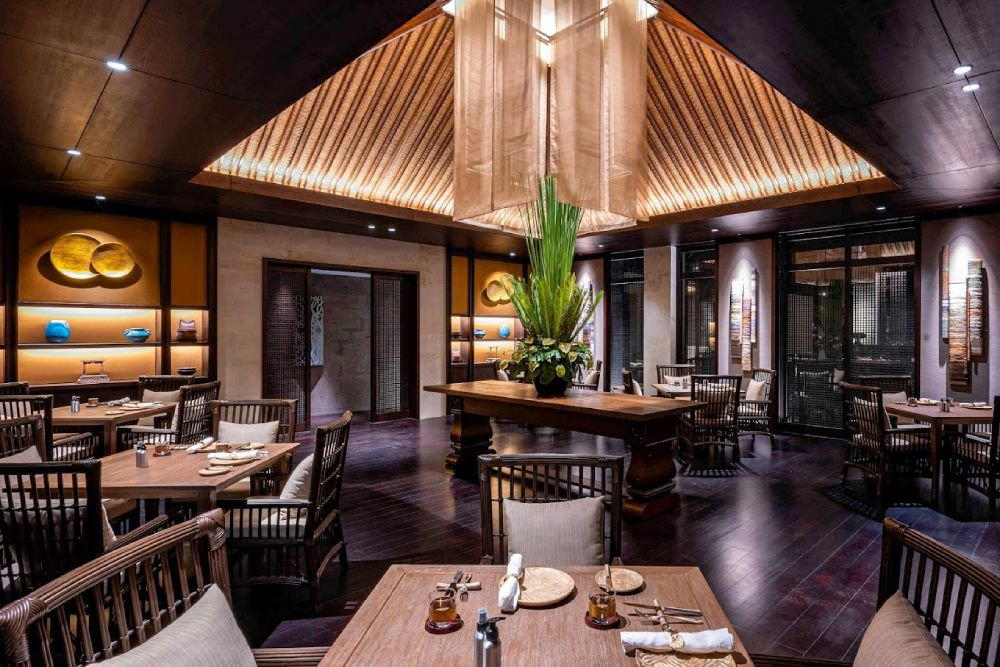


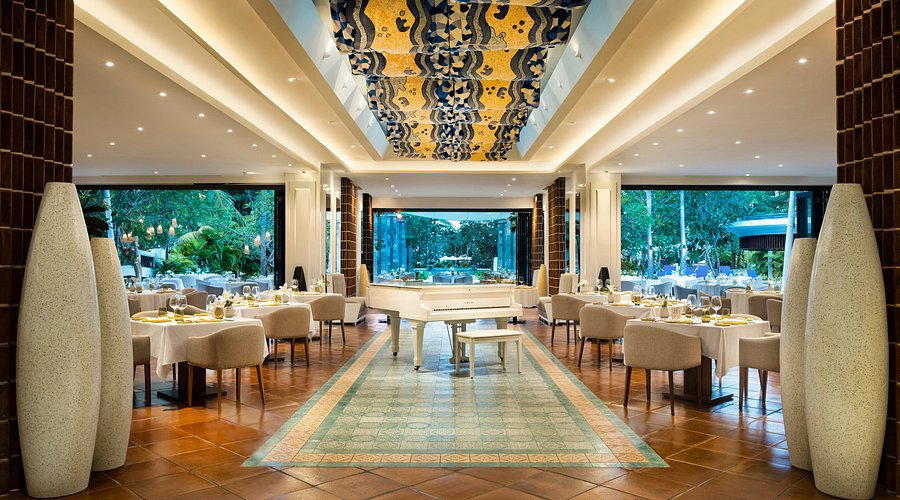







At a Glance
- Rustic
- Scenic
- Cozy
- Casual Hangout
- Family
- Group Dining
- Garden
- Panoramic View
- Terrace
- Local Sourcing
- Mountain
- Garden
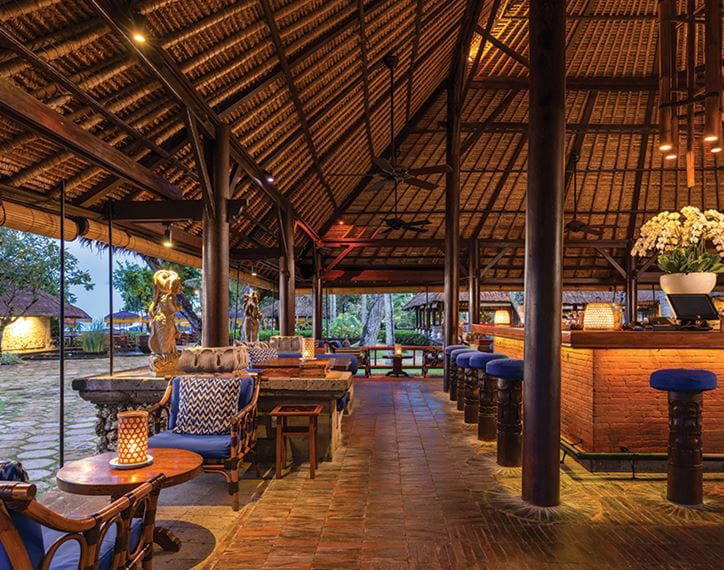
Warm and welcoming atmosphere with natural lighting from expansive views, rustic bamboo construction creating an intimate connection to the surrounding landscape.