Locavore has spent more than a decade reshaping what fine dining means in Bali, anchoring its tasting menu firmly in Indonesian ingredients at a time when the island's restaurant scene was still looking outward for legitimacy. Set in Ubud, the restaurant sits at the serious end of Bali's dining tier and draws an international reservation list that reflects its sustained critical standing across Southeast Asia's premium dining conversation.
- Address
- Bali, Indonesia
- Directions
- Get directions
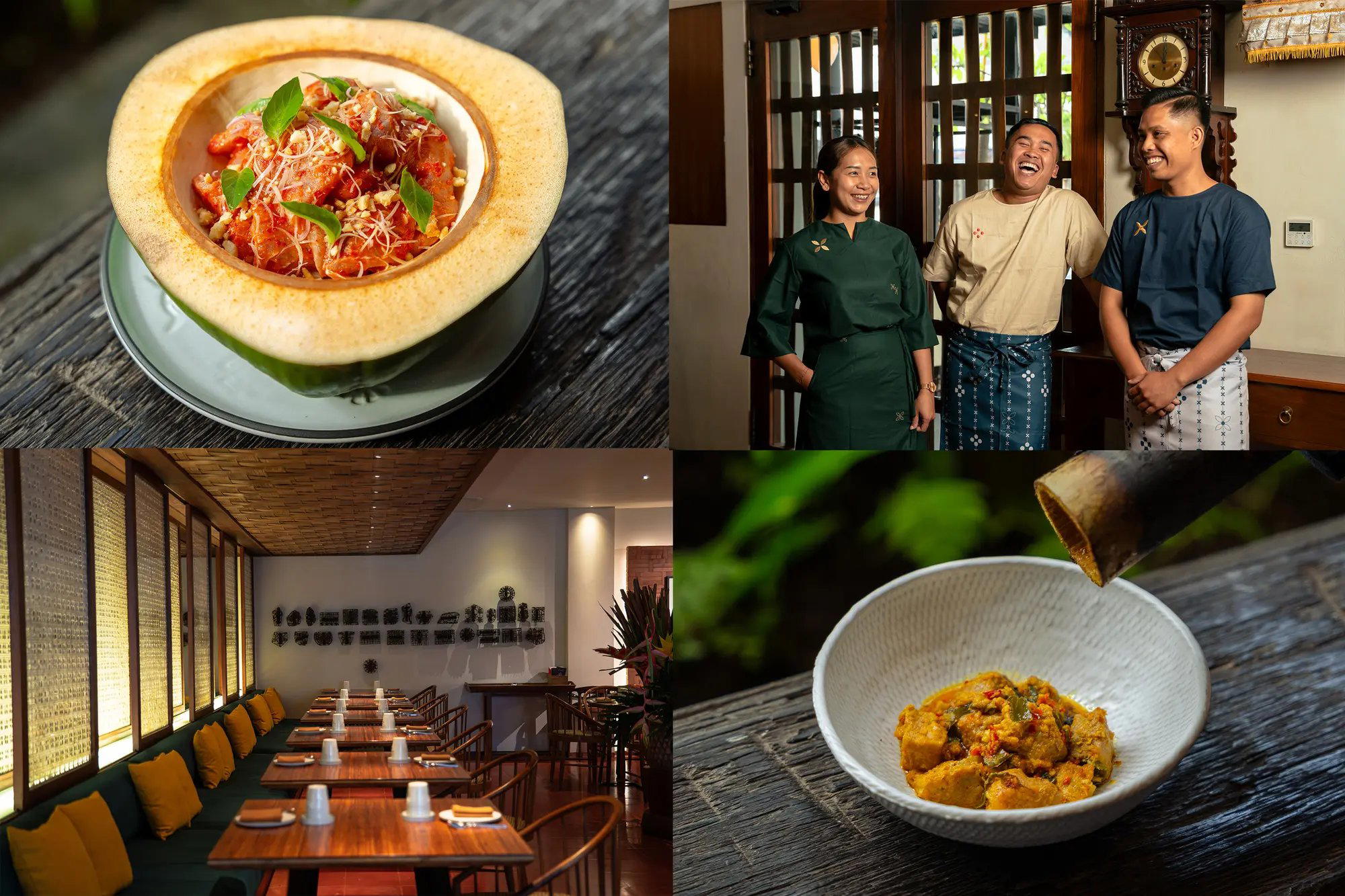
Where Indonesian Ingredients Became the Argument
Locavore is a restaurant in Ubud, Bali, serving modern Indonesian fusion at a price tier around US$120 per person. While Seminyak and Canggu built their reputations on beach clubs and imported aesthetics, Ubud developed a quieter, more ingredient-focused dining culture rooted in proximity to the island's farming heartland. That context matters when placing Locavore: the restaurant did not arrive despite Ubud's character but because of it. The surrounding highlands, wet rice terraces, and active smallholder agriculture gave the kitchen a sourcing infrastructure that coastal Bali simply cannot replicate at the same density or consistency.
The broader argument Locavore enters, that Indonesian produce, technique, and culinary logic are sufficient material for serious fine dining without European scaffolding, was not a settled case when the restaurant opened. Southeast Asian fine dining spent much of the 2000s and early 2010s justifying itself through French or Japanese credentialing. Locavore's sustained presence in regional best-restaurant conversations represents a measurable shift in how that argument has resolved, at least in Bali's corner of it.
The Locavore Format and What It Signals
The tasting menu format, long established in Europe and Japan, carries different weight in Bali. Most of the island's premium dining operates in a la carte or semi-structured sharing formats that accommodate the resort and villa traveller. A disciplined, sequenced tasting menu signals a different compact with the diner: you are here to follow the kitchen's logic, not to customize around a preference list. That is a harder sell in a holiday destination, and the fact that Locavore has maintained it through more than a decade of Bali's volatile hospitality cycles says something about the consistency of its reservation demand.
Kitchen's organizing principle, sourcing from Indonesian producers, emphasizing Balinese and archipelago ingredients, and expressing local culinary logic through contemporary technique, aligns Locavore with a category of restaurants that emerged across Asia in the 2010s. August in Jakarta operates within a comparable frame on the mainland, applying European-trained precision to Indonesian sourcing. Both restaurants represent Indonesia's entry into a regional fine dining conversation that places-of-origin, not chef nationality or technique lineage, as the primary identity claim.
Bali's Fine Dining Tier: Where Locavore Sits
Bali's leading dining tier divides roughly into two cohorts. The first is resort-anchored luxury, where hotel infrastructure subsidizes the kitchen and the dining room serves a captive villa audience. Kayuputi operates in this model, with St. Regis backing and a beachfront address that prices against international resort dining rather than standalone restaurants. The second cohort is the independent, destination-driven restaurant that competes on reputation alone and pulls diners out of their resorts. Locavore sits firmly in the second group, which requires a more durable argument to sustain.
Below that premium tier, Bali's restaurant scene runs the full spectrum. Plant-forward concepts like Moksa and Kynd Community serve a well-established wellness-travel audience. Casual stalwarts like Peloton Supershop address the long-stay community. At the hyper-local end, Babi Guling Pak Dobiel represents the kind of single-dish mastery that Balinese culinary culture actually prizes most deeply. Locavore occupies a position that tries to hold a conversation with all of these registers without collapsing into any of them.
The restaurant has also extended its format through Locavore NXT in Ubud.
Indonesian Fine Dining and the Regional Conversation
Across Southeast Asia, the 2010s produced a cohort of restaurants that placed local ingredient identity at the center of fine dining ambition: Gaggan in Bangkok, Odette in Singapore, and a constellation of smaller operations in Vietnam, the Philippines, and Indonesia. What distinguished the stronger entries in this wave was not the intensity of their localism as a brand claim but the depth of their sourcing relationships and the coherence of their culinary argument. A kitchen that merely sources locally without a clear editorial point of view produces novelty, not cuisine.
The comparison set for Locavore in international conversations includes restaurants like Le Bernardin in New York City and Atomix in New York City not because they share a cuisine but because they share a structural approach: a defined identity, a controlled format, and a reservation profile that reflects sustained critical standing rather than transient trend momentum. Locavore earns its place in that conversation through duration and consistency, not through a single moment of recognition.
Indonesia's dining scene beyond Bali is deepening quickly. Kita 喜多 Restaurant And Bar in Kecamatan Menteng represents Jakarta's growing fine dining confidence, while across the archipelago, operations like Jungle Fish Bali in Gianyar and Bikini Restaurant Bali in Badung address different segments of Bali's international visitor market. Locavore's position within this expanding ecosystem is that of an established benchmark rather than a new entrant competing for attention.
Planning Your Visit
Ubud is Bali's cultural and agricultural interior, approximately an hour from Ngurah Rai International Airport depending on traffic conditions, which in Bali's peak seasons can extend that considerably. The practical approach is to build Locavore into an Ubud-based stay rather than a day trip from the coast, which also gives time to engage with the town's market culture and the farming landscape the kitchen draws from. Reservations for a restaurant at this tier in Bali typically require advance planning, particularly during peak European and Australian summer and Christmas holiday windows. Contacting the restaurant directly through its current website is the recommended booking route.
Cost and Credentials
Comparable venues nearby, for context on price, style, and recognition.
| Venue | Cuisine | Price | Notes |
|---|---|---|---|
| LocavoreThis venue — the venue you are viewing | Not listed | $$$$ | Not listed |
| Kayuputi | Nusa Dua, Modern French Fine Dining | $$$$ | Not listed |
| Peloton Supershop | Berawa, Plant-Based Cafe | $$ | Not listed |
| Moksa | Not listed | $$$ | Sayan, Ubud, Plant-Based Vegan Permaculture |
| Apéritif Restaurant & Bar | Ubud, Borderless Fine Dining Degustation | $$$$ | Not listed |
| TRI DATU RESTOURANT | Baturiti, Indonesian Warung | $$ | Not listed |




At a Glance
- Modern
- Elegant
- Sophisticated
- Scenic
- Special Occasion
- Open Kitchen
- Garden
- Craft Cocktails
- Farm To Table
- Local Sourcing
- Garden
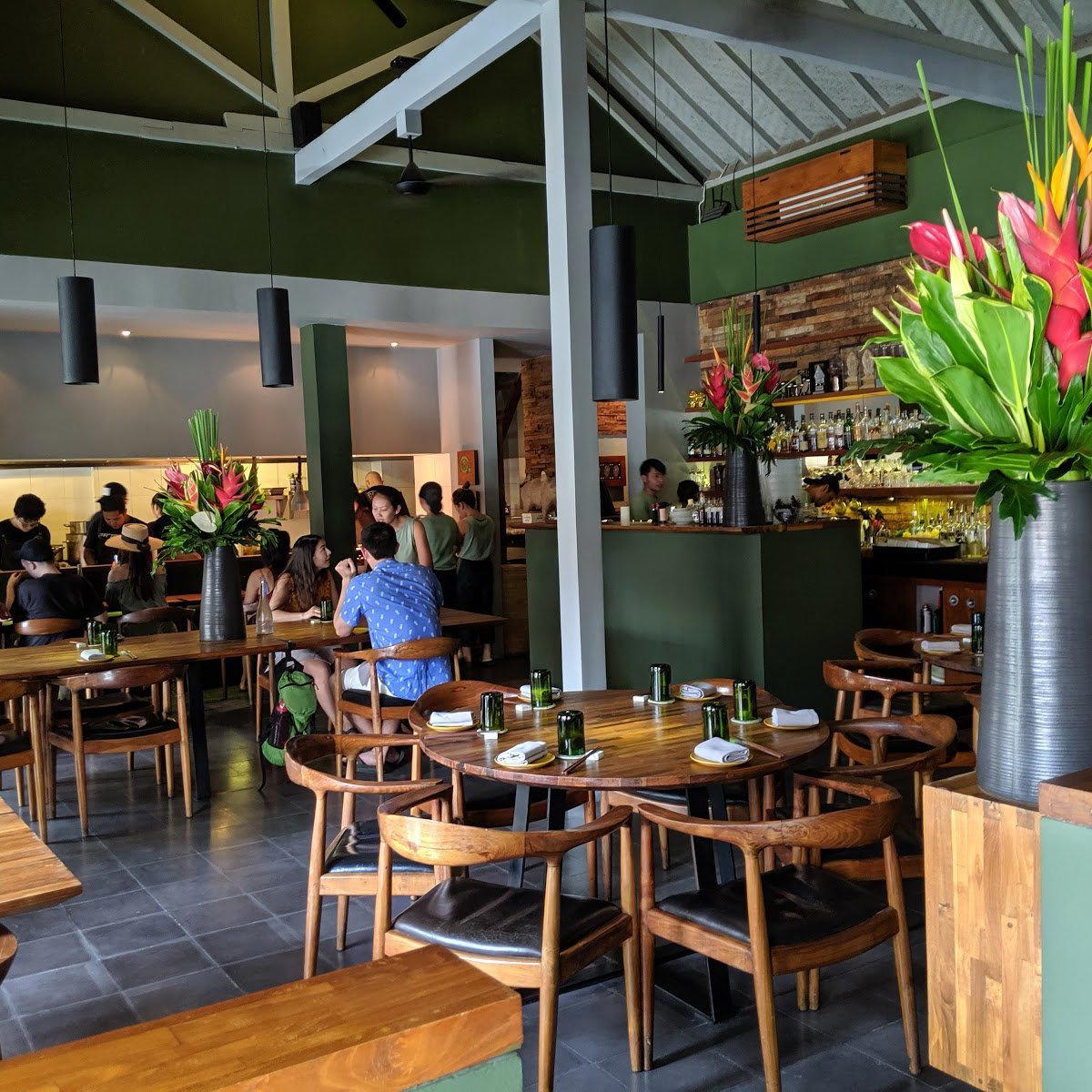
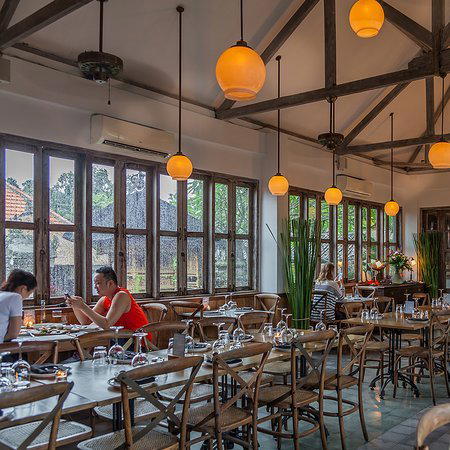
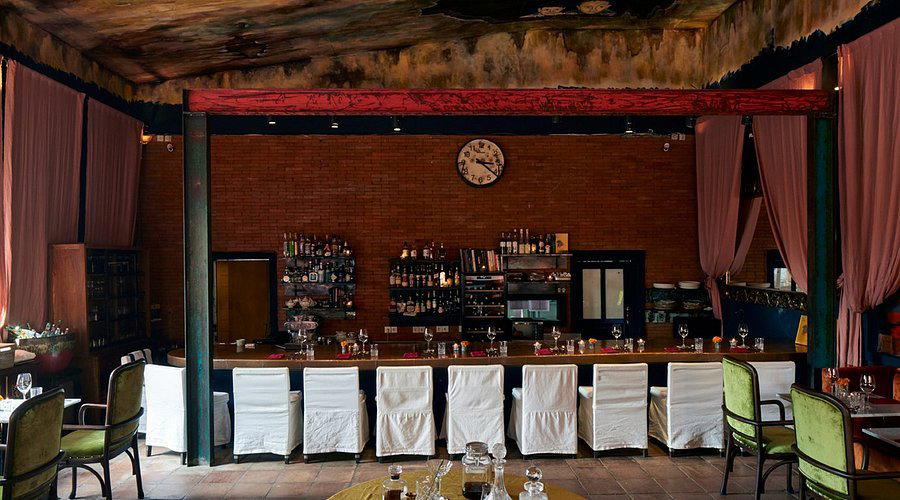
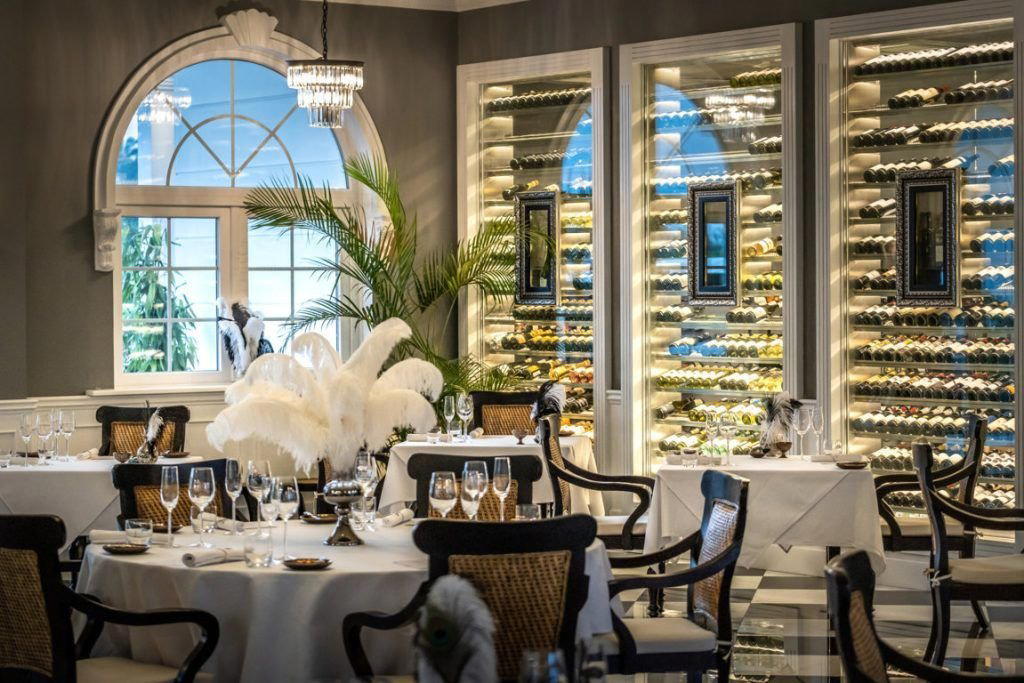
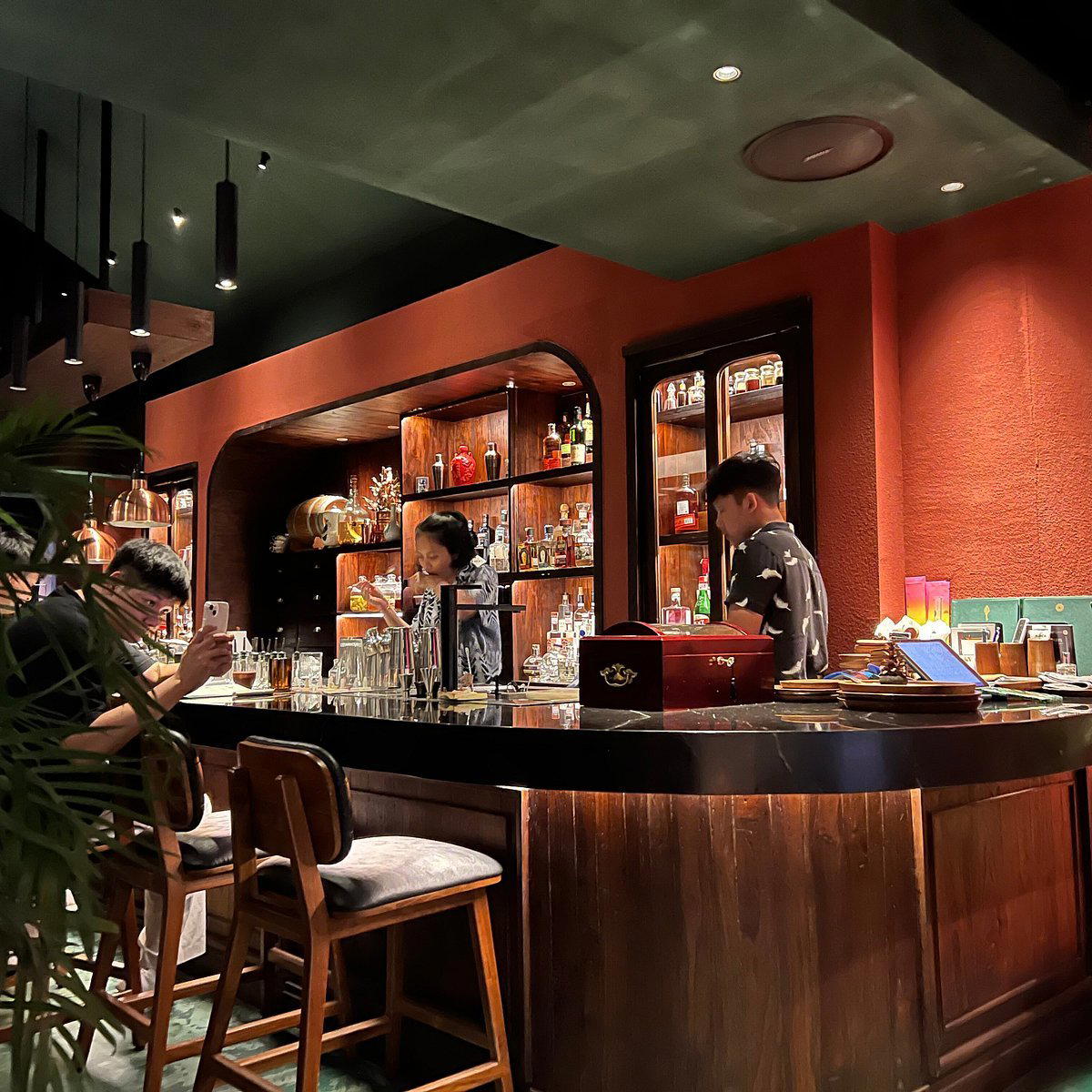
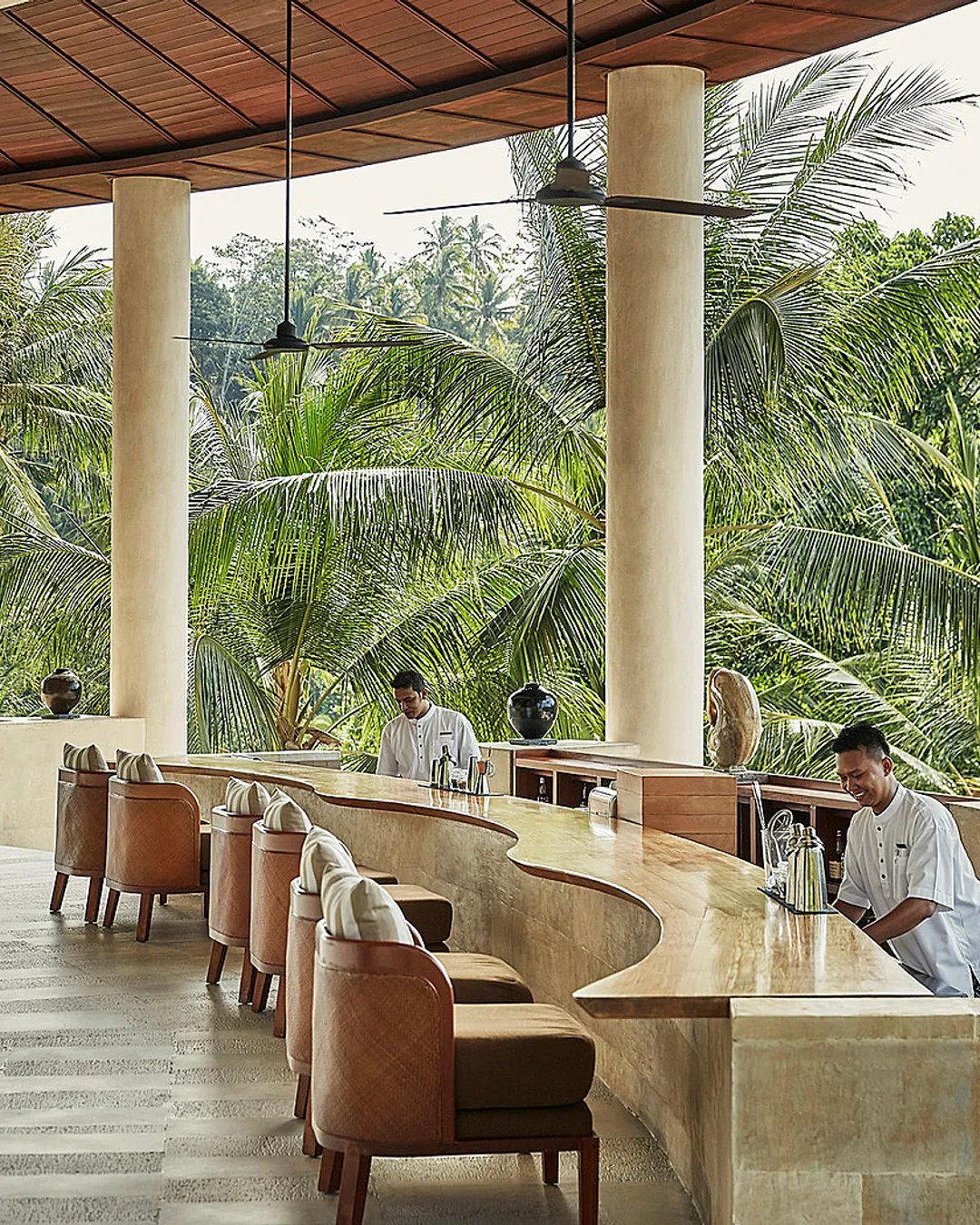
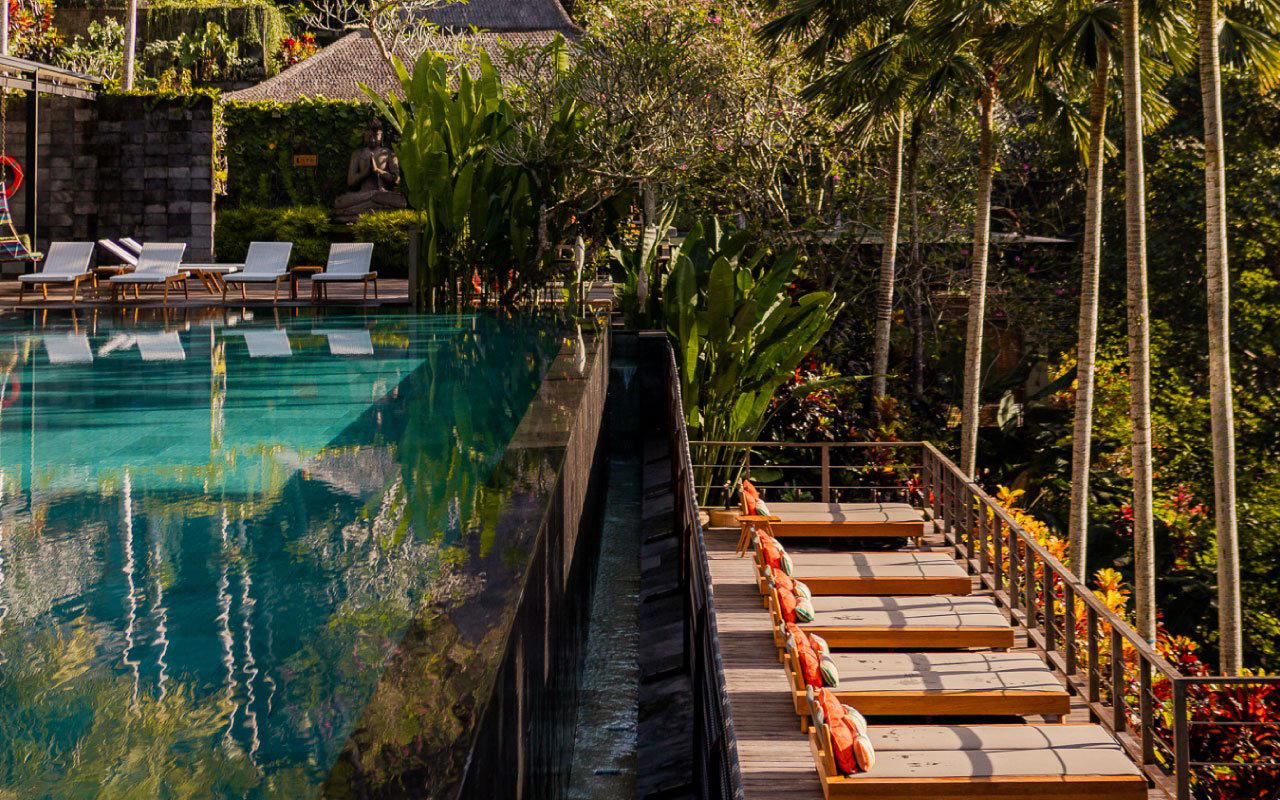
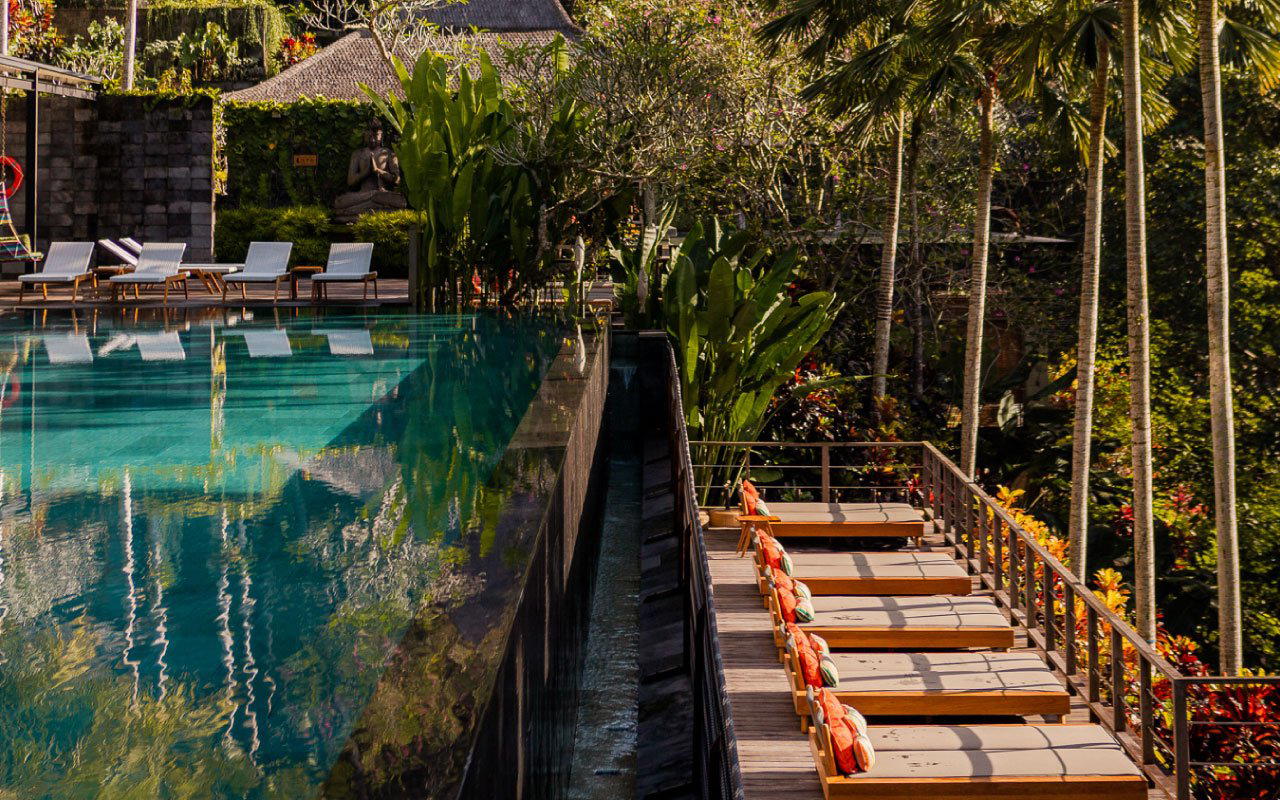
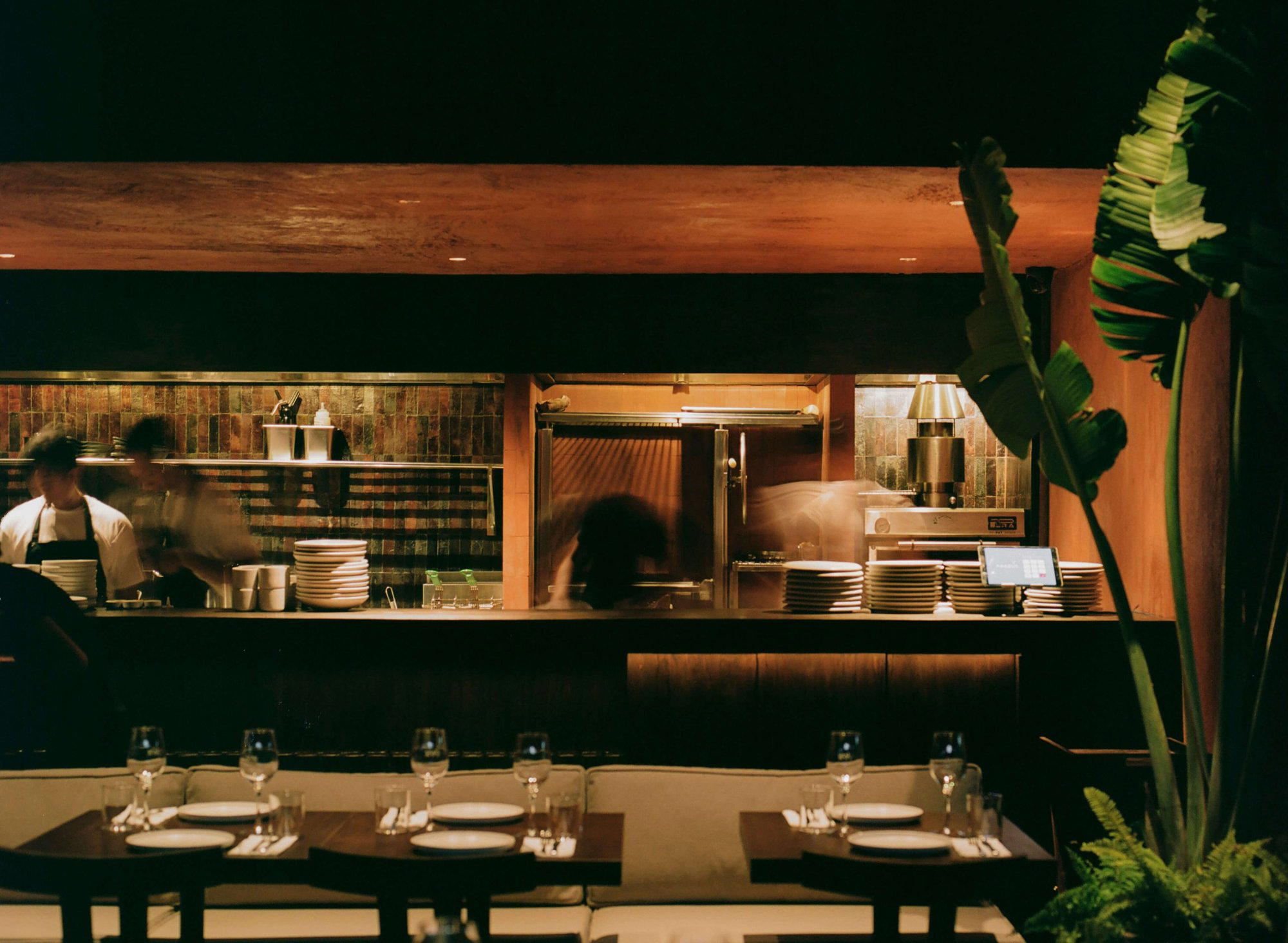
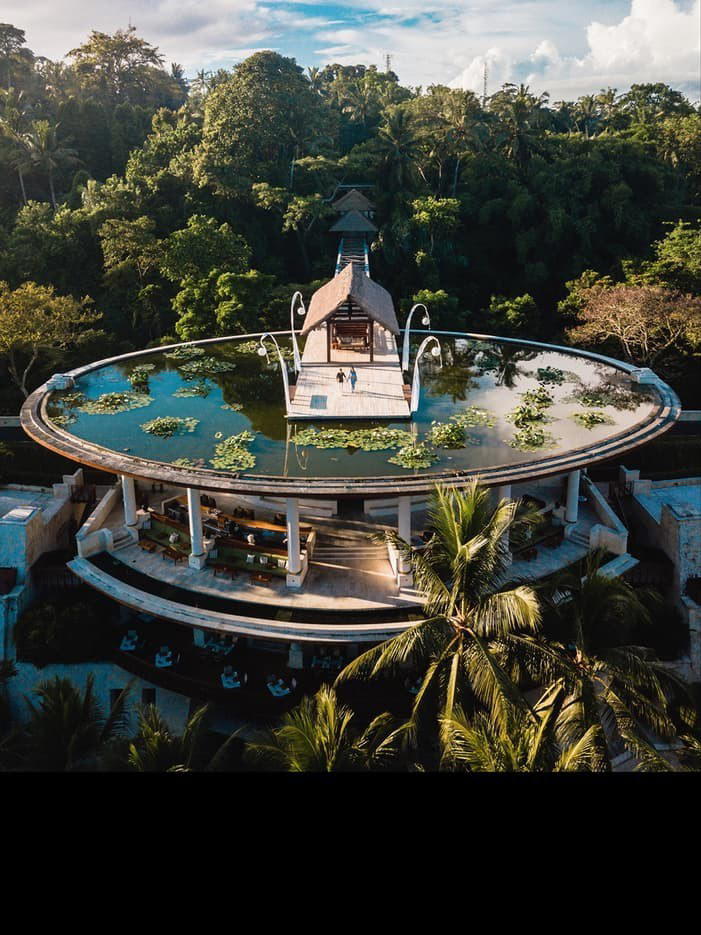
Expansive architecture with huge windows offering rice paddy views, open kitchen, and immersive multi-space journey through nature-inspired design.