Chongqing Liuyishou Hotpot (重庆刘一手火锅)
Chongqing Liuyishou Hotpot brings the unapologetically fiery tradition of Chongqing mala broth to South Jakarta's Kebayoran Baru district. The chain's Jalan Suryo address draws a loyal crowd of Indonesians and Chinese expatriates who come specifically for the numbing Sichuan pepper heat and communal table format that defines the genre. It sits in a city where Chinese-Indonesian dining culture has layered itself across decades.
Pearl is the En Primeur Club membership app — saves, bookings, and concierge access live there. Same editors, same standards.
- Address
- 10, Jl. Suryo No.42, RT.10/RW.3, Rw. Bar., Kec. Kby. Baru, Kota Jakarta Selatan, Daerah Khusus Ibukota Jakarta 12180, Indonesia
- Phone
- +62 821-6100-1200
- Website
- hotpot.co.id
- Directions
- Get directions
 Saves & bookings on Pearl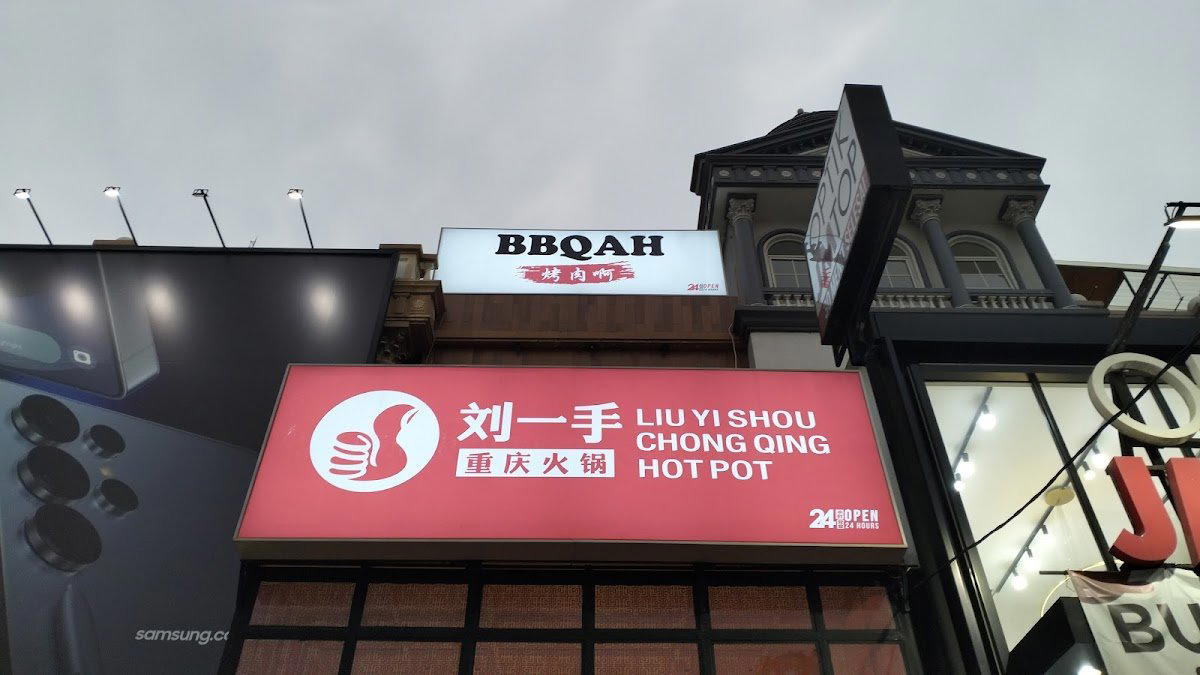
Chongqing Heat in a South Jakarta Dining Room
Walk along Jalan Suryo on any given evening and the crowd spilling from the Liuyishou entrance tells you something immediately: this is not a restaurant that requires explanation to its regulars. The format is fixed, the broth arrives already decided, and the ritual of cooking meat and vegetables at the table has its own internal logic that the room respects. South Jakarta's Kebayoran Baru district has long absorbed international dining formats without flattening them, and the Chongqing hotpot tradition fits inside that pattern. The address at No. 42 sits within a stretch of Jalan Suryo that includes a range of mid-to-upper casual dining, where the competition is measured in consistency and crowd loyalty rather than tasting menus or wine lists.
Liuyishou as a brand originates from Chongqing, where the mala hotpot tradition is less a restaurant category and more a civic institution. The name itself is a well-known quantity across mainland China and in the Chinese diaspora circuits that link cities like Jakarta, Singapore, and Kuala Lumpur. Its presence in South Jakarta is part of a broader expansion pattern in which established Chinese hotpot brands have followed the Chinese expatriate and Chinese-Indonesian population into Southeast Asian urban centres. Dailah Sajian Nusantara and Korean-influenced options such as Jinjoo.
Where the Ingredients Come From and Why That Shapes the Experience
The sourcing logic of Chongqing-style hotpot is inseparable from the dish's identity. The defining characteristic of mala broth is its double-channel heat: capsaicin from dried chillies and hydroxy-alpha-sanshool from Sichuan peppercorns, the latter producing the numbing, almost electric sensation on the lips and tongue that gives mala its name. Sichuan peppercorns are not interchangeable with black or white pepper, and the intensity of a mala broth is directly tied to the quality and freshness of that specific ingredient. Established hotpot brands that maintain a central supply chain for their spice base are able to deliver a consistent result across locations in a way that locally assembled spice mixes rarely achieve.
The secondary sourcing question in any hotpot format is the protein and vegetable selection. In the Chongqing tradition, thinly sliced beef and lamb are the core proteins, alongside offal cuts that are integral to the experience for those who follow the format seriously. The communal table format also accommodates a wide range of additional ingredients, from tofu skins and glass noodles to mushroom varieties, each chosen for how they absorb the broth rather than for standalone flavour. This absorption logic is distinct from the sourcing priorities you would apply to a kitchen cooking proteins through direct heat, where the ingredient's own flavour dominates. Here, the broth is the seasoning system, and ingredient freshness matters most in terms of texture and safety rather than inherent taste.
This sourcing and format dynamic places Liuyishou in a different category from the locally rooted Indonesian dining that defines much of South Jakarta's restaurant culture. Restaurants like August in Jakarta or, further afield, Locavore NXT in Ubud build their identities around Indonesian ingredient provenance and regional culinary specificity. Liuyishou's claim is different: it is about a Chinese regional format faithfully reproduced.
The Communal Table as Dining Architecture
Hotpot is one of the few dining formats in which the table itself becomes the kitchen, and this changes the social dynamics of the meal fundamentally. Conversation flows around the cooking rather than stopping for it. Dishes arrive as raw ingredients, and the table negotiates heat levels, cooking times, and dipping sauce ratios collectively. For groups that know the format, this creates a rhythm that a sequenced tasting menu, however precise, cannot replicate. For first-timers, particularly those arriving from a dining culture shaped by plated service, the learning curve is part of the experience.
The dual-broth pot, which allows a table to split between the full mala broth and a milder option, is a practical accommodation that the format has developed for mixed-tolerance groups. It has become standard across the Liuyishou network and reflects how the brand has adapted to diaspora markets where not every diner at the same table has been eating Sichuan pepper since childhood. This kind of format discipline, keeping the core experience intact while building in practical flexibility, is what separates a brand with genuine operational depth from a restaurant that simply imports an aesthetic.
Elsewhere in the Indonesian archipelago, the communal and shared-plate dining tradition takes different forms. Kahyangan in Gondangdia and CARANO Masakan Padang in Bekasi both operate within Indonesian communal dining traditions, where the table fills with dishes simultaneously. The hotpot format's communal logic is recognisable to Indonesian diners but its mechanics are entirely different, which helps explain its uptake in cities like Jakarta where adventurous dining is not a niche behaviour.
South Jakarta Placement and How to Plan a Visit
Jalan Suryo sits within Kebayoran Baru, one of South Jakarta's more accessible and established dining corridors. The area draws a mix of local families, professionals, and expatriates from the surrounding residential neighbourhoods, which means the dining room at Liuyishou tends to fill with a genuinely mixed crowd rather than a single demographic. Given the format's communal nature, the table works well for groups. The restaurant is open daily from 11 AM to 4 AM, and reservations are recommended.
Hotpot in this format is also a category that rewards some prior knowledge. For diners more familiar with the refined end of the Indonesian or international dining spectrum, whether that is the ingredient-led approach of Moksa in Bali, the coastal focus of Rumari in Jimbaran, or the technical precision of Cuca Restaurant in Badung, the Liuyishou experience is a deliberate shift in register. The pleasure here is collective and heat-forward.
Fast Comparison
Comparable venues nearby, for context on price, style, and recognition.
| Venue | Cuisine | Price | Notes |
|---|---|---|---|
| Chongqing Liuyishou Hotpot (重庆刘一手火锅)This venue — the venue you are viewing | Chongqing Hotpot | $$ | Not listed |
| Dailah Sajian Nusantara | Modern Nusantara | $$$ | Kebayoran Baru |
| Jinjoo | Creative Korean Fine Dining | $$$$ | Senopati |
| Hai Di Lao | Chinese Hot Pot | $$ | Central Jakarta |
| Kuo Tieh Santong 68 | Authentic Shandong-Style Kuotieh | $ | Pinangsia |
Continue exploring
More in South Jakarta
Restaurants in South Jakarta
Browse all →
Bars in South Jakarta
Browse all →

At a Glance
- Lively
- Group Dining
- Family
- Casual Hangout
Current opening hours
- Monday
- 11 AM–4 AM
- Tuesday
- 11 AM–4 AM
- Wednesday
- 11 AM–4 AM
- Thursday
- 11 AM–4 AM
- Friday
- 11 AM–4 AM
- Saturday
- 11 AM–4 AM
- Sunday
- 11 AM–4 AM
Hours can change for holidays and private events. Last verified .
Casual mall atmosphere with lively hotpot dining.