Kynd Community has become a reference point for plant-based dining in Bali, drawing a crowd well beyond the health-conscious traveller to anyone serious about ingredient provenance and considered cooking. The venue sits inside a broader shift in the island's dining scene, where produce sourcing and dietary transparency have moved from niche talking points to genuine differentiators among the restaurants worth seeking out.
Pearl is the En Primeur Club membership app — saves, bookings, and concierge access live there. Same editors, same standards.
- Address
- Bali, Indonesia
- Directions
- Get directions
 Saves & bookings on Pearl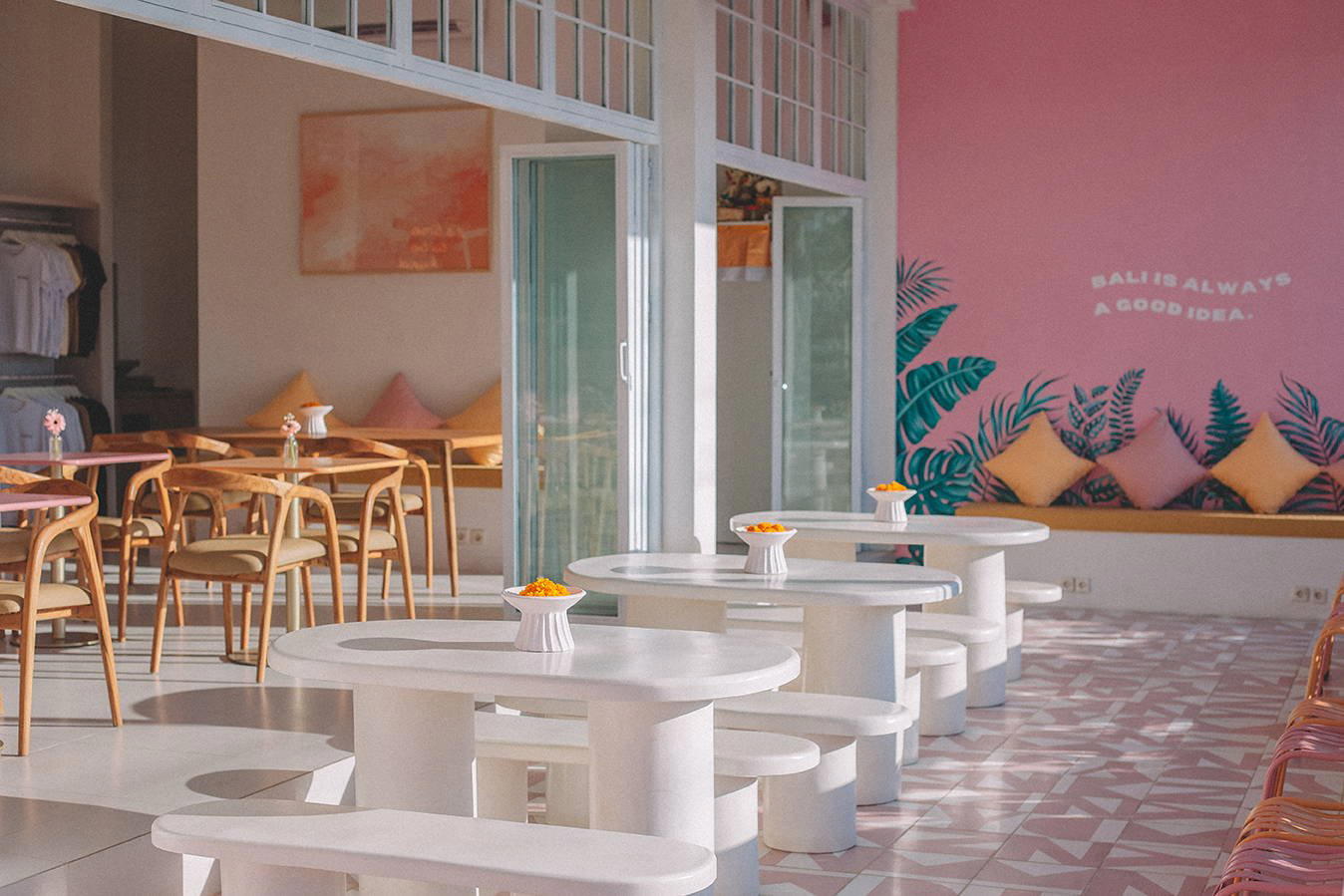
Where Plant-Based Cooking Became a Serious Proposition in Bali
Bali's dining scene has undergone a structural reorganisation over the past decade. What once divided neatly into warungs serving ceremonial Balinese food and resort restaurants serving international menus for tourists has fractured into something considerably more layered. A cohort of ingredient-led, diet-conscious restaurants emerged, and within that cohort, the plant-based tier has moved furthest and fastest. Kynd Community sits at the front of that movement, operating in a space where sourcing discipline and menu transparency matter as much as the cooking itself.
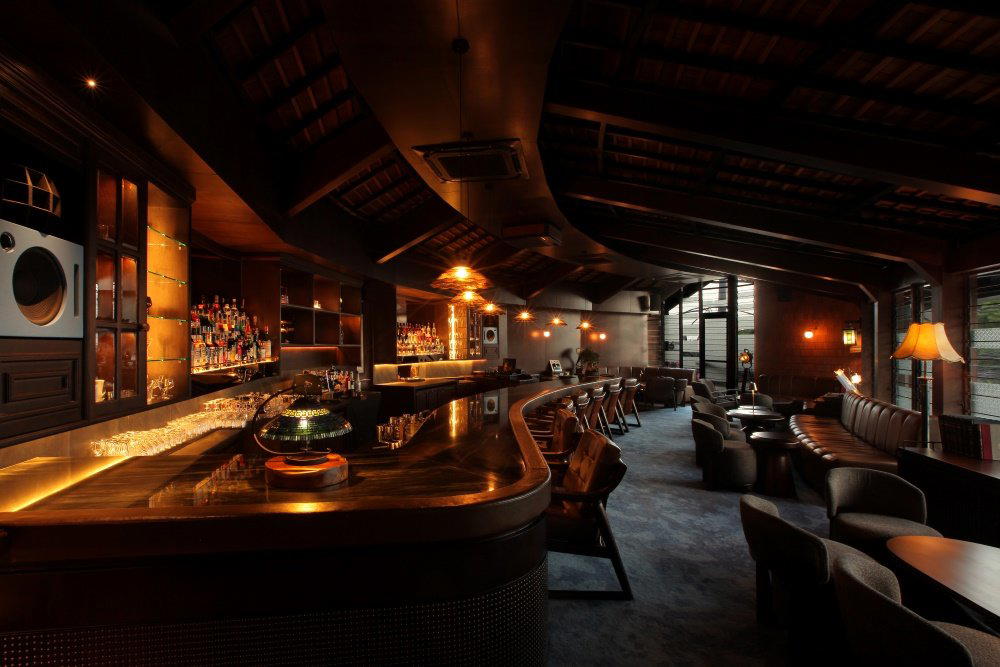
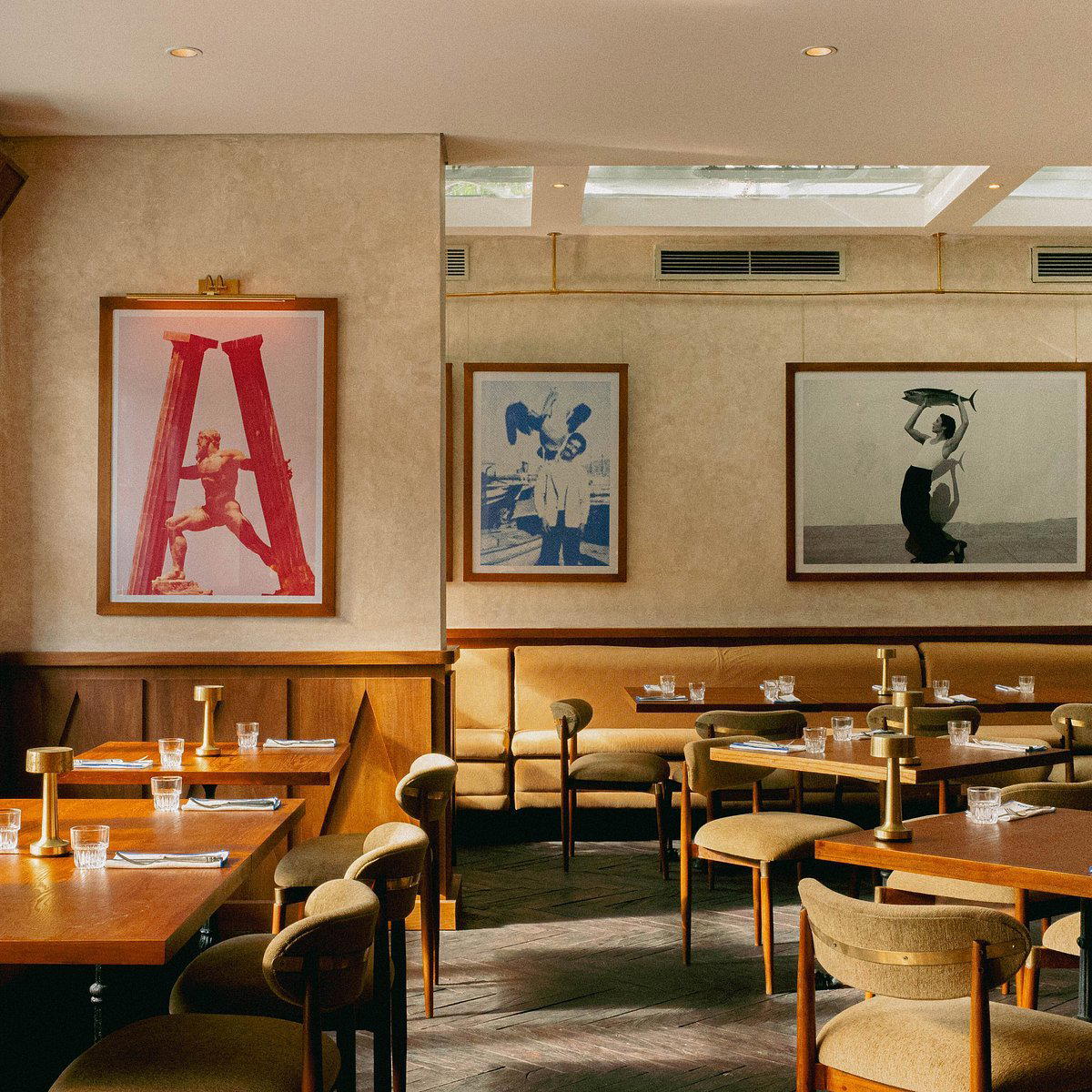
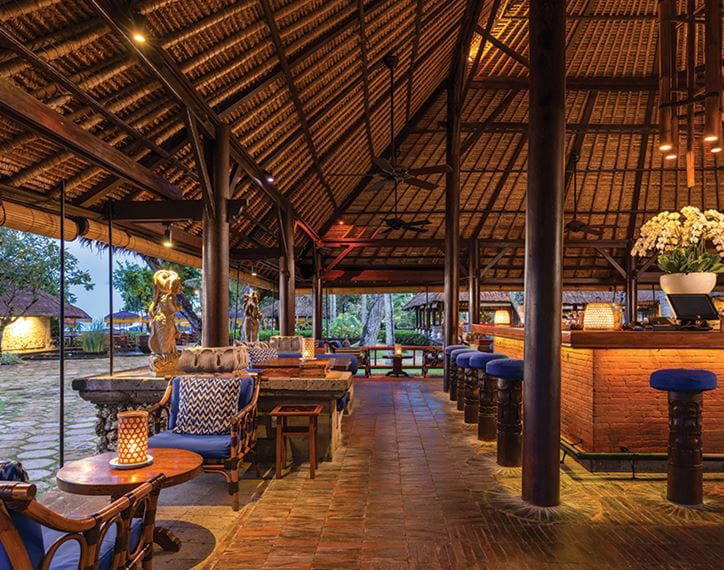
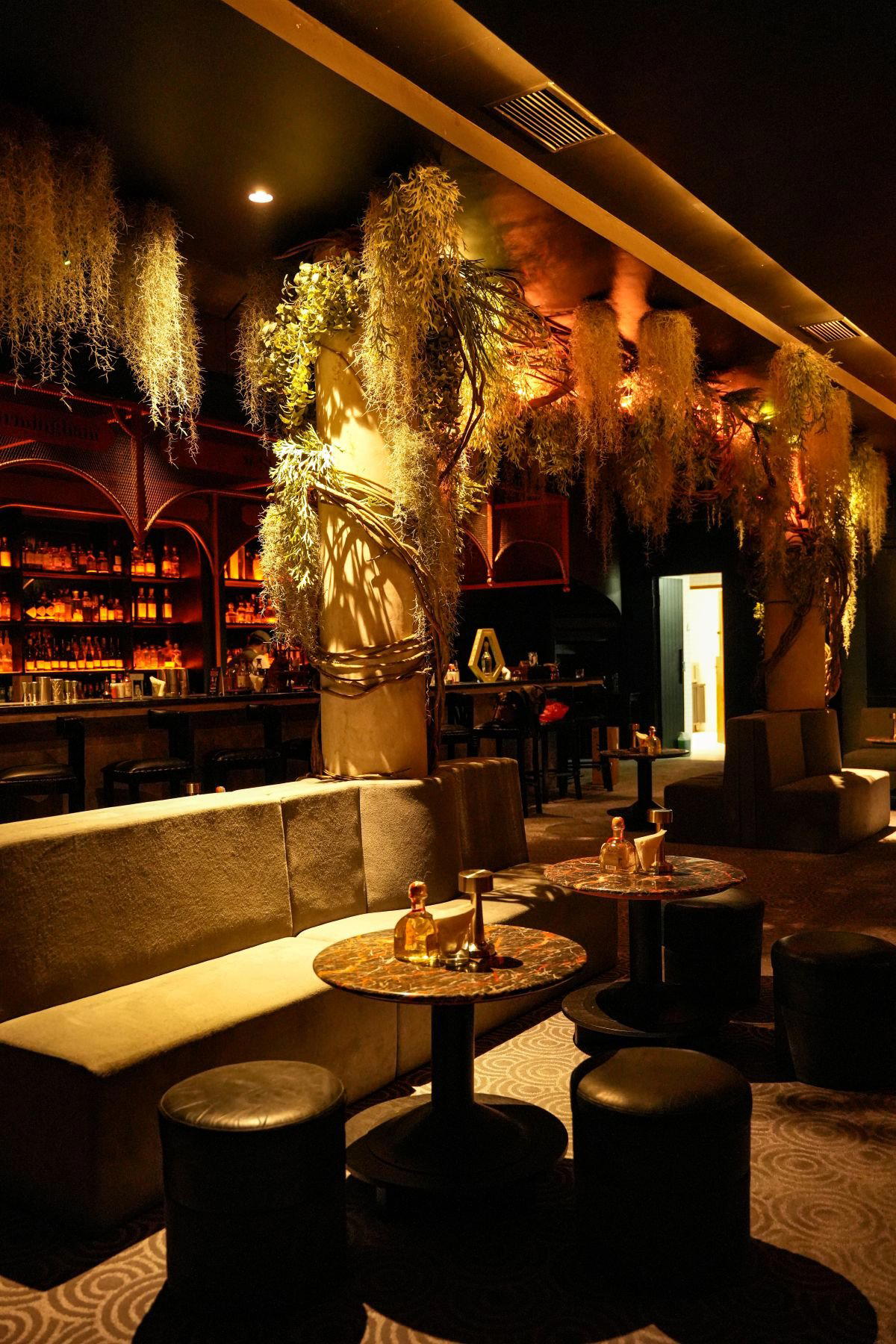
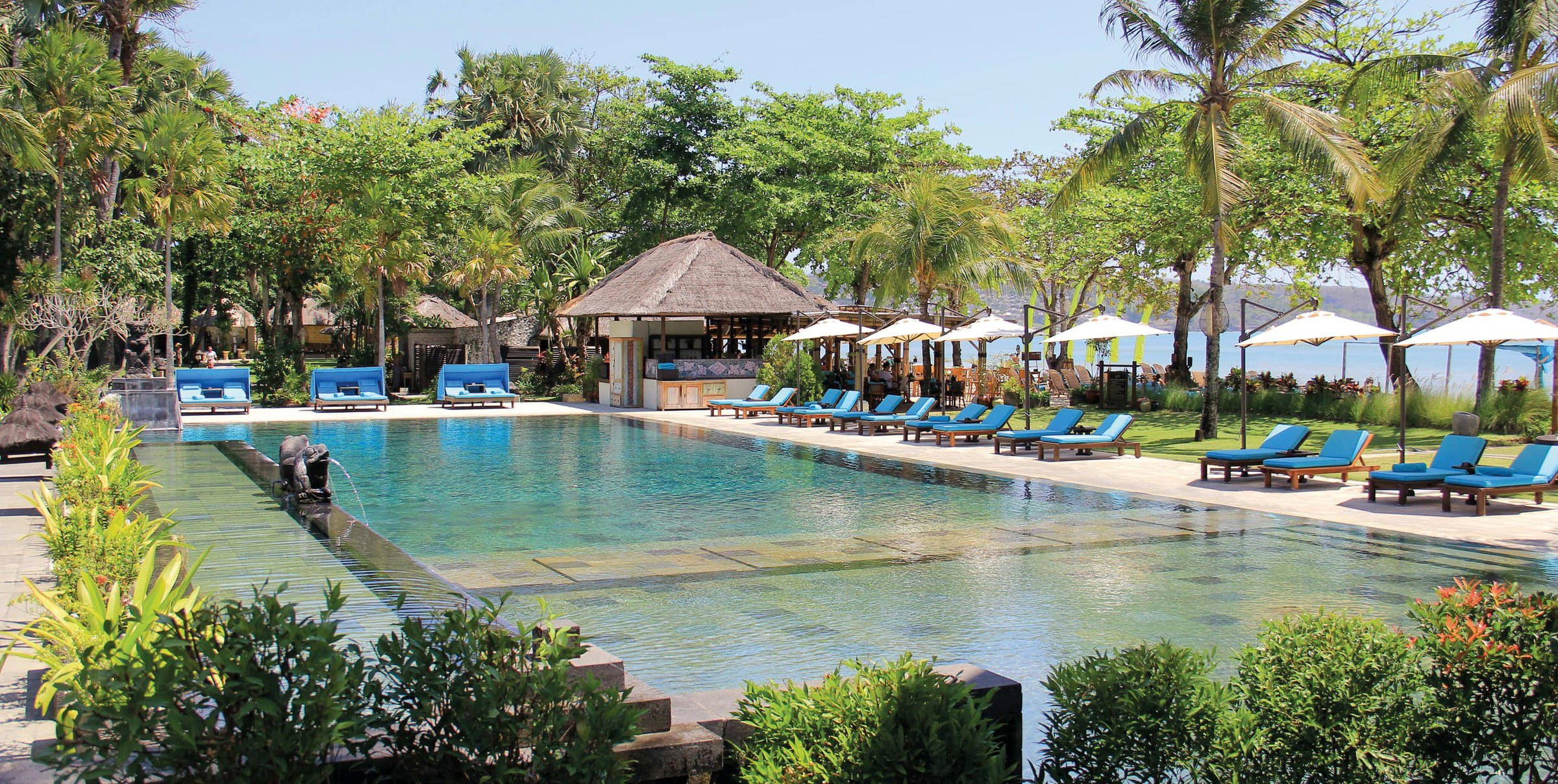
The physical experience of the venue communicates that positioning before a dish arrives. Bali's plant-based restaurants tend to occupy a particular visual register: open-air or semi-open structures, natural materials, light that feels considered rather than accidental. Kynd Community works within those conventions while giving them enough substance to avoid the aesthetic feeling like a borrowed identity. What you encounter is a room that feels lived-in and assured, rather than assembled for a mood board.
The Sourcing Logic Behind the Menu
Ingredient provenance defines Kynd Community's place in Bali's dining conversation. Across the island's better plant-based tables, the question of where produce comes from has become as consequential as how it is prepared. Bali sits within a growing zone that can support an enormous range of vegetables, fruits, legumes, and grains, and restaurants that lean into that proximity gain something that imported-ingredient operations cannot replicate: the ability to work with produce at genuine peak condition.
This is the logic that separates destination plant-based restaurants in Southeast Asia from their counterparts in cities where sourcing requires considerably more logistical effort. In Bali, a kitchen can receive produce from Bedugul's highland farms within hours of harvest. That proximity is not a marketing claim; it is a structural advantage that shows up in texture, flavour concentration, and the kitchen's ability to change its menu quickly in response to what is actually available. Venues that use it well, as the better Ubud-area operators have demonstrated, produce food that reads as alive rather than assembled.
The restaurant has built its reputation within this framework. Its menu operates in the zone where plant-based cooking stops defending itself against the absence of meat and starts making a positive case for what vegetables, fermented products, and whole grains can do when sourced with care and cooked with attention. For a broader view of how this philosophy plays out across Ubud's dining scene, Moksa offers a comparable commitment to garden-to-table sourcing.
Where Kynd Community Sits in the Bali Plant-Based Tier
Bali now has enough plant-based and health-forward restaurants to constitute a genuine competitive tier. Peloton Supershop operates at the casual, community-facing end of that spectrum. The restaurant occupies a position that feels slightly more considered in its food presentation while retaining enough informality to avoid the stiffness that can afflict health-restaurant dining when it overcorrects toward fine-dining conventions.
That positioning matters. The risk for any plant-based restaurant operating in a tourist-heavy market like Bali is that the menu becomes curated around what international visitors expect plant-based food to look like, rather than what the local growing environment can actually produce with distinction. The better operators resist this, and the restaurant's reputation has been built on being a place where that resistance is legible in the food.
For comparison, Kayuputi at The St. Regis operates from an entirely different premise: resort luxury, seafood focus, and the production values of an international hotel kitchen. The restaurant competes on none of those terms. Its comparable set is elsewhere, among the ingredient-serious, format-relaxed restaurants that have made Ubud specifically a point of reference for conscious dining across Southeast Asia.
Further afield in Indonesia, the restaurant conversation is equally varied. August in Jakarta has drawn significant critical attention for its tasting menu format, while Locavore NXT in Ubud represents the same kitchen's more experimental, limited-seat extension. These are not direct competitors to the restaurant, but they illustrate how seriously the Indonesian dining scene has taken the question of what defines a destination-worthy restaurant in the region.
Planning a Visit
The restaurant draws a consistent crowd, and Seminyak's dining rhythm tends to peak in the early evening when the day-trippers from Ubud and the beach crowd converge. Arriving slightly ahead of that window generally allows for a more relaxed experience. Reservations are recommended, and walk-in access is most realistic outside peak hours. That said, the restaurant has enough of a following that assuming a table is always available is a reasonable risk only outside peak season.
Visiting in shoulder months, particularly May, June, or September, gives better odds of a relaxed pace both in the restaurant and across the surrounding neighbourhood. Seminyak is considerably more accessible than Ubud for visitors based on the southern end of the island, and does not require the commitment of the winding highland drive that Ubud-area restaurants demand.
For those building a broader itinerary around Bali's food scene, the contrast between Seminyak's health-forward restaurant cluster and the traditional ceremonial cooking that still anchors places like Babi Guling Pak Dobiel is worth experiencing deliberately. They represent entirely different relationships to Balinese food culture, and understanding both gives a more complete picture of what the island's dining scene actually contains.
A Quick Peer Check
Comparable venues nearby, for context on price, style, and recognition.
| Venue | Cuisine | Price | Notes |
|---|---|---|---|
| Kynd CommunityThis venue — the venue you are viewing | Plant-Forward Vegetarian Cafe | $$ | Not listed |
| Peloton Supershop | Plant-Based Cafe | $$ | Berawa |
| Apéritif Restaurant & Bar | Borderless Fine Dining Degustation | $$$$ | Ubud |
| TRI DATU RESTOURANT | Indonesian Warung | $$ | Baturiti |
| Kayuputi | Modern French Fine Dining | $$$$ | Nusa Dua |
| Babi Guling Pak Dobiel | Traditional Balinese Roasted Suckling Pig (Babi Guling) | $ | Nusa Dua, Benoa, South Kuta |
Continue exploring
More in Bali
Restaurants in Bali
Browse all →






At a Glance
- Trendy
- Well Known
- Modern
- Lively
- Brunch
- Casual Hangout
- Solo
- Standalone
- Craft Cocktails
- Zero Proof
Bright, colorful and tropical, with indoor and outdoor seating and a cheerful café atmosphere.