Peloton Supershop occupies a notable position in Bali's evolving dining and lifestyle scene, where the island's appetite for specialist, concept-driven spaces has grown considerably over the past decade. With Bali's café and restaurant culture shifting toward curated experiences over volume, Peloton represents the kind of focused, format-driven venue that defines the current moment in Indonesian leisure dining.
Pearl is the En Primeur Club membership app — saves, bookings, and concierge access live there. Same editors, same standards.
- Address
- Bali, Indonesia
- Directions
- Get directions
 Saves & bookings on Pearl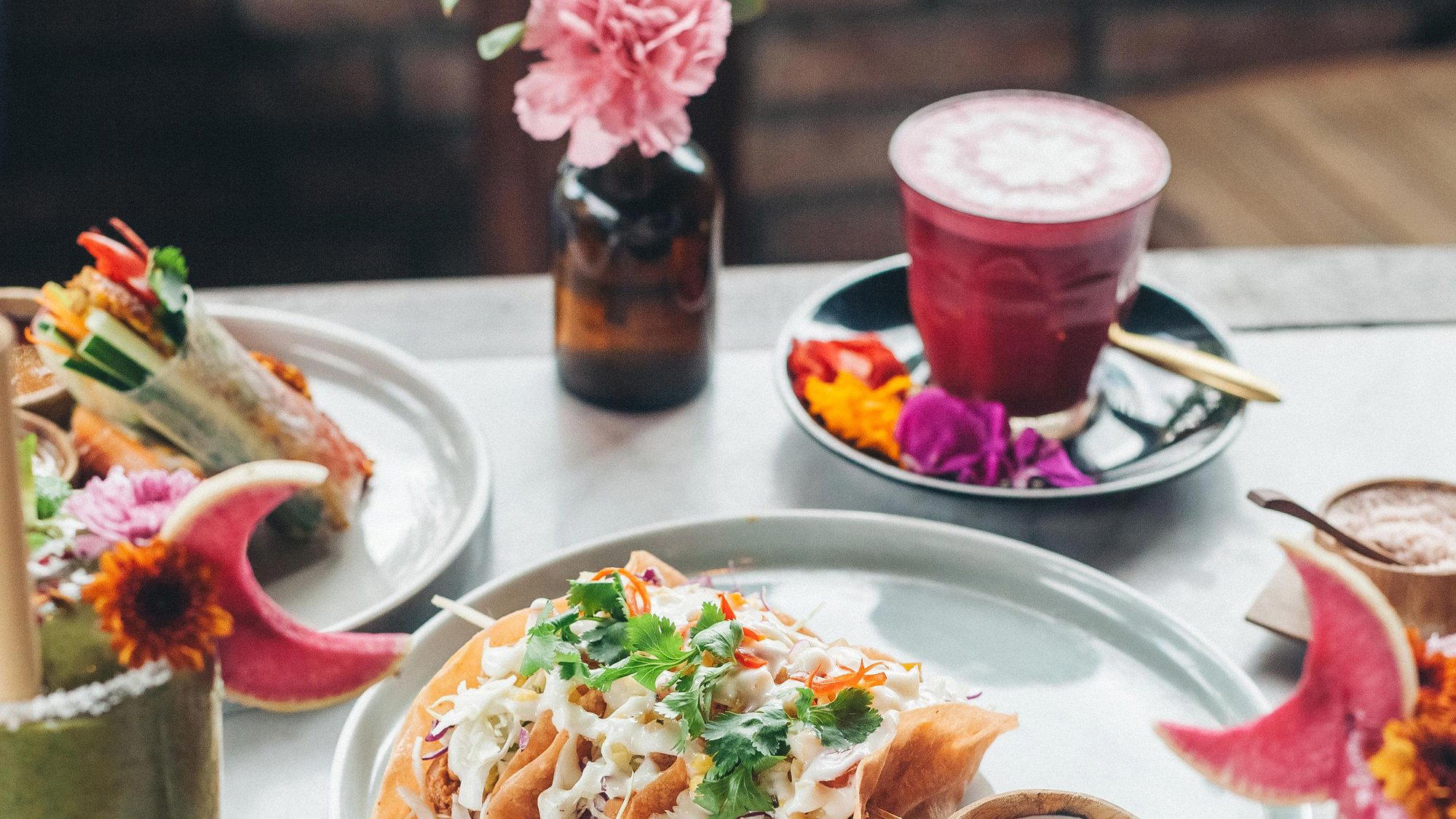
Where Bali's Concept-Driven Scene Has Landed
Bali has spent the better part of a decade sorting itself into tiers. The mass-market beach clubs and all-day breakfast haunts that defined the island's early tourism wave have not disappeared, but alongside them a separate layer has emerged: venues built around a specific format, a disciplined concept, and a clientele that arrives knowing exactly what it wants. Peloton Supershop is a plant-based cafe in Bali. In a city where the gap between a generic café and a purposeful specialist operation is increasingly visible, the distinction matters for anyone planning where to spend time.
This pattern is not distinctive to Bali. Across Southeast Asia's premium leisure destinations, particularly durable openings over the past several years have been those with a clear identity that extends beyond the menu or the physical space. Venues like Locavore in Seminyak built sustained recognition on a commitment to Indonesian ingredients and a tasting format that demanded attention from the diner. Moksa in Ubud anchored itself to a plant-based philosophy and a permaculture garden that made the food's provenance visible. Peloton operates in a similar register of intentionality, even if its format differs.
The Ritual of Eating in a Concept Space
Bali's dining rituals have shifted alongside its venue formats. The casual drop-in culture that once defined the island's warung and beach shack economy has not vanished, but at the specialist end of the market, pacing and participation have become part of the experience. Diners at the more considered venues in Seminyak, Canggu, and Ubud arrive with some prior knowledge and engage with the concept on the venue's terms rather than expecting the menu to meet them halfway.
This shift mirrors what has happened at the upper end of Indonesian dining more broadly. August in Jakarta built its reputation on a tasting format that asks diners to follow a structured sequence rather than order freely. Locavore NXT in Ubud extended that logic into an immersive multi-room experience. At Peloton, the ritual is differently framed, organized around the intersection of an active lifestyle culture and a café format that takes both food and community seriously. The implicit contract with the diner is engagement rather than passive consumption.
For visitors arriving from the broader Indonesian archipelago, the contrast is instructive. The dim sum counters of Hwang Fu Dimsum in Tangerang and the hotpot communality of Hai Di Lao in Central Jakarta operate through entirely different dining rituals, ones built on shared tables, rotating dishes, and social tempo. Bali's specialist café and lifestyle venues, by contrast, tend toward individual engagement with the concept, and Peloton is no exception to that pattern.
Placing Peloton in Bali's Competitive Set
Understanding where Peloton sits requires a clear view of how Bali's dining and lifestyle market has stratified. At the summit of the formal dining tier, venues like Kayuputi and Locavore occupy a space defined by tasting menus, chef credentials, and sustained editorial recognition. Below them, a large middle tier of all-day dining venues competes primarily on atmosphere and location. Peloton occupies a different position: a specialist lifestyle concept that draws its competitive identity from format and community rather than from fine dining credentials or raw volume.
That positioning places it in a comparable set that includes venues like Kynd Community, where a plant-based approach and Instagram-legible presentation have built a loyal following among health-conscious visitors. The comparison is useful: both operate at the intersection of lifestyle identity and food quality, and both attract a clientele that is as interested in what the venue represents as in what it serves. The difference lies in the specific community each builds around itself.
Further down the island, in the more traditional culinary register, Babi Guling Pak Dobiel represents the opposite end of the spectrum: a venue defined by a single Balinese ceremonial dish, a no-frills format, and a clientele that arrives for the cooking rather than the concept. The contrast illuminates how Bali now holds multiple dining logics simultaneously, from deep culinary tradition to lifestyle-forward specialist operations.
Visitors who want a broader orientation to where Peloton sits within the full range of Bali's dining options will find our full Bali restaurants guide a useful reference point before arrival.
The Wider Indonesian Frame
Peloton's Bali address places it inside one of Southeast Asia's most competitive lifestyle dining markets, but the broader Indonesian context is worth holding in mind. The archipelago's dining culture spans an enormous range, from the street-level directness of İstanbul Kebab in Lombok Utara to the specialty coffee seriousness of Agreya Coffee in Bogor and the regional cuisine precision of Kita Restaurant and Bar in Kecamatan Menteng. Bali's specialist venues, Peloton among them, operate within this larger ecosystem rather than in isolation from it.
The international frame extends further. At the absolute apex of dining formality, venues like Le Bernardin in New York City and Atomix in New York City represent what happens when concept-driven dining is taken to its most rigorous expression. Peloton operates in a different register, but the underlying logic of building a venue around a clear identity and a specific diner relationship rather than around generic appeal is shared across the category, regardless of price point or geography.
For visitors considering Bikini Restaurant in Badung or Jungle Fish in Gianyar as part of a broader Bali itinerary, Peloton offers a different register: less about the view or the beach-adjacent setting, more about the internal coherence of the concept and the community it attracts.
Planning Your Visit
Before visiting, confirm current hours and booking details directly with the venue.
Style and Standing
Comparable venues nearby, for context on price, style, and recognition.
| Venue | Cuisine | Price | Notes |
|---|---|---|---|
| Peloton SupershopThis venue — the venue you are viewing | Plant-Based Cafe | $$ | Not listed |
| Kynd Community | Plant-Forward Vegetarian Cafe | $$ | Seminyak |
| Locavore | Modern Indonesian Fusion | $$$$ | Lodtunduh, Ubud |
| TRI DATU RESTOURANT | Indonesian Warung | $$ | Baturiti |
| Moksa | Plant-Based Vegan Permaculture | $$$ | Sayan, Ubud |
| Babi Guling Pak Dobiel | Traditional Balinese Roasted Suckling Pig (Babi Guling) | $ | Nusa Dua, Benoa, South Kuta |
Continue exploring
More in Bali
Restaurants in Bali
Browse all →




At a Glance
- Cozy
- Modern
- Trendy
- Lively
- Brunch
- Casual Hangout
- Solo
- Family
- Standalone
- Open Kitchen
- Craft Cocktails
- Zero Proof
- Local Sourcing
- Organic
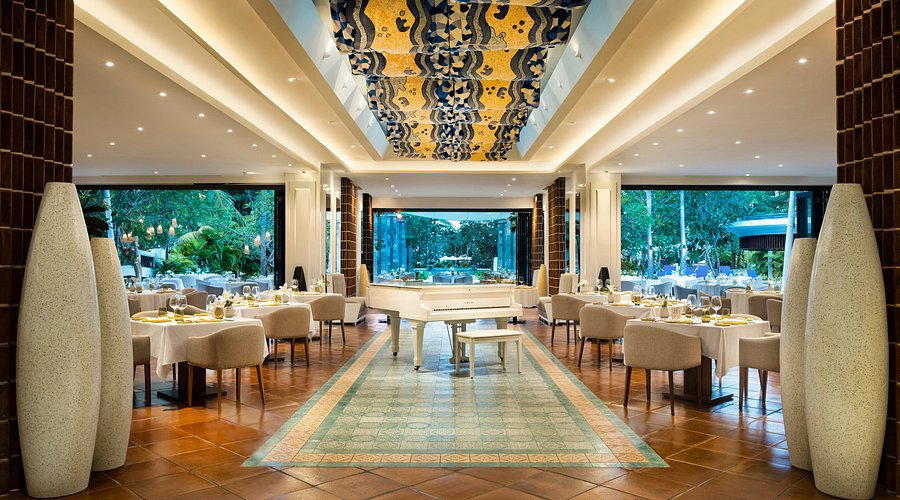
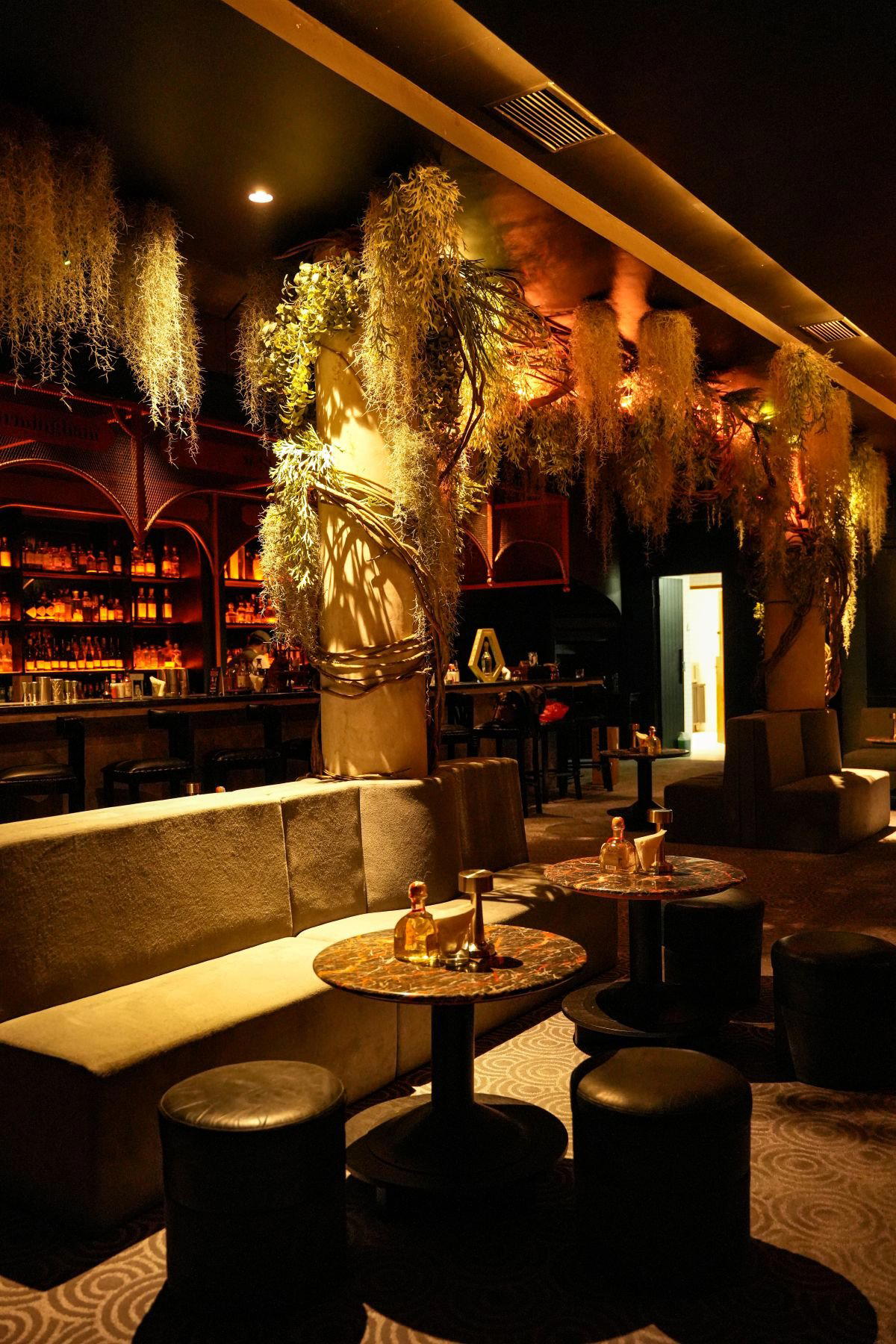
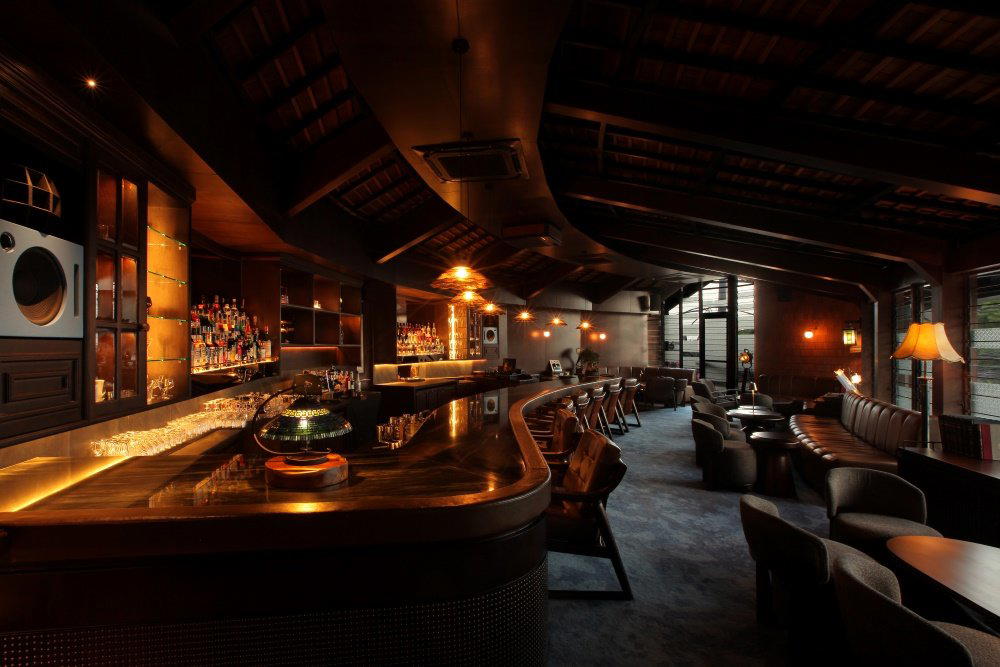
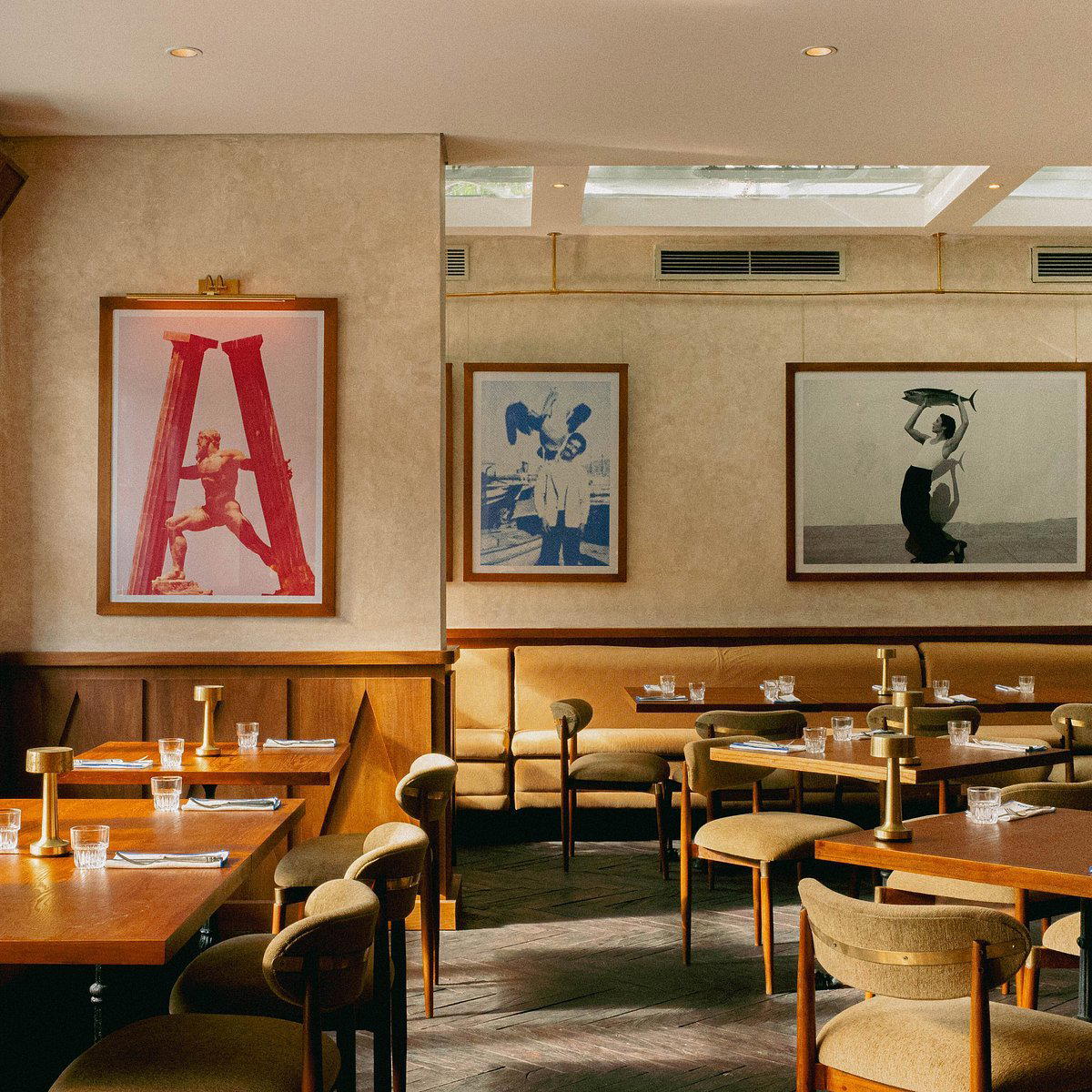
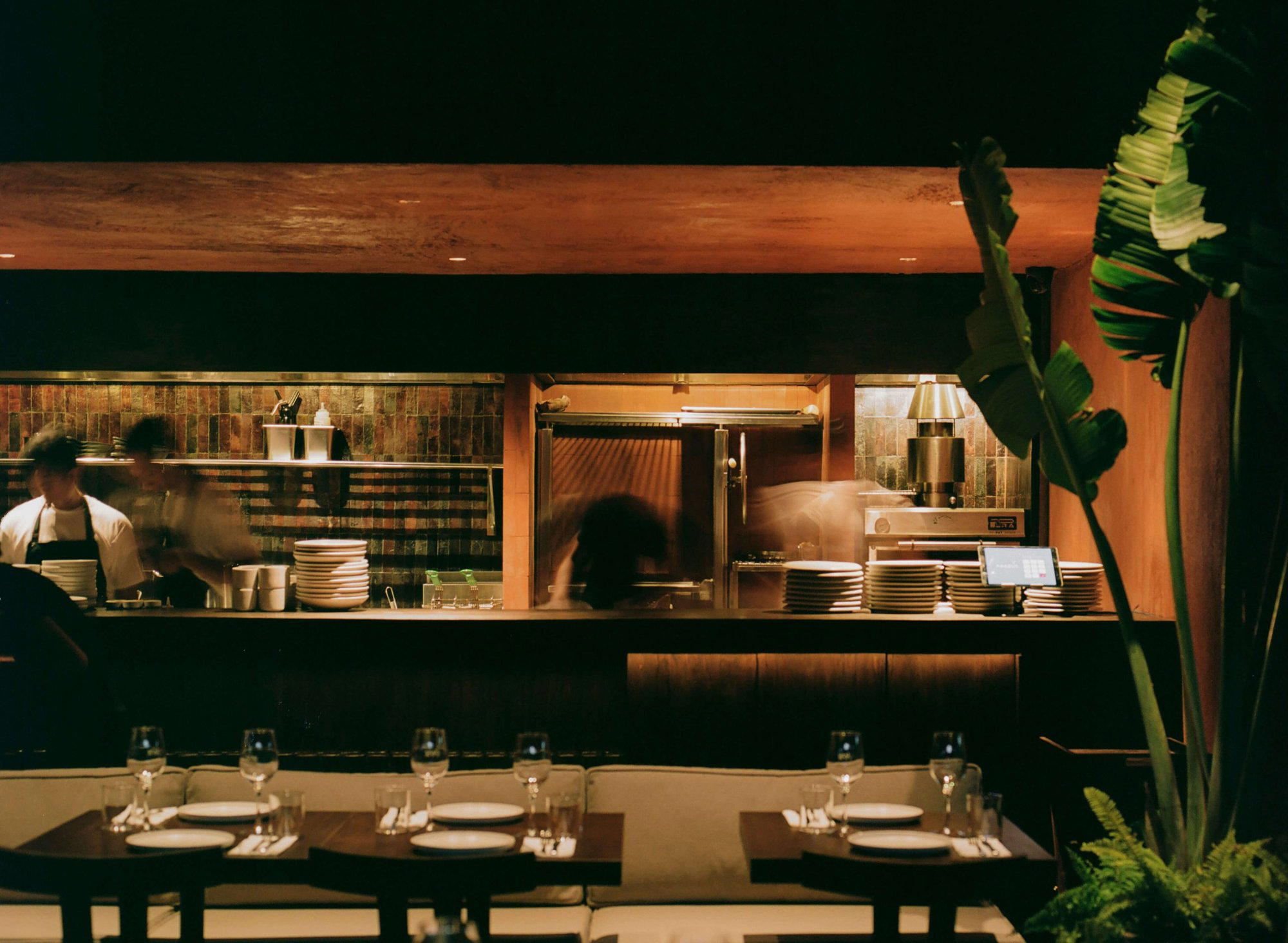
Bright, industrial-modern space with white marble tables and Instagram-worthy presentation; casual and energetic with a welcoming, hipster-cafe aesthetic.