Hai Di Lao
Hai Di Lao brings the chain's signature Sichuan hotpot format to Grand Indonesia Shopping Town in Central Jakarta, where the communal broth-cooking tradition draws from Chinese sourcing and supply infrastructure on a scale few restaurants in the city can match. The format rewards groups, rewards patience, and positions itself within a growing tier of Chinese chain dining that has reshaped Jakarta's mall restaurant scene.
Pearl is the En Primeur Club membership app — saves, bookings, and concierge access live there. Same editors, same standards.
- Address
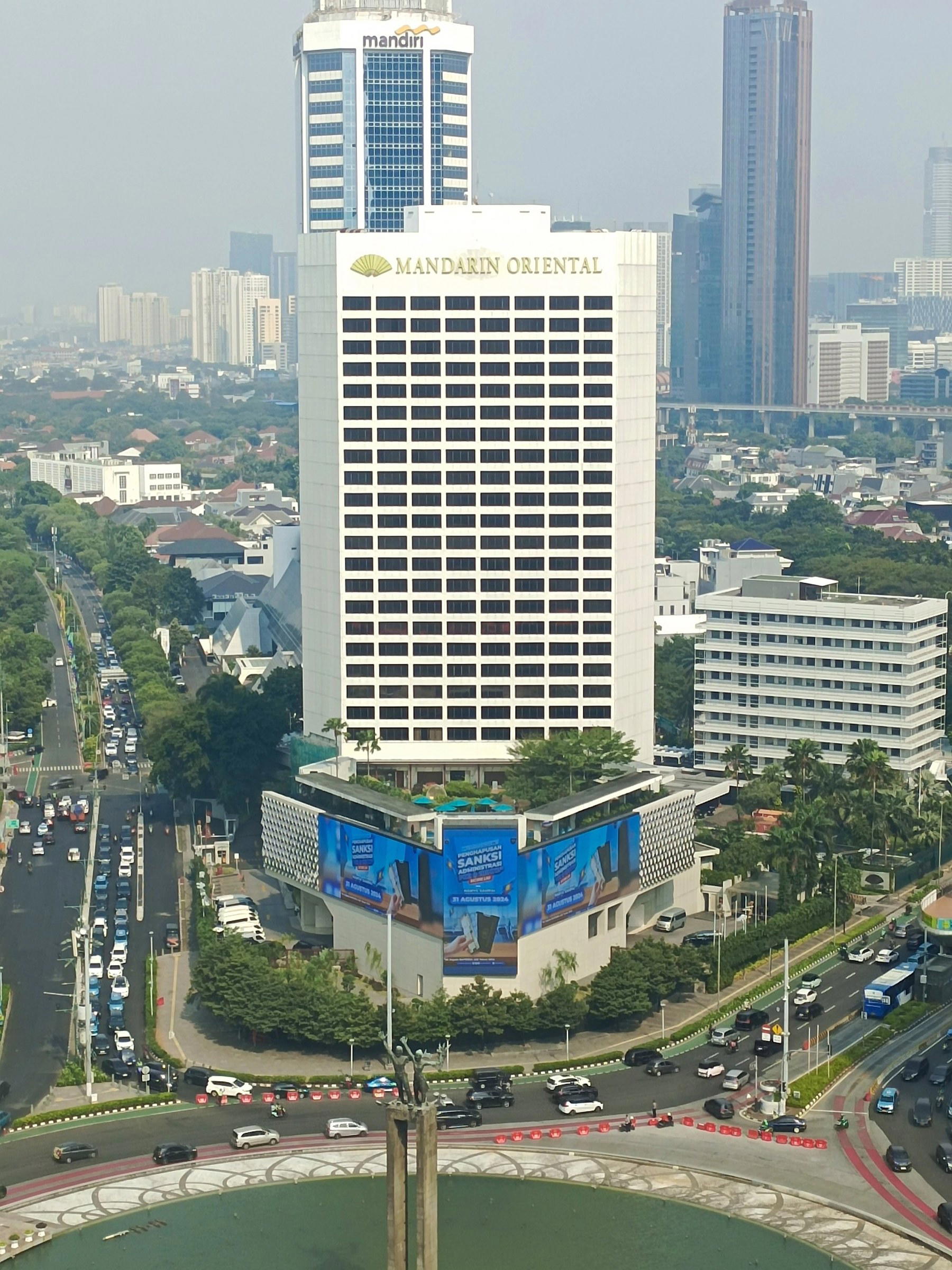
- Grand Indonesia Shopping Town East Mall Lt. UG Unit 01 (Jl. MH Thamrin No. 1), Central Jakarta, Jakarta 10310
- Directions
- Get directions
 Saves & bookings on Pearl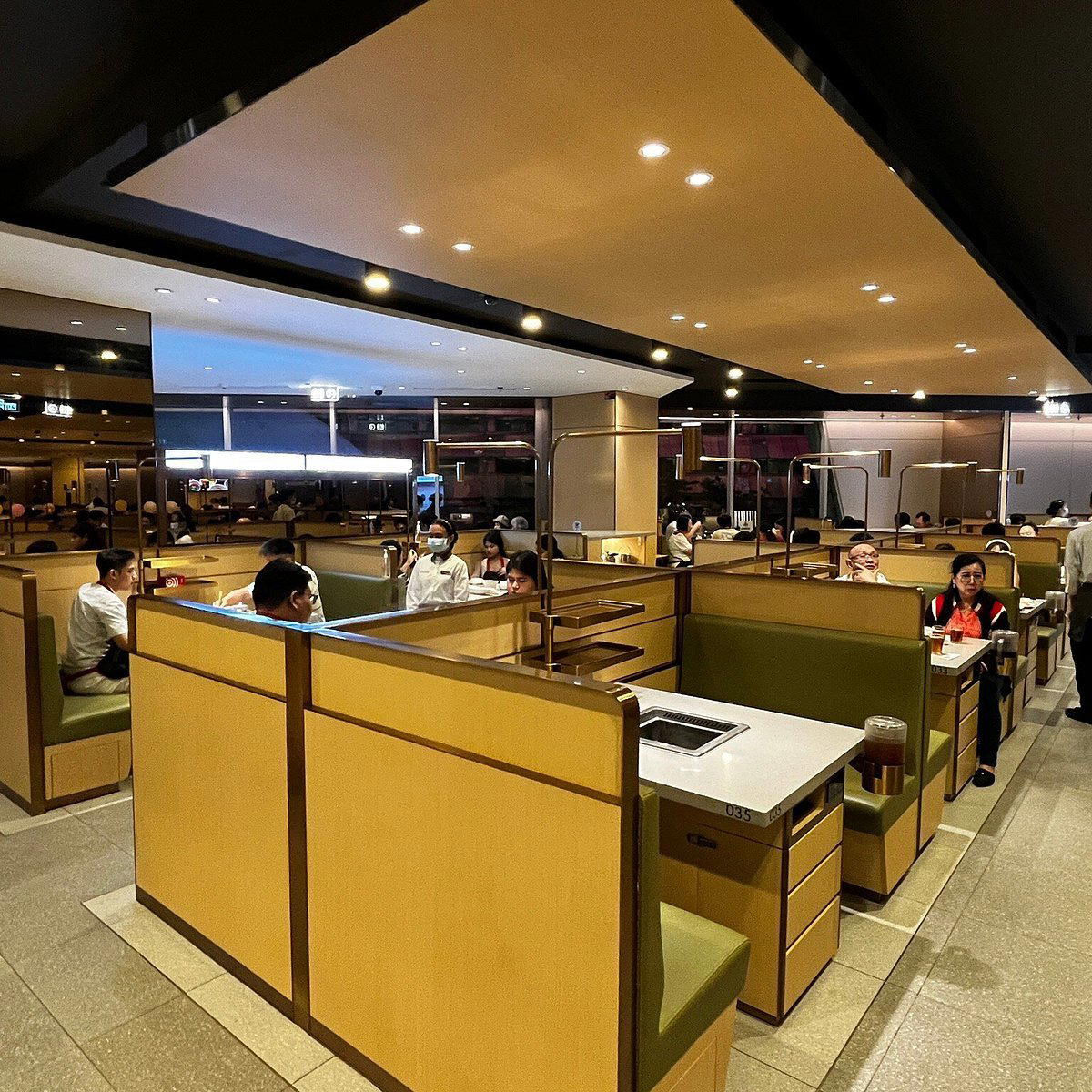
How Chinese Chain Hotpot Landed in Jakarta's Premier Mall District
The ground floor concourse of Grand Indonesia Shopping Town on Jalan MH Thamrin is among the more trafficked retail corridors in Southeast Asia, and the restaurant tenants here are not placed casually. The brands that occupy the lower ground of the East Mall have been selected partly for footfall resilience and partly for brand recognition in Jakarta's highly social, group-dining culture. Hai Di Lao, the Sichuan-origin hotpot chain that now operates across dozens of cities from Beijing to Singapore, arrived in this space as a statement of how seriously mainland Chinese restaurant formats have begun competing for space in Indonesia's premium dining tier.
The Sourcing Logic Behind Hotpot at Scale
Hotpot's fundamental promise is ingredient transparency. Unlike plated cuisine where the kitchen controls what you see, hotpot puts raw ingredients directly in front of the diner, who then cooks them in a shared broth. That visibility creates an implicit sourcing contract: the quality of the experience depends almost entirely on the quality of what arrives on the plate before it ever touches heat. Hai Di Lao's supply chain, built across years of Chinese domestic operation before its international expansion, is predicated on centralised procurement and cold-chain logistics at a scale that most independent restaurant operators cannot replicate. Thinly sliced beef, lamb, and seafood need to arrive at controlled temperature, correctly portioned, and consistent across hundreds of covers per day. The challenge for any Chinese hotpot operator moving into Jakarta is replicating that infrastructure in a market where the cold chain has historically been less standardised than in tier-one Chinese cities.
What distinguishes the better-positioned operators in this format is not the broth recipe alone, it is whether the protein supply holds its integrity from source to table. A well-maintained supply chain is what separates a hotpot operation that works from one that merely gestures at the format. The Sichuan-style mala broth, built on dried chillies, Sichuan peppercorn, and fermented bean paste, can mask a great deal, but the textural quality of thinly sliced meat cannot be faked once it hits the pot.
For comparison, the Chinese hotpot category in South Jakarta has its own competitive entrant worth tracking: Chongqing Liuyishou Hotpot operates from a different regional tradition, the Chongqing variant of mala, and positions itself as a direct competitor in the chain hotpot tier. The two formats share supply ambitions but differ in broth style and brand positioning.
Atmosphere and the Theatre of Communal Cooking
Hai Di Lao has built a reputation across its global footprint not just on the food but on a service model that leans into entertainment and attentiveness in ways that can feel surprising to first-time diners accustomed to more passive restaurant interactions. The format assumes groups, and the space is configured accordingly: tables wide enough to accommodate the induction burner at centre, condiment stations built for customisation, and a floor team trained to anticipate the pacing of a meal that, by its nature, stretches longer than a plated three-course format. The meal at a Sichuan hotpot counter is not a quick one.
The Grand Indonesia setting means the surrounding mall infrastructure handles some of the logistical load: parking, transport links including proximity to the Bundaran HI MRT station, and the general orientation of the building are all well-established for Jakarta regulars. The restaurant sits at UG level, Unit 01, within the East Mall.
Jakarta's Appetite for Regional Chinese Formats
The success of Sichuan hotpot chains in Southeast Asian cities reflects something broader about how Chinese regional cuisines have begun to travel. A decade ago, Jakarta's Chinese restaurant offer was dominated by Cantonese formats, dim sum, and Hokkien-influenced dishes that had long since been domesticated into the local palate. The arrival of Sichuan mala, with its numbing heat and high-volume format, represents a different appetite signal, one that correlates with younger diners, social media visibility, and group dining as an event rather than just a meal. For a look at how dim sum operates in the Tangerang satellite market, Hwang Fu Dimsum offers a useful comparison point in the Cantonese tradition that Sichuan formats are now competing against.
Broader Indonesian dining scene, from Locavore NXT in Ubud at one end of the sourcing-philosophy spectrum to the Japanese-influenced offer at Kita in Kecamatan Menteng, has been moving toward greater specificity about ingredient origin. The hotpot format, for all its festive informality, sits within that trend by making ingredient quality visible in a way that plated cuisine does not.
Other dining formats across the archipelago take different approaches to sourcing: the hyper-local focus of August in Jakarta, the Balinese-inflected sourcing at Bikini Restaurant Bali, and the produce-forward model at Jungle Fish Bali each represent a distinct answer to the same question: where does the food come from, and does it matter? In the hotpot context, the answer is structural rather than philosophical. The chain model answers the sourcing question through logistics rather than terroir.
Planning Your Visit
The restaurant at Grand Indonesia occupies Unit 01 on the UG level of the East Mall, at Jalan MH Thamrin No. 1, Central Jakarta 10310. The Bundaran HI MRT station provides a direct pedestrian connection, making it accessible without navigating Jakarta's traffic in the evening peak. Groups of four or more will find the format works most naturally; the condiment bar, split-broth options, and communal pacing all assume a table where different preferences can coexist.
For reference points across other dining tiers and formats in the region, the Jamoo Restaurant in Surabaya, Kunyit in Bandung, and Gudeg Yu Djum in Yogyakarta illustrate how Indonesian cities outside Jakarta approach tradition and sourcing from different angles. And for those tracking how the international fine dining tier handles sourcing at a technical level, Le Bernardin in New York and Atomix offer a useful benchmark for what sourcing-first thinking looks like at its most deliberate.
Side-by-Side Snapshot
Comparable venues nearby, for context on price, style, and recognition.
| Venue | Cuisine | Price | Notes |
|---|---|---|---|
| Hai Di LaoThis venue — the venue you are viewing | Chinese Hot Pot | $$ | Not listed |
| Haikou Dimsum | Halal Chinese Dimsum | $$ | Citraland Gama City |
| Krispypork Home - Crispy Pork Belly | Pork-Focused Fusion | $$ | Kembangan Utara |
| Imperial Kitchen & Dimsum | Chinese Dim Sum | $$ | Tangerang |
| This Is Bali | Authentic Balinese Food & Desserts | $$ | Ubud |
| Cutt & Grill Flavor Bliss | Steakhouse Grill | $$ | Alam Sutera |
Continue exploring
More in Central Jakarta
Restaurants in Central Jakarta
Browse all →
Bars in Central Jakarta
Browse all →

At a Glance
- Lively
- Modern
- Energetic
- Family
- Group Dining
- Celebration
- Open Kitchen
Contemporary and lively atmosphere with engaging service elements like complimentary manicures.