Treglwangerhof
Treglwangerhof sits in Treglwang, a hamlet within the Gaishorn am See municipality of Styria, where the Austrian tradition of farm-anchored hospitality takes a quiet, grounded form. The address alone, a working agricultural valley in the Paltental, signals a kitchen philosophy rooted in proximity: to livestock, to alpine meadows, to the rhythms of a region that has fed itself from this land for centuries. For those tracking Austria's rural dining scene, it belongs to a broader pattern worth understanding.
Pearl is the En Primeur Club membership app — saves, bookings, and concierge access live there. Same editors, same standards.
- Address
- Treglwang 5, 8782 Treglwang, Austria
- Phone
- +434336172253
- Website
- treglwangerhof.at
- Directions
- Get directions
 Saves & bookings on Pearl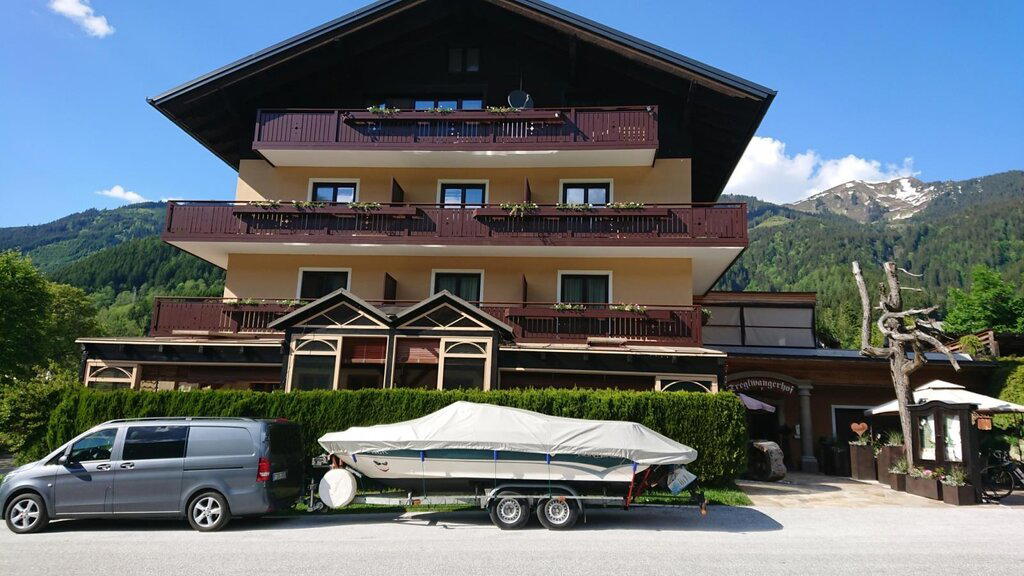
A Valley That Still Feeds Itself
Styria's interior, east of the Niedere Tauern range, operates on a different register from the polished alpine resort dining that defines Austria's better-publicised restaurant circuit. The Paltental valley, which holds the scattered settlements around Gaishorn am See, is agricultural territory: managed forests, upland pasture, and farms that have supplied local tables not as a marketing concept but as a structural fact of life in a region where supply chains were, for most of their history, defined by what the surrounding hillsides could produce. Treglwangerhof, addressed at Treglwang 5 in the hamlet of Treglwang, sits within that tradition rather than borrowing from it.
This matters because the question of ingredient sourcing in Austrian rural dining is more consequential than it tends to be in urban contexts. In Vienna or Graz, a kitchen's decision to source from regional farms represents a deliberate philosophical choice made against a backdrop of accessible alternatives. In a valley like the Paltental, the relationship between a property and its agricultural surroundings is often constitutive: the land shapes what ends up on the table because proximity, seasonality, and local knowledge are the operating conditions, not optional add-ons. For context on how Austria's upper-end kitchens handle regional sourcing as a deliberate programme, Steirereck im Stadtpark in Vienna and Döllerer in Golling an der Salzach both treat supplier relationships as core to their identity and have documented them publicly.
The Styrian Agricultural Context
Styria is Austria's most agriculturally diverse federal state, producing everything from pumpkin seed oil, pressed from Styrian oil pumpkins and protected under EU geographical indication, to beef, lamb, freshwater fish, and a breadth of forest produce that includes mushrooms, game, and wild herbs across different elevations and seasons. The province also has an active wine culture in its southern and eastern reaches, though the Paltental valley sits in the mountainous interior, removed from the wine-growing zones closer to the Slovenian border.
What this means in practice for a property like Treglwangerhof is that the raw material base is genuinely strong. Alpine meadow-grazed beef and dairy carry flavour profiles that are seasonally variable and elevation-dependent in ways that intensively farmed equivalents are not. Freshwater sources in the region support trout and other fish with short supply chains. Forest and field edges at these altitudes shift the seasonal calendar relative to lower-lying Austrian regions, compressing summer abundance and extending the period in which preserved, cured, and fermented produce plays a structural role in the kitchen. These are the conditions under which the cooking tradition of Austria's mountain interior developed, and they remain the conditions that define what an honest Styrian rural table looks like.
Comparable rural Austrian properties that have built recognised programmes around similar sourcing conditions include Obauer in Werfen, Landhaus Bacher in Mautern an der Donau, and Kräuterreich by Vitus Winkler in Sankt Veit im Pongau. Each of those kitchens has publicly documented its supplier relationships and seasonal sourcing approach, and each operates within a few hours' drive of Gaishorn am See across comparable alpine terrain.
Placing Treglwangerhof in the Austrian Rural Dining Map
Austria's rural dining scene has, over the past decade, split into two broadly distinguishable cohorts. The first is the alpine resort tier: kitchens attached to ski destinations, carrying Michelin recognition and pricing at levels consistent with European destination dining. Gourmetrestaurant Tannenhof in Sankt Anton am Arlberg, Griggeler Stuba in Lech, and Stüva in Ischgl all operate in this bracket, where the guest base skews international and seasonal revenue is concentrated in winter sport periods.
The second cohort is less visible externally but more representative of what Austrian rural hospitality actually looks like: farm-anchored properties in agricultural valleys, serving regional cuisine to a guest base that is predominantly domestic, and operating on a calendar defined by harvest and livestock cycles rather than ski lift openings. Treglwangerhof's address in Treglwang places it structurally in this second cohort. The hamlet is not a resort destination. It is a working valley, and the hospitality that operates there carries a different set of assumptions about what a meal is for and where its components come from.
For those building an itinerary around Styrian dining more broadly, Artis in Graz represents the urban end of the province's dining scene, while properties in neighbouring regions such as Taubenkobel in Schützen am Gebirge and Ois in Neufelden illustrate how farm-connected Austrian dining operates across different geographic and culinary registers. The contrast with international reference points, whether Le Bernardin in New York City or Atomix in New York City, underscores how distinctly place-specific Austrian rural dining remains.
Planning a Visit
Gaishorn am See is accessible by road from Leoben to the southeast and from the Phyrn motorway corridor that connects Linz and Graz, with the valley requiring a turn off the main routes and a drive through agricultural terrain that serves as a reasonable orientation to what the area actually looks like. The nearest significant rail junction is Selzthal, from which local connections serve the valley. Visitors travelling from Vienna should allow roughly two hours by car; from Graz, the drive is closer to ninety minutes. Given the rural location and the property's farm-anchored character, advance contact to confirm current operating hours, availability, and any seasonal closures is strongly advisable before making a dedicated journey.
For those whose Austrian rural dining itinerary extends further, the Salzburg region offers reference points at Ikarus in Salzburg and Atelier Fischer in Sankt Gilgen, while Schwarzer Adler in Hall in Tirol and Restaurant 141 by Joachim Jaud in Mieming anchor the Tyrolean end of the spectrum. Taken together, these properties trace the arc of Austrian regional cooking from its most formally ambitious expressions to its most grounded, and Treglwangerhof's position in the Paltental valley places it closer to the latter end of that range.
Side-by-Side Snapshot
Comparable venues nearby, for context on price, style, and recognition.
| Venue | Cuisine | Price | Notes |
|---|---|---|---|
| TreglwangerhofThis venue — the venue you are viewing | Austrian-French Seasonal Gourmet | $$$ | Not listed |
| G'Schlössl Murtal | Regional Styrian Austrian | $$$ | Lobmingtal |
| Seehotel Grüner Baum | Austrian with Mediterranean Influences | $$$ | Marktplatz |
| Bruckner's im Brucknerhaus Linz | Modern Austrian with International Influences | $$$ | Danube Park |
| Pehab | Regional Austrian Seasonal | $$$ | Ramsau am Dachstein |
| Claus Curn | Innovative Austrian | $$$ | Adamstal |
Continue exploring
More in Gaishorn Am See
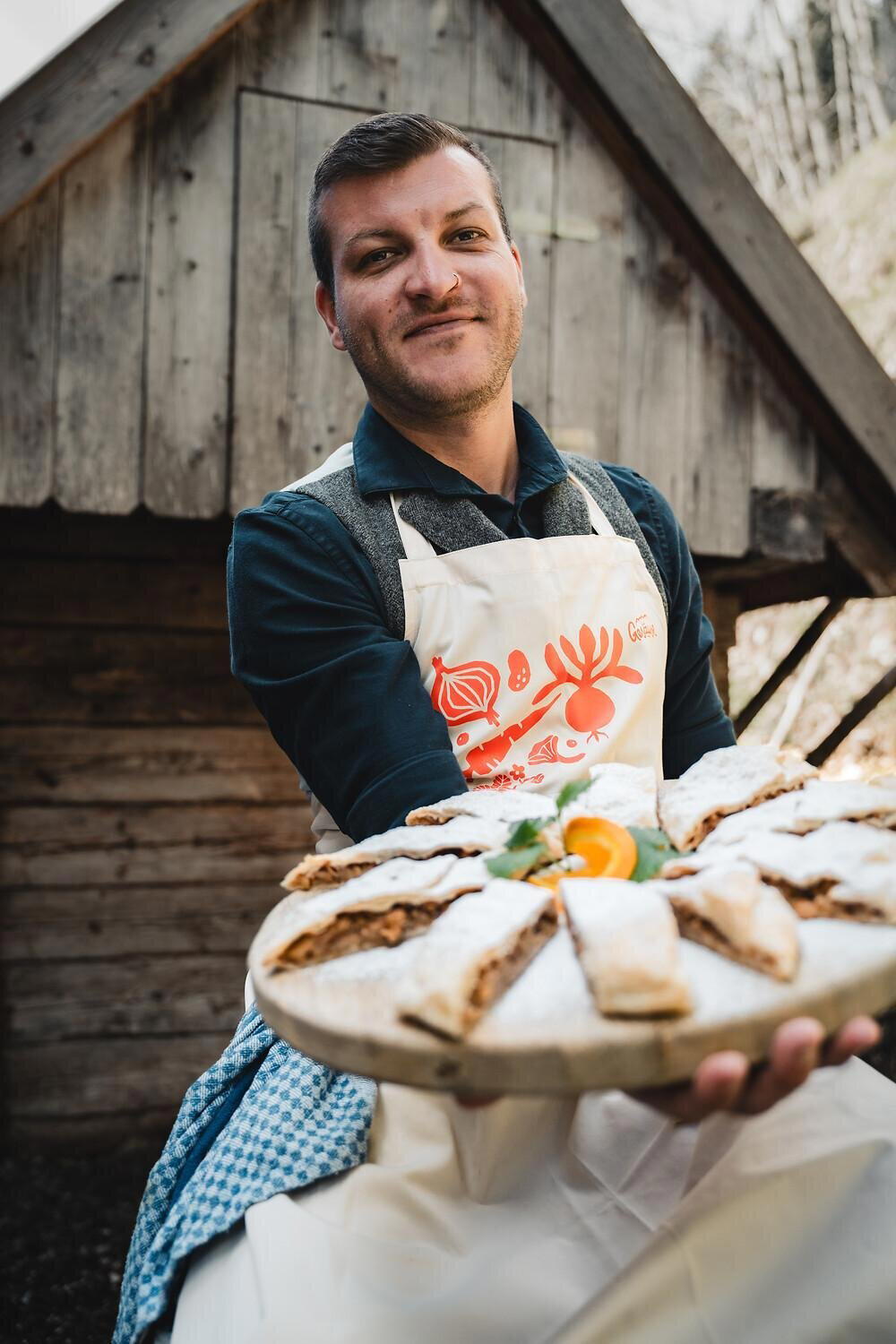
Restaurants in Gaishorn Am See
Browse all →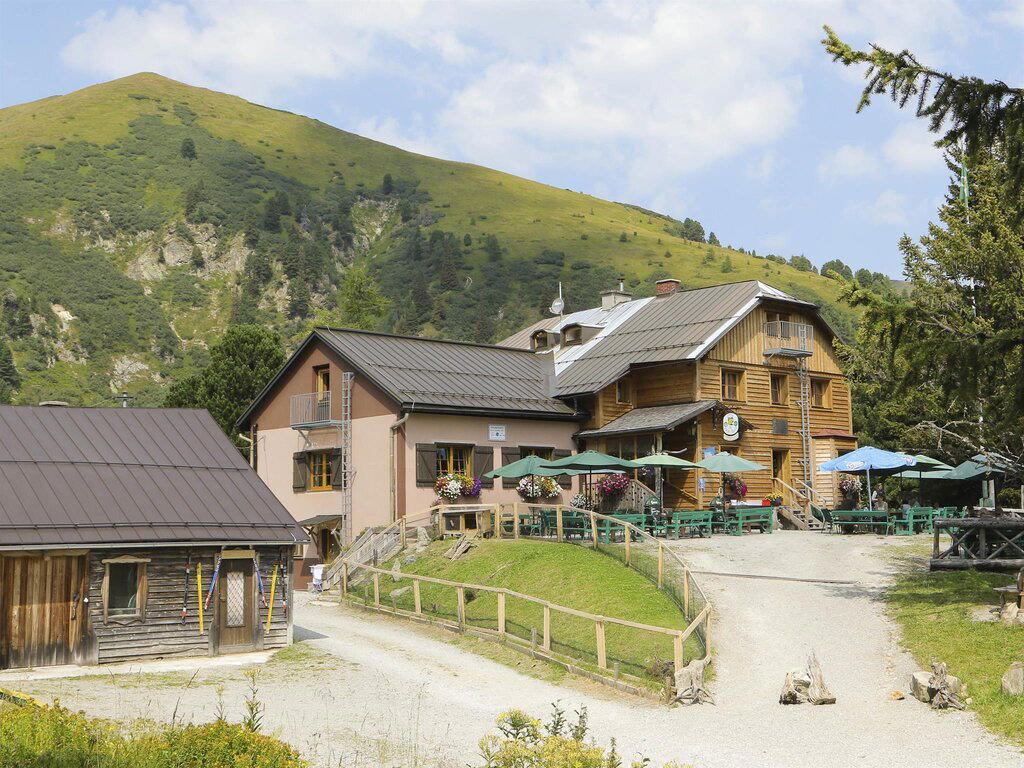
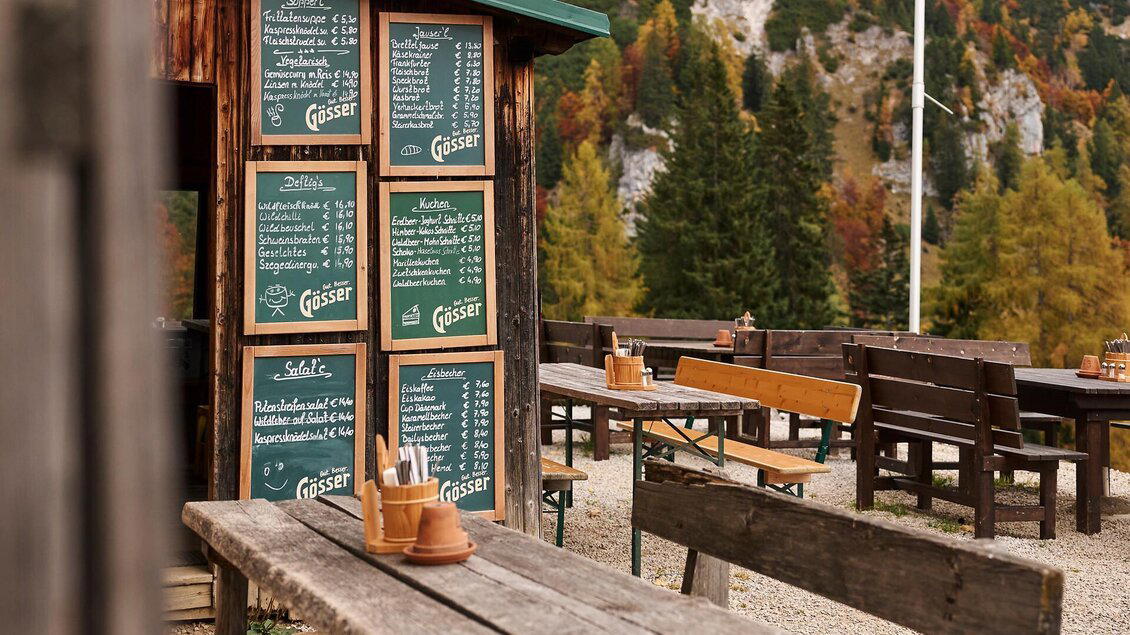
Hotels in Gaishorn Am See
Browse all →
At a Glance
- Rustic
- Cozy
- Scenic
- Special Occasion
- Family
- Historic Building
- Extensive Wine List
- Local Sourcing
- Mountain
Current opening hours
- Monday
- 11:30 AM–2 PM, 5:30–10 PM
- Tuesday
- 11:30 AM–2 PM, 5:30–10 PM
- Wednesday
- Closed
- Thursday
- 5:30–10 PM
- Friday
- 11:30 AM–2 PM, 5:30–10 PM
- Saturday
- 11:30 AM–2 PM, 5:30–10 PM
- Sunday
- 11:30 AM–2 PM, 5:30–10 PM
Hours can change for holidays and private events. Last verified .
Rustic Landhausstil with wood, soft colors, real flowers, tiled stove, and winter garden creating a cozy, inviting atmosphere.