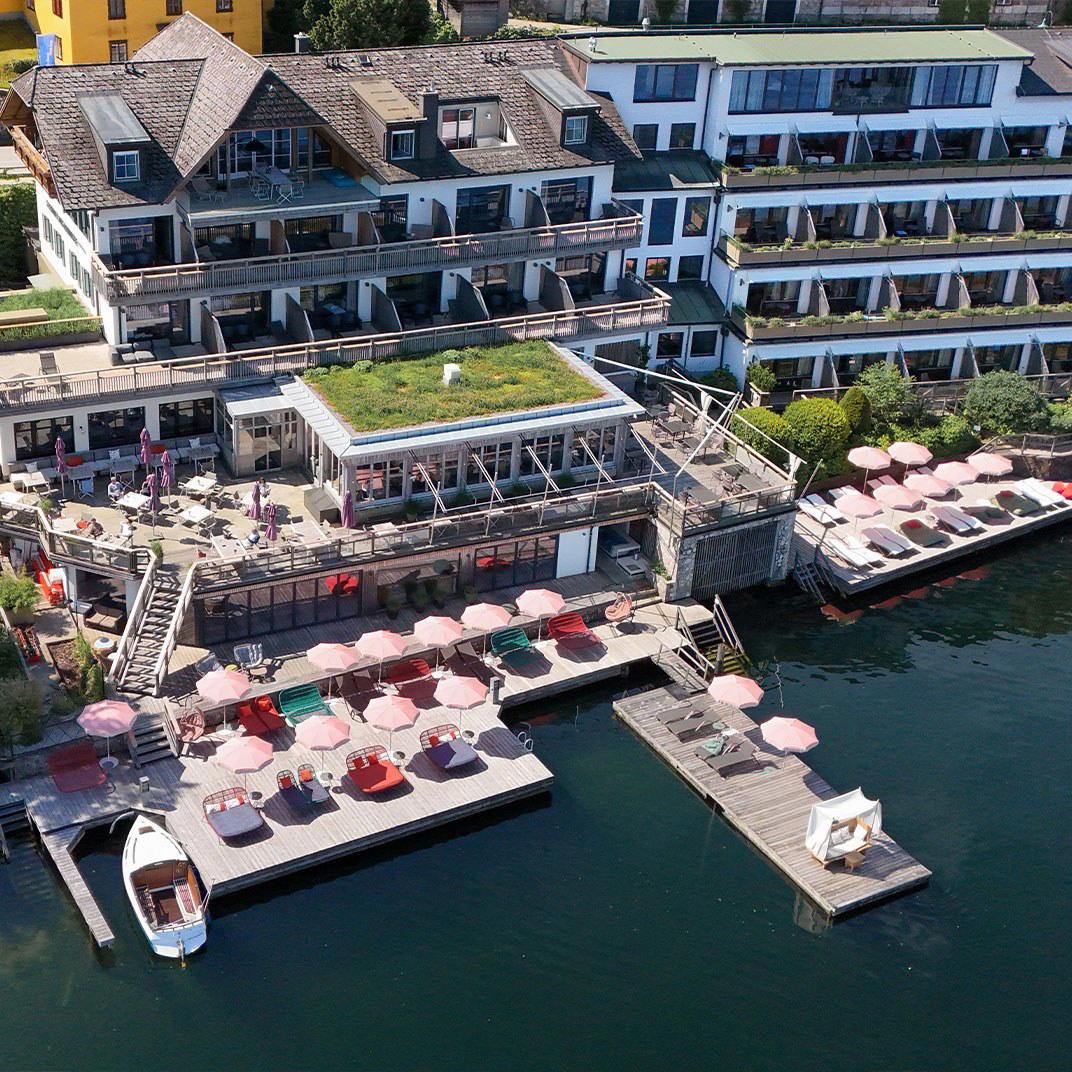
On Hallstatt's market square, Seehotel Grüner Baum occupies among the more photographed waterfronts in the Austrian Alps, where lake and limestone mountain meet at the edge of a UNESCO-listed village. Dining here means sitting inside a tradition of lakeside hospitality that predates modern tourism, the kind of setting where the meal's pacing is shaped as much by the view as by what arrives at the table.
Pearl is the En Primeur Club membership app — saves, bookings, and concierge access live there. Same editors, same standards.
- Address
- Marktpl. 104, 4830 Hallstatt, Austria
- Phone
- +43613482630
- Website
- gruenerbaum.cc
- Directions
- Get directions
 Saves & bookings on Pearl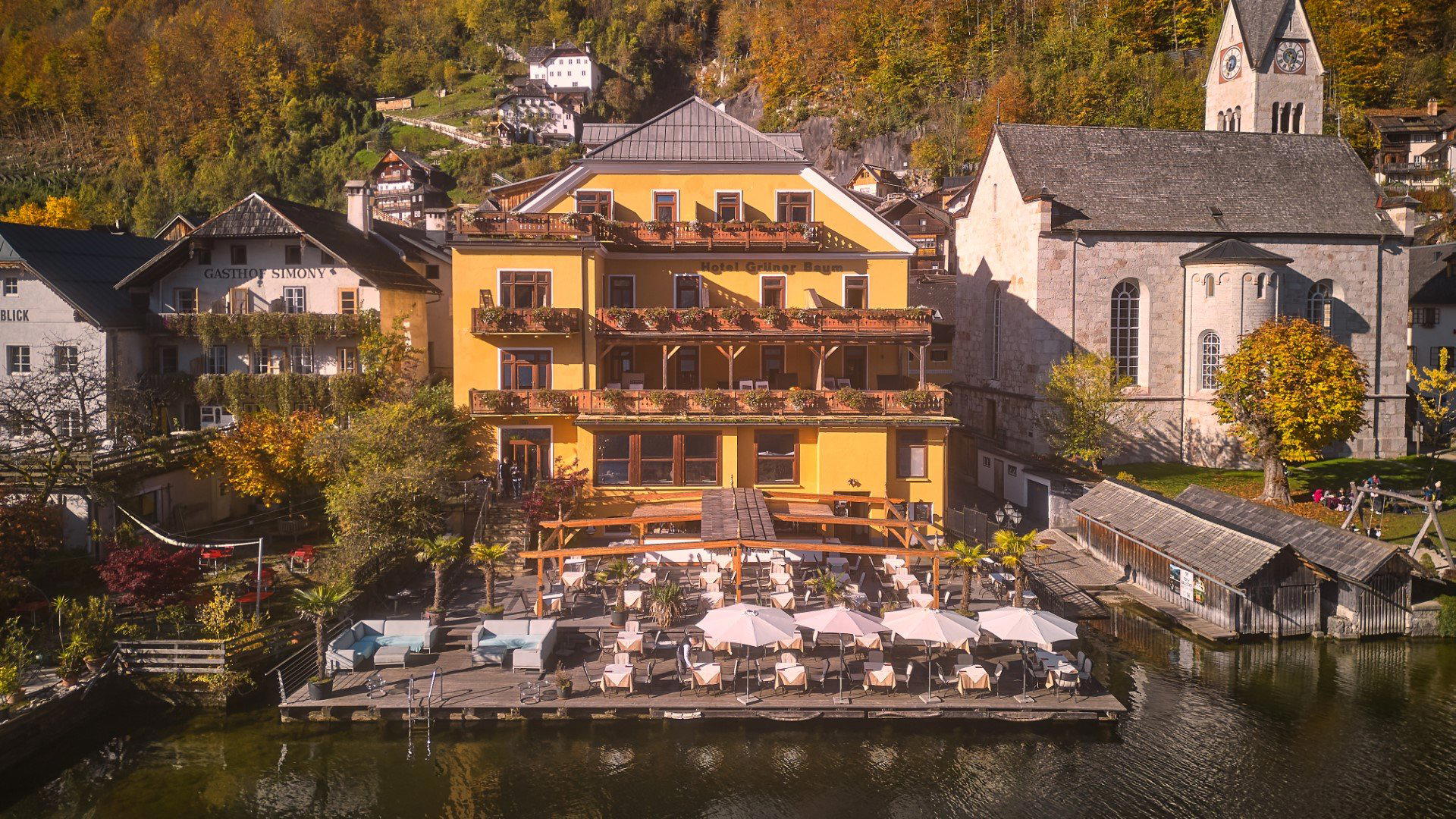
Where the Lake Sets the Tempo
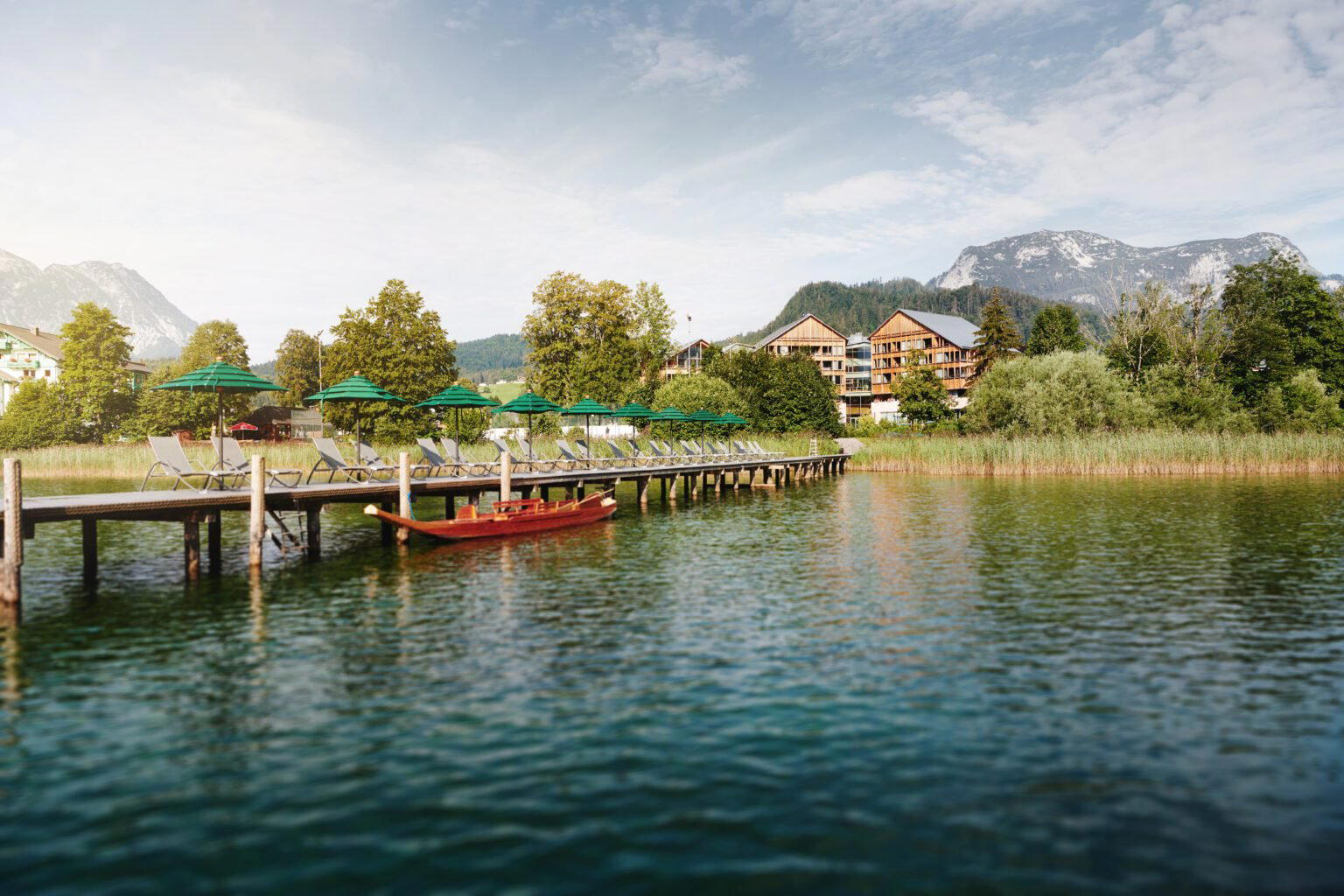
Hallstatt is the kind of place that stops people mid-sentence. The village clings to the western bank of the Hallstätter See with the Dachstein massif rising directly behind it, and the market square, Marktplatz, sits at its compressed, photogenic heart. Seehotel Grüner Baum occupies a prominent position on that square, at address Marktpl. 104, in Hallstatt, Austria, which places it within metres of the waterfront and at the centre of what passes for civic life in a village of fewer than 800 permanent residents. In a location this compressed, proximity to the lake is not a detail, it is the defining condition of the experience.
The broader dining tradition in Alpine lakeside settings like this one operates on a rhythm that differs from urban restaurant culture. Meals are longer, transitions between courses are unhurried, and the relationship between indoor dining room and outdoor terrace shifts with weather and season. Guests arriving from Salzburg (roughly 75 kilometres to the northwest, accessible by train and ferry via Bad Ischl) or from the Hallstatt-Lahn ferry crossing from the train station on the eastern shore tend to arrive with the decompressed mindset that journey into this valley requires. That mindset suits the format here.
The Ritual of an Alpine Lakeside Meal
Austrian lakeside dining has its own etiquette, and it differs in texture from the mountain Stuben tradition found further west. Where venues like Griggeler Stuba in Lech or Stüva in Ischgl operate within an enclosed, candlelit Alpine register, lakeside settings invite a more open tempo, meals that begin in afternoon light and extend into dusk, or breakfast services that let the morning mist on the water do half the work. The Salzkammergut region, of which Hallstatt is one visited point, has sustained this mode of hospitality for well over a century, predating the UNESCO World Heritage designation the area received in 1997.
At this tier of the market, the dining ritual is shaped less by a tasting-menu format and more by the classical Austrian gasthof sequence: regional ingredients, direct preparations, and a service pace calibrated to the surroundings. The Salzkammergut kitchen draws on freshwater fish from the lake system, particularly char and trout, alongside game, dairy, and cured meats from the surrounding hills. These are not the precision-plated compositions you find at Steirereck im Stadtpark in Vienna or the Michelin-tracked ambition of Obauer in Werfen, but they occupy a different and legitimate position in Austrian dining culture: the well-executed regional table, where the setting and tradition carry as much weight as what arrives on the plate.
Hallstatt's Dining Context
The village has a small but layered dining offer given its size and visitor volume. Seewirt - Zauner represents the established local competition on the waterfront, while Marketbeisl zur Ruth operates in a more casual register on the same square. Karmez Kebab handles the quick-service end of the market. Seehotel Grüner Baum, as its name signals, operates as a hotel dining property, which in the Austrian tradition typically means a more complete meal arc: breakfast, lunch service for non-guests, and dinner for residents and walk-ins alike.
The hotel format also matters for how you plan a visit. Guests staying on-site can treat dinner as a continuation of the day rather than a separate booking exercise, a meaningful advantage in a village where table availability in high season (July through August, and increasingly October for the autumn foliage draw) compresses quickly. Day-trippers, who arrive in substantial numbers on the morning ferry and depart by late afternoon, thin out by early evening, which shifts the dinner hour into a quieter register.
Placing Grüner Baum in the Wider Austrian Register
Austria's dining geography separates more sharply than visitors often expect. The Michelin-starred tier, venues like Ikarus in Salzburg, Döllerer in Golling an der Salzach, Kräuterreich by Vitus Winkler in Sankt Veit im Pongau, or Landhaus Bacher in Mautern an der Donau, requires deliberate detours and advance planning. Venues like Gourmetrestaurant Tannenhof in Sankt Anton am Arlberg, Schwarzer Adler in Hall in Tirol, Ois in Neufelden, and Restaurant 141 by Joachim Jaud in Mieming occupy a mid-register that combines regional ambition with accessible formats. Seehotel Grüner Baum sits in a different tier entirely: the classic Austrian Seehotel, where the value proposition is location fidelity and regional tradition rather than culinary technique at its limit.
This is not a criticism. The gasthof-hotel category in Austria has its own integrity, and Hallstatt is one of the few locations where the setting argument genuinely outweighs the kitchen argument for most visitors. Eating lakeside in the Salzkammergut, against a backdrop that has drawn artists, writers, and early tourists since the Romantic period, is a structurally different experience from a comparable meal in a suburban dining room. The same principle applies, at a much higher technical register, to destination tables globally: context shapes perception. Le Bernardin in New York City or Atomix in New York City operate where the room and the cooking are inseparable from the city's dining identity. Grüner Baum operates where the lake and the mountain are doing comparable work.
Planning a Visit
Hallstatt is accessible by car via the B166 from Bad Ischl, though parking is controlled and limited inside the village. Particularly atmospheric arrival is by train to Hallstatt Bahnhof on the eastern shore, followed by a five-minute ferry crossing to the market square, which deposits you within direct sight of the restaurant's position at Marktpl. 104. High season runs from late June through September, with October drawing visitors for autumn colour. Spring shoulder season (April to early June) offers quieter conditions and the lake at its clearest.
Cuisine and Recognition
Comparable venues nearby, for context on price, style, and recognition.
| Venue | Cuisine | Price | Notes |
|---|---|---|---|
| Seehotel Grüner BaumThis venue — the venue you are viewing | Austrian with Mediterranean Influences | $$$ | Not listed |
| Marketbeisl zur Ruth | Traditional Austrian Café & Bar | $$ | Marktplatz |
| Seewirt - Zauner | Austrian Alpine Seafood & Game | $$ | Marktplatz (Market Square) |
| Karmez Kebab | Turkish Kebabs | $ | Landungsplatz |
| Edelweiß Mountain Cuisine | Austrian Mountain Cuisine with Pizza | $$$ | Grossarl |
| Almhof | Alpine Hut Cuisine with International Flair | $$$ | Maria Alm am Steinernen Meer |
Continue exploring
More in Hallstatt
Restaurants in Hallstatt
Browse all →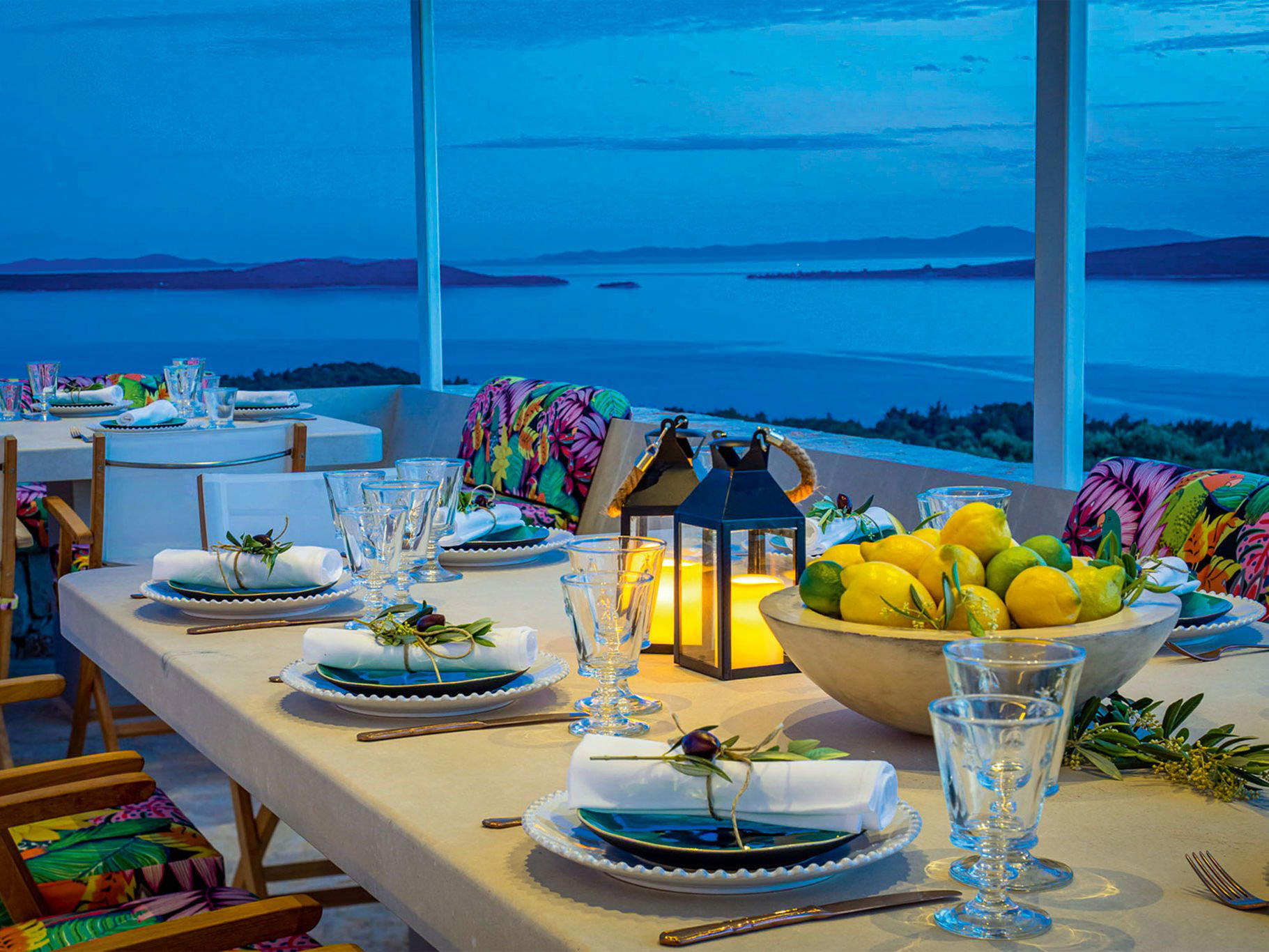
Bars in Hallstatt
Browse all →

At a Glance
- Scenic
- Romantic
- Classic
- Elegant
- Quiet
- Date Night
- Special Occasion
- Hotel Restaurant
- Terrace
- Waterfront
- Historic Building
- Extensive Wine List
- Local Sourcing
- Waterfront
- Mountain
Classic and elegant with a scenic, historic atmosphere and a relaxed lakeside feel.