Pehab Dachstein Spa
Our verdict
Current identity verified as Pehab Dachstein Spa.

Pearl is the En Primeur Club membership app, where members save venues, book tables and use the concierge.
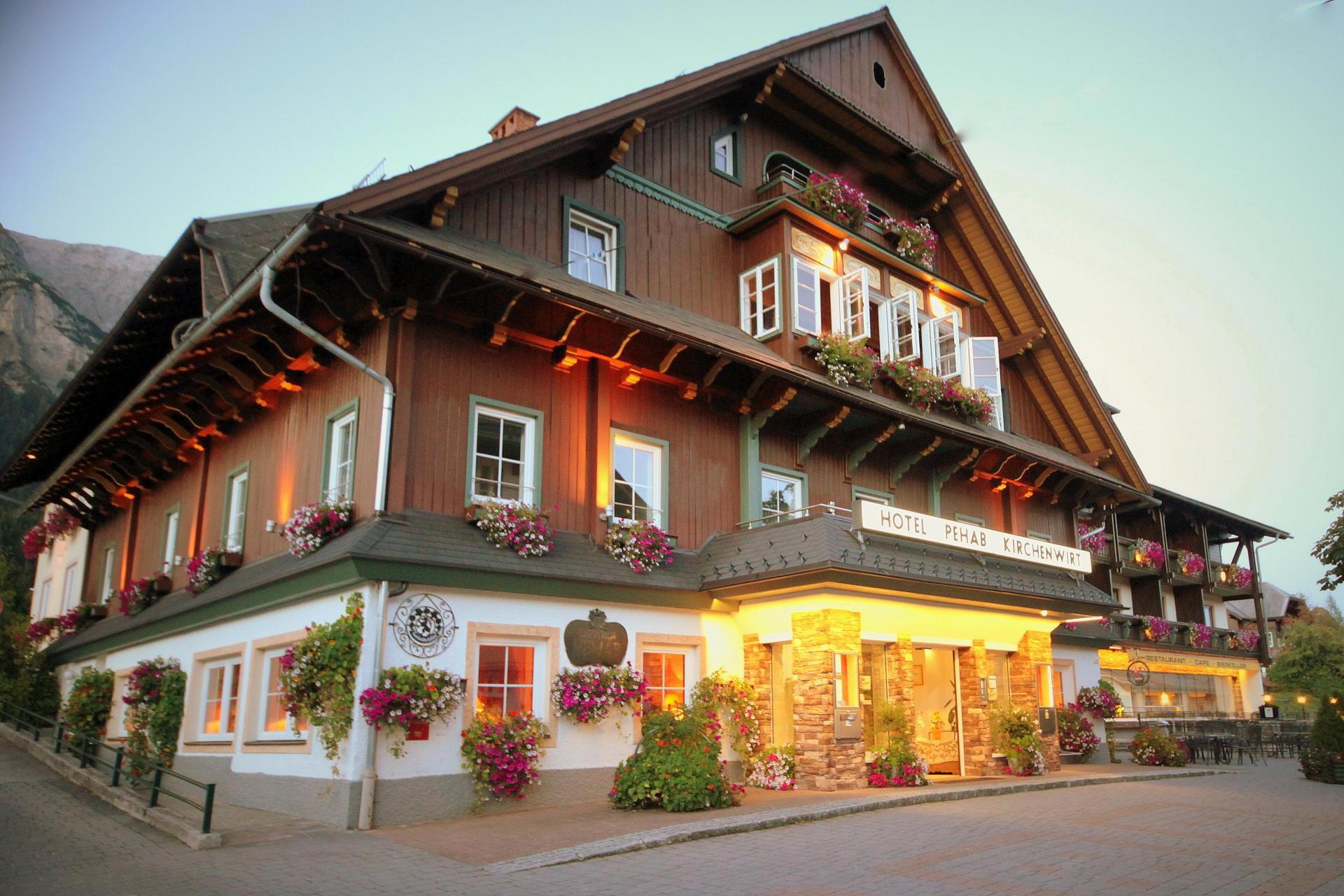
Where the Dachstein Plateau Meets the Village Table
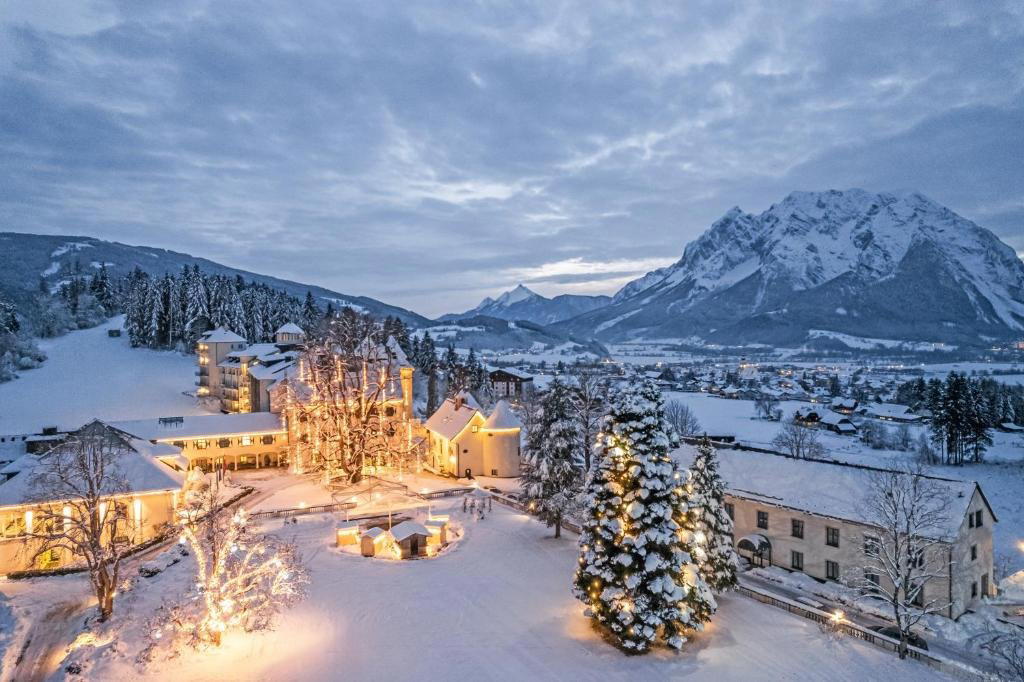
Ramsau am Dachstein sits at roughly 1,100 metres in the Styrian Alps, on a high plateau that looks directly across at the Dachstein glacier. It is a village built around a single economy: the mountain. Hiking trails fan out from the centre, ski lifts serve the Reiteralm and Hochwurzen pistes, and the restaurants that have survived here over decades have done so by feeding people who come for the altitude, not the food scene. That makes Pehab, at Ramsau 62, an address worth pausing on. In a village where most dining options trend toward post-hike sustenance, a place that holds a fixed address across seasons occupies a different position in the local order.
The address places Pehab inside the village core rather than on a remote alm track, which shapes everything about the experience. Alpine dining in Austria has traditionally split between valley-floor gasthofs, where comfort and volume dominate, and mountain-hut operations, where the kitchen is constrained by altitude and supply logistics. Ramsau’s dining cluster, which includes Ennstalerhof, Gasthof Hunerkogel, and Brandalm, reflects that split. Village-level establishments benefit from year-round supply chains and the ability to maintain a consistent kitchen standard across winter and summer seasons. Pehab operates from within that advantage.
The Styrian Context: What This Region Means for the Table
Styria’s food identity is one of the more coherent regional cuisines in Austria. Pumpkin seed oil from the Steiermark carries protected designation of origin status, and its use as a finishing element on salads, soups, and even desserts is a regional signature rather than a stylistic flourish. Beef from Styrian farms, freshwater fish from alpine streams, and foraged mushrooms from the surrounding forests give the regional kitchen a larder that is both specific and seasonal. The broader Austrian alpine dining scene, from Obauer in Werfen to Döllerer in Golling an der Salzach, has demonstrated over two decades that serious cooking is compatible with mountain addresses. Ramsau sits at the lower end of that ambition spectrum, but the raw ingredients available to any kitchen here are not modest.
That regional ingredient base matters because it determines what a village-level kitchen can reasonably achieve. Operations like Kräuterreich by Vitus Winkler in Sankt Veit im Pongau and Gourmetrestaurant Tannenhof in Sankt Anton am Arlberg have shown that alpine addresses with genuine kitchen discipline can compete on a national level. Ramsau has not yet produced that tier of destination restaurant, but the presence of fixed, year-round addresses like Pehab means the infrastructure for it exists at a foundational level.
Ramsau’s Dining Pattern and Where Pehab Fits
In most small alpine villages, the dining pattern follows a predictable arc: breakfast at the hotel, lunch on the mountain, dinner at the nearest gasthof with a full menu and a beer list. Ramsau is no exception. The village’s operations, including Knoll Lift-Stüberl and Guttenberghaus, serve that arc at different points along the day and the altitude. Within that pattern, the address at Ramsau 62 positions Pehab as a village-level dinner and lunch option, accessible on foot from several accommodation clusters and not requiring a drive up a mountain track.
For travellers arriving in the Ramsau area, the broader Styrian and Salzkammergut restaurant circuit extends the options considerably. Landhaus Bacher in Mautern an der Donau and Ois in Neufelden represent the longer-distance but higher-ambition alternatives for those willing to drive. Within the village itself, though, the concentrated set of addresses means most visitors eat where they sleep or walk to the nearest lit sign. Pehab’s fixed address is its primary competitive asset in that context.
Placing Ramsau in the Wider Austrian Alpine Circuit
Austria’s alpine dining circuit now spans a wide range of price points and ambition levels. At the leading end, operations with national recognition, including Steirereck im Stadtpark in Vienna and Ikarus in Salzburg, anchor the country’s fine dining conversation. Below that, a middle tier of regionally serious kitchens, including Griggeler Stuba in Lech and Restaurant 141 by Joachim Jaud in Mieming, have built reputations that draw guests specifically for the food rather than the mountain access. Ramsau’s dining cluster, including Pehab, operates in a third tier: places where the primary draw remains the landscape and the activity, and the kitchen serves that visitor profile rather than leading it.
That is not a criticism. The alpine dining tradition in central Europe has always produced its most interesting work at the intersection of necessity and local pride, kitchens that feed workers and walkers first, and refine from there. Some of Europe’s most technically accomplished regional cuisines began as gasthof cooking. The question for any village-level address is whether the kitchen treats local ingredients as a constraint or as a framework. In Ramsau, where the Dachstein forms the backdrop to every meal and the surrounding farms and forests supply a well-defined seasonal pantry, the framework is generous.
For readers planning time in the Schladming-Dachstein area, the full picture of the village’s options is in our full Ramsau am Dachstein restaurants guide. For reference points further afield, the contrast between Ramsau’s village-scale operations and destination-level urban restaurants like Le Bernardin in New York City or Atomix in New York City illustrates how differently place shapes a kitchen’s ambition and audience.
Planning Your Visit
Ramsau am Dachstein is accessible by car from Schladming in under fifteen minutes, and from Salzburg in approximately ninety minutes via the A10 and B320. The village runs two distinct seasons: the winter ski window from December through March, and the summer hiking and cycling season from June through September. Some village restaurants close in the shoulder months of April, May, and October, so confirming current opening status before travelling is worth the step. Pehab’s address at Ramsau 62 places it within the main village cluster, reachable on foot from most of the area’s guesthouses.
Frequently asked questions
Where exactly is Pehab?
Pehab is located at Ramsau 62, 8972 Ramsau am Dachstein, Austria.
Is Pehab a good dining option after hiking or skiing around the Dachstein?
Ramsau am Dachstein is accessible from Schladming in under fifteen minutes, making Pehab at Ramsau 62 a practical stop after activity on the plateau or glacier. The village's position in Styria connects it to a regional food culture built around hearty alpine ingredients, which tends to suit post-mountain appetites. Current hours are not listed in the record, so checking availability on the day is recommended.
What dish is Pehab famous for?
Specific signature dishes are not documented in the record for Pehab.
Should I book Pehab in advance?
Ramsau am Dachstein is a small alpine village with limited dining options, which concentrates demand at each address. During peak winter ski season and summer hiking months, securing a table ahead of arrival is the sensible approach. Contact details are not listed in the current record, so reaching out via the venue directly or through local accommodation is one reliable route.
What makes Pehab worth seeking out?
Pehab sits at Ramsau 62, on a high plateau facing the Dachstein glacier, placing it within one of Austria's more scenically specific dining settings. Ramsau is a small village with a short list of restaurants, so each address carries more weight within the local circuit than it might in a larger town. Styrian cuisine has one of the more defined regional identities in Austrian cooking, which gives kitchens in this area a coherent larder to draw from.
Do they accommodate allergies at Pehab?
Allergy and dietary accommodation policies for Pehab are not on record here.
A Lean Comparison
Comparable venues nearby, for context on price, style, and recognition.
| Venue | Cuisine | Price | Notes |
|---|---|---|---|
| PehabThis venue (the venue you are viewing) | Modern Regional Austrian | Not listed | Not listed |
| Rittisstadl | Traditional Austrian Alpine | $30–50 | Ramsau am Dachstein, Traditional Austrian Alpine |
| Knoll Lift-Stüberl | Traditional Austrian | Not listed | Ramsau am Dachstein, Traditional Austrian |
| Guttenberghaus | Traditional Austrian Alpine Hut Cuisine | Not listed | Ramsau am Dachstein, Traditional Austrian Alpine Hut Cuisine |
| Gasthof Hunerkogel | Traditional Austrian | Not listed | Ramsau am Dachstein, Traditional Austrian |
| Waldschenke Ramsau | Traditional Austrian | $20–30 | Ramsau Ort, Traditional Austrian |
Continue exploring
More in Ramsau Am Dachstein
Restaurants in Ramsau Am Dachstein
All restaurants in Ramsau Am Dachstein →
Bars in Ramsau Am Dachstein
Browse all →
Details
- Scenic
- Modern
- Quiet
- Cozy
- Sophisticated
- Special Occasion
- Date Night
- Family
- Hotel Restaurant
- Panoramic View
- Terrace
- Local Sourcing
- Mountain
- Set Menu
- Vegetarian Friendly
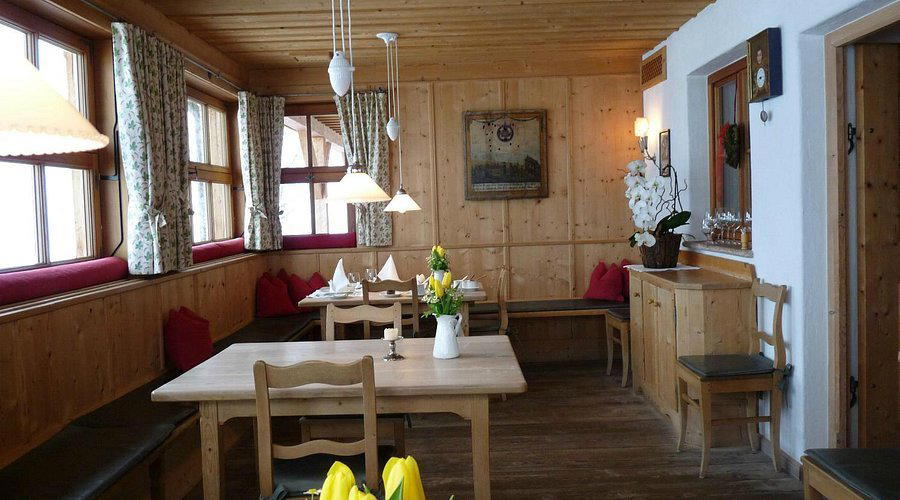
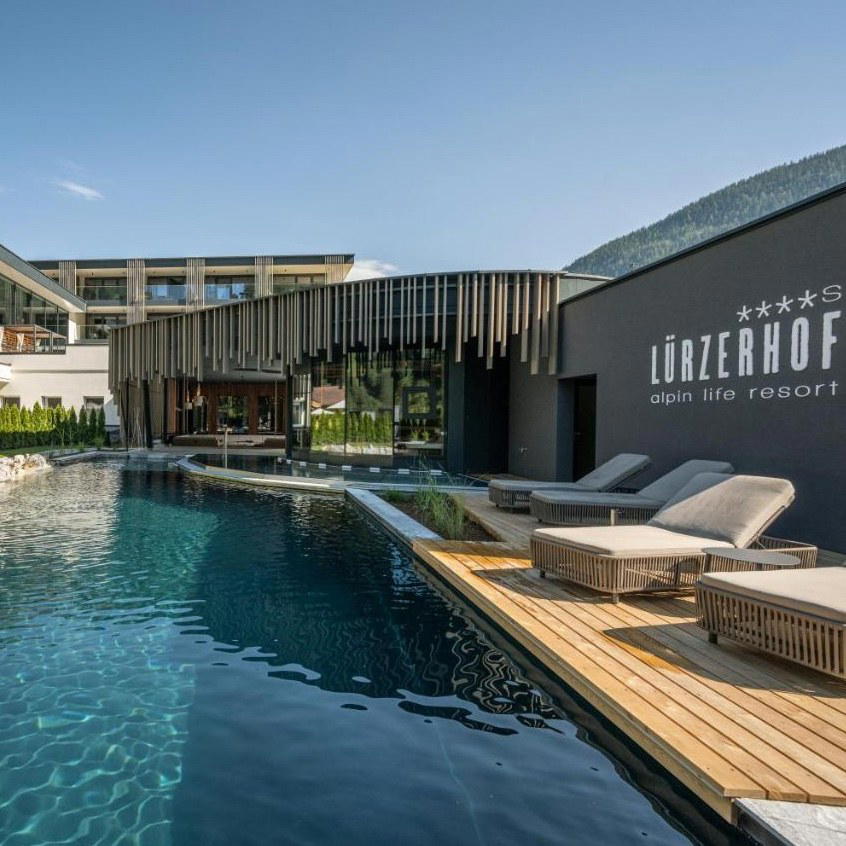
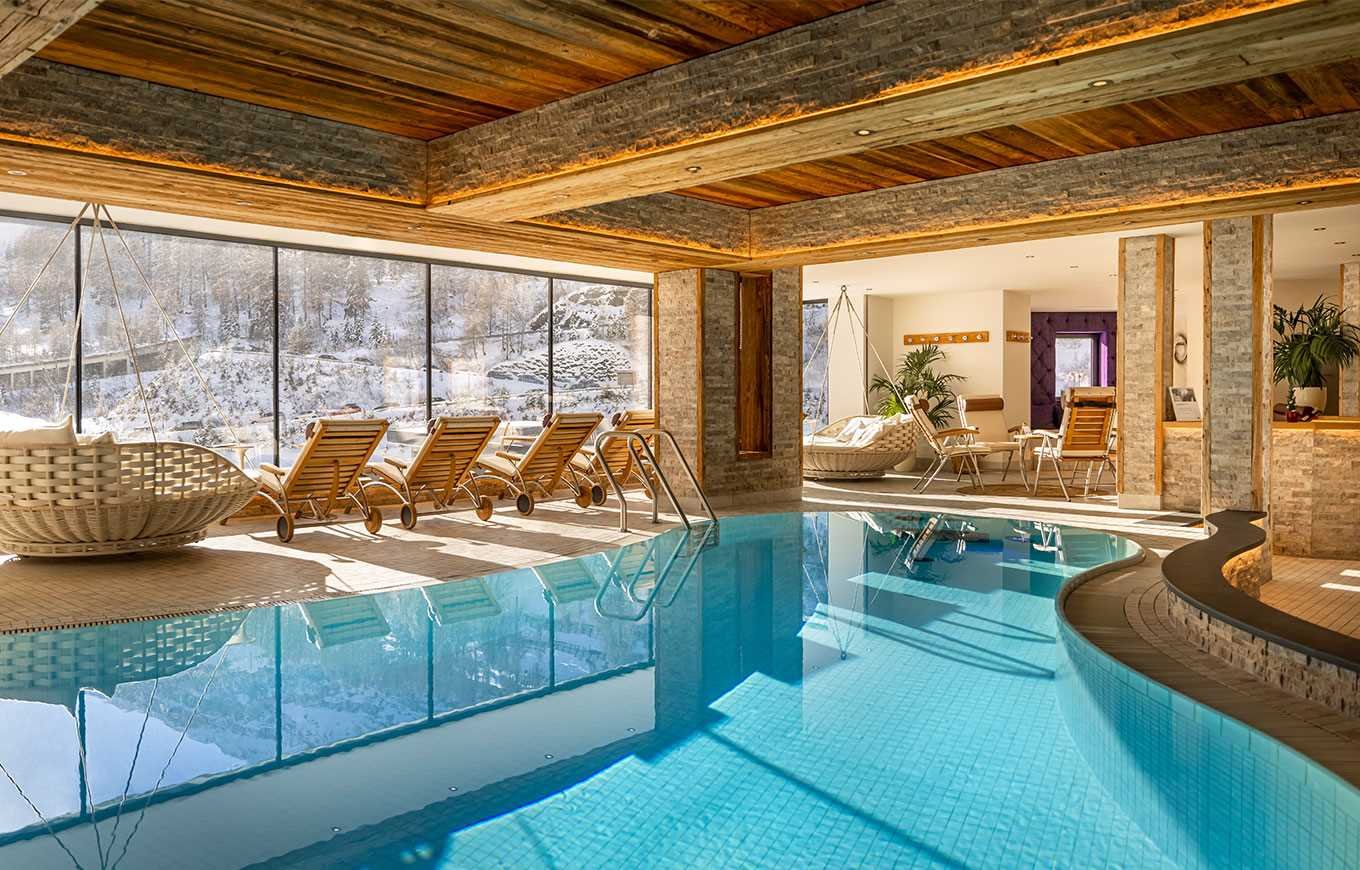
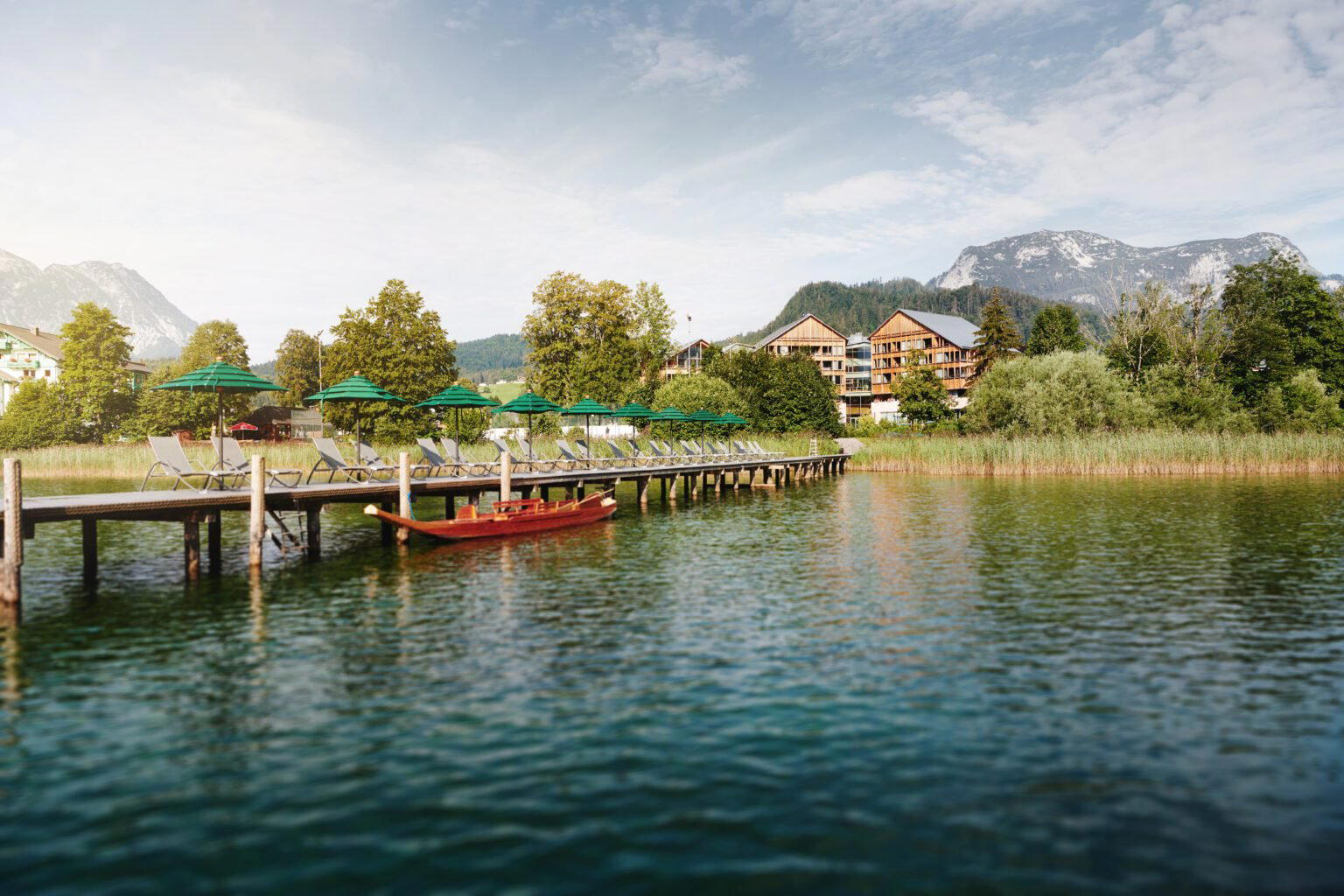
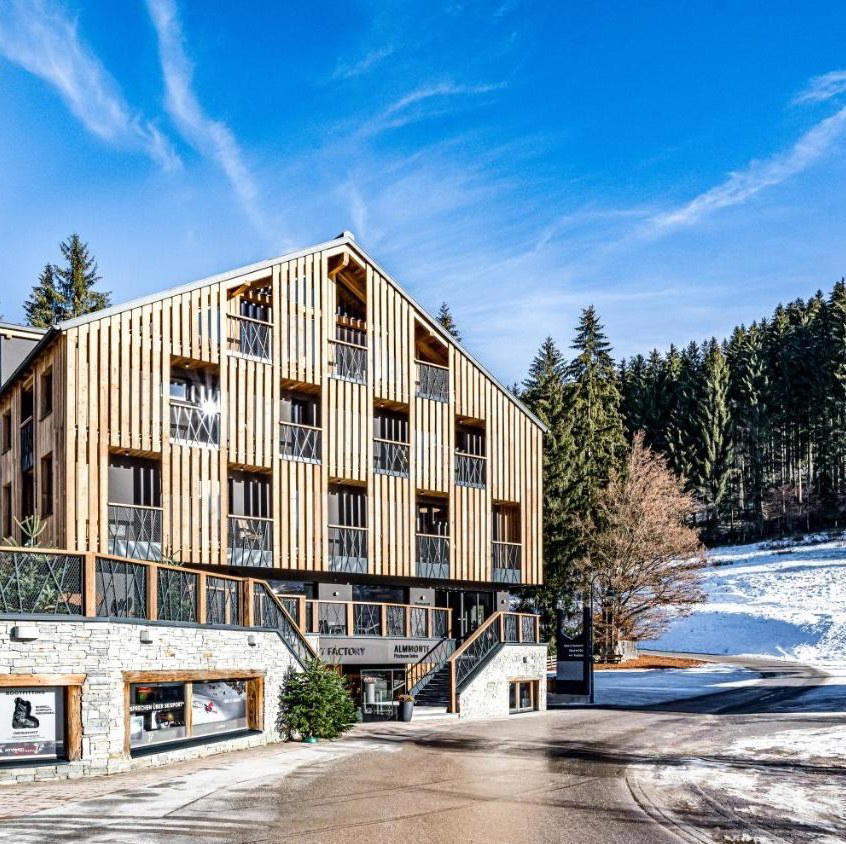
Quiet, alpine and wellness-oriented, with modern mountain-hotel comfort, panoramic Dachstein views and a relaxed retreat atmosphere.