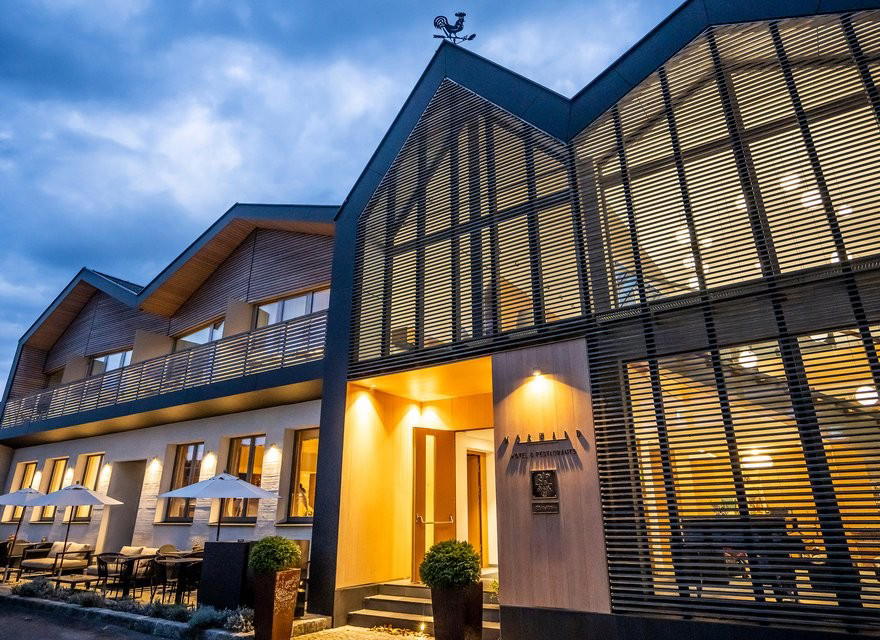
Claus Curn sits in Ramsau bei Hainfeld, a quiet Lower Austrian village in the Mostviertel foothills where farming rhythms and forest foraging still govern what ends up on the plate. The address alone, Gaupmannsgraben 21, signals a deliberate remove from urban dining circuits, placing it among a small cohort of Austrian country restaurants where provenance, not prestige, drives the kitchen's decisions. For context on the wider regional scene, see our full Ramsau restaurants guide.
Pearl is the En Primeur Club membership app — saves, bookings, and concierge access live there. Same editors, same standards.
- Address
- Gaupmannsgraben 21, 3172 Ramsau bei Hainfeld, Austria
- Phone
- +432764350020
- Website
- claus-curn.at
- Directions
- Get directions
 Saves & bookings on Pearl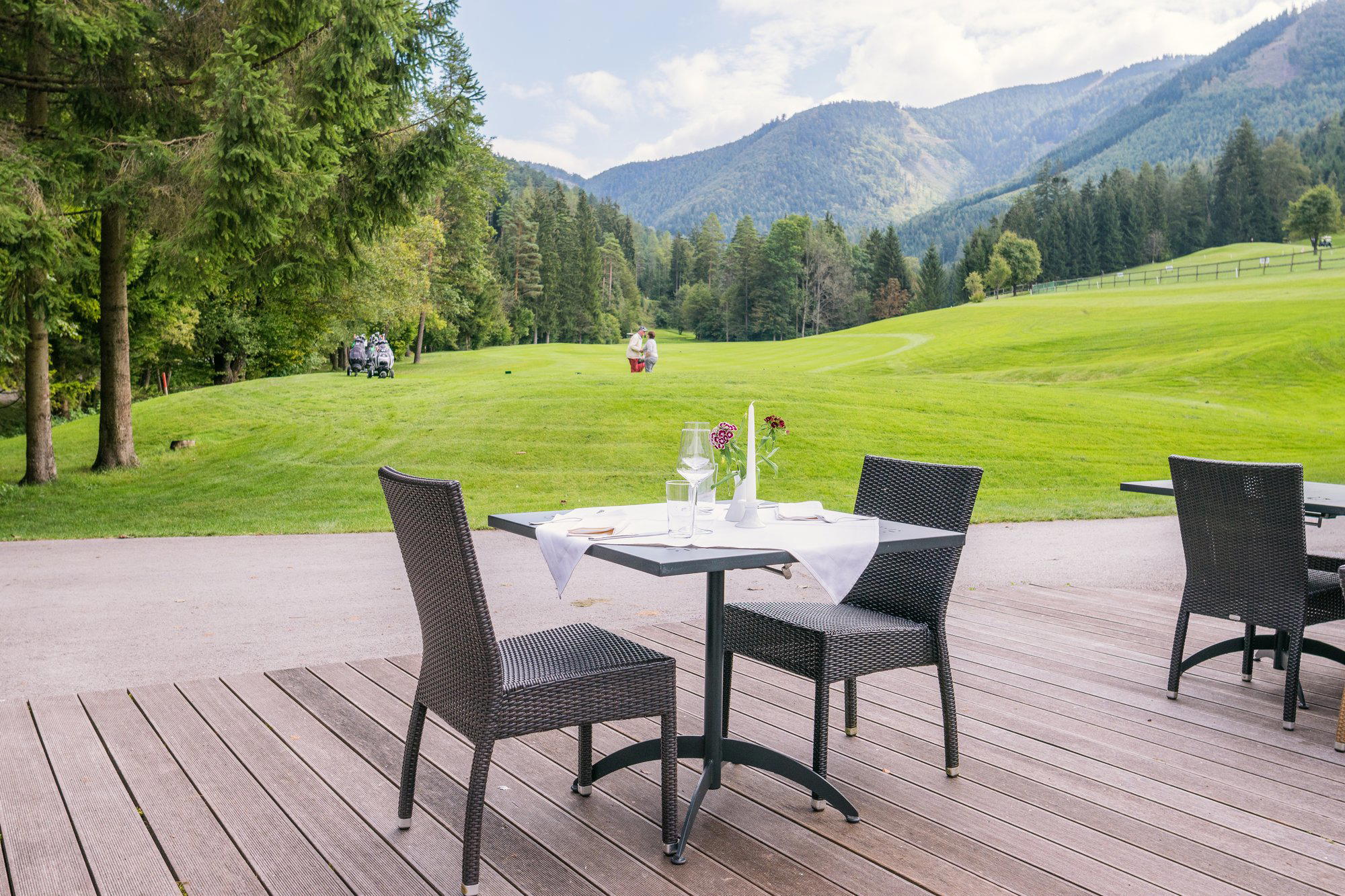
Where the Foothills Set the Menu
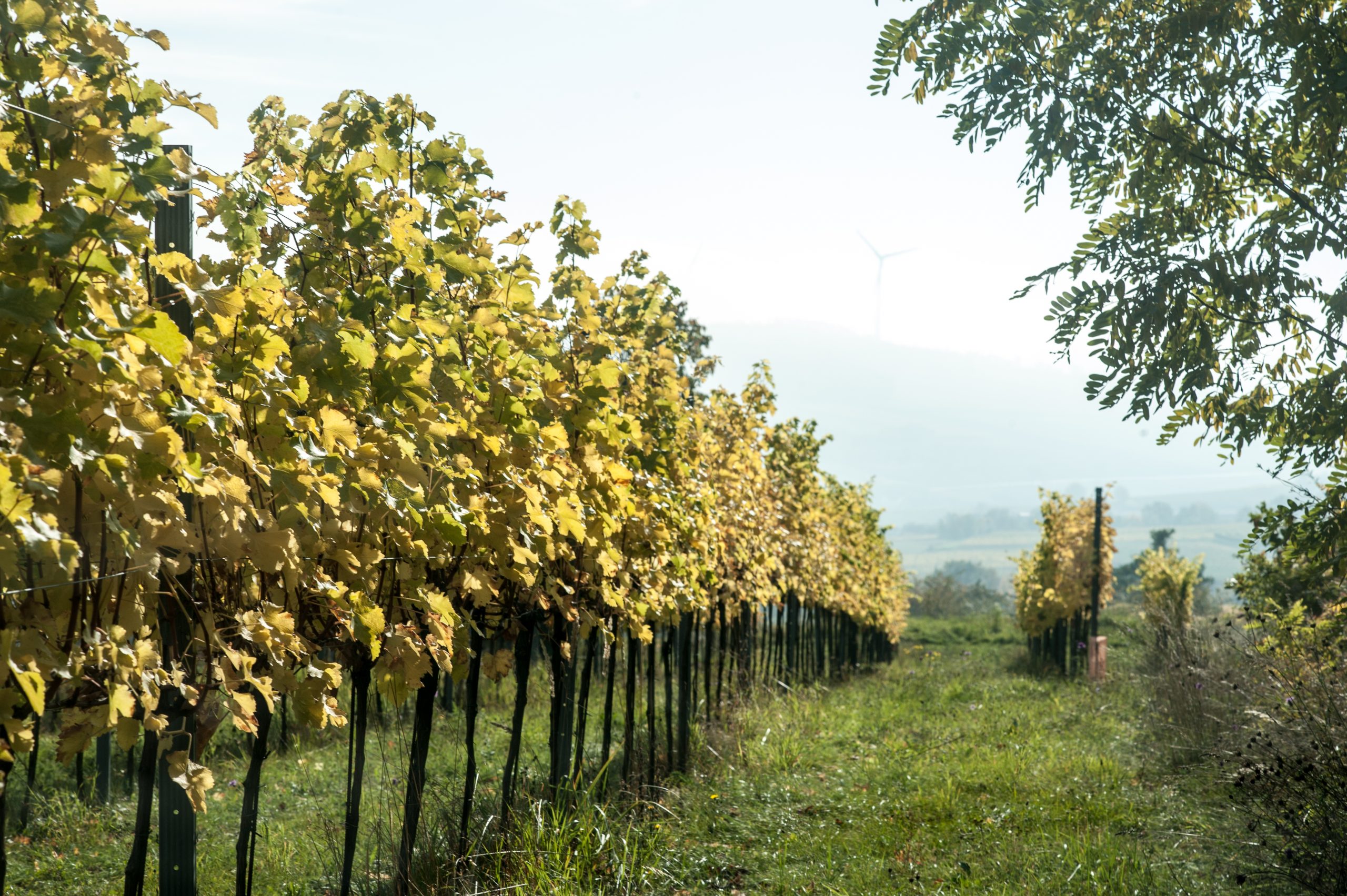
The road into Ramsau bei Hainfeld does not ease you in gradually. The village sits in the Mostviertel, a stretch of Lower Austria defined by apple and pear orchards, dense mixed woodland, and the kind of agricultural density that makes farm-to-table a geographic fact rather than a marketing posture. Claus Curn is an innovative Austrian restaurant in Ramsau bei Hainfeld with. By the time you reach Gaupmannsgraben 21, the address of Claus Curn, the surrounding land has already told you something about what the kitchen is likely to value. This is a part of Austria where the distance between source and plate is measured in walking minutes, not supply-chain days.
That context matters because the Mostviertel sits outside the main arc of Austrian fine dining recognition, which tends to concentrate in Vienna, Salzburg, and the alpine resort corridor. Establishments like Steirereck im Stadtpark in Vienna or Ikarus in Salzburg operate within dense urban food cultures, drawing on international networks and continuous critical attention. Country kitchens in Lower Austria's hill districts work from a different logic: the seasons are the menu architect, and what the surrounding terrain produces in a given week becomes the constraint that disciplines the cook.
The Sourcing Logic of Austrian Country Cooking
Across Austria's rural dining tradition, the ingredient-first approach is not a recent trend. It predates the farm-to-table vocabulary imported from American culinary discourse and connects directly to a regional Bürgerküche heritage in which what the land yields determines what is served. The Mostviertel's particular contribution to that tradition is its orchard culture: the region produces some of Austria's most characterful Mostbirne pears and cider apples, varieties that move through the kitchen in multiple forms across different seasons. Fermented, preserved, reduced, or raw, the orchard harvest gives Lower Austrian cooking a sourness and a sweetness that distinguishes it from the alpine dairy emphasis you find further west in venues like Gourmetrestaurant Tannenhof in Sankt Anton am Arlberg or Stüva in Ischgl.
The woodland surrounding Ramsau adds a second sourcing register. Mixed Austrian forest at this elevation produces mushrooms, wild herbs, and game across a long seasonal window, from spring ramps through autumn venison. Kitchens that work with these ingredients seriously are doing something structurally different from those that purchase wildcrafted produce through distributor networks: the proximity forces a kind of discipline around seasonality that cannot be approximated. Compare this with the more formally structured sourcing programs at Döllerer in Golling an der Salzach, which has built an elaborate documented supply chain around alpine ingredients, or Kräuterreich by Vitus Winkler in Sankt Veit im Pongau, where the kitchen garden is part of the formal guest experience. At the village scale, the sourcing is often quieter and less curated for visitor consumption, but no less embedded.
Reading the Rural Austrian Dining Register
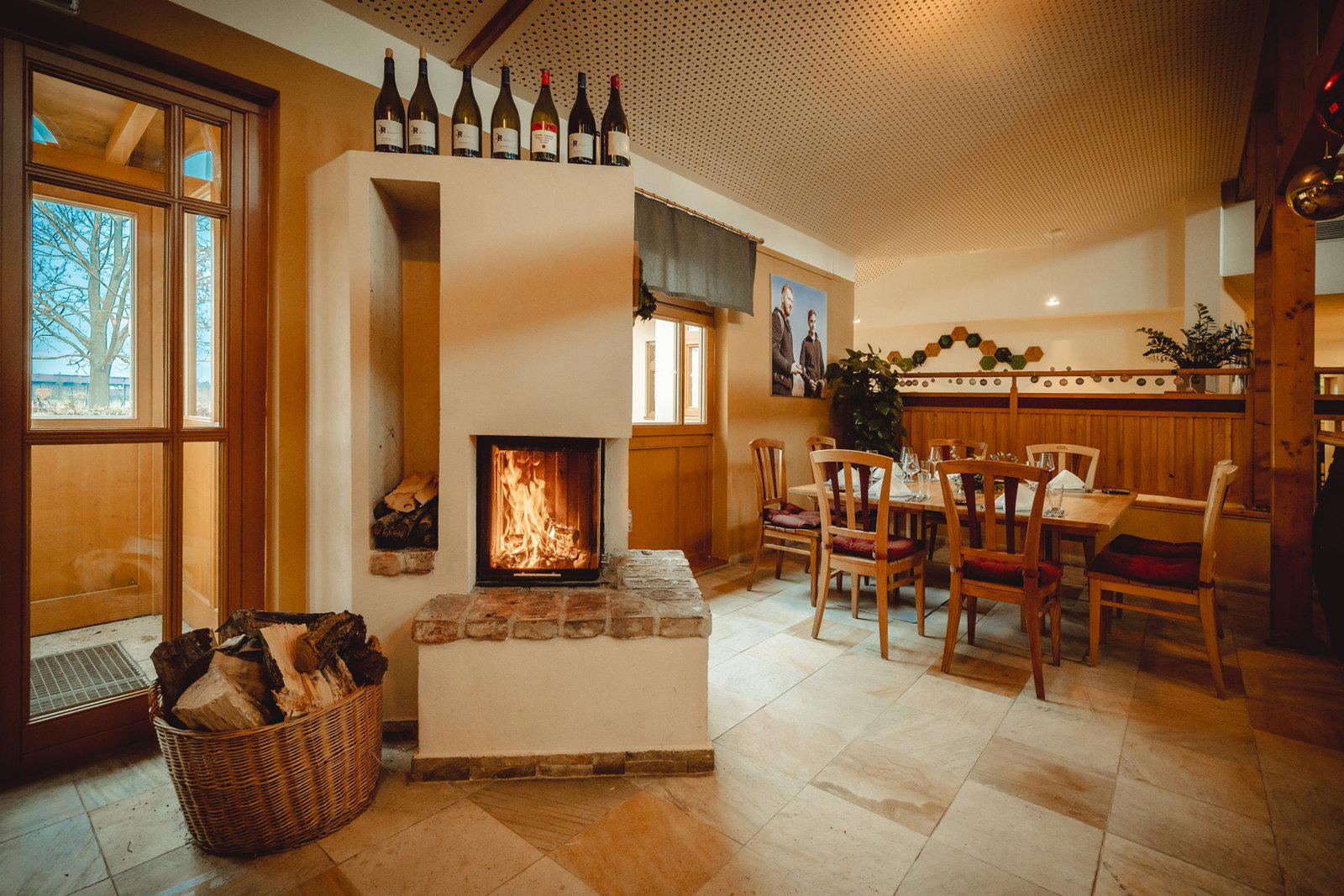
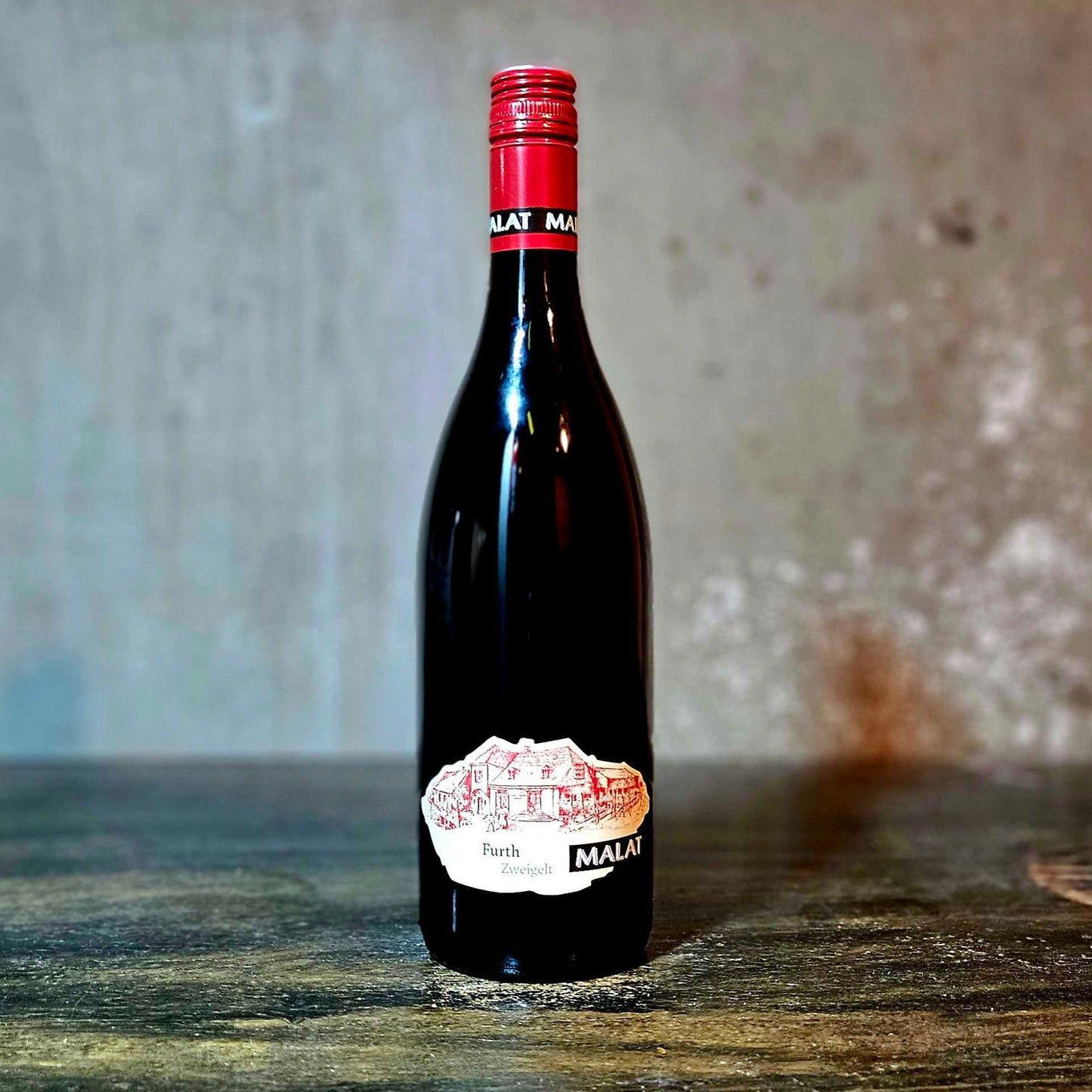
Austrian country restaurants occupy a specific register that sits between the Gasthaus and the destination dining room. The format tends toward fewer courses than a full tasting menu, more generous portions than a Viennese Beisl, and a wine selection weighted toward regional producers, particularly the Niederösterreich growers whose Grüner Veltliner and Riesling vineyards are within striking distance of the Mostviertel. This is a different compositional logic from the extensively documented cellar programs at Landhaus Bacher in Mautern an der Donau, where the Danube wine country is a defining element of the entire proposition, but the underlying regionalism is the same impulse.
Visitors arriving from further afield, particularly those familiar with the format at places like Lazy Bear in San Francisco or Le Bernardin in New York City, will find the register here substantially less theatrical. There is no ticket-based booking system, no presented narrative arc, no ambient soundtrack calibrated to service pacing. What exists instead is the kind of meal that makes sense when you understand the surrounding geography, and considerably less sense without that context.
Other Austrian country kitchens working in comparable registers include Obauer in Werfen, which has sustained formal recognition over decades while remaining rooted in Salzburg province terroir, and Ois in Neufelden, which occupies a similarly quiet Upper Austrian address. The comparison is useful because it illustrates how serious regional cooking in Austria does not require a resort postcode or an urban media market to be coherent.
Planning a Visit to Ramsau bei Hainfeld
Ramsau bei Hainfeld sits roughly 60 kilometres southwest of Vienna, accessible by regional train to Hainfeld followed by local road. The village is not a destination with a tourism infrastructure built around it, which means accommodation options are limited and most visitors arrive as a day trip from the capital or from the broader St. Pölten area. Reservations are recommended.
For those building a broader Austrian itinerary, the Ramsau area pairs logically with a Wachau or Kamptal wine visit, given the proximity to Niederösterreich's main vineyard regions. Venues like Taubenkobel in Schützen am Gebirge or Atelier Fischer in Sankt Gilgen represent different points on the regional-modern spectrum and offer useful contrast if you are tracing how Austrian kitchens are handling the relationship between local sourcing and contemporary technique. Restaurant 141 by Joachim Jaud in Mieming or Griggeler Stuba in Lech if your itinerary extends to the western provinces. Also worth noting for comparison is Schwarzer Adler in Hall in Tirol, which operates in a similar village-adjacent format in a different Austrian region. Thaller - Gasthaus in Sankt Veit am Vogau rounds out the picture of how the Austrian Gasthaus tradition is evolving across different provincial contexts.
In Context: Similar Options
Comparable venues nearby, for context on price, style, and recognition.
| Venue | Cuisine | Price | Notes |
|---|---|---|---|
| Claus CurnThis venue — the venue you are viewing | Innovative Austrian | $$$ | Not listed |
| Plachutta Stammhaus Hietzing | Classic Viennese Cuisine | $$$ | Hietzing |
| Goldenes Kreuz | Traditional Austrian | $$$ | Mariazell center |
| Heu & Gabel | Austrian Seasonal Organic | $$$ | Gaudenzdorf |
| Gugumuck Bistro & Gartenbar | Viennese Escargot Farm-to-Table Bistro | $$$ | Per Albin Hansson Siedlung |
| Genusshotel Riegersburg | Regional Austrian Fine Dining | $$$ | Riegersburg, Südoststeiermark |
Continue exploring
More in Ramsau
Restaurants in Ramsau
Browse all →

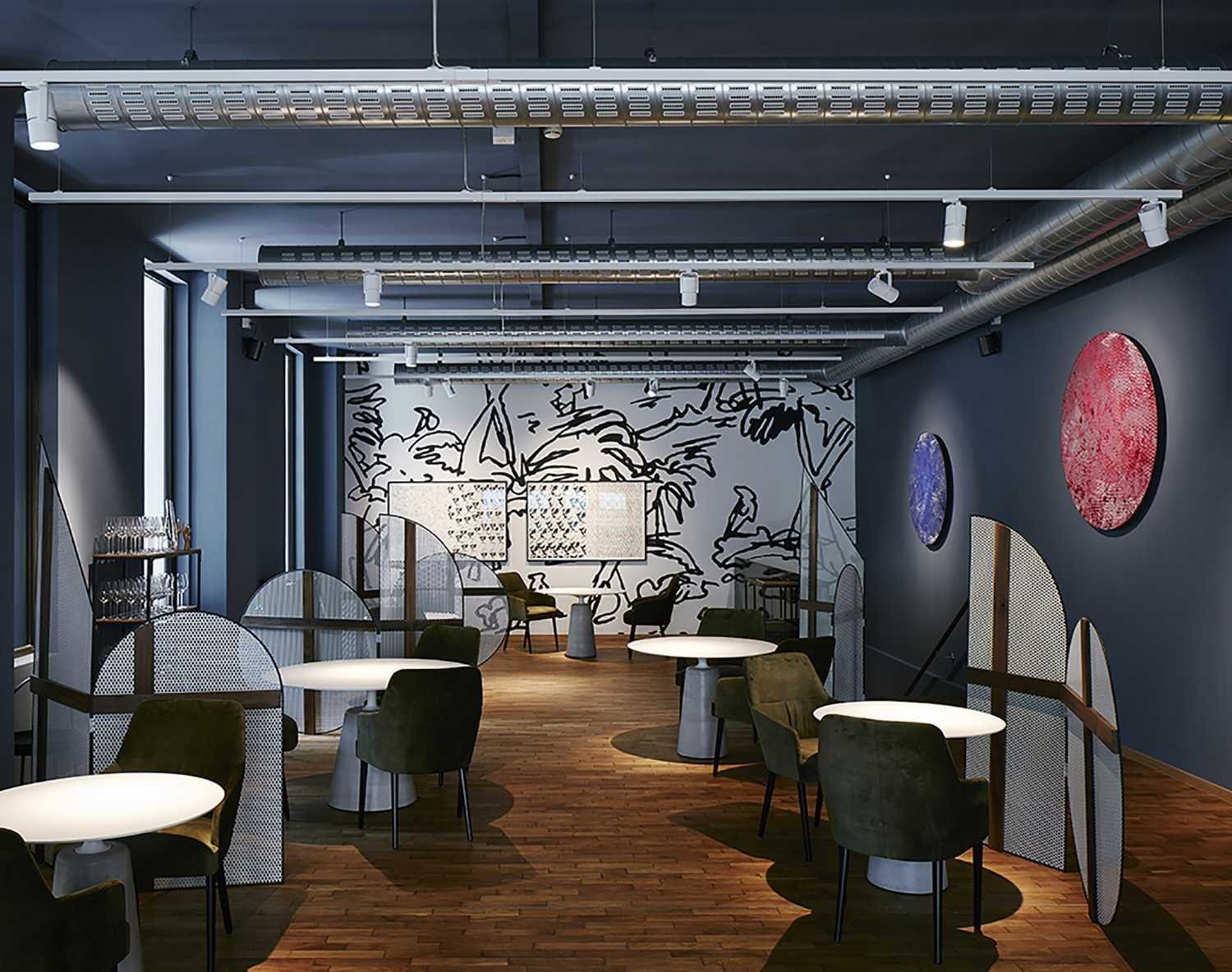
Bars in Ramsau
Browse all →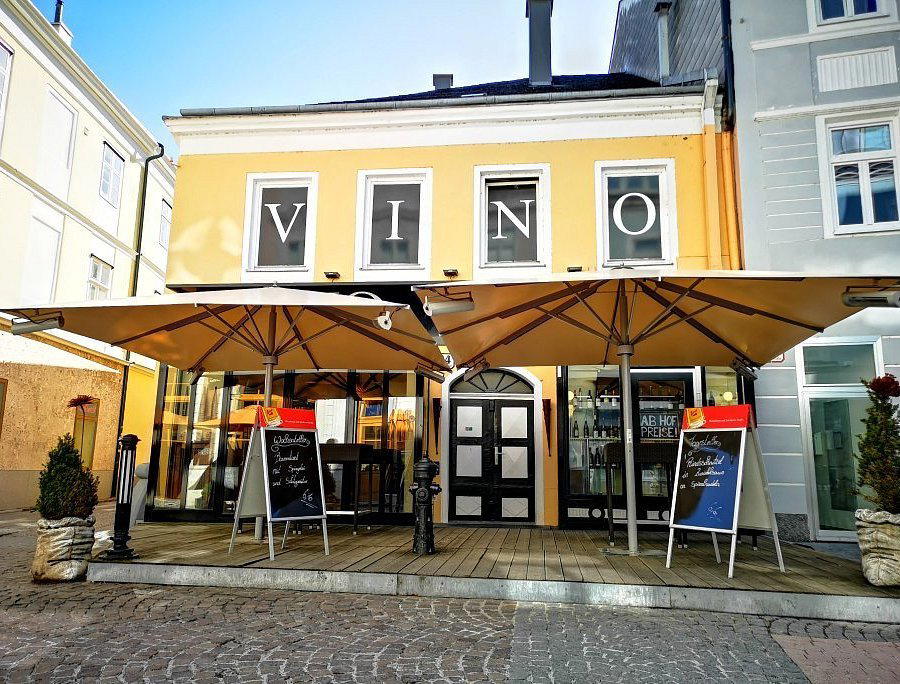
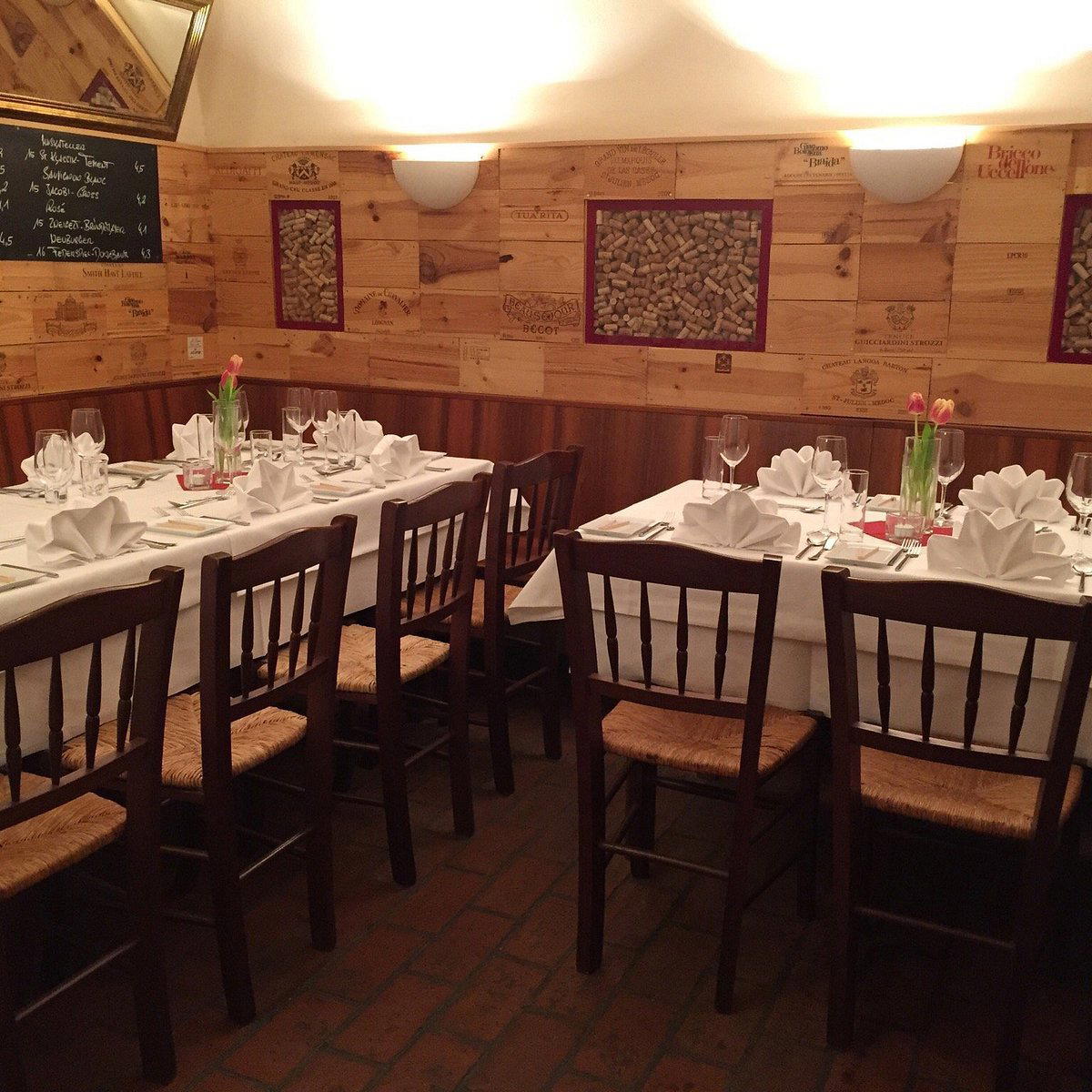
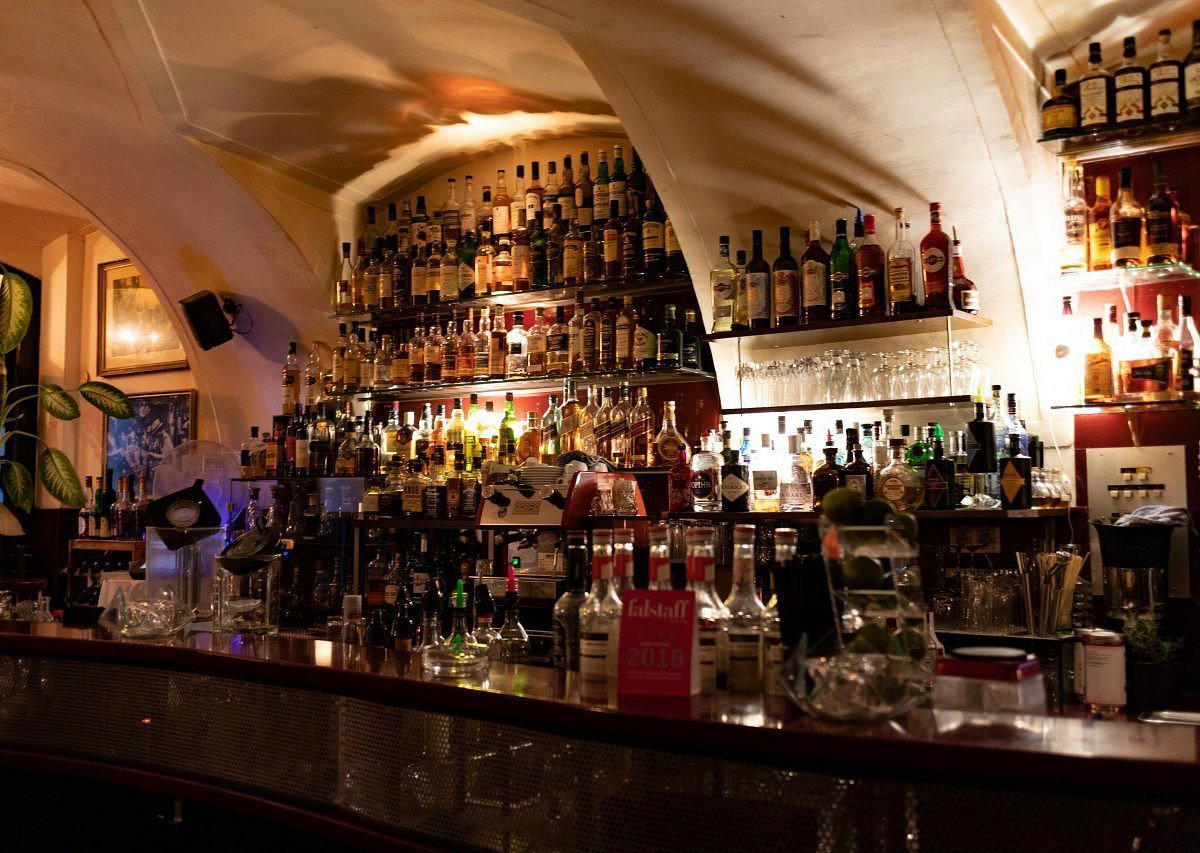

Hotels in Ramsau
Browse all →
At a Glance
- Scenic
- Rustic
- Cozy
- Special Occasion
- Group Dining
- Open Kitchen
- Terrace
- Panoramic View
- Organic
- Local Sourcing
- Mountain
- Garden
Current opening hours
- Monday
- 7:30 AM–9:30 PM
- Tuesday
- 7:30 AM–9:30 PM
- Wednesday
- 7:30 AM–9:30 PM
- Thursday
- 7:30 AM–9:30 PM
- Friday
- 7:30 AM–9:30 PM
- Saturday
- 7:30 AM–9:30 PM
- Sunday
- 7:30 AM–9:30 PM
Hours can change for holidays and private events. Last verified .
Scenic golf course setting with picturesque landscape views and relaxed clubhouse atmosphere.