Bruckner's im Brucknerhaus sits on the Danube embankment inside Linz's principal concert hall, a position that places it at the intersection of the city's architectural ambition and its cultural calendar. Dining here means sharing a building with one of Austria's premier concert venues, which shapes both the rhythm of service and the composition of the room. For Linz, that context alone sets it apart from the city's restaurant scene.
Pearl is the En Primeur Club membership app — saves, bookings, and concierge access live there. Same editors, same standards.
- Address
- Untere Donaulände 7, 4020 Linz, Austria
- Phone
- +4366488163615
- Website
- brucknerslinz.at
- Directions
- Get directions
 Saves & bookings on Pearl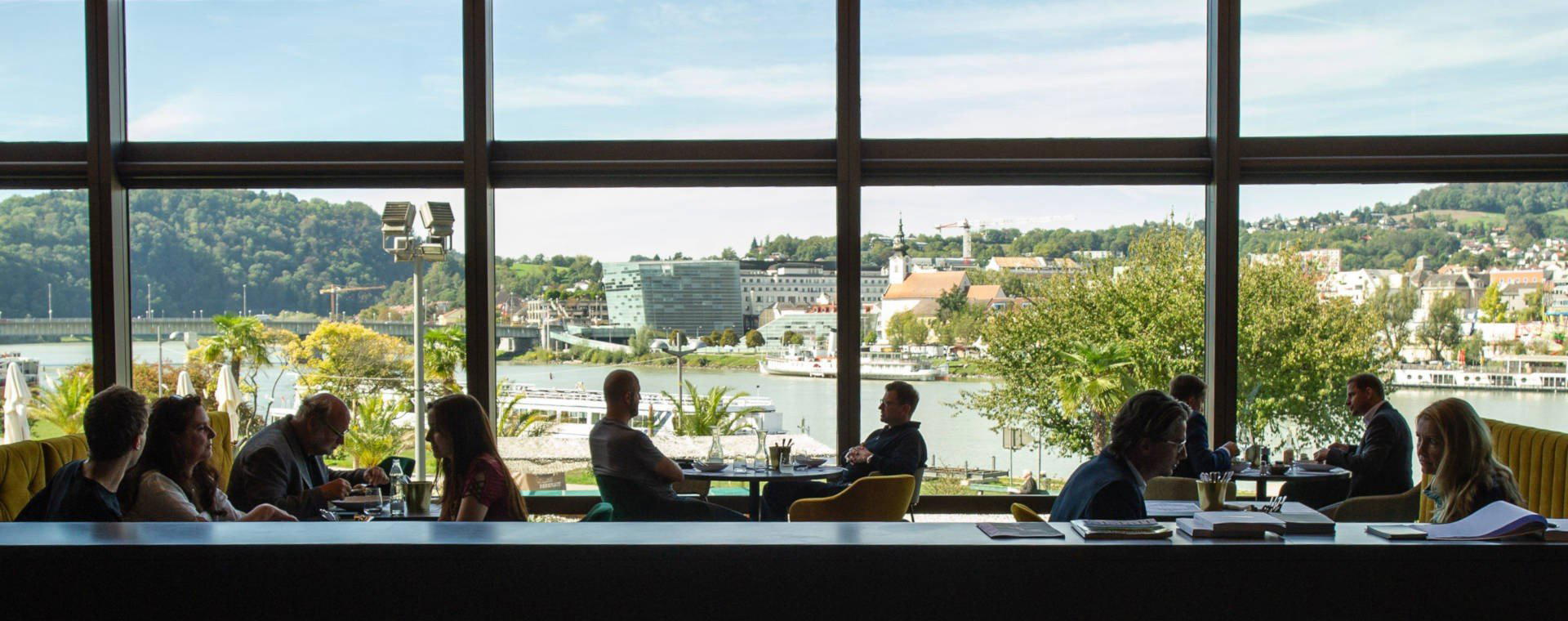
Where the Danube and the Concert Hall Converge
Linz is a city of cultural seriousness. The Brucknerhaus, sitting directly on the southern bank of the Danube at Untere Donaulände 7, was central to that project long before the city's broader regeneration gathered momentum. Designed by the Finnish architect Heikki Siren and opened in 1974, it remains an architecturally considered concert hall, facing the river with austere confidence. Bruckner's im Brucknerhaus occupies that same address, which means it inherits both the building's cultural weight and its notable position along the embankment.
The setting does something specific to the dining experience than a freestanding restaurant in the city centre can replicate. You arrive along the Donaulände, a riverside promenade that shifts character depending on season and hour, and you enter a building already calibrated to a certain standard of attentiveness, the kind of attentiveness that a concert-going audience expects. That framing shapes expectations before a menu is opened. Compared to Linz's other serious dining addresses, Bruckner's works with a location that carries civic significance.
Linz's Dining Scene and Where This Fits
Linz sits in an interesting position within Austria's restaurant conversation. Vienna dominates the country's fine dining coverage, venues like Steirereck im Stadtpark in Vienna represent a tier of ambition and recognition that Linz has not historically competed for. Further west, Upper Austria's dining options thin out, with destinations like Ois in Neufelden representing a quieter, more rural approach. Linz itself has developed a credible mid-to-upper tier: Rossbarth operates at the modern cuisine end of the market at €€€€, Verdi holds the international category at €€€, and more casual addresses like Be right back, Aroy Thai, and Burgerista serve a broader, more everyday audience.
Within this spread, a restaurant attached to the Brucknerhaus occupies a category defined as much by occasion as by cuisine. Concert-hall dining in European cities tends to split between the perfunctory, a pre-show meal that exists purely for convenience, and something more considered, where the cultural context of the building is used to justify genuine kitchen ambition. The better examples of the latter can be found in venues associated with serious performing arts institutions across the continent, where the audience expects the meal to match the programming. Whether Bruckner's sits firmly in that more considered tier is a question visitors approaching for the first time will be weighing.
The Brucknerhaus as Context
Anton Bruckner, the composer after whom both the concert hall and the restaurant take their name, was born in Upper Austria and spent formative years in Linz. The Brucknerhaus continues to host the Brucknerfest, an annual autumn festival that draws international orchestras and soloists to the Danube embankment. For visitors timing a Linz trip around the festival, typically running through September and October, the restaurant's position within the building has obvious logistical appeal. Booking a table on a festival evening places you inside the programme rather than adjacent to it. This is the kind of temporal and logistical alignment that matters for visitors who treat dining and cultural attendance as a single itinerary rather than separate decisions.
Austria's broader concert-hall dining tradition is worth understanding for comparison. Venues within major cultural institutions have historically benefited from a culturally engaged audience with higher spending patterns. That audience dynamic tends to push kitchen standards upward over time, or at minimum sustain them at a level above the surrounding neighbourhood average. It also means the restaurant tends to operate on a schedule shaped by performance times, with service rhythms that differ from conventional evening dining.
Situating the Experience for Planning Purposes
For visitors building a broader Austrian itinerary that includes serious dining, Bruckner's sits within a regional network worth mapping. To the southwest, Landhaus Bacher in Mautern an der Donau operates along the Danube corridor with a long-established reputation. In Salzburg's orbit, Obauer in Werfen and Döllerer in Golling an der Salzach represent the kind of destination-restaurant commitment that draws diners out of the city. In Tyrol, Schwarzer Adler in Hall in Tirol, Gourmetrestaurant Tannenhof in Sankt Anton am Arlberg, Stüva in Ischgl, and Restaurant 141 by Joachim Jaud in Mieming demonstrate how Austria's alpine dining culture operates at its most focused. Kräuterreich by Vitus Winkler in Sankt Veit im Pongau adds another regional reference point in Salzburgerland.
Internationally, the model of a restaurant achieving genuine critical standing within a cultural institution has precedents worth noting. Le Bernardin in New York City and Lazy Bear in San Francisco represent different approaches to dining with a strong sense of occasion, the former defined by decades of sustained technical recognition, the latter by a communal format that treats the meal as performance in its own right. Bruckner's, by virtue of its setting, operates in a space where occasion is already guaranteed by the building; the kitchen's task is to justify the frame.
For a fuller picture of where Bruckner's fits within Linz's dining options, the EP Club Linz restaurants guide maps the city's scene across price points and cuisine types.
Practical Considerations
Bruckner's im Brucknerhaus is located at Untere Donaulände 7, directly on the Danube embankment in central Linz, within walking distance of the old town and the main pedestrian zone. Given the venue's position inside an active concert hall, timing a visit to coincide with a Brucknerfest or regular season performance adds a layer to the evening that a standalone restaurant reservation cannot provide.
A Tight Comparison
Comparable venues nearby, for context on price, style, and recognition.
| Venue | Cuisine | Price | Notes |
|---|---|---|---|
| Bruckner's im Brucknerhaus LinzThis venue — the venue you are viewing | Not listed | $$$ | Not listed |
| Die Huberei | Altstadt, Modern Austrian Wirtshaus | $$ | Not listed |
| zum schwarzen schiff | Urfahr, Austrian Tavern Cuisine | $$ | Not listed |
| Die* Obelisk | Not listed | $ | JKU Campus, Modern Austrian Sausage Stand |
| STEAKHOUSE | Urstadt, Steakhouse | $$$ | Not listed |
| Hostaria Bigoli Al Mercato | city center, Veneto Osteria | $$ | Not listed |
Continue exploring
More in Linz
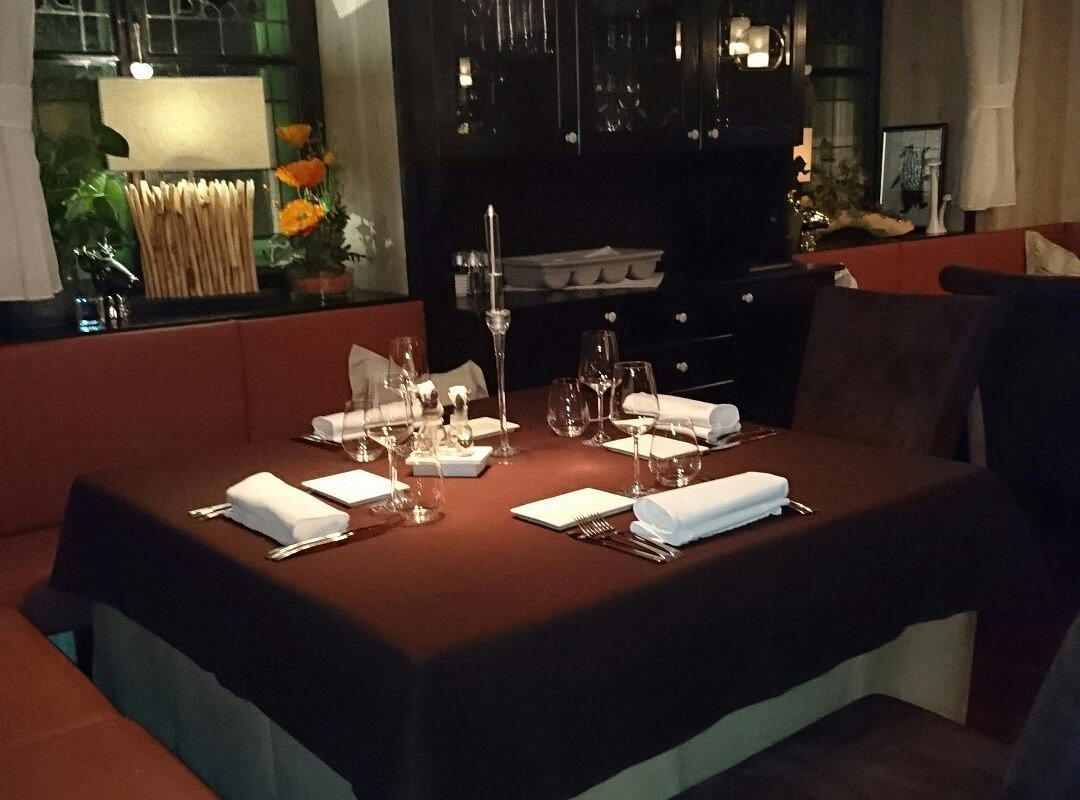
Restaurants in Linz
Browse all →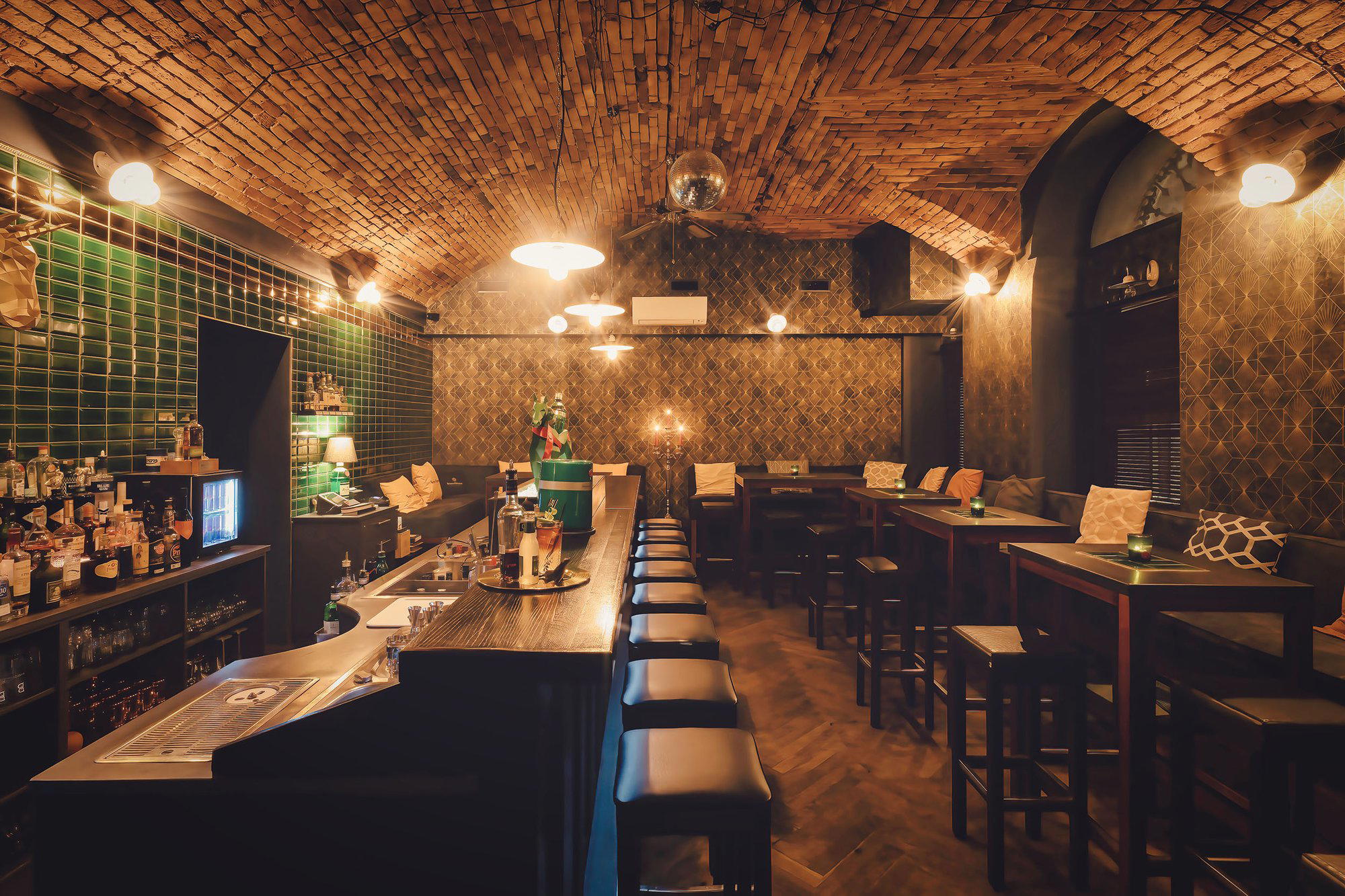
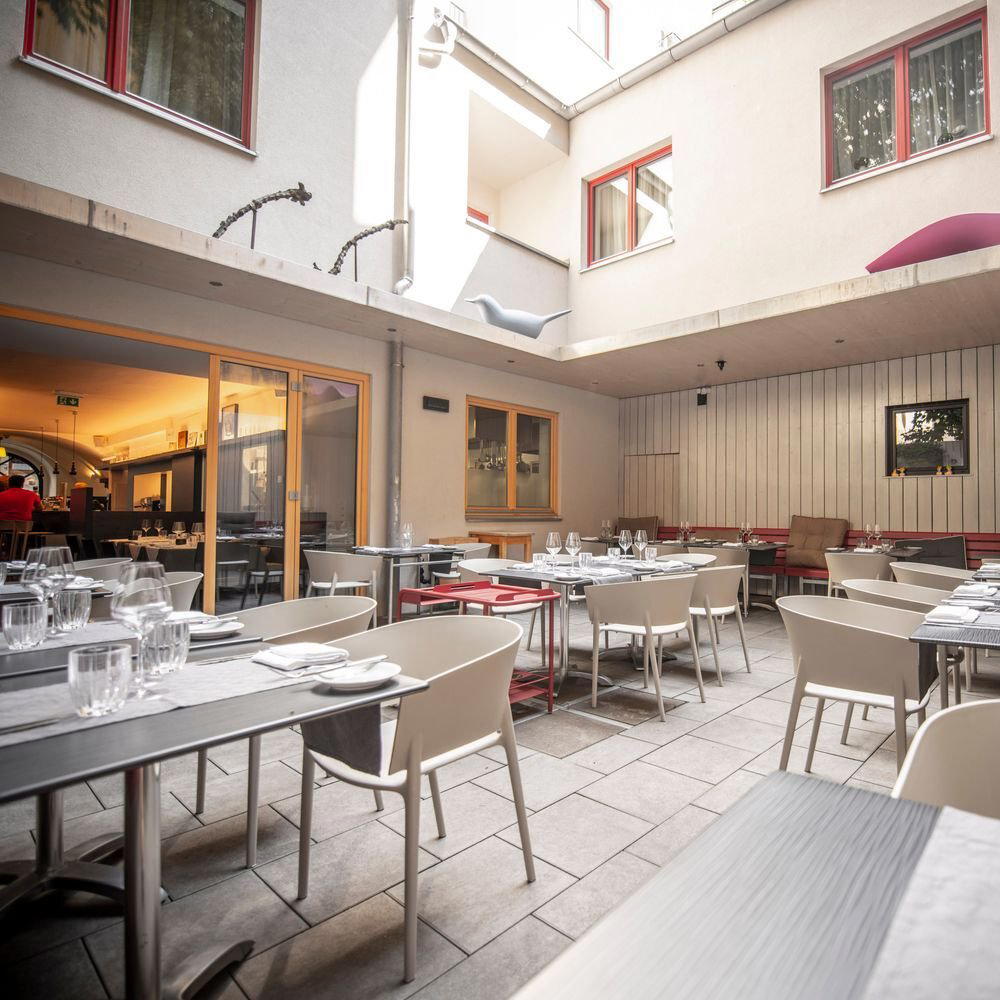
Bars in Linz
Browse all →

Hotels in Linz
Browse all →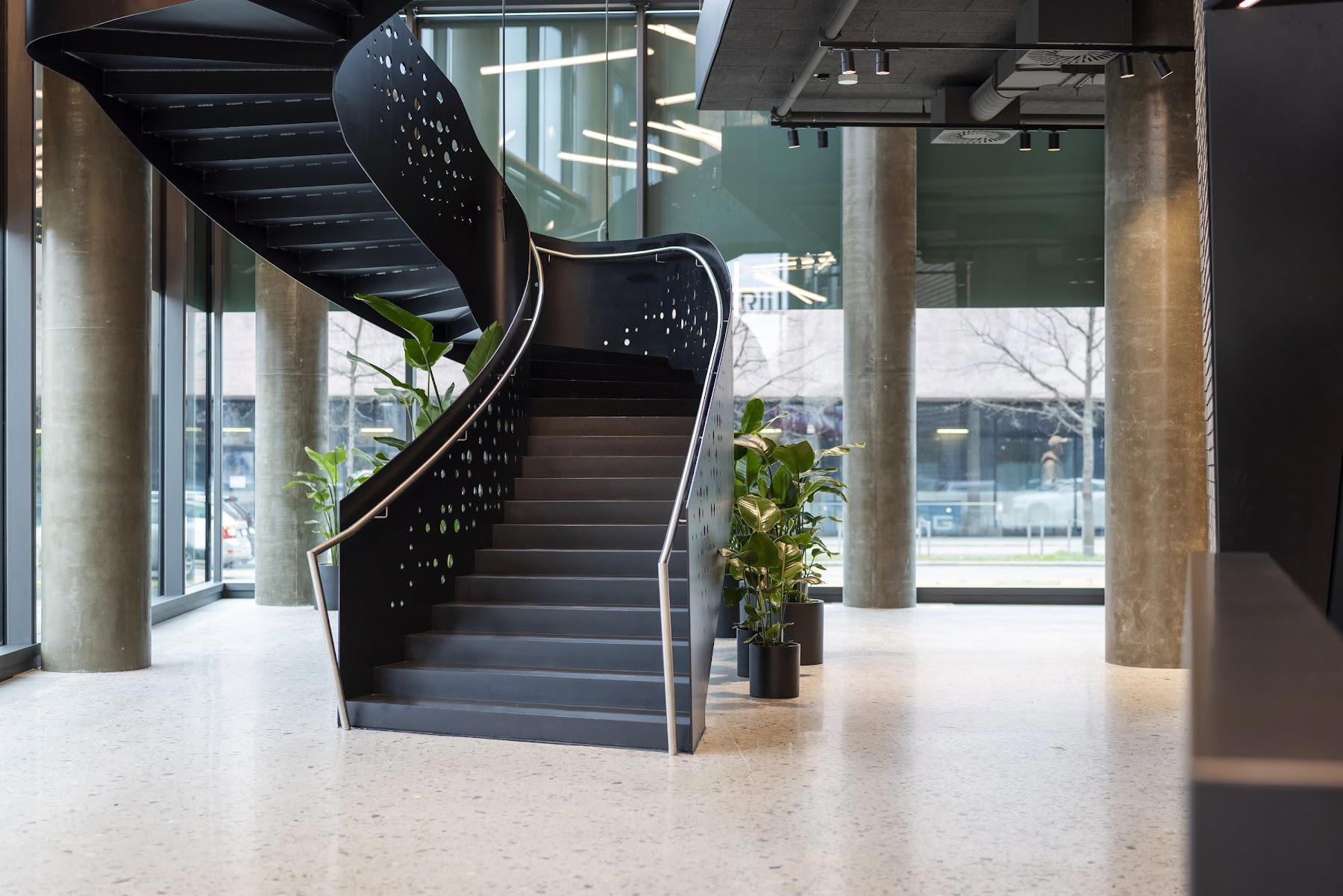

At a Glance
- Elegant
- Scenic
- Industrial
- Special Occasion
- Business Dinner
- Historic Building
- Panoramic View
- Extensive Wine List
- Local Sourcing
- Waterfront
- Skyline
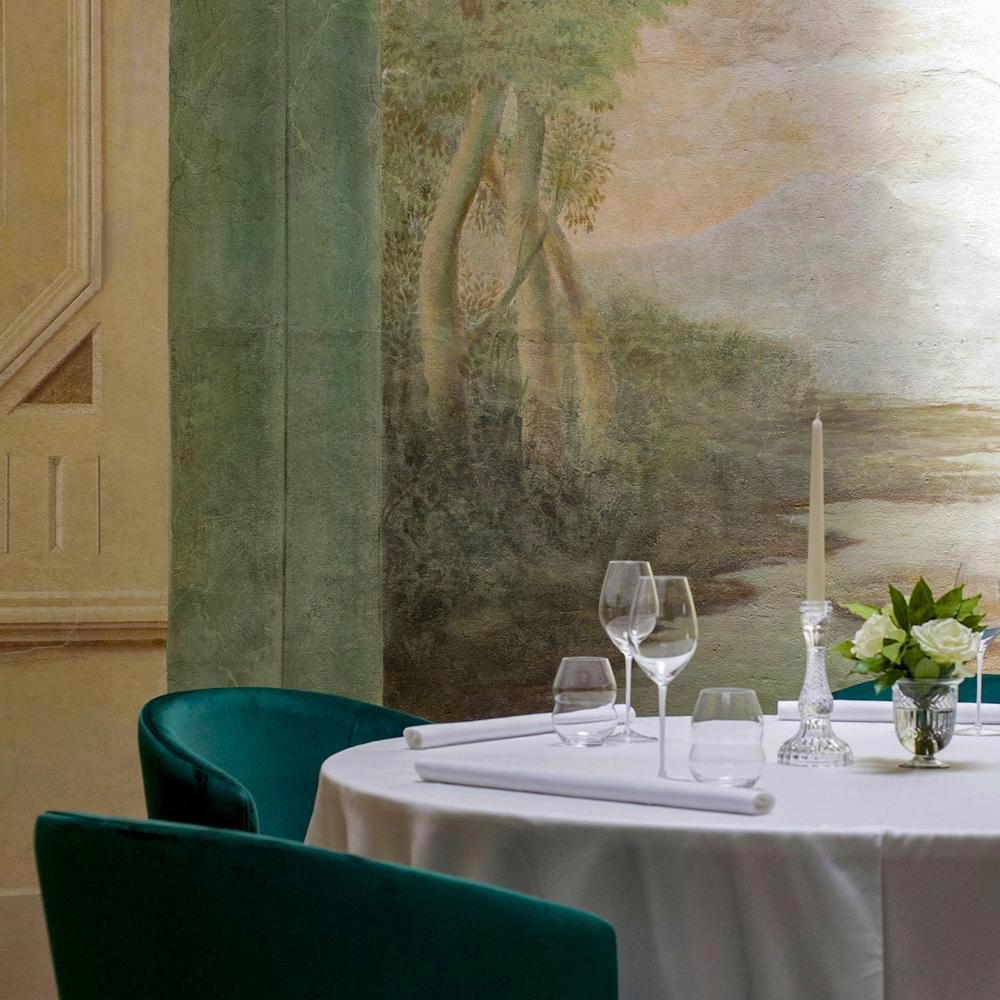
Stylish industrial atmosphere with panoramic views over the Danube in a timelessly elegant concert hall setting.