Our verdict
Glück Auf sits on Siemensstraße in Fohnsdorf, a Styrian market town that has traded its coal-mining past for quieter ambitions. The address places it within Austria's broader tradition of regional dining that draws on local produce and unhurried cooking, making it a practical base for exploring what the Mur Valley table looks like beyond the well-mapped restaurant corridor.

Pearl is the En Primeur Club membership app, where members save venues, book tables and use the concierge.
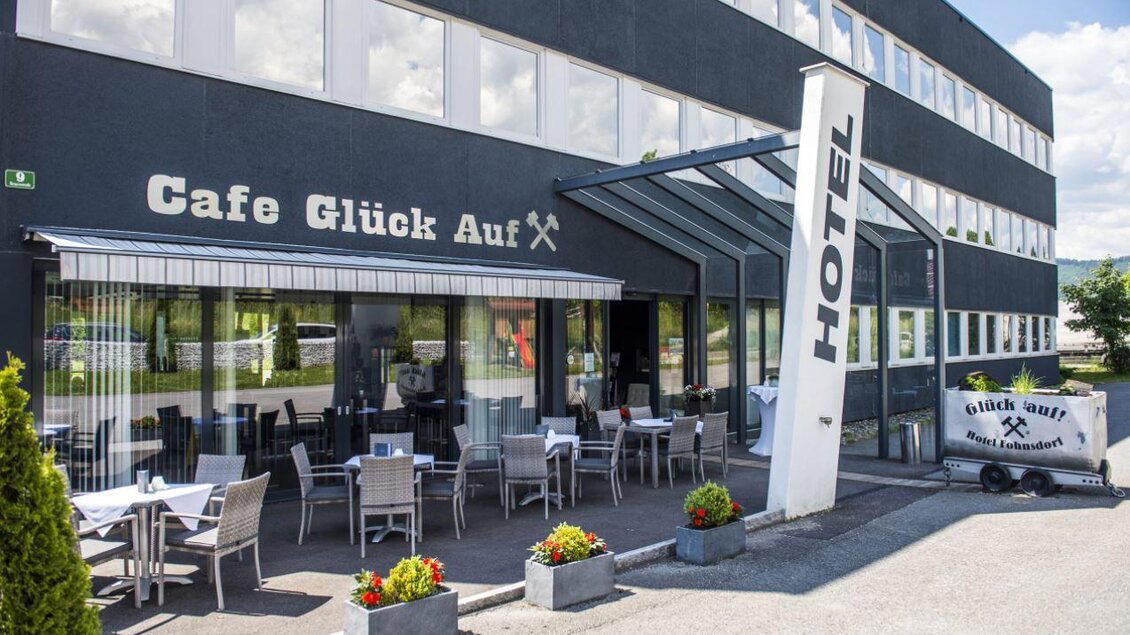
A Styrian Town Table, Read Against the Region
Fohnsdorf occupies a particular position in Styria's geography: far enough from Graz to be overlooked by the restaurant circuit, close enough to the Mur Valley agricultural belt to benefit from what that land produces. The town's identity was shaped by coal extraction for most of the twentieth century, and the culinary culture that followed industrialisation here tends toward directness rather than elaboration. Eating in places like Fohnsdorf means reading a regional tradition that the starred corridor, running from Steirereck im Stadtpark in Vienna down through Döllerer in Golling an der Salzach, translates upward into tasting menus. Here, it stays closer to its source.
Glück Auf sits at Siemensstraße 9 in the middle of that context. The name itself, a traditional miners' salutation wishing safe passage underground, plants the address squarely in the town's industrial history. Whatever form the dining takes here, the phrase carries a specific local weight that distinguishes it from the generic Gasthof naming conventions found across Styria.
Where Styrian Sourcing Begins
Austria's best-regarded regional kitchens have made ingredient provenance a central argument for decades. Landhaus Bacher in Mautern an der Donau and Obauer in Werfen built their reputations in part on knowing where their produce comes from and letting that knowledge shape the plate. The same logic operates at a much quieter register in a town like Fohnsdorf, where proximity to Styrian farms, dairy operations, and butchers is not a marketing point but a practical reality of daily sourcing.
Styria produces some of Austria's most characterful raw ingredients: pumpkin seed oil pressed from local Kürbis varieties, Steirisches Rindfleisch beef carrying geographic designation, freshwater fish from the Mur and its tributaries, and Alpine dairy from elevations that compact the grazing season into intense summer months. A kitchen operating at Fohnsdorf's address has access to that supply chain without the transportation costs or positioning pressures that affect urban venues.
That dynamic contrasts with how sourcing works at a place like Kräuterreich by Vitus Winkler in Sankt Veit im Pongau, where herb and vegetable sourcing is explicitly foregrounded as a programme, or at Taubenkobel in Schützen am Gebirge, where the kitchen's relationship to Burgenland terroir underpins a contemporary Austrian identity. At the level Fohnsdorf operates, sourcing is embedded rather than announced.
The Mur Valley Dining Pattern
Austria's non-urban restaurant scene divides roughly into two categories: destination venues that earn regional or national attention and draw visitors from outside the immediate area, and neighbourhood operations that serve a local population with consistency and familiarity as their primary currency. The destination tier in Styria and its neighbours includes addresses like Gourmetrestaurant Tannenhof in Sankt Anton am Arlberg and Stüva in Ischgl, both operating within ski resort economies that amplify both spend and expectation. The neighbourhood tier, which is where Fohnsdorf sits, runs on different dynamics entirely.
In the Mur Valley specifically, dining out tends to track the agricultural calendar more closely than menus in resort or urban settings. Autumn brings game and the pumpkin harvest; spring moves toward asparagus and early herbs from lower elevations. A kitchen in a town of Fohnsdorf's scale is unlikely to hold extensive cold-chain inventory, which means the seasonal rhythm is built into operations by necessity as much as by choice. Visitors who understand that rhythm eat better than those who arrive with fixed expectations.
For a parallel exercise in smaller-scale Austrian regional dining, Ois in Neufelden and Atelier Fischer in Sankt Gilgen represent how kitchens outside the main urban corridor can establish distinct identities through local produce and format discipline. The common thread across these addresses is an approach to sourcing that reflects geography rather than ambition alone.
Fohnsdorf in the Broader Austrian Restaurant Picture
Austria's restaurant culture is better distributed across its regions than the Michelin map might suggest. The starred concentration in Vienna, Salzburg, and the alpine resort belt obscures a dense network of serious cooking that operates below the award threshold but within genuine culinary traditions. Venues like Ikarus in Salzburg and Griggeler Stuba in Lech receive the critical infrastructure, the reviews, the reservations systems, the international visibility. Towns like Fohnsdorf do not, which means the dining there is evaluated primarily by locals and by visitors who find it through proximity rather than recommendation.
That dynamic produces a different kind of reliability. A restaurant operating without external validation builds its repeat custom through consistent execution and price honesty rather than through press cycles. In an international context, the comparison might be to the kind of neighbourhood bistro in a French provincial town that has no interest in Michelin engagement but feeds the same population well for decades. Globally, venues like Le Bernardin in New York City or Lazy Bear in San Francisco operate with the full weight of critical attention; Glück Auf operates without it, which is neither a failing nor a virtue, but a different kind of proposition.
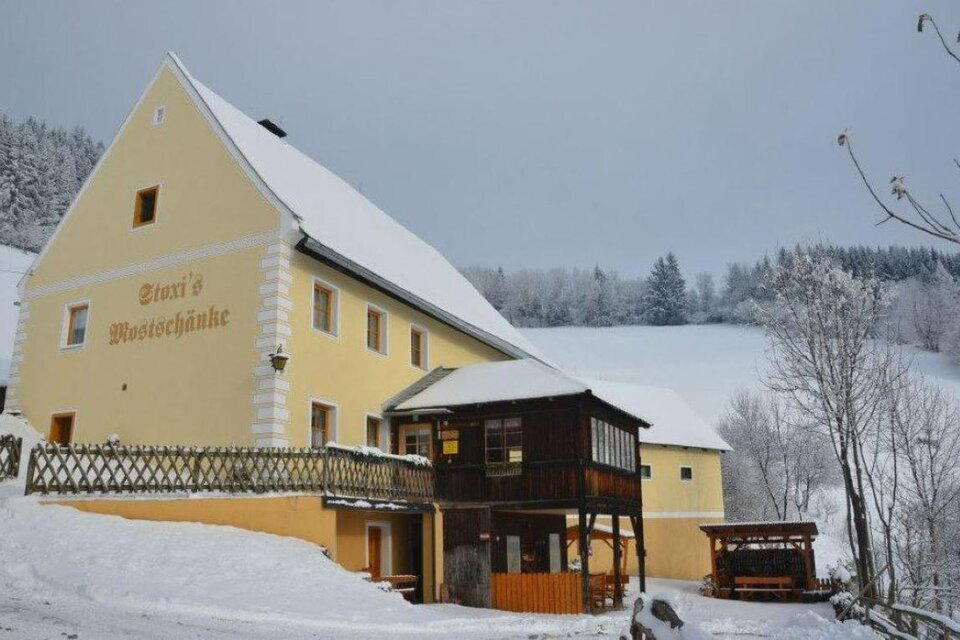
Fohnsdorf's own dining scene is small enough that Glück Auf and Stoxi's Mostschänke represent the practical range of options within the town. For a fuller picture of what is available locally, our full Fohnsdorf restaurants guide maps both addresses against the town's character and the wider Mur Valley context.
Planning a Visit
Fohnsdorf is accessible by regional rail from Leoben and Judenburg, with the town centre a short walk from the station. Given the limited data available on Glück Auf's current hours, booking method, and seasonal schedule, contacting the venue directly before travelling is the practical approach, particularly if arriving from outside the immediate area. Small regional operations in Austrian market towns frequently adjust their hours around local demand patterns, and a midweek visit during slower months may require advance coordination. The address at Siemensstraße 9 is specific enough to navigate without difficulty once in the town.
For visitors combining Glück Auf with wider Styrian or Austrian regional dining, the corridor between the Mur Valley and the Salzburgerland offers a range of formats and price points. Schwarzer Adler in Hall in Tirol and Restaurant 141 by Joachim Jaud in Mieming are both reachable within a day's drive and represent a different tier of the Austrian regional table, useful for building a comparative picture of how the same core ingredients behave across different kitchen ambitions.
Frequently asked questions
Can I bring kids to Glück Auf?
Fohnsdorf is a working residential town rather than a tourist destination, and restaurants in this part of Styria tend to operate as community dining rooms where families are a normal part of the room. Glück Auf sits on Siemensstraße 9, outside the pressured urban dining circuits where child policies become a friction point. check the venue's official channels to confirm seating arrangements before visiting with young children, as specific policies are published details are limited.
What kind of setting is Glück Auf?
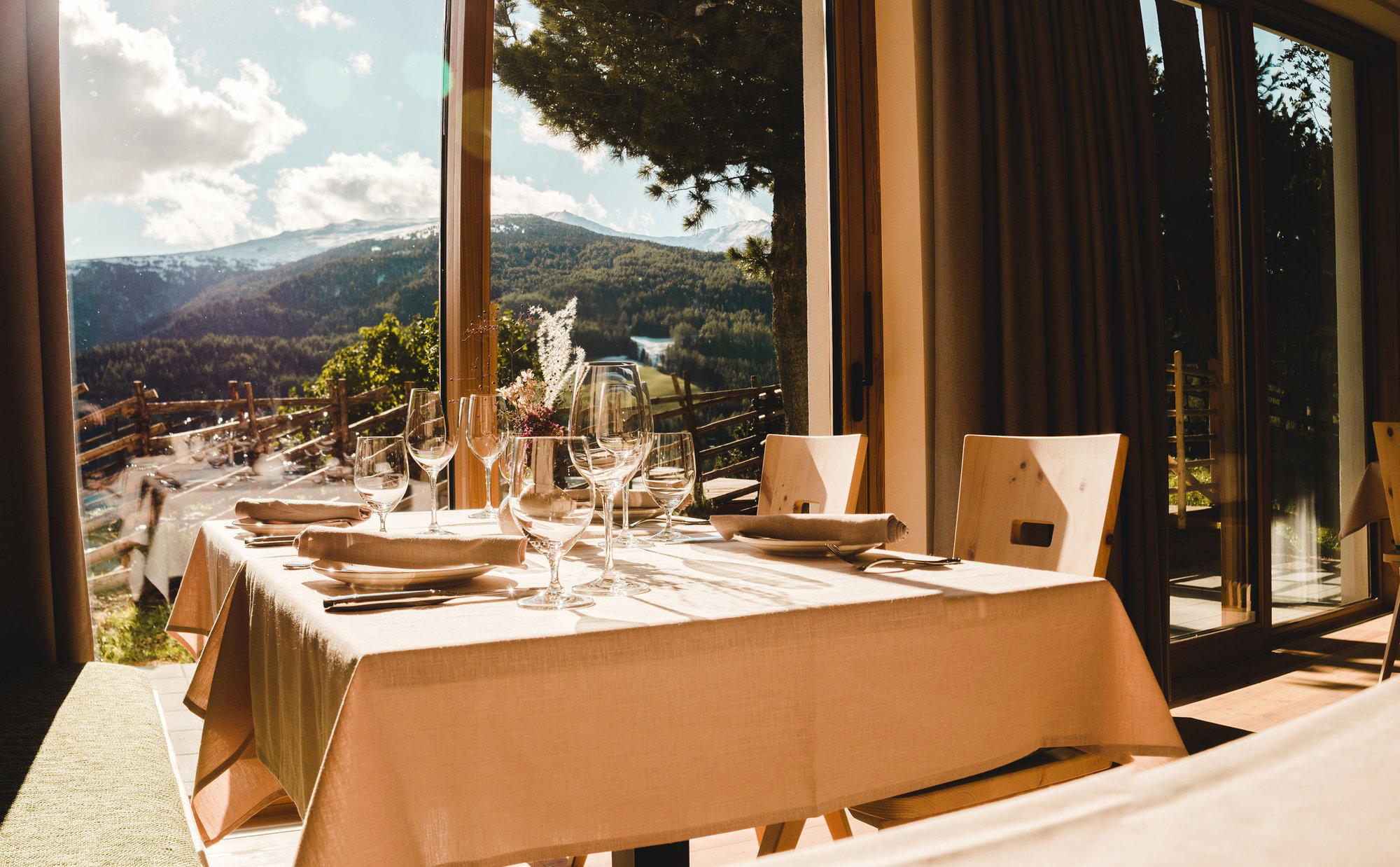
Glück Auf is located at Siemensstraße 9 in Fohnsdorf, a Styrian town in the Mur Valley that sits between Leoben and Judenburg and draws little attention from the regional restaurant press. That position shapes the likely character of the room: neighbourhood-facing rather than destination-oriented, operating closer to the pattern of Austrian non-urban dining rooms than to the self-conscious style of Graz's centre.
What's the address for Glück Auf?
Glück Auf is located at Siemensstraße 9, 8753 Fohnsdorf, Austria, Fohnsdorf.
How far ahead should I plan for Glück Auf?
Fohnsdorf is not a high-traffic dining destination, and restaurants in comparable Styrian towns outside Graz rarely carry the booking lead times of starred urban venues. That said, no reservation data for Glück Auf is publicly documented, and smaller regional rooms can fill quickly on weekends through local regulars. Reaching out to the venue at Siemensstraße 9 directly, or checking for contact details on Austrian dining aggregators, is the practical first step.
Side-by-Side Snapshot
Comparable venues nearby, for context on price, style, and recognition.
| Venue | Cuisine | Price | Notes |
|---|---|---|---|
| Glück AufThis venue (the venue you are viewing) | Café | Not listed | Not listed |
| Stoxi's Mostschänke | Traditional Austrian | $10–20 | Fohnsdorf |
| Pepper & Ginny | Vegan Deli | Not listed | Innere Stadt |
| Piotrowski | Polish Pierogi | Not listed | Stephansdom |
| Raw Energy | Healthy Bowls & Bagels | $10–20 | Grüner Markt |
| Meierei Gaaden | Austrian Jausenstation | Not listed | Gaaden |
Continue exploring
More in Fohnsdorf


Details
- Cozy
- Modern
- Casual Hangout
- Hotel Restaurant
- Mountain
Current opening hours
- Monday
- 8 AM–12 PM, 3–10 PM
- Tuesday
- 8 AM–12 PM, 3–10 PM
- Wednesday
- 8 AM–12 PM, 3–10 PM
- Thursday
- 8 AM–12 PM, 3–10 PM
- Friday
- 8 AM–12 PM, 3–10 PM
- Saturday
- 8 AM–12 PM, 3–10 PM
- Sunday
- 8 AM–12 PM
Hours can change for holidays and private events. Hours as of .
Entspannt und moderne Atmosphäre with personal service.