Trattoria RNB
Located on North Sangamon Street in Chicago's West Loop-adjacent corridor, Trattoria RNB occupies a neighbourhood where Italian-American cooking has quietly kept pace with the city's more decorated dining scene. The restaurant operates in a trattoria register that prizes ingredient-driven simplicity over tasting-menu theatrics, placing it in a different competitive conversation from the city's Michelin-starred progressives.
Pearl is the En Primeur Club membership app — saves, bookings, and concierge access live there. Same editors, same standards.
- Address
- 406 N Sangamon St, Chicago, IL 60642
- Phone
- +17085140575
- Website
- rnbchicago.com
- Directions
- Get directions
 Saves & bookings on Pearl
Italian Cooking in a City That Takes Its Food Seriously
Chicago's restaurant culture has spent the last two decades sorting itself into tiers: the avant-garde counter-service experiments typified by Alinea, the precision-driven contemporary rooms like Smyth and Oriole, and the neighbourhood formats that quietly sustain a city's actual daily dining life. Trattoria RNB, at 406 N Sangamon St in the Fulton Market corridor, belongs to the latter register. The address places it inside one of Chicago's most rapidly gentrified food neighbourhoods, where the pressure to perform for a national audience has pushed many operators toward maximalism. A trattoria holding its lane here is a meaningful statement about what kind of restaurant it intends to be.
The trattoria form itself carries a set of implied commitments: shorter menus, produce-led cooking, a preference for regional Italian traditions over invented fusions, and a dining room that feels like a place people come back to rather than a venue they photograph once. Across Italian cities, the trattoria has historically been the format most resistant to industrialisation, simply because its value proposition depends on sourcing relationships and daily adjustment rather than on fixed production. When that format travels to American cities, the question is always how faithfully those sourcing commitments survive the supply chain.
Sustainability as Operational Default, Not Marketing Position
The broader shift in American dining toward ethical sourcing and waste-conscious kitchens has played out unevenly. At the summit of the market, restaurants like Blue Hill at Stone Barns in Tarrytown have made farm integration the entire premise of the dining experience. At Single Thread Farm in Healdsburg and Lazy Bear in San Francisco, sustainability signals function as part of the luxury price proposition. The more interesting question is what sustainability looks like in a trattoria format, where the price point and the format both resist turning sourcing philosophy into a ticketed narrative.
Italian cooking, when practiced traditionally, is already structured around waste reduction. Offal preparations, bread-based dishes, root-to-leaf vegetable cooking, and long braises built from secondary cuts are not recent sustainability innovations, they are the historical architecture of cucina povera, the cooking of scarcity that became the cooking of preference. A trattoria that sources seasonally and adjusts its menu to available product is doing what Italian trattorias have always done, not performing a contemporary virtue. The distinction matters because it separates operational discipline from marketing positioning. The same principle applies in different registers at Providence in Los Angeles, where sustainable seafood certification has been part of the program for years, or at Addison in San Diego, where the kitchen's relationship with regional producers shapes the menu's architecture.
For Trattoria RNB, operating on Sangamon Street in a neighbourhood with genuine proximity to the Green City Market and Chicago's network of Midwest producers, the sourcing infrastructure is accessible in a way it simply isn't for restaurants in less food-connected urban corridors. Midwest agriculture produces some of the country's most compelling seasonal vegetables, heritage grain, and pasture-raised proteins, and Italian cooking, more than almost any other European tradition, knows how to handle all of them without forcing them into inappropriate preparations.
The Fulton Market Context
The Fulton Market district has undergone the kind of transformation that changes what a neighbourhood restaurant means. In the early 2010s, the area was a working meatpacking corridor. By the time the hotel and tech office conversions accelerated in the mid-2010s, it had become among the more scrutinised dining destinations in the Midwest. That scrutiny has been useful for high-concept operators, it created the audience and the price tolerance that lets formats like Next Restaurant and Kasama function. But it has also created genuine pressure on neighbourhood-format restaurants to either perform for a tourist audience or operate quietly enough to avoid the comparison entirely.
A trattoria in this context occupies a somewhat counterintuitive position. The format signals informality and repetition, the kind of place where you know the menu well enough to order without reading it. That identity runs against the grain of a neighbourhood where newness and spectacle have been the dominant commercial logic. What it offers instead is reliability: a consistent kitchen, a wine list that doesn't require an education to navigate, and a room where the ambient noise level allows conversation. Those are not small things in a dining district that has optimised heavily for a different set of priorities.
For comparison, the Italian-American trattoria tradition in American cities has produced particularly durable restaurants in the country, outlasting the fine-dining formats that surrounded them at any given moment. The form survives because it serves a function no amount of culinary ambition replaces: a place to eat well on a Tuesday without occasion or ceremony.
How Trattoria RNB Sits in the Broader Italian-American Dining Conversation
Nationally, the Italian-American dining conversation has bifurcated. At one end, the red-sauce tradition has been reappraised and revived, with a new generation of operators treating it as a legitimate culinary heritage rather than a concession to nostalgia. At the other end, Italian fine dining in America has moved toward the model established by European references, restaurants like 8½ Otto e Mezzo Bombana in Hong Kong demonstrate how Italian cuisine translates into formal luxury at an international level, while domestically, high-end Italian has found a consistent audience in major cities. The trattoria sits between these poles, and it is one honest position: neither nostalgic pastiche nor formal luxury, but the middle register where Italian cooking has always been most itself.
Restaurants like Bacchanalia in Atlanta and The Inn at Little Washington in Washington represent the American fine-dining tradition in its most considered form, and they are useful reference points for understanding what Trattoria RNB is not trying to be. Its competitive set is closer to the neighbourhood Italian that regulars return to twice a month than to the destination dining that visitors plan trips around. That is a viable and underserved position in a city whose editorial coverage has historically concentrated on the top tier.
Planning Your Visit
The restaurant is located at 406 N Sangamon St, Chicago, IL 60642, within walking distance of the Fulton Market dining corridor and accessible via the Morgan CTA Green and Pink Line stop. Given the neighbourhood's density and the format's appeal to locals rather than one-time visitors, reservations are worth making in advance, particularly for weekend evenings when the surrounding area draws significant foot traffic from both hotel guests and office workers. Current hours and menu information are best checked directly with the restaurant.
At-a-Glance Comparison
Comparable venues nearby, for context on price, style, and recognition.
| Venue | Cuisine | Price | Notes |
|---|---|---|---|
| Trattoria RNBThis venue — the venue you are viewing | Authentic Italian Trattoria | $$ | Not listed |
| Lou Malnati's Pizza | Chicago Deep Dish Pizza | $$ | multiple |
| Piazza Bella | Traditional Italian Trattoria | $$ | Roscoe Village |
| Reno | Wood-Fired Italian Pizza & Bagels | $$ | Logan Square |
| Il Girasole Trattoria | Northern Italian Trattoria | $$ | Avondale |
| Tufano's Vernon Park Tap | Classic Italian-American | $$ | Little Italy |
At a Glance
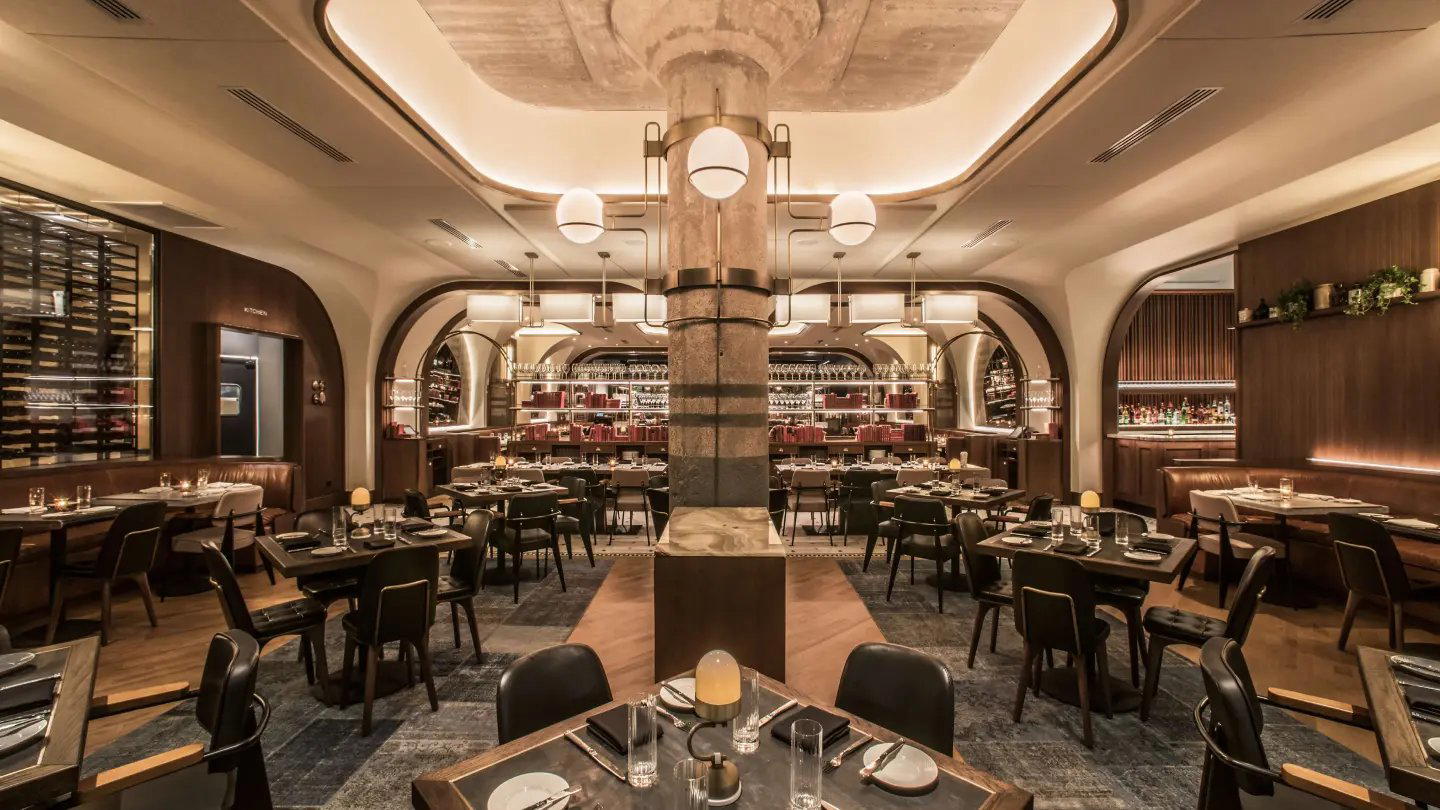
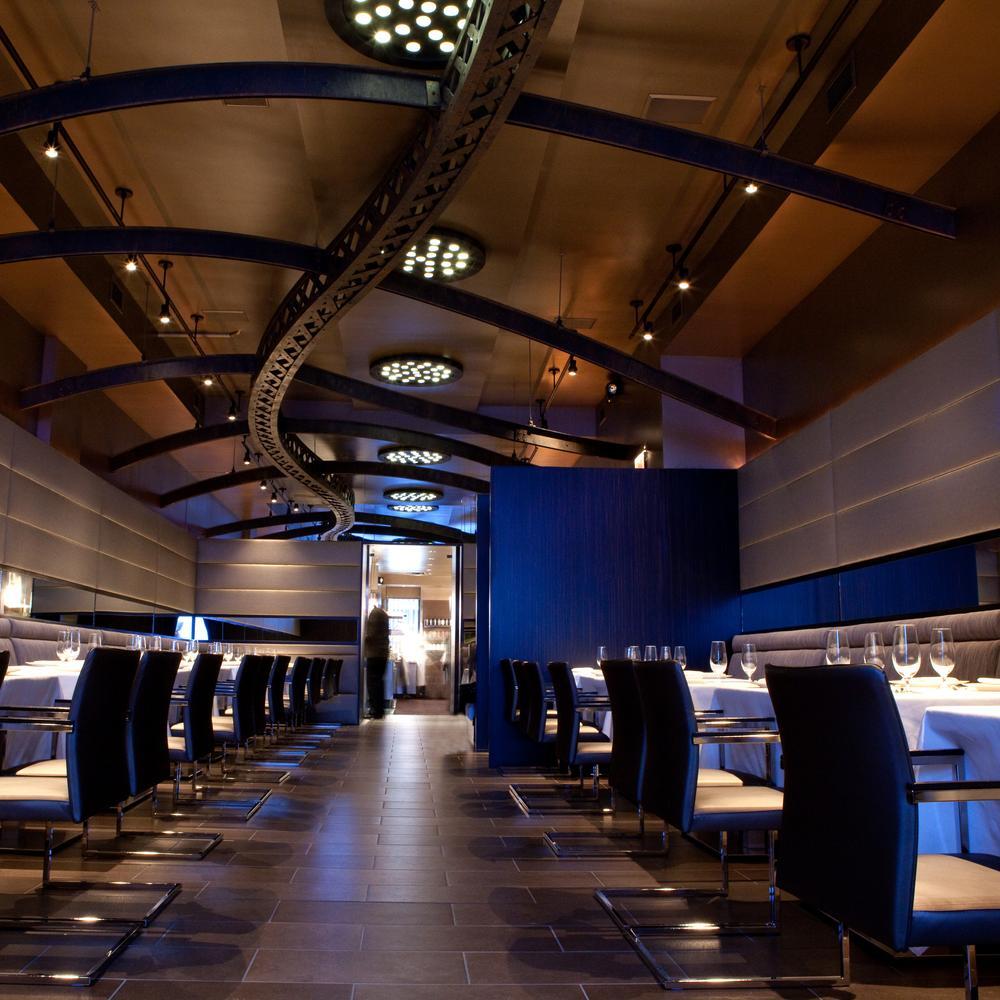
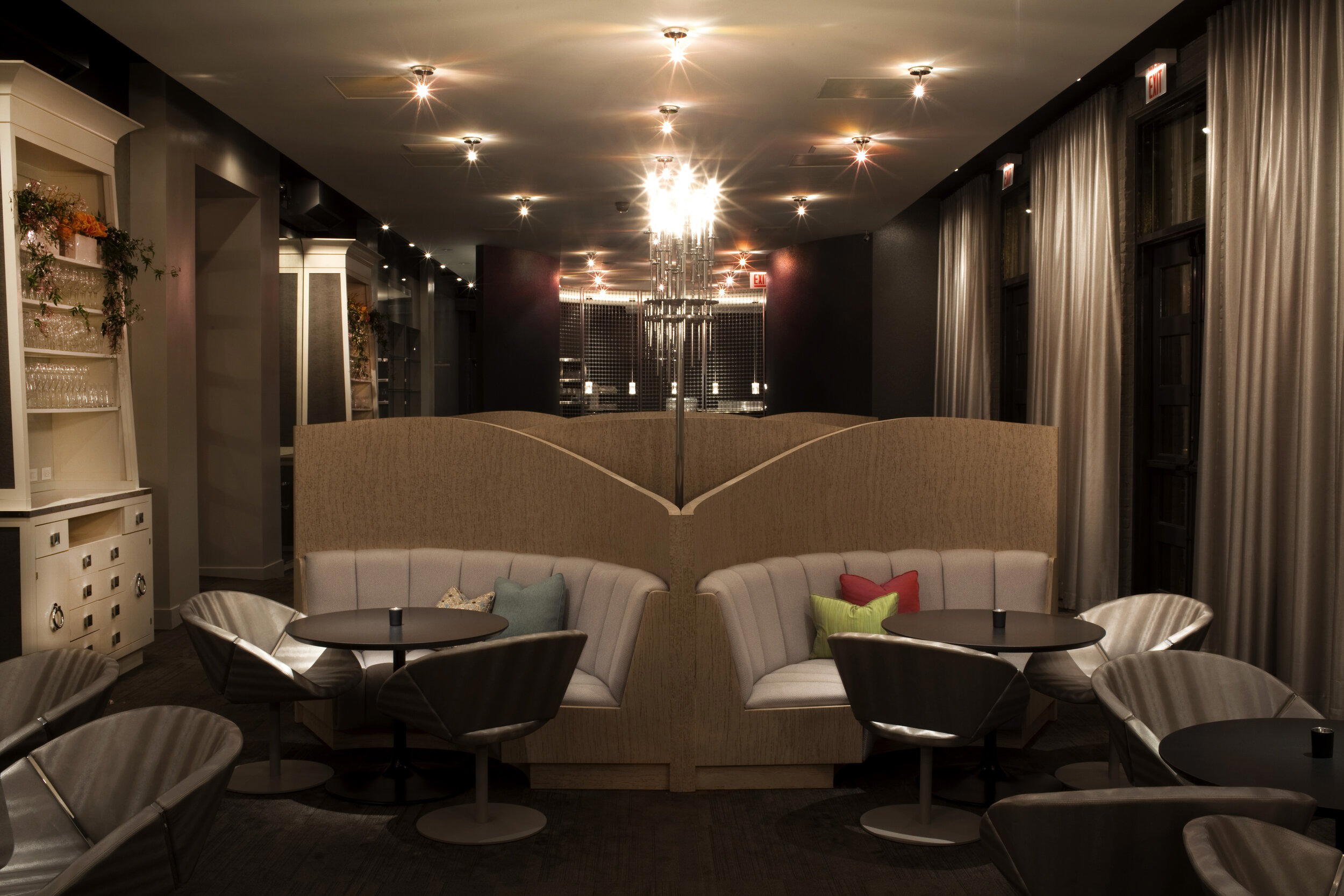
- Cozy
- Rustic
- Intimate
- Date Night
- Special Occasion
- Casual Hangout
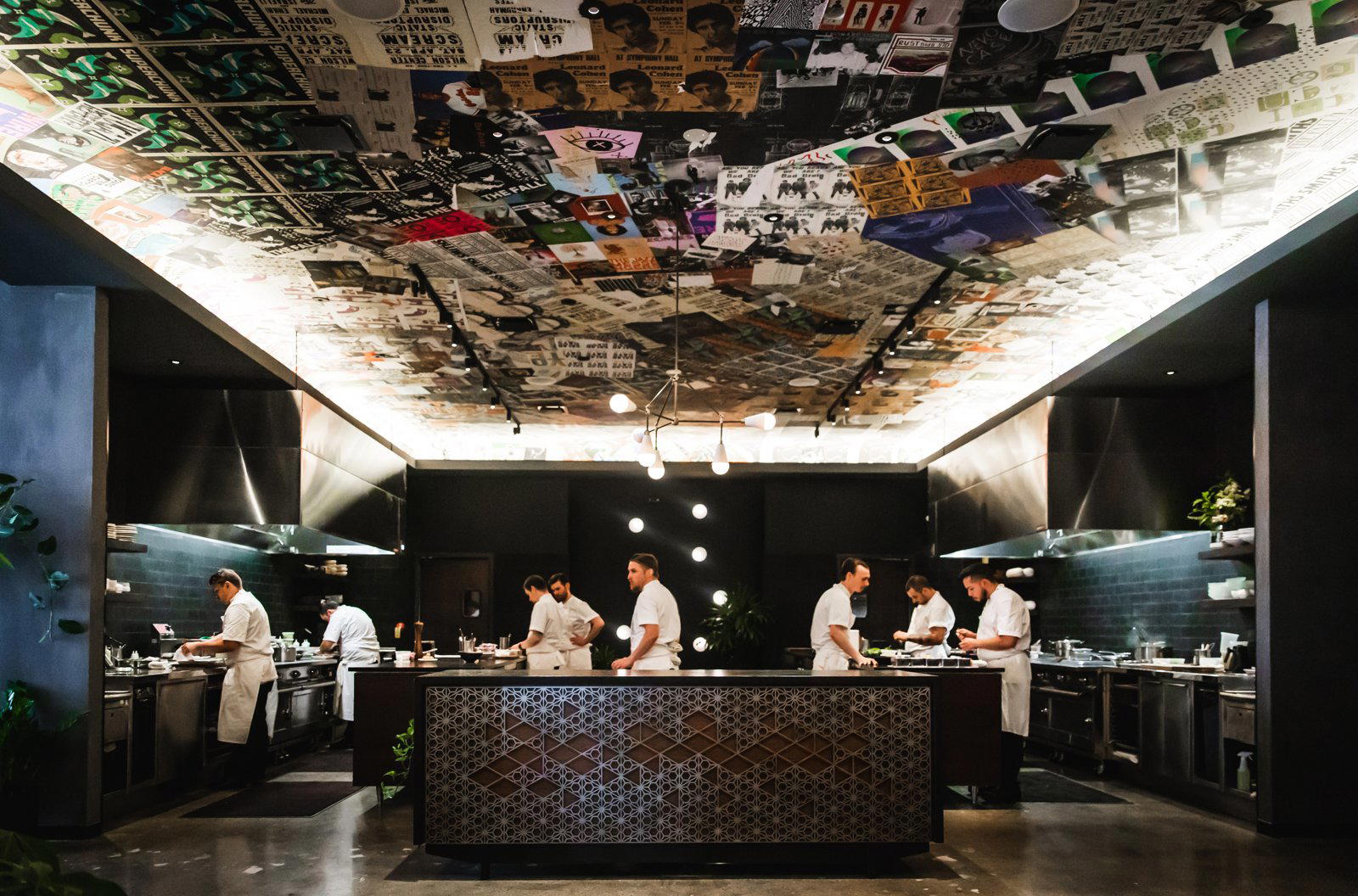
- Open Kitchen
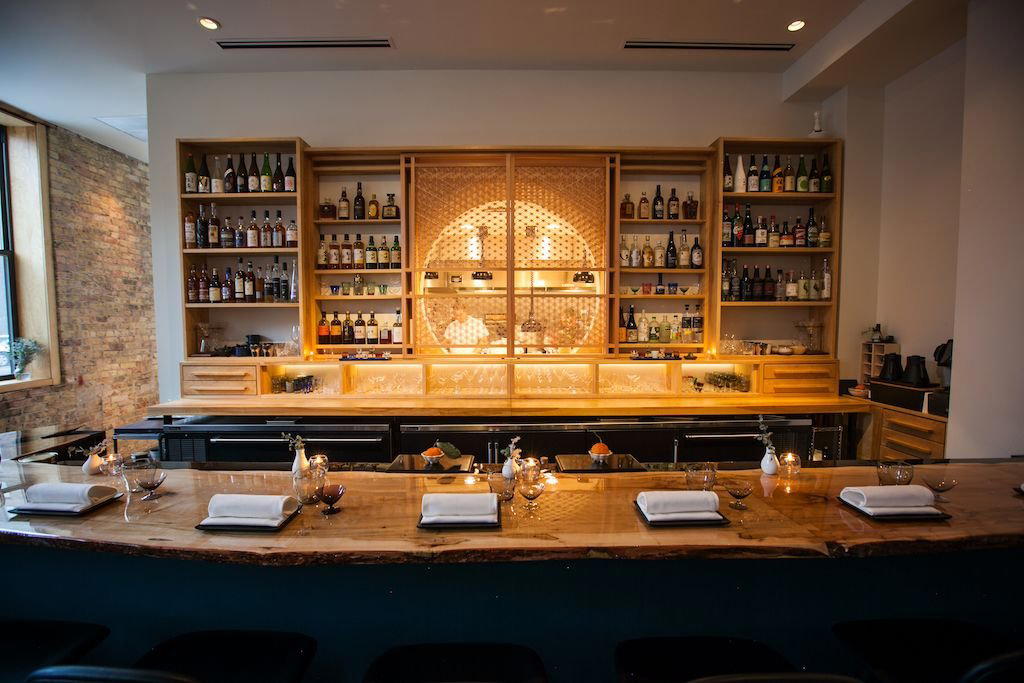
- Extensive Wine List
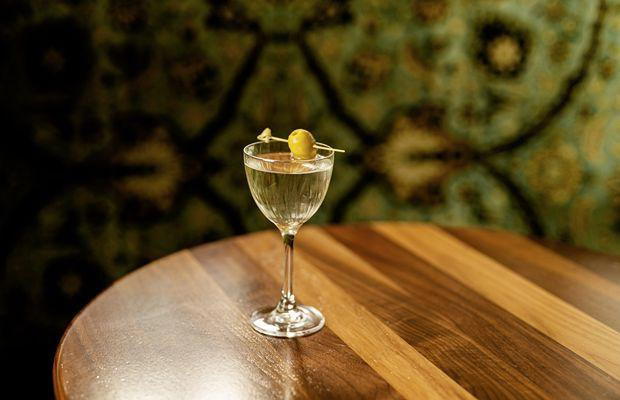
- Craft Cocktails
Current opening hours
- Monday
- Closed
- Tuesday
- Closed
- Wednesday
- Closed
- Thursday
- Closed
- Friday
- 5–10 PM
- Saturday
- Closed
- Sunday
- Closed
Hours can change for holidays and private events. Last verified .
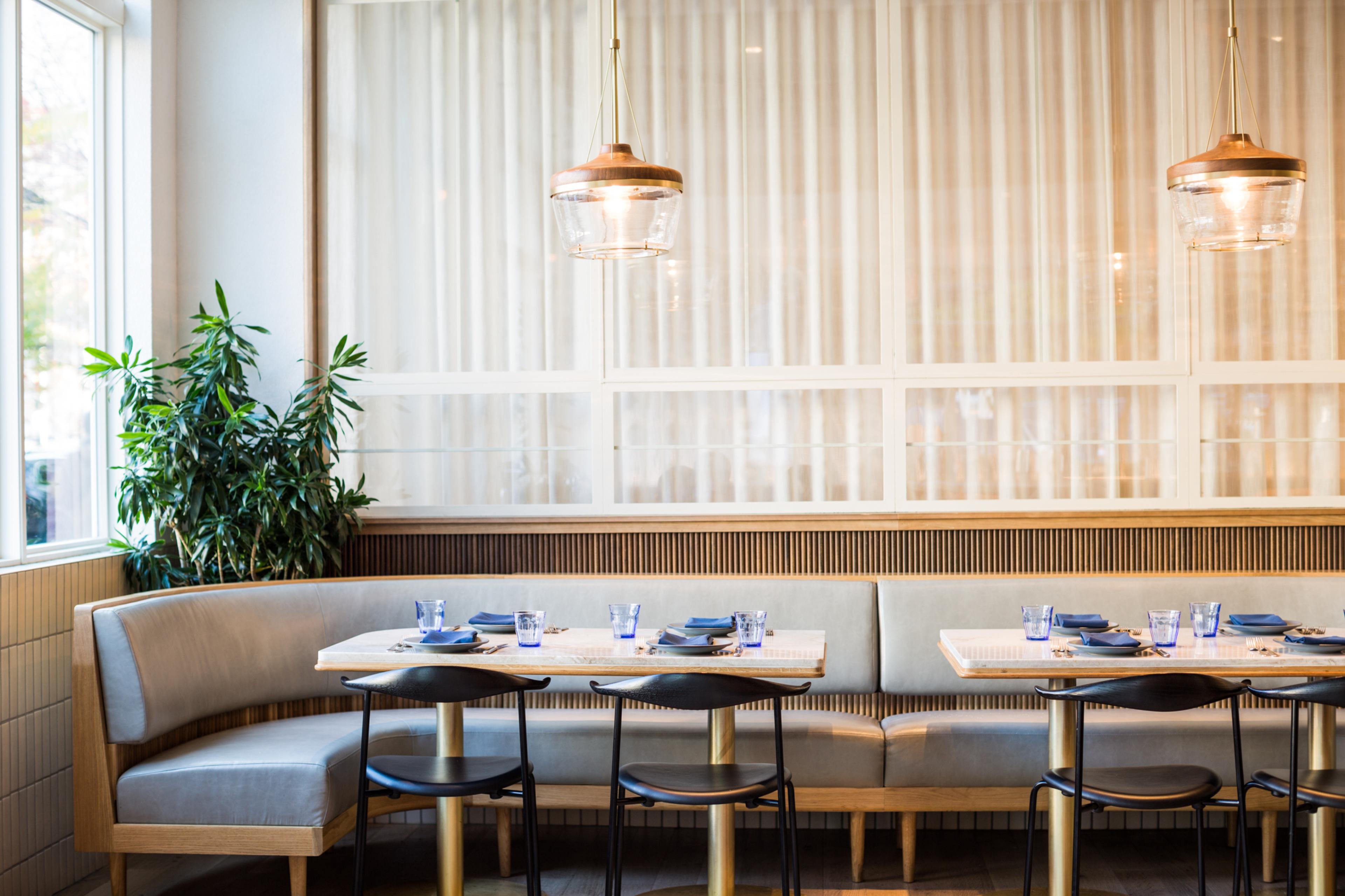
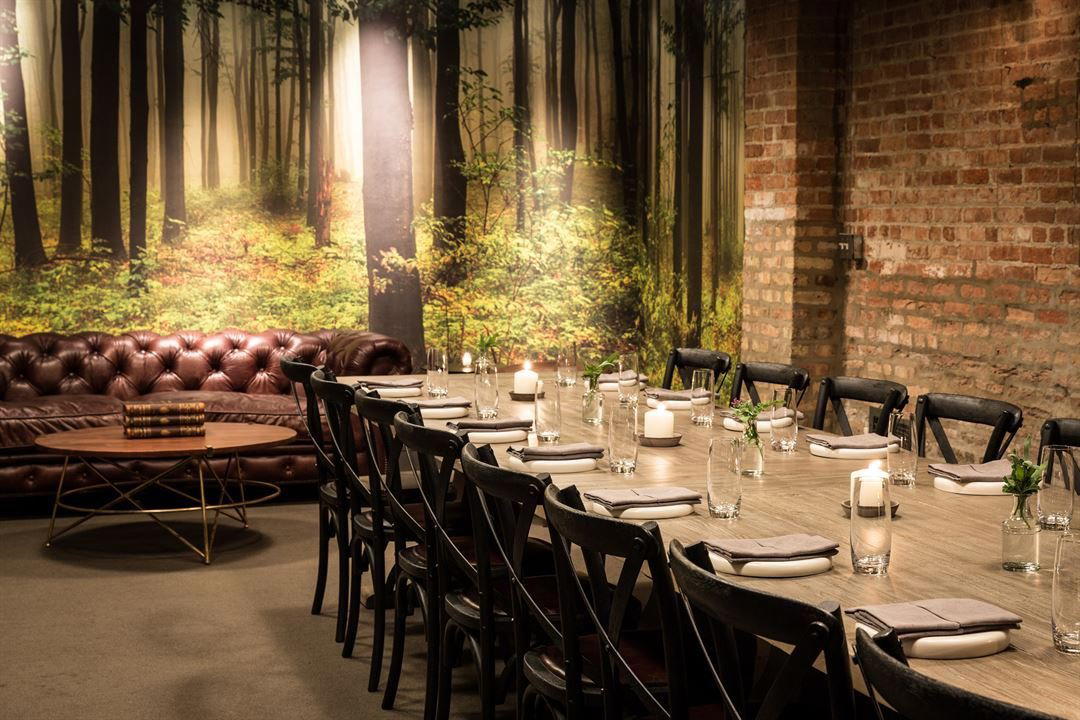
Charming and cozy setting evoking rustic Florence with a welcoming atmosphere and attentive service.